A van breakdown and recovery scenario can quickly disrupt your entire day, especially with the demands of 2026’s fast-paced business landscape. As more van drivers and fleet operators face unexpected issues, the effects on schedules and customer commitments are greater than ever.
Fortunately, advances in technology, improved regulations, and enhanced support services mean you can regain control and minimise stress. This guide will help you approach any van breakdown and recovery with confidence, providing practical steps for every situation.
From prevention and legal obligations to the latest recovery options, discover how to stay prepared, resilient, and ready for whatever the road brings.
Understanding Van Breakdowns in 2026
A solid grasp of van breakdown and recovery trends is essential for every fleet operator and van owner in 2026. Changing technology, stricter regulations, and evolving business needs all play a role. This section explores the most common causes, the real costs, the latest tech innovations, and the regulatory landscape you must navigate.
Common Causes of Van Breakdowns
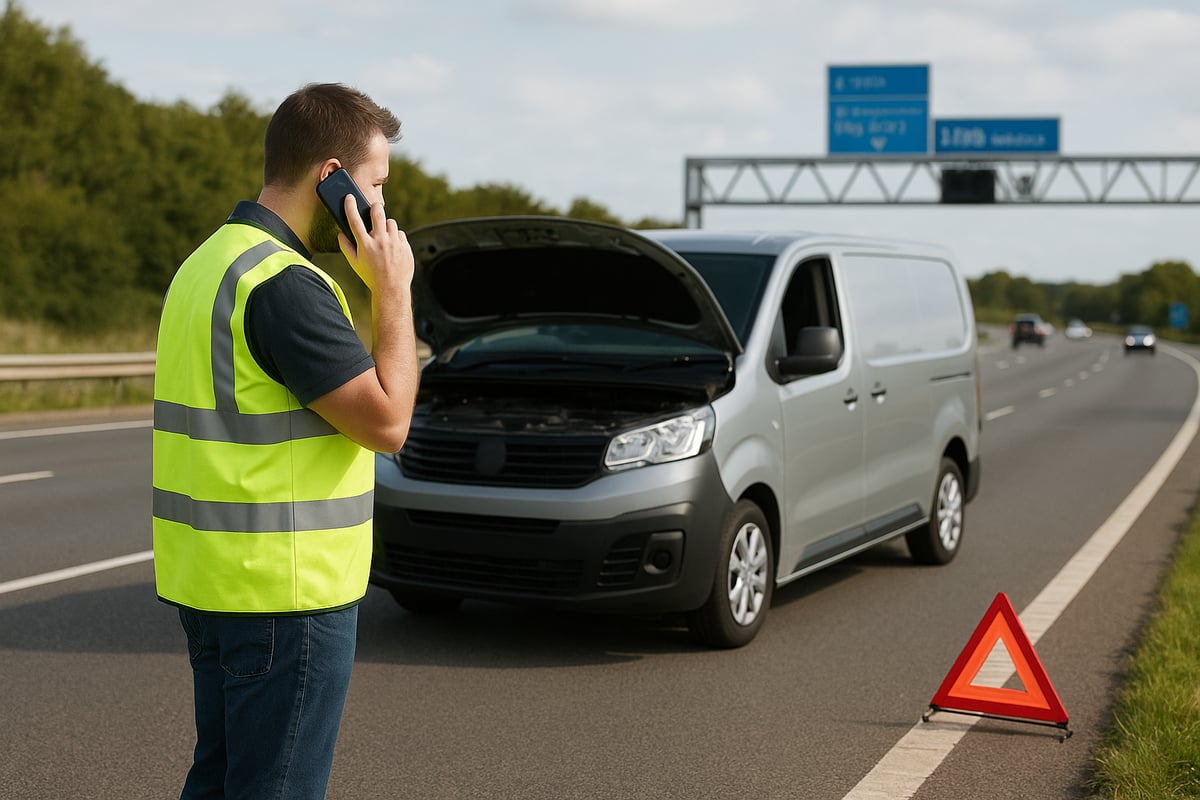
In 2026, the most frequent reasons for van breakdown and recovery remain mechanical failures, battery issues, tyre problems, fuel faults, and overheating. Modern electronic systems mean battery problems are more prevalent, with the RAC reporting battery issues as the leading cause in 2025. Tyre blowouts and engine faults are still common, especially for older vehicles.
A delivery van stranded due to an alternator failure highlights the risks. Regular checks are crucial, especially as UK van MOT failure rates show that 25 percent of vans fail their first MOT. Understanding these causes helps prioritise maintenance and avoid unexpected disruptions.
The Cost and Impact of Breakdowns
Van breakdown and recovery incidents can quickly escalate into significant financial challenges. Lost revenue, repair costs, and potential fines all add up, affecting the bottom line. Downtime disrupts deliveries and business operations, leading to missed appointments and dissatisfied customers.
Insurance premiums often increase after claims, further impacting budgets. According to Fleet News, the average cost per breakdown ranges from £500 to £1,000. For businesses relying on timely logistics, each van breakdown and recovery event can have a lasting effect on reputation and profitability.
How Technology Is Changing Van Recovery
The landscape of van breakdown and recovery is evolving rapidly with new technology. Telematics systems now provide real-time diagnostics, sending alerts before issues escalate. Remote assistance allows some faults to be resolved over the air, reducing the need for on-site intervention.
Electric vans present unique challenges, requiring specialist knowledge for recovery. Manufacturer-based emergency call systems are increasingly standard. The AA reports that 30 percent of recoveries now involve vehicles with advanced driver-assist features, highlighting the pivotal role of technology in modern van breakdown and recovery.
Trends and Regulations Affecting Van Operators
Regulations shaping van breakdown and recovery in 2026 are more stringent than ever. Emissions zones, such as ULEZ and CAZ, introduce specific requirements when breakdowns occur in restricted areas. Operators must carry roadside safety equipment, including warning triangles and high-vis vests, to comply with the law.
Updated PAS 43 standards set new benchmarks for recovery operators. For example, displaying mandatory safety gear is now enforced in London, with fines for non-adherence. Staying compliant with these van breakdown and recovery regulations is essential to avoid penalties and ensure safe, legal operations.
Essential Preparation Before a Breakdown Happens
Preparation is your best defence against the unexpected. By focusing on prevention, equipping your van, and ensuring you and your drivers are fully informed, you can reduce the risk of disruption and stress. A well-prepared approach to van breakdown and recovery ensures you stay one step ahead, no matter where the road takes you.
Routine Maintenance & Pre-Journey Checks
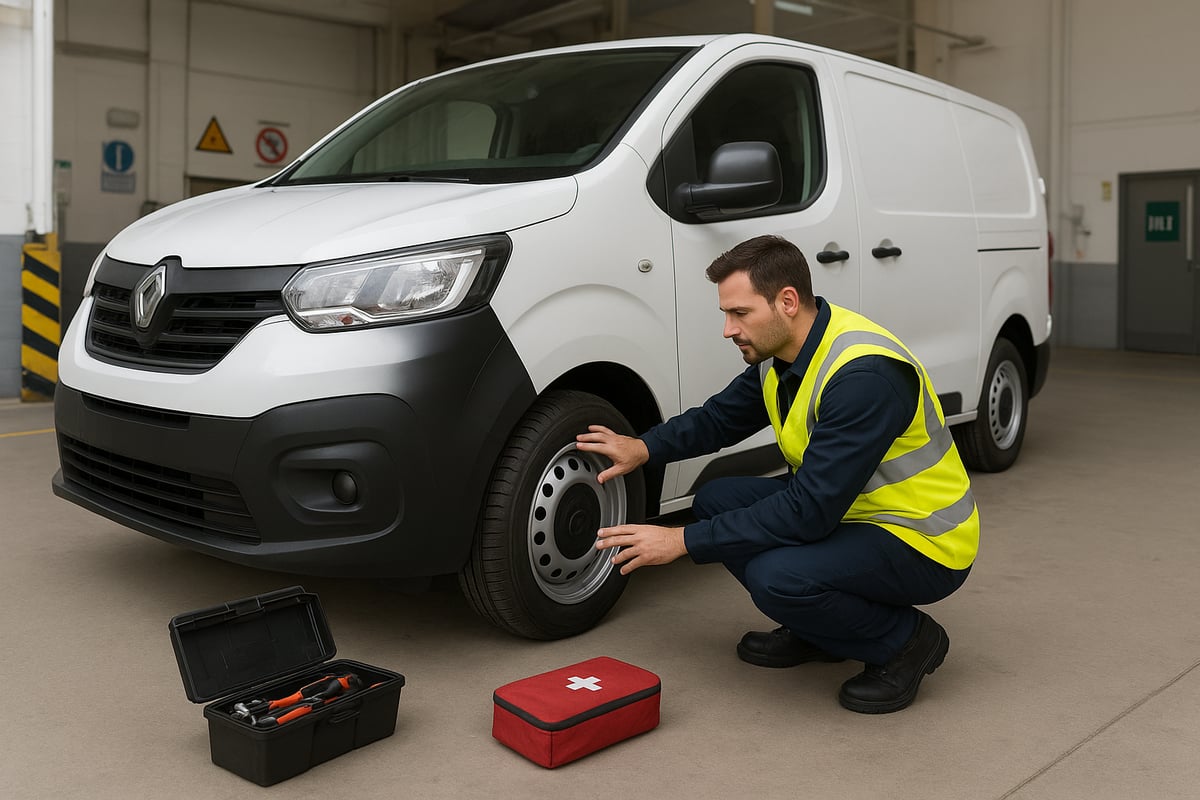
Regular maintenance is at the heart of effective van breakdown and recovery. Stick to scheduled servicing as recommended by the manufacturer. This keeps your van compliant, reliable, and safe.
Carry out daily walkaround checks before each journey. Inspect tyres for wear or punctures, check lights and indicators, and top up fluids such as oil, coolant, and screen wash. Brakes should be tested for responsiveness.
Keep meticulous service records. Not only do they support warranty claims, but they also help with insurance and resale value. One fleet operator saw a 40% reduction in breakdowns simply by implementing consistent checks and record-keeping.
Emergency Kit: What Every Van Should Carry
Every van should be equipped for van breakdown and recovery situations. The right kit can turn a crisis into a manageable inconvenience.
Include these essentials:
- Warning triangle
- High-visibility vest
- First aid kit
- Torch (with spare batteries)
- Jump leads
- Spare tyre and jack
- Basic tools
- Phone charger
Check legal requirements for your operating area, as some items are mandatory. For example, a driver who broke down on the M25 resolved the issue quickly because the emergency kit was close at hand. For those operating in London, consider familiarising yourself with Van Recovery Services London to ensure immediate assistance if your kit alone cannot resolve the issue.
Digital Tools & Apps for 2026
Technology is transforming van breakdown and recovery. Modern apps offer live traffic updates, hazard alerts, and direct integration with telematics systems for predictive maintenance.
Select digital tools that can auto-notify recovery services and share your precise location. Store digital copies of your insurance and breakdown provider contacts for quick access.
Advanced apps now diagnose faults remotely and suggest immediate solutions. For example, some platforms alert your recovery provider as soon as a breakdown is detected, reducing waiting times and improving safety.
Insurance & Breakdown Cover: What to Look For
Choosing the right insurance is a crucial part of van breakdown and recovery planning. Compare cover types: roadside assistance, home start, onward travel, and European cover.
Read the fine print carefully. Check for exclusions, claim limits, and excess amounts. Decide whether annual or pay-as-you-go plans best suit your needs.
| Cover Type |
What’s Included |
Notes |
| Roadside |
On-site repair |
Most common |
| Home Start |
Starts at home |
Good for winter |
| Onward Travel |
Replacement vehicle |
Ideal for business use |
| European Cover |
Abroad assistance |
Essential for EU trips |
Over 70% of van owners now opt for combined insurance and breakdown cover, according to recent industry data.
Training & Awareness for Drivers
Driver training is essential for safe and effective van breakdown and recovery. Teach the basics: jump-starting a battery, changing a tyre, and topping up fluids.
Regularly brief drivers on safety protocols, especially for motorway breakdowns. Update them on new technology, apps, and legal requirements.
One company reduced incidents by 25% after introducing annual digital driver training. Well-informed drivers make better decisions and keep themselves, your vans, and your business safe.
Step-by-Step Guide: What to Do When Your Van Breaks Down
A van breakdown and recovery situation can be stressful, but following a clear process ensures safety and minimises downtime. This step-by-step guide walks you through exactly what to do if your van stops unexpectedly, helping you stay calm and in control.
Step 1: Ensure Safety First
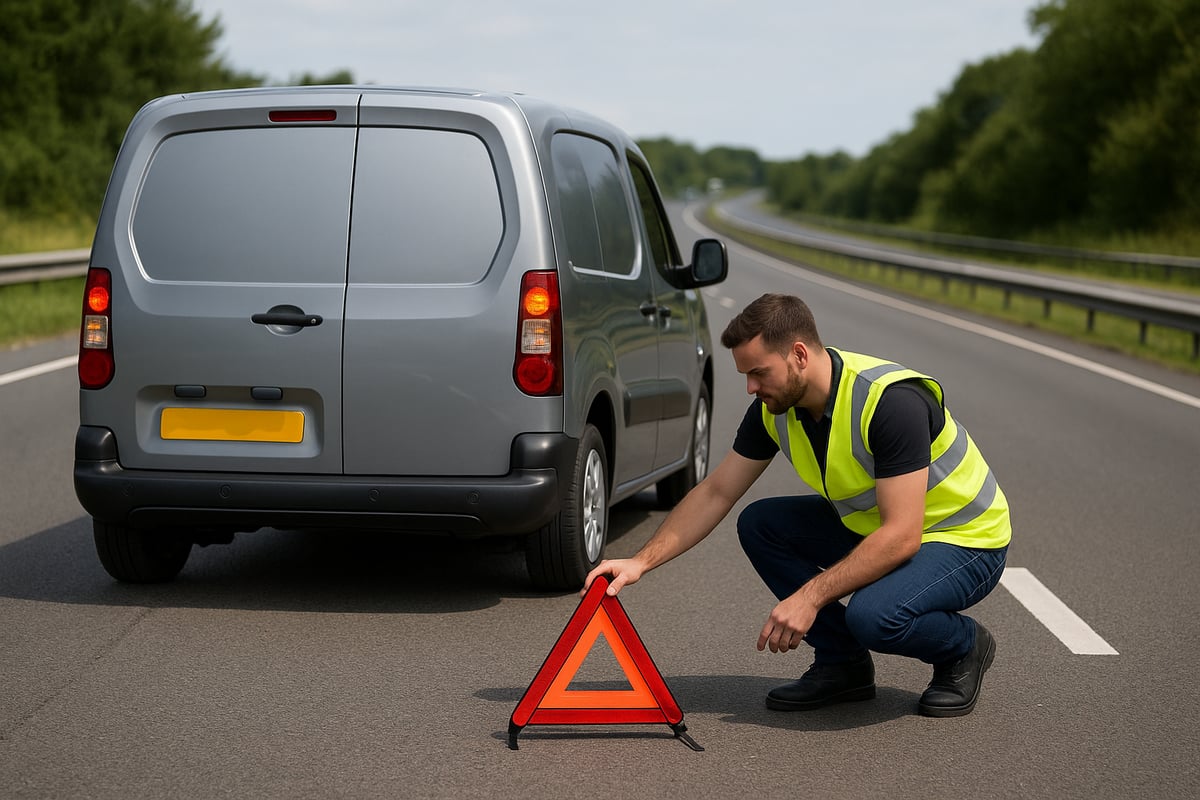
When a van breakdown and recovery situation strikes, your first priority must be safety. Move your van off the main carriageway if possible, aiming for the hard shoulder, a layby, or a safe verge. Activate your hazard lights immediately to alert other drivers.
If you have passengers, evacuate everyone to a safe area well away from passing traffic, ideally behind a safety barrier. Always exit the van using the passenger-side door if on a busy road. Place a warning triangle at least 45 metres behind the vehicle, as required by law in 2026, and put on your high-visibility vest.
By taking these precautions, you reduce the risk of further incidents and ensure you’re visible to other road users and recovery teams during the van breakdown and recovery process.
Step 2: Assess the Situation
After securing the scene, carefully evaluate the cause of your van breakdown and recovery event. Check for dashboard warning lights, unusual noises, smoke, or fluid leaks. A quick visual inspection can reveal issues like a flat tyre or signs of overheating.
Modern vans often provide diagnostic codes via onboard systems or connected apps. Use these to pinpoint problems. Battery failures remain the most frequent culprit; if your van will not start, consider whether you need professional help. For battery-related issues, you can explore Battery Jump Start for Vans for reliable assistance.
Only attempt minor repairs if you are certain it is safe. Otherwise, wait for professional support to avoid worsening the situation.
Step 3: Communicate and Seek Help
Once you understand the nature of your van breakdown and recovery needs, it is vital to contact the appropriate services. Call your breakdown provider or recovery operator, providing a clear description of your location. Use motorway marker posts, GPS, or location-sharing apps to ensure you are found quickly.
Notify your employer or customers if you are in the middle of a work-related journey. Tools like What3Words can give precise location details, speeding up the response time.
Stay calm and communicate any dangers or special requirements, such as carrying perishable goods or hazardous materials. Clear communication is key to an efficient van breakdown and recovery outcome.
Step 4: Stay Safe While Waiting
During a van breakdown and recovery, it is essential to stay vigilant. Remain outside your vehicle, especially on motorways or busy roads, and keep everyone away from traffic. Use your emergency kit: have your high-vis vest on, torch ready if it is dark, and phone charged.
Monitor the environment for changes, such as worsening weather or increasing traffic. Do not re-enter the van unless absolutely necessary. If you feel unsafe, move further from the carriageway and call emergency services.
Staying alert and prepared minimises risk until recovery professionals arrive and take over your van breakdown and recovery process.
Step 5: Cooperate with Recovery Professionals
When help arrives, effective cooperation is crucial for a smooth van breakdown and recovery. Provide the operator with clear information about the van’s problem and any previous attempts to fix it. Follow their instructions closely.
Prepare the van by removing valuables and disengaging the handbrake if towing is required. For electric vans, recovery may need special equipment or procedures; always mention your van type.
Recovery teams are trained for various scenarios, so trust their expertise. By staying organised and responsive, you help speed up your van breakdown and recovery, getting you back on the road sooner.
Step 6: Legal and Reporting Obligations
Certain van breakdown and recovery incidents require legal steps. If your van is blocking traffic or has been in an accident, report the situation to police or highways authorities immediately.
Document the breakdown by taking photos, writing notes, and collecting witness details if necessary. This information supports insurance claims and compliance with 2026 road safety laws.
Remember, around 15 percent of breakdowns involve some legal reporting. Keeping accurate records ensures your van breakdown and recovery process is fully compliant and protects you from future disputes.
Step 7: Next Steps After Recovery
After your van breakdown and recovery, arrange for repairs at an authorised garage or use a mobile mechanic for minor issues. Manage onward travel or reschedule deliveries to minimise disruption to your business or customers.
Begin any necessary insurance or warranty claims promptly. Review the breakdown, assess how it was handled, and update your prevention strategies. Analysing the incident helps prevent future occurrences and strengthens your van breakdown and recovery process.
By following these steps, you turn a potential crisis into a manageable event, keeping your journeys—and your business—moving forward.
Choosing the Right Breakdown and Recovery Service in 2026
Selecting the right van breakdown and recovery service can make the difference between a minor delay and a major disruption. With more advanced vans on the road and changing business needs, it is vital to understand your options and choose wisely. This section explores service types, comparison factors, costs, and a leading London provider.
Types of Recovery Services Available
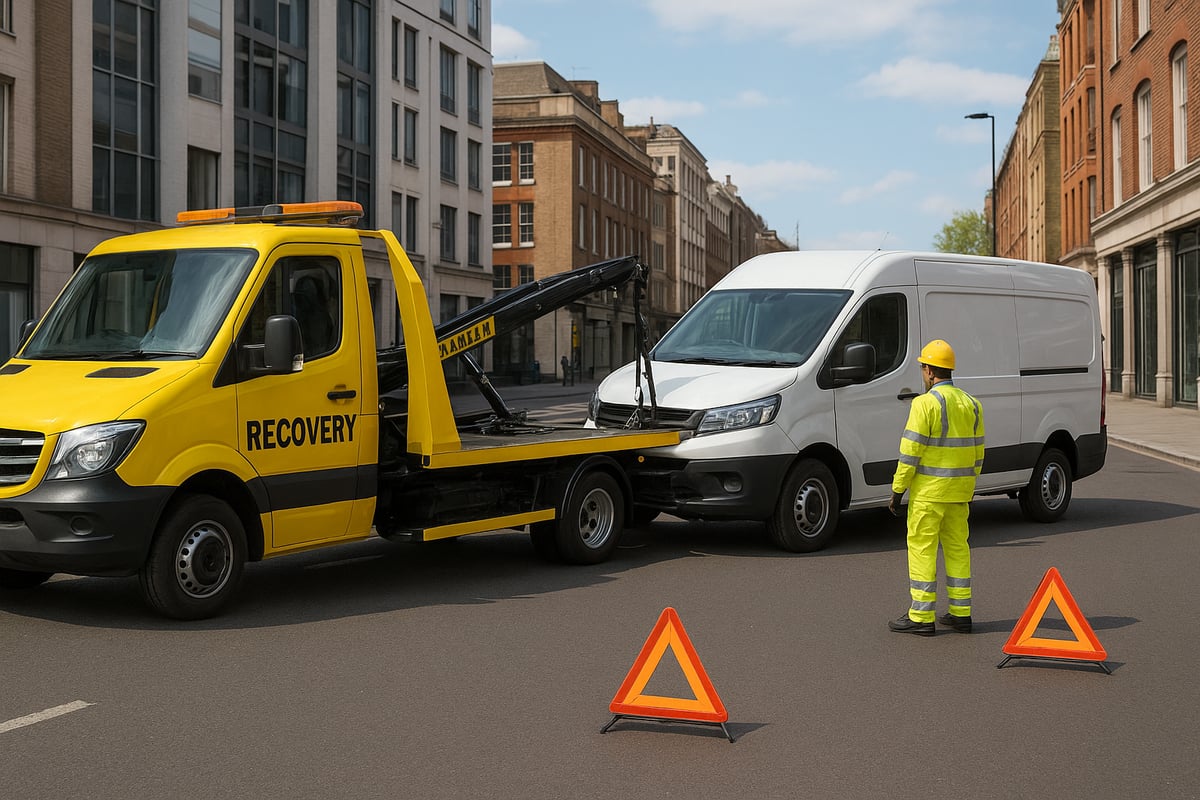
Van breakdown and recovery providers now offer a wide range of solutions tailored to different needs. These include roadside repairs, towing to a garage, and specialist services for electric, hybrid, or large vans. Some companies also deliver on-demand, pay-as-you-go recovery, while others operate annual membership schemes.
For example, refrigerated vans carrying perishable goods may require rapid, temperature-controlled assistance. If you operate in South West London, 24/7 Vehicle Recovery Barnes highlights the breadth of services available, from local roadside help to specialist recovery for all van types.
Understanding these options ensures your van breakdown and recovery plan matches your operational requirements.
Key Factors When Comparing Providers
When evaluating van breakdown and recovery companies, several factors should guide your decision. Response times are crucial, with leading London providers offering 30 to 60 minute guarantees. Check the coverage area, ensuring support extends to urban, rural, and motorway routes.
Service inclusions matter. Look for home start, onward travel, and multi-vehicle cover if you manage a fleet. Customer reviews and satisfaction ratings provide insight into reliability and quality.
Comparing these factors helps you select a van breakdown and recovery partner that delivers consistent, dependable support when you need it most.
Costs and Value: What to Expect
Cost transparency is vital in van breakdown and recovery services. Standard charges may include callout fees, towing distances, and additional services. Beware of hidden costs, such as night or weekend surcharges, which can add up quickly.
A useful approach is to compare the overall value, not just price. Consider what is included, such as guaranteed response times or specialist support. According to Fleet Europe, 68 percent of operators switched providers in 2025 seeking better value.
Choosing a van breakdown and recovery provider with clear pricing and comprehensive services ensures you get the support you pay for.
Motors Recovery: 24/7 Van Breakdown and Recovery in London
Motors Recovery delivers rapid, pay-as-you-go van breakdown and recovery across Greater London and the Home Counties. With 24/7 availability and no membership required, average response times range from 15 to 60 minutes.
They handle all van types, including LWB, high-top, and Luton models up to 7.5 tonnes. Services include towing, jump-starts, police pound recovery, and secure storage. Transparent pricing, free quotes, and high customer satisfaction set them apart.
Whether you are a fleet operator or a private van owner, Motors Recovery offers a reliable van breakdown and recovery solution for immediate and long-term needs.
Legal, Safety, and Environmental Considerations for Van Breakdowns
Navigating the legal, safety, and environmental landscape of van breakdown and recovery in 2026 requires more than just practical know-how. Understanding new laws, compliance standards, and environmental protocols is essential for every van operator. This section breaks down the rules and responsibilities you need to know to stay safe, compliant, and prepared for any scenario.
Roadside Safety Laws and Driver Responsibilities
In 2026, the Highway Code includes stricter rules for van breakdown and recovery situations. Drivers must always use a warning triangle, don high-visibility clothing, and position themselves safely away from live traffic. Failure to comply can result in fines or penalty points.
Common responsibilities include:
- Displaying hazard lights immediately
- Using a warning triangle at least 45 metres behind the van
- Moving passengers to a safe area behind barriers
The latest UK road safety statistics highlight the ongoing risks of roadside incidents, making adherence to these measures crucial. Taking these steps during a van breakdown and recovery process not only protects you but also other road users.
Environmental Zones and Emissions Compliance
Breaking down in Ultra Low Emission Zones (ULEZ) or Clean Air Zones (CAZ) brings unique challenges for van breakdown and recovery. Recovery vehicles entering these zones must meet strict emissions standards, or operators face additional charges. Electric and hybrid vans may require specialist recovery to avoid non-compliance penalties.
Key points to remember:
- Use recovery providers with low-emission vehicles
- Notify authorities if stuck in a restricted area
- Follow local protocols for quick removal
Compliance ensures your van breakdown and recovery does not result in unexpected fines or legal issues. Always check your provider’s credentials before a journey through restricted zones.
Handling Hazardous Materials and Loads
If your van is transporting chemicals, fuel, or perishable goods, a van breakdown and recovery event becomes even more complex. Special regulations apply to the handling and containment of hazardous materials during a breakdown. Immediate reporting and rapid containment are often required to prevent environmental harm or public danger.
Essential steps include:
- Carrying spill kits and personal protective equipment
- Isolating the load if safe to do so
- Reporting any leaks or spills to emergency services
Proper training and preparation for these scenarios ensure that van breakdown and recovery is handled safely and within the law, reducing risk to people and the environment.
Reporting and Documentation Requirements
Accurate reporting is a vital part of van breakdown and recovery. You may need to notify police or highways authorities if your van is causing an obstruction or if hazardous goods are involved. Insurers and fleet managers often require detailed records, including photos, witness statements, and incident notes.
Documentation checklist:
- Digital photos of the scene and damage
- Copies of police or recovery reports
- Maintenance and insurance documents
For incidents involving impounded vehicles, services such as Police Pound Van Recovery can assist with legal release and retrieval. Keeping thorough records ensures compliance and speeds up the recovery process for any van breakdown and recovery situation.
Future-Proofing: Adapting Your Van Breakdown Strategy for 2026 and Beyond
Staying ahead in van breakdown and recovery means planning for tomorrow’s challenges, not just today’s. The landscape is evolving quickly, and future-proofing your approach ensures your fleet is resilient, compliant, and efficient in 2026 and beyond.
Embracing New Vehicle Technologies
The rise of electric and hybrid vans brings new dimensions to van breakdown and recovery. Electric vans require specialist support, as traditional jump-starts or tows may not be suitable. Advanced driver-assist and connected systems now provide real-time diagnostics, helping fleets predict issues before they escalate.
Autonomous technology, though not yet mainstream, is on the horizon. Telematics systems are already alerting operators to battery health, brake wear, and more. This proactive approach minimises unplanned downtime and enables a faster response.
With van fleets growing year on year, as seen in UK van traffic statistics, adapting to these technologies is essential to keep your van breakdown and recovery strategy up to date.
Upgrading Recovery Plans for Modern Risks
Modern risks demand modern solutions. A future-proof van breakdown and recovery plan should cover advanced systems, electric vehicle (EV) support, and specialist towing. Not every provider is equipped for EVs or vehicles with autonomous features, so check your cover includes these services.
Partner with recovery operators who invest in the latest tools and vehicles. Fleets increasingly choose providers with EV-compatible trucks and technicians trained for advanced diagnostics. This ensures you are not left waiting for hours if your high-tech van needs help.
Review your policy annually to ensure it aligns with your business needs and the evolving van breakdown and recovery landscape.
Training and Upskilling for Drivers and Operators
Human expertise remains at the heart of effective van breakdown and recovery. Regular workshops on new van technologies, incident management, and safety protocols keep your team ready for any situation.
- Offer annual digital training on the latest legal changes.
- Run practical sessions on EV and hybrid van emergencies.
- Share updates on connected vehicle features and remote diagnostics.
Fleets investing in continuous driver education see fewer incidents and faster recoveries. Make training a core part of your future-proofing strategy for van breakdown and recovery.
Data-Driven Maintenance and Predictive Analytics
Data is transforming van breakdown and recovery from reactive to predictive. Telematics platforms now monitor engine performance, battery life, and driver behaviour in real time. Alerts prompt timely servicing and reduce the risk of unexpected breakdowns.
A recent report revealed fleets using predictive analytics saw a 50 percent drop in unscheduled breakdowns. Maintenance schedules become smarter, focusing on actual wear instead of generic intervals.
For growing fleets, this approach is vital to manage costs and maintain reliability. Integrate telematics into your van breakdown and recovery planning for maximum efficiency.
Sustainability and Green Recovery Options
Sustainability is a key trend shaping van breakdown and recovery. Many operators now use eco-friendly recovery vehicles and promote responsible disposal of parts and fluids. Some providers even offer carbon-neutral recovery services, appealing to environmentally conscious businesses.
When choosing a recovery partner, look for:
- Hybrid or electric recovery trucks
- Green disposal and recycling practices
- Transparent reporting on environmental impact
Adopting sustainable options not only reduces your carbon footprint but also future-proofs your van breakdown and recovery strategy against evolving regulations.
Building a Resilient Van Operation
True resilience comes from preparation and adaptability. Create detailed contingency plans for van breakdown and recovery, covering everything from emergency contacts to priority repair suppliers.
Regularly review and update your procedures, engaging staff in safety drills and feedback sessions. With the number of licensed vans increasing, as shown in the UK van fleet statistics, robust strategies are essential.
A proactive, data-driven, and well-trained team ensures your van breakdown and recovery plan stands strong, no matter what the future brings.

