In 2026, reliable van recovery is more crucial than ever for businesses and individuals alike. With van usage soaring for deliveries, trades, and personal transport, even a minor breakdown can cause major disruption.
This guide offers expert-backed strategies to minimise downtime, cut costs, and keep you safe in any van recovery scenario. You will discover actionable tips, step-by-step recovery procedures, must-have equipment, and advice on choosing the right recovery service.
Whether you operate a fleet or rely on a single van, this comprehensive guide equips you with everything needed for van recovery success in 2026.
Understanding Van Recovery in 2026
The world of van recovery is evolving rapidly, driven by technology, changing regulations, and the increasing reliance on vans for business and personal use. In 2026, understanding how and why vans break down, and the best ways to recover them, is more important than ever for anyone who depends on these vehicles.
Evolution of Van Recovery Services
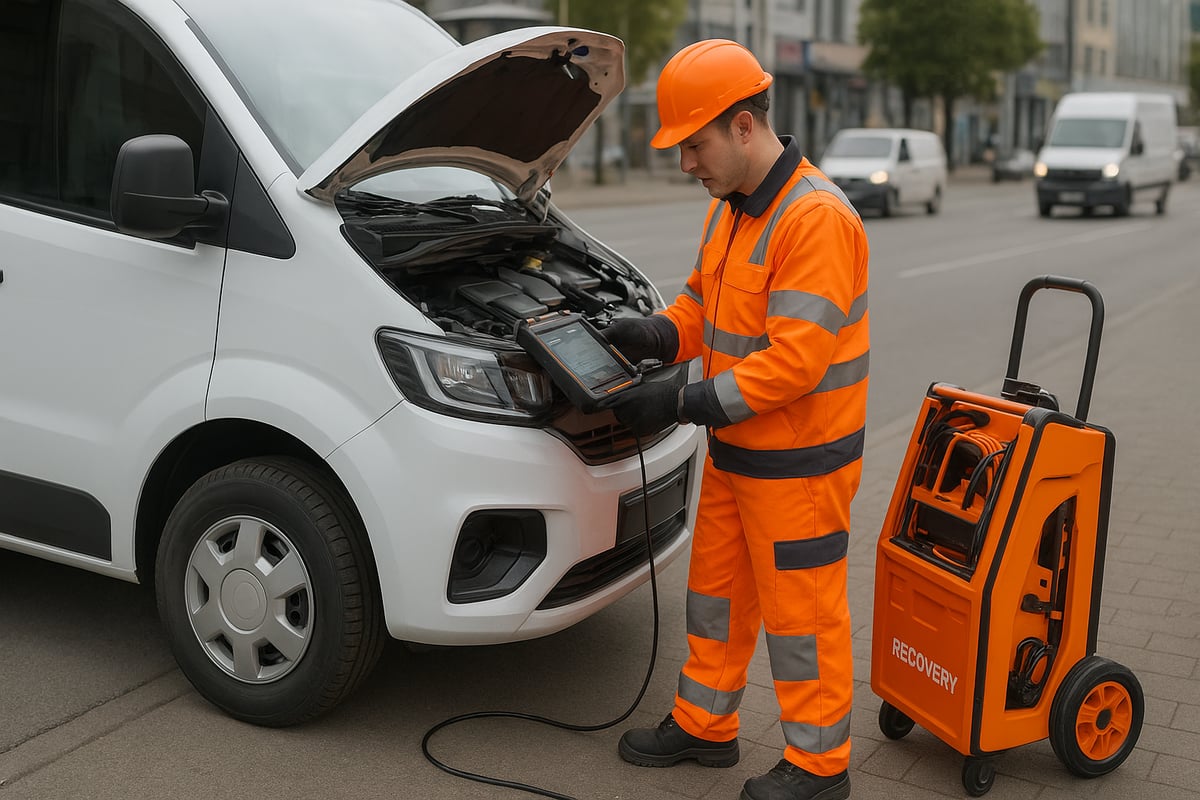
Over the past decade, van recovery has transformed from a purely mechanical process to a sophisticated, technology-driven service. The rise of electric vans and the integration of telematics have changed how technicians diagnose and resolve issues at the roadside.
Modern recovery operators must now handle a wide range of vehicle systems, including high-voltage EV batteries and remote diagnostics. Regulatory changes have also made it mandatory for providers to meet stricter safety and environmental standards. For example, the increase in electric van breakdowns means technicians require specialist training and equipment.
In 2025, callouts for electric vans rose by 30%, reflecting this shift. The ongoing growth in van traffic, as highlighted by Provisional road traffic estimates, Great Britain: July 2024 to June 2025, underlines why modern van recovery is now a critical service.
Common Causes of Van Breakdowns
Van recovery services respond to a wide range of breakdown causes, with some issues proving more common than others:
- Battery failures, especially during cold winter months.
- Tyre punctures and blowouts, often due to urban road debris.
- Engine faults, from overheating to oil leaks.
- Fuel problems, including misfuelling and running out of fuel.
Seasonal variations play a big role. Winter brings more battery and starting issues, while summer sees more overheating incidents. Delivery fleets operating in cities report high rates of tyre damage from potholes and debris. According to the RAC, tyre-related callouts account for 22% of van recovery jobs in 2024.
The Cost of Downtime
Van recovery is not just about getting a vehicle moving again; it is also about managing the financial impact of breakdowns. For businesses and sole traders, every hour a van sits idle can mean lost revenue, missed deliveries, and dissatisfied customers.
The average cost per hour of van downtime for small and medium-sized enterprises ranges from £250 to £500. Frequent breakdowns can lead to higher insurance premiums, especially if claims become regular. Proactive van recovery planning helps reduce these risks and keeps operations running smoothly.
Legal and Safety Considerations
Anyone involved in van recovery must adhere to strict legal and safety protocols. Drivers and passengers are required to wear high-visibility clothing and use warning triangles when stopped at the roadside.
Key roadside safety steps include:
- Pulling over to a safe area, away from traffic.
- Activating hazard lights immediately.
- Placing a warning triangle at a safe distance from the vehicle.
- Wearing high-vis vests at all times when outside the van.
UK law also sets out specific obligations for commercial van operators, ensuring that van recovery is conducted safely and responsibly.
Types of Vans and Recovery Needs
Not all vans are the same, and van recovery solutions must be tailored to vehicle type. Long wheelbase (LWB), high-top, and Luton vans each present unique challenges. Electric vans require specialist handling due to battery systems, while refrigerated vans need power maintained during recovery.
The table below summarises key differences:
| Van Type |
Special Recovery Needs |
| LWB/High-Top |
Larger equipment, height restrictions |
| Luton |
Heavier load, requires larger recovery vehicle |
| Electric |
Specialist battery management |
| Refrigerated |
Power supply for cargo preservation |
In 2025, 18% of all recoveries involved Luton vans, showing the importance of selecting providers with the right expertise for each van recovery situation.
Step-by-Step Van Recovery Process
Facing a van breakdown can be daunting, but a clear, methodical approach makes all the difference. Effective van recovery relies on acting quickly, staying safe, and knowing when to seek professional help. The following steps ensure you are prepared for any scenario in 2026.
Step 1: Assess the Situation Safely
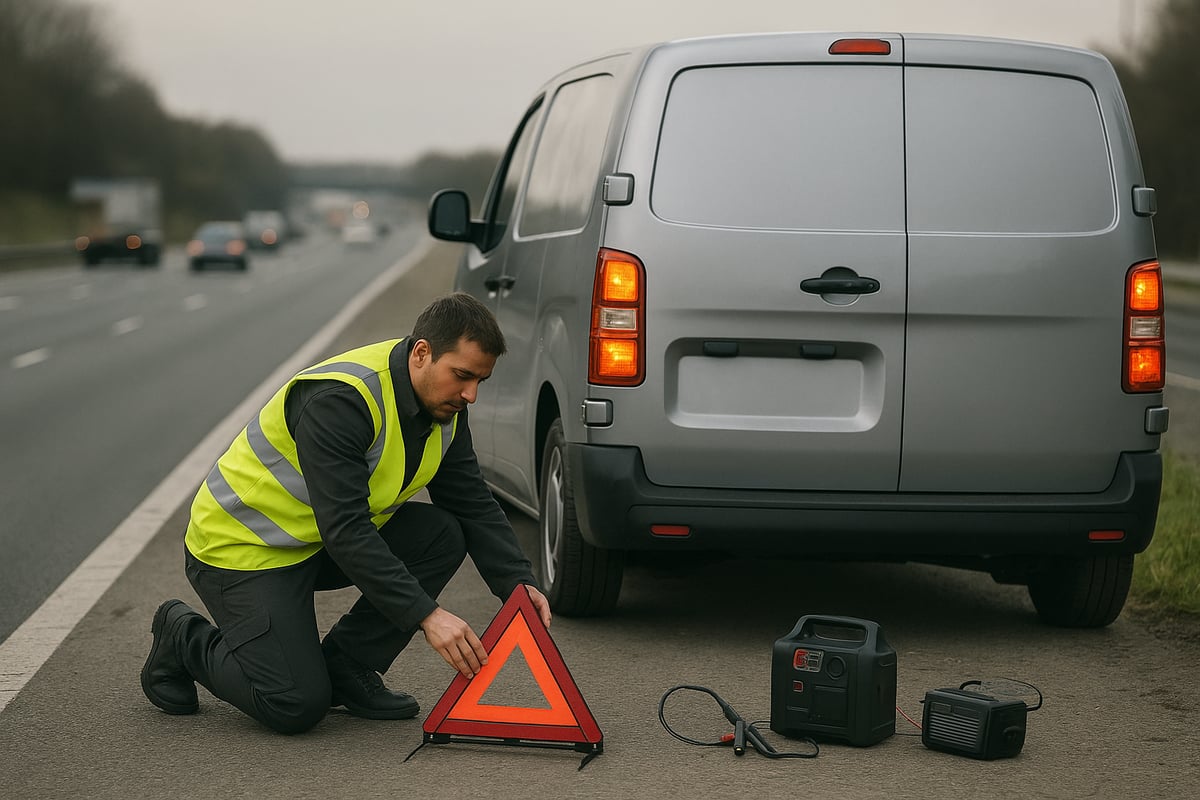
When a breakdown occurs, safety must come first. Guide your van to a safe spot away from traffic, such as a layby or the hard shoulder. Activate your hazard lights immediately to alert other drivers.
Ensure all passengers exit the vehicle from the side away from traffic and move to a safe location, ideally behind a barrier. Wear high-visibility vests to remain visible, especially in low light or poor weather. Place a warning triangle at least 45 metres behind your van, except on motorways where this is not advised.
Securing the scene is a crucial start to van recovery, reducing risk and setting the stage for further action.
Step 2: Diagnose the Problem
Once everyone is safe, assess your van’s condition. Look for obvious issues such as flat tyres, battery warning lights, or fuel level indicators. Modern vans often display fault messages on the dashboard, and many are equipped with telematics or diagnostic tools that provide valuable information.
Check for leaks or unusual noises. If your van is electric, inspect the battery status and any related error codes. For fleets, use telematics data to pinpoint faults quickly.
A swift diagnosis helps you decide if self-repair is possible or if professional van recovery is needed. Accurate information at this stage speeds up the entire process.
Step 3: Attempt Simple Fixes (If Safe)
If the issue is minor and you are confident, attempt basic repairs. Common roadside fixes include changing a flat tyre, topping up fluids, or jump-starting a dead battery. Always use equipment from a well-stocked emergency kit, such as a portable jump starter, tyre inflator, and basic hand tools.
Refer to your van’s manual for step-by-step guidance. Prioritise safety—never attempt repairs in dangerous locations or poor visibility. If the fault is beyond your skills or tools, do not hesitate to move to the next step in the van recovery process.
Prepared drivers can resolve around 40% of breakdowns at the roadside, saving time and reducing stress.
Step 4: Contacting Professional Recovery Services
If self-repair is not possible or safe, contact a professional van recovery provider. Provide precise details: your location (using GPS if available), van make and model, nature of the problem, and any safety concerns. This enables the recovery team to bring the right equipment and personnel.
Response times vary, typically faster in urban areas. Use digital tools or apps for efficient communication and real-time tracking. For reliable support at any hour, consider services like 24/7 van recovery services, which offer rapid response and expertise for all van types.
Prompt and clear communication ensures help arrives swiftly and prepared for your van recovery needs.
Step 5: Ensuring Personal Safety While Waiting
While waiting for assistance, stay vigilant. If possible, remain outside the van and away from traffic, especially on busy roads or motorways. In adverse weather or at night, keep warm and visible using your emergency kit.
If you are in a remote area, ensure your phone is charged and ready for updates. Avoid accepting help from unmarked vehicles or strangers. About one in five van breakdowns occur at night, so maintaining personal safety is crucial during van recovery situations.
Regularly check on passengers, especially children or vulnerable individuals, and keep emergency contacts informed of your status.
Step 6: Handover to Recovery Technicians
When the recovery team arrives, verify their identification and documentation before allowing them to take charge. Provide all relevant van details and describe the steps you have already taken. For electric or specialist vans, ensure technicians are equipped and trained for those models.
Observe as they assess and prepare your van for safe transport or repair. In some cases, you may need to sign paperwork or provide additional information. Clear communication prevents delays and ensures your van recovery is handled professionally and efficiently.
Stay nearby, but let the technicians work without interference.
Step 7: Post-Recovery Actions
After your van is recovered, arrange onward travel or a temporary replacement if needed. Report the breakdown to your insurer or fleet manager, supplying all relevant details and documentation.
Review the cause of the incident and take preventative measures to avoid future issues, such as addressing maintenance shortfalls or updating your emergency kit. Keeping records of van recovery events helps track reliability and supports compliance with legal and insurance requirements.
Proactive follow-up minimises disruption and ensures your van is ready for the road again.
Choosing the Right Van Recovery Service
Selecting the right van recovery service is crucial for minimising downtime and safeguarding your business or personal transport in 2026. With the rise in van usage, having a trusted provider can be the difference between a quick solution and prolonged disruption. The decision process is more complex than ever, given the diversity of vans on the road and the need for reliable, rapid response.
Key Criteria for Selecting a Provider
When evaluating van recovery providers, start by reviewing their coverage area and availability. A reputable service should offer true 24/7 support, rapid response times, and extensive reach across your operating regions. For example, some providers highlight their local expertise, as seen with Vehicle recovery in Lewisham, ensuring help is always nearby.
Check their capability to handle different van types, such as LWB, high-top, refrigerated, or electric vans. Transparent pricing is essential, so look for clear fee structures without hidden charges. Customer reviews and ratings give valuable insight into reliability and professionalism.
Checklist for choosing a van recovery provider:
- 24/7 availability and fast response
- Coverage for all van types
- Transparent, upfront pricing
- Positive customer testimonials
Choosing a provider that meets these criteria ensures your van recovery experience is smooth and efficient.
Understanding Service Levels
Not all van recovery services offer the same level of support. Some focus on roadside repairs, aiming to get your van moving again quickly, while others provide full recovery and towing to a garage if needed. Additional services, such as battery jump-starts, tyre replacements, accident recovery, and passenger transport, can be vital in certain situations.
Providers may also offer secure storage options for your van and cargo. According to recent data, 60% of van operators now prefer comprehensive recovery packages that combine multiple services. Comparing these packages can help you find the best fit for your needs, whether you operate a single van or a large fleet.
Understanding the service levels offered allows you to select a van recovery solution tailored to your operational demands.
Insurance and Membership Options
Cost management is a key concern for many businesses and individuals when choosing a van recovery service. Providers typically offer either pay-as-you-go options or annual membership plans. Pay-as-you-go provides flexibility and no long-term commitment, while memberships may include unlimited callouts, priority response, and additional perks.
Review what is included in each plan. Some exclude certain types of breakdowns or specialist vans, which could lead to unexpected costs. Frequent callouts can impact insurance premiums, so consider your breakdown history and consult your insurer for advice.
Evaluating insurance and membership options helps you control costs and ensures your van recovery needs are fully covered.
Motors Recovery: Reliable 24/7 Van Recovery in Greater London
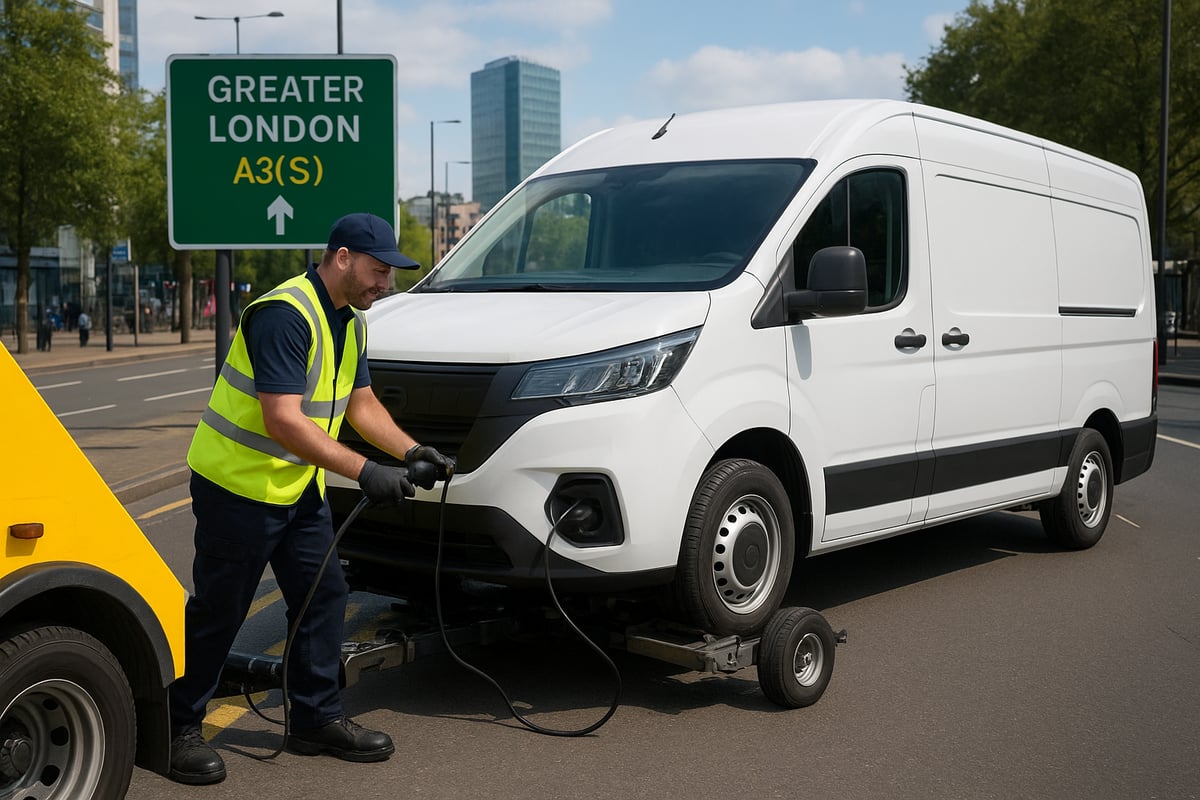
Motors Recovery stands out for its 24-hour van recovery service, offering fast response times between 15 and 60 minutes across Greater London and the Home Counties. No membership is required, making it accessible for both businesses and individuals.
Their team is equipped to handle all van types, including LWB, high-top, and electric vans, with transparent pricing and a customer-focused approach. Additional services include battery jump-starts, accident recovery, and secure storage. Many customers praise their rapid roadside assistance and professionalism.
Choosing a service like Motors Recovery gives you the assurance of reliable van recovery support whenever and wherever you need it.
Essential Van Recovery Equipment & Technology in 2026
Every successful van recovery starts with the right equipment and up-to-date technology. In 2026, being prepared is not just about carrying a few tools. It is about having a complete kit and utilising modern systems that keep you safe and mobile. Let us explore what every van owner and operator should have on board.
Must-Have Emergency Kit Items
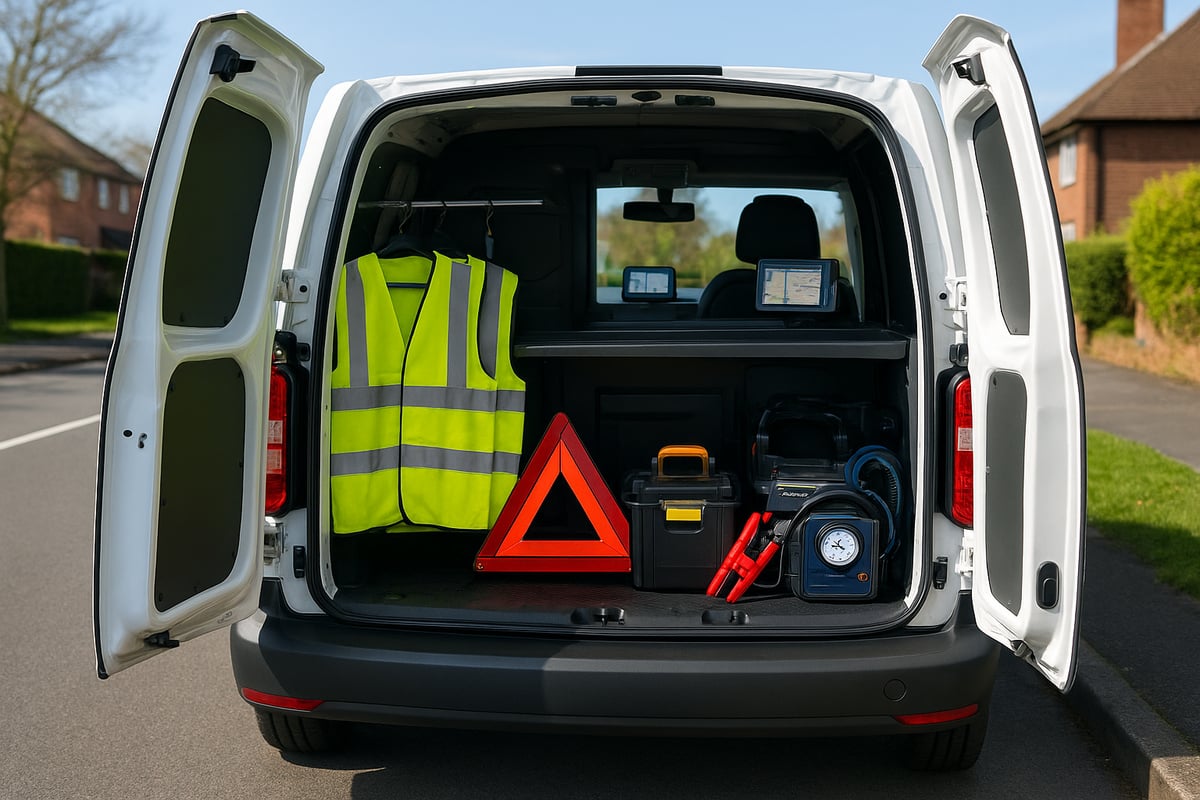
A comprehensive emergency kit is essential for van recovery in 2026. Carrying the right items can turn a potential crisis into a manageable delay. Every van should include:
- High-visibility vests for all occupants
- Warning triangles to alert other drivers
- An LED torch and spare batteries
- A well-stocked first aid kit
- Portable jump starter and tyre inflator
- Heavy-duty tow rope and wheel chocks
Below is a quick comparison of popular van emergency kits:
| Kit Feature |
Basic Kit |
Advanced Kit |
Premium Kit |
| Hi-vis vests |
1 |
2 |
4 |
| Warning triangles |
1 |
2 |
2 |
| Jump starter |
No |
Yes |
Yes |
| Tyre inflator |
No |
Yes |
Yes |
| First aid kit |
Basic |
Advanced |
Advanced |
Equipped with these essentials, van recovery becomes safer and more efficient.
Advanced Tech for Modern Vans
Technology now plays a leading role in van recovery. Most new vans come with telematics and remote diagnostics, allowing drivers and recovery teams to identify faults quickly. GPS trackers help locate stranded vehicles, ensuring help arrives faster.
Battery management systems are crucial for electric vans, which require specialist equipment for safe recovery. For those operating in areas like Hounslow, vehicle recovery for electric vans is increasingly important, as these vehicles need tailored solutions.
With 70 percent of new vans featuring built-in telematics, modern van recovery is smarter, faster, and more reliable.
Tools for DIY Fixes
Having the right tools on board empowers drivers to handle minor issues before calling for professional van recovery. Essential tools include:
- A socket set and screwdrivers
- Tyre levers and a portable inflator
- Spare fuses, bulbs, and fluids
For example, using a portable tyre inflator is straightforward:
1. Attach the inflator hose to the valve.
2. Set the desired pressure.
3. Power on the inflator and monitor the gauge.
4. Remove the hose once inflated.
These tools can resolve common issues, reducing downtime and improving van recovery outcomes.
Upgrades for Prevention
Preventing breakdowns is always better than relying solely on van recovery. Consider these upgrades:
- Run-flat tyres to avoid being stranded after a puncture
- Upgraded batteries for improved reliability
- Smart dash cams for incident documentation
- Predictive maintenance alerts via fleet management software
Proactive upgrades help spot issues early, keeping your van on the road and reducing the frequency of van recovery callouts. Investing in prevention saves time, money, and stress.
Proactive Maintenance & Prevention Strategies
Staying ahead with proactive maintenance is the cornerstone of successful van recovery in 2026. By adopting forward-thinking strategies, businesses and drivers can reduce breakdown risks, control costs, and keep operations moving smoothly.
Regular Maintenance Routines
Routine checks are vital for minimising unexpected van recovery incidents. As van fleets grow, so do the risks of missed MOTs, worn tyres, and neglected components. According to 5.1 Million Van Fleet in Crisis, high MOT failure rates highlight the need for consistent upkeep.
A weekly checklist should include:
| Check |
Frequency |
Notes |
| Tyres |
Weekly |
Tread depth, pressure |
| Fluids |
Weekly |
Oil, coolant, washer |
| Lights |
Weekly |
All exterior bulbs |
| Brakes |
Weekly |
Visual inspection |
| Battery |
Weekly |
Terminals and charge |
Regular maintenance reduces downtime, keeps costs predictable, and ensures your van recovery needs remain minimal.
Predictive Maintenance with Telematics
Modern telematics systems are transforming van recovery and maintenance. These systems monitor vehicle health in real time, alerting you to issues with batteries, oil, or tyre pressure before they cause a breakdown.
Predictive maintenance, powered by data, can lower van recovery callouts by up to 25 percent. Fleet operators benefit from early warnings, allowing them to schedule repairs and avoid costly roadside incidents.
Integrating telematics into your van recovery strategy is a proven way to boost reliability and extend vehicle life.
Driver Training and Best Practices
Well-trained drivers are the first line of defence against van recovery emergencies. Educating your team on early warning signs, such as dashboard alerts or unusual noises, can prevent minor faults from escalating.
Best practices include:
- Checking tyre condition before every journey
- Reporting dashboard warnings immediately
- Avoiding overloading and harsh driving
- Following correct procedures during breakdowns
Investing in driver training not only reduces van recovery incidents but also improves safety across your entire operation.
Seasonal Preparation
Seasonal changes bring unique challenges for van recovery. In winter, battery failures and cold starts are common, while summer can cause overheating. Preparing your fleet for each season is crucial.
Install winter tyres and check cooling systems before the cold months. Address pothole risks and debris, as RAC ‘pothole breakdowns’ double in first three months of 2025, making road conditions a real threat.
By adapting your maintenance for the season, you greatly reduce van recovery callouts and keep your drivers safe.
Record Keeping and Compliance
Accurate records are essential for effective van recovery planning. Log every service, repair, and breakdown. Maintain digital records to track trends and identify recurring issues.
Key compliance steps include:
- Keeping MOT certificates up to date
- Recording all maintenance and repairs
- Reporting breakdowns to insurers and fleet managers
Good record keeping supports legal compliance and ensures your van recovery processes are efficient and transparent.
Trends and Innovations Shaping Van Recovery in 2026
The landscape of van recovery is evolving rapidly in 2026, shaped by new vehicle technologies, digital platforms, and rising customer expectations. Operators and drivers must stay ahead of these trends to ensure efficient, safe, and sustainable van recovery in the years ahead.
Rise of Electric and Hybrid Vans
Electric and hybrid vans now make up a significant share of commercial fleets. This shift brings unique van recovery challenges, especially regarding battery safety and specialist towing requirements. Recovery providers have adapted by investing in technician training and equipment designed for EVs.
For example, specialist EV recovery vehicles are now equipped to safely transport high voltage vans. Technician training is more rigorous, focusing on the risks of handling lithium batteries. According to the SMMT, one in three new vans registered in 2026 are electric, reflecting the scale of this transition.
AI and Automation in Recovery Services
Artificial intelligence is transforming van recovery through smarter dispatch and diagnostics. AI-powered systems can analyse breakdown reports, match the nearest available technician, and optimise routes for faster response.
Remote diagnostics allow technicians to assess vehicle faults before arriving on site, improving first-time fix rates. According to the AA, AI dispatch has reduced average response times by 15 percent. For further insights, see the 2026 Mobility Outlook: Four Key Trends to Watch for a broader perspective on how technology is impacting recovery services.
Eco-Friendly Recovery Solutions
Sustainability is now at the heart of van recovery. Recovery fleets are increasingly adopting hybrid and electric vehicles to reduce emissions. There is also a stronger focus on the responsible disposal of damaged parts and fluids, supporting greener operations.
For example, some leading operators now power their workshops with renewable energy and use biodegradable lubricants. These eco-friendly initiatives align with national goals for lower carbon fleets and make van recovery more sustainable for the future.
Integration with Fleet Management Platforms
Seamless integration with digital fleet management tools has become essential for efficient van recovery. Real-time tracking, digital service requests, and automated record-keeping allow for swift communication between drivers, fleet managers, and recovery teams.
A recent Fleet World report found that 80 percent of large fleets use integrated recovery apps. These platforms streamline workflows, reduce paperwork, and ensure that breakdowns are managed quickly and transparently.
Customer Experience Enhancements
Customer expectations for van recovery have never been higher. App-based updates, live ETA tracking, and digital payment options are now standard features. These enhancements provide peace of mind, as drivers can monitor progress and receive instant notifications.
Live tracking is particularly valued, helping customers stay informed during stressful breakdown situations. As a result, customer satisfaction scores for van recovery providers have improved, reflecting the industry’s investment in modern service delivery.

