Picture this: your van sputters to a stop on a packed motorway in 2026, traffic whizzing by and uncertainty setting in. Would you know the best steps to take for van roadside recovery, or would you feel unprepared and exposed?
This guide is designed for van owners and operators who want to stay ahead, stay safe, and minimise disruption when the unexpected happens. With updated advice reflecting the latest technology, regulations, and industry standards, you will be ready for whatever the road throws your way.
Inside, you will find clear, step-by-step instructions for pre-breakdown preparation, immediate response, safety protocols, choosing the right recovery service, legal and insurance essentials, and future trends. Get prepared and travel with confidence.
Preparing Your Van for the Unexpected
Preparation is vital for every van driver. Thorough planning can be the difference between a swift van roadside recovery and a stressful, prolonged ordeal. By staying proactive, you reduce risks, save time, and ensure your safety if a breakdown occurs.
Essential Pre-Trip Checks
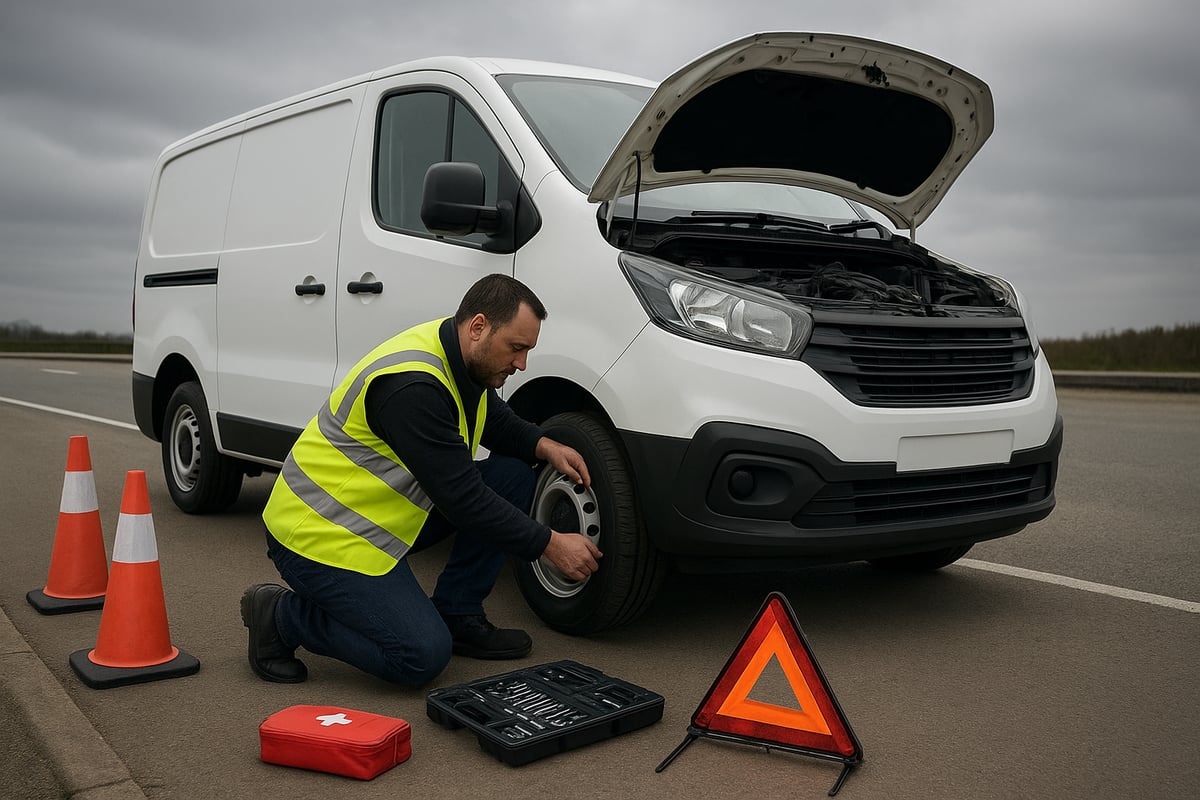
Start with a routine inspection before every journey. Examine tyres for tread depth and pressure, which helps prevent punctures and ensures grip. Test brakes and lights, making sure all bulbs are functional. Monitor fluid levels, including oil, coolant, and screenwash, to avoid overheating or visibility issues.
It is crucial to keep your van’s MOT and service schedule current. Official statistics reveal that 2021-registered Light Commercial Vehicles had a 25.9% MOT failure rate, twice that of cars, largely due to neglected advisories on brakes and tyres (Van MOT failure rates). Regular checks can help avoid such pitfalls and ensure smoother van roadside recovery if you ever need it.
Battery health is another priority. Over 40 percent of breakdowns in 2024 were battery-related, so check for corrosion and ensure secure connections. Always verify your spare tyre and tool kit are present and functional. One delivery van operator reported a 30 percent drop in breakdown incidents after introducing weekly checks.
For those operating in London, professional services such as Van Recovery Services London offer expert support and can assist in emergencies, providing peace of mind and fast van roadside recovery if your own checks ever fall short.
Stocking Your Emergency Kit
Equipping your van with a comprehensive emergency kit is essential. Include the following must-have items:
- Warning triangle
- Hi-vis vest
- Torch with spare batteries
- First aid kit
- Jump leads
- Phone charger
For longer waits, pack water, snacks, and blankets to maintain comfort. In 2023, one in five van drivers waited over an hour for recovery, highlighting the importance of these items.
Modern technology adds extra security. Portable power banks ensure your devices stay charged, while compact tyre inflators can address minor issues on the spot. These upgrades make your experience during van roadside recovery safer and less stressful.
Keep your kit organised and easily accessible. Regularly check expiry dates on medical supplies and test your torch. Preparation here gives you confidence no matter where the road leads.
Digital Tools & Apps for 2026
Technology now plays a crucial role in van roadside recovery. Download leading apps for instant breakdown reporting and GPS location sharing. These tools speed up response times and keep you connected with recovery teams.
Digital logbooks help track maintenance and alert you when services are due. This proactive approach reduces the risk of unexpected faults. Telematics systems provide real-time diagnostics and alerts, often identifying problems before they escalate.
Fleet managers using connected apps saw roadside assistance arrive 18 percent faster, demonstrating real-world benefits. When every minute counts, these digital solutions make van roadside recovery more efficient and less stressful.
Stay updated with the latest software and ensure your devices are charged before each trip. These steps keep you ahead of potential breakdowns and firmly in control.
Step-by-Step: What To Do When Your Van Breaks Down
Breaking down in your van can be stressful, but following a clear, step-by-step plan will help you stay safe and minimise disruption. Whether you are a sole trader or manage a commercial fleet, knowing exactly how to handle a van roadside recovery situation is essential for protecting yourself, your passengers, and your business interests.
Step 1: Assess and Signal Your Situation
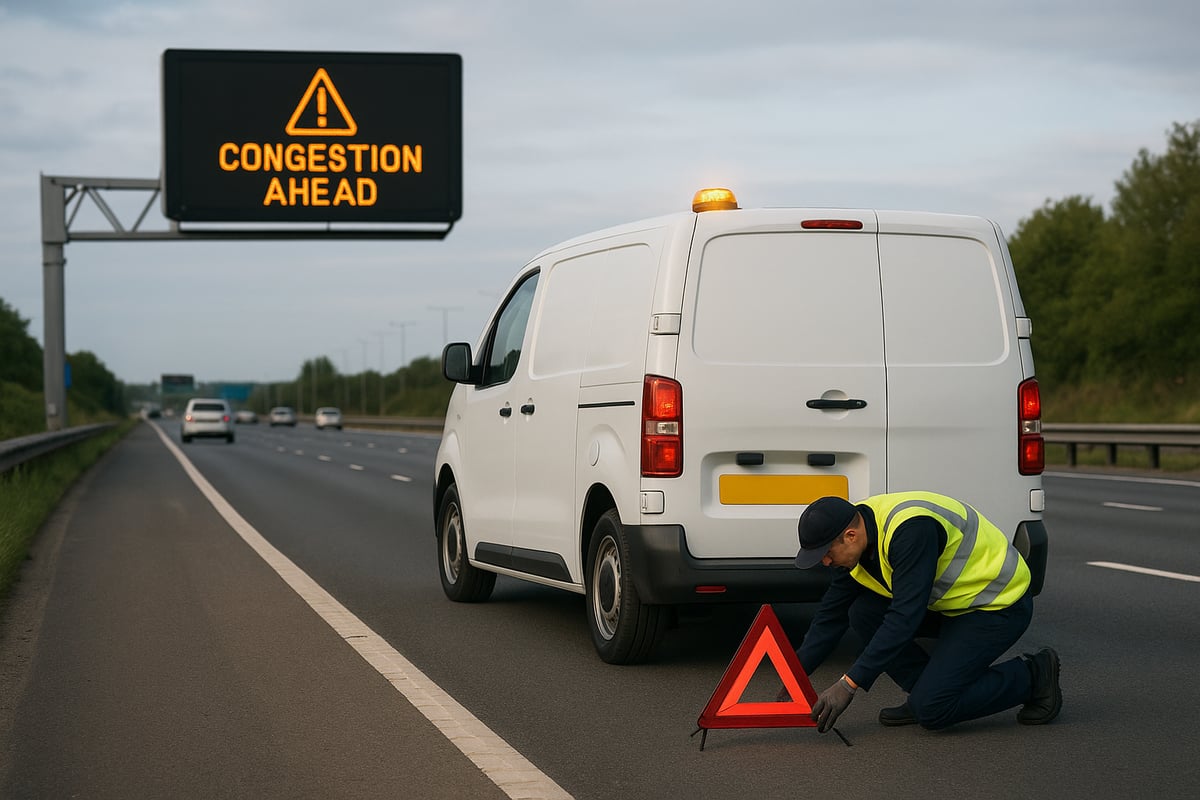
If you sense trouble with your van, act quickly but calmly. When possible, guide your van to a safe spot such as the hard shoulder or a layby, away from fast-moving traffic. Activate your hazard lights immediately to alert other drivers to your situation. It is a legal requirement to place a warning triangle 45 metres behind your van, providing advance notice to others.
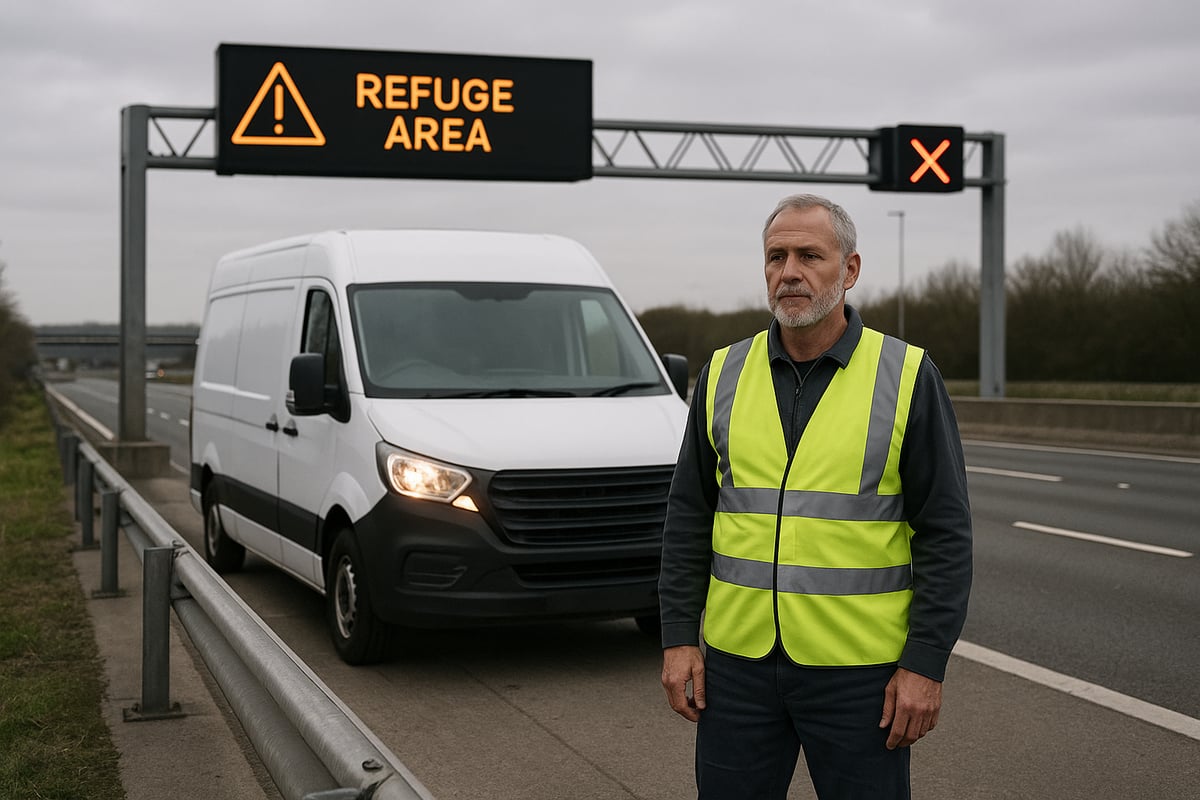
If you are on a smart motorway, be extra cautious. According to Smart motorway breakdown rates, these roads have a much higher rate of breakdowns than conventional ones, with over half of incidents occurring on them in 2024. Always look for designated refuge areas and follow overhead signage for further guidance, as this greatly improves van roadside recovery safety.
Before leaving the vehicle, check your surroundings. If passengers are present, instruct them to exit on the side away from traffic. This initial step sets the foundation for a safe and efficient van roadside recovery.
Step 2: Ensure Personal Safety
Once outside, your priority shifts to personal safety. Stand behind a roadside barrier if available, keeping well clear of traffic. High-visibility clothing is crucial, especially in low light or adverse weather, making you easy to spot for both recovery teams and passing motorists.
Keep children and pets close, ensuring they remain away from the carriageway. In 2023, improper roadside positioning contributed to 12% of breakdown-related injuries. These injuries are preventable with careful adherence to safety protocols during van roadside recovery.
Never attempt repairs or inspections if it means putting yourself at risk. Your safety comes first, and recovery professionals are trained to handle dangerous scenarios.
Step 3: Diagnose If You Can
If it is safe to do so, try to identify the cause of your van’s problem. Common issues include flat batteries, punctures, or overheating. Modern vans often have onboard diagnostics, and many drivers use mobile apps to assist with basic troubleshooting.
Consider whether it is appropriate to attempt a minor fix, such as changing a tyre or topping up coolant. Only proceed if you are confident and the van is securely positioned. If the issue is beyond your skillset, do not take risks—wait for professional van roadside recovery support.
Fleet operators increasingly rely on telematics and connected apps to diagnose issues remotely. This approach not only improves response times but also provides valuable data for future maintenance planning.
Step 4: Contact Roadside Assistance
When you are ready to request help, gather essential details: your exact location, van make and model, and a clear description of the breakdown. Use your mobile phone or a smart motorway emergency call point if available. Many modern vans are equipped with eCall systems that automatically alert emergency services when triggered.
Be prepared for varying wait times. In urban areas, the average response for van roadside recovery is around 45 minutes, according to Green Flag. Sharing your GPS location via a breakdown app can help recovery teams reach you more efficiently.
Communicate clearly and remain accessible. Keeping your phone charged and monitoring for updates ensures a smoother recovery process.
Step 5: Stay Secure While Waiting
While waiting for van roadside recovery, secure your vehicle by locking it if you need to step away briefly. Avoid accepting unsolicited help from strangers, as opportunistic thefts from unattended vans have increased in recent years.
Stay alert to your surroundings. If you feel unsafe at any point, contact the police for additional support. Comfort items such as water, snacks, and a blanket can make the wait less stressful, especially during long delays.
Remember, preparation and vigilance are your best defences while you await van roadside recovery. Following these steps not only protects you but also helps recovery teams assist you more efficiently.
Safety Protocols and Legal Requirements in 2026
Navigating a van roadside recovery situation in 2026 requires full awareness of the latest safety protocols and legal obligations. New rules and digital tools now shape how drivers prepare, respond, and document each incident. Understanding these changes not only keeps you compliant, but also ensures your safety and streamlines any claims process.
Updated Roadside Safety Laws
In 2026, van roadside recovery procedures have evolved to reflect new UK regulations. Drivers are now required to carry and use a warning triangle and high-visibility vest at all times. On smart motorways, understanding the meaning of red X lane closures, using designated refuge areas, and following digital signage is essential.
Failure to comply with updated safety laws can result in significant fines. For example, penalties for ignoring smart motorway protocols increased in 2025, with enforcement cameras now actively monitoring compliance. The government has also clarified the correct placement of warning triangles (45 metres behind your van) and made high-vis clothing compulsory for all occupants exiting the vehicle.
For a comprehensive overview of these requirements, including recent updates to speed restrictions and notification rules, refer to the official Vehicle recovery safety rules.
Being proactive about van roadside recovery preparation ensures you remain on the right side of the law and maintain the highest safety standards.
Insurance and Documentation Essentials
Carrying the right documentation is crucial during any van roadside recovery. By 2026, digital insurance cards and electronic certificates are accepted by police, making it easier to store and present proof of cover via your smartphone.
Always keep your driving licence and details of your van roadside recovery policy accessible. Ensure your vehicle logbook is up to date, as this can significantly speed up any claims process. Many drivers now use digital logbooks and apps to track maintenance, which simplifies documentation in the event of a breakdown.
Having all documents ready minimises delays and demonstrates professionalism if you are stopped by authorities or need to file an insurance claim.
Reporting and Incident Documentation
Accurate and timely incident documentation is a critical part of the van roadside recovery process. Start by taking clear photos of the scene, your van, and any visible damage. Use a breakdown app to automatically log your location, time, and incident details.
These digital records streamline communication with your insurer and recovery provider. In 2024, insurers processed claims 22% faster when customers used digital documentation. Collect witness statements if possible and note all relevant information, such as weather conditions or other vehicles involved.
Proper documentation not only protects your interests during van roadside recovery, but also supports a smoother claims process and helps resolve disputes quickly.
Legal Responsibilities When Carrying Goods
For commercial van drivers, van roadside recovery incidents come with additional legal responsibilities. Loads must be properly secured, with hazardous goods following strict carriage and signage protocols. The Driver and Vehicle Standards Agency (DVSA) increased roadside checks for commercial vans by 15% in 2025, focusing on load security and compliance.
Penalties for unsecured cargo or missing hazard labels are now more severe. Always double-check that goods are correctly restrained and that your van displays the appropriate signage before every journey.
Staying informed about these regulations protects your business and ensures your van roadside recovery experience does not result in further legal or financial complications.
Choosing the Right Roadside Recovery Service
Selecting the best van roadside recovery service is a crucial decision for any van owner or operator. With the right provider, you can ensure minimal downtime, protect your cargo, and maintain business continuity. The process involves more than just picking the first name you find online. Let us explore the essential factors to consider so you can make an informed choice when it matters most.
Key Factors in Selecting a Provider
When evaluating van roadside recovery providers, start by assessing their coverage area. Not all companies serve the entire UK or specialise in vans of every size. Confirm that the service covers your usual routes, including both urban and rural locations.
Response time is another top consideration. Some providers boast average arrival times under an hour, while others might take longer, especially during peak periods. Verify that the company can handle your specific van type, whether you operate a standard panel van, LWB, or a modified vehicle.
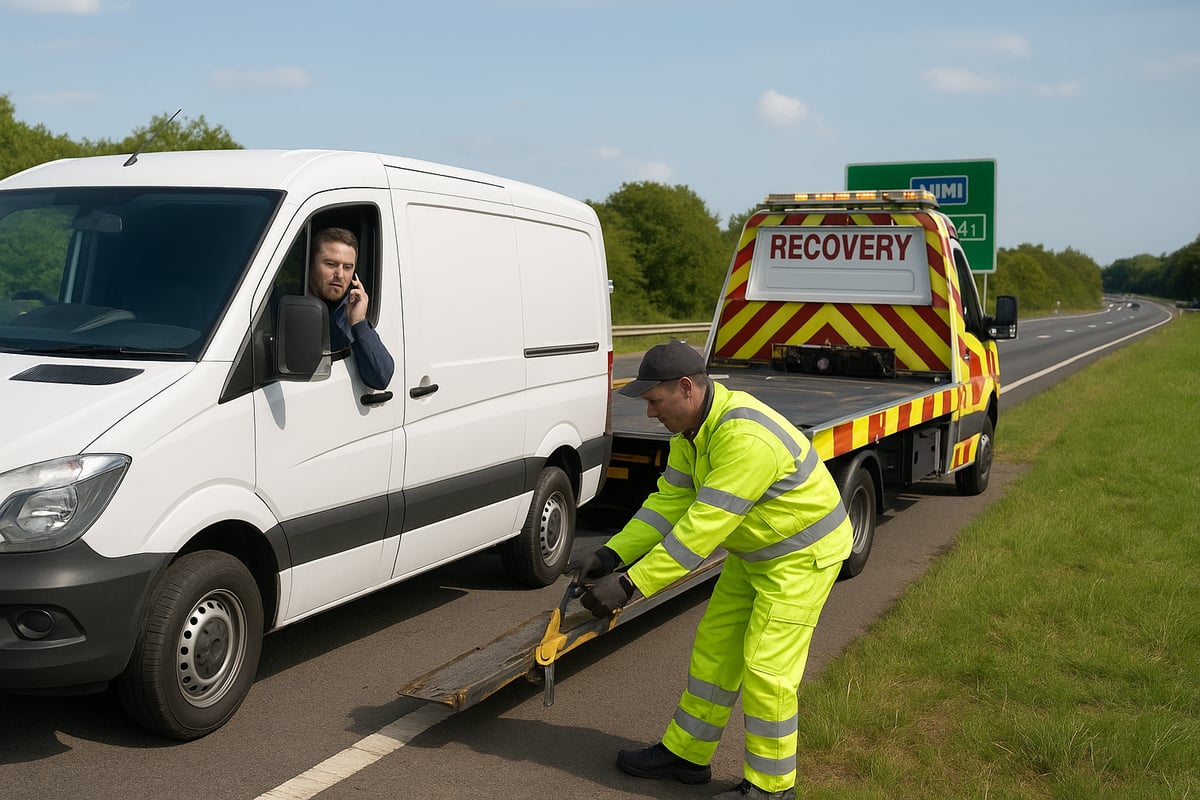
Look for providers offering a full suite of services: towing, roadside repairs, battery jump-starts, and secure storage if needed. For example, 24/7 Vehicle Recovery Overview details services for all van types, ensuring you are not left stranded due to vehicle size restrictions.
Finally, consider whether you prefer a pay-as-you-go model or a subscription. Pay-as-you-go options have become increasingly popular, allowing flexibility without annual fees.
Comparing Costs and Transparency
Understanding the costs involved in van roadside recovery is vital. Service fees can vary widely, with average call-out charges for vans in 2026 ranging from £70 to £150. Always request a clear, itemised quote before agreeing to any recovery. Beware of hidden extras such as mileage surcharges or out-of-hours fees.
Transparency in pricing reflects a provider’s integrity. Reputable companies will provide upfront quotes and outline all included services. Some may offer additional benefits like onward passenger transport or temporary replacement vehicles, which could be invaluable in an emergency.
To help you compare, consider this example table:
| Provider Type |
Call-out Fee |
Extra Charges |
Passenger Transport |
| Pay-as-you-go |
£70–£150 |
Low |
Often Included |
| Subscription Model |
£50–£120 |
May Apply |
Sometimes Extra |
Review your options and avoid making decisions based solely on the lowest price. Value and reliability often outweigh minor cost differences.
Evaluating Customer Reviews and Reputation
A provider’s reputation is one of the strongest indicators of service quality. Before committing, check independent review sites such as Trustpilot and Google Reviews. Pay attention to feedback about response speed, professionalism, and how well the company handles van roadside recovery for different vehicle types.
Surveys in 2025 found that 92% of customers prioritised reputation over cost when choosing a recovery service. Look for comments on technician expertise and whether recoveries are performed without causing damage to the van. Consistent positive reviews on reliability and transparency can give you peace of mind.
If possible, ask for recommendations from fellow van drivers or fleet managers. First-hand experiences often highlight strengths or weaknesses missed in online reviews.
Understanding Service Limitations
Even the best van roadside recovery services have some limitations. Common restrictions include maximum van weight or length, which may exclude certain LWB or converted vans. Some providers do not offer off-road recovery or cover hazardous materials.
Carefully read the terms and conditions to ensure your specific needs are met. Confirm the service is available both locally and for long-distance recoveries, as some restrict assistance to certain regions. Ask about any exclusions, such as non-roadworthy vehicles or expired MOTs, which might invalidate your cover.
Being aware of these details helps prevent surprises at the roadside and ensures you receive timely, effective support when you need it most.
Insurance, Costs, and Claiming After a Breakdown
Facing a breakdown is stressful, but preparation can make a world of difference. Understanding your van roadside recovery insurance, knowing what’s covered, and how to claim ensures you are never caught off guard. Let’s break down what every van owner and operator needs to know in 2026.
Types of Breakdown Cover for Vans
Choosing the right van roadside recovery insurance starts with understanding the available cover levels. The most common options are:
| Cover Type |
What’s Included |
Who Needs It? |
| Roadside Only |
Basic repairs at breakdown site |
Local van operators |
| National Recovery |
Recovery to any UK destination |
Long-distance drivers |
| Home Start |
Assistance at home or depot |
Urban & fleet users |
| Onward Travel |
Alternative transport, accommodation |
Businesses, urgent deliveries |
You can opt for standalone van roadside recovery, or include it in a fleet or business insurance policy. In fact, 60% of small business fleets upgraded to comprehensive cover by 2025. Local options, like Vehicle Recovery in Waltham Forest, are also worth considering for area-specific support.
What’s Typically Covered (and What’s Not)
Most van roadside recovery policies cover towing within set limits, roadside repairs, battery jump-starts, and sometimes even onward travel. For example, emergency services like Stansted Airport Battery Jump-Start are included in many modern policies.
However, be aware of exclusions. Pre-existing faults, non-roadworthy vehicles, and some modifications might not be covered. Always read the fine print, as real-world claims can be denied for missed services or incorrect paperwork.
Common exclusions include:
- Vehicles used for hazardous goods without proper cover
- Breakdowns resulting from neglect or missed maintenance
- Off-road recovery or excessive mileage
Understanding these details will help you avoid surprises when you need van roadside recovery most.
Making a Claim: Step-by-Step
If your van breaks down, a smooth claim process is essential. Here’s how to approach it for van roadside recovery:
- Document the breakdown: Take clear photos of the scene and any damage.
- Contact your insurer or recovery provider immediately, providing all required details.
- Use digital claims portals or mobile apps for faster processing.
- Submit supporting documents such as proof of insurance and service records.
Most insurers now process van roadside recovery claims within 3 to 5 working days. Digital documentation speeds up approvals and minimises disputes. Always keep digital or physical copies of your policy and breakdown cover details in your van.
Managing Out-of-Pocket Costs
Even with van roadside recovery cover, some costs may fall to you. These include excess charges, call-out fees, and expenses not covered by your policy.
To keep costs in check:
- Negotiate rates with your insurer and recovery provider before an incident.
- Compare policies to avoid hidden charges.
- Keep receipts for all expenses to claim reimbursement later.
Businesses have saved up to £200 per incident by pre-negotiating rates and understanding their policy limits. Staying proactive ensures van roadside recovery never becomes a financial burden.
Future Trends in Van Roadside Recovery (2026 and Beyond)
The landscape of van roadside recovery is rapidly evolving, shaped by new technologies, shifting regulations, and rising customer expectations. Staying ahead of these trends is crucial for van owners, operators, and fleet managers who want to minimise downtime and keep their business moving in 2026 and beyond.
Advances in Vehicle Technology
The rise of electric and hybrid vans is transforming van roadside recovery. These vehicles present unique recovery challenges, such as specialised towing equipment and battery-safe protocols.
Telematics systems are now standard in many fleets, providing real-time diagnostics that alert drivers and operators to potential issues before a breakdown occurs. Predictive maintenance, enabled by these systems, has already reduced unplanned breakdowns by 25% in connected fleets.
As more vans become connected, expect faster fault detection and smarter dispatching of recovery services, ensuring van roadside recovery is both proactive and efficient.
Green Recovery Solutions
Environmental responsibility is a driving force in the industry. Recovery operators are increasingly adopting low-emission and electric recovery vehicles to meet stringent urban emissions standards. In London, for example, legislation now requires at least 30% of recovery fleets to be electric.
Responsible recycling and disposal of end-of-life vans are also gaining prominence. Many recovery firms now partner with certified recycling centres, ensuring materials are processed in an eco-friendly manner.
These green initiatives not only support sustainability but also future-proof van roadside recovery businesses against tightening regulations.
Automation and Smart Assistance
Automation is revolutionising van roadside recovery through AI-powered apps and chatbots that guide drivers through emergency steps. These digital tools can assess symptoms, provide real-time advice, and even book recovery services in seconds.
Integration with smart motorways means incidents are detected automatically, triggering rapid response protocols. In 2026, pilot schemes for drone-delivered emergency supplies have begun on UK motorways, offering quick access to essentials for stranded drivers.
This level of automation and smart assistance enhances both safety and convenience for those relying on van roadside recovery.
Evolving Customer Expectations
Today’s van drivers and fleet managers expect more than just a tow. Demand for instant updates, live tracking, and digital communication is at an all-time high. According to a 2025 AA survey, 78% of drivers valued live ETA tracking above all other features in van roadside recovery.
Providers are responding with 24/7 multilingual support, inclusive services for all drivers, and seamless app-based experiences. These customer-centric innovations are setting new standards for the industry.
Meeting these evolving expectations is now a key differentiator for van roadside recovery providers.
Regulatory and Industry Changes
The regulatory framework for van roadside recovery is poised for significant updates. Anticipated changes include stricter safety protocols, revised insurance models, and enhanced requirements for operator training.
Industry growth is also a factor, with Van traffic statistics 2024 reporting a 1.3% increase in van miles driven, reaching 58.5 billion in 2024. This surge places additional pressure on recovery services to scale up and adapt.
Preparing for these regulatory and industry shifts will be essential for anyone involved in van roadside recovery, ensuring compliance and continued operational excellence.

