Picture your perfect getaway, winding through the countryside with your caravan, only to face an unexpected roadside emergency. For many in the UK, this scenario is more common than you might think, as thousands experience caravan breakdowns each year.
Being prepared for caravan recovery can be the difference between a minor inconvenience and a ruined trip. Staying informed and ready ensures that every adventure remains enjoyable and safe, no matter the circumstances.
This guide delivers expert advice, practical steps, and the latest safety standards for 2026. Our goal is to make caravan recovery straightforward and stress-free for every traveller.
We will explore the most frequent causes of breakdowns, step-by-step recovery actions, how to select the right recovery service, legal requirements, safety tips, and new trends shaping caravan recovery in the future.
Understanding Common Caravan Breakdowns
Planning a safe and enjoyable trip begins with a solid understanding of caravan recovery scenarios. By knowing the most frequent causes of breakdowns and how to spot trouble early, you can reduce your risk and respond effectively if problems arise. Let us explore the core issues every caravanner should be ready for.
Frequent Causes of Caravan Breakdowns
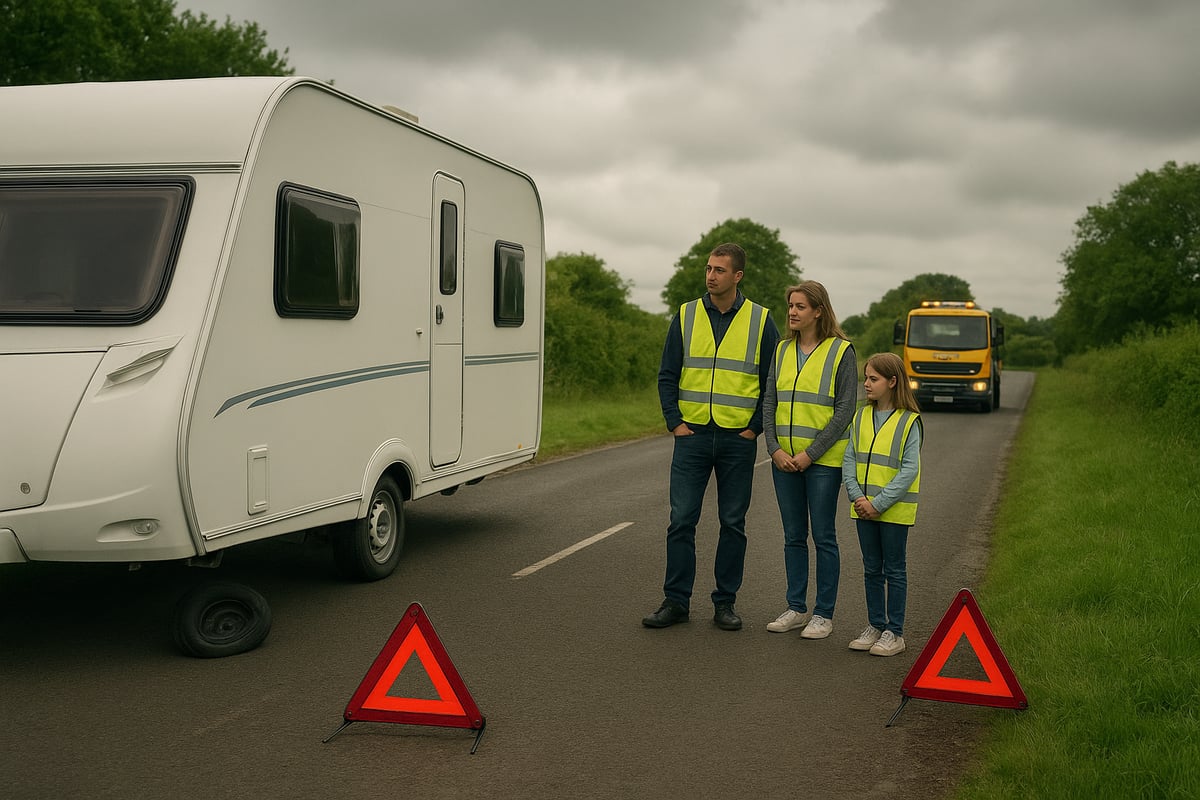
Caravan recovery is most often required due to a handful of issues. Tyre blowouts and punctures remain the leading cause, often leaving caravans stranded. Electrical system failures, such as battery and wiring faults, can immobilise both the caravan and the tow vehicle. Coupling and hitch failures risk detachment, while overheating and engine problems, especially in older vehicles, are frequent culprits.
Brake issues, particularly after long descents or if seldom used, are a known hazard. Suspension and chassis faults, usually from overloading or rough terrain, also contribute to breakdowns. According to UK caravan breakdown statistics 2025, over 45% of caravan recovery incidents last year involved tyre or wheel problems, underlining the importance of vigilance.
Preventative Maintenance Tips
Preventing caravan recovery emergencies starts with routine checks. Always inspect tyres for wear and replace them before expiry. Test brake lights, indicators, and all electrical connections before every journey. Regularly lubricate hitches and couplings to avoid failures.
Monitor fluid levels in your tow vehicle and keep a close eye on brake and coolant levels. Schedule annual professional servicing for both caravan and tow vehicle to address hidden issues. Use a torque wrench to confirm wheel nuts are secure before setting off. Evidence shows that following a thorough pre-trip checklist can reduce the likelihood of caravan recovery by 30% among club members.
Recognising Warning Signs
Early detection of problems can prevent costly caravan recovery. Listen for unusual noises or vibrations while towing. Pay attention to dashboard warning lights in the tow vehicle, as these can signal serious faults. Swaying or instability at speed is a red flag for suspension or load issues.
Reduced braking performance or flickering caravan lights point to electrical or brake faults. Difficulty when coupling or uncoupling the caravan should not be ignored. A family once avoided a major breakdown by spotting tyre bulging early, allowing them to seek help before a blowout forced caravan recovery.
Immediate Actions When a Breakdown Occurs
If you encounter trouble, act swiftly to ensure safety and enable efficient caravan recovery. Pull over safely, ideally to a hard shoulder or layby. Activate hazard lights and place warning triangles to alert other drivers.
Evacuate all passengers, moving them well away from traffic. Contact recovery services without delay, providing your precise location and details of your caravan and tow vehicle. Avoid attempting repairs yourself on busy roads. Always keep emergency supplies handy. The RAC reports that 70% of caravan recovery incidents occur on rural A-roads, where visibility can be limited.
The Impact of Weather and Road Conditions
Adverse weather often increases the need for caravan recovery. Wet or icy roads heighten the risk of skidding and accidents, while high winds can destabilise even well-balanced caravans. Flooded routes may damage undercarriages and electrics, leading to breakdowns.
Hot weather accelerates tyre degradation, making punctures more likely. During storm events in 2025, caravan recovery callouts spiked by 15%, showing how environmental factors play a major role. Always check weather forecasts and road conditions before setting out to reduce the risk of needing caravan recovery.
Step-by-Step Caravan Recovery Process
A caravan recovery situation can be stressful, but knowing the right steps will help you manage events calmly and efficiently. Whether you are new to caravanning or an experienced tourer, following a systematic approach ensures safety for everyone involved and minimises disruption to your journey. Let us walk through the essential process, so you are prepared for any eventuality.
Step 1: Ensure Immediate Safety
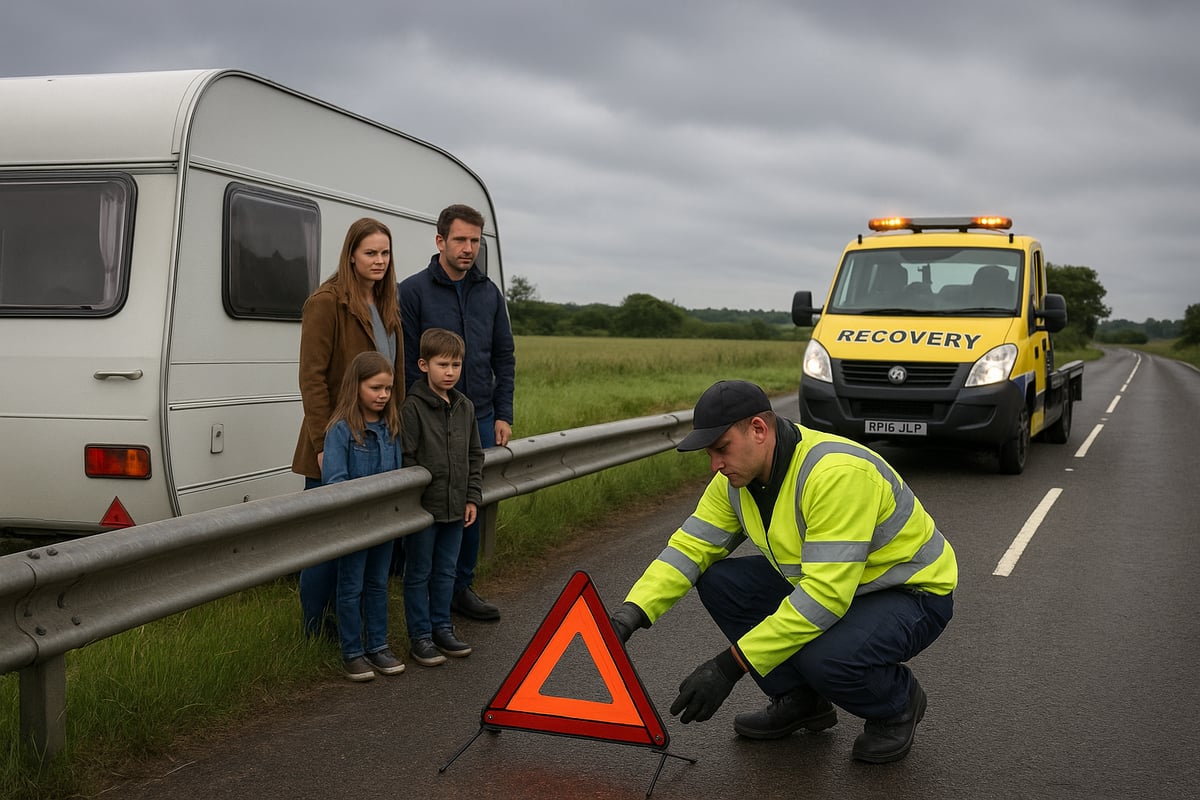
Safety is your top priority in any caravan recovery situation. As soon as a problem is detected, gently steer your vehicle to a safe area, such as a layby or the hard shoulder. Switch on your hazard lights to alert other drivers.
Once stopped, make sure all passengers exit the vehicle and move to a safe location, preferably behind a barrier if on a motorway. Use high-visibility vests and set up warning triangles at a safe distance behind your caravan. Never attempt repairs on a busy road, and always keep children and pets under close supervision. Quick, calm actions can prevent further incidents and injuries.
Step 2: Assess the Situation
After ensuring everyone is safe, take a moment to assess what caused the need for caravan recovery. Look for visible damage, leaks, or flat tyres. Listen for unusual sounds or warning indicators from the tow vehicle.
Check if it is safe to remain in or near the caravan, especially on high-speed roads. Gather important documents such as your insurance details and recovery policy. If it is safe, take photographs of the scene and any damage for future reference. Early and accurate assessment will help recovery teams respond quickly and appropriately to your situation.
Step 3: Contact the Right Recovery Service
When you are ready to seek help, choose a provider specialising in caravan recovery rather than a standard breakdown service. Clearly communicate your location, using GPS or motorway marker posts, and provide details about your caravan and tow vehicle.
If you have children, pets, or special medical needs, mention these at the outset. Providing accurate information helps dispatch the correct equipment and personnel. For those in Greater London or the Home Counties, 24/7 caravan recovery services offer rapid response without the need for annual membership, ensuring help is just a call away when you need it most.
Step 4: Wait Safely for Assistance
Once you have contacted a caravan recovery service, focus on keeping everyone safe and comfortable while waiting. Stay away from the caravan if you are on a busy road, and remain behind safety barriers whenever possible.
Monitor weather and traffic updates using your mobile phone, keeping it charged for communication with the recovery team. Use reflective gear or torches if visibility is low or if you need to move around at night. Have snacks, water, and blankets accessible, especially during extended waits. Staying prepared and calm ensures a smoother recovery experience.
Step 5: Professional Recovery—What to Expect
When the caravan recovery team arrives, they will assess the situation and determine the safest and most efficient solution. Specialist recovery vehicles are often required for larger or twin-axle caravans.
Technicians may perform minor repairs on-site or arrange for towing to a safe location or repair centre. In some cases, you and your passengers may be transported separately. Most UK recovery services aim for a response within 60 minutes, minimising your time spent stranded. Trust the professionals to manage the situation and prioritise your safety throughout the process.
Step 6: Post-Recovery Actions
After your caravan recovery, take steps to arrange repairs and manage onward travel. File any necessary insurance claims, providing the documentation and photographs gathered earlier.
Reflect on what happened to identify any preventative measures for the future, such as updating your emergency kit or revising your maintenance routine. Keep emergency contacts current and review your recovery policy to ensure adequate cover. Learning from each experience makes future journeys safer and less stressful for all involved.
Choosing the Right Caravan Recovery Service
Selecting the right caravan recovery service is essential for peace of mind on every journey. With so many providers available, it is important to know what sets the best apart and how to tailor cover to your travel style. Making an informed decision ensures that help will be at hand whenever you need it.
What to Look for in a Recovery Provider
When considering caravan recovery, prioritise providers with 24/7 availability and fast response times. Look for companies with purpose-built recovery vehicles and technicians trained specifically for caravans. Verify the coverage area matches your usual routes and check for transparent pricing with no unexpected charges. Customer feedback is invaluable, so read reviews to gauge reliability and professionalism.
- 24/7 service and rapid response
- Specialist equipment for caravan recovery
- Broad coverage area
- Clear, upfront pricing
- Strong customer testimonials
Providers with modern fleets and skilled staff can significantly reduce both waiting times and the risk of further damage during recovery.
Types of Caravan Recovery Cover
Understanding the range of caravan recovery cover options helps you choose the right fit. Standard breakdown cover may not include caravan-specific services, so explore specialist caravan recovery packages for comprehensive support.
| Cover Type |
Features |
Ideal For |
| Standard Breakdown |
Basic roadside help, may exclude caravan |
Occasional caravanners |
| Specialist Caravan |
Recovery for caravan and tow vehicle |
Regular caravan users |
| Single-Trip |
Short-term, one-off cover |
Holidaymakers |
| Annual Membership |
Year-round protection |
Frequent travellers |
| European Cover |
Assistance abroad |
Overseas trips |
Many caravanners now choose specialist cover for added peace of mind, including options for onward travel and accommodation.
Questions to Ask Before You Buy
Before committing to a caravan recovery policy, ask about any size or weight limits that might apply. Ensure both the caravan and tow vehicle are included in the policy. Clarify response time guarantees and check for any exclusions, such as unmade roads or festival sites. Understand the claims process so you are prepared if you ever need to use it.
- Are there restrictions on caravan or vehicle size?
- Does cover include both caravan and tow vehicle?
- What is the typical response time?
- Are certain locations excluded?
- How straightforward is the claims process?
Being thorough now can prevent disappointment during an emergency.
For those caravanning in or near London, Motors Recovery service overview offers comprehensive caravan recovery without the need for a membership. Their modern fleet and experienced technicians provide fast towing, battery jump-starts, and accident recovery services. You only pay when you need help, making it a flexible and cost-effective choice.
Motors Recovery is praised for professionalism, rapid response, and clear pricing. Their services are ideal for caravanners who want reliable, affordable support on demand. Many customers highlight the peace of mind that comes from knowing expert help is just a call away.
Legal and Safety Requirements for Caravan Recovery in 2026
Staying compliant and prepared is essential for safe caravan recovery in 2026. New regulations, insurance demands, and safety standards now play a bigger role in every trip. Understanding these requirements will help you avoid fines, ensure your safety, and make each journey more enjoyable.
Updated UK Laws and Regulations
In 2026, the UK introduced new legislation affecting caravan recovery. Maximum weights and dimensions for towed caravans are now strictly enforced. Recovery vehicle operators must hold updated licences and prove completion of specialist training.
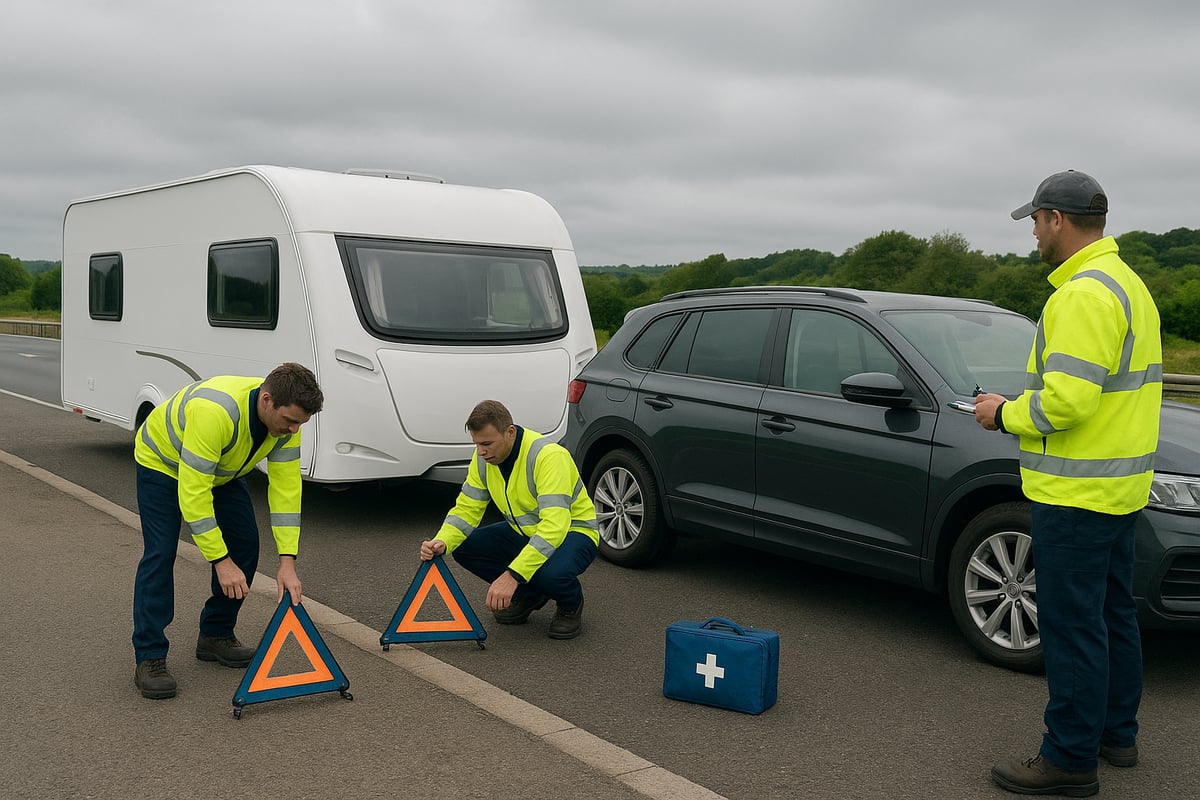
Safety equipment is now mandatory for all caravan recovery situations. Every caravan must carry at least two reflective warning triangles and high-visibility vests for every occupant. Failing to comply with these requirements can result in on-the-spot fines or penalty points.
For example, new rules introduced this year require all caravans to display warning triangles during any roadside recovery, ensuring greater visibility for other road users. Staying up to date with regulations is a vital part of responsible caravan recovery.
Insurance Considerations
Caravan recovery is only as effective as your insurance policy allows. Standard vehicle insurance rarely covers caravan recovery in full, so dedicated caravan insurance is essential. Comprehensive policies often include roadside repairs, recovery, and onward transport.
Check what your policy covers, especially regarding accidental damage, theft, and breakdowns. Many insurers exclude incidents on unapproved roads or if the caravan has been modified without approval. Over 25% of claims are denied due to inadequate or unsuitable cover.
Review your policy documents before every trip to ensure caravan recovery is included and that you meet all terms and conditions. This preparation helps avoid unpleasant surprises if you ever need to make a claim.
Safety Equipment Checklist
Carrying the right equipment is crucial for safe caravan recovery. The following checklist should be part of every trip:
- High-visibility vests for every occupant
- Two reflective warning triangles
- Torch with spare batteries
- Fire extinguisher suitable for vehicle fires
- First aid kit with up-to-date supplies
- Spare wheel and compatible jack for the caravan
- Charged mobile phone and emergency contact list
Experts like Caravan Guard recommend checking your kit before every journey. Being well equipped not only increases your safety but also helps recovery teams assist you more efficiently during a caravan recovery.
Towing and Recovery Best Practices
Proper towing techniques and recovery preparation are at the heart of safe caravan recovery. Always use certified tow bars and hitches, check that your load is evenly distributed, and secure all items inside the caravan. Keep within legal speed limits for towing, usually 60mph on motorways, and avoid travelling in severe weather whenever possible.
Before setting off, conduct thorough pre-trip safety checks. For comprehensive guidance, refer to the UK Towing Safety Alliance guidelines which offer expert advice on best practices for caravan recovery.
A recent case study showed that proper load balancing prevented a serious sway accident in 2025. Consistent adherence to best practices will help you avoid incidents and ensure a safer caravan recovery experience.
What to Do After an Accident or Major Breakdown
If you experience an accident or major breakdown, prioritise safety first. Follow these steps for effective caravan recovery:
- Check all occupants for injuries and move to a safe location
- Contact emergency services if necessary
- Notify your insurer and recovery provider as soon as possible
- Document the scene with photographs and collect witness details if available
- Arrange for secure storage or onward transport for your caravan
Prompt reporting and detailed records make caravan recovery and insurance claims much smoother. Reviewing your response after an incident can also help prevent similar issues in the future.
Advanced Tips for Preventing Caravan Breakdowns
Even the most experienced caravanners can encounter unexpected issues on the road. To reduce the risk of needing caravan recovery, proactive maintenance, upgraded safety features, careful route planning, and emergency preparedness are essential. These advanced tips will help you keep your journeys safe and stress-free.
Regular Servicing and Inspections
Routine servicing is the foundation of reliable caravan recovery prevention. Schedule annual professional inspections to check brakes, tyres, and electrical systems. Before every trip, inspect:
- Tyre tread and pressure
- Brake lights and indicators
- Chassis and suspension
Keep detailed service records, as many insurers require proof of maintenance for claims. Certified technicians are best for complex repairs. Caravans with regular servicing are 40% less likely to require emergency caravan recovery, making this a smart investment for long-term peace of mind.
Upgrading Safety Features
Modern safety technology further reduces the risk of caravan recovery incidents. Consider installing:
- Tyre pressure monitoring systems (TPMS)
- Anti-sway devices and stabilisers
- LED lighting for increased visibility
- GPS trackers for theft prevention
TPMS, for example, can cut tyre-related issues by up to 50 percent and alert you to problems before they escalate. Upgrading safety features not only protects your investment, but could also lower your caravan recovery costs over time.
Planning Your Route and Stops
Thoughtful planning minimises the likelihood of unexpected caravan recovery situations. Choose well-maintained roads and avoid routes with known hazards like low-clearance bridges or poorly surfaced lanes. Make regular stops to inspect your caravan and tow vehicle.
Research safe overnight parking and service areas in advance. Avoid peak congestion times. Recent RAC pothole-related breakdown data highlights how poor road conditions can increase breakdown risk, so stay informed and adjust your plans accordingly. Effective planning keeps your caravan recovery needs to a minimum.
Emergency Preparedness for Caravanners
Preparation is key for efficient caravan recovery if problems arise. Assemble an emergency kit with:
- Water, snacks, blankets, and medication
- High-visibility vests and warning triangles
- Charged mobile phone and emergency contacts
Share your itinerary with travel companions. Download your recovery provider’s app and save key contact numbers. If you travel in Greater London or Essex, swift breakdown recovery in Greater London can provide immediate help without a membership. Being prepared can make all the difference during a breakdown, ensuring you stay safe and calm until caravan recovery arrives.
The Future of Caravan Recovery: Trends and Innovations
As the world of caravan recovery evolves, new technologies and forward-thinking services are shaping a safer, more efficient future for all caravanners. Let us explore the key innovations transforming the industry in 2026.
Smart Technology in Caravan Safety
Smart technology is revolutionising caravan recovery by offering real-time diagnostics and remote monitoring for both caravans and tow vehicles. Modern caravans now come equipped with sensors that can detect mechanical issues before they escalate. Smartphone apps provide instant breakdown alerts and connect users directly to recovery services.
AI-powered predictive maintenance tools analyse data from your journeys, helping you prevent potential failures. Some 2026 caravan models even feature built-in systems that automatically notify recovery providers if an issue arises. These advancements mean that caravan recovery is not just reactive but increasingly proactive, keeping you safer on the road.
Eco-Friendly Recovery Solutions
Environmental awareness is driving innovation in the caravan recovery sector. Electric recovery vehicles are now more common in urban areas, reducing emissions and noise pollution during roadside assistance. Many service providers use biodegradable fluids and materials for repairs, helping to minimise environmental impact.
Some recovery companies offer carbon offset options, allowing caravanners to make their journeys greener. As climate risks rise, understanding environmental hazards is crucial. For instance, UK caravan flood risk research highlights how changing weather patterns affect the safety and recovery needs of caravans, prompting providers to adapt their services accordingly.
Enhanced Recovery Experience
The future of caravan recovery focuses on delivering a seamless and stress-free experience. Live tracking of recovery vehicles via mobile apps keeps you informed about arrival times, reducing anxiety during breakdowns. Many providers now use customer service chatbots to offer instant updates and answer queries.
Premium recovery policies often include onward travel and accommodation support, ensuring minimal disruption to your holiday. Some innovative services even provide courtesy caravans while yours is being repaired. With these features, caravan recovery is becoming more customer-centric, prioritising comfort and reassurance at every stage.
Preparing for Autonomous and Electric Tow Vehicles
As electric and autonomous tow vehicles gain popularity, caravan recovery services must adapt. Technicians are receiving specialist training to manage high-voltage systems and safely recover new vehicle types. Recovery fleets are being updated with equipment tailored for electric and hybrid vehicles.
By 2026, it is estimated that 15 percent of new tow vehicles are electric or hybrid. This shift requires caravan recovery providers to stay ahead of technological changes, ensuring they can assist with the latest models and maintain high safety standards for all road users.

