Imagine your car broken down in the middle of a busy road or stranded on a quiet country lane. In these moments, the experience can feel overwhelming and unpredictable for any driver.
With new technology and evolving legal requirements in 2026, understanding exactly what to do when your car broken down is more important than ever. This essential guide will give you the confidence to handle any situation, keep yourself safe, and minimise unnecessary stress.
Read on to discover step-by-step actions, up-to-date legal obligations, practical safety tips, and expert advice for every possible breakdown scenario.
Immediate Actions to Take When Your Car Breaks Down
When you find your car broken down, acting quickly and calmly is vital. Every moment counts for your safety and the safety of others on the road. Knowing exactly what to do ensures you are prepared for any breakdown scenario.
Assessing Your Situation Safely
If your car broken down unexpectedly, the first step is to move it to a safe location such as the hard shoulder, a lay-by, or the safest spot possible. Immediately switch on your hazard warning lights to alert other drivers. Turn off the engine and keep your keys with you at all times.
Remain inside with seatbelts fastened until it is safe to exit. Staying calm helps you make rational decisions, even during a stressful car broken down event. According to Highway Code rules on breakdowns, you must stop in a place of relative safety and avoid causing obstruction. Over 45% of breakdowns occur on busy roads, so these initial actions are essential for your protection.
Ensuring Passenger Safety
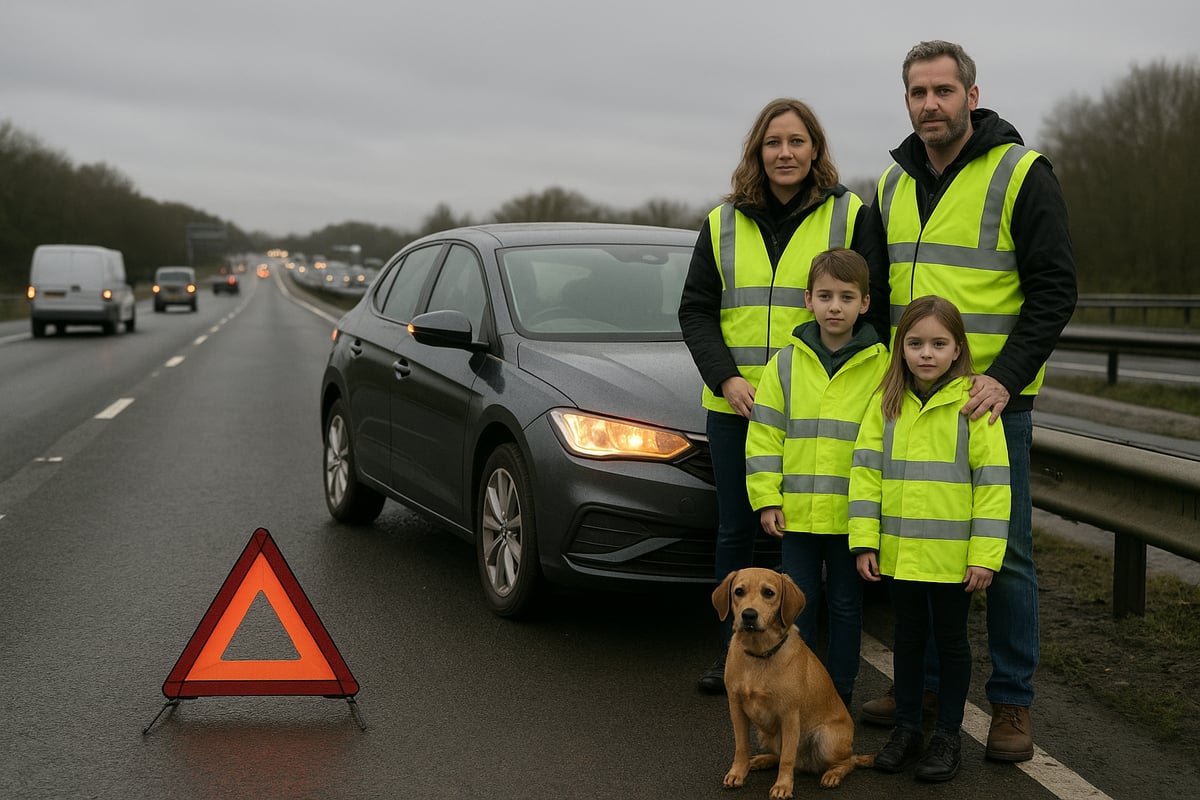
After your car broken down, instruct all passengers to exit the vehicle from the side furthest from traffic. Guide everyone to a safe area, ideally behind a crash barrier or well away from the carriageway. If pets are present, make sure they are secured and under control to prevent them from running into traffic.
Never attempt roadside repairs, especially on motorways, as this puts you at significant risk. Reflective jackets increase your visibility to passing drivers, particularly in low light or adverse weather. These simple steps can prevent a car broken down incident from escalating into a more dangerous situation.
Securing Your Vehicle
With your car broken down, you must secure the vehicle before leaving it unattended. Place a warning triangle at least 45 metres behind your car, but remember, never use it on a motorway. Lock your car and take any valuables with you if it is safe to do so.
Leaving a car broken down and unsecured can attract fines or penalties. For example, if you abandon a vehicle without proper precautions, you may face charges from local authorities. Taking these steps not only protects your car but also ensures compliance with UK laws.
Contacting Emergency Services if Needed
If your car broken down creates an immediate danger or is causing an obstruction, call 999 without delay. Provide emergency services with clear details about your exact location and the nature of the incident. If available, use an emergency roadside phone, as this automatically transmits your location to responders.
Quick and accurate communication speeds up assistance and ensures the right help arrives. If you are not in immediate danger, contact your breakdown provider instead, but always prioritise safety when your car broken down occurs in a hazardous area.
Gathering Essential Information
Once your car broken down, gather all vital information before help arrives. Use motorway marker posts, GPS, or nearby landmarks to pinpoint your location. Note any dashboard warning lights or error messages, as these details assist breakdown providers in diagnosing the problem.
Prepare your vehicle’s make, model, and registration number, as well as your insurance and breakdown cover information. Having these details ready will streamline the recovery process and reduce stress during a car broken down emergency.
Legal Requirements and UK Breakdown Laws in 2026
When your car broken down situation arises, knowing UK legal requirements is essential. Rules have evolved to keep all road users safe and to reduce hazards caused by stranded vehicles. Understanding these laws will help you avoid fines, ensure your safety, and streamline the recovery process. Every driver should be aware of their obligations in the event of a car broken down, whether on a busy motorway or a quiet rural road.
Understanding Your Legal Duties
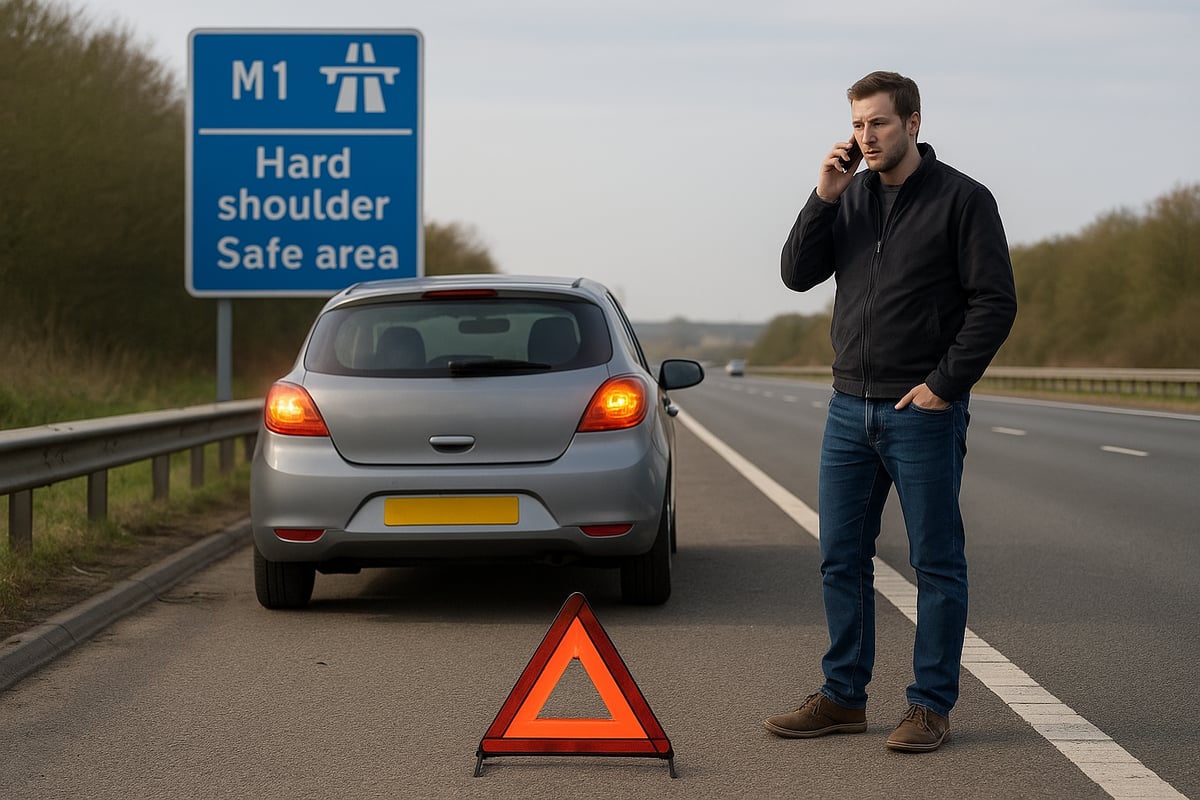
UK law is clear about your responsibilities if your car broken down occurs. The Highway Code (rules 274–287) requires you to stop in a place of relative safety, such as the hard shoulder or a lay-by. You must not obstruct traffic and should switch on your hazard warning lights immediately.
Using a warning triangle is required on most roads, but never on motorways. If your car broken down and you leave it in a dangerous location, you risk fines or prosecution. Always keep seatbelts on until it is safe to exit and make rational decisions to protect everyone involved.
Breakdown Procedures on Motorways and A-Roads
If your car broken down on a motorway, follow specific procedures. Only use the hard shoulder or designated emergency refuge areas on smart motorways. Never stop in a live lane unless absolutely unavoidable. Use hazard lights and, when safe, exit the vehicle from the side away from traffic.
Variable speed limits and lane closures may be in effect, so watch for overhead signs. Failing to follow smart motorway protocols, such as stopping in a live lane, can result in a £100 fine. On A-roads, place a warning triangle at least 45 metres behind your vehicle, except on motorways, to alert other drivers.
Insurance and Documentation
When your car broken down, having the correct documents is crucial. You must carry proof of insurance, a valid MOT certificate, and up-to-date road tax. If you cannot provide these, you may face penalties, especially if your vehicle is impounded or towed by authorities.
Breakdown cover details should be easily accessible. If your car broken down leads to impoundment, you will need all documents to retrieve your vehicle. Always keep a copy of your breakdown provider’s contact information and your vehicle registration details in your car.
Leaving Your Vehicle Unattended
Leaving your car unattended after a car broken down is subject to strict legal rules. You must arrange for recovery as soon as possible. In most cases, authorities allow a limited time before vehicles are classed as abandoned, which can result in fines and recovery charges.
If your vehicle is towed, understanding the Purfleet vehicle pound procedures is vital. These guidelines explain how to reclaim your car, what paperwork is needed, and potential costs involved. Always secure your vehicle, remove valuables, and lock the doors if you leave it temporarily.
Reporting and Documentation
Reporting a car broken down to authorities is sometimes required, especially if your vehicle causes an obstruction or is involved in an incident. Use motorway marker posts, GPS, or landmarks to give your exact location when calling for help.
Document the breakdown by noting warning lights, dashboard messages, and circumstances. This record is important for insurance claims and legal compliance. Each year, over 20,000 vehicles are towed in the UK due to improper abandonment, highlighting the importance of following correct procedures and documenting every step.
Step-by-Step Guide: What To Do If Your Car Breaks Down (Chronological)
When your car broken down unexpectedly, knowing what to do next can make all the difference. By following this chronological guide, you can protect yourself, your passengers, and your vehicle while minimising stress and delays.

Step 1: Pull Over and Signal
As soon as you notice your car broken down or showing signs of trouble, steer calmly to the safest spot possible. Aim for a hard shoulder, lay-by, or flat verge away from bends and junctions.
Switch on your hazard lights at once, even before you have fully stopped. If visibility is low, use your side lights as well. This ensures other drivers are alerted that your car broken down and reduces the risk of further incidents.
Avoid stopping in dangerous locations such as the middle of a live lane, at the crest of a hill, or just after a bend. Staying visible and out of the flow of traffic is crucial for your safety.
Step 2: Secure Yourself and Passengers
Before exiting, check for approaching traffic using your mirrors and windows. If your car broken down on a motorway or busy road, always leave by the left-hand (passenger) side doors.
Instruct all passengers to follow you and move to a safe location, ideally behind a barrier or well away from the carriageway. Keep seatbelts on until you are ready to exit, and never let anyone stand near the vehicle or in front of oncoming traffic. If you have pets, keep them secure and under control at all times.
Step 3: Make Your Vehicle Visible
Once everyone is safe, increase your visibility to other road users. If your car broken down on a non-motorway road, place a warning triangle at least 45 metres behind your vehicle.
Wear high-visibility jackets if you have them, especially in poor light or bad weather. Keep your headlights on if it’s dark, foggy, or raining. These steps help prevent further accidents and alert recovery services to your position.
Step 4: Diagnose the Problem (If Safe)
If the area is secure and you feel confident, try to identify why your car broken down. Look for obvious issues such as a flat tyre, overheating, or warning lights on the dashboard.
Consult your vehicle manual for guidance on error messages or indicator symbols. However, never attempt repairs if you are on a motorway, in a dangerous spot, or unsure what to do. Your safety always comes first when your car broken down.
Step 5: Call for Help
Now that you have ensured safety, contact your breakdown provider or emergency services. Provide your exact location using GPS, motorway markers, or nearby landmarks.
Be ready to explain that your car broken down and describe the symptoms or warning lights. If you are in London or the Home Counties, you can find fast car breakdown recovery London for rapid, reliable assistance. Use emergency roadside phones where available for a direct connection and precise location tracking.
Step 6: Wait for Assistance Safely
While waiting for help, stay well away from the vehicle and moving traffic. Stand behind a barrier or on an embankment if possible, especially if your car broken down on a motorway.
Keep children close and pets under control to avoid them wandering near the road. Avoid returning to your car for belongings unless it is absolutely safe. Stay patient and alert, watching for your recovery provider’s arrival.
Step 7: Respond to Recovery Services
When help arrives, follow the instructions given by the breakdown team. Have your insurance details, breakdown cover, and vehicle registration to hand. Let the professionals assess your car broken down and determine whether it can be repaired at the roadside or needs towing.
If you used a pay-as-you-go service, confirm costs and payment methods before work begins. Clear communication with the recovery team helps everything run smoothly and reduces delays.
Step 8: Next Steps After Recovery
After your car broken down has been attended to, arrange your onward travel if the vehicle cannot be repaired immediately. Collect any documentation provided by recovery or police, as this will be important for insurance claims.
Contact your insurer if the breakdown leads to a claim for repairs or recovery expenses. Take a moment to review what happened and consider any preventative steps to avoid a similar car broken down scenario in the future.
When your car broken down leaves you stranded in Greater London or the Home Counties, you need immediate, trustworthy support. Motors Recovery specialises in rapid, professional roadside assistance, ensuring that your safety and peace of mind come first. Whether you are on a busy motorway or a quiet suburban lane, their expertise is designed to get you moving again with minimal stress.
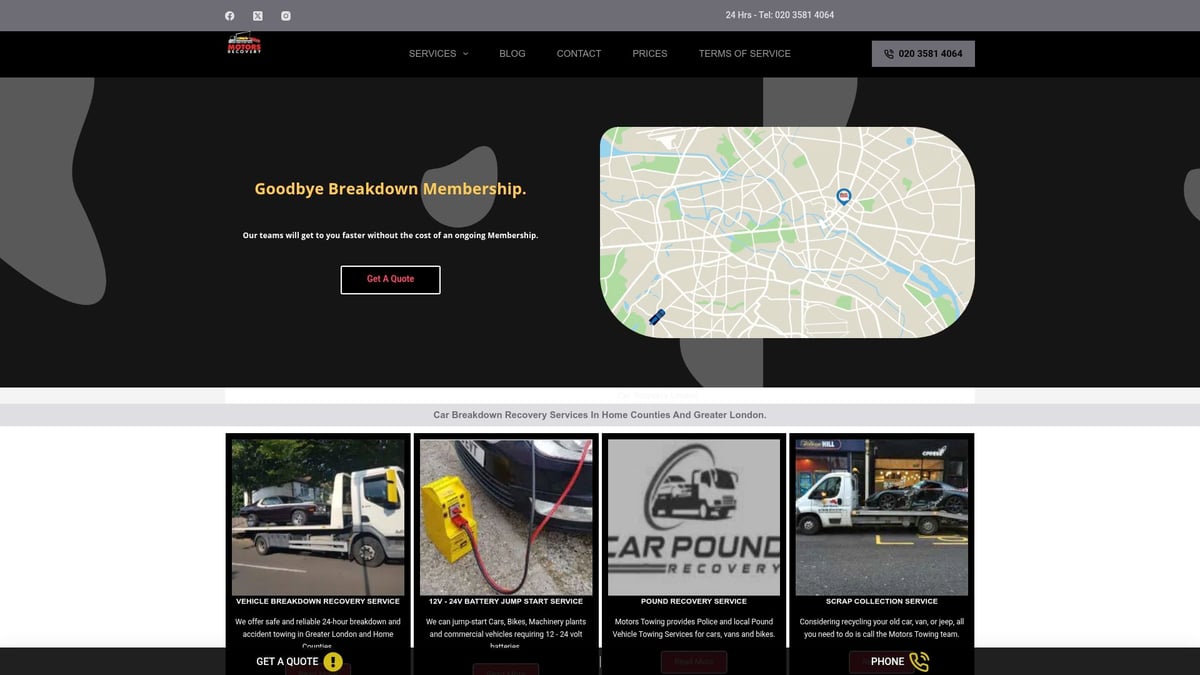
Motors Recovery provides a comprehensive suite of services for every car broken down scenario. These include:
- 24/7 emergency breakdown recovery
- Towing services for all vehicle types
- Battery jump-starts and electrical diagnostics
- Police pound recovery
- Scrap car removal and disposal
You do not need to worry about annual membership fees. Motors Recovery operates a pay-as-you-go model, offering transparent pricing and free, no-obligation quotes. Their experienced technicians use a modern, well-equipped fleet to guarantee a swift response, often reaching you within 60 minutes.
Coverage extends across all London boroughs, major A-roads, and national motorways such as the M25 and M1. If your car broken down in a specific area, such as Norwood Green, regional services ensure local expertise and fast arrival, as highlighted by their Car recovery Norwood Green services.
Motors Recovery understands that breakdowns can involve families or groups. Their vehicles can accommodate up to six passengers, and secure vehicle storage is available if required. Many customers report their ordeal resolved within an hour, thanks to the team’s efficiency and professionalism.
For immediate help, contact Motors Recovery at 020 3581 4064 or 07848 874934. Their dedicated support ensures you are never alone when facing a car broken down emergency. Trust Motors Recovery to deliver prompt, reliable service every time.
Common Reasons for Car Breakdowns in 2026 (and How to Prevent Them)
Unexpected vehicle issues are a reality for every driver, and understanding why your car broken down is the first step to prevention. In 2026, the range of breakdown causes continues to evolve, especially with changes in vehicle technology and driving conditions.
Most Frequent Causes of Breakdowns
The most common reason for finding your car broken down remains battery failure, particularly during colder months or after periods of inactivity. Tyre punctures and blowouts are a close second, often caused by poor road conditions or debris. According to the RAC pothole breakdown statistics, pothole-related breakdowns have doubled in recent years, highlighting the importance of road awareness.
Other leading culprits include engine overheating, frequently due to low coolant or faulty thermostats, and electrical system faults. For electric vehicles, charging issues and software glitches are increasingly reported. Running out of fuel, while avoidable, still accounts for a significant number of incidents where a car broken down leaves drivers stranded.
Preventative Maintenance Tips
Preventing your car broken down experience starts with regular checks and timely servicing. Make sure to inspect your battery’s health, especially before winter. Replace it if it shows signs of weakness. Tyre care is just as vital: check for wear, damage, and maintain the recommended pressure.
- Schedule routine servicing as per your car’s manual.
- Keep coolant and oil topped up.
- For electric vehicles, monitor battery performance and plan charging stops ahead.
- Address any warning lights promptly.
A proactive approach can dramatically reduce the chance of your car broken down disrupting your day. Even simple steps, like checking fluid levels and tyre condition, can make a significant difference.
Technology and Modern Vehicles
Modern vehicles feature advanced systems that can both assist and complicate breakdown scenarios. With more cars relying on complex electronics and software, over 30 percent of car broken down incidents now relate to electrical or software faults. Advanced driver-assistance systems (ADAS) offer safety, but may trigger unexpected warnings or immobilise your vehicle if faults occur.
Telematics and connected diagnostics can help pinpoint issues quickly, but drivers should still be familiar with dashboard alerts and basic troubleshooting. Knowing when to seek professional help is crucial, especially if your car broken down involves unfamiliar technology.
Preparing for Seasonal Risks
Seasonal changes significantly affect breakdown rates. In winter, battery failures and tyre problems surge, making breakdowns more likely. Summer brings risks of engine overheating and air conditioning faults. Carrying a seasonal emergency kit, including blankets, water, and sun protection, ensures comfort if your car broken down leaves you waiting for assistance.
- In winter, add an ice scraper and de-icer.
- In summer, include extra fluids and sunshade.
- For remote journeys, pack a reliable map or navigation device.
Being prepared for the season can turn a stressful car broken down event into a manageable inconvenience.
What to Expect from Breakdown Recovery Services in 2026
Breaking down on the road can be daunting, but understanding what happens when you have your car broken down is crucial for peace of mind. In 2026, recovery services are more advanced and accessible than ever, giving drivers multiple options and faster support. Here is what you can expect when you need help.
Types of Breakdown Cover
When you find your car broken down in 2026, you can choose from a variety of breakdown cover options. The most common are pay-as-you-go services, which require no annual membership, and traditional annual policies that offer ongoing protection.
Cover options include:
- Roadside assistance for minor repairs
- Home start services if your car will not start at home
- Onward travel arrangements, such as taxis or car hire
- National versus regional cover, depending on your driving habits
Specialist providers may offer tailored packages for electric vehicles or high-mileage drivers. Comparing these options helps ensure you receive the right level of support when your car broken down.
How Recovery Services Operate
Once your car broken down, the recovery process is designed to be efficient and straightforward. Most providers aim to reach you within 35 to 60 minutes in urban areas, though this can vary depending on location.
When you contact a recovery service, be ready to provide:
- Your exact location (using GPS or motorway markers)
- Vehicle details and the nature of the issue
- Any special requirements (such as transporting passengers or pets)
The technician will assess the car broken down, attempt repairs if possible, or arrange for towing to a garage. On busy roads like the M11, specialist services such as Vehicle recovery on the M11 ensure safe and efficient assistance.
Costs and Payment Options
Costs for recovery services can vary, but transparency is a key trend in 2026. Pay-as-you-go options allow you to pay only when your car broken down, avoiding the need for annual fees. Average callout charges range from £50 to £120, depending on the distance and complexity.
Payment options include:
- Pay-as-you-go (no membership required)
- Annual membership for regular peace of mind
- Free quotes and clear pricing before work begins
Some providers offer flexible payment methods, including contactless and mobile app payments. This ensures you are not caught off guard when your car broken down.
Customer Experience and Satisfaction
Customer satisfaction is a priority for recovery services in 2026. Professionalism, clear communication, and quick response times are essential when your car broken down. Many companies now provide real-time tracking and status updates via mobile apps.
Key features valued by customers:
- Friendly, knowledgeable technicians
- Ability to transport all passengers safely
- Onward travel or accommodation assistance if needed
Testimonials highlight that fast, efficient service can transform a stressful car broken down incident into a manageable situation. Providers that communicate clearly and keep you informed consistently receive higher satisfaction ratings.
Innovations in Breakdown Recovery
Technology is reshaping how services respond when your car broken down. Mobile apps allow you to request assistance, track the recovery vehicle, and access digital documentation. Electric vehicle drivers benefit from portable charging solutions and specialist recovery vehicles.
Other innovations include:
- Integration with smart motorway systems for faster location identification
- Digital reporting and instant claim submission
- Telematics and remote diagnostics for quicker problem resolution
With the average car age increasing, as discussed by Direct Line on ageing cars and breakdowns, these innovations are vital to meet the evolving needs of UK drivers.
Essential Emergency Kit: What to Keep in Your Car in 2026
A well-prepared emergency kit is your first line of defence if you find your car broken down at the roadside. Equipping your vehicle with the right essentials, tailored to modern driving realities, ensures you can manage unexpected situations efficiently and safely.
Must-Have Items for Every Driver
Every motorist should carry a core set of essentials to handle a car broken down scenario. These items improve your visibility, safety and comfort while you wait for help.
- Warning triangle
- High-visibility vest
- Mobile phone charger and power bank
- First aid kit
- Basic toolkit (screwdriver, pliers)
- Spare tyre or tyre repair kit
- Torch with batteries
- Blanket and bottled water
The RAC strongly recommends every driver keeps an emergency kit in their vehicle, as doing so reduces stress and shortens delays if you find your car broken down unexpectedly. Despite this, 65% of UK drivers admit their kit is incomplete or missing, making preparation more important than ever.
Additional Items for Modern Vehicles
With advances in automotive technology, today’s drivers face new challenges when their car broken down moment arrives. Modern vehicles, especially electric and hybrid models, benefit from tailored emergency additions.
- Portable jump starter (compatible with EVs and hybrids)
- Emergency contact list, including breakdown provider and next of kin
- Vehicle documents (insurance, registration, manual)
- Reflective jackets for all passengers
- Compact fire extinguisher
These extra items help you stay in control if your car broken down situation involves electrical faults, lost battery power or the need for rapid identification. Well-equipped drivers are more likely to resolve issues quickly and safely.
Seasonal and Location-Based Additions
Weather and location play a major role in how you cope with your car broken down. Adjust your emergency kit for seasonal risks and the types of roads you travel most.
- Winter: Ice scraper, de-icer, snow chains, warm clothing
- Summer: Sunshade, extra fluids (water, coolant)
- Remote areas: Physical map or dedicated navigation device
Prepared drivers who adapt their kit to the season and journey type experience fewer delays and less stress when their car broken down. Planning ahead ensures you are ready for any conditions, making breakdowns less daunting.

