Stranded on a busy street and in urgent need of vehicle recovery london support? You are not alone, as thousands in the capital face this unexpected challenge every year.
This expert guide is designed to give you the latest insights and practical steps for handling vehicle recovery london in 2026 with confidence.
Discover how new regulations, updated recovery options, transparent costs, and proven best practices can help you navigate any roadside emergency. Explore London’s evolving recovery landscape, learn about legal updates, compare providers, and get future-focused advice to ensure you are always prepared.
The Evolving Vehicle Recovery Landscape in London
London’s vehicle recovery sector is changing rapidly as new rules, technologies, and environmental goals reshape how services operate. For anyone seeking vehicle recovery london in 2026, staying aware of these shifts is vital. Below, we examine the latest regulatory changes, service types, operational challenges, innovations, and sustainability initiatives shaping the industry.
Regulatory Updates for 2026
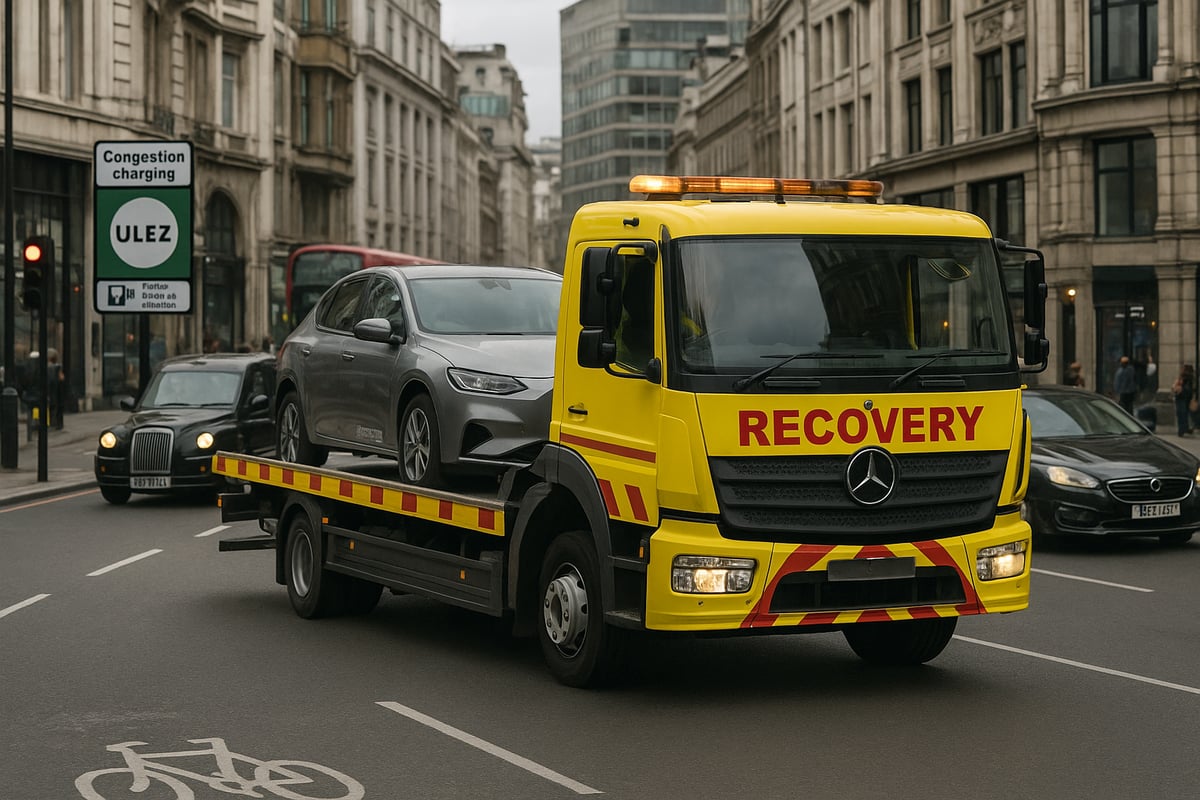
In 2026, new regulations from Transport for London (TfL) and the UK government are setting stricter standards for vehicle recovery london operators. The Ultra Low Emission Zone (ULEZ) now covers a broader area, requiring all recovery vehicles to meet tougher emissions standards. Operators must also comply with enhanced licensing and safety permit requirements.
Compliance rates have risen: recent data shows over 90% of recovery operators now meet the latest licensing rules. These changes have improved service quality but also impacted recovery times. For further details on enforcement, see TfL’s Enforcement Process for DVS and HGV Safety Permit.
Types of Vehicle Recovery Services Available
The vehicle recovery london market includes a variety of services. Standard options are breakdown recovery, accident recovery, police pound recovery, and specialist services for unique scenarios. Providers handle a wide range of vehicles, from cars and motorcycles to vans and larger commercial vehicles.
Demand for electric and hybrid vehicle recovery is rising as more Londoners drive low-emission models. Multi-service providers are expanding, offering integrated solutions for mixed fleets. This variety helps ensure every motorist finds the right support for their specific situation.
Key Challenges in London Recovery Operations
Operating vehicle recovery london services in the capital brings unique challenges. Heavy traffic congestion and restricted zones can delay response times, especially during peak hours or bad weather. Strict parking rules and limited access to some streets add further complications.
On average, London recovery response times are about 20% slower than the national average. Providers must adapt quickly to changing road conditions and customer demand, balancing speed with compliance and safety.
Technology and Innovation in Recovery
Technological advances are transforming vehicle recovery london operations. Telematics and real-time tracking let providers monitor fleets and dispatch the nearest available unit. Digital booking and dispatch systems streamline communication, reducing delays.
Electric and hybrid recovery vehicles are being deployed, reducing emissions and meeting city standards. AI-powered dispatch tools are making a noticeable impact, with some firms reporting a 15% reduction in average response times thanks to smarter routing and workload management.
Environmental and Sustainability Considerations
Sustainability is now central to vehicle recovery london. Operators must comply with emissions standards, leading to the adoption of more eco-friendly fleets. Many companies use electric or hybrid recovery trucks and partner with recycling specialists for responsible disposal of end-of-life vehicles.
Recent figures indicate around 35% of London recovery operators now run eco-friendly fleets. These efforts not only meet regulatory requirements but also help reduce the industry’s carbon footprint and support London’s clean air goals.
How to Choose the Right Vehicle Recovery Service in London
Selecting the best vehicle recovery london service is critical when facing a breakdown or accident in the capital. London’s diverse roads, strict regulations and wide range of providers mean your choice can have a significant impact on your experience. This section guides you through each step, ensuring you make an informed decision that suits your needs.
Assessing Your Recovery Needs
Before contacting any vehicle recovery london provider, evaluate your specific situation. Are you dealing with a simple breakdown, an accident, or an impounded vehicle? The type of vehicle—car, van, motorcycle, or commercial fleet—will influence your choice. For instance, motorcycles require specialist equipment, while vans and commercial vehicles may need robust or tailored support. Providers such as those offering van recovery services London can address commercial and business needs, ensuring the right fit for your vehicle type. Assess location, urgency, and whether you need additional services like roadside repair.
Key Factors to Compare Providers
When evaluating vehicle recovery london services, check for proper licensing, insurance and operator certifications. Many reputable firms display these credentials clearly. Consider the range of services: do they handle only breakdowns, or also accidents and police pound recoveries? Customer service quality and response times are equally vital. According to a 2025 survey, Londoners prioritise provider reliability, transparent fees, and expertise with specific vehicle types. Compare how each company meets these criteria to ensure you select a suitable partner.
Pricing Models and Transparency
Understanding the pricing structure of vehicle recovery london services helps you avoid surprises. Some providers offer fixed rates, while others use variable pricing based on distance, time of day, or type of recovery. Be wary of hidden fees, such as after-hours surcharges or extra mileage costs. Always request a detailed, written quote before committing. Comparing quotes from several leading providers can reveal significant differences, especially for complex recoveries or those outside central London. Transparency in pricing often reflects a company’s honesty and professionalism.
Reputation and Customer Reviews
Reputation is a key indicator of quality in the vehicle recovery london sector. Use independent review platforms to gauge customer satisfaction and reliability. Look for consistent feedback on response times, professionalism, and problem resolution. Top London firms typically boast high customer satisfaction scores and positive testimonials. Analysing a mix of recent and historic reviews can reveal trends in service quality and highlight providers who consistently exceed expectations.
Availability and Coverage
London’s traffic and diverse geography mean that availability and coverage are essential when choosing a vehicle recovery london service. Opt for companies offering 24/7 support, especially if you frequently drive at night or in less accessible areas. Check that the provider covers all London boroughs and major roads, not just central locations. Some firms are known for rapid response in central London, while others excel in outer boroughs. Confirm coverage before you need urgent assistance.
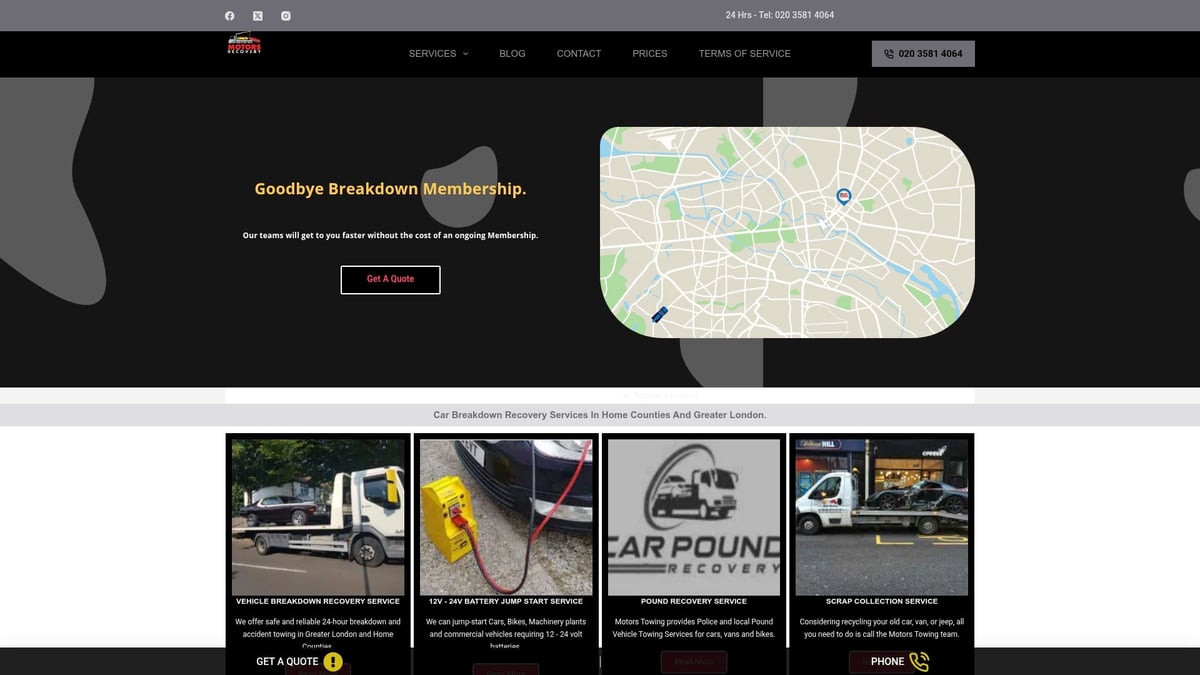
Motors Recovery is a leading choice for vehicle recovery london thanks to its 24/7 breakdown, accident, and police pound recovery services across London and the Home Counties. Their modern fleet, skilled technicians and rapid response (often within 60 minutes) ensure peace of mind. Motors Recovery does not require membership, offering pay-as-you-go pricing with free quotes. Services include battery jump-starts, scrap car removal and secure storage. With strong customer satisfaction and transparent pricing, Motors Recovery is ideal for private motorists, commercial operators and anyone needing urgent, professional help.
Step-by-Step Guide: What to Do When Your Vehicle Breaks Down in London
Breaking down in the capital can be overwhelming, but knowing the right steps to take ensures your safety and gets you back on the road quickly. This guide walks you through each stage, from the moment your vehicle stops to the final resolution, helping you navigate the unique challenges of vehicle recovery london.
Step 1: Ensure Safety First
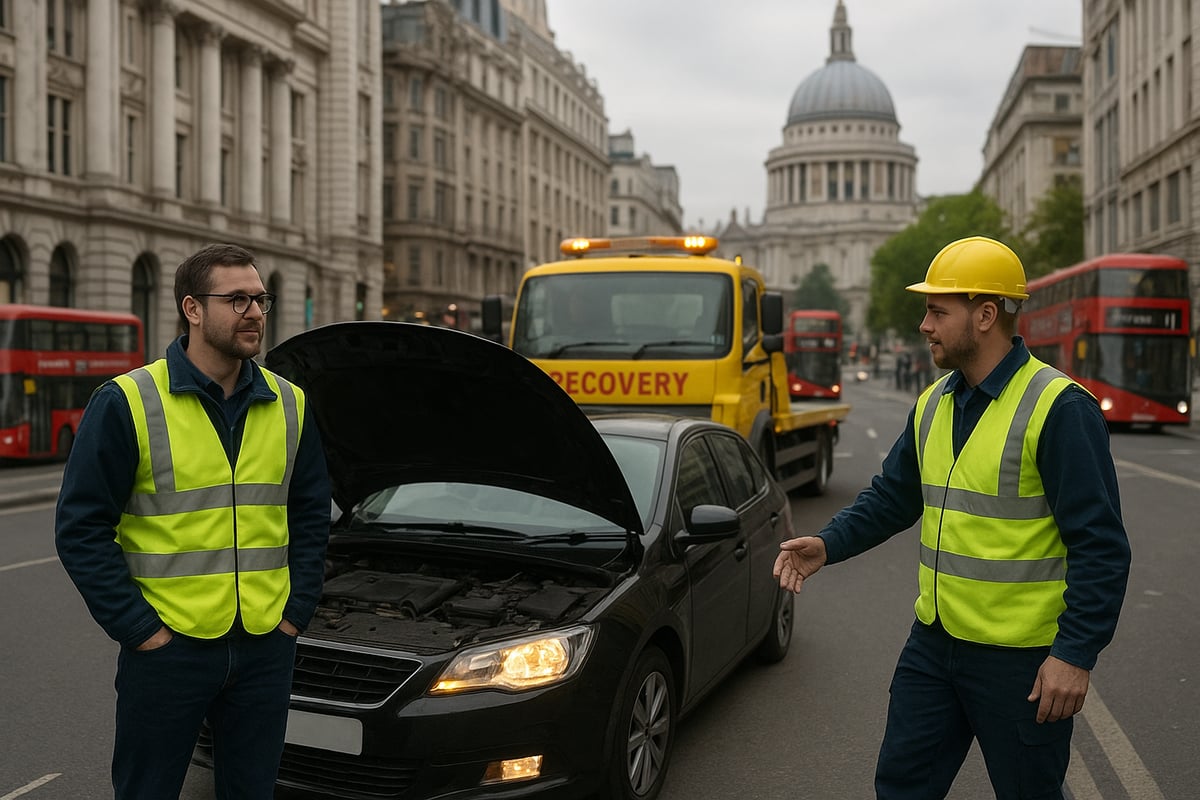
Your safety is the top priority during any vehicle recovery london scenario. If possible, steer your vehicle to a safe location, such as a lay-by or hard shoulder, especially if you break down on a busy road like the M25.
Activate your hazard lights immediately to alert other drivers. If it is safe and legal, place a warning triangle at least 45 metres behind your vehicle to increase visibility for oncoming traffic.
Remain vigilant, especially at night or in poor weather. Always exit your vehicle from the passenger side if you are on a motorway or busy road. Move behind a barrier or to a safe spot away from traffic if conditions allow.
Step 2: Assess the Situation
Take a moment to calmly evaluate the problem. Check for obvious issues such as a flat tyre, overheating, or a dead battery. If the issue is minor and you have the right tools, you may be able to resolve it yourself.
For example, a flat battery is a frequent cause of breakdowns in London. If you suspect this, you might benefit from specialist car battery jump start London services, which can often get you moving without a tow.
Understanding the exact nature of your vehicle recovery london situation will help you communicate clearly with recovery providers and speed up the process.
Step 3: Contact a Recovery Service
Once you know the problem, reach out to a reputable vehicle recovery london provider. Have your location ready, using your phone’s GPS to provide exact coordinates if possible.
Be prepared to give details about your vehicle, including make, model, registration, and the nature of the problem. Many services now offer online booking or app-based requests for faster response.
Using digital tools can streamline the process, ensuring the right equipment and personnel are dispatched quickly to your location.
Step 4: Wait for Assistance Safely
While waiting for your vehicle recovery london provider, remain in a safe place. If roadside conditions are hazardous, it is often safer to stay inside your vehicle with seatbelts fastened.
Keep valuables out of sight and your phone charged for updates. Make sure you are visible to the recovery team by keeping your hazard lights on.
On average, London recovery wait times in 2025 ranged from 35 to 60 minutes, depending on location and traffic.
Step 5: Handover and Recovery Process
When the technician arrives, be ready with your identification and any relevant documentation. The vehicle recovery london process typically involves a brief assessment, completion of paperwork, and confirmation of your requested destination.
Expect the technician to explain the next steps clearly. The usual timeline from your call to tow completion can range from one to two hours, depending on congestion and your location.
Stay informed and ask questions if anything is unclear during the handover.
Step 6: After Recovery – Next Steps
Once your vehicle is secure, decide on your next move. Options include arranging repairs at a garage, continuing your journey, or opting for temporary storage if you cannot proceed immediately.
If your breakdown followed an accident, coordinate with your insurer for claims and, if necessary, follow police pound release procedures. Vehicle recovery london providers often assist with paperwork and onward travel arrangements.
Taking these steps ensures your vehicle is handled properly and your obligations are met.
Tips for Minimising Disruption
Preparation can make a significant difference in any vehicle recovery london incident.
- Keep an emergency kit in your vehicle, including a torch, first-aid supplies, and a phone charger.
- Save contact numbers for trusted recovery providers in your phone.
- Regularly check your vehicle’s essentials, such as tyre pressure and battery health.
Statistically, around 38% of London breakdowns are resolved on the spot, reducing the need for towing. Staying ready helps you manage unexpected issues smoothly.
Costs and Pricing: What to Expect for Vehicle Recovery in London
Understanding the costs associated with vehicle recovery london is essential for anyone driving in the city. Pricing can vary significantly depending on your vehicle type, the nature of the incident, and the provider you choose. Being prepared with accurate information helps you avoid surprises and ensures you get value for your money.
Breakdown of Typical Recovery Costs
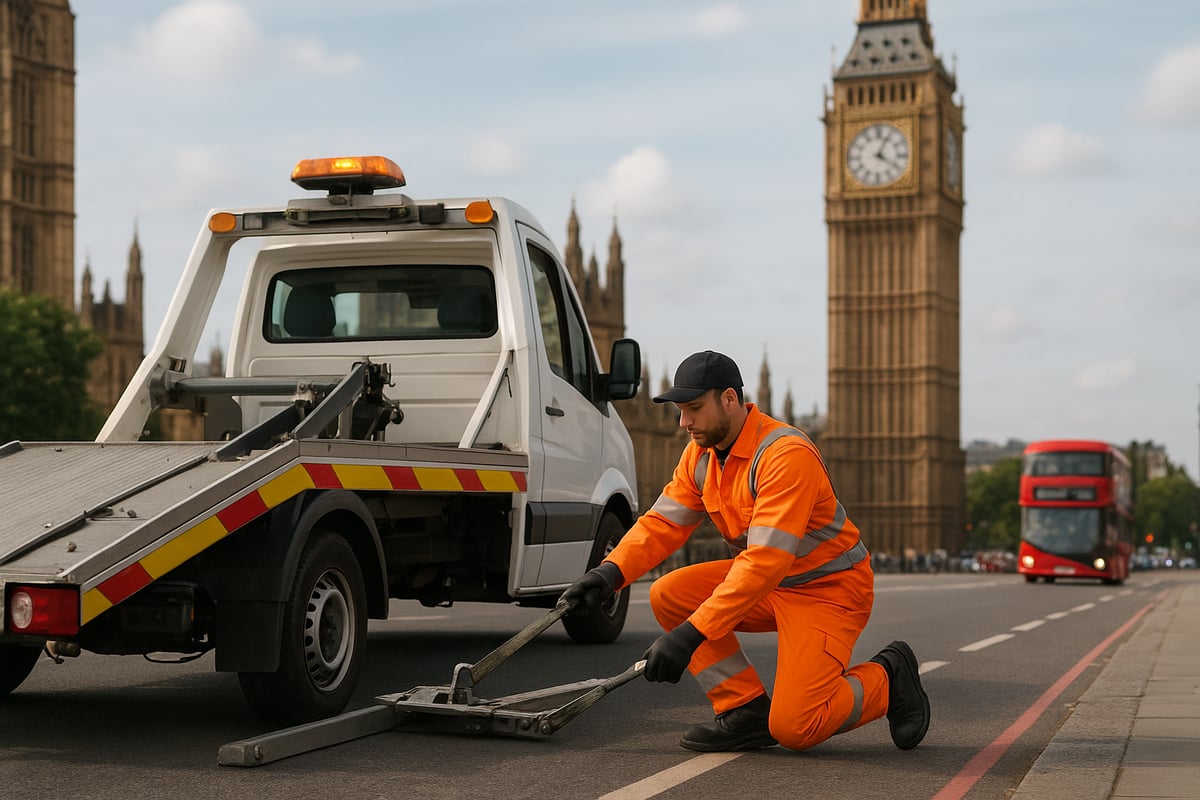
When budgeting for vehicle recovery london, it is important to understand the typical fee structure. Most providers charge a base call-out fee, which usually covers the first few miles and basic roadside assistance. For cars, vans, and motorcycles, this base fee in London ranged from £80 to £150 in 2025.
Additional charges may apply for extra mileage, specialist equipment, or after-hours callouts. For example, recovering a motorcycle may incur a different rate, and you can find more details about Motorcycle recovery in London for specialist pricing. Always check if VAT is included in quoted prices to avoid unexpected charges.
Factors Affecting Recovery Pricing
Several variables influence the final price for vehicle recovery london. Vehicle size and condition play a major role, with larger or non-running vehicles often costing more to recover. The distance to your chosen destination, such as a garage or your home, will also impact the total fee.
Time of day and the complexity of the location can add surcharges. Recoveries in central London, especially during rush hour, may be more expensive than in suburban areas. The rise in vehicle thefts, as reported in Vehicle Thefts Increase by 74% in 10 Years, has also increased demand for recovery services, sometimes leading to higher prices.
Avoiding Hidden Fees and Scams
It is vital to remain vigilant about hidden charges when arranging vehicle recovery london. Some unscrupulous operators add fees for waiting time, extra mileage, or equipment not initially disclosed. Always request a clear, written quote before agreeing to any service.
Be wary of providers who refuse to give a price upfront or pressure you into immediate decisions. Reputable companies will list all costs transparently and answer your questions. If you need to recover a vehicle from a police pound, check the official Police pound recovery London process to avoid falling victim to scams.
Insurance and Recovery Cover
Many insurance policies offer some form of vehicle recovery london, but coverage varies. Standard policies might include basic roadside assistance, while more comprehensive options cover onward travel or even home start. Pay-as-you-go services are popular for those who do not want annual membership fees.
Before relying on your insurance, confirm what is included and whether any excess applies. In 2025, uptake of standalone recovery cover in London increased, reflecting motorists’ desire for flexibility. Always weigh the benefits of annual cover against the convenience of on-demand services.
Value for Money: Balancing Cost and Quality
Opting for the cheapest vehicle recovery london service is not always best. A low price can mean slower response times or inexperienced technicians, which may put your vehicle at risk. Look for providers with professional accreditation and strong customer feedback.
For example, some drivers have reported negative experiences with budget operators, encountering delays and unexpected costs. Conversely, premium services often deliver faster, more reliable assistance and greater peace of mind. Prioritise value and professionalism over headline prices to ensure a positive outcome.
Future Trends: What’s Next for Vehicle Recovery in London?
Growth of Electric and Autonomous Vehicles
By 2026, electric vehicles (EVs) and autonomous vehicles (AVs) are becoming far more common on London roads. This shift brings new challenges for vehicle recovery london providers, who now require advanced training and specialist equipment. Recovery teams must safely handle high-voltage systems in EVs and follow strict protocols when transporting AVs.
Recent data suggests that EV adoption in London will reach 30 percent by 2026, with AV trials expanding across several boroughs. Recovery operators are investing in innovative tools and workshops, ensuring they stay ahead as technology evolves. This future-focused approach is essential for maintaining high service standards.
Digitalisation and Customer Experience
Digital transformation is reshaping vehicle recovery london services, making them more efficient and customer-centric. App-based booking platforms, real-time tracking, and instant digital payments are now standard features. Customers can monitor their recovery in real time, receive updates, and communicate directly with technicians for a streamlined experience.
Integration with insurance and fleet management systems speeds up claims and reporting, reducing administrative hassle. For instance, digital-first providers now offer seamless journeys from breakdown to resolution, minimising stress and uncertainty. As digitalisation accelerates, customer expectations for transparency and responsiveness continue to rise.
Sustainability and Green Recovery Initiatives
Environmental responsibility is a top priority for vehicle recovery london operators. Many companies are transitioning to low-emission fleets, including electric and hybrid recovery vehicles, to comply with strict city emissions regulations.
A growing number of operators now hold green credentials, with over 40 percent of fleets in London expected to be eco-friendly by 2026. Partnerships with accredited recycling facilities ensure that end-of-life vehicles are disposed of sustainably. These initiatives not only protect the environment but also help companies meet customer demand for ethical, responsible services.
Regulatory and Infrastructure Developments
The regulatory landscape for vehicle recovery london is evolving rapidly. Anticipated changes to Transport for London (TfL) rules, especially around Ultra Low Emission Zone (ULEZ) compliance, are impacting recovery operations. For example, TfL’s increasing enforcement activities have seen over 1,400 vehicles seized from ULEZ fine evaders, as highlighted in TfL Seizes 1,400 Vehicles from ULEZ Fine Evaders.
New recovery hubs are being established in outer boroughs to improve response times and support growing demand. These developments ensure that recovery services remain efficient and accessible across all parts of the city.
The Role of Data and AI
Data and artificial intelligence are transforming how vehicle recovery london providers manage operations. Predictive analytics help anticipate peak demand, while AI-driven dispatch systems optimise routes and allocate resources in real time.
This technology has led to a measurable reduction in average response times. For example, AI-powered platforms can now analyse trends such as those reported in Tracker Reports Stolen Vehicle Recoveries Hit 15-Year High, using this data to inform proactive recovery strategies. As AI adoption grows, customers benefit from faster, more reliable, and data-driven service.

