In 2026, the need for efficient and safe tow truck tow operations is more pressing than ever. As industries face rapid technological advancements and stricter regulations, staying informed is crucial.
This guide serves as your go-to resource for mastering tow truck tow practices. Discover key tips, best practices, and the latest insights to keep your operations compliant and effective.
We will cover tow truck types, legal requirements, operational safety, best towing techniques, technology trends, and essential maintenance. Whether you manage a fleet or operate a single truck, this is your essential reference for the year ahead.
Equip yourself with updated knowledge and stay ahead of new challenges and opportunities. Dive in and make this guide your trusted companion for tow truck tow success in 2026.
Understanding Tow Trucks in 2026: Types, Capabilities, and Applications
The tow truck tow industry is rapidly transforming as we approach 2026. Operators and businesses must understand the latest vehicle types, capabilities, and applications to remain competitive and compliant.
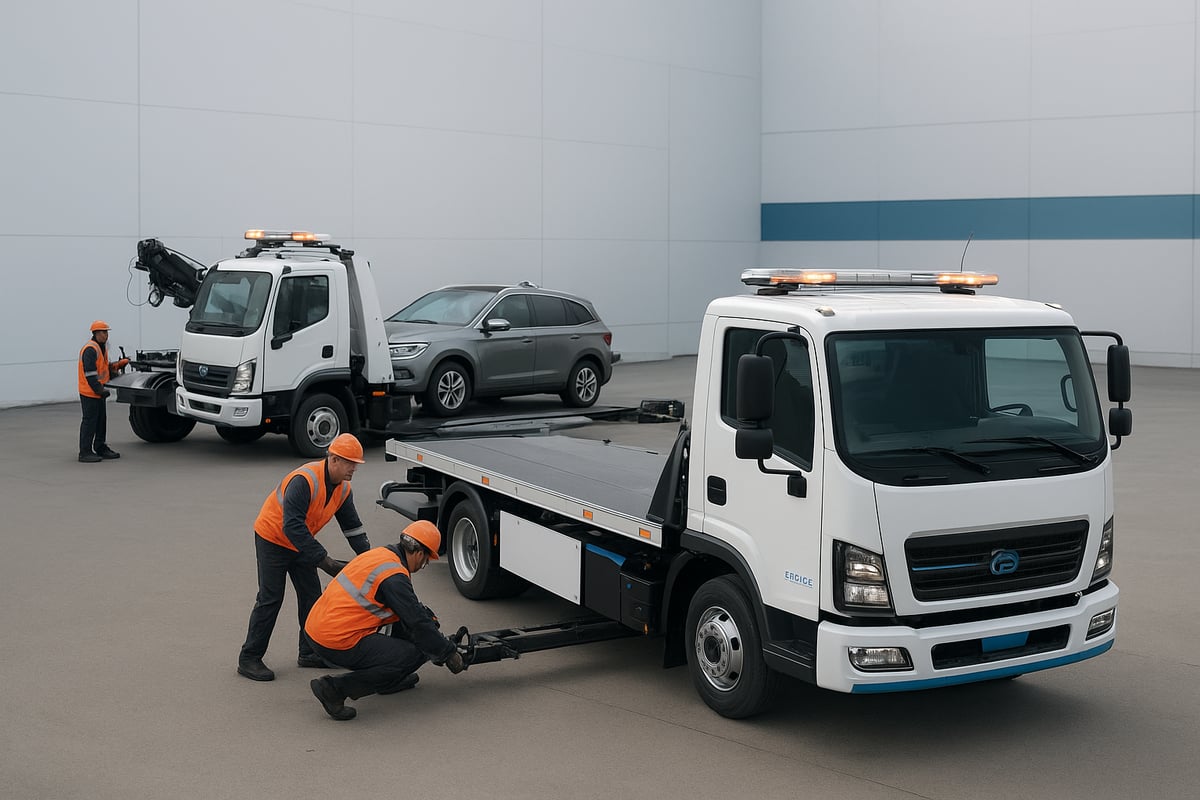
Tow Truck Evolution: 2023 to 2026
In recent years, the tow truck tow sector has evolved significantly. Regulatory pressures, environmental targets, and customer demand for fast, safe service have driven manufacturers to innovate. The move towards electric and hybrid models is accelerating, while automation and digital fleet management are now common in the UK. These changes ensure the tow truck tow process is safer, greener, and more efficient than ever.
Main Tow Truck Types and Capacities
Understanding the right tow truck tow equipment is crucial for every operation. The five main types used in 2026 are:
| Tow Truck Type |
Typical Capacity |
Common Uses |
| Flatbed |
1–10 tonnes |
Car recovery, accident scenes |
| Wheel-lift |
1–4 tonnes |
Urban recovery, tight spaces |
| Hook and Chain |
Up to 5 tonnes |
Older vehicles, scrap transport |
| Integrated |
10–20 tonnes |
Heavy-duty, commercial recovery |
| Specialised Platform |
Up to 50 tonnes |
Industrial sites, airports, rail |
For a detailed look at how these types are used in practice, car recovery in Ealing showcases leading examples of tow truck tow procedures and vehicle handling across key service areas.
Manufacturers such as Toyota now offer electric flatbeds and platform trucks with capacities up to 50 tonnes, making them suitable for both light cars and heavy industrial loads.
Industry Applications and Tow Tractors vs. Platform Trucks
Tow truck tow solutions are now found far beyond roadside recovery. Industries using these vehicles include:
- Logistics and distribution centres
- Airports and rail yards
- Hospitals and manufacturing plants
Platform trucks and tow tractors serve different needs. Platform trucks are ideal for large, flat loads and bulk movement, while tow tractors excel at pulling multiple trailers or trolleys in complex routes. For example, e-commerce warehouses often deploy tow trains to move goods efficiently, reducing manual handling and speeding up order fulfilment.
Automated and Electric Tow Truck Tow Adoption
UK logistics is seeing fast adoption of automated and electric tow truck tow vehicles. By 2026, electric models are increasingly favoured for their lower emissions and quieter operation. Automated tow trucks, equipped with sensors and telematics, enhance safety and efficiency in warehouses and enclosed environments.
Future-Proofing Your Tow Truck Tow Fleet
When planning for the future, operators should prioritise:
- Advanced battery technology for longer range and faster charging
- Compatibility with automation and telematics systems
- Ergonomic designs to reduce operator fatigue
- Flexible hitches and load carriers for diverse applications
Selecting tow truck tow solutions with these features ensures your fleet remains compliant and competitive as industry standards continue to rise.
Legal and Regulatory Requirements for Towing in the UK (2026 Update)
Staying compliant with the latest tow truck tow regulations is now a fundamental part of operating in the UK. In 2026, significant updates have been introduced, reshaping licensing, equipment standards, and environmental requirements. Understanding these changes is vital for both operators and fleet managers to avoid costly penalties and maintain safe, efficient operations.
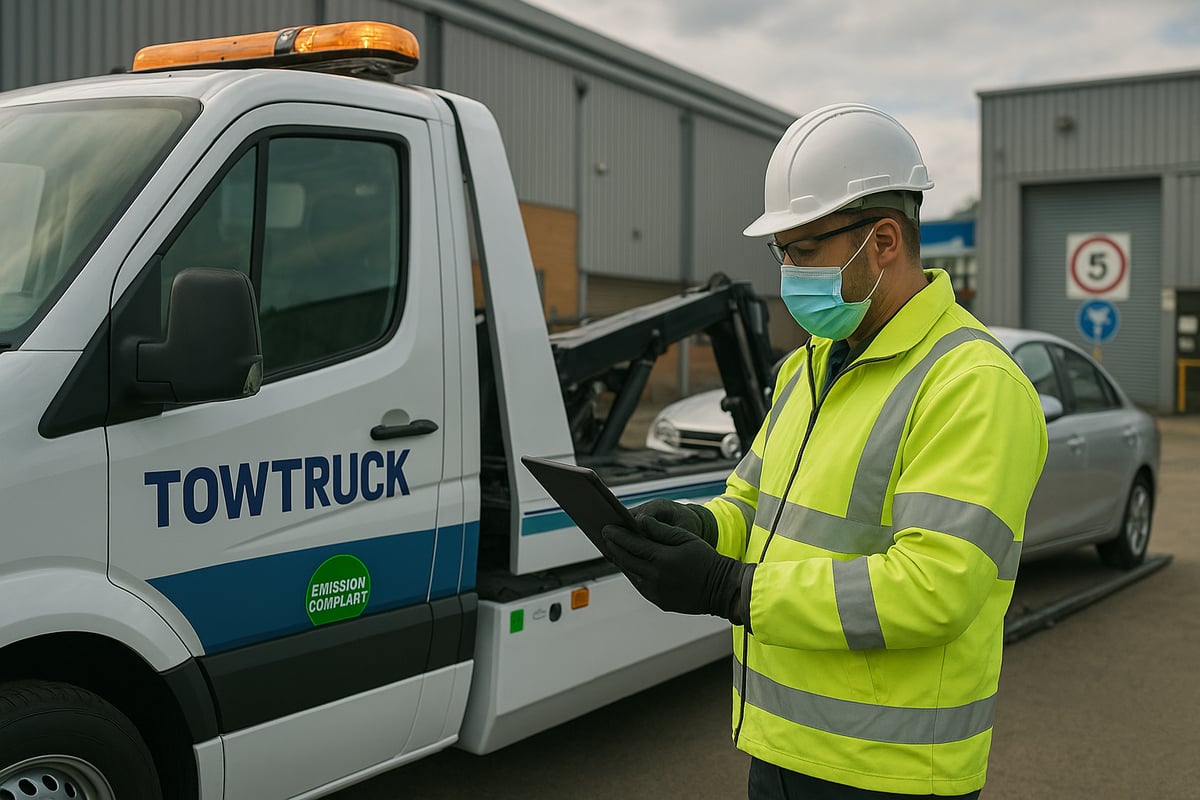
Overview of 2026 Regulations
The 2026 regulatory landscape for tow truck tow operations reflects the UK’s commitment to increased safety, environmental responsibility, and digital compliance. Key updates include stricter vehicle emission standards, mandatory digital record-keeping for all recovery jobs, and new training requirements for operators.
Operators must be aware that legal tow truck requirements UK have evolved, incorporating both national and local authority standards. For a thorough understanding of current compliance obligations, consult the Legal tow truck requirements UK resource, which details essential legal considerations for tow truck tow businesses.
Notably, authorities now require enhanced documentation, including digital inspection logs, and enforce regular audits to ensure adherence to all rules.
Licensing and Operator Certification
To legally conduct tow truck tow work in 2026, operators must hold the appropriate vocational driving licence and undergo updated certification. The introduction of the Workplace Transport Training Changes 2026 brings new training categories and stricter assessment criteria for both new and experienced drivers.
Licences must now be renewed every three years, with refresher courses on load securing, digital systems, and environmental compliance. Employers are responsible for verifying all staff certifications and maintaining digital copies for inspection.
Failing to comply with these requirements can restrict your ability to operate a tow truck tow service, so regular training and certification audits are essential for ongoing compliance.
Vehicle, Load, and Emissions Compliance
Tow truck tow vehicles are now subject to enhanced technical and environmental standards. Weight limits are strictly enforced, with maximum gross train weights and axle loads set according to vehicle type and application. Load securing regulations mandate the use of certified straps, chains, and wheel chocks, and all equipment must pass annual safety inspections.
Emissions rules are a major focus in 2026. All new tow truck tow vehicles must meet Euro 7 standards or be fully electric or hybrid. Operators must provide evidence of compliance through emissions certificates and, where applicable, charging infrastructure documentation.
A summary table of key requirements:
| Compliance Area |
2026 Standard |
| Weight Limits |
As per vehicle spec, max 50t |
| Emissions |
Euro 7 or electric/hybrid |
| Load Securing |
Certified devices, annual check |
| Digital Records |
Mandatory for all jobs |
Workplace Safety, Penalties, and Future Changes
Safety remains at the core of tow truck tow regulations. Operators must wear PPE, including high-visibility clothing, safety boots, and hearing protection when required. Risk assessments are mandatory for every job, and the Health and Safety Executive (HSE) now requires reverse assist radar systems on all new vehicles used in public spaces.
Non-compliance with any aspect of the 2026 regulations can result in immediate fines, vehicle impoundment, or suspension of operator licences. Businesses must stay proactive, using digital compliance tools and ongoing staff education to avoid penalties.
Looking ahead, expect further integration of automation and stricter environmental targets, so future-proofing your tow truck tow operations is crucial. Keeping up with regulatory changes will ensure your business remains competitive and compliant.
Essential Steps for Safe and Effective Towing
Safe and effective tow truck tow operations rely on a structured approach in 2026. Each phase, from inspection to final documentation, contributes to compliance, efficiency, and reduced risk. Mastering these steps ensures your team can handle any tow truck tow scenario with confidence.
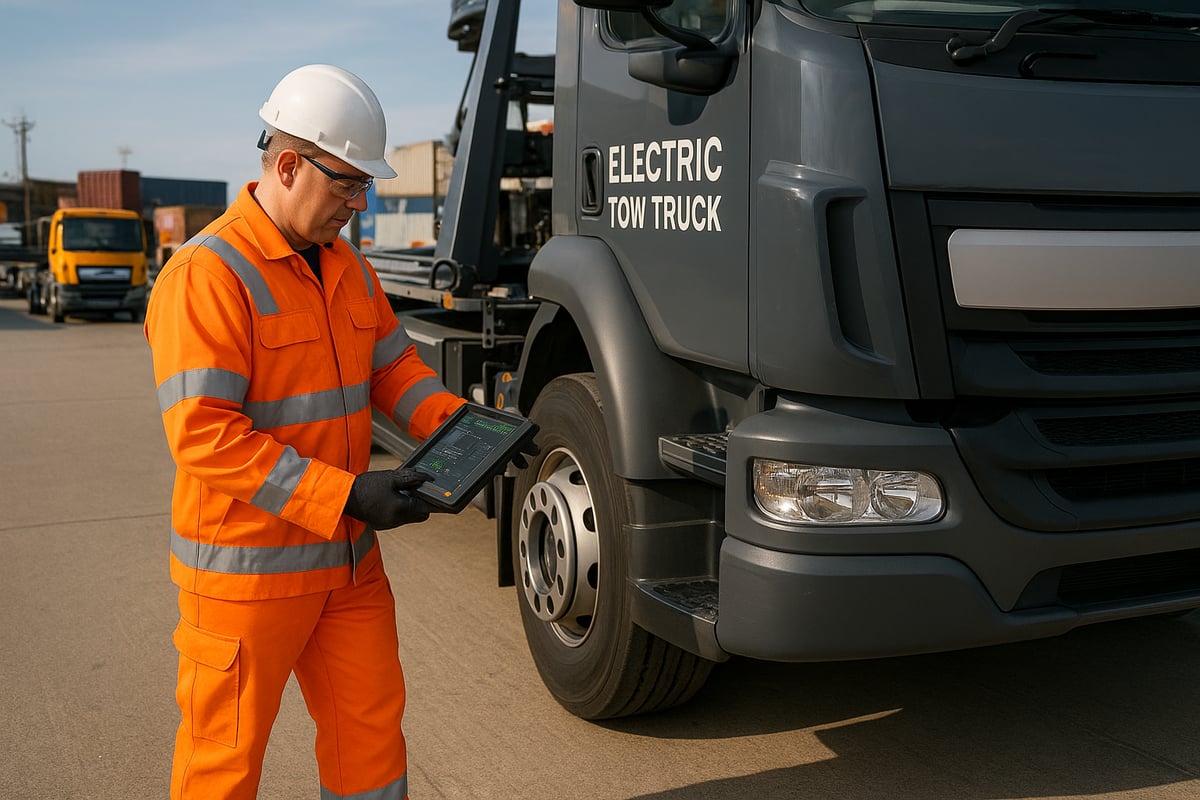
Step 1: Pre-Tow Vehicle and Equipment Inspection
A thorough pre-tow inspection is the foundation of every safe tow truck tow. Before any movement, operators must examine both the tow vehicle and all associated equipment. This process reduces the risk of breakdowns and accidents.
Pre-Tow Inspection Checklist:
- Tyres: Check for correct pressure and visible damage.
- Brakes: Test for responsiveness and wear.
- Lighting: Confirm all indicators and warning lights function.
- Hitch: Ensure secure attachment and correct fit.
- Battery: Verify charge level, especially on electric tow trucks.
- Safety Systems: Assess seat belts, alarms, and fire extinguishers.
In 2026, many fleets now use digital inspection logs and telematics to record each step. For example, missing a battery check once caused a tow truck tow to fail mid-operation, resulting in costly delays. Consistent inspections are non-negotiable for modern tow truck tow tasks.
Step 2: Assessing the Load and Choosing the Right Tow Method
Every tow truck tow starts with a careful assessment of the load. Operators must evaluate the size, weight, and current condition of the vehicle or cargo to select the most suitable tow method.
Selecting between flatbed, wheel-lift, or platform trucks is key. Flatbeds suit immobile vehicles, while wheel-lifts offer manoeuvrability in tight spaces. For industrial settings, matching the right load carriers, such as roll cages or custom trolleys, maximises safety and efficiency.
Quick Reference Table:
| Load Type |
Recommended Tow Method |
Typical Carrier |
| Small car |
Wheel-lift |
Standard trolley |
| Heavy machinery |
Flatbed/platform |
Custom platform |
| Multiple pallets |
Tow train |
Roll cages |
Efficient tow truck tow operations in distribution centres often rely on tow trains for rapid goods movement. Always double-check that your chosen method fits the job and the environment.
Step 3: Securing the Load and Setting Up for Transport
Load securing is a critical part of any tow truck tow. Use robust straps, chains, and wheel chocks to prevent shifting during transport. Even weight distribution is essential to avoid overloading one side, which can cause instability.
Best Practices for Load Securing:
- Use high-tension straps for heavy loads.
- Apply wheel chocks to prevent rolling.
- Check anchor points for wear or damage.
- Avoid stacking items beyond recommended height.
Before moving, conduct a final walk-around check. A rushed or incomplete setup can compromise the entire tow truck tow, risking both the vehicle and operator. Safety checks at this stage are vital for compliance and peace of mind.
Step 4: Safe Towing Operation and On-Road Conduct
Operating a tow truck tow safely on the road or within facilities requires skill and attention to detail. Smooth acceleration and gentle braking are crucial when handling heavy loads. Always take corners slowly to maintain control and prevent tipping.
Navigating narrow aisles, ramps, or uneven terrain demands heightened awareness. Operator ergonomics, such as low vibration cabins, intuitive controls, and clear visibility, reduce fatigue and accidents. Investing in comfort features pays dividends in productivity.
For example, companies offering tow truck recovery in Croydon follow these best practices to ensure efficient and safe tow truck tow services. Prioritising operator wellbeing directly influences safety outcomes and operational success.
Step 5: Post-Tow Checks and Documentation
After completing a tow truck tow, perform careful unloading procedures. Inspect the vehicle and cargo for any signs of damage or movement. Post-tow safety checks help identify issues early, minimising downtime.
Digital record-keeping is now standard. Use telematics and automated logs to document each tow truck tow, supporting compliance and performance review. For instance, analysing telematics data can reveal trends and highlight opportunities for process improvement.
Routine post-tow documentation not only satisfies regulatory requirements but also builds a culture of accountability. Make it a habit for every tow truck tow, ensuring your fleet remains reliable and ready for the next task.
Innovations and Technology Trends in Tow Trucks for 2026
The tow truck tow sector is undergoing rapid transformation in 2026. Driven by environmental policy, safety demands, and the need for greater efficiency, technology is reshaping every aspect of towing operations. From electric propulsion to semi-autonomous systems, operators must adapt to remain competitive and compliant.
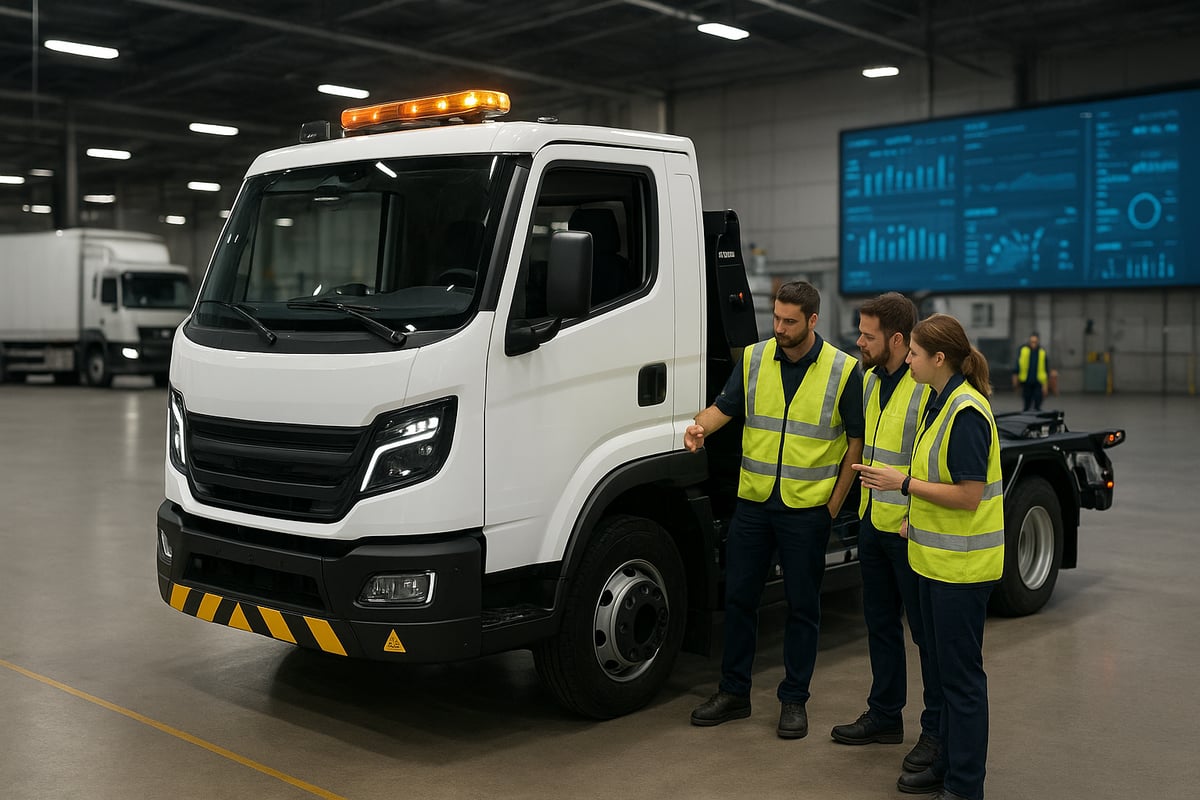
Electric and hybrid tow truck tow vehicles are becoming increasingly common across the UK. Advances in lithium-ion and solid-state battery technologies have extended range and reduced charging times. Operators now benefit from rapid charging stations at major depots, allowing for continuous service throughout the day. These vehicles also help organisations meet stringent new emission standards, reducing both carbon footprint and operational costs.
Automation is another key trend for tow truck tow fleets in 2026. Semi-autonomous towing solutions are now available, offering features such as automated coupling, lane assist, and obstacle detection. These systems improve safety and streamline repetitive tasks, particularly in controlled environments like airports or distribution centres. However, full autonomy remains limited by regulatory and technical barriers, so skilled human oversight is still essential.
Smart fleet management has become the backbone of efficient tow truck tow operations. Modern platforms integrate telematics, real-time GPS tracking, and predictive maintenance alerts. This data-driven approach minimises downtime, optimises route planning, and ensures compliance with legal requirements. Enhanced safety systems, such as reverse assist radar and intelligent lighting, are now standard, supporting both operator and public safety. For those considering future investment, the Trailer Assist System Market Outlook 2026-2034 provides valuable insights into the growth and standardisation of assist technologies in the sector.
Ergonomics are central to the latest tow truck tow designs. Features such as low step-in heights, adjustable seating, and intuitive control layouts are now common. Operator aids like inching buttons and customisable towing hitches make daily tasks safer and less physically demanding. Manufacturers are focusing on reducing vibration and noise, further improving comfort and reducing fatigue for drivers.
A leading logistics company recently adopted a fleet of automated tow truck tow tractors, achieving a substantial increase in productivity and a measurable reduction in accidents. UK-wide, the adoption rate of smart and electric tow truck tow vehicles has climbed steadily, with industry reports projecting over 60 percent of new purchases in 2026 will feature some form of automation or electrification. Operators who invest in these innovations today are best placed to meet the demands of an evolving industry.
Best Practices for Tow Truck Maintenance and Longevity
Keeping your tow truck tow fleet in peak condition is essential for safety, reliability, and compliance. Regular maintenance not only extends vehicle life but also minimises costly downtime and helps meet strict 2026 regulatory standards. Adopting a proactive approach ensures that every tow truck tow job is executed efficiently and with confidence.
Daily, Weekly, and Annual Maintenance Tasks
A structured maintenance schedule is the backbone of any successful tow truck tow operation. Daily checks should cover fluid levels, tyre condition, lights, and safety systems. Weekly inspections must focus on brakes, hydraulic systems, and all moving parts. Annually, a comprehensive review is vital, including chassis integrity, emission controls, and all electrical components.
Here’s a simple breakdown:
| Frequency |
Tasks |
| Daily |
Tyres, lights, fluids, battery, controls |
| Weekly |
Brakes, hydraulics, lubrication, hitches |
| Annual |
Emissions, chassis, electronics, full MOT |
Sticking to this routine ensures every tow truck tow vehicle is ready for demanding jobs and reduces the risk of unexpected failures.
Battery, Tyre, and Brake Care
Modern tow truck tow fleets increasingly feature electric and hybrid models, making battery care more critical than ever. Regularly check battery charge levels, inspect for corrosion, and ensure proper connections. For tyres, monitor tread depth and pressure, as underinflated or worn tyres impact both safety and fuel efficiency.
Brake systems on tow truck tow vehicles must be inspected for wear and correct operation. Replacing brake pads and fluid when necessary prevents dangerous malfunctions. Keeping these elements in top shape is non-negotiable for safe towing.
Digital Logs, Alerts, and Training
Embracing technology transforms tow truck tow maintenance. Digital logs make tracking service history simple, while automated alerts remind operators of upcoming checks. Telematics systems can monitor real-time vehicle health and flag issues before they escalate.
Operator training is equally important. Regular sessions on basic troubleshooting and daily inspections keep everyone sharp. Well-trained staff spot problems early, reducing the risk of breakdowns.
Example and Data on Maintenance Impact
Consider a busy recovery business that implemented strict tow truck tow maintenance protocols and digital record-keeping. Over one year, downtime dropped by 30 percent, and repair costs fell significantly. According to industry reports, fleets that follow preventative maintenance can save up to 20 percent in annual operating expenses.
To see how professional operators put these principles into practice, take a look at Vehicle recovery in Northolt, where high standards of tow truck tow care and reliability are the norm.
A robust maintenance programme not only protects your investment but also ensures every tow truck tow assignment is completed safely and efficiently.
Choosing the Right Tow Truck and Accessories for Your Needs
Selecting the best tow truck tow solution is a critical decision for any business or operator. The right choice depends on a clear understanding of your operational environment, typical loads, and the frequency of use. By evaluating these factors, you ensure efficiency, safety, and compliance in every tow.
Assessing Your Tow Truck Tow Needs
Begin with a careful assessment of your tow truck tow requirements. Consider the types of vehicles or goods you will be transporting, the average and maximum load weights, and the physical conditions of your site.
Are you moving light vehicles, heavy machinery, or mixed freight? Is your environment confined like a hospital or expansive like an airport? Daily usage rates and terrain challenges will also shape your decision.
Make sure your chosen tow truck tow model matches both your current needs and anticipated future demands. Investing in the right capacity and features now can prevent costly upgrades later.
Comparing Tow Truck Tow Options
With your requirements defined, compare leading tow truck tow models from trusted manufacturers such as Toyota and Linde. Look at specifications including towing capacity, power source (electric or hybrid), and compatibility with accessories.
Customisation is key. Many models offer modular platforms, adjustable hitches, and a range of trolleys or load carriers to handle different tasks. For instance, a hospital may need compact platform trucks with precise control, while an airport benefits from high-capacity tow tractors.
Use the table below to summarise some comparison points:
| Feature |
Hospital Use |
Airport Use |
| Size |
Compact |
Large |
| Load Capacity |
Medium |
High |
| Manoeuvrability |
Essential |
Useful |
| Power Source |
Electric preferred |
Hybrid/electric |
This approach ensures your tow truck tow solution is truly fit for purpose.
Cost of Ownership and Support
Evaluating the total cost of ownership is vital. Consider not only the purchase or leasing price, but also maintenance, energy efficiency, and long-term durability. Electric tow truck tow models may offer savings on fuel and lower emissions, but require battery care and charging infrastructure.
After-sales support and operator training are critical for safety and compliance. With workplace transport training categories changing in 2026, reliable manufacturers should provide guidance on certification and ongoing education. For more on these requirements, see Workplace Transport Training Changes 2026.
Quality support reduces downtime and keeps your tow truck tow fleet operating at peak performance.
Making the Right Choice
When selecting your tow truck tow solution, consider real-world examples. A hospital might prioritise quiet, emission-free operation, while an airport values power and flexibility. Review UK trends, which show a rise in electric and hybrid tow truck tow purchases, with many businesses opting for leasing to maintain flexibility.
Use this checklist before making a decision:
- What is my maximum load requirement?
- How often will the tow truck tow be used?
- Is the model compatible with my site and accessories?
- What are the ongoing costs?
- Does the supplier offer training and support?
By addressing these points, you can invest in a tow truck tow setup that delivers safety, efficiency, and long-term value.
Resources, Training, and Support for Tow Truck Operators
Staying current with tow truck tow best practices is crucial for every operator and manager in 2026. Comprehensive training is not only a legal requirement but also a key driver of operational safety and efficiency.
Today, a wide range of accredited programmes offer certification in tow truck tow operation, safety protocols, and compliance. Many manufacturers provide in-depth operator courses, while independent bodies offer refresher and advanced modules tailored to different tow truck types.
Ongoing education is essential, as regulations and technology continue to evolve. Operators can access manufacturer guides, digital libraries, and online safety resources to ensure their knowledge remains up to date. For legal frameworks and compliance updates, resources such as the UK Towage Conditions Update 2024 provide valuable insights for tow truck professionals.
Peer support is available through industry forums and associations, offering troubleshooting advice and shared experiences. Investing in accredited training not only enhances safety but also improves compliance, helping businesses avoid costly penalties and downtime.
Businesses that prioritise high-quality tow truck tow training see measurable improvements in safety records, staff retention, and operational reliability.

