When your vehicle suddenly stops working or needs to be relocated, knowing how to select professional towing services can make a real difference. Reliable and efficient towing is essential for safety and peace of mind, whether you are facing a breakdown, an accident, or managing commercial transport needs. Choosing the right provider not only ensures your vehicle is handled carefully, but also helps you avoid unnecessary costs and stress. This guide will help you understand what to look for in 2026’s evolving market, covering all the essentials about professional towing services so you can make informed decisions with confidence.
Understanding Professional Towing Services
When your vehicle faces trouble, the value of professional towing services becomes clear. These services ensure your car, van, or commercial vehicle is handled safely and efficiently, providing reassurance during stressful situations. Understanding what sets professional towing apart, the range of services offered, and when to call in the experts can help you make informed decisions when the need arises.
What is Professional Towing?
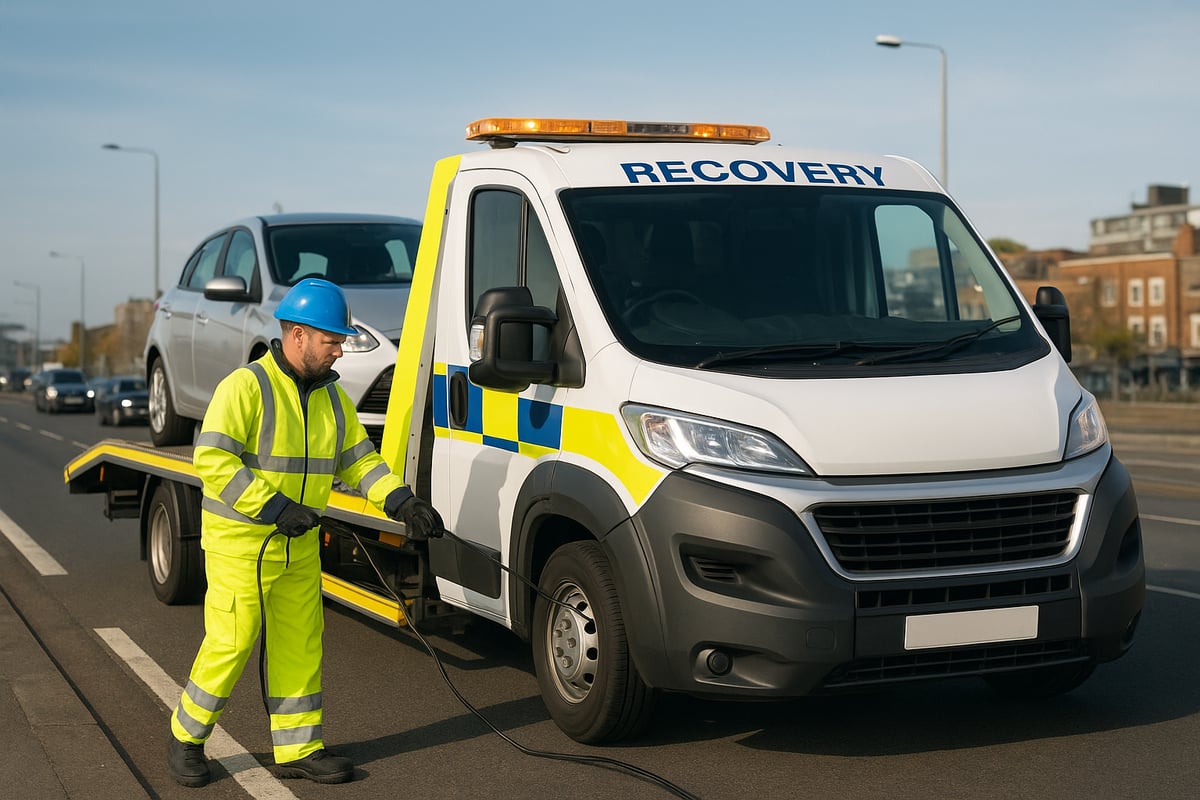
Professional towing services involve the safe recovery, transport, or relocation of vehicles by trained and certified operators. Unlike informal or unlicensed towing, these professionals comply with strict industry standards and regulations, ensuring vehicles are handled with care and accountability. Certified operators undergo regular training, adhere to safety protocols, and carry appropriate insurance.
Situations requiring professional towing services include breakdowns, accidents, illegal parking removals, and complex vehicle recoveries. Demand for these services continues to grow, with industry reports such as the UK Vehicle Roadside Assistance Market Outlook highlighting steady increases in call-outs and service innovation across the sector.
Types of Towing Services Available
Professional towing services cover a wide range of needs. Common types include breakdown recovery, accident recovery, and scheduled vehicle transportation. Specialist offerings such as 4×4 low-level towing, site support, and commercial fleet towing address more complex requirements.
Services are classed as emergency (immediate response) or scheduled (pre-arranged transport). Heavy-duty towing handles large commercial vehicles, while light-duty towing suits cars and small vans. For example, construction companies may use professional towing services to move welfare accommodation or support on-site logistics.
Key Components of a Professional Towing Service
Several factors distinguish reputable professional towing services. First, all drivers are trained and certified, ensuring expertise in vehicle recovery. The fleet consists of modern, well-maintained vehicles equipped for various scenarios.
Customer service is a priority, with clear communication from dispatch to delivery. Comprehensive safety protocols reduce risks, and robust liability insurance protects both operators and clients. Many providers use technology, such as GPS tracking and digital dispatch systems, for transparent and efficient service.
When to Call a Professional Towing Service
There are many scenarios when professional towing services are essential. Vehicle breakdowns on busy roads, accidents, and off-road recoveries all require skilled intervention. Legal requirements may dictate professional towing for certain situations, such as commercial haulage or police impounds.
Commercial and construction sites often rely on scheduled towing for operational efficiency. Seasonal spikes, like holiday travel periods, see increased demand. Real-world examples from local areas, such as high call-out volumes during winter, show the importance of timely and professional support.
Industry Standards, Certifications, and Safety
Understanding the standards behind professional towing services is vital for anyone relying on these solutions. Regulations, qualifications, safety protocols, and insurance all play a role in ensuring your vehicle is handled safely and legally. Let us explore what sets reputable professional towing services apart in 2026.
Regulatory Requirements for Towing Companies
Operating professional towing services in the UK requires strict adherence to national and European regulations. Companies must hold the correct licences, maintain robust insurance, and demonstrate compliance with safety and operational standards. Accreditations such as FORS Bronze are increasingly common, reflecting a commitment to best practice. Regular audits and compliance checks are now standard, ensuring operators remain up to date.
A recent example is PTSS maintaining its FORS Bronze status, which highlights the importance of independent verification. For a comprehensive understanding of the legal framework, refer to the UK Towing Regulations and Certifications for the latest requirements on towing in Great Britain. These regulations help guarantee that professional towing services provide safe, reliable support for all vehicle owners.
Training and Qualifications of Towing Professionals
The foundation of professional towing services rests on the expertise of their staff. Drivers require specific licences such as HGV and CPC, ensuring they are legally permitted to operate heavy recovery vehicles. Ongoing training is essential, covering both technical skills and health and safety practices. This commitment to professional development directly impacts service quality and customer safety.
PTSS, for example, invests in continual upskilling for its team, keeping pace with industry advancements. Health and safety training is non-negotiable, reducing risk for both operators and clients. By choosing professional towing services with certified personnel, you safeguard your vehicle and ensure high standards are met every time.
Safety Protocols and Best Practices
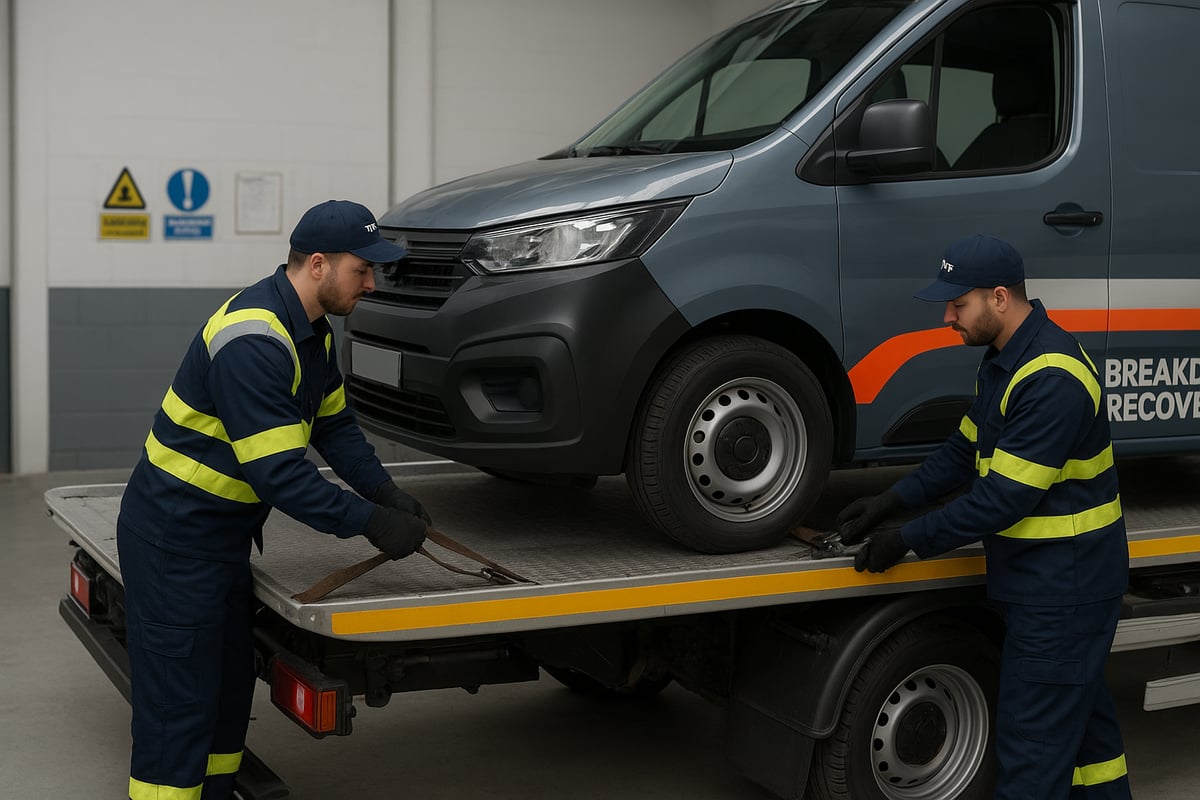
Safety is a non-negotiable aspect of professional towing services. Operators follow strict protocols for securing vehicles and loads, using the latest equipment and technology. Roadside safety measures, including the use of PPE, protect both staff and the public during recovery operations. Communication with clients is prioritised, keeping everyone informed throughout the process.
Risk assessments are carried out before every job, especially in challenging conditions like severe weather. This approach minimises potential hazards and ensures a controlled, professional response. By following these best practices, professional towing services consistently deliver safe and effective solutions.
Insurance and Liability Considerations
Insurance is a cornerstone of trust in professional towing services. Reputable firms carry comprehensive policies covering vehicle damage, public liability, and employee protection. Before hiring a provider, customers should confirm the details of insurance coverage and understand their own responsibilities.
Liability for any damage or loss during towing is clearly outlined in service agreements. In the event of an incident, established claims processes provide a straightforward route to resolution. Real-world scenarios demonstrate the importance of robust insurance, ensuring peace of mind for all parties involved when using professional towing services.
How to Choose the Right Towing Service in 2026
Selecting the right professional towing services in 2026 is essential for both safety and peace of mind. The market can seem crowded, but with a clear understanding of your requirements and what sets reputable providers apart, you can make an informed choice. Here’s how to approach the process step by step.
Assessing Your Towing Needs
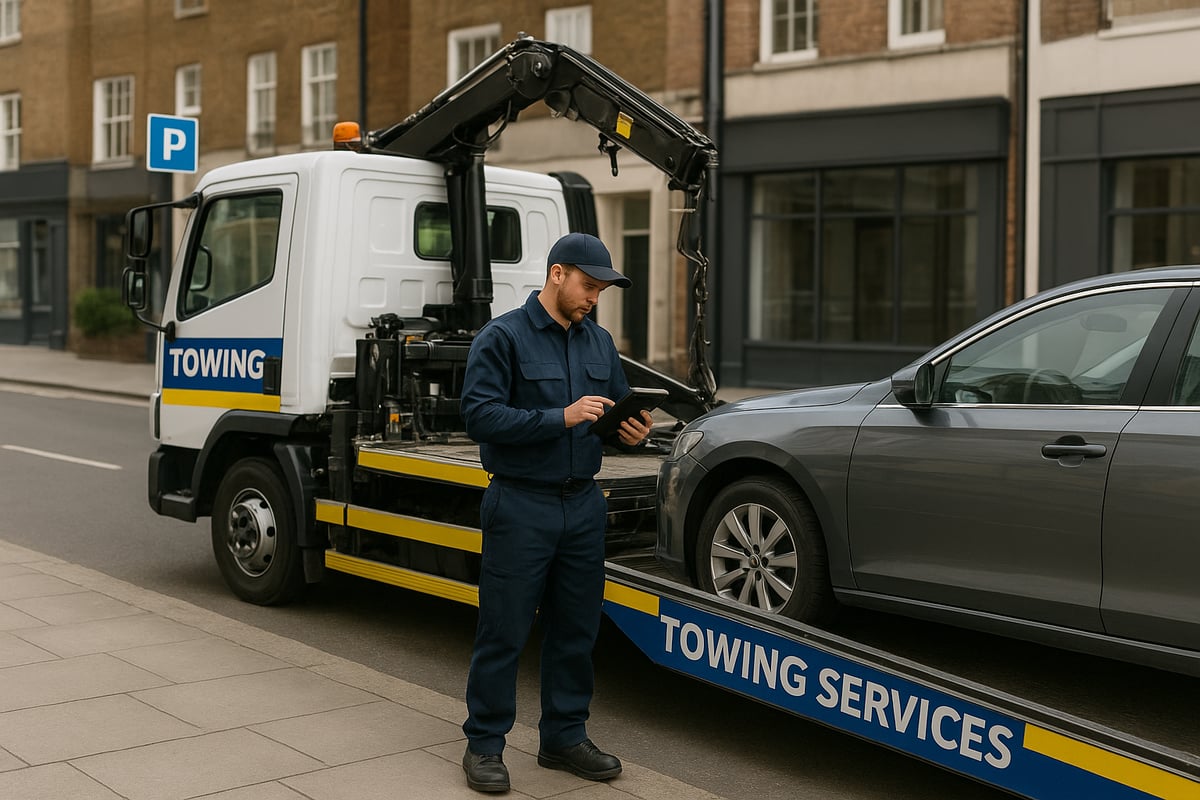
Before contacting any professional towing services, consider your specific needs. Are you a private motorist who might face occasional breakdowns, or do you manage a commercial fleet with regular towing requirements?
Think about the types of vehicles you own. Some services specialise in cars, others in vans, motorcycles, or heavy-duty vehicles. Consider if you might need off-road recovery, long-distance transport, or support for construction equipment.
Assess how urgent your typical towing needs might be. Emergency breakdowns require fast response, while scheduled vehicle moves can be planned in advance. For instance, a construction company may need regular site-to-site transport, while a family might only need help after an unexpected breakdown.
By clarifying these details, you’ll be better prepared to choose professional towing services that match your situation.
Evaluating Towing Companies: What to Look For
Not all professional towing services offer the same standards, so it’s vital to review each provider carefully. Start by checking their reputation through verified customer reviews and testimonials.
Examine the range of services available. Do they provide both emergency and scheduled towing? Are their response times and availability clearly stated? Take note of fleet size and the condition of their vehicles.
Transparency is also crucial. Make sure pricing policies are upfront and that the company is willing to provide written quotes. Reviewing local expertise, such as with Car Recovery in Kingston Upon Thames, can also help you assess service standards in your area.
A reliable provider will have clear credentials, responsive customer support, and a proven track record.
Questions to Ask Before Hiring
To ensure you select the right professional towing services, prepare a list of key questions. Start by asking if their drivers are certified and fully insured. Request details about their average response times, especially for emergencies.
Clarify if there are any hidden fees, call-out charges, or additional costs for specific services. Ask how your vehicle will be protected during transport and whether they can share references or case studies from past clients.
A trustworthy company will answer these questions confidently and transparently, giving you peace of mind before you commit.
Comparing Costs and Understanding Pricing Structures
Understanding the pricing of professional towing services can help you avoid surprises. Costs typically depend on factors like distance, vehicle type, and time of day. Some companies offer flat rates, while others charge per mile.
Emergency services may be priced higher than scheduled tows. In 2026, expect typical price ranges to reflect market trends, regulatory changes, and fuel costs. Always request an accurate written quote and compare it with at least two other providers.
A simple pricing comparison table can clarify your options:
| Service Type |
Typical Cost Range |
Extras (if any) |
| Breakdown Recovery |
£60–£120 |
After hours, location |
| Accident Recovery |
£100–£200 |
Specialist equipment |
| Commercial Moves |
£150–£350 |
Long distance, size |
Clarifying these details helps you budget effectively when choosing professional towing services.
Red Flags and How to Avoid Scams
Unfortunately, not all companies offering professional towing services operate with integrity. Watch for warning signs such as reluctance to show credentials, unusually low prices, or requests for cash-only payment.
Lack of transparency in pricing, hidden charges, or poor communication are further red flags. Negative customer reviews or unresolved complaints can indicate deeper issues.
To verify legitimacy, always check licences, insurance, and accreditations. Do not hesitate to walk away if something feels off. Taking these precautions ensures you only deal with trustworthy professional towing services.
Motors Recovery: Trusted Towing in Greater London and Home Counties
Motors Recovery stands out among professional towing services by offering 24/7 breakdown recovery, towing, and roadside assistance across Greater London and the Home Counties.
Their modern fleet and trained technicians guarantee rapid response and safe, efficient vehicle handling. There is no membership requirement, and pricing is always transparent.
Motors Recovery provides specialist services, including police pound recovery, battery jump-starts, and secure vehicle storage. Their customer-centric approach and consistently positive feedback make them a preferred choice for many.
Choosing a provider like Motors Recovery ensures high standards, reliability, and peace of mind for all your towing needs.
The Process: What to Expect When You Call a Towing Service
When you contact professional towing services, you can expect a structured and efficient process designed to minimise stress and ensure your vehicle is handled with care. Each stage, from your initial call to final delivery, follows industry best practices and strict safety standards.
Step 1: Making the Initial Contact
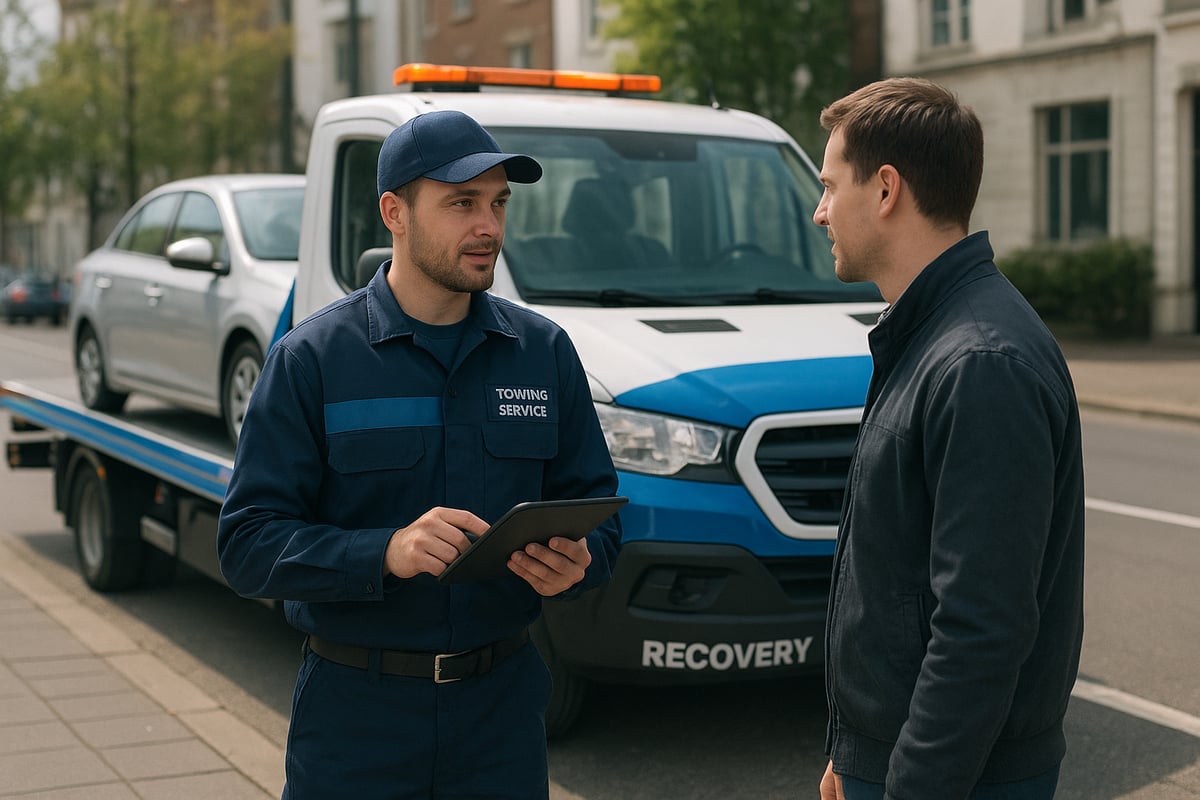
The process begins when you reach out to professional towing services, either by phone or online. You will need to provide clear details, such as your precise location, the type and condition of your vehicle, and the nature of the issue.
Dispatch teams use this information to assess the urgency and allocate resources efficiently. Quick, accurate communication helps ensure a rapid response, especially if you are in a vulnerable situation like a motorway breakdown. This first step sets the tone for a smooth experience with professional towing services.
Step 2: Dispatch and Arrival
Once your request is logged, the towing company dispatches the nearest available team. Resource allocation is based on priority, location, and service type, ensuring professional towing services meet customer needs promptly.
You can typically expect response times under 60 minutes, depending on traffic and location. Upon arrival, all vehicles and staff are clearly identified. Safety checks are conducted before any recovery begins, and GPS tracking allows you to monitor progress. This transparency is a hallmark of professional towing services.
Step 3: Vehicle Assessment and Preparation
When the team arrives, they will carefully assess your vehicle and the surrounding situation. Professional towing services rely on trained staff who determine the safest method of recovery or transport.
A brief inspection is completed on-site, and you may be asked to provide consent for the proposed service. Technicians secure the vehicle using approved methods, ensuring it is safe for transport. This step is crucial, especially for complex recoveries like off-road extractions or accident scenes.
Step 4: Towing and Transportation
Your vehicle is loaded onto a recovery truck using specialist equipment. Throughout the journey, professional towing services maintain strict safety protocols, keeping you informed with regular updates.
Customers can track the journey and communicate with the team if needed. For a detailed look at how these best practices are implemented, see Vehicle Recovery in Hounslow, which highlights the professional approach and equipment used during transit.
This level of service ensures vehicles are protected throughout the entire process.
Step 5: Delivery and Post-Service Support
Upon arrival at your chosen destination, professional towing services handle the safe unloading of your vehicle. Final checks are performed, and staff address any queries or concerns immediately.
You may be asked for feedback, and support continues if you need to file an insurance claim or require further assistance. This comprehensive approach ensures your experience with professional towing services is smooth and supportive from start to finish.
Costs, Insurance, and Legal Considerations
Navigating the financial and legal landscape of professional towing services is essential for both private motorists and business clients. Understanding costs, insurance, and your obligations helps ensure a smooth, stress-free experience. Let’s explore what you need to know before, during, and after engaging professional towing services.
Breakdown of Typical Towing Costs in 2026
Costs for professional towing services in 2026 can vary widely based on the type of assistance required. Standard breakdown recovery tends to be less expensive than accident recovery or specialist transport. Prices are influenced by distance, vehicle size, time of day, and whether specialist equipment is needed.
| Service Type |
Typical Price Range (£) |
Notes |
| Breakdown Recovery |
80–150 |
Local, standard vehicles |
| Accident Recovery |
120–250 |
Includes site clearance |
| Commercial Transport |
200–600+ |
Heavy or long-distance |
After-hours services or remote locations may incur additional fees. Market trends suggest a gradual price increase due to inflation and rising operational costs. When comparing professional towing services, always request a detailed quote to avoid unexpected charges.
Insurance: What’s Covered and What’s Not
Insurance is a critical factor when using professional towing services. Reputable providers carry robust policies covering accidental damage, theft, and public liability. However, personal vehicle insurance may not always include towing, especially for non-accident situations.
Common exclusions include pre-existing vehicle damage or unauthorised modifications. Before booking, confirm the towing company’s insurance status and clarify any limitations. Customers should always ask for proof of cover and understand how to file a claim if an incident occurs.
For further guidance on towing safety and insurance best practices, the UK Towing Safety Alliance’s TLC Campaign offers comprehensive resources to help motorists stay protected and informed.
Legal Obligations for Vehicle Owners
Certain situations legally require the use of professional towing services, such as police impounds or hazardous breakdowns. Vehicle owners are responsible for ensuring the towing provider is licensed, insured, and compliant with national regulations.
Documentation, including proof of ownership and consent forms, is often needed before recovery can proceed. Failing to comply with legal requirements may result in fines or penalties, especially for commercial fleet operators.
To stay updated on recent changes affecting the sector, review the latest UK Haulage Industry Regulatory Updates, which detail evolving standards in towing and recovery.
Contracts, Quotes, and Service Agreements
Always insist on a written quote and clear service agreement before engaging professional towing services. Essential contract elements include the scope of work, itemised costs, liability clauses, cancellation terms, and refund policies.
Sample contract clauses may specify:
- Services and inclusions
- Pricing structure and payment terms
- Responsibilities for vehicle condition
- Dispute resolution processes
A transparent agreement protects both parties and ensures expectations are aligned. If any details are unclear, ask for clarification before signing.
Navigating Disputes and Complaints
Disputes can arise with professional towing services due to delays, misunderstandings, or damage claims. Start by raising your concerns directly with the provider, using their formal complaints process. Most reputable companies have clear escalation procedures and customer service contacts.
If a resolution is not reached, you can contact industry ombudsmen or consumer protection bodies for support. Document all interactions, including photos and correspondence, to strengthen your case. Open communication and a willingness to resolve issues amicably often lead to the best outcomes.
The Future of Professional Towing Services
The landscape of professional towing services is evolving rapidly, with technology, environmental priorities, customer expectations, and regulatory frameworks all shaping the industry’s direction. As we approach 2026, understanding these changes is essential for anyone relying on or providing towing solutions. Let’s explore the key trends and what they mean for the future.
Emerging Technologies and Innovations
Technological advances are driving the future of professional towing services. Companies are increasingly adopting telematics, GPS tracking, and artificial intelligence to optimise dispatch and routing. These tools enable faster response times, improved safety, and real-time communication with clients.
Electric and hybrid recovery vehicles are making their mark, reducing carbon emissions and operational costs. Digital platforms now allow customers to book services, track their vehicle’s location, and receive instant updates. For example, some providers have invested in remote diagnostics, letting technicians assess issues before arriving on site. This integration of technology enhances the reliability and efficiency of professional towing services.
Environmental and Sustainability Trends
Sustainability is becoming a core focus for professional towing services. There is a noticeable shift towards eco-friendly fleets, with more operators investing in electric or low-emission vehicles. Regulatory pressures are pushing companies to adopt greener practices, such as recycling and responsible disposal of scrap vehicles.
Industry initiatives now reward businesses with green certifications for implementing environmentally conscious solutions. Providers are also exploring innovative ways to reduce waste and energy use. These efforts not only benefit the environment, but also appeal to environmentally aware customers seeking professional towing services that align with their values.
Changing Customer Expectations and Service Models
Customers expect more transparency, speed, and flexibility from professional towing services. The rise of pay-as-you-go and on-demand models is transforming how services are accessed. Integration with insurance platforms and fleet management systems provides seamless customer experiences.
Enhanced communication—such as SMS updates and live tracking—has become the norm. For example, providers offering Car Recovery Services in Southeast London leverage digital tools for instant booking and status notifications. These innovations ensure that professional towing services remain customer-centric and responsive to evolving needs.
Regulatory and Industry Developments
The professional towing services industry is subject to ongoing regulatory changes in the UK and EU. New standards are being introduced to increase safety, improve compliance, and professionalise operations. Licensing requirements and regular audits are now standard, ensuring only qualified operators provide services.
Trade associations are playing a bigger role in shaping industry best practices. Accreditations, such as FORS, are becoming essential for companies wishing to demonstrate their commitment to safety and excellence. These regulatory developments are creating a more structured and trustworthy environment for professional towing services.
Opportunities and Challenges for 2026 and Beyond
Looking ahead, professional towing services are set to face both opportunities and challenges. The number and complexity of vehicles on the road are increasing, driving demand for skilled operators. At the same time, the industry must address skills shortages and rising operational costs.
Innovation is likely to continue, with further diversification of services and investment in training. However, companies will need to balance cost pressures with the need to maintain high standards. By adapting to these trends, professional towing services can thrive and continue to offer reliable, efficient solutions for customers well into the next decade.

