Imagine your car grinding to a halt without warning on a packed motorway in 2026. With vehicles becoming more advanced each year, the need for all car towing and recovery has never been greater. As systems grow more complex, professional help is essential when breakdowns or accidents strike.
Knowing your options and rights in these moments is crucial for your safety and peace of mind. This guide is your trusted resource for navigating all car towing and recovery situations, ensuring you are prepared for whatever the road brings.
We will demystify the towing and recovery process, from essential services and legal responsibilities to choosing the right provider, understanding costs, and exploring future trends. Read on to gain clarity, confidence, and control in any roadside emergency.
Car breakdowns or accidents can happen at any time, making it essential to understand the basics of all car towing and recovery. Whether you drive a petrol vehicle, hybrid, or the latest electric model, knowing what help is available ensures you are prepared for any scenario.
What Is Car Towing and Recovery?
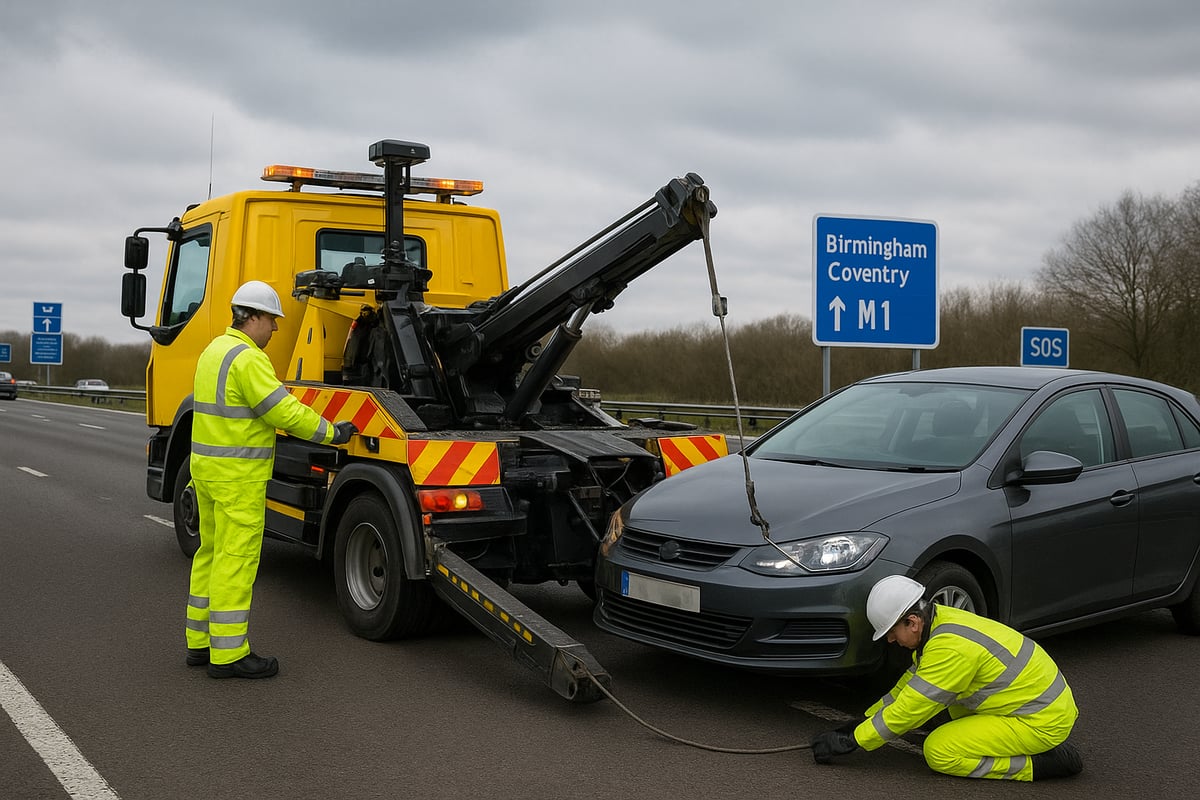
Car towing involves moving a vehicle from one location to another, usually when it cannot be driven safely. Recovery refers to bringing a vehicle back to a safe position after an incident, such as an accident or getting stuck. Roadside assistance, on the other hand, covers minor repairs or support that can get your car moving again without towing.
Common situations requiring these services include engine failures, flat tyres, or collisions. The landscape of all car towing and recovery has evolved, especially with the rise of electric vehicles. For example, electric cars often need specialist equipment and procedures, which differ from traditional petrol or diesel vehicles. As technology advances, recovery services are adapting to handle these new challenges.
Types of Towing and Recovery Services
There are several methods used in all car towing and recovery, each tailored to different vehicle types and situations. Flatbed towing involves lifting the entire vehicle onto a platform, making it ideal for electric vehicles and luxury cars that require extra care. Wheel-lift towing uses a metal yoke to secure and lift either the front or rear wheels, suitable for standard cars in less severe situations.
Integrated towing is designed for complex recoveries, such as multi-vehicle accidents or heavy-duty vehicles like lorries. Heavy-duty recovery uses reinforced equipment to move buses, large vans, or commercial vehicles. Specialised services are available for motorcycles, vans, and electric vehicles, ensuring the right approach for every need.
Accident recovery focuses on vehicles involved in collisions, while breakdown recovery helps with mechanical failures or non-accident incidents. Industry data shows a significant increase in flatbed towing, mainly due to the growing number of electric vehicles on UK roads. For more details on the range of options, see the Professional towing services overview. An example of integrated recovery is when multiple vehicles are involved in a motorway pile-up, requiring coordinated equipment and expertise.
Key Equipment and Technology Used
Modern tow trucks used in all car towing and recovery are fitted with advanced features for safe and efficient service. Essential tools include winches for pulling vehicles, dollies for moving cars with locked wheels, and specialised hydraulic lifts for high-value or luxury vehicles. GPS tracking and digital dispatch systems enable providers to reach stranded motorists quickly and keep customers informed throughout the process.
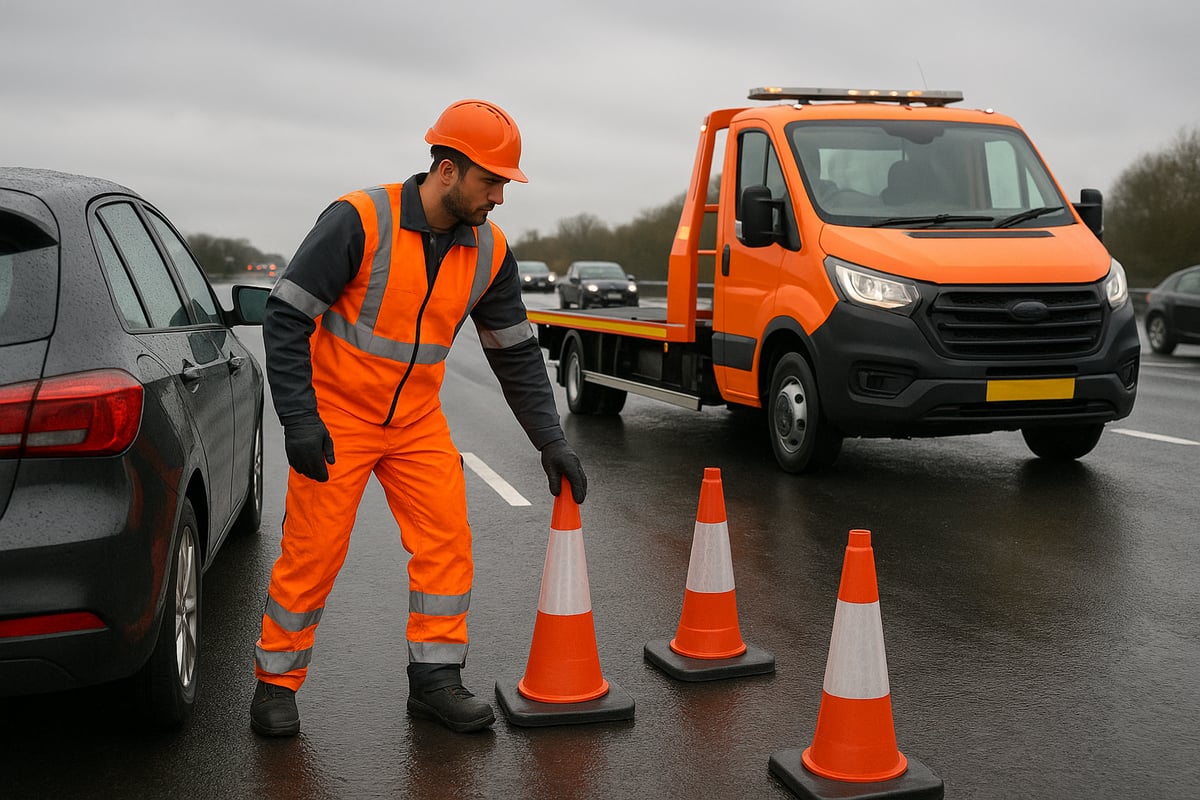
Technicians are equipped with high-visibility safety gear, cones, and lighting to ensure safe operations on busy roads. The use of hydraulic lift systems is especially important for vehicles with low ground clearance, such as sports cars, reducing the risk of damage during recovery.
Common Situations Requiring Towing and Recovery
All car towing and recovery services address a wide range of scenarios. The most frequent are vehicle breakdowns caused by engine failure, dead batteries, or faulty electrics. Accidents on busy urban roads or motorways often require immediate recovery to clear traffic and ensure safety.
Illegal parking and impoundment are also common, especially in city centres. Weather-related incidents, such as flooding or snow, can leave vehicles stranded and in need of specialist recovery. Off-road recoveries are necessary when vehicles get stuck in mud or on rough terrain.
According to recent RAC and AA reports, the majority of callouts in the UK are for breakdowns rather than accidents, with breakdowns accounting for around 80 percent of all incidents. A notable example is the widespread flooding in Greater London, which led to a surge in recovery requests for both electric and conventional vehicles. These situations highlight the importance of being familiar with all car towing and recovery options and procedures.
The Towing and Recovery Process: Step-by-Step
When facing a vehicle emergency, understanding the all car towing and recovery process can make a challenging situation more manageable. Each stage is designed to keep you safe, protect your vehicle, and ensure a smooth recovery experience. Let us walk through each step, so you know what to expect and how to respond confidently.
Step 1: Assessing the Situation
The first priority in all car towing and recovery is your personal safety. If your vehicle breaks down, move it to a safe location if possible, such as the hard shoulder or a service area. Switch on your hazard lights to alert other drivers and exit the vehicle only if it is safe to do so.
Assess whether the car is immobile or if a minor issue, like a flat tyre, can be resolved without towing. If the situation is unclear or you are on a busy motorway, err on the side of caution and stay inside with your seatbelt fastened. For example, after a sudden breakdown on the M25, staying in your vehicle and calling for help is the safest course. Every all car towing and recovery process begins with protecting yourself and others at the scene.
Step 2: Contacting a Towing and Recovery Provider
Once you have ensured safety, the next step in all car towing and recovery is to contact a professional provider. Be ready to share your exact location, vehicle make, model, and describe the issue. This information helps dispatch the right equipment and crew to assist you efficiently.
Decide whether you require emergency assistance or can schedule a recovery at a later time. Clear communication can make a significant difference in response times and service quality. For more detailed guidance on what to expect when arranging help, you can refer to Breakdown recovery for cars. Prompt action ensures the right team reaches you quickly and safely.
Step 3: Waiting Safely for Assistance
While waiting for the all car towing and recovery team, prioritise your safety. Remain inside your vehicle if you are on a busy road, keeping your seatbelt fastened. If you must exit, stand well away from traffic, ideally behind a barrier.
Keep your hazard lights on and use a warning triangle if safe and legal to do so. Stay in touch with your provider, giving updates if your situation changes. According to industry reports, the average response time for UK breakdown services is around 60 minutes, but conditions like weather or location can affect this. Your patience and vigilance help ensure a safe recovery for everyone involved.
Step 4: Vehicle Assessment and Preparation
When the technician arrives, the all car towing and recovery process continues with a thorough assessment. The professional will check for hazards, such as leaking fluids or damaged wheels, and confirm the vehicle’s condition. You may be asked to provide documentation and consent before any work begins.
The technician will secure the vehicle for towing, using wheel lifts, winches, or flatbeds as appropriate. Special care is taken if the car has locked wheels or is stuck in gear. For instance, luxury cars or those with damaged axles require extra precautions to prevent further harm. This preparation is crucial for a successful, damage-free recovery.
Step 5: Towing and Recovery Execution
The actual movement of your vehicle is a critical phase in all car towing and recovery. The technician will load your car onto the tow truck, ensuring it is properly balanced and secured. Electric vehicles and high-value cars may need specialist equipment, such as skates or hydraulic lifts, to avoid damage.
Navigating through narrow city streets, like those in central London, demands skill and patience. The recovery team will take every measure to avoid further incidents during transport. You can trust that trained professionals will handle your vehicle with the utmost care throughout this step.
Step 6: Delivery and Next Steps
Finally, your vehicle is transported to the agreed destination, whether that is a repair shop, your home, or a secure storage facility. Upon arrival, the all car towing and recovery provider will help you understand the next steps, including paperwork and any storage options if needed.
If your car has been impounded following an accident, the team will explain the retrieval process and any documentation required. For example, after an accident on the North Circular, many drivers opt for short-term storage until insurance matters are resolved. Understanding these final steps brings closure to the recovery experience and helps you move forward with confidence.
Choosing the Right Towing and Recovery Provider
Selecting the best provider for all car towing and recovery is crucial for your peace of mind and your vehicle’s safety. With so many options available, making an informed decision can save you time, money, and stress during an unexpected breakdown or accident.
Factors to Consider When Selecting a Provider
When choosing an all car towing and recovery provider, always check for proper licensing, insurance, and industry certifications. These credentials ensure the provider meets legal and safety standards.
Response times are another key consideration, especially if you travel often or live in a busy area. Look for companies with a proven record of fast arrival, as every minute counts in an emergency. Assess their service area coverage to ensure they operate where you most commonly drive.
Evaluate the range of services offered. Some providers handle only standard breakdowns, while others offer accident recovery, impound release, or even off-road assistance. Reputation matters too. Search for customer reviews, ratings, and testimonials to compare local specialists with national chains. Local providers may offer more personalised service, while national companies often have broader resources.
Ultimately, the right all car towing and recovery provider combines reliability, speed, and a comprehensive service offering. Considering these factors helps you avoid unnecessary complications and ensures you receive quality support when you need it most.
Evaluating Costs and Transparency
Understanding the cost structure for all car towing and recovery helps you avoid surprises. Most providers charge either a flat rate, per-mile fee, or emergency surcharge. Always ask for an upfront quote and clarify what’s included.
Be aware of hidden fees, such as after-hours charges, mileage beyond a set distance, or storage costs. Transparent providers will outline all potential charges before dispatching a truck. According to recent industry analysis, the average UK towing fee ranges from £50 to £150, depending on distance and service type.
Requesting a written estimate before agreeing to service can protect you from unexpected expenses. This step builds trust and ensures you know exactly what to expect from your all car towing and recovery provider.
Service Quality and Customer Experience
The quality of service you receive from an all car towing and recovery provider often comes down to professionalism and training. Well-trained technicians can handle complex recoveries and minimise the risk of further vehicle damage.
Modern fleets with advanced equipment indicate a commitment to safety and efficiency. Customer support should be accessible, responsive, and able to answer your questions clearly. Look for providers who communicate arrival times, update you throughout the process, and treat you with respect.
Testimonials and reviews from other motorists can offer valuable insights into real-life experiences. Choosing a provider with a reputation for excellent service ensures you receive reliable, courteous help when you need it most.
Motors Recovery stands out as a leading choice for all car towing and recovery in Greater London and the Home Counties. Their 24-hour breakdown recovery, towing, jump-starts, police pound recovery, and roadside assistance cater to a wide range of needs.
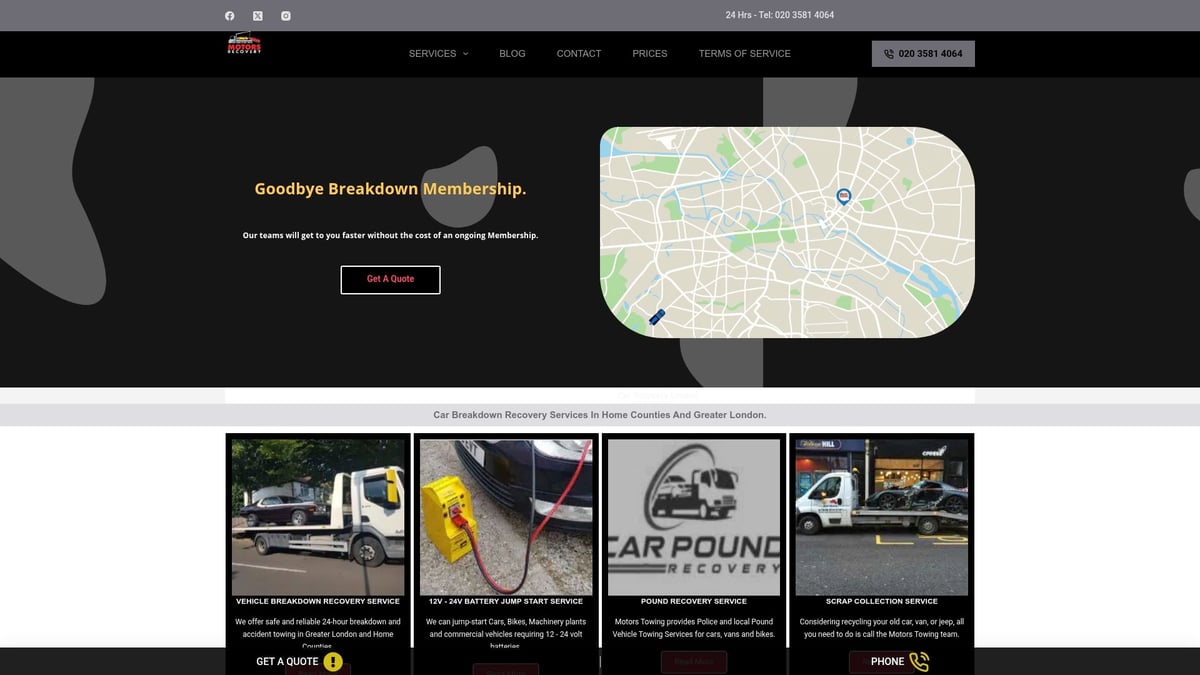
Unlike many competitors, Motors Recovery requires no membership and often provides rapid response within 60 minutes. Their modern fleet and experienced technicians handle everything from compact cars to electric vehicles with care and expertise.
Pricing is transparent, with free quotes and no hidden fees. Secure vehicle storage is available if required. For instance, a recent case involved a stranded motorist on the M25 who received prompt, professional assistance, minimising disruption and stress. You can learn more about their local expertise and comprehensive coverage by visiting their Vehicle recovery in London page.
Choosing Motors Recovery means opting for a customer-centric approach that prioritises your safety, satisfaction, and the best value in all car towing and recovery.
Legal, Insurance, and Safety Considerations
Breaking down on the road can be stressful, but understanding the legal, insurance, and safety aspects of all car towing and recovery is essential for peace of mind. This section explains your rights and responsibilities, how insurance plays a role, and what both you and providers must do to ensure a safe and compliant recovery experience.
UK Laws Governing Towing and Recovery
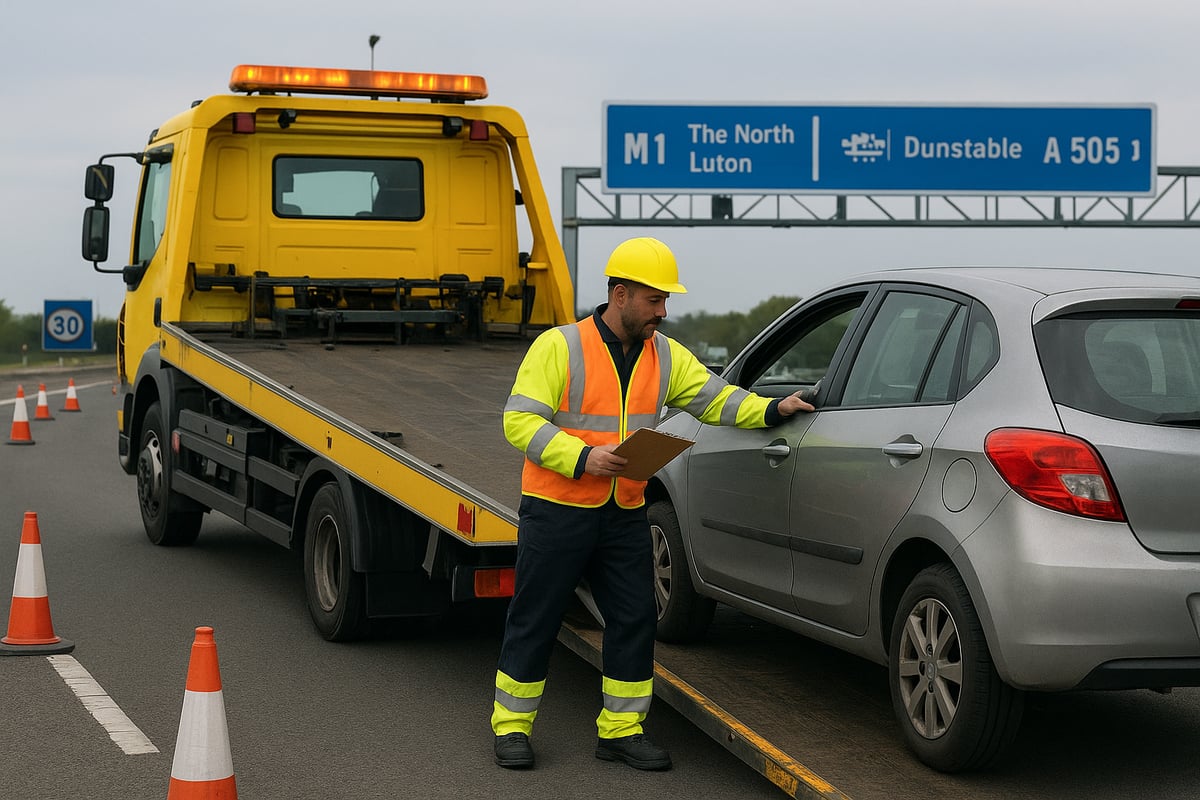
In the UK, strict laws regulate all car towing and recovery services. Providers must be licensed and comply with standards set by local authorities. Operators are required to use vehicles equipped with proper signage, lighting, and equipment that meet safety regulations.
When towing on public roads, there are rules about maximum towing weights, speed limits, and the display of warning lights. Motorists have legal obligations after a breakdown or accident, such as moving the vehicle to a safe place and alerting emergency services if needed. Failing to follow these rules can result in fines or further penalties.
Recent updates to UK towing regulations in 2025 and 2026 have focused on improving roadside safety and increasing accountability for both providers and drivers. For a deeper understanding of evolving legal and operational standards, see the Auto breakdown recovery guide, which details best practices and compliance tips for all car towing and recovery situations.
Insurance Implications and Coverage
Insurance is a crucial factor in all car towing and recovery scenarios. Most UK motorists have some form of breakdown cover, but the level of protection varies. Standard motor insurance may not always include towing, so it is important to check your policy for recovery provisions.
There are three main types of insurance relevant to all car towing and recovery: motor insurance, breakdown cover, and specialist recovery insurance. Each type covers different aspects, from roadside repairs to full vehicle transport. After an accident or breakdown, you must notify your insurer and provide details of the incident to claim towing costs.
According to the Association of British Insurers, a high percentage of UK drivers now opt for breakdown cover, reflecting the growing need for reliable recovery services. Always keep your insurance details accessible and understand what is and is not covered before using all car towing and recovery services.
Safety Tips for Motorists
Staying safe during a breakdown or while waiting for all car towing and recovery services is vital. First, move your vehicle to a safe location, such as the hard shoulder or a layby, if possible. Switch on your hazard lights and wear a reflective vest if you need to exit the vehicle.
Keep the following items in your car for emergencies:
- Reflective warning triangle
- Torch and spare batteries
- First aid kit
- Mobile phone charger
- Warm clothing and water
When interacting with recovery personnel, remain alert and follow their instructions. On high-speed roads like motorways, it is safer to exit the vehicle on the left and wait behind the barrier. These precautions help ensure your safety and that of the towing team during all car towing and recovery operations.
Responsibilities of Towing and Recovery Providers
Professionalism and duty of care are central to all car towing and recovery providers. Technicians must safeguard both vehicles and passengers, especially when handling accident-damaged or hazardous vehicles. They are responsible for securing the scene, minimising environmental impact by managing fluid spills, and removing debris.
Providers must also follow strict health and safety protocols, including the use of high-visibility clothing, proper lifting equipment, and regular vehicle maintenance. During hazardous weather, such as heavy rain or snow, recovery teams adapt their approach to maintain safety and efficiency.
The best all car towing and recovery companies are transparent, reliable, and focused on protecting both people and property. By meeting these standards, they ensure a positive outcome for everyone involved, regardless of the situation.
Costs, Payment, and What to Expect Financially
Understanding the financial side of all car towing and recovery in 2026 is essential for every motorist. Whether you are dealing with a sudden breakdown, an accident, or a scheduled recovery, knowing what to expect can help you avoid surprises and plan accordingly.
Breakdown of Typical Towing and Recovery Costs
The cost of all car towing and recovery services can vary widely depending on the situation. Routine local tows typically range from £60 to £120, while long-distance or accident recovery may exceed £200. Several factors influence pricing, including vehicle type, time of day, and location. For example, emergency callouts during peak times or in busy urban areas might cost more.
Recent industry data shows a surge in demand due to increased incidents, such as RAC ‘pothole breakdowns’ double in first three months of 2025, which puts additional pressure on providers and can impact pricing. It is wise to request a clear estimate upfront, especially in emergency situations.
| Service Type |
Average Cost (£) |
| Local Standard Tow |
60–120 |
| Long-Distance Tow |
120–250 |
| Accident Recovery |
150–300 |
Payment Methods and Policies
When using all car towing and recovery services, you will find a variety of payment options. Most reputable providers accept:
- Credit and debit cards
- Mobile payments
- Cash (less common)
- Direct insurance billing (if covered)
Some companies may require a deposit or payment at the scene, especially for non-members or out-of-hours calls. Always ask about payment terms before your vehicle is moved. Clear policies on refunds and cancellations are important, particularly if plans change suddenly. In case of disputes, having a written agreement or receipt will protect your interests.
Avoiding Hidden Fees and Overcharges
Hidden fees can catch many by surprise when arranging all car towing and recovery. Common add-ons include:
- After-hours or weekend surcharges
- Per-mile charges for longer distances
- Vehicle storage fees (if not collected promptly)
- Administration fees for paperwork or release
To avoid unexpected costs, always request a detailed written estimate before agreeing to service. Review the invoice carefully, and do not hesitate to question unclear items. According to UK trading standards, consumer complaints about towing charges often stem from undisclosed extras, so transparency is key.
Getting Value for Money
Securing value for money from all car towing and recovery providers requires more than just comparing prices. Consider the provider’s reputation, response times, and the range of services offered. Transparent pricing, clear communication, and willingness to provide free quotes are hallmarks of a reliable service.
Tips for maximising value:
- Compare at least three quotes
- Ask about discounts for repeat customers or off-peak times
- Prioritise providers who offer detailed breakdowns of costs
Ultimately, the cheapest option is not always the best choice. Weigh the benefits of professional service and peace of mind against the final price to make the right decision for your situation.
Future Trends in Car Towing and Recovery: 2026 and Beyond
The future of all car towing and recovery is evolving rapidly, shaped by technology, environmental concerns, and shifting consumer demands. As we look to 2026 and beyond, the industry must adapt to new vehicle types, smarter systems, and stricter regulations. Understanding these trends ensures you stay prepared for any roadside scenario, whether driving a petrol car, an electric vehicle, or even an autonomous model.
Impact of Electric and Autonomous Vehicles
Electric and autonomous vehicles are transforming all car towing and recovery services. Towing an electric vehicle requires specialised equipment, as improper handling can damage battery systems. Recovery teams must be trained to manage high-voltage components and use flatbed trucks for safe transport.
Autonomous vehicles add another layer of complexity. These cars may need remote deactivation or software intervention before towing, and providers are investing in diagnostic tools to communicate with vehicle systems. In 2026, expect to see dedicated EV and AV recovery vehicles across the UK, ensuring the industry keeps pace with technological innovation in all car towing and recovery.
Technological Advancements in Recovery Services
Technology is reshaping all car towing and recovery through real-time tracking, digital dispatch, and streamlined customer communications. GPS-enabled tow trucks allow for rapid deployment and more accurate arrival times. Many providers now offer mobile apps for instant recovery requests and live updates, making the process more transparent and efficient.
Telematics systems can diagnose vehicle faults remotely, helping recovery teams arrive better prepared. Automated customer notifications reduce stress and uncertainty during breakdowns. This integration of technology not only improves response times but also enhances the overall experience for anyone needing all car towing and recovery.
Environmental and Sustainability Initiatives
Sustainability is a growing focus in all car towing and recovery. Providers are investing in hybrid and electric tow trucks to reduce emissions, aligning with UK government targets for greener fleets by 2026. Responsible vehicle disposal and recycling practices are becoming standard, minimising environmental impact.
A table summarising green initiatives:
| Initiative |
Benefit |
| Hybrid/Electric Tow Trucks |
Lower emissions |
| Eco-friendly fluids |
Reduced soil pollution |
| Recycling parts |
Minimised landfill waste |
With the ageing cars fuel a rise in breakdowns, sustainable recovery solutions are crucial for managing increased demand without harming the environment. All car towing and recovery providers will be expected to meet stringent sustainability standards.
Evolving Customer Expectations and Regulations
Customers now expect faster, more transparent all car towing and recovery services. Digital platforms, real-time updates, and upfront pricing are becoming the norm. New regulations in the UK are set to protect consumer rights, ensuring clear communication and fair charges.
Anticipated changes include stricter licensing for operators and enhanced safety requirements. Pilot schemes for on-demand, app-based towing services are already underway, reflecting a shift towards convenience and accountability. With smart motorways have higher rate of recorded breakdowns, recovery providers must adapt to increased demand and complex roadside environments, keeping motorists safe and informed during every step of all car towing and recovery.

