Imagine your car breaking down unexpectedly on a deserted road in the middle of the night. Would you know exactly what steps to take, or who to trust for safe, reliable help? Night-time breakdowns can happen to anyone, making preparation essential.
This guide uses expert advice to explain all night towing, helping you stay calm and secure during late-night emergencies. By understanding your options and planning ahead, you can enjoy genuine peace of mind, knowing you are ready for anything.
Read on to discover everything you need to know about all night towing in 2025, from crucial safety tips to choosing the right service.
Understanding All Night Towing: What It Is and Why It Matters
All night towing is a specialised service offering vehicle recovery and assistance at any hour, day or night. Unlike standard towing services, which often operate only during business hours, all night towing provides continuous support, ensuring help is always available. This 24/7 approach is critical for drivers, businesses, and fleet operators facing emergencies outside regular times. For a detailed look at the options available, see 24/7 vehicle recovery services, which highlights the importance of reliable, round-the-clock assistance.
Definition and Scope of All Night Towing
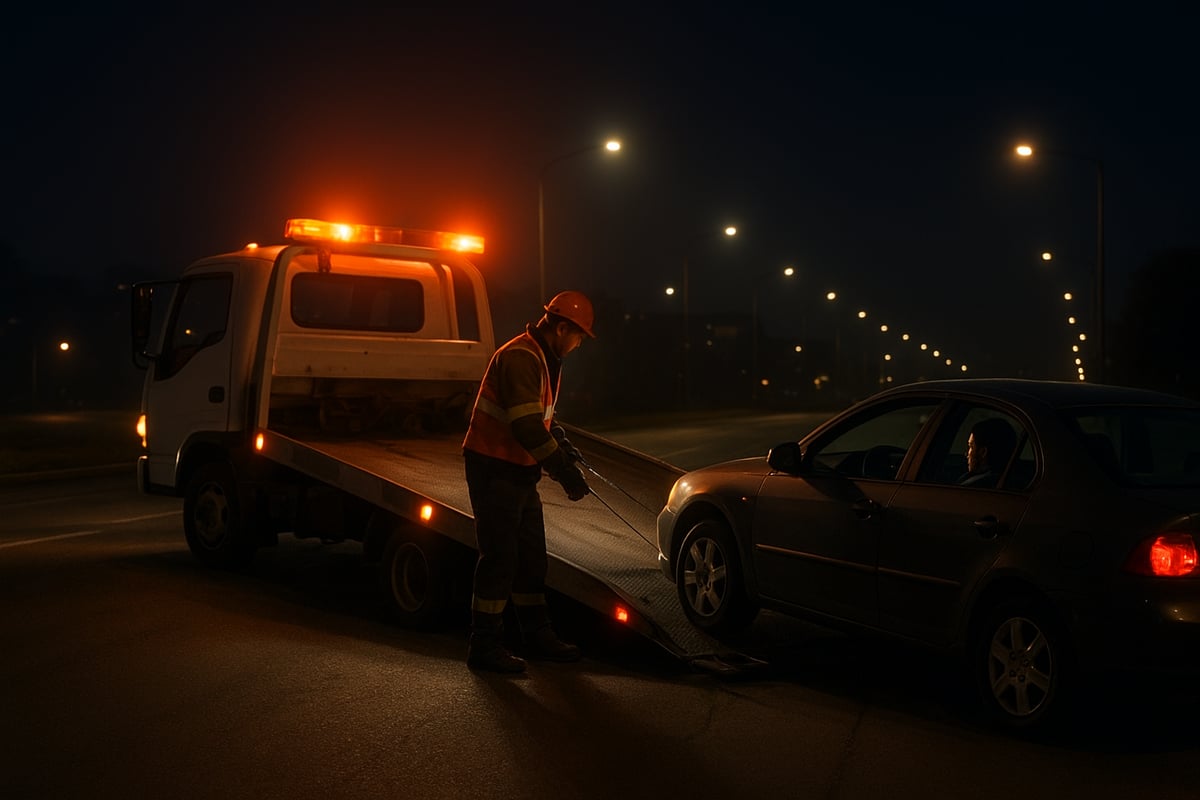
All night towing refers to vehicle recovery services that operate around the clock, every day of the year. This means assistance is available whether you break down at midday or in the early hours. Emergency towing is designed for immediate, often urgent needs, while standard towing may be planned or less time-sensitive. The distinction is important for private motorists, businesses, and fleet managers who rely on fast response. All night towing is not just a convenience, it is a vital safety net for anyone on the road after hours.
Common Scenarios Requiring All Night Towing
Many situations can leave you stranded when most services are closed. All night towing is essential for:
-
Sudden vehicle breakdowns
-
Road traffic accidents
-
Flat tyres or punctures in remote areas
-
Lockouts and lost keys after hours
-
Battery failures in the middle of the night
-
Weather-related emergencies, such as snow or heavy rain
In these cases, all night towing ensures you are not left vulnerable at inconvenient times.
Key Benefits of 24/7 Towing Services
The main advantage of all night towing is the immediate response it provides, enhancing your safety and security. Quick assistance reduces the risk of theft or vandalism when your car is left unattended at night. Families and individual motorists gain peace of mind, knowing help is just a call away. Businesses and fleet operators also benefit from minimised downtime and improved reliability. All night towing makes sure that breakdowns do not become major disruptions.
Industry Statistics and Trends for 2025
Demand for all night towing is on the rise. Industry data shows that over 30 percent of vehicle breakdowns occur outside standard business hours, according to the RAC and AA. Urbanisation and increased night-time travel are contributing factors. The sector is also seeing technological advancements, such as real-time dispatch and tracking systems, which improve response times and customer satisfaction. All night towing is expected to grow in importance as travel patterns evolve.
Challenges Unique to Night-Time Towing
Operating all night towing services presents unique challenges. Reduced visibility at night increases the risk of roadside accidents for both drivers and operators. There is often limited access to repair shops and spare parts after hours, which can extend waiting times, especially in rural or remote locations. Towing professionals must be extra vigilant and follow strict safety protocols when working in low-light conditions. These challenges highlight the need for experienced, well-equipped all night towing providers.
Who Needs All Night Towing?
All night towing is vital for a wide range of users, including:
-
Private motorists and families
-
Professional drivers and rideshare operators
-
Fleet managers overseeing multiple vehicles
-
Logistics companies with time-sensitive deliveries
-
Emergency services and law enforcement agencies
If you drive during late hours or manage vehicles that operate round the clock, all night towing is an essential part of your risk management strategy.
How All Night Towing Services Work: Step-by-Step Process
When you find yourself stranded late at night, understanding the step-by-step process of all night towing can make a stressful situation much more manageable. Here is a detailed guide to what you can expect, ensuring every stage is clear and safe.
Step 1: Identifying the Need for Towing
Recognising when you need all night towing is crucial. If your car suddenly breaks down, emits odd noises, or you are involved in an accident, assess the situation calmly. Look for warning lights, fluid leaks, or unusual vibrations.
If you cannot safely continue driving or the vehicle is immobile, towing becomes essential. Consider your location and the time of night. In some cases, a minor issue may be resolved on the spot, but for major breakdowns, all night towing is necessary for your safety and the security of your vehicle.
Step 2: Contacting a Towing Provider
Once you have established the need for all night towing, the next step is reaching out to a professional provider. Search for reputable, 24-hour towing services in your area. When calling, be prepared to provide your exact location, the type of vehicle, and a brief description of the problem.
Ask about estimated response times and confirm whether the company offers emergency assistance. For a comprehensive overview of what to expect, you may find the Expert guide to auto breakdown recovery helpful when navigating the process.
Step 3: Safety Precautions While Waiting
While waiting for your all night towing provider, prioritise safety. If possible, move your vehicle to the hard shoulder or a safe area away from traffic. Activate your hazard lights and set up warning triangles if available.
Remain inside the vehicle with seatbelts fastened, especially on busy roads. Only exit if it is safe to do so. Keep an emergency kit in your car, including a torch, water, and reflective gear, to stay comfortable and visible during night-time waits.
Step 4: Arrival and Assessment by Tow Operator
When the towing operator arrives, verify their identity before proceeding. Professional all night towing providers will display company branding and identification. The operator will conduct on-site safety checks and inspect your vehicle to determine the best towing method.
They will explain the next steps clearly, including any immediate concerns and their plan for moving your car. Communication at this stage is vital for a secure and efficient recovery.
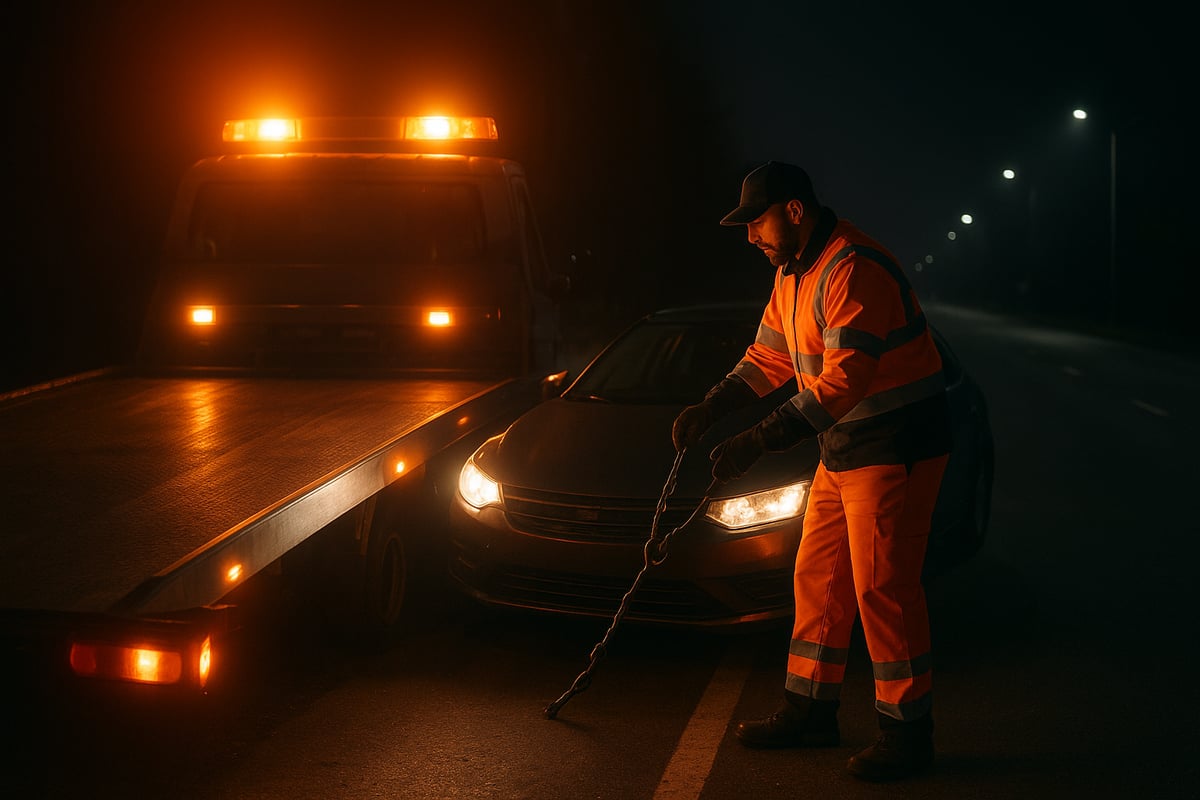
Step 5: Vehicle Loading and Securement
The tow operator will use suitable equipment, such as a flatbed or wheel-lift, depending on your vehicle type and situation. Proper loading techniques are essential, especially in low visibility conditions often encountered during all night towing.
Both the driver and operator should follow strict safety protocols to prevent injury or further damage. The operator will secure your vehicle, ensuring it is stable and ready for transport before leaving the scene.
Step 6: Transport and Drop-off Procedures
During transit, the tow driver will plan the safest route and maintain communication with you, updating on progress if needed. Drop-off locations typically include your home, a repair garage, or, in certain cases, a police pound.
Upon arrival, the operator will handle documentation and confirm the safe delivery of your vehicle. You will receive paperwork outlining the services provided and any follow-up steps.
Step 7: Post-Tow Actions and Follow-up
After your vehicle is dropped off, retrieve any belongings and double-check that your car is secure. Settle payment using the provider’s available methods, and keep your receipt for your records.
If you have feedback or encounter issues, contact the towing company promptly to resolve any disputes. Providing feedback helps improve all night towing services and ensures a better experience for future customers.
Types of All Night Towing Services Available in 2025
Navigating a vehicle emergency after dark can be daunting, but understanding the range of all night towing services available in 2025 ensures you are never left stranded. From rapid roadside fixes to complex recoveries, providers now offer tailored solutions for every situation. Let us explore the core service types you can expect when you need help during those crucial night-time hours.
Emergency Roadside Assistance vs. Towing
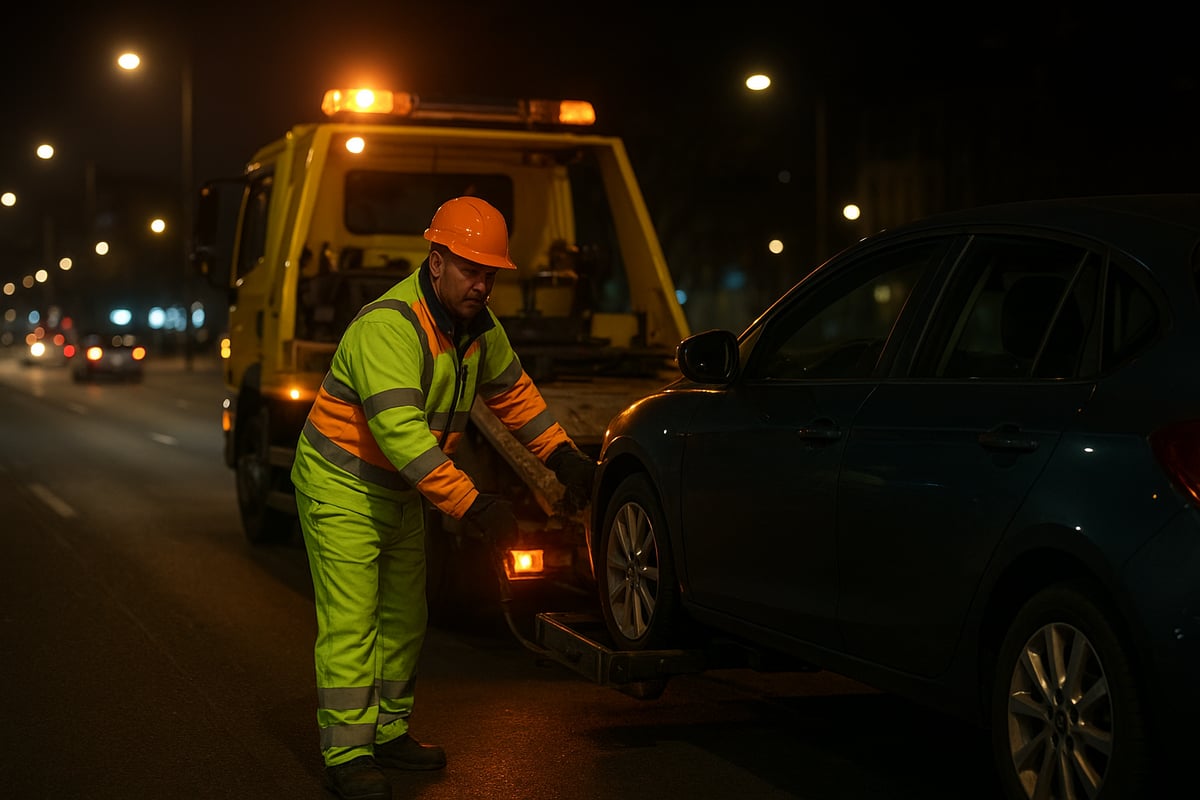
Not every night-time vehicle issue requires a full tow. Emergency roadside assistance is designed for situations where quick on-the-spot fixes are possible, such as flat tyres, dead batteries, or minor mechanical faults. All night towing, on the other hand, is essential when your vehicle cannot be safely repaired at the roadside and needs transport to a garage or secure location.
Common scenarios include engine failures, severe accidents, or immobilisation due to weather. Many providers, especially in major cities, offer both options to cover the spectrum of night-time emergencies. For a comprehensive overview of what is available across the capital, see London towing and roadside help.
Light, Medium, and Heavy-Duty Towing
Vehicles come in all shapes and sizes, so all night towing services are equipped to handle everything from motorbikes to articulated lorries. Light-duty towing covers motorcycles and standard passenger cars. Medium-duty is for vans and small trucks, while heavy-duty towing is reserved for large commercial vehicles and HGVs.
|
Towing Type
|
Vehicle Examples
|
Equipment Used
|
|
Light-Duty
|
Cars, motorcycles
|
Wheel-lift, flatbed
|
|
Medium-Duty
|
Vans, minibuses
|
Larger flatbed
|
|
Heavy-Duty
|
HGVs, coaches
|
Specialised rigs
|
All night towing ensures your specific vehicle is matched with the right equipment, minimising risk and downtime.
Some night-time incidents require specialist intervention. Police pound recovery is needed when vehicles are seized or impounded, often following accidents or legal infractions. All night towing providers must adhere to strict legal protocols, verifying ownership and presenting documentation before a release.
Accident towing, meanwhile, involves safely removing damaged vehicles from the scene, securing evidence if needed, and liaising with authorities. These services demand precision and compliance with UK regulations, ensuring your rights and property are protected throughout the process.
Battery Jump-Start and Lockout Solutions
Battery failures and lockouts are common reasons for all night towing calls. Providers offer rapid jump-start services using safe, modern equipment suitable for newer vehicles with sensitive electronics. Night-time jump-starts require extra care due to reduced visibility and lower temperatures.
Lockout solutions have also evolved. Operators now use advanced tools to unlock vehicles without damage, even for the latest keyless entry systems. All night towing teams are trained for these scenarios, so help is always at hand, whatever the hour.
Vehicle Transportation and Long-Distance Towing
Sometimes, your vehicle needs to be moved across cities or even regions. All night towing companies provide scheduled and emergency transportation for long distances, accommodating moves to specialist garages, relocation after purchase, or breakdowns far from home.
Before transport, check your insurance for relevant cover and discuss liability with your provider. All night towing ensures secure, traceable movement of your vehicle, offering peace of mind for both short hops and cross-country journeys.
Scrap Car Removal and Environmental Services
When a vehicle reaches the end of its life, scrap car removal is available at any hour. Night-time collection is discreet and convenient, especially for those in busy urban areas or with limited daytime availability. Providers follow strict environmental standards, ensuring vehicles are dismantled and recycled responsibly.
Eco-friendly practices are increasingly common, with many all night towing operators contributing to greener disposal and higher recycling rates. This service also includes handling legal paperwork, making the process straightforward for owners.
Storage and Secure Holding Facilities
Occasionally, immediate drop-off is not possible after a night-time recovery. All night towing services offer both short-term and long-term storage solutions in secure compounds. Facilities feature CCTV, access controls, and clear policies for vehicle retrieval.
These options are invaluable for those awaiting insurance assessments, police clearance, or out-of-hours garage openings. Knowing your vehicle is safe until the next step brings added reassurance in stressful situations.
Choosing a Reliable All Night Towing Provider
Selecting a trustworthy all night towing service is essential for safety and peace of mind. With so many options available, understanding what sets a reputable provider apart can help you avoid unnecessary stress during a breakdown. This section guides you step by step through the process of choosing the best all night towing provider for your needs.
Key Qualities to Look For
When evaluating all night towing providers, prioritise companies that are fully licensed and insured. Check for certifications that demonstrate compliance with industry standards. True professionals offer 24/7 availability and guarantee rapid response times, ensuring you are never left waiting in a vulnerable situation.
Look for transparent communication and a willingness to answer your questions. Reliable providers invest in regular staff training, modern vehicles, and up-to-date safety equipment. These qualities indicate a commitment to both service quality and customer safety.
Reputation, Reviews, and Customer Feedback
A provider’s reputation is a powerful indicator of reliability. Before choosing an all night towing service, research online reviews and testimonials. Positive feedback about punctuality, professionalism, and customer care is a strong sign of trustworthiness.
Industry awards and accreditations also reflect a provider’s standing. According to recent findings, unplanned repairs leave four-in-10 drivers without cars for a day or more, highlighting the importance of dependable all night towing support during unexpected breakdowns.
Transparent Pricing and Payment Options
Understanding the cost structure of all night towing is essential. Reputable providers offer clear quotes that detail call-out charges, mileage rates, and any after-hours surcharges. Expect a typical night towing fee to range from £80 to £200 or more, depending on distance and circumstances.
Avoid companies that are vague about pricing or demand cash upfront. Look for flexible payment options, including contactless or card payments, to ensure convenience and transparency.
Service Coverage and Response Times
Check the provider’s service area before making a decision. National all night towing services may offer broad coverage, but local specialists often provide faster response times within their area. In urban centres, average arrival times are around 60 minutes, while rural or remote locations may require longer waits.
Ask about their availability during peak times or adverse weather, as prompt service is crucial when you are stranded at night. Reliable communication about estimated arrival times is also important.
Safety Standards and Modern Equipment
Safety should always be at the forefront for both driver and operator. Choose all night towing providers that use advanced equipment such as GPS tracking, dashcams, and secure communication tools. These technologies enhance safety and efficiency throughout the recovery process.
Operators must follow rigorous safety protocols, including vehicle checks and secure loading procedures. Ongoing training ensures that staff remain prepared for the unique challenges of night-time recoveries.
Motors Recovery: London’s Trusted 24/7 Towing Partner
Motors Recovery stands out as a leading all night towing provider in Greater London and the Home Counties. Their expert technicians deliver car, van, and motorcycle recovery, battery jump-starts, and police pound recovery, all without requiring membership.
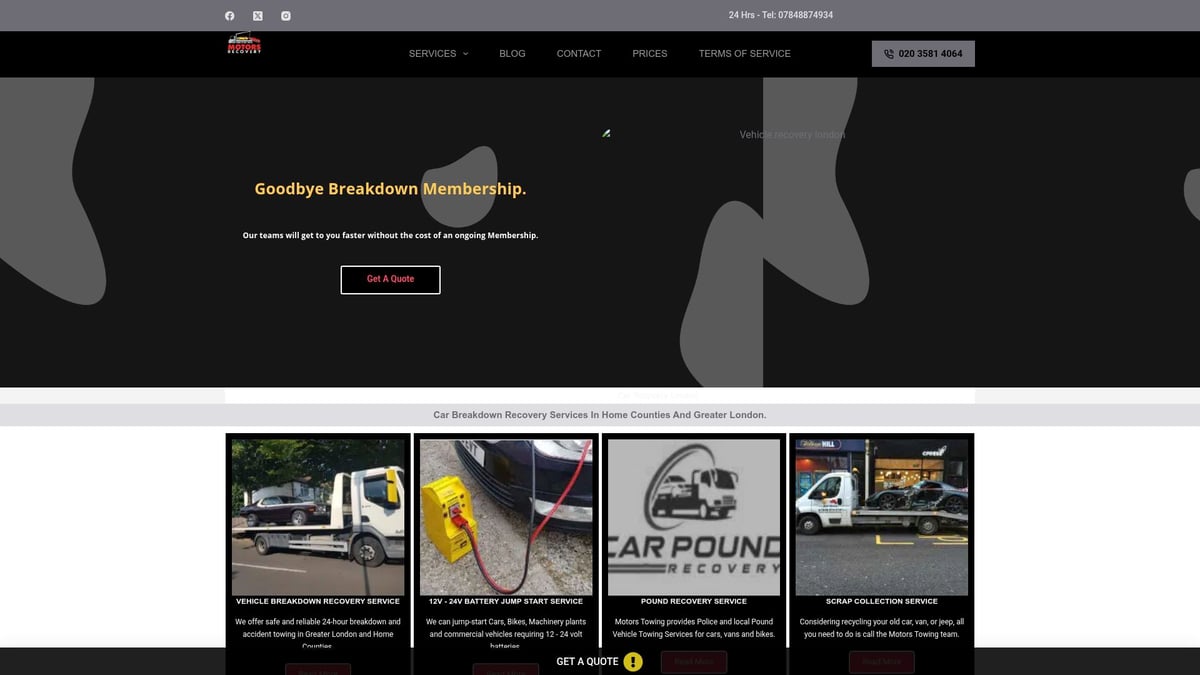
With transparent, competitive pricing and a modern fleet, Motors Recovery prioritises safe, damage-free towing. Customers praise their professionalism and quick response, often arriving within an hour. If you need all night towing, their reputation for reliability offers true peace of mind.
Red Flags and How to Avoid Scams
Be cautious of unmarked vehicles or operators who lack identification. Legitimate all night towing providers always supply paperwork detailing services and charges. Avoid anyone who insists on cash payments before providing assistance.
To verify a provider’s legitimacy, confirm their company details, check for insurance and licensing, and review online feedback. Taking these precautions helps protect you from potential scams and ensures a smooth, safe recovery experience.
Safety, Legal, and Cost Considerations for Night-Time Towing
When facing a night-time vehicle breakdown, understanding the safety, legal, and financial aspects of all night towing is crucial. These considerations help ensure your experience is secure, compliant, and as stress-free as possible.
Safety Protocols for Drivers and Operators
Safety is paramount during all night towing incidents. Reduced visibility and increased fatigue at night can heighten risks for both drivers and tow operators. According to UK collision and casualty statistics, a significant proportion of road accidents happen after dark, making it vital to follow best practices.
-
Always wear reflective clothing and use hazard lights while waiting.
-
Position your vehicle away from moving traffic, ideally on the hard shoulder.
-
Place warning triangles or flares if safe to do so.
For all night towing, remaining inside your car with seatbelts fastened is often safest unless there is an immediate danger. Operators should carry torchlights, maintain communication with dispatch, and conduct safety checks before loading. These steps protect everyone involved.
Legal Requirements and Documentation
During all night towing situations, drivers have legal obligations to consider. The UK Highway Code stipulates that a vehicle must be made as visible as possible if stranded at night. Ensure you have key documents ready:
Tow operators will also verify your identity and check documentation before proceeding. Compliance with these requirements ensures the towing process is lawful and avoids unnecessary delays.
Insurance Coverage and Claims Process
Insurance plays a vital role in all night towing. Many breakdown policies cover after-hours towing, but it is important to check the specifics of your cover. If you require a tow, notify your insurer as soon as possible and retain all receipts.
The claims process typically involves:
-
Contacting your insurer promptly
-
Providing details of the incident and tow
-
Submitting documentation, such as service receipts and photos
Some insurers may only reimburse if you use approved providers. Knowing your policy details in advance can save time and reduce stress during all night towing emergencies.
Cost Factors and Typical Night Towing Fees
Costs for all night towing can vary based on time, distance, and vehicle type. Night-time call-outs are usually 20–40% more expensive than daytime services, reflecting the added risks and limited availability. According to the UK Vehicle Assistance and Recovery Market Report 2025, the demand for after-hours recovery has driven prices upward in recent years.
Typical cost breakdown:
|
Service Component
|
Night Rate (£)
|
|
Call-out fee
|
80–120
|
|
Per mile charge
|
2–4
|
|
After-hours surcharge
|
20–40%
|
Always request an itemised quote before agreeing to service, and clarify payment methods with the provider.
Rights and Responsibilities During Towing
As a customer of all night towing services, you have rights and responsibilities. Expect the provider to present identification, explain the process, and offer a clear receipt. You are entitled to ask questions about the route and drop-off location.
If you believe charges are unfair or your vehicle is mishandled, you have the right to contest the service. Review your recovery contract and keep all correspondence for reference. Ensuring transparency protects both parties during all night towing.
Handling Disputes and Complaints
Disputes can arise from unclear pricing or service dissatisfaction. If an issue occurs, first contact the towing company and explain your concerns. If unresolved:
-
Request escalation to a manager or supervisor
-
Submit a formal written complaint
-
Contact regulatory bodies or industry ombudsman for further assistance
Clear documentation and calm communication are key to resolving disputes effectively.
Real-World Examples and Case Studies
Consider the case of a motorist stranded on a rural road at midnight. By activating hazard lights and calling a reputable all night towing provider, the driver ensured prompt and secure recovery. In another instance, a commercial van operator used reflective cones and provided full documentation, expediting the process and avoiding legal complications.
These examples highlight the importance of preparation and adherence to best practices. Learning from real-world scenarios can help you navigate future all night towing situations with confidence.
The Future of All Night Towing: Trends and Innovations for 2025
The future of all night towing is evolving rapidly, shaped by new technologies, sustainability demands, and changing client expectations. As we look to 2025, drivers and operators alike can expect significant shifts in how 24/7 towing services are delivered and experienced.
Technological Advancements in Towing
Emerging technology is revolutionising all night towing. GPS dispatch systems now allow tow operators to locate stranded vehicles with pinpoint accuracy, reducing response times and increasing safety. Real-time tracking keeps customers informed throughout the process, fostering trust and transparency.
Mobile apps are becoming standard, letting drivers request help with a few taps. Some providers even use AI-powered diagnostics to assess vehicle issues remotely, ensuring the right equipment is dispatched. These advancements make all night towing more efficient and reliable than ever before.
Eco-Friendly and Sustainable Towing Solutions
Environmental responsibility is taking centre stage in all night towing. Many companies are adding electric or hybrid recovery vehicles to their fleets, cutting emissions and noise pollution. Green fuels and energy-efficient technologies are now preferred, reflecting broader industry trends.
Disposal practices are also improving, with a greater focus on recycling and eco-friendly scrapping. For example, the rise in winter incidents has led to more sustainable recovery processes, as noted in reports like Winter breakdowns rise by a fifth in the past 5 years. This commitment to the environment will only grow in 2025.
Evolving Customer Expectations and Service Models
Customers now expect seamless, on-demand all night towing experiences. App-based booking, digital payments, and instant updates are becoming the norm. Transparency is key, with clear pricing and regular communication valued highly.
Service models are shifting towards flexibility, offering bespoke solutions for individual and business clients. The focus is on convenience, speed, and reliability. These trends ensure all night towing remains responsive to the needs of modern motorists.
Regulatory Changes and Industry Standards
Stricter regulations are shaping the future of all night towing. Governments are introducing tougher rules on safety, emissions, and operator training. Industry certifications are increasingly required, raising the bar for professionalism.
These changes help protect both drivers and operators, ensuring services are delivered to high standards. As the sector evolves, compliance will be vital for maintaining trust and meeting legal obligations.
Preparing for the Unexpected: Emergency Preparedness
Being ready for emergencies is a core part of all night towing. As night-time breakdowns remain unpredictable, drivers are encouraged to keep comprehensive emergency kits in their vehicles. Operators invest in safety training and advanced equipment to handle diverse scenarios.
Education campaigns and digital resources help raise awareness about what to do when stranded. Reliable services, like those offering car battery jump start London, are crucial for night-time security and peace of mind.
Predictions for the Next Five Years
Looking ahead, demand for all night towing is set to rise as more people travel outside traditional hours. Service offerings will expand, with innovations like autonomous dispatch and enhanced real-time support.
Sustainability, technology, and customer-centric models will define the sector. By 2030, all night towing may look very different, but its commitment to safety and reliability will remain unchanged.

