Imagine finding yourself stranded on a busy motorway, surrounded by fast-moving traffic and uncertain about your next steps. With vehicles becoming increasingly advanced and roads more congested, the demand for dependable automobile recovery services has never been higher.
This guide is designed to help you understand how these services work, what innovations to expect, and how to make confident, informed choices when it matters most. We will show you how to select the right provider, navigate modern recovery solutions, and avoid common mistakes.
Read on for a clear, practical roadmap that covers essential recovery steps, new technologies, cost considerations, and expert advice tailored.
Understanding Automobile Recovery Services
The landscape of automobile recovery services is rapidly evolving, shaped by new vehicle technology and rising expectations from motorists. At its core, automobile recovery services cover a spectrum of support: roadside breakdown assistance, accident recovery, vehicle transportation, and rapid response to emergencies. Whether a driver is stranded due to a flat tyre or involved in a collision, these services provide a critical safety net, ensuring vehicles and passengers are moved to safety or a repair facility efficiently.
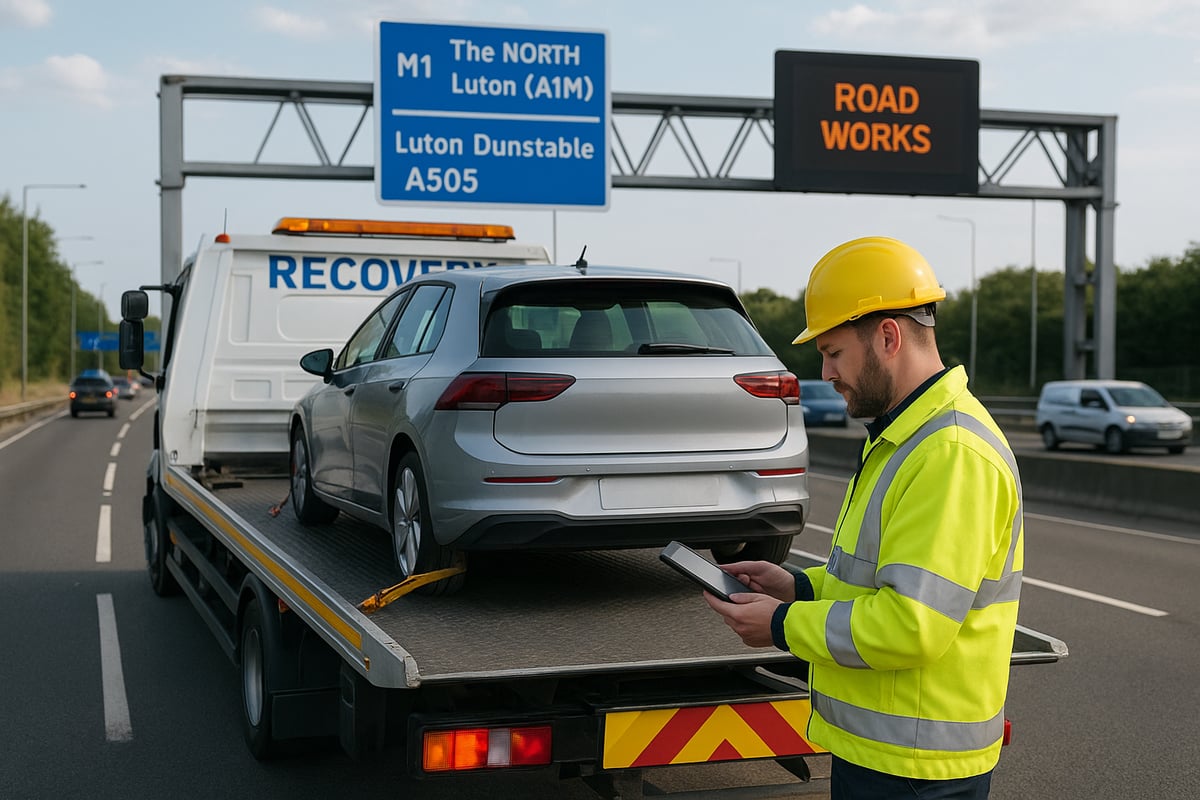
The range of automobile recovery services is broader and more sophisticated than ever before. Standard offerings include towing for immobilised vehicles, battery jump-starts, fuel delivery for unexpected shortages, lockout solutions, and specialist police pound recovery. As electric vehicles become more common, dedicated EV support—such as mobile charging and safe transportation—has become integral to the service menu. These offerings are tailored to both private motorists and commercial fleets, ensuring comprehensive coverage across all vehicle types.
Industry transformation is accelerating in 2026, shaped by the integration of electric vehicles and the adoption of digital platforms. Providers are investing in AI-powered diagnostics, enabling technicians to remotely assess and sometimes resolve issues before arriving on site. Mobile apps have become the primary interface for booking and tracking services, streamlining communication between customers and operators. This digital shift not only enhances efficiency but also allows for tailored solutions based on vehicle type and location.
Compliance and regulation have also advanced in recent years. The UK government has introduced stricter standards for recovery operators, focusing on environmental impact and safety. All providers must adhere to these regulations, including emissions controls for recovery vehicles and mandatory staff training. For a comprehensive overview of the current legal requirements and best practices, refer to the UK vehicle recovery business regulations. These measures are designed to protect both customers and technicians, raising the bar for professionalism across the sector.
Demand for automobile recovery services continues to climb, with over 2 million breakdowns reported annually in the UK according to the RAC and AA. This surge reflects not only the sheer volume of vehicles on the roads but also the increased complexity of modern cars and vans. The need for reliable, efficient recovery has never been greater, making it essential for drivers to understand their options and choose reputable providers.
Technology is now embedded in every stage of the recovery process. GPS tracking enables real-time updates on technician location and estimated arrival time. Mobile apps facilitate instant communication, paperless transactions, and digital receipts. Many providers now offer live tracking links, so customers can monitor progress and stay informed throughout the incident. These advances have set new standards for convenience and transparency in automobile recovery services.
Customer expectations have risen in parallel with these changes. Motorists now demand fast response times—typically under 45 minutes in urban areas—alongside clear, upfront pricing and no hidden fees. Satisfaction hinges on professionalism, communication, and the ability to resolve issues on the first visit. For example, a typical roadside recovery in Greater London involves a stranded driver using a mobile app to request assistance, receiving regular ETA updates, and having a technician arrive within the hour to either repair the fault or transport the vehicle to a preferred garage. This seamless experience is the new benchmark for automobile recovery services in 2026.
Step-by-Step Guide: What To Do When Your Vehicle Breaks Down
Breaking down on the road can feel overwhelming, but a clear strategy can help you stay calm and safe. By following these six essential steps, you can navigate the situation efficiently and make the most of professional automobile recovery services. Each step is designed to safeguard your wellbeing and ensure your vehicle is handled with care.
Step 1: Ensure Personal Safety
Your safety is the top priority when your vehicle breaks down. If possible, steer your car to a safe spot, such as a hard shoulder or lay-by, away from moving traffic. Activate your hazard lights immediately to alert other drivers of your presence.
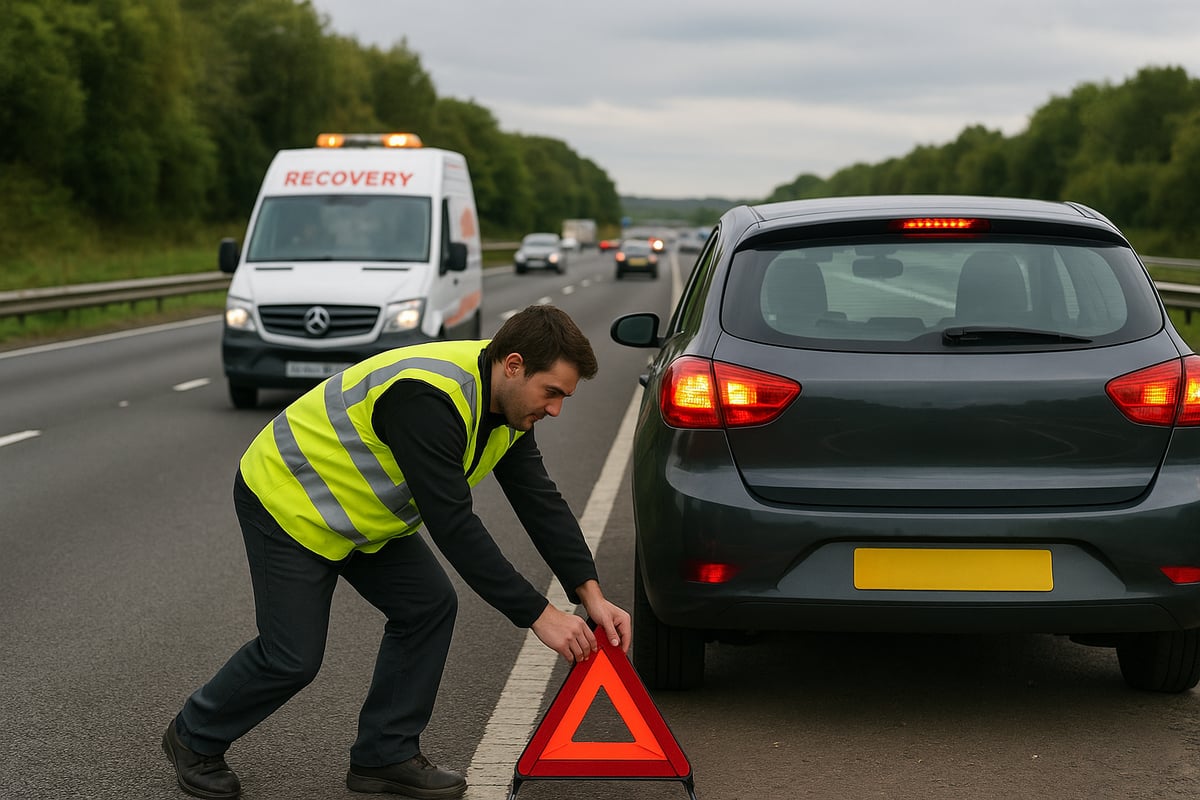
Exit the vehicle only if it is safe. On motorways, it is often advised to remain inside with seatbelts fastened unless you feel at risk. Always wear high-visibility clothing if you must leave the car. Place a warning triangle at least 45 metres behind your vehicle to further warn approaching traffic.
Following proper safety protocol, like the M25 breakdown procedure, ensures you are visible and reduces the risk of secondary accidents. These initial actions set the foundation for a successful interaction with automobile recovery services.
Step 2: Assess the Situation
Take a moment to calmly evaluate what has happened. Identify the nature of the problem—whether it is a flat tyre, engine failure, or a collision. Check for immediate dangers, such as smoke, fuel leaks, or exposed wiring.
Gather essential details before contacting automobile recovery services. Note your precise location using motorway markers or GPS, your vehicle’s make, model, and registration, and the symptoms you have observed. For electric vehicles, check the battery status and look for any dashboard warning lights.
Being methodical at this stage will help you communicate effectively with the recovery team, ensuring they arrive prepared to assist you appropriately.
Step 3: Contact a Recovery Service
Once you have assessed the situation, contact a reputable recovery provider. When selecting automobile recovery services, verify their credentials, response times, and area of coverage. Many providers offer user-friendly mobile apps or direct hotlines for immediate support.
Clearly describe your location, vehicle type, and the issue you are facing. This enables the operator to dispatch the right equipment and personnel. For those in Greater London, 24/7 Car Recovery in Greater London delivers a rapid and reliable service, ensuring help is on the way quickly.
Using digital tools not only speeds up the process but also provides real-time updates, giving you peace of mind while you wait for assistance.
Step 4: Wait Safely for Assistance
While waiting for automobile recovery services, it is important to remain visible and safe. If stranded at night, keep your hazard lights on and stay inside your vehicle unless it is unsafe. Keep your mobile phone charged and within reach so you can stay in touch with the recovery operator.
Monitor the weather and changing traffic conditions from a safe location. Follow any advice provided by the recovery service, as they may offer specific guidance based on your situation.
Staying vigilant and prepared during this period helps ensure a smooth handover when help arrives.
Step 5: Handover and Next Steps
When the recovery technician arrives, have your vehicle documents ready for inspection. The professional will assess whether your car can be fixed on the spot or needs towing. Clarify your preferred destination, whether it is your home, a garage, or a storage facility.
Ask for a clear explanation of the service process and ensure you understand each step. Always request a service receipt, as this documentation is essential for insurance claims and future reference with automobile recovery services.
A smooth handover ensures your vehicle is managed efficiently and your interests are protected.
Step 6: Follow-Up Actions
After the immediate situation is resolved, arrange for any necessary repairs or onward travel. If the breakdown resulted from an accident, contact your insurance company promptly and provide them with all relevant documents.
Take a moment to review your experience with the automobile recovery services. Providing feedback helps providers enhance their services and assists other motorists in making informed decisions.
Reflecting on the incident and learning from it will help you stay even better prepared for future roadside emergencies.
Choosing the Right Automobile Recovery Provider
Selecting the right automobile recovery services provider in 2026 can be the difference between a swift rescue and a stressful ordeal. With more vehicles on UK roads and technology evolving rapidly, making an informed choice is essential. This section offers a clear roadmap to guide your decision, ensuring you get the support you need when it matters most.
Key Criteria for Selection
When evaluating automobile recovery services, several crucial criteria should guide your decision. First, confirm 24/7 availability, as breakdowns rarely happen at convenient times. Rapid response, ideally within 45–60 minutes, is now standard, so ask for typical wait times.
Coverage is another priority. Some providers focus on local or regional areas, while others offer national reach. For example, Breakdown Recovery Services in Perivale demonstrates how a local provider can deliver targeted, rapid support in specific communities. Consider whether you need coverage for regular routes or occasional long journeys.
Assess the range of services offered. The best automobile recovery services handle breakdowns, accidents, EV support, and even police pound recovery. Transparent pricing is vital, so look for pay-as-you-go or clear membership options without hidden costs.
Check for digital features like mobile apps, real-time tracking, and instant quotes. These tools enhance communication and give peace of mind. Finally, review customer feedback and ensure the provider is licensed and insured, guaranteeing professionalism and compliance.
Comparing Top Providers
The UK market for automobile recovery services is highly competitive. Leading names like AA, RAC, and Green Flag have national coverage and decades of experience. They typically offer comprehensive services, including EV support and digital platforms.
Local specialists may provide faster response in specific areas and a more personalised approach. Unique features, such as app integration or specialist EV recovery, can set providers apart. Customer satisfaction is often measured by Trustpilot, Which, and Google Reviews, where response time and communication are key metrics.
Use the table below for a quick comparison:
| Provider |
Coverage |
Avg. Response |
EV Support |
Customer Rating |
| AA |
National |
30–60 mins |
Yes |
4.2/5 |
| RAC |
National |
30–55 mins |
Yes |
4.1/5 |
| Green Flag |
National |
20–45 mins |
Yes |
4.0/5 |
| Local Expert |
Regional |
15–35 mins |
Varies |
4.5/5 |
Motors Recovery stands out for its flexible, around-the-clock automobile recovery services across Greater London and the Home Counties. The company operates a modern fleet and employs experienced technicians, ensuring rapid response—often within 60 minutes.
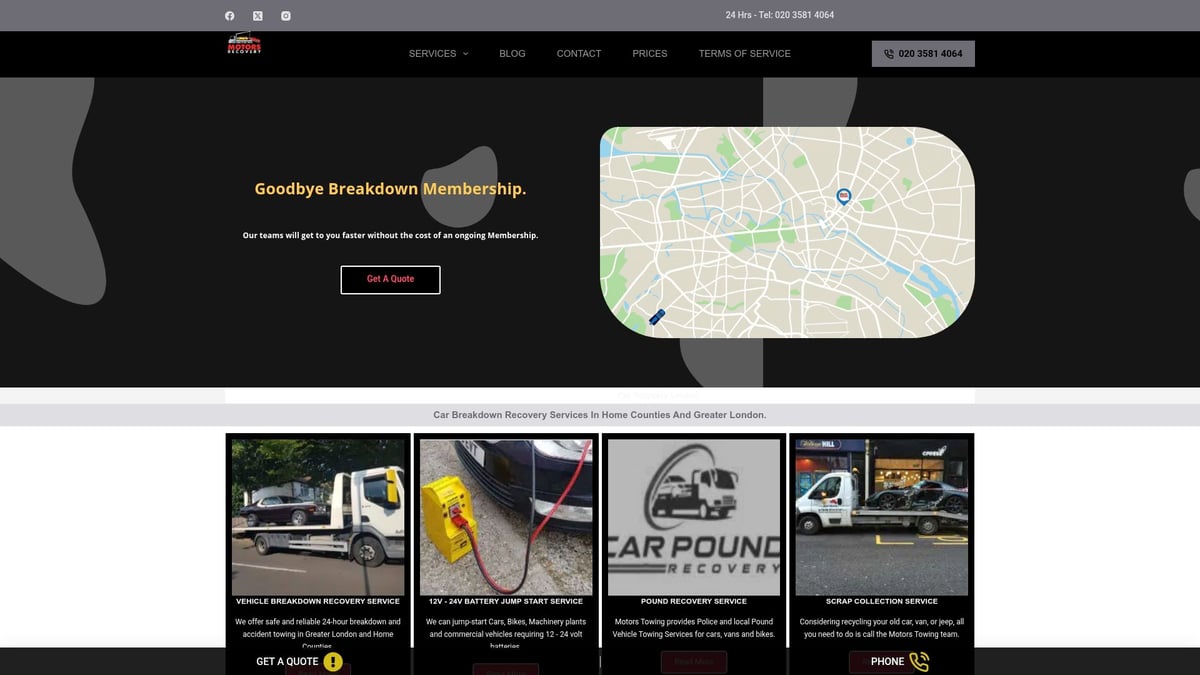
Their services cover emergency towing, jump-starts, police pound recovery, and scheduled vehicle transport. No membership is required, and their transparent, pay-as-you-go pricing model suits both private motorists and commercial clients. With high customer satisfaction scores and a commitment to clear communication, Motors Recovery is ideal for those seeking reliable, flexible support.
Red Flags to Avoid
Not all automobile recovery services are created equal. Watch for unlicensed or uninsured operators, as these can put your vehicle and finances at risk. Hidden fees and unclear pricing structures are common pitfalls, so always request an itemised quote before agreeing to any service.
Poor customer reviews or a lack of testimonials may signal inconsistent service or unprofessional conduct. Limited coverage areas and outdated equipment can also lead to delays or inadequate support, especially with modern vehicles.
If a provider is reluctant to share credentials or service details, consider it a warning sign. Always prioritise providers who value transparency and have a proven track record.
Real-World Example: Provider Comparison
Imagine breaking down on the M25 in London. You contact two automobile recovery services: a national provider and a local specialist. The national provider quotes £120 with a 45-minute wait, while the local expert offers £80 and arrives in 20 minutes.
Service ratings from Trustpilot and Google Reviews confirm the local provider’s faster response and clear communication. This scenario highlights the importance of local expertise, transparent pricing, and customer feedback when choosing a provider.
Ultimately, selecting the right automobile recovery services ensures peace of mind, swift assistance, and fair value—no matter where or when you need help.
Innovations Shaping Recovery Services in 2026
The landscape of automobile recovery services is evolving rapidly as we approach 2026. New technologies, environmental priorities, and changing customer expectations are reshaping the way motorists receive help on the road. Understanding these innovations is key to choosing the right provider and staying prepared for any situation.
AI-Powered Diagnostics and Remote Triage
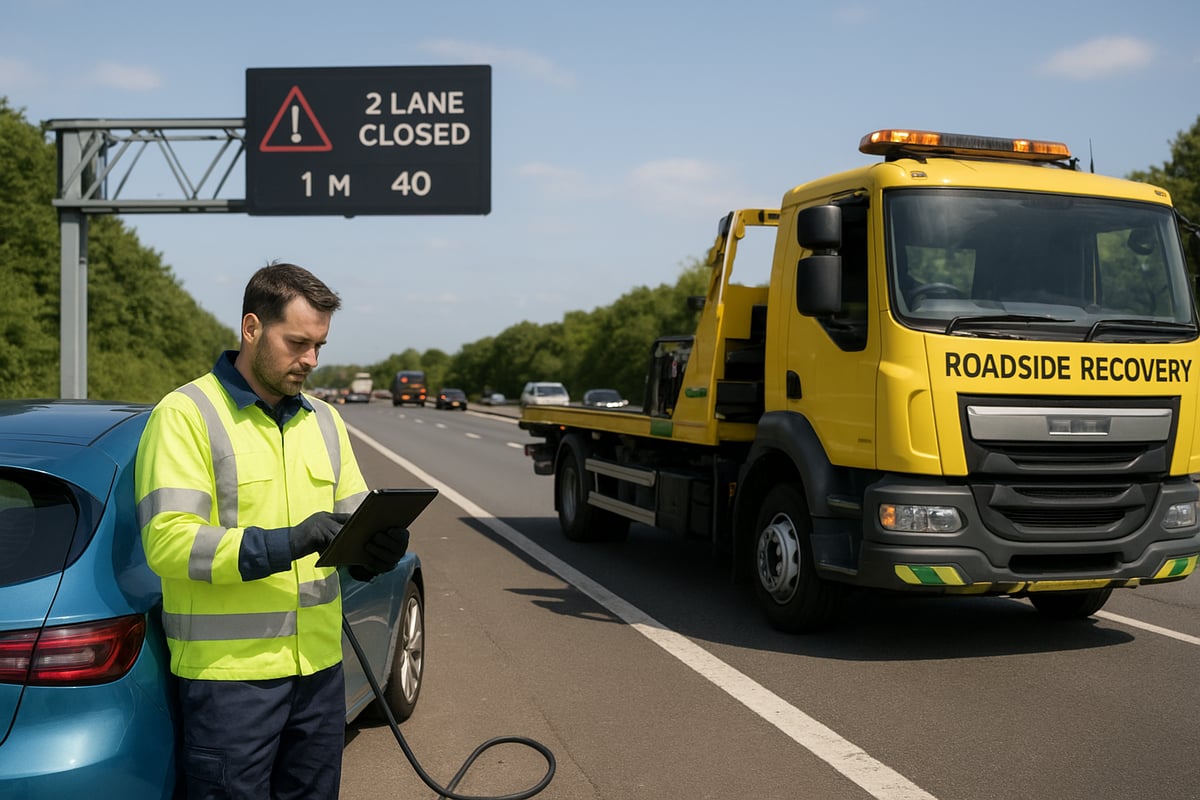
Artificial intelligence is transforming automobile recovery services by enabling technicians to perform remote diagnostics before arriving at the scene. Using telematics and cloud-based systems, operators can analyse fault codes and vehicle data instantly. This allows for accurate triage, ensuring the right equipment and expertise are dispatched, reducing both wait times and unnecessary tows.
For example, if your car breaks down on a smart motorway, the recovery service may remotely access your vehicle’s error logs and guide you through basic troubleshooting while help is en route. This not only improves efficiency but also increases the likelihood of a quick roadside repair.
Electric and Hybrid Vehicle Recovery Solutions
With the UK’s electric vehicle (EV) adoption rate soaring, automobile recovery services are adapting to meet new challenges. Recovery fleets now include mobile charging units and specialist flatbed trucks designed for EVs and hybrids. Technicians undergo advanced training in high-voltage systems, ensuring safe handling and transport.
If your EV runs out of charge, operators can provide a rapid boost or safely tow you to the nearest charging station. This tailored support is essential as more drivers transition to low-emission vehicles, and it helps prevent damage that could occur with traditional towing methods.
Eco-Friendly Recovery Practices
Sustainability is a growing focus within automobile recovery services. Innovations include deploying low-emission recovery vehicles, such as hybrids and electric trucks, across urban centres. Many providers now prioritise recycling and responsible disposal of scrap cars, adhering to strict environmental standards.
These changes not only reduce the industry’s carbon footprint but also align with broader government initiatives on clean transport. Customers increasingly expect their chosen recovery provider to demonstrate eco-conscious practices as part of their service.
Digital Customer Experience and Real-Time Updates
The digital transformation of automobile recovery services is revolutionising the customer experience. Mobile apps let users request help, share live locations, and receive instant cost estimates. Real-time GPS tracking provides accurate arrival times and status updates, offering peace of mind during stressful situations.
A recent survey found that 70% of UK motorists now use digital platforms to access recovery services. Paperless transactions, digital receipts, and instant feedback channels further streamline the process, making it faster and more transparent than ever before.
Integration with Smart Vehicles and Automated Distress Signals
Modern vehicles are increasingly equipped with advanced safety and connectivity features. Some models can automatically send distress signals and precise GPS coordinates to automobile recovery services if a breakdown or accident is detected.
For instance, a smart car’s SOS system may trigger an instant dispatch, with the recovery team already aware of your vehicle type and fault codes before they arrive. This seamless integration helps ensure rapid, accurate assistance, minimising delays and miscommunication.
The Future: Autonomous Vehicle Recovery and Regulation
Looking ahead, the rise of autonomous vehicles presents new challenges and opportunities for automobile recovery services. Pilot programmes are exploring remote-controlled recovery units and AI-driven dispatch systems. Regulatory frameworks are evolving to address the complex requirements of autonomous vehicle rescue, including safety protocols and liability.
To stay updated on the latest government regulations, industry professionals are following developments such as the Automated vehicles regulatory framework, which will shape the future of recovery solutions for self-driving vehicles.
Summary Table: Innovations and Adoption Rates
| Innovation |
Adoption Rate (2026) |
Impact on Service |
| AI-powered diagnostics |
80% |
Faster, more accurate triage |
| EV/hybrid recovery solutions |
75% |
Specialist support for new vehicles |
| Eco-friendly recovery vehicles |
60% |
Reduced emissions |
| Digital customer experience |
70% |
Real-time updates, transparency |
| Smart vehicle integration |
50% |
Automated dispatch, quicker response |
| Autonomous vehicle recovery pilots |
20% |
Regulatory development |
As technology accelerates, automobile recovery services will continue to innovate, making roadside assistance faster, greener, and more connected. By staying informed about these trends, motorists can ensure they receive the most reliable and advanced support available.
Cost Considerations and Insurance Implications
Understanding the financial side of automobile recovery services is crucial for every motorist in 2026. Costs can vary widely, but being prepared helps you avoid surprises and make informed decisions.
Understanding Pricing Models
Automobile recovery services offer a range of pricing models to suit different needs. The most common options in 2026 include pay-as-you-go, annual membership, and insurance add-ons. Each has advantages depending on your driving habits and risk tolerance.
| Model |
Typical Cost |
Best For |
Key Feature |
| Pay-as-you-go |
£60–£150 per call |
Infrequent users |
No upfront commitment |
| Annual membership |
£60–£120 per year |
Regular drivers |
Multiple recoveries |
| Insurance add-on |
£30–£70 per year |
Bundled with vehicle insurance |
Seamless claims process |
Many motorists find that pay-as-you-go suits those who rarely need help, while memberships benefit frequent travellers needing multiple recoveries.
Average Costs for Common Services
The cost of automobile recovery services depends on the type of assistance required. Simple roadside fixes, such as jump-starts or tyre changes, typically range from £60 to £100. Towing a vehicle, especially from a motorway, can cost between £100 and £150 within Greater London.
Additional services, like police pound recovery or long-distance transport, may incur extra fees. Always confirm the total cost before agreeing, and request an itemised quote to avoid unexpected charges.
Insurance Coverage and Claims Process
Some car insurance policies include basic automobile recovery services as standard, but not all do. Check your policy details to see if roadside assistance, towing, or onward travel are covered. Optional add-ons can provide more comprehensive protection, often at a modest annual cost.
When making a claim, keep all documentation, including receipts and service reports. Insurers may require proof of the incident and payment. Be aware that frequent claims, especially for theft or repeated breakdowns, can affect your premiums. Recent vehicle theft statistics and recovery rates highlight why comprehensive cover is more important than ever.
Single Recovery vs. Membership: Example
Consider a scenario: you experience one motorway breakdown in a year. A single pay-as-you-go recovery costs £120. By contrast, an annual membership at £90 includes unlimited callouts, roadside repairs, and towing within a set radius.
| Scenario |
Cost (2026) |
Services Included |
| Pay-as-you-go |
£120 |
One recovery, extra for more |
| Annual membership |
£90 |
Unlimited recoveries, added benefits |
Data from Which? shows 40% of UK motorists now prefer ad hoc recovery, but regular drivers may find memberships more cost-effective.
Tips for Managing Costs and Insurance Impact
To get the best value from automobile recovery services, always read the terms and ask for clear pricing. Avoid operators with hidden fees or unclear policies. Request itemised quotes and keep all records for insurance claims.
Remember, making frequent recovery claims can increase your future insurance premiums. Evaluate your driving patterns and select a cover option that aligns with your needs. Preparation and transparency are key to avoiding costly surprises and ensuring peace of mind.
Specialised Recovery Scenarios and Solutions
Modern roads demand more from automobile recovery services than ever before, especially when facing unique or complex situations. Specialist recovery scenarios often require extra expertise, equipment, and knowledge of regulations. With the right provider, you can navigate even the most challenging breakdowns or incidents with confidence.
Police Pound and Impounded Vehicle Recovery
Recovering a vehicle from a police pound is one of the most complex tasks for automobile recovery services. The process involves presenting legal documents, paying statutory fees, and meeting strict release criteria. If your vehicle has been seized, you must bring proof of ownership, insurance, and identification.
For a step-by-step overview of this process and what to expect, refer to the Police Pound Vehicle Recovery Guide. Specialist providers can help you navigate paperwork, avoid delays, and ensure compliance with all requirements. Always verify your chosen provider’s experience in this area to avoid costly mistakes.
Motorcycle and Scooter Recovery
Two-wheeled vehicles require dedicated automobile recovery services with the right equipment and know-how. Recovery operators must use secure loading systems and soft straps to prevent damage during transport. Motorcycles and scooters are often left vulnerable on busy roads, so rapid response is essential.
Providers offering Emergency Van and Motorcycle Recovery can ensure safe, damage-free transport for your vehicle. Check that technicians are trained for delicate handling and can provide covered transport if required. This specialist approach minimises risk, especially for high-value or classic bikes.
Fleet and Commercial Vehicle Recovery
Business fleets rely on automobile recovery services that offer speed, flexibility, and compliance with regulatory standards. Contracts often include rapid deployment, 24/7 coverage, and tailored support for vans, lorries, or mixed fleets. Operators should be familiar with tachograph regulations and commercial insurance requirements.
A tailored recovery plan can save companies time, limit downtime, and reduce costs. With the rise of electric vans, demand for specialist EV support is growing rapidly. Explore providers offering dedicated fleet solutions and digital incident reporting for seamless management.
Scrap Car Removal and Environmental Compliance
Disposing of end-of-life vehicles requires automobile recovery services that meet strict environmental standards. Licensed operators handle hazardous fluids, battery disposal, and legal paperwork for deregistration. Always request proof of disposal and ensure your vehicle is recycled in line with UK regulations.
Choosing an environmentally conscious provider not only avoids legal issues but also supports sustainable practices. Many recovery companies now offer digital certificates of destruction for added peace of mind.
Long-distance and Cross-Border Recovery
Not all breakdowns occur close to home. Long-distance and cross-border incidents require automobile recovery services with extensive networks and knowledge of international regulations. Planning is vital: confirm coverage areas, potential costs, and any customs or paperwork requirements before travel.
Look for providers experienced in pan-European recovery who offer real-time tracking and multilingual support. This ensures your journey continues smoothly, even when unexpected problems arise far from home.

