Imagine you are stranded on a busy motorway in 2026, your vehicle suddenly immobilised and traffic rushing past. Would you know exactly what to do or who to call for immediate help? Navigating a roadside emergency can be stressful and confusing, but being prepared makes all the difference.
This guide is designed to give you a complete understanding of how a breakdown and recovery service works in 2026. You will learn how to choose the right provider, use modern assistance tools, and make the most of the latest innovations.
We will explore the most common breakdown scenarios, what to expect from service providers, and step-by-step actions to take if you find yourself in need. Our aim is to empower every driver with reliable, up-to-date knowledge so you can handle any roadside challenge with confidence.
Understanding Breakdown and Recovery Services in 2026
Picture the future of motoring: in 2026, a breakdown and recovery service is more advanced, digital, and responsive than ever before. Whether you’re a daily commuter or an occasional driver, understanding how these services operate is essential for peace of mind on the road.
Evolution of Breakdown and Recovery Services
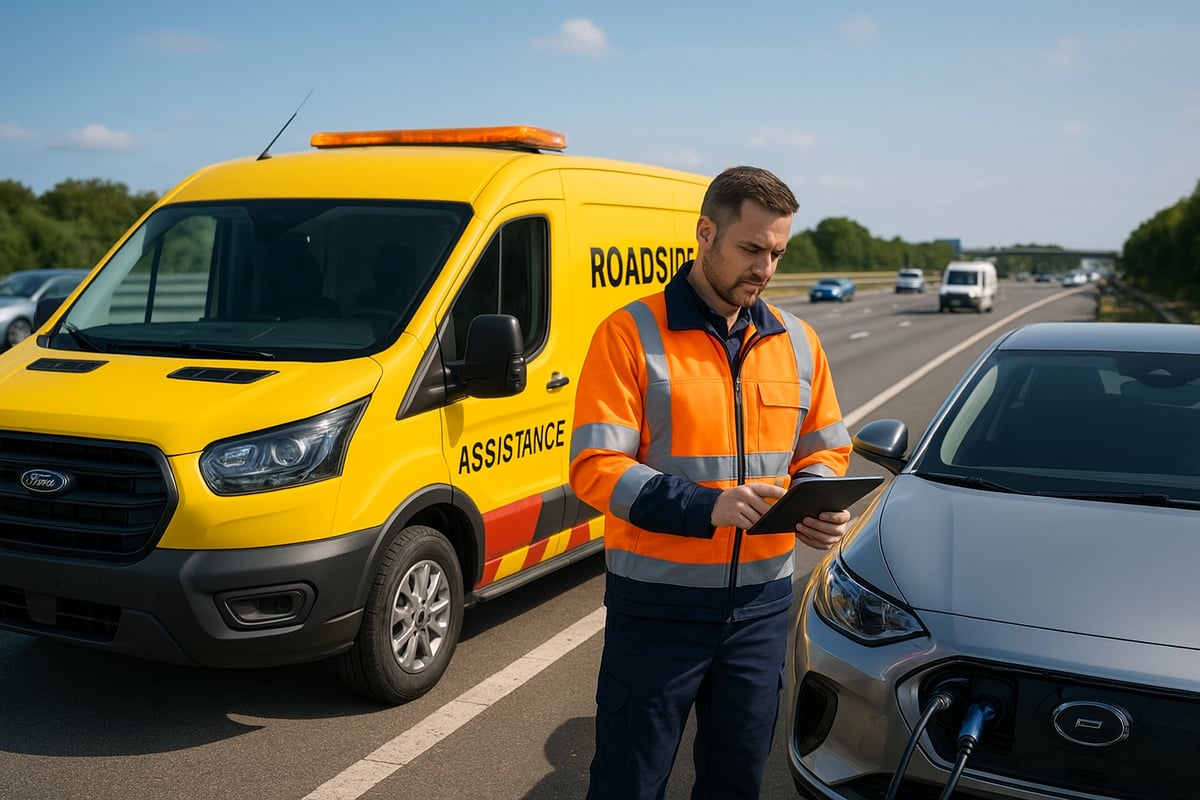
Over the past decade, the breakdown and recovery service industry has been transformed by rapid innovation. Today’s providers leverage advanced diagnostics and seamless communication tools to offer swift support. App-based and on-demand services now dominate, making assistance just a tap away. AI-powered dispatch systems can analyse real-time traffic and vehicle data to optimise technician routes, reducing delays.
According to industry insights, over 60% of drivers now request a breakdown and recovery service through digital platforms. This shift reflects growing consumer demand for convenience and transparency.
Types of Breakdown and Recovery Services Available
Drivers in 2026 can choose from a broad spectrum of breakdown and recovery service options. Emergency roadside assistance is designed for minor faults that can be fixed on the spot, while full vehicle recovery is essential for more severe incidents.
Specialist services now cater to motorcycles, electric vehicles, and commercial fleets. Standard inclusions typically cover towing, battery jump-starts, tyre changes, and lockout solutions. A notable innovation is the rise of EV-specific recovery vans, equipped with mobile charging units to support electric drivers. To explore detailed offerings, see this comprehensive car breakdown recovery resource.
Typical Scenarios Requiring Assistance
A breakdown and recovery service is most often called for common issues such as flat batteries, engine failures, or tyre blowouts. More serious situations include accident recovery, which demands specialist handling.
Urban breakdowns are generally easier to reach, while rural incidents may pose logistical challenges. Recent statistics highlight the most frequent causes: battery-related faults account for 35% of breakdowns, with tyre problems following at 28%. Awareness of these scenarios helps drivers remain vigilant.
The Role of Technology in Modern Recovery
Technology is central to the modern breakdown and recovery service. GPS-based location tracking allows for precise technician dispatch and accurate ETA updates. Most providers now offer digital paperwork and contactless service for added safety.
Mobile apps enable real-time progress tracking, letting drivers monitor technician arrival and status. This digital integration not only speeds up the process but also enhances customer confidence and transparency.
Service Coverage and Response Times
When selecting a breakdown and recovery service, coverage area is critical. National providers offer broad reach, while regional firms may provide faster responses in specific locations.
Average response times differ: in metropolitan areas, 80% of breakdowns are resolved within 60 minutes. Rural areas may face slightly longer waits due to distance and road access. Understanding these factors ensures drivers can set realistic expectations.
Costs and Payment Models
The breakdown and recovery service market now offers a variety of payment options. Pay-as-you-go models are increasingly popular, providing flexibility without long-term commitment. Annual memberships remain attractive for frequent drivers, often including extra benefits.
Transparent pricing is a top priority, with most providers clearly stating costs upfront and eliminating hidden fees. The trend towards flexible, non-membership services is expected to grow as drivers seek more tailored solutions.
How to Choose the Right Breakdown and Recovery Provider
Selecting the right breakdown and recovery service in 2026 is crucial for your peace of mind on the road. With so many options available, a careful approach ensures you get reliable help when it matters most. Use the following criteria to make an informed decision and maximise your cover.
Key Factors to Consider
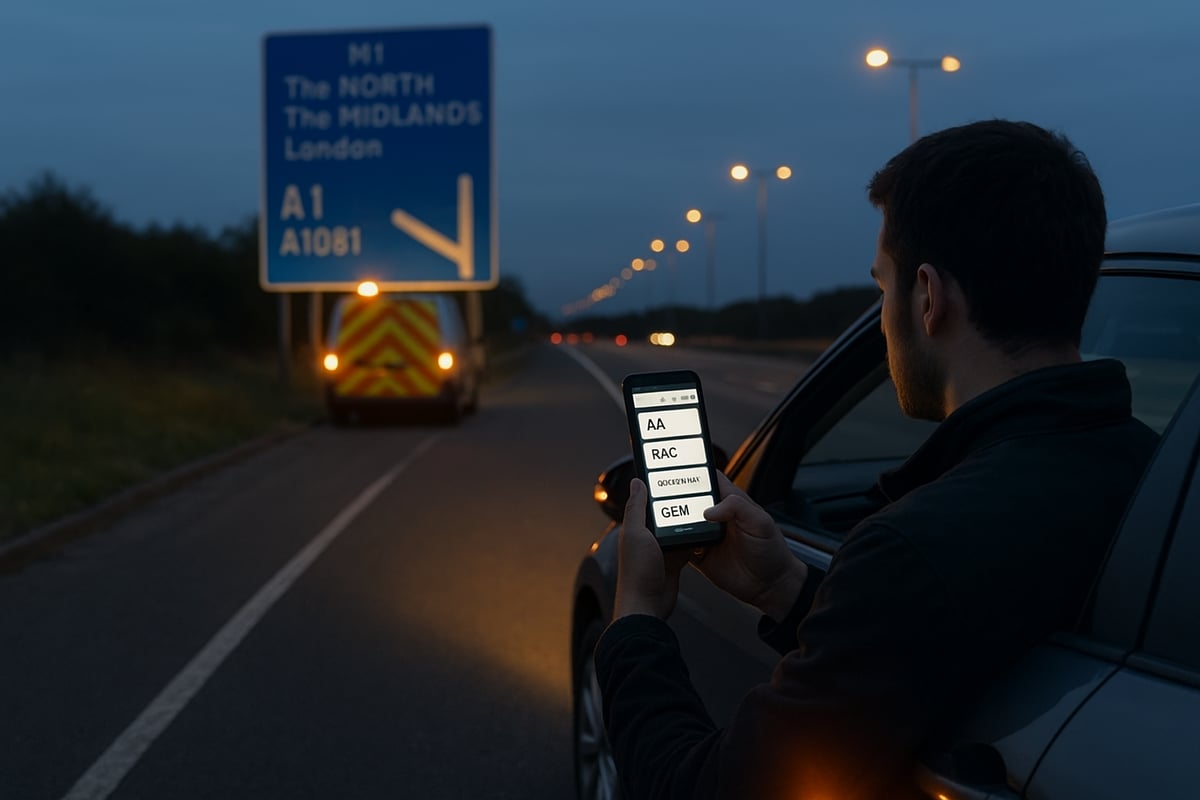
Begin by assessing the provider’s coverage area and average response times. Is their network truly nationwide, or do they focus on specific regions? Confirm they support your vehicle type, whether you drive a car, van, motorcycle, or electric vehicle.
Availability is another essential factor. Opt for a breakdown and recovery service that operates 24/7, all year round. Some providers offer extended support for rural or remote locations, which can be invaluable if you travel outside urban areas. Think about the types of incidents covered, from battery failures to complex breakdowns.
Comparing Membership Plans and Pay-As-You-Go Options
Breakdown and recovery service providers offer two main payment models: annual membership and pay-as-you-go. Membership plans usually cover multiple call-outs, roadside repairs, and sometimes onward travel. Pay-as-you-go is ideal for occasional drivers, letting you only pay when you need help.
| Feature |
Membership Plan |
Pay-As-You-Go |
| Upfront Cost |
Annual fee |
None |
| Per Call-Out Cost |
Included |
Charged per use |
| Ideal For |
Frequent drivers |
Occasional users |
According to recent data, 45% of UK drivers now prefer pay-as-you-go options. For a comprehensive comparison of leading providers, see the Best UK roadside assistance options.
Assessing Provider Reputation and Reliability
A reputable breakdown and recovery service should have strong online reviews and customer testimonials. Look for ratings on independent platforms and read recent feedback about response times and technician professionalism.
Industry accreditations and certifications, such as PAS 43 or ISO standards, signal high operational quality. Case studies highlighting excellent customer service can provide extra assurance in your selection process.
Understanding Service Inclusions and Exclusions
Not all breakdown and recovery service packages are equal. Check what is routinely included, such as towing, jump-starts, fuel delivery, or tyre changes. Equally important are the exclusions, which may involve off-road recovery or non-standard vehicles.
Read the fine print carefully. Some policies limit the distance your vehicle can be towed or restrict the number of annual call-outs. Understanding these details helps avoid unpleasant surprises.
Evaluating Additional Perks and Support Features
Modern breakdown and recovery service providers often offer added benefits. Look for mobile apps that provide real-time tracking, multilingual customer support, or digital paperwork for faster assistance.
Some packages include travel continuation, overnight accommodation, or courtesy vehicles to minimise disruption. These features can make a significant difference, especially during longer journeys or family trips.
Cost Transparency and Hidden Charges
Transparent pricing is essential when choosing a breakdown and recovery service. Ask for detailed quotes and confirm there are no hidden fees, such as extra charges for call-outs at night or in remote areas.
Compare offers from several providers, ensuring you understand the full cost structure. Request written confirmation of all terms before committing to any plan.
Motors Recovery: Reliable 24-Hour Breakdown Assistance
Motors Recovery delivers rapid, 24-hour breakdown and recovery service across Greater London and the Home Counties. There is no membership requirement, so you only pay when you need assistance. With wide coverage, a modern fleet, and high customer satisfaction ratings, Motors Recovery stands out as a dependable choice.
Step-by-Step Guide: What To Do When Your Vehicle Breaks Down
Breaking down on the road can be unsettling, but a calm, methodical approach is vital. Use this comprehensive step-by-step guide to navigate any situation with your chosen breakdown and recovery service.
Step 1: Ensure Your Safety First
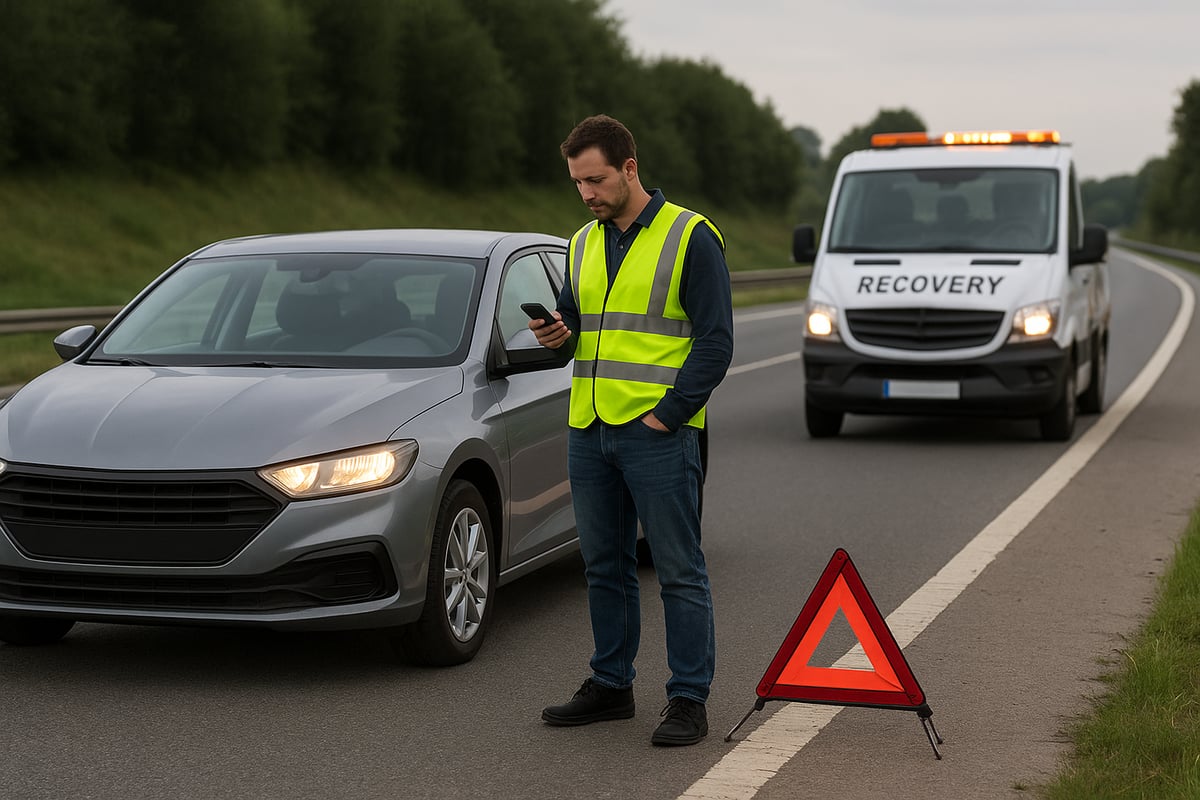
Your safety and that of your passengers must take priority. If your vehicle is still moving, steer it to the nearest safe spot, such as a layby or hard shoulder. Always switch on your hazard lights to alert other drivers.
If you have a warning triangle and it is safe to do so, place it at least 45 metres behind your car. On motorways, remain inside the vehicle only if it is unsafe to exit. Otherwise, leave via the passenger side and stand behind the safety barrier.
Taking these precautions ensures you are protected while you wait for your breakdown and recovery service.
Step 2: Assess the Situation
Once safe, quickly determine the nature of the problem. Look for obvious signs like smoke, flat tyres, or warning lights on the dashboard. Listen for unusual noises and check under the vehicle for leaks.
Ask yourself if the car is drivable or if it needs to be towed. If you are unsure, err on the side of caution and prepare for professional help. Briefly note details of the issue, as this will help your breakdown and recovery service respond effectively.
Clear and concise assessment at this stage can speed up the entire process.
Step 3: Contact Your Breakdown Service Provider
Reach out to your breakdown and recovery service as soon as possible. Provide them with your exact location—use your phone’s GPS or a motorway marker if available. Be ready to share your vehicle type, registration, and a brief description of the problem.
If you have an app for your provider, use it to request help, as this often speeds up dispatch and gives you real-time updates. Keep your membership or policy details handy, or be prepared to pay as you go if you are not a member.
Prompt, accurate information helps your breakdown and recovery service get you back on the road faster.
Step 4: Wait for Assistance Safely
While waiting, stay in a safe position, such as behind a barrier and well away from moving traffic. Keep your phone charged and accessible, and monitor updates from your breakdown and recovery service.
If you are with children, elderly, or vulnerable passengers, ensure they are comfortable. Dress for the weather and stay hydrated, especially during extreme temperatures. Do not attempt roadside repairs unless you are certain it is safe and within your capability.
Patience and vigilance are crucial until professional help arrives.
Step 5: Interact with Recovery Personnel
When your technician arrives, always confirm their identity before proceeding. Most breakdown and recovery service providers will send you details or a photo of the assigned technician.
Clearly explain the issue and follow their instructions closely. Secure your valuables before the technician begins work. If you have any concerns or special requirements, communicate these immediately.
A cooperative attitude helps the entire process run smoothly and ensures your needs are met.
Step 6: Decide on Next Steps After Recovery
After your breakdown and recovery service has assessed the vehicle, you may be offered an on-the-spot repair, a tow to a nearby garage, or assistance with onward travel. Ask about your options and clarify what is covered by your policy.
Know your rights regarding onward travel or temporary accommodation if your journey cannot continue. If you are unsure, ask your service provider for a written summary of the next steps.
Being proactive ensures you make informed choices for your journey’s continuation.
Special Considerations for Different Vehicles
Different vehicles require tailored breakdown and recovery service solutions. For motorcycles, safety is paramount—move away from traffic and use high-visibility gear. Electric vehicles may need mobile charging or specialist recovery vans equipped to handle battery issues.
Vans and commercial vehicles often carry valuable cargo. Ensure the load is secure and inform your provider about any special requirements for business continuity. Some services offer priority response for commercial fleets.
Always check with your breakdown and recovery service for vehicle-specific protocols.
Real-World Examples and Common Mistakes
Consider a recent motorway incident where a driver provided an inaccurate location, delaying their breakdown and recovery service by over an hour. Always use precise markers or GPS to avoid such setbacks. Another common mistake is leaving the vehicle unsafely, especially at night.
Refer to the Expert breakdown recovery guide 2025 for more detailed advice and up-to-date solutions. Learning from real incidents helps you avoid pitfalls and ensures your experience with any breakdown and recovery service is as smooth as possible.
Innovations and Trends Shaping Breakdown Recovery in 2026
The landscape of breakdown and recovery service is evolving rapidly, driven by technology, sustainability, and changing driver expectations. Staying informed about these innovations ensures you choose a provider that keeps pace with modern needs. Here are the standout trends shaping breakdown and recovery service in 2026.
Growth of Digital and App-Based Services
Digital transformation is at the heart of modern breakdown and recovery service. In 2026, nearly every major provider offers an app, allowing drivers to request help, track technicians in real time, and manage payments seamlessly. These apps reduce wait times and improve transparency for users.
Features like instant booking, push notifications, and digital receipts are now standard. Some platforms also integrate with in-car systems, enabling automatic alerts when a fault is detected. The convenience and speed of digital access have made app-based solutions the preferred choice for a growing number of drivers.
Electric and Hybrid Vehicle Recovery Solutions
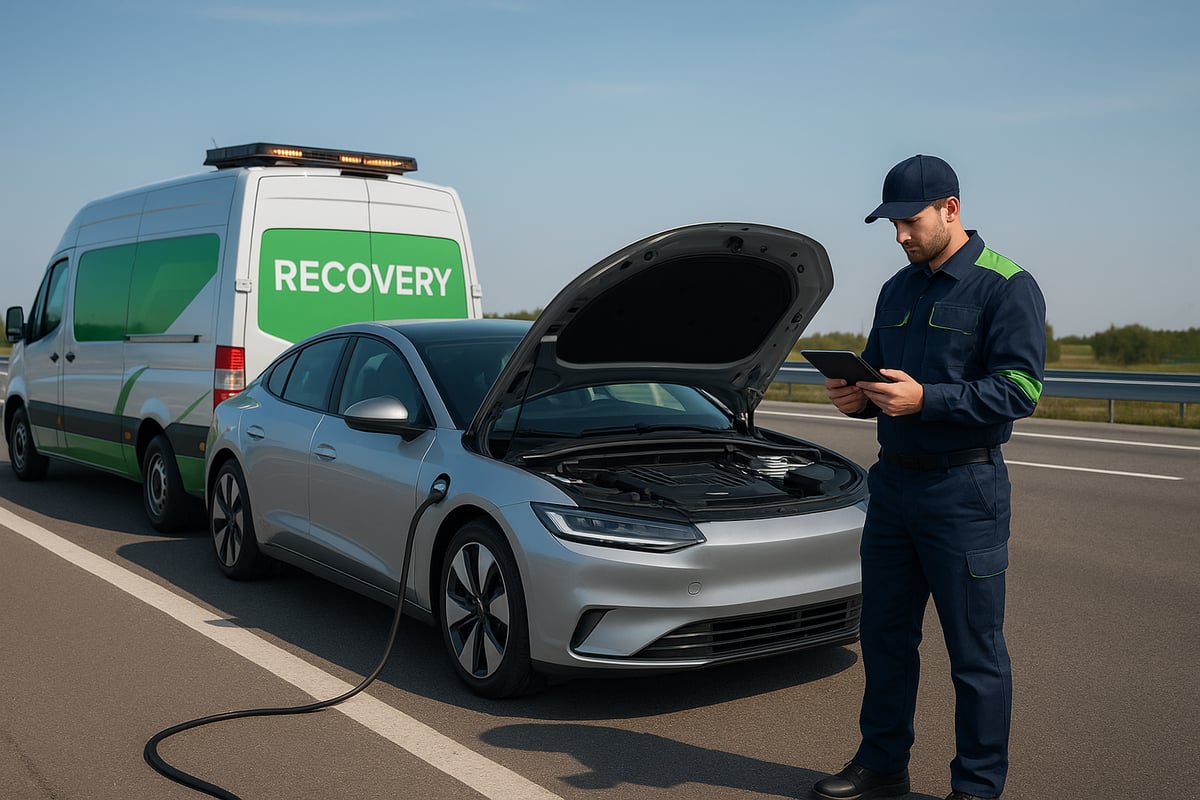
With the rise of electric and hybrid vehicles, breakdown and recovery service providers have adapted to new challenges. Mobile charging vans are now a common sight, equipped to deliver emergency power or perform diagnostics on-site. This ensures that EV drivers are not left stranded due to depleted batteries.
Specialist technicians trained in high-voltage systems handle these recoveries safely. As electric vehicles represent an increasing share of new registrations, providers are expanding their fleets with EV-compatible equipment and tools. This shift is redefining the expectations of breakdown and recovery service for all motorists.
AI and Predictive Maintenance Integration
Artificial intelligence is revolutionising breakdown and recovery service through connected car technology and predictive analytics. Many providers now use AI to monitor vehicle health, analyse data, and send early alerts for potential faults before a breakdown occurs.
Dispatch systems powered by AI optimise technician routes and match expertise to the incident type, reducing response times. For a comprehensive overview of how these technologies are transforming the industry, see the Car Breakdown Recovery Services – Global Strategic . This integration of AI is making breakdown and recovery service more proactive and efficient than ever before.
Eco-Friendly and Sustainable Recovery Practices
Sustainability is a major focus for breakdown and recovery service providers in 2026. Many have invested in low-emission recovery vehicles and adopted eco-conscious operating procedures. This includes responsible disposal of batteries and tyres, as well as recycling end-of-life vehicles.
Providers are also using route optimisation software to minimise fuel consumption and carbon footprint. These practices not only benefit the environment but also appeal to eco-aware customers looking for responsible service partners.
Enhanced Customer Experience and Personalisation
Modern breakdown and recovery service is all about customer satisfaction. Providers are introducing multilingual support, accessibility features, and user-friendly apps to make the process smoother for every driver.
Personalised service packages, such as tailored cover for families, business fleets, or classic car owners, are becoming more common. Enhanced communication, like real-time updates and instant feedback options, ensures drivers feel supported from breakdown to resolution.
Partnerships with Insurers and Manufacturers
Collaboration is key to the future of breakdown and recovery service. Many car manufacturers now include integrated breakdown cover with new purchases, offering drivers peace of mind from day one.
Insurance companies are also partnering with recovery providers to streamline claims and repairs. These partnerships simplify the process for drivers, reducing paperwork and ensuring faster, more coordinated responses when issues arise.
Future Challenges and Solutions
As vehicle technology evolves, breakdown and recovery service providers face new challenges. The rise of autonomous vehicles, for example, requires specialised recovery protocols and updated regulations.
Ensuring consistent coverage nationwide, especially in rural or remote areas, remains a priority. Providers are investing in training and infrastructure to stay ahead. By embracing innovation and adapting to emerging trends, the breakdown and recovery service industry is well positioned to support UK drivers through 2026 and beyond.
Essential Tips for Maximising Your Breakdown Cover
A breakdown and recovery service is your safety net on the road, but using it effectively takes planning. By following a few essential tips, you can ensure you get the best value, avoid surprises, and stay protected in any emergency.
Keeping Your Details and Policy Up to Date
To maximise your breakdown and recovery service, always keep your contact and vehicle information current. Notify your provider immediately if you change address or purchase a new car. Outdated details can delay assistance during a critical moment, so set a regular reminder to review your policy.
Simple steps include:
- Updating your address after moving
- Registering new vehicles promptly
- Confirming contact numbers are correct
Accurate records ensure your breakdown and recovery service can reach you quickly and provide the help you need.
Understanding Your Policy’s Fine Print
Every breakdown and recovery service policy has its own set of inclusions and exclusions. Take time to read the fine print and understand coverage limits, such as the maximum number of call-outs or towing distance. For example, some policies restrict recovery on certain roads or for specific vehicle types.
Key points to check:
- Distance your vehicle can be towed
- Limits on call-out numbers per year
- Exclusions for off-road or modified vehicles
Knowing these details prevents disappointment and ensures your breakdown and recovery service meets your expectations.
Preparing Your Vehicle for Long Journeys
Before a long trip, a little preparation goes a long way in reducing the risk of needing a breakdown and recovery service. Check tyre pressures, battery health, and fluid levels. Carry an emergency kit with essentials like a warning triangle, torch, and water.
With breakdowns on UK A-roads surging by 20%, it is more important than ever to inspect your vehicle thoroughly. Proactive checks help you avoid common issues and give your breakdown and recovery service less to worry about.
Making Use of Added Benefits
Many breakdown and recovery service providers offer extra perks beyond basic roadside assistance. These can include onward travel, overnight accommodation, or courtesy cars if repairs take longer. Find out how to access these benefits before you need them.
Helpful steps:
- Save claim phone numbers in your phone
- Understand the process for arranging alternative transport
- Ask about hotel or taxi cover for long delays
Making the most of these features means your breakdown and recovery service supports you throughout your journey.
Leveraging Digital Tools and Apps
Modern breakdown and recovery service apps streamline the assistance process. Store your policy details and emergency contacts on your phone for quick access. Many providers offer real-time tracking, instant booking, and digital paperwork, making help faster and more transparent.
Using the provider’s app means you can:
- Request assistance with just a few taps
- Share your exact location instantly
- Track technician arrival in real time
Embracing these tools ensures your breakdown and recovery service is ready when you need it most.
When and How to Switch Providers
If your current breakdown and recovery service no longer meets your needs, do not hesitate to compare alternatives. Signs it may be time to switch include slow response times, poor customer support, or rising costs. Use resources like Which is the best breakdown service in 2025? to compare response times and customer reviews.
Switching is straightforward:
- Review your existing contract for cancellation terms
- Compare new policies for better value or coverage
- Ensure no gaps in cover during the transition
Being proactive guarantees your breakdown and recovery service always aligns with your requirements.
Frequently Asked Questions About Breakdown and Recovery Services
Breaking down on the road often raises urgent questions. Here, we answer the most common queries about choosing, using, and getting the most from your breakdown and recovery service in 2026.
What Is the Difference Between Roadside Assistance and Recovery?
Roadside assistance provides immediate help where your vehicle has stopped. This may include jump-starting a battery, changing a tyre, or minor repairs to get you moving again. Recovery means your vehicle cannot be fixed on the spot and needs towing to a garage or safe location.
A breakdown and recovery service typically offers both, but it is important to check what is included in your policy. For example, some providers may only tow you a specific distance.
How Quickly Can I Expect Help to Arrive?
Average response times for a breakdown and recovery service vary depending on your provider and location. In urban areas, most companies aim to reach you within 60 minutes. Factors like heavy traffic or adverse weather may affect this.
Always use GPS or your provider’s app to share your exact location. This helps dispatch the nearest technician quickly and ensures you receive support as soon as possible.
Are Electric and Hybrid Vehicles Covered?
Yes, most breakdown and recovery service providers now cater for electric and hybrid vehicles. Specialist vans are equipped with mobile charging equipment and technicians are trained in EV diagnostics.
If you drive an electric vehicle, confirm your provider offers mobile charging or specialist support. This ensures you are not left stranded if your battery is depleted.
Do I Need Membership to Get Help?
No, many providers offer pay-as-you-go options alongside traditional annual cover. With pay-as-you-go, you only pay when you use the service, which can be ideal for occasional drivers.
Membership plans may include additional perks, like unlimited call-outs or onward travel. Compare options to choose the best fit for your driving habits and budget.
What Should I Do if My Vehicle Breaks Down Abroad?
If you break down outside the UK, you will need European breakdown and recovery service cover. This usually includes access to multilingual support, towing to local garages, and help with accommodation if repairs take time.
Check your policy for international cover before travelling. Keep your provider’s contact details handy and know the steps for requesting help on the continent.
Can I Get Assistance for Commercial Vehicles and Fleets?
Yes, breakdown and recovery service providers offer specialist support for vans, trucks, and business fleets. Coverage often includes load security and business continuity features.
For tailored tips on keeping your van and cargo safe, see these van breakdown and recovery tips. Fleet managers can often negotiate bespoke packages for multiple vehicles.
Is There a Limit to the Number of Call-Outs?
Most policies set a limit on the number of call-outs per year. Exceeding this allowance may incur additional charges or result in reduced service.
Always review your policy details so you know your limits. If you find your usage regularly exceeds the cap, consider upgrading your plan or switching providers.

