Imagine your company vehicle breaking down during peak traffic, with your team unsure of the next steps. In 2025, a strong business roadside assistance plan is not just an option, it is a necessity for every business owner and fleet manager.
This guide delivers essential, current advice to help you navigate the changing world of business roadside assistance. You will discover key benefits, learn how to select the right provider, understand emerging trends for 2025, master step-by-step emergency protocols, and find practical strategies to save money, all organized with the AIDA approach.
The Importance of Business Roadside Assistance in 2025
Imagine your company’s delivery van breaking down in the middle of a critical route. In 2025, the stakes for business roadside assistance are higher than ever before. Let’s examine why this service is now indispensable for every organisation with a fleet.

Rising Risks for Business Vehicles
Business vehicles face mounting risks in 2025. Increased road traffic is projected to hit record highs, with congestion up by nearly 15 percent in major cities. Many organisations are running older commercial fleets, which are more prone to unexpected failures. Delivery routes are getting longer as last-mile logistics expand, exposing vehicles to more wear and tear.
Missed deadlines can quickly result from a single breakdown. For example, a van stranded during peak hours can cause cascading delays, highlighting the need for robust business roadside assistance.
Business Impact of Vehicle Downtime
Downtime is more than an inconvenience. Industry data shows that the average cost of vehicle downtime can exceed £500 per hour for businesses. This figure includes lost productivity, revenue, and additional expenses for urgent recovery.
Customer satisfaction suffers when appointments are missed or deliveries are late. A real-world case: a service company lost key contracts after repeated delays, all traced to preventable breakdowns. Reliable business roadside assistance minimises these costly disruptions and protects your reputation.
Legal and Compliance Considerations
Compliance is non-negotiable for business fleets in 2025. New regulations require commercial vehicles to meet stricter roadside safety and maintenance standards. Fleet operators must also hold sufficient insurance and keep detailed compliance records.
Penalties for non-compliance are steep, with fines and potential licence suspensions. Maintaining up-to-date business roadside assistance ensures your organisation can respond quickly to breakdowns and meet all legal obligations.
Employee Safety and Duty of Care
Employers have a legal duty to safeguard their drivers. Under UK Health and Safety laws, companies must provide support for employees stranded on the roadside. Statistics reveal that employee injury rates linked to roadside incidents remain a concern, especially for lone drivers.
Having business roadside assistance in place means drivers can access help rapidly and safely. For example, lone drivers benefit from rapid response protocols, reducing their exposure to roadside hazards.
Competitive Advantages for Proactive Businesses
Proactive companies see business roadside assistance as a strategic asset. Prompt recovery enhances reliability, setting your business apart in competitive tenders. Case studies show that businesses with robust support win more contracts and earn greater customer trust.
Technology is also playing a role. Providers leveraging AI-Driven Dispatch Enhances Response Times can reduce response times by up to 18 percent, which translates into fewer missed deadlines and improved client retention.
Choosing the Right Roadside Assistance Provider
Selecting the right business roadside assistance provider is a critical decision for any company that relies on vehicles. The right partner ensures minimal downtime, protects your employees, and supports your bottom line. To make the best choice, it is essential to evaluate several key areas.

Key Features to Look For
When assessing business roadside assistance providers, focus on core features that directly impact your operations. Look for 24/7 availability, rapid response times, and a comprehensive suite of services. Essential offerings include towing, battery jump-starts, tire changes, and emergency fuel delivery.
Evaluate whether the provider offers both nationwide and regional coverage. For example, if your business operates in metropolitan areas, having access to van recovery services in London can be especially valuable. These services help reduce the risk of prolonged downtime and keep your fleet moving efficiently.
Consider the provider’s ability to handle multiple vehicle types and whether they can accommodate unique requirements, such as refrigerated vans or specialist equipment.
Customization for Business Needs
Every business roadside assistance plan should be tailored to your specific fleet profile. Consider the size of your fleet and the types of vehicles in operation. Providers that offer multi-vehicle and multi-driver policies can streamline coverage and simplify administration.
Integration with telematics and fleet management software is increasingly important. Seamless data sharing enables faster response and improved reporting. Customizable plans allow you to adjust coverage based on seasonal demand or business growth, ensuring you never pay for unnecessary services.
Ask about options for scaling coverage up or down, and whether the provider supports a flexible contract structure to match your evolving needs.
Evaluating Provider Reputation
Reputation is a crucial factor in choosing a business roadside assistance provider. Look for providers with strong ratings on third-party review platforms and recognition from industry bodies. Service level agreements (SLAs) are essential, as they guarantee response times and service standards.
Consider providers with verified response times under 45 minutes, which can make a significant difference during emergencies. Request client references or case studies to better understand real-world performance and reliability.
A transparent track record of meeting commitments is a strong indicator of a trustworthy partner for your business roadside assistance needs.
Cost Structures and Transparency
Understanding the cost structure of business roadside assistance is vital for budgeting. Providers typically offer either fixed-priced packages or pay-as-you-go models. Fixed plans offer predictable monthly costs, while pay-as-you-go can be more cost-effective for low-frequency users.
| Pricing Model | Pros | Cons |
|---|
| Fixed | Predictable costs, broad coverage | May pay for unused services |
| Pay-as-you-go | Pay only when needed | Costs may spike unexpectedly |
Be alert for hidden fees, such as mileage limits or after-hours surcharges. Calculate the return on investment by comparing the cost of assistance with the potential cost of vehicle downtime. Transparent pricing and clear terms should be non-negotiable features.
Technology and Digital Tools
Modern business roadside assistance providers leverage technology to enhance service delivery. Mobile apps enable real-time tracking, quick communication, and instant claim submissions. Digital platforms can provide live status updates, keeping fleet managers and drivers informed at every stage.
Some providers use AI-driven diagnostics to quickly identify vehicle issues, speeding up the resolution process. Integration with existing fleet management tools streamlines operations and improves reporting accuracy.
Prioritise providers who invest in technology, as this often translates to faster, more efficient support for your business roadside assistance needs.
Environmental and Sustainability Considerations
Sustainability is becoming a priority in the business roadside assistance industry. Seek providers that operate green fleets or commit to carbon-neutral initiatives. Eco-friendly disposal of damaged parts and fluids demonstrates responsible practices.
Some companies now use hybrid or electric recovery vehicles, reducing emissions during call-outs. Choosing a provider with strong environmental credentials not only aligns with regulatory requirements but can also enhance your business’s reputation.
Sustainability features in business roadside assistance plans set forward-thinking companies apart and contribute to long-term operational resilience.
Step-by-Step Guide: What to Do When a Business Vehicle Breaks Down
When a company vehicle breaks down, time is of the essence. Following a clear, structured process can transform a stressful situation into a manageable one. By equipping your team with a precise business roadside assistance protocol, you minimize risks, ensure safety, and reduce downtime. Here is a step-by-step guide every fleet manager and driver should follow.

Step 1: Ensure Driver and Passenger Safety
The first priority in any breakdown is safeguarding everyone involved. Drivers must immediately activate hazard lights to alert other road users. If it is safe, set up warning triangles at the recommended distance behind the vehicle.
Quick safety checklist:
- Move occupants away from traffic, ideally behind a barrier.
- Wear high-visibility jackets.
- Assess the environment for additional hazards, such as oncoming traffic or poor weather.
Always remind drivers not to attempt repairs on busy roads. Proper business roadside assistance starts with a focus on safety, ensuring no one is put at unnecessary risk.
Step 2: Communicate with Fleet Management
Once everyone is safe, the driver should promptly notify the fleet management team. Use the designated app or hotline to report the incident.
Key information to provide:
- Exact location with GPS coordinates if possible.
- Vehicle identification number or registration.
- Description of the problem and any warning lights.
This step enables business roadside assistance teams to coordinate support and keep stakeholders informed. Clear, timely communication helps prevent confusion and speeds up the recovery process.
Step 3: Contact Roadside Assistance Provider
Next, reach out to your chosen business roadside assistance provider. Use the fastest communication method available, such as a dedicated hotline or mobile app.
Essential details to relay:
- Driver’s contact information.
- Vehicle type and load (especially for specialist vehicles).
- Urgency level, for example, if the vehicle is in a dangerous position.
For fleets operating in urban centres, selecting a provider with proven expertise in city environments is crucial. For instance, Business roadside recovery in London offers rapid response in high-traffic zones, ensuring minimal disruption. The right provider can make a significant difference in how quickly your business roadside assistance needs are met.
Step 4: Secure the Vehicle and Cargo
After arranging assistance, drivers should secure the vehicle and its contents. Lock all doors and windows if the vehicle must be left unattended.
Best practices include:
- Removing valuables or sensitive documents if safe to do so.
- Documenting the scene with photographs for insurance.
- Recording details of any damage or lost cargo.
Proper documentation supports both insurance claims and internal business roadside assistance audits. Protecting assets during breakdowns is vital for financial and reputational reasons.
Step 5: Await Assistance and Next Steps
While waiting for help, it is important to keep drivers calm and informed. Most reputable providers will offer real-time updates and estimated arrival times.
Tips for this stage:
- Share live tracking details with fleet management.
- Advise drivers to stay in a safe location.
- Encourage regular check-ins if there is a long wait.
Industry benchmarks suggest typical wait times for business roadside assistance are under 60 minutes, though this varies by location and provider. Keeping all parties updated reduces stress and maintains business continuity.
Step 6: Post-Incident Review and Reporting
Once the situation is resolved, conduct a thorough review. Log all incident details in your fleet management system.
Post-incident actions:
- Record time, location, and cause of breakdown.
- Note response times and quality of service received.
- Analyse data for patterns or recurring issues.
Continuous improvement is a hallmark of effective business roadside assistance. Reviewing each event helps identify areas for preventive maintenance and staff training, ultimately reducing future incidents.
Emerging Trends in Business Roadside Assistance for 2025
The landscape of business roadside assistance is evolving rapidly in 2025, offering new opportunities and challenges for companies. Forward-thinking businesses can leverage these trends to enhance fleet efficiency, reduce risk, and deliver better outcomes for drivers and clients alike.
Integration with Advanced Telematics
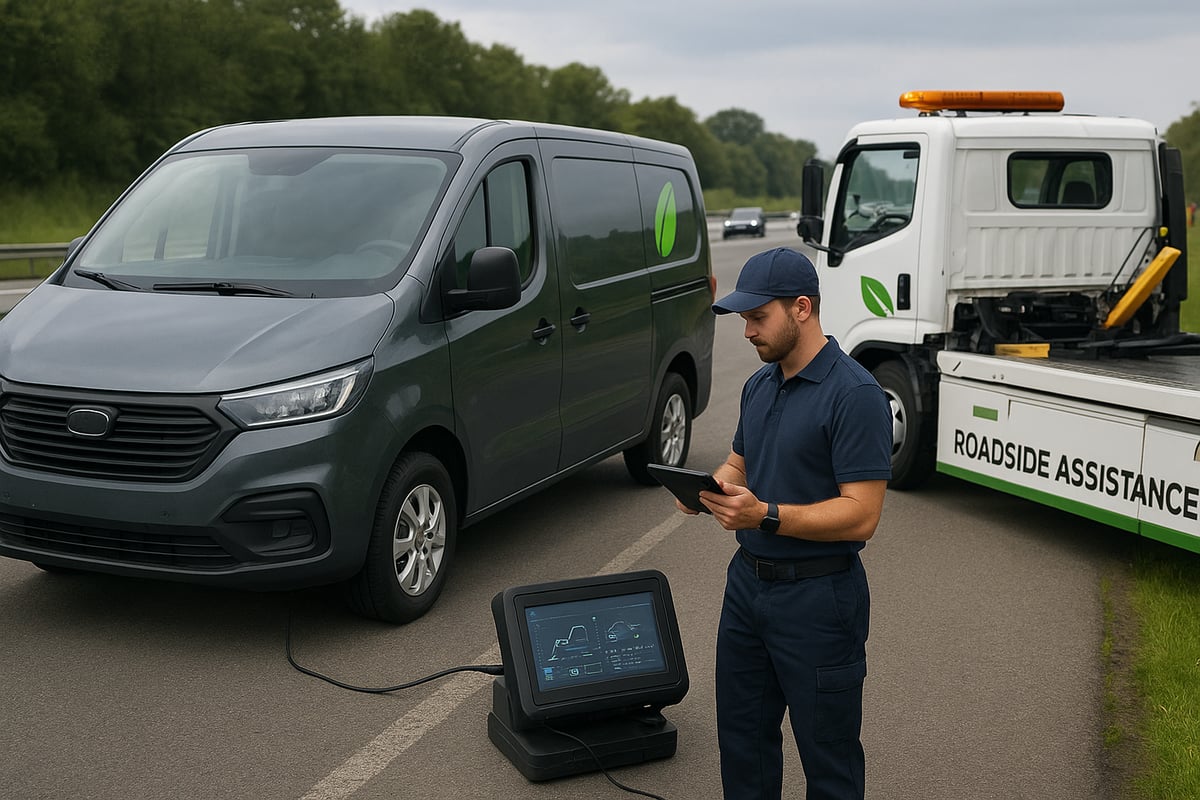
Advanced telematics are transforming business roadside assistance by enabling real-time vehicle diagnostics and predictive maintenance. Fleet managers now receive instant alerts about potential issues, empowering them to act before breakdowns occur. These systems integrate seamlessly with existing fleet management platforms, providing a holistic overview of vehicle health.
Telematics also support automated service requests, reducing response times. Many providers now offer dashboards that display live vehicle data, helping businesses monitor trends and plan maintenance. For a deeper look at how connected technologies are revolutionizing the field, see Connected Technologies Transform Assistance Services.
EV and Hybrid Vehicle Support
With more electric and hybrid vehicles joining business fleets, roadside assistance providers are adapting. Specialized training and equipment are essential for handling high-voltage systems and battery-related issues. Mobile charging solutions are now a standard offering, ensuring that electric vehicles stranded due to depleted batteries can quickly return to service.
Business roadside assistance providers also focus on safe towing methods for EVs, as improper handling can cause damage. Companies that prioritize green fleets should ensure their roadside support partners are equipped for these new technologies.
AI and Automation in Assistance Dispatch
Artificial intelligence is reshaping business roadside assistance by streamlining dispatch and support processes. AI-driven triage systems evaluate incoming calls, prioritize incidents, and allocate resources efficiently. This reduces wait times and ensures that help arrives faster where it is needed most.
Chatbots and virtual assistants are increasingly common, guiding drivers through initial troubleshooting steps. Automation also enhances claim processing, enabling businesses to resolve incidents quickly. These tools not only boost efficiency but also improve driver satisfaction.
Enhanced Data Analytics and Reporting
Data analytics is a game changer for business roadside assistance in 2025. Providers now offer customizable dashboards that track incident patterns, response times, and recovery outcomes. Fleet managers can benchmark their operations against industry standards, identifying areas for improvement.
Detailed reporting supports compliance with regulatory requirements and helps businesses justify investments in roadside support. By analyzing trends, companies can refine maintenance schedules, reduce downtime, and optimize their overall fleet strategy.
Sustainability and Green Initiatives
Sustainability is at the forefront of business roadside assistance trends. Many providers are deploying eco-friendly recovery vehicles, including hybrids and electrics, to minimize environmental impact. Carbon-neutral commitments and responsible disposal of damaged parts are becoming standard practices.
Businesses are increasingly seeking partners who align with their green values. Providers offering transparent sustainability metrics and demonstrable environmental benefits are gaining a competitive edge in 2025.
Personalized Assistance Plans
Personalization is key for business roadside assistance as companies seek plans tailored to their unique needs. Providers now offer industry-specific solutions, such as coverage for refrigerated trucks in delivery sectors or specialized support for construction vehicles.
Flexible options accommodate seasonal fleets and varying vehicle types. This customization ensures that businesses only pay for the services they need, maximizing value and improving operational resilience.
Cost Optimization and ROI: Making Roadside Assistance Work for Your Business
Optimizing costs with business roadside assistance is more than just controlling expenses, it is about ensuring every pound invested delivers measurable returns. With the right approach, your company can transform roadside support from a reactive expense into a strategic asset.
Analyzing Total Cost of Ownership
Understanding the total cost of business roadside assistance is essential for effective budgeting. Consider not only the direct fees for assistance, but also the indirect costs tied to vehicle downtime, such as lost productivity, missed appointments, and potential customer dissatisfaction.
A simple comparison table can help clarify cost components:
| Cost Element | In-house Support | Outsourced Assistance |
|---|
| Staffing | High | Low |
| Equipment | High | None |
| Response Time | Variable | Predictable |
| Flexibility | Limited | High |
A thorough review ensures your business roadside assistance plan aligns with your fleet’s needs and financial goals.
Negotiating Service Agreements
Securing the best value from your business roadside assistance provider requires negotiation and attention to detail. Fleet managers should seek volume discounts, especially for larger vehicle pools, and consider bundled services for comprehensive coverage.
Key negotiation tips include:
- Requesting flexible contract terms to adapt as your business grows
- Reviewing service level agreements for clear response time commitments
- Comparing fixed and pay-as-you-go pricing to see which aligns with your usage patterns
For regional fleets, partnering with a local provider such as Commercial vehicle recovery in Kent can reduce travel charges and improve response time, boosting both savings and reliability.
Preventive Maintenance and Training
A strong business roadside assistance plan should connect with your overall fleet care strategy. Regular preventive maintenance reduces the likelihood of breakdowns, while driver training lowers risk and supports safe, efficient responses when incidents occur.
Consider these best practices:
- Schedule regular vehicle inspections and servicing
- Implement driver training on emergency protocols
- Monitor compliance with maintenance schedules
Linking these steps with your business roadside assistance strategy limits unexpected costs and maximizes uptime.
Leveraging Data for Cost Savings
Data-driven decisions are the cornerstone of modern fleet management. By analyzing breakdown reports, response times, and incident patterns, businesses can identify trends and adjust routes or maintenance schedules accordingly.
Digital platforms make it easier to:
- Track the frequency and cause of breakdowns
- Optimize routing to avoid high-risk areas
- Benchmark performance against industry standards
Leveraging insights from the growing Global Roadside Assistance Market Growth helps companies stay ahead, adapting strategies to market developments.
Example: Businesses Saving Thousands Annually
Real-world results showcase the value of strategic business roadside assistance. Companies that invest in tailored plans, negotiate effectively, and leverage data often report annual savings of thousands of pounds.
For example, a logistics firm reduced vehicle downtime by 30% through improved maintenance and a responsive assistance partner. Another business cut costs by consolidating services and training drivers, protecting both reputation and the bottom line.
Careful management of business roadside assistance is a proven way to boost ROI and support long-term growth.
Ensuring Compliance and Best Practices for 2025
Staying compliant with the evolving landscape of business roadside assistance is essential for every fleet operator in 2025. Regulations are tightening, expectations are rising, and the cost of non-compliance can be significant. Proactive businesses that embed compliance into daily operations protect their teams, assets, and reputation.
Understanding Regulatory Changes
The UK and EU have introduced new laws impacting business roadside assistance. These include mandatory safety equipment, such as warning triangles, reflective jackets, and first-aid kits, for all commercial vehicles. Updated documentation requirements also play a critical role, ensuring every vehicle carries proof of insurance, compliance certificates, and roadside protocols.
For fleets operating electric vehicles, additional compliance measures are emerging. Operators must understand specific EV Roadside Assistance Challenges, including specialized training and equipment regulations. Staying ahead of such changes minimizes risk and avoids costly penalties.
Implementing Company Policies
Clear and comprehensive policies are key to effective business roadside assistance. Start by developing protocols for breakdowns, including step-by-step guidance for drivers. Equip every vehicle with required safety items and keep digital copies of essential documents accessible.
Regular training ensures all staff know emergency procedures and compliance requirements. Use checklists to guarantee readiness:
| Compliance Checklist 2025 | Status |
|---|
| Safety equipment in all vehicles | [ ] Complete |
| Updated insurance documentation | [ ] Complete |
| Staff emergency training | [ ] Complete |
| EV-specific protocols | [ ] Complete |
A well-documented approach helps businesses avoid fines and ensures a consistent response across the fleet.
Auditing and Continuous Improvement
Auditing is vital for maintaining high standards in business roadside assistance. Conduct regular reviews of incident reports, response times, and compliance records. Use digital tools to track key performance indicators and identify trends.
After every incident, analyze the root cause and update procedures as needed. This approach not only prevents repeat issues but also demonstrates a commitment to safety and regulatory excellence. Real-world examples show that ongoing audits often lead to avoided penalties and improved operational efficiency.
Collaborating with Providers
Strong partnerships with roadside assistance providers are essential for long-term success. Establish feedback channels to discuss service quality, response times, and compliance support. Joint scenario planning and safety drills help align your team and provider for faster, safer responses.
For businesses with multi-vehicle fleets, partnering with specialists in fleet vehicle recovery Waltham Forest can enhance compliance and streamline recovery operations. Regular communication and collaboration ensure your business roadside assistance plan remains robust, up-to-date, and ready for any challenge.

