Picture yourself in 2026, stranded at the side of a busy road, unsure of your next move. Your vehicle’s warning lights are flashing, traffic is rushing by, and the uncertainty of what happens next can feel overwhelming.
With more cars on the road and vehicle technology advancing rapidly, breakdowns are not just more common but often more complicated. That is why having a reliable car recovery aa plan is essential for every driver.
This handbook is designed to give you complete confidence on the road. We will cover everything from understanding how AA recovery works to step-by-step actions during a breakdown, membership options, the latest technology, and expert tips to keep your journeys safe in 2026.
Understanding Car Recovery with the AA in 2026
When you think of car recovery aa services in the UK, the AA stands out as a trusted name with a long and respected history. Since its founding in 1905, the AA has evolved to become one of the nation’s largest and most recognised breakdown providers. By 2024, the AA boasted over 15 million members, reflecting its broad appeal and reliability for all types of drivers.
The Role of the AA in UK Roadside Assistance
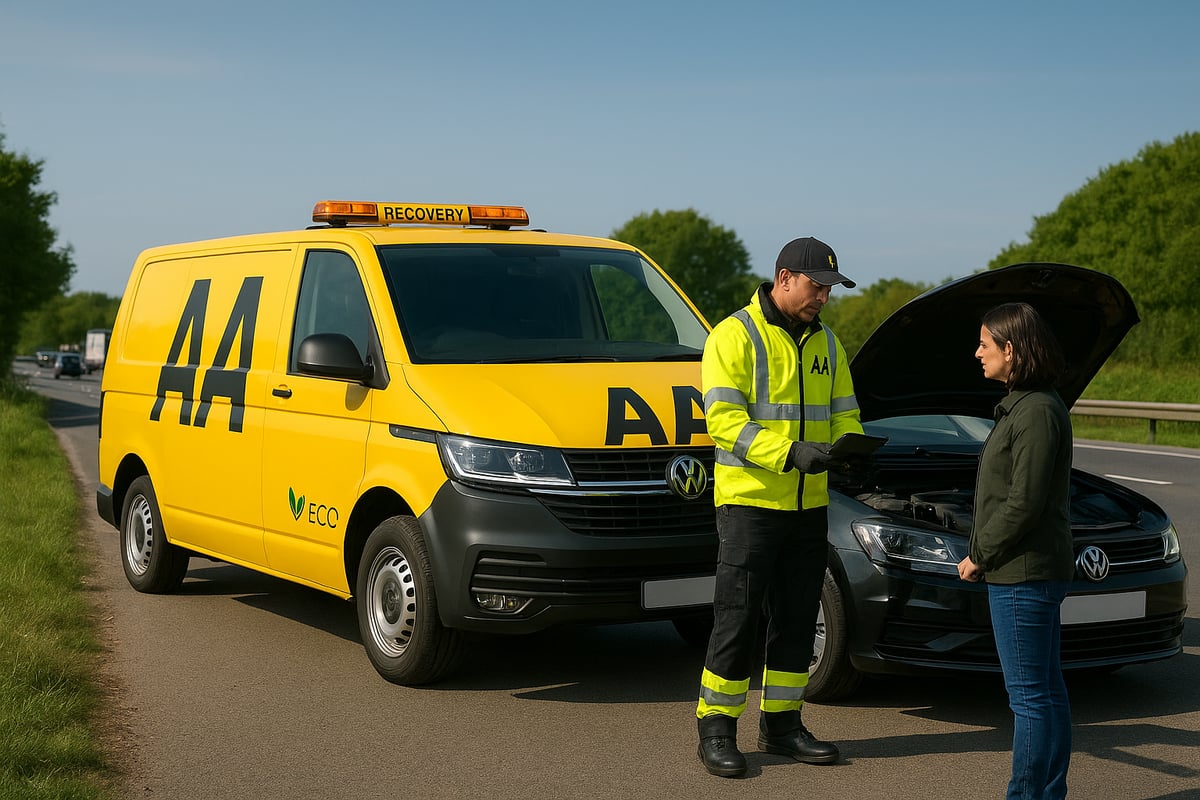
The car recovery aa service provided by the AA covers a wide range of vehicles, including cars, vans, motorcycles, electric vehicles (EVs), and hybrids. Their extensive network reaches across the UK, with thousands of patrols and recovery vehicles ready to assist day or night.
Response times are a critical factor, and in urban areas, the AA typically arrives within 40 to 60 minutes of a callout. This efficiency is matched by high customer satisfaction rates and several industry awards, confirming the AA’s position at the forefront of car recovery aa solutions.
A quick overview of vehicles covered by the AA:
| Vehicle Type |
Coverage Provided |
| Cars |
Standard and EV/hybrid |
| Vans |
Light commercial |
| Motorcycles |
Full roadside |
| Electric Vehicles |
Specialist patrols |
The AA’s reputation is built on reliability and innovation, which is why so many drivers regard car recovery aa as essential. If you want an in-depth look at expert recovery processes, you can explore this Expert car breakdown recovery guide.
Key Changes and Updates for 2026
In 2026, car recovery aa is adapting to new industry regulations and customer needs. The AA has introduced several environmentally focused initiatives, such as deploying electric recovery vehicles and adopting eco-friendly operational practices. These changes help reduce emissions and align with the UK’s broader net zero targets.
Digital transformation is another major update. The AA app now features real-time patrol tracking and AI-powered diagnostics, allowing users to get immediate insights into their breakdowns. For EV owners, car recovery aa includes expanded services like mobile charging and EV-specific recovery solutions, reflecting the growing number of electric vehicles on British roads.
The AA has also strengthened partnerships with insurers and manufacturers, ensuring seamless support if your vehicle is under warranty or part of a new car scheme. These collaborations mean car recovery aa is more integrated and responsive than ever before.
What Situations Does AA Car Recovery Cover?
Car recovery aa covers a wide array of roadside incidents. Standard situations include mechanical and electrical breakdowns, flat batteries, tyre punctures, lost keys, and running out of fuel. The AA also provides accident recovery and onward travel, ensuring you are not left stranded if your car cannot be fixed at the roadside.
However, it’s important to note some exclusions. For example, car recovery aa may not cover incidents resulting from deliberate damage, non-roadworthy vehicles, or certain specialist vehicles outside their standard policy. Always check what’s included in your cover for 2026 to avoid surprises.
By understanding what car recovery aa covers and the new advancements for 2026, you can travel with greater confidence and peace of mind.
Step-by-Step: What to Do When Your Car Breaks Down
Breaking down on the road is never planned, but knowing exactly what to do can make all the difference. The car recovery aa process in 2026 is straightforward if you follow these essential steps. This guide will help you stay calm, safe, and prepared, ensuring you get back on the road as soon as possible.
Step 1: Ensure Safety First
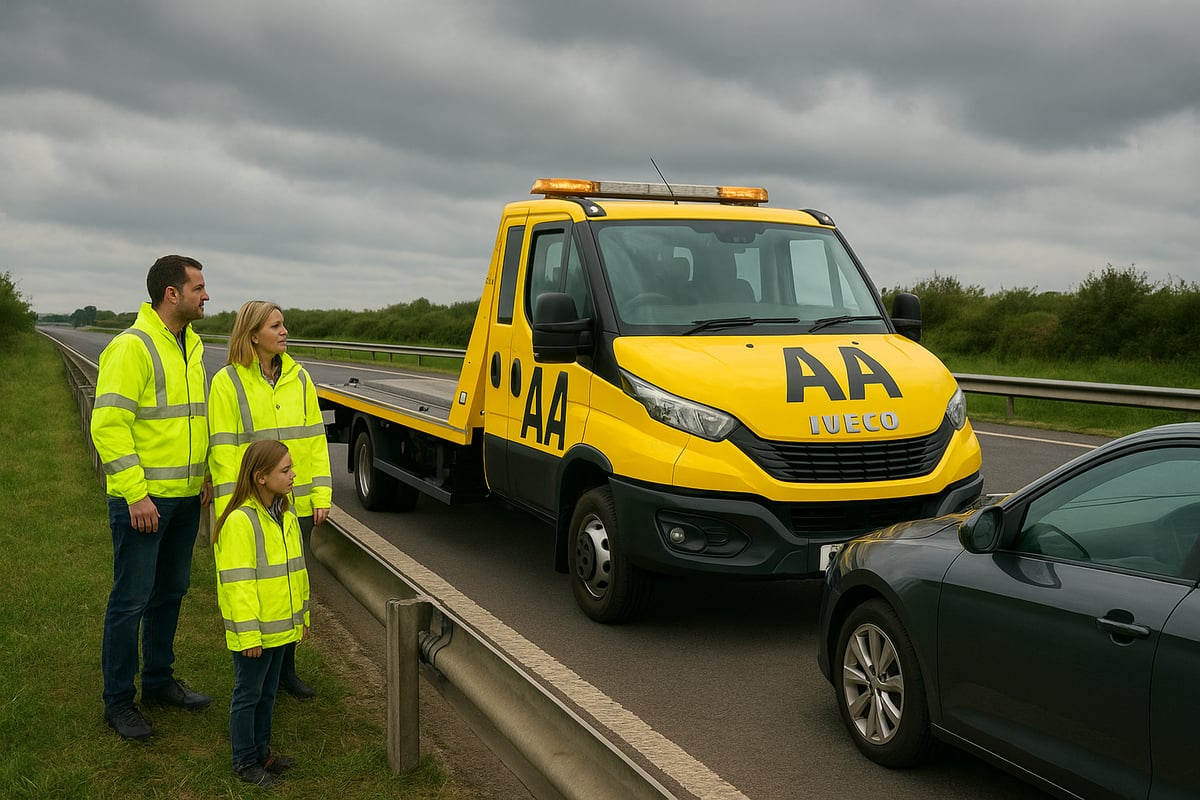
Your safety and that of your passengers is always the top priority. If your vehicle develops a fault, try to move it to the safest possible location, such as a lay-by or the hard shoulder.
On motorways, switch on your hazard lights immediately and exit the car using the left-hand doors. Stand behind a barrier, well away from traffic, and put on high-visibility jackets if available. For breakdowns on A-roads or rural lanes, position your vehicle as far from moving traffic as possible, keeping yourself and others away from danger.
Prepare an emergency kit including a warning triangle, torch, and first aid supplies. Make note of emergency contact numbers for car recovery aa services and the police. When calling for help, be ready to give your exact location, vehicle details, and a clear description of the issue. Staying visible and calm can help prevent further incidents. According to AA’s Road Casualty Statistics 2024, prompt and correct action at the roadside significantly reduces risk.
Step 2: Contacting the AA
Once you’re safe, it is time to reach out for professional help. You can request car recovery aa assistance through the AA app, by phone, or via their website. The digital app is especially useful in 2026, offering instant tracking and easy communication.
When contacting the AA, provide your exact location (look for road signs, motorway markers, or use smartphone GPS), your vehicle registration and make, and a brief summary of symptoms. The AA will confirm your request and give you an estimated time of arrival (ETA), usually within 40 to 60 minutes in urban areas.
Keep your phone charged and accessible. If you are unsure what to do, the AA operator will guide you through the next steps while you wait for help.
Step 3: While You Wait
Waiting for car recovery aa does not need to be stressful. Stay outside your vehicle, behind safety barriers, and keep everyone together. In poor weather or at night, use extra layers, blankets, and torches to stay warm and visible.
The AA app or SMS updates allow you to track your patrol’s location in real time. This feature helps you estimate when help will arrive and keeps you informed. If you have children or pets, make sure they remain calm and secure.
Let family, friends, or your workplace know about the delay. This keeps everyone updated and ensures someone is aware of your situation until the car recovery aa team arrives.
Step 4: When Help Arrives
When the AA patrol arrives, always check their official identification and branded vehicle. AA technicians are fully trained and equipped to handle a wide range of issues on the spot.
The technician will diagnose your vehicle’s problem and attempt immediate repairs, such as jump-starting a battery, changing a tyre, or resolving minor electrical faults. If the issue cannot be fixed at the roadside, the car recovery aa service will arrange recovery to your home, a garage, or another safe location.
Remain with your vehicle until the technician advises you otherwise. Ask questions if you are unsure about any part of the process, as the AA team is there to support and reassure you.
Step 5: Next Steps After Recovery
After your car recovery aa is complete, you have several options for onward travel, including courtesy cars, taxis, or public transport arranged by the AA. If your vehicle needs repairs, it can be transported to your home, a trusted garage, or your intended destination.
Document everything: keep your incident reference number and any paperwork provided by the AA. Follow up with the AA if you need further support or have questions about your cover.
Example timeline:
- 13:00: Breakdown occurs, driver moves car to hard shoulder
- 13:05: Contacts AA via app, provides details
- 13:10: Receives ETA and waits safely
- 13:50: AA patrol arrives, diagnoses fault
- 14:10: Vehicle recovered to local garage, onward travel arranged
By following these car recovery aa steps, you can minimise stress and get back on track quickly and safely.
AA Membership Options and Coverage Explained
Choosing the right car recovery aa membership is essential for peace of mind in 2026. The AA offers a range of flexible options, designed to meet the needs of modern drivers and address the complexities of today’s vehicles.
Types of AA Membership in 2026
The car recovery aa service in 2026 provides several membership types, each tailored for different driver needs. The main options include:
- Breakdown Cover: Standard roadside assistance for breakdowns.
- National Recovery: Vehicle and passengers transported anywhere in the UK.
- At Home: Assistance if your vehicle breaks down at or near your home.
- Onward Travel: Includes hire car, taxi, or accommodation if your journey cannot continue.
- Parts & Garage Cover: Helps cover repair costs and parts.
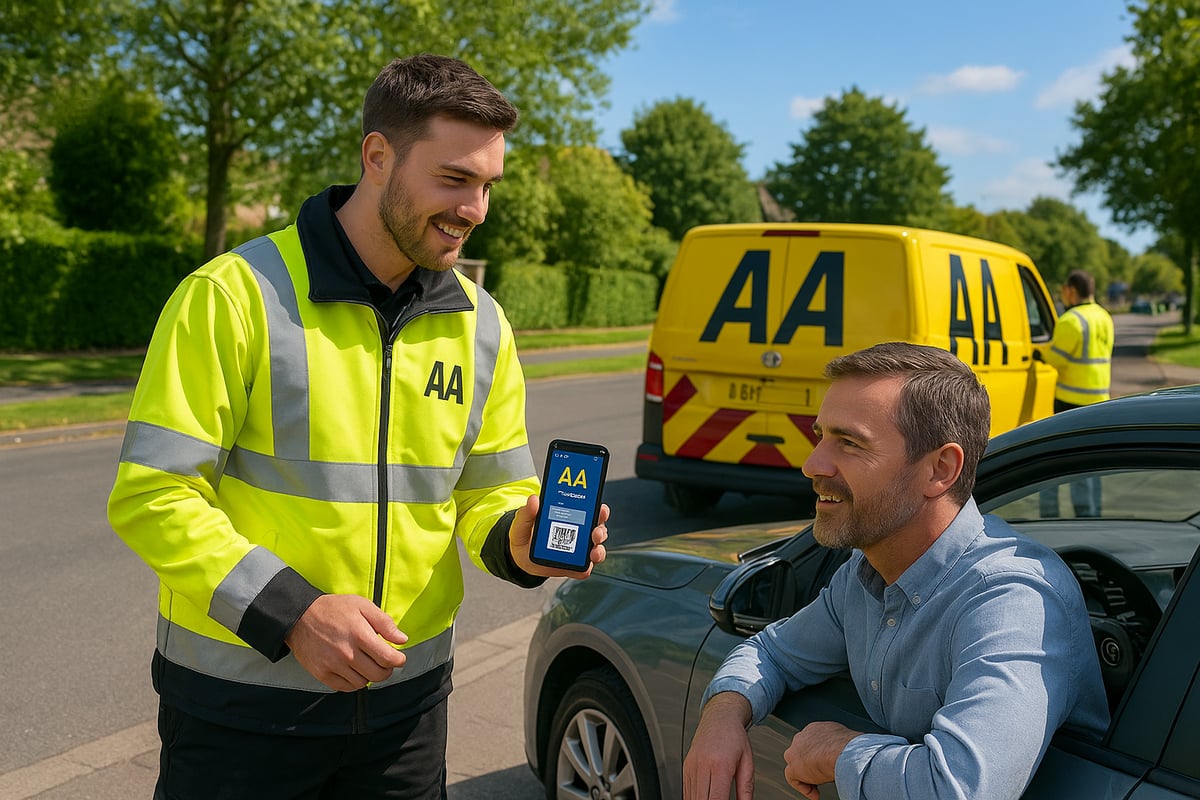
You can select from individual, joint, or family policies, ensuring all drivers in your household are protected. Recent updates for 2026 introduce digital membership cards, flexible add-ons, and specialist cover for electric vehicles (EVs) and hybrids. For a detailed breakdown of these options, see Roadside assistance membership explained.
AA’s membership flexibility allows you to tailor your car recovery aa plan according to your lifestyle, whether you commute daily, travel long distances, or drive an EV.
What’s Included and What’s Extra?
Understanding what your car recovery aa membership covers is vital. Standard features often include roadside assistance and local recovery, but premium add-ons expand your protection.
| Feature |
Standard Cover |
Premium Add-on |
| Roadside Assistance |
✔️ |
✔️ |
| National Recovery |
|
✔️ |
| At Home Assistance |
|
✔️ |
| Onward Travel |
|
✔️ |
| Parts & Garage Cover |
|
✔️ |
| EV-Specific Services |
✔️ |
✔️ |
Limits may apply to the number of callouts, distance covered, and vehicle age. Comparing car recovery aa with RAC and Green Flag reveals similar core services, though pricing and extras differ. Monthly plans offer flexibility, while annual plans can provide better value for frequent drivers.
Always review the policy limits and check for exclusions, particularly if you drive an older vehicle or require specialist recovery.
How to Choose the Right Cover for Your Needs
Selecting the best car recovery aa cover depends on several factors. Start by considering your vehicle type, how often you drive, and your typical journey length.
- Business users may benefit from nationwide recovery and onward travel.
- Families should look for joint or family policies for comprehensive protection.
- EV owners need to ensure their cover includes battery support and mobile charging.
Assess whether you require home start or only roadside assistance. Many drivers now upgrade or customise their cover online, adjusting features as their needs change. Reviewing your policy annually ensures your car recovery aa protection remains relevant and cost-effective.
By focusing on your driving habits and vehicle requirements, you can secure the most suitable membership level for uninterrupted journeys in 2026.
Technology, Trends, and Future of Car Recovery
In 2026, the landscape of car recovery aa services is changing rapidly. Advances in digital technology, a strong push for sustainability, and innovative solutions for new vehicle types are reshaping how drivers experience breakdown support.
Digital Transformation in Car Recovery
Digital innovation is at the heart of car recovery aa in 2026. The industry has shifted to app-based assistance, allowing drivers to summon help with a few taps. Real-time tracking shows exactly when the patrol will arrive, reducing uncertainty during stressful situations.
AI-powered diagnostics now play a crucial role. When you request car recovery aa support, your vehicle’s symptoms are analysed through the app, often before the technician arrives. This enables faster, more accurate fixes at the roadside.
Connected cars and telematics have made integration seamless. Many vehicles automatically alert the car recovery aa provider in the event of a breakdown, sharing location and fault data securely. For example, if your electric vehicle detects a battery issue, it can communicate directly with the AA app, speeding up the entire process.
- App-based breakdown requests
- Live ETA tracking on your device
- AI-driven fault analysis
- Seamless vehicle-to-AA integration
These advances mean car recovery aa is more responsive, efficient, and user-friendly than ever.
Green Recovery: Sustainability Initiatives
Sustainability is now a central focus for car recovery aa providers. In 2026, the AA operates a growing fleet of electric and hybrid recovery vehicles. This reduces emissions and helps the UK meet its environmental targets.
Eco-friendly practices are embedded at every stage. Damaged vehicles are disposed of responsibly, with recycling and proper waste management. The AA has launched carbon offset programmes to further minimise its impact.
Here is a summary of green initiatives in car recovery aa:
| Initiative |
Impact |
| Electric recovery vehicles |
Lower emissions |
| Hybrid patrol vans |
Improved fuel efficiency |
| Eco-disposal programmes |
Responsible recycling |
| Carbon offset schemes |
Reduced carbon footprint |
The AA’s sustainability targets for 2026 include transitioning at least 40% of the patrol fleet to electric or hybrid models, and a 30% reduction in operational emissions. These efforts not only protect the environment but also ensure that car recovery aa services remain future-proof.
Emerging Challenges and Innovations
The rise in electric vehicles presents unique challenges for car recovery aa. Battery depletion and charging faults are now among the most common callouts, requiring specialised support. Mobile charging units are being deployed to get EVs moving again.
Drone technology is also emerging, with some trials underway for rapid delivery of essential parts or tools. As more vehicles become connected, cybersecurity is a growing concern. Protecting driver data and ensuring safe communication between cars and the AA is a top priority.
Innovation is driven by changing customer needs and market pressures. For a comprehensive industry overview, the UK Vehicle Assistance and Recovery Market Report 2024 provides valuable insights into trends, challenges, and competitive strategies.
Car recovery aa in 2026 is not just about getting you moving again, but about delivering smarter, greener, and safer solutions for every journey.
Expert Tips for Preventing Breakdowns and Staying Safe
Every driver wants to avoid the stress and inconvenience of an unexpected breakdown. With car recovery aa services evolving rapidly, knowing how to prevent common issues and stay safe on the road is more important than ever. Here are expert-backed strategies for 2026 to keep you moving confidently.
Routine Maintenance for 2026 Vehicles
Proactive maintenance is your first line of defence against breakdowns. As vehicles become more complex, a regular service routine is vital for car recovery aa customers. Always schedule annual servicing and MOTs, and never ignore dashboard warning lights.
Before every journey, check your:
- Tyres (pressure, tread, condition)
- Engine oil and coolant levels
- Battery charge status
- Lights and indicators
- Windscreen wipers and fluid
Seasonal checks are equally important. In winter, inspect your battery and antifreeze. In summer, focus on cooling systems and tyre health. Many breakdowns result from issues that are easy to spot in advance. According to Reasons cars break down most, flat batteries, tyre damage, and electrical faults top the list for 2025 and 2026.
| Common Breakdown Causes (2025/26) |
Prevention Tip |
| Flat battery |
Test battery health |
| Tyre puncture |
Check tread, carry spare |
| Overheating |
Monitor coolant levels |
| Lost keys |
Keep spare key at home |
| Fuel issues |
Refuel before journeys |
By staying ahead with these checks, you can reduce the chance of needing car recovery aa support and enjoy greater peace of mind.
Roadside Safety Best Practices
Even with preparation, emergencies can occur. When you need car recovery aa assistance, safety must come first. Always move your vehicle to a safe spot if possible, switch on hazard lights, and wear a reflective jacket before exiting.
Your essential 2026 safety kit should include:
- Warning triangle
- High-visibility vests for all passengers
- Torch with spare batteries
- First aid kit
- Power bank for your mobile
- Blanket and bottled water
If you break down at night or during adverse weather, remain inside your vehicle unless it is unsafe. On motorways, exit via the passenger side and stand behind the safety barrier. For lone drivers or vulnerable passengers, keep your phone charged and inform someone of your situation. The AA Yonder Driver Poll Summaries 2024 show that drivers who follow safety best practices feel more confident and experience fewer roadside incidents.
Practising these habits ensures car recovery aa teams can reach you quickly and safely, reducing risk for everyone involved.
Planning Ahead for Long Journeys
Comprehensive planning is key to avoiding unnecessary car recovery aa callouts during extended trips. Start with a pre-trip checklist: inspect tyres, top up fluids, and test your lights. Use the AA’s route planner or app to monitor traffic and potential hazards.
For electric vehicle owners, map out charging points along your route and factor in charging times. Always carry charging cables and know your vehicle’s range limits. If travelling with children or pets, pack extra snacks, water, and entertainment to keep everyone comfortable if delays arise.
By integrating technology, routine checks, and smart packing, you reduce stress and make the most of car recovery aa benefits, ensuring every journey is as safe and smooth as possible.
Alternatives and Additional Support for Car Recovery
When it comes to car recovery aa, there are situations where even the most comprehensive cover may not be enough. For instance, certain specialist vehicles or unique circumstances might fall outside standard policies. In these cases, private recovery firms offer flexible, on-demand solutions. These providers often cater to classic cars, motorhomes or heavy vehicles, and can be especially helpful when rapid assistance is needed. Some insurance policies also include accident recovery, onward travel, or overnight accommodation as optional add-ons. If you are considering your options, a Car breakdown cover comparison provides a useful overview of major UK providers and their strengths.
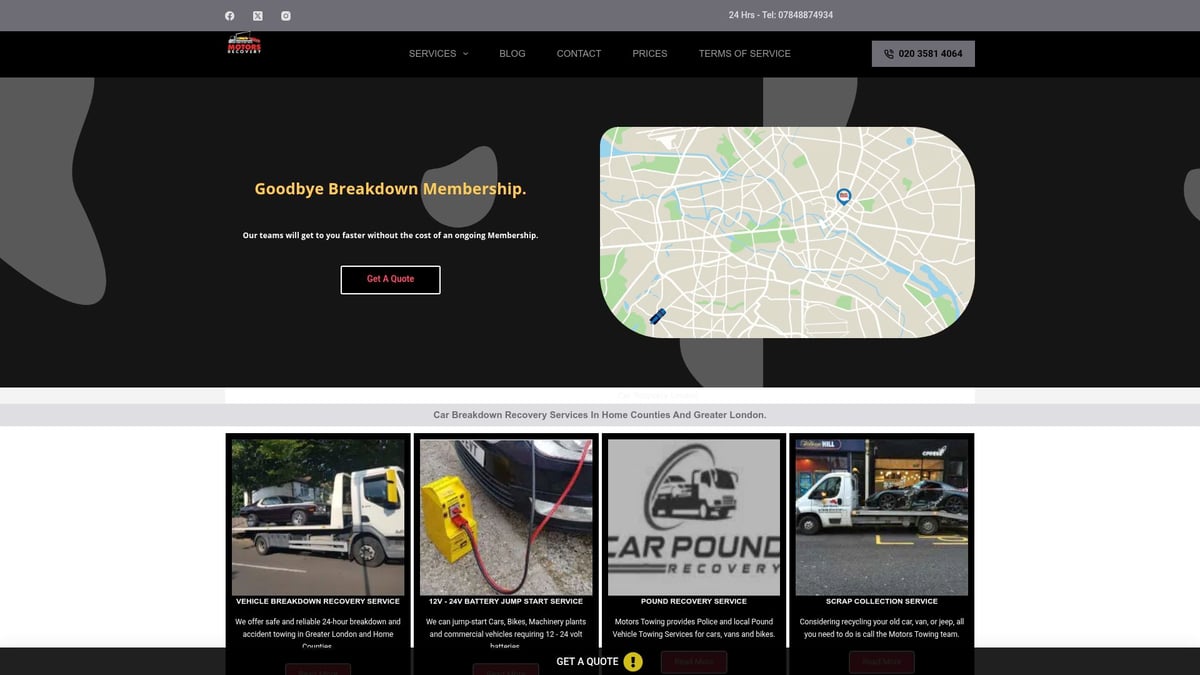
Not every driver wants to commit to an annual membership for car recovery aa services. Motors Recovery stands out as a leading independent support provider across Greater London and the Home Counties. Their pay-as-you-go approach means you can access expert help for cars, vans, or motorcycles without a contract. Services include battery jump-starts, accident towing, and even police pound recovery. With typical arrival times between 15 and 60 minutes, Motors Recovery is ideal for those who value speed and flexibility. This alternative is especially useful for infrequent drivers, occasional visitors, or anyone seeking immediate assistance without long-term commitment.
Community and Local Authority Support
For some car recovery aa scenarios, community and local authority resources play a vital role. Local councils often manage abandoned or obstructive vehicles, ensuring roads remain safe and clear. In rural or remote areas, volunteer schemes can provide emergency support, particularly when professional services are delayed. UK motorways are also equipped with emergency roadside phones, connecting motorists directly to help. These support options are essential for drivers who may not have coverage or need additional help beyond their existing plan. Being aware of these alternatives adds another layer of reassurance to your journey.

