When your vehicle breaks down or suffers an accident, the method of recovery matters enormously. A flatbed recovery truck represents the safest, most reliable solution for transporting damaged, non-running, or high-value vehicles across Greater London and beyond. Unlike traditional tow trucks that lift one end whilst leaving the other wheels on the road, flatbed recovery vehicles transport your car, van, or motorcycle entirely on a flat platform, eliminating further damage during transit. Understanding how these specialised recovery vehicles work, their advantages, and what to expect from professional services can help you make informed decisions during stressful breakdown situations.
What Is a Flatbed Recovery Truck and How Does It Work
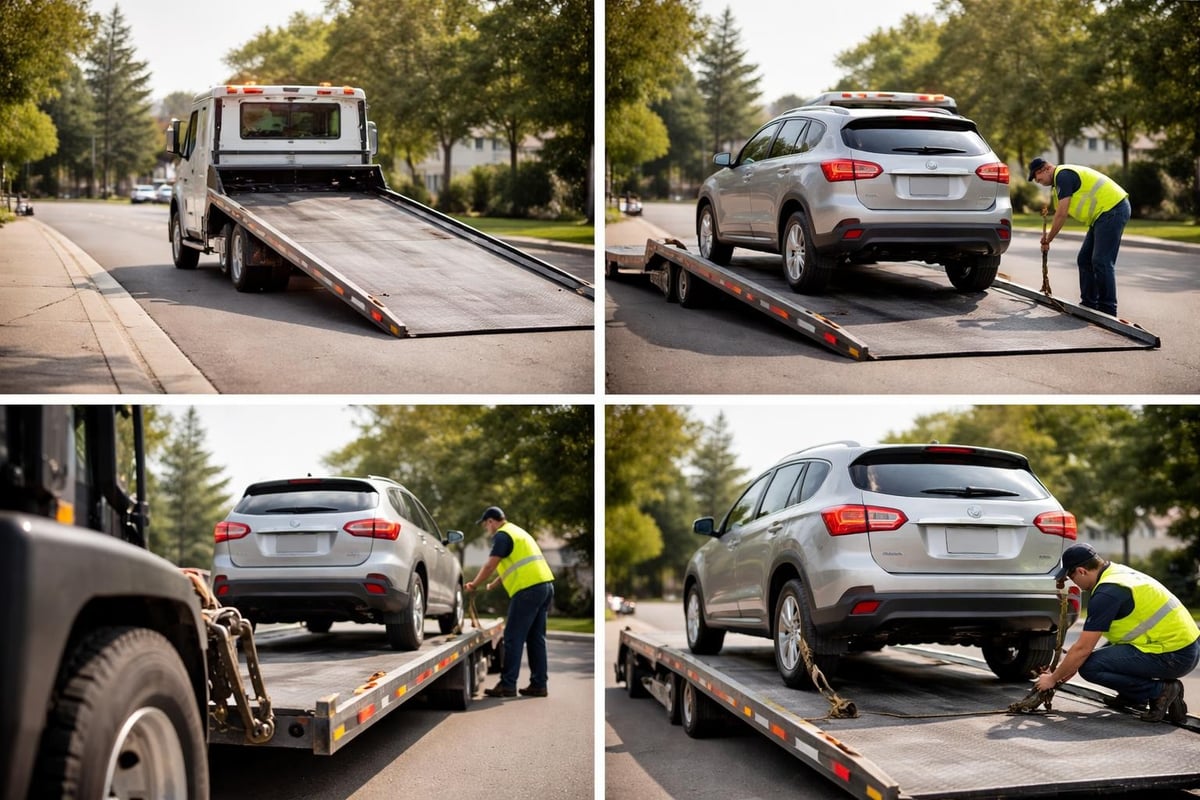
A flatbed recovery truck features a long, flat bed that hydraulically tilts or slides backwards to ground level, creating a ramp. This design allows vehicles to be loaded onto the platform using winches, wheel lifts, or by driving under their own power if still operational. Once secured, the bed returns to its horizontal position, and the vehicle sits completely off the road during transport.
The hydraulic system forms the heart of flatbed recovery operations. Operators control the tilt angle precisely, ensuring smooth loading and unloading regardless of vehicle size or weight. Advanced models incorporate wireless remote controls, allowing technicians to manage the bed position whilst guiding the vehicle safely onto the platform.
Key components include:
- Heavy-duty hydraulic rams rated for thousands of pounds
- Reinforced steel bed construction with tie-down points
- Winch systems with synthetic or steel cables
- Wheel straps and axle restraints
- Safety lighting and reflective markings
Modern flatbed recovery trucks have evolved significantly from their early predecessors. The rise of hybrid models and smart integration features reflects industry innovation focused on fuel efficiency and operational effectiveness. These technological advancements benefit customers through faster response times and reduced environmental impact.
Types of Flatbed Recovery Vehicles
Recovery operators deploy different flatbed configurations based on vehicle types and recovery scenarios. Slide-bed models feature platforms that extend rearwards horizontally, ideal for low-clearance vehicles or tight spaces. Tilt-bed designs hydraulically angle the entire platform, offering versatility for most standard recoveries.
Heavy-duty flatbeds accommodate commercial vehicles, motorhomes, and multiple smaller vehicles simultaneously. These larger platforms require specialised licensing and training, as outlined in equipment and safety guides for heavy-duty towing operations. Medium-duty flatbeds serve the majority of passenger car and van recovery needs, balancing capacity with manoeuvrability in urban environments.
Advantages of Choosing Flatbed Recovery
Flatbed recovery trucks provide unmatched protection for vehicles during transport. When all four wheels lift clear of the road surface, there’s zero risk of transmission damage, tyre wear, or additional mechanical stress. This proves particularly crucial for all-wheel-drive vehicles, luxury cars, and motorcycles where traditional towing methods can cause thousands of pounds in secondary damage.
Primary benefits include:
- Complete vehicle protection from road debris and weather
- Transmission safety for automatic, manual, and AWD systems
- Accident vehicle security when frames or suspensions are compromised
- Multiple vehicle capacity for efficiency
- Low-clearance compatibility for sports cars and modified vehicles
The psychological advantage shouldn’t be overlooked either. Vehicle owners experience considerably less anxiety watching their pride and joy secured on a stable platform rather than dangling from a hook. This peace of mind matters especially when dealing with classic cars, high-value vehicles, or those carrying sentimental importance.
| Recovery Method |
Wheel Contact |
Transmission Risk |
Suitable Vehicles |
Cost Factor |
| Flatbed |
None |
Zero |
All types |
Moderate-High |
| Wheel-Lift |
Two wheels |
Low-Moderate |
FWD/RWD only |
Moderate |
| Hook & Chain |
Two wheels |
High |
Older/damaged only |
Low |
| Dolly Tow |
None |
Low |
Most types |
High |
Insurance companies frequently recommend or require flatbed recovery for accident-damaged vehicles. The comprehensive documentation photographs taken before, during, and after loading serve as valuable evidence for claims processing. Recovery operators who follow established safety protocols protect both your vehicle and their business liability.
Safety Standards and Operational Requirements
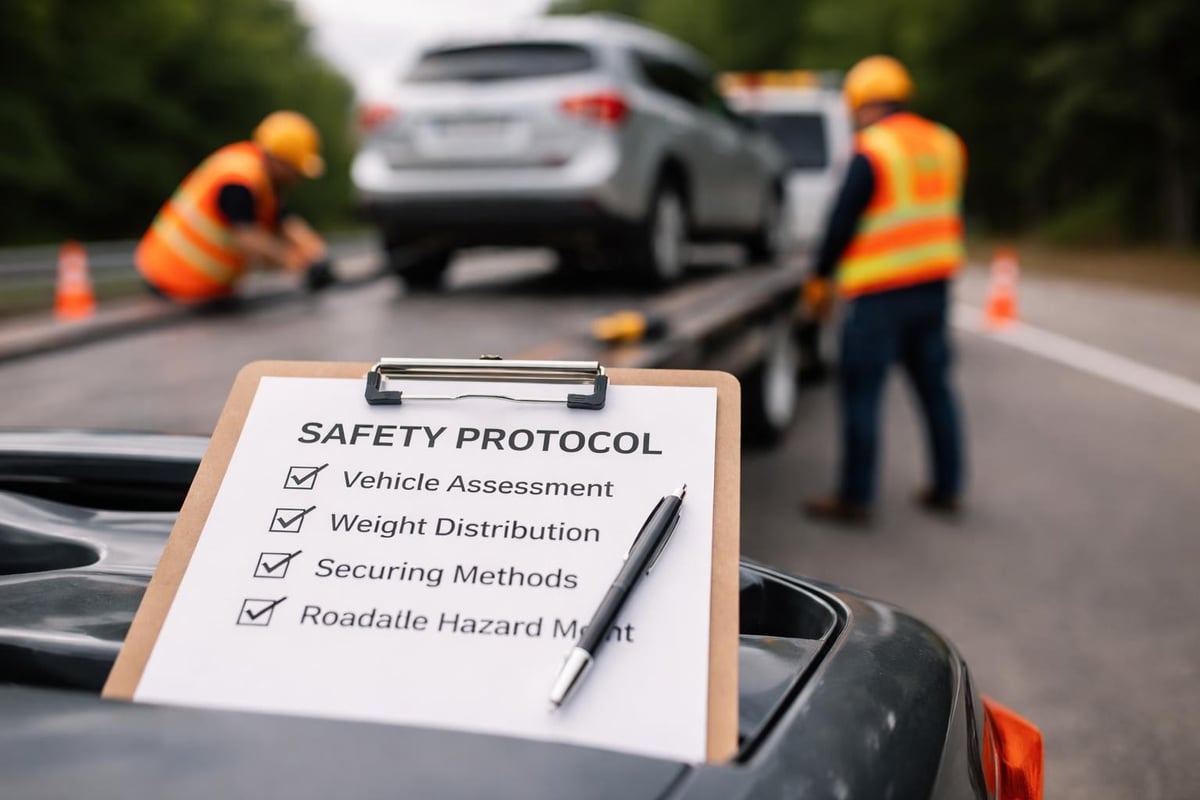
Professional flatbed recovery operations must comply with rigorous safety standards. In the United Kingdom, recovery operators follow guidelines similar to international frameworks, ensuring proper training, equipment maintenance, and operational procedures. The OSHA standards for powered industrial trucks provide comprehensive guidance applicable to recovery vehicle operations, covering everything from design specifications to operator training requirements.
Operator Training and Certification
Competent recovery drivers undergo extensive training beyond standard driving licences. They must master vehicle dynamics, load distribution, winching techniques, and roadside safety procedures. Many operators complete nationally recognised qualifications demonstrating proficiency in recovery operations, vehicle handling, and customer service.
Essential training areas include:
- Hydraulic system operation and emergency procedures
- Weight distribution and load securing methods
- Traffic management and scene safety
- Vehicle-specific recovery techniques
- Communication protocols with emergency services
The shift toward diesel-electric hybrids and modular designs requires ongoing education as recovery vehicles become more technologically sophisticated. Operators must stay current with equipment innovations whilst maintaining fundamental skills that ensure safe, damage-free recovery.
Choosing the Right Flatbed Recovery Service
Selecting a recovery provider involves more than comparing prices. Response times matter critically when you’re stranded on a motorway or blocking traffic. Reputable services maintain strategic depot locations across their coverage area, enabling rapid deployment to breakdown locations throughout Greater London and the Home Counties.
Vehicle capacity represents another crucial consideration. Confirm the recovery company operates appropriately sized flatbeds for your vehicle type. A small sports car requires different equipment than a large van or commercial vehicle. Experienced providers assess your specific situation and dispatch suitable equipment on the first call.
Questions to Ask Recovery Providers
Before committing to a service, gather essential information about their capabilities and standards. Ask about average response times for your specific area, not generic company-wide statistics. Enquire whether they provide 24-hour service with consistent quality regardless of when you call.
Insurance and licensing verification protects you from liability issues. Legitimate recovery operators carry comprehensive public and goods-in-transit insurance, protecting your vehicle’s full value during transport. Request proof of relevant certifications and confirm they meet current regulatory requirements.
Critical selection criteria:
- Fleet composition and vehicle age
- Coverage area and response time guarantees
- Insurance coverage limits
- Customer reviews and testimonials
- Transparent pricing structure
- Additional services (storage, police pound recovery, etc.)
Many modern recovery services integrate GPS tracking and real-time updates, allowing you to monitor your vehicle’s journey. This transparency builds trust and provides peace of mind during an already stressful situation. Advanced providers also offer online booking systems and digital payment options for convenience.
The Recovery Process from Call to Delivery
Understanding what happens after you request flatbed recovery helps set appropriate expectations. Initial contact involves assessment of your situation: location, vehicle type, access limitations, and urgency. Experienced call handlers gather this information efficiently, ensuring the right equipment and operator are dispatched.
Upon arrival, professional technicians conduct a visual inspection, documenting your vehicle’s condition photographically. This protects both parties by establishing a baseline before recovery begins. They’ll explain the loading process and address any concerns you may have about specific vehicle features or damage.
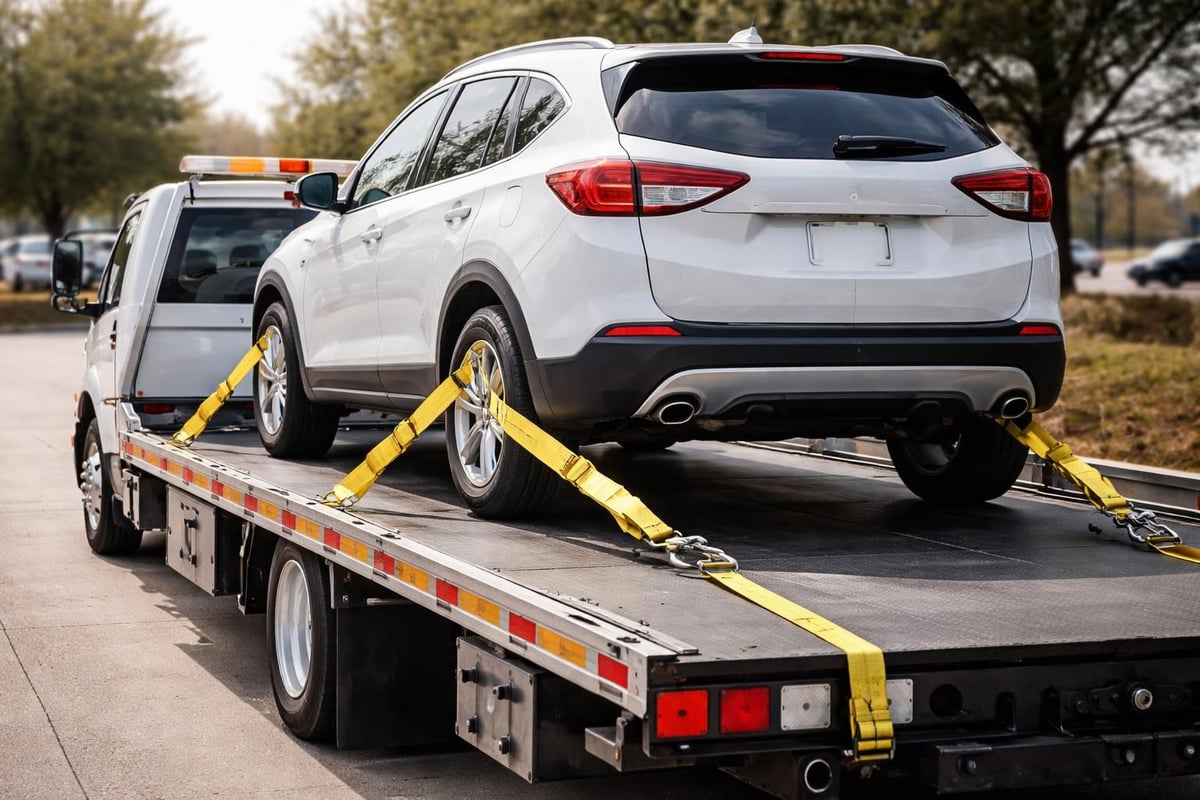
The loading sequence follows established safety protocols. Operators position the flatbed optimally, considering road gradient, traffic flow, and available space. The bed extends or tilts, and your vehicle is carefully winched aboard using appropriate attachment points that won’t cause damage. Multiple securing points ensure stability during transport.
| Recovery Stage |
Duration |
Actions Taken |
Customer Involvement |
| Initial Contact |
2-5 minutes |
Assessment, dispatch |
Provide details |
| Response Time |
20-60 minutes |
Travel to scene |
Wait safely |
| Vehicle Assessment |
5-10 minutes |
Inspection, photos |
Review condition |
| Loading |
10-20 minutes |
Positioning, securing |
Observe, approve |
| Transport |
Variable |
Safe delivery |
Track progress |
| Unloading |
10-15 minutes |
Release, handover |
Final inspection |
During transport, professional drivers maintain speeds appropriate for the load, avoiding sudden manoeuvres that might shift the secured vehicle. They monitor the load regularly, particularly on longer journeys, ensuring straps remain tight and the vehicle stable. Many operators provide estimated arrival times and updates for longer-distance recoveries.
Technological Advancements in Recovery Vehicles
The recovery industry embraces innovation that improves safety, efficiency, and environmental performance. Recent developments in automated safety warning systems demonstrate how technology enhances protection for both recovery operators and other road users. These systems detect approaching traffic and alert drivers to potential hazards, reducing accident risks at recovery scenes.
Hybrid powertrains reduce fuel consumption and emissions whilst maintaining the robust performance required for heavy recovery work. Regenerative braking systems recapture energy during descents, extending range and reducing operational costs. These environmental benefits align with growing regulatory pressures and customer expectations for sustainable business practices.
Remote control systems revolutionise operator safety by allowing technicians to manage hydraulic functions from outside the immediate danger zone. When recovering vehicles from precarious positions or busy roadways, this capability proves invaluable. Wireless controls offer precision without requiring the operator to remain in hazardous locations.
Emerging technologies include:
- Integrated camera systems for blind spot elimination
- Load weight sensors for optimal distribution
- Telematics for fleet management and route optimisation
- Electric and hybrid powertrains
- Automated securing systems
Materials science contributes through lighter, stronger bed constructions using advanced alloys and composites. These innovations increase payload capacity without compromising structural integrity or requiring heavier chassis. Improved corrosion resistance extends vehicle lifespan, reducing long-term ownership costs and environmental impact through extended service life.
Common Scenarios Requiring Flatbed Recovery
Accident damage represents the most frequent scenario necessitating flatbed recovery. When collision impacts compromise steering, suspension, or drivetrain components, traditional towing becomes impossible or inadvisable. Flatbed transport ensures damaged vehicles reach repair facilities without exacerbating existing issues or creating new problems.
Mechanical failures that prevent vehicle movement also require flatbed services. Transmission failures, seized engines, or electronic system malfunctions leave vehicles immobile. Attempting to tow such vehicles with wheels on the ground risks catastrophic damage to expensive components. The investment in flatbed recovery proves minimal compared to potential repair costs from improper towing.
Typical recovery situations:
- Post-accident vehicle removal
- Mechanical breakdown with immobilised drivetrain
- Flat tyre without serviceable spare
- Police pound and impound releases
- Vehicle purchases requiring transport
- Classic and luxury car transport
- Motorcycle recovery
- Low-clearance vehicle movement
Vehicle purchases increasingly involve flatbed transport, particularly for online transactions or long-distance acquisitions. Buyers want assurance their investment travels safely from seller to destination. Professional recovery services offer this peace of mind through insured, documented transport that protects value throughout the journey.
Police pound releases require specialist knowledge beyond standard recovery operations. Recovery operators familiar with police procedures navigate documentation requirements efficiently, minimising storage charges and delays. Their established relationships with authorities streamline processes that might otherwise prove frustrating for vehicle owners.
Regulatory Compliance and Documentation
Professional flatbed recovery operators maintain comprehensive documentation for every job. This protects customers through transparent records of vehicle condition, loading procedures, and delivery confirmation. It also satisfies insurance requirements and provides evidence if disputes arise regarding vehicle damage or service quality.
The work-related road safety standards applicable to recovery operations emphasise systematic approaches to risk management. Operators must conduct dynamic risk assessments at each recovery scene, adapting procedures to specific circumstances. This flexibility within a framework of established protocols ensures consistent safety outcomes.
Vehicle recovery businesses must maintain appropriate licensing for commercial vehicle operation. Drivers require the correct category licence for the gross vehicle weight they operate, with additional endorsements for larger recovery vehicles. Fleet maintenance records demonstrate compliance with construction and use regulations, ensuring vehicles remain roadworthy and safe.
Cost Factors and Value Considerations
Flatbed recovery pricing reflects various factors beyond simple mileage calculations. Time of day significantly impacts costs, with overnight and weekend callouts typically commanding premium rates due to staffing requirements. Distance travelled includes both reaching your location and delivering to the destination, with many providers charging per-mile rates beyond a base area.
Vehicle type influences pricing through equipment requirements and loading complexity. Recovering a small hatchback requires less time and effort than securing a large commercial van or specialist vehicle. Access difficulties add complexity; recovering from underground car parks, tight residential streets, or off-road locations demands additional expertise and time.
Price influencing factors:
- Base callout charge
- Distance travelled (collection and delivery)
- Time of day and day of week
- Vehicle size and type
- Access complexity
- Waiting time requirements
- Additional services (storage, administration)
Transparent pricing builds trust between recovery providers and customers. Reputable services provide clear quotations before dispatching vehicles, avoiding unpleasant surprises when the bill arrives. They explain what’s included in their rates and any circumstances that might incur additional charges, allowing informed decisions during stressful situations.
Value extends beyond the immediate recovery cost. Consider the potential expense of improper recovery methods damaging your vehicle. Saving fifty pounds on recovery charges means nothing if you subsequently face a fifteen-hundred-pound transmission repair. Quality flatbed recovery represents insurance against such secondary damage, making it economically prudent for most scenarios.
Maintenance and Fleet Management
Recovery operators who maintain modern, well-serviced fleets demonstrate professional commitment and reliability. Regular maintenance schedules ensure hydraulic systems function smoothly, winches operate reliably, and safety equipment remains in optimal condition. This preventative approach minimises breakdown risks and ensures rapid response capability when customers need assistance.
Fleet age affects both reliability and capability. Newer recovery vehicles incorporate safety features, efficiency improvements, and technological advantages that older equipment lacks. Progressive operators balance fleet renewal costs against operational benefits, replacing vehicles before they become unreliable whilst maximising asset value.
The comprehensive materials handling and safety requirements applicable to industrial vehicles provide relevant guidance for flatbed recovery truck maintenance. Systematic inspection protocols identify potential issues before they compromise safety or service quality. Documentation of maintenance activities demonstrates compliance and supports quality assurance processes.
Environmental Considerations in Modern Recovery
Environmental responsibility increasingly influences recovery industry practices. Fuel-efficient vehicles reduce carbon emissions associated with recovery operations, whilst hybrid and electric powertrains offer further improvements. Recovery providers adopting these technologies demonstrate commitment to sustainability without compromising service capability.
Route optimisation through GPS and fleet management systems minimises unnecessary mileage, reducing fuel consumption and emissions. Strategic depot positioning ensures rapid response without excessive travel distances. These operational efficiencies benefit both the environment and customers through improved response times and potentially lower costs.
Proper vehicle securing prevents load shifts that might require additional journeys or cause accidents with environmental consequences. Professional operators understand that efficient, right-first-time recovery benefits everyone involved. Their expertise ensures single-trip resolutions rather than multiple attempts that waste resources and increase environmental impact.
Flatbed recovery trucks represent the gold standard for safe vehicle transport, protecting your investment whilst ensuring roadside safety and compliance with industry best practices. Whether you’re dealing with accident damage, mechanical failure, or simply need reliable vehicle transport across Greater London and the Home Counties, understanding flatbed recovery capabilities helps you make informed decisions during stressful situations. When you need professional breakdown recovery services that prioritise your vehicle’s safety and your peace of mind, Motors Recovery offers 24-hour assistance with modern equipment and experienced technicians ready to help you get back on the road safely.

