Stranded on the roadside in 2026? If you find yourself thinking, “i need a tow truck,” you are not alone. Vehicle breakdowns can happen unexpectedly, turning an ordinary day into a real challenge.
This essential guide will show you how to navigate the process with confidence, from recognising when you need help to choosing the right service.
Modern towing solutions have evolved, making assistance faster, safer, and more transparent than ever before. With the right information, getting help becomes hassle-free.
Follow this guide to take control of any roadside emergency and ensure you make informed decisions every step of the way.
Recognising When You Need a Tow Truck
Breaking down on the road can be daunting, especially if you find yourself thinking, “i need a tow truck” with little warning. Understanding when towing is necessary helps you act quickly and safely. Let us explore the situations where towing is essential, how to decide if it is truly needed, and what alternatives are available.
Common Scenarios That Require Towing
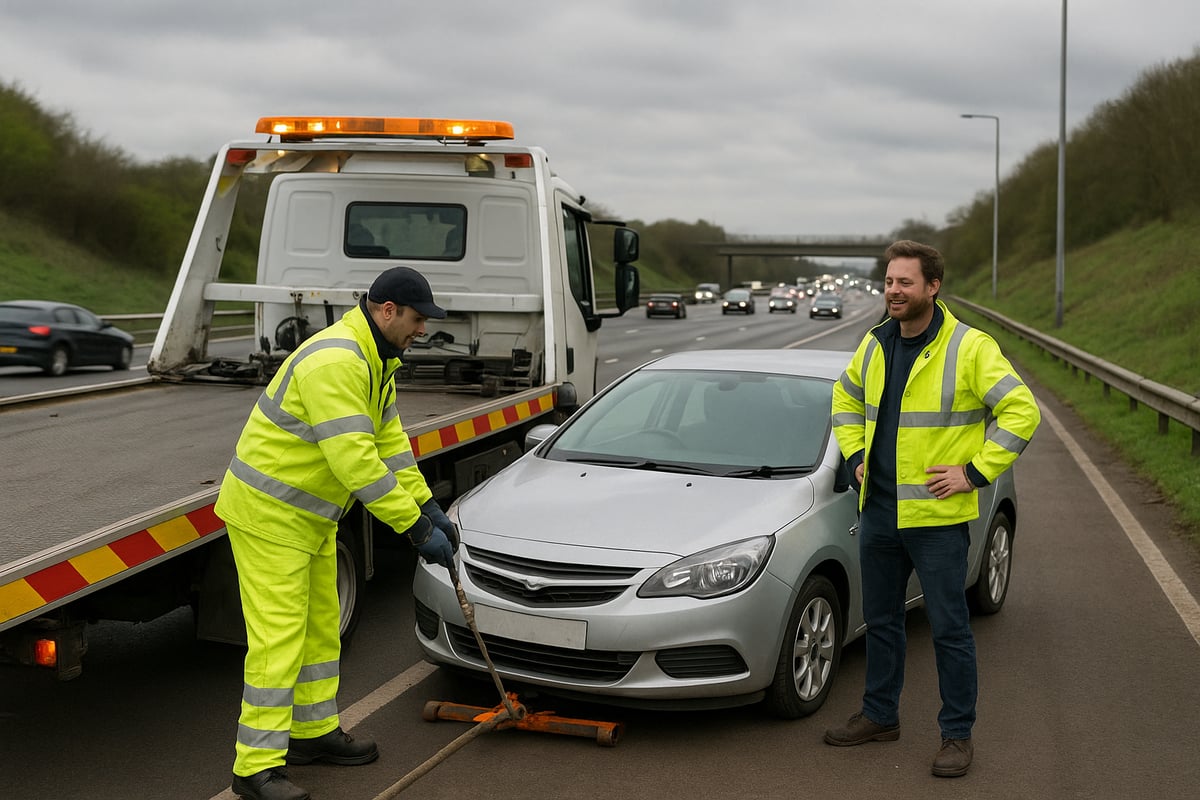
Most drivers will face a situation where they think, “i need a tow truck” at some point. Severe mechanical failures such as engine overheating or transmission problems can instantly immobilise your vehicle. In these cases, attempting to drive further risks greater damage and personal safety.
Accident damage is another clear reason for needing a tow. If your car is involved in a collision and is unsafe or unable to move, calling for a tow truck is the safest option. Consider the example of a breakdown on the M25 or after a crash in central London, where leaving a disabled vehicle in place can disrupt traffic and pose serious hazards.
Flat tyres are a frequent issue. If you lack a spare or cannot change the tyre yourself, a tow truck is often the only solution. Battery failures, especially with the rise of electric and hybrid vehicles, are becoming more common. Sometimes, a flat battery does not mean you must be towed; services like Battery Jump Start Stansted can get you moving again without a full recovery.
Running out of fuel, particularly in remote or unsafe locations, may also require professional help. Lockouts and lost keys, when you cannot access spares, leave you stranded and in need of towing. Each of these scenarios highlights why knowing when to call for help is so important.
Assessing If You Really Need a Tow
When you catch yourself thinking, “i need a tow truck,” pause to consider whether towing is truly necessary. Minor breakdowns, such as a flat tyre that you can change or a battery that simply needs a jump start, might be resolved at the roadside. However, major issues like engine failure or severe accident damage generally require professional towing to prevent further risk.
Safety is a critical factor. If your vehicle is on a busy road, in poor weather, or in an isolated area, prioritise your personal safety and call for a tow truck even if the issue appears minor. Legal requirements also come into play. If your car is obstructing traffic or poses a hazard, you are often required by law to arrange immediate removal.
Manufacturer and insurance guidelines can offer further clarity. Some insurers specify when you must use a professional recovery service, particularly if you want to claim expenses later. According to the RAC 2024 report, 78% of UK drivers request towing when they feel unsure about safety or the severity of the problem. Making an informed decision ensures you do not take unnecessary risks.
Alternatives to Towing
While the phrase “i need a tow truck” might come to mind quickly, there are times when alternative solutions are more suitable. Mobile mechanics can often carry out minor repairs on the spot, saving you the cost and hassle of a tow. Roadside assistance providers offer services such as battery jump starts or tyre changes, resolving many breakdowns without moving your car.
If your vehicle is in a safe location and the problem is not urgent, you might choose to leave it and use ride-hailing or public transport to continue your journey. The AA reported that in 2025, 40% of their callouts were resolved without needing to tow the vehicle, showing that not every breakdown ends with recovery.
Knowing your options can save time and money. Evaluate your situation carefully, and remember that immediate towing is not always the only answer.
Step-by-Step: What To Do When You Need a Tow Truck
Finding yourself stranded and thinking, “i need a tow truck,” can be overwhelming. However, by following a clear set of steps, you can ensure your safety and get your vehicle recovered efficiently. Here is a practical, up-to-date guide for handling the situation with confidence.
Step 1: Ensure Personal Safety
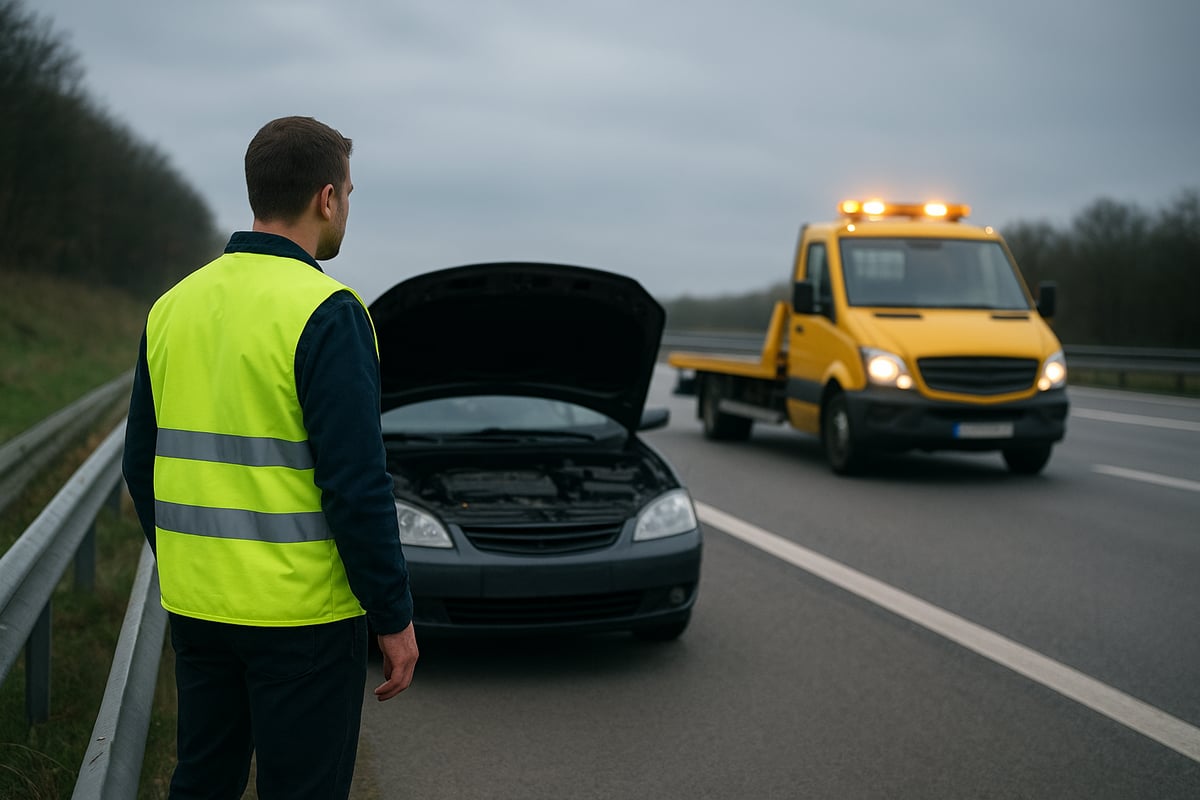
Your first priority when you realise “i need a tow truck” is personal safety. Move your vehicle to a safe location if it is drivable, such as the hard shoulder or a lay-by. Switch on your hazard lights immediately to alert other drivers.
Exit your vehicle from the side away from traffic, especially if you break down on a motorway. Always put on a high-visibility jacket before leaving the car, even during daylight hours. Stand behind a safety barrier, not beside your car, to minimise the risk of injury.
According to Highways England, 1 in 10 roadside injuries occur due to poor positioning when waiting for help. For comprehensive guidance on safe towing practices, consult the UK Towing Safety Alliance – Promoting towing safety, protecting lives.
If you have passengers, ensure they also follow these precautions. Never attempt repairs on the hard shoulder or busy roads. Prioritise your safety above all else when you first think, “i need a tow truck.”
Step 2: Gather Essential Information
Once you are safe, collect the key details you will need when you contact a tow service. Having this information ready speeds up the process and ensures the right assistance is dispatched.
Essential details include:
- Vehicle make, model, and registration
- Exact location (postcode, motorway marker, or nearby landmark)
- Nature of the problem (e.g., engine failure, collision)
- Insurance and breakdown cover details
If you are unsure of your precise location, use tools like What3Words or your smartphone map to pinpoint your position. This is especially useful if you are in a rural area or an unfamiliar part of a city.
Having all the relevant facts at hand means when you say, “i need a tow truck,” the operator can quickly assess your needs and send the appropriate help. This preparation also helps with insurance claims later.
Step 3: Contact a Tow Truck Service
Now that you have your information ready, it is time to find a reputable provider. When you decide, “i need a tow truck,” use your insurer’s helpline, trusted apps, or a quick online search to locate nearby services.
Ask the following when you call:
- Estimated time of arrival
- Full breakdown of costs (including any surcharges)
- Services included (such as onward travel or roadside repairs)
- Accepted payment methods
In London, for example, the average response time is 45 minutes, but this can vary by area and provider. Giving clear, concise information about your situation will help the tow company dispatch the right vehicle and avoid delays.
Remember to mention if you need specialist support, such as for electric vehicles or larger vans. If you say, “i need a tow truck for a van,” make sure the company can accommodate your vehicle type.
Step 4: Wait Safely for Assistance
While you wait for the tow truck, stay outside your vehicle in a safe location. Keep your phone, wallet, and any valuables with you at all times. Do not return to your car unless absolutely necessary.
Most modern tow services offer real-time arrival tracking, so monitor updates from the company. According to the AA, 92 percent of UK tow services now provide live tracking, giving you peace of mind and allowing you to prepare for the vehicle’s arrival.
If conditions change, such as worsening weather or increased traffic, update the tow provider. Being proactive ensures a smoother recovery when you have already made the call, “i need a tow truck.”
Step 5: Handover and Next Steps
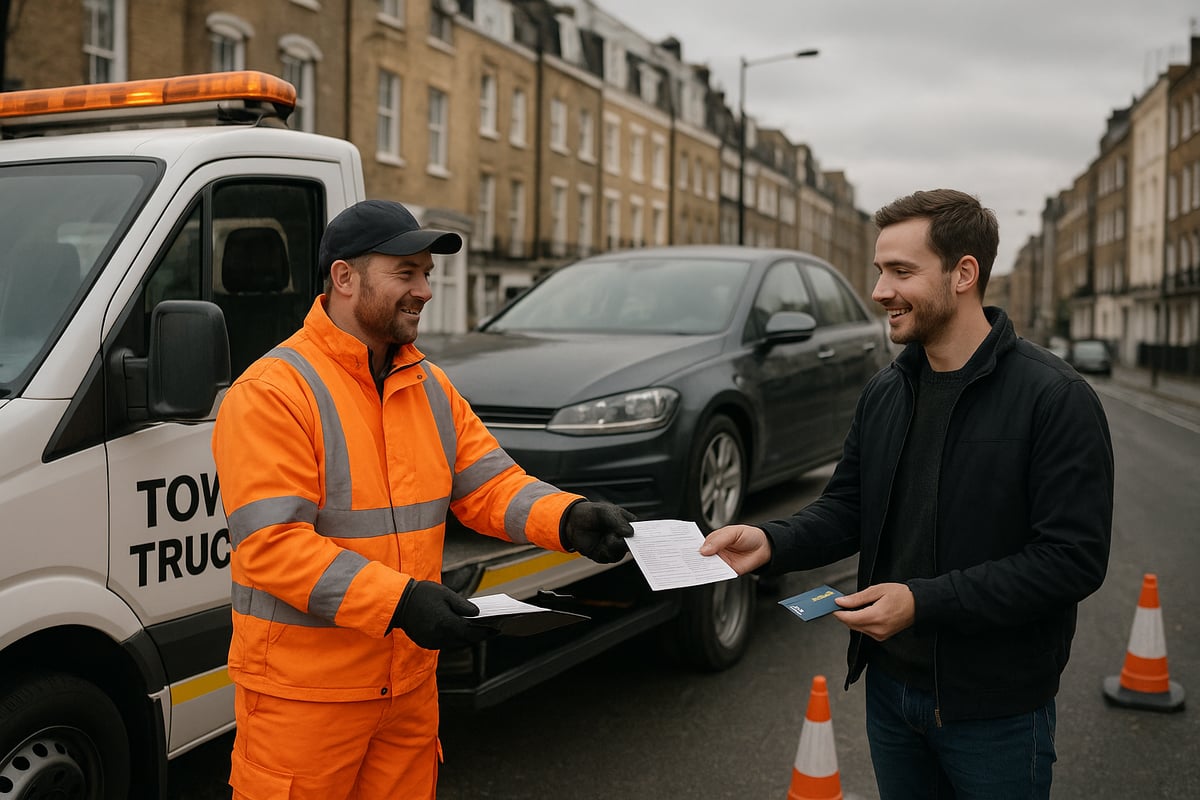
When the tow truck arrives, confirm the driver’s identity and company credentials before allowing them access to your vehicle. Supervise the loading process if it is safe to do so, and take photos of your car’s condition for your records.
Discuss where your vehicle will be taken, whether to your home, a trusted garage, or a secure storage facility. Collect receipts and all documentation provided by the tow operator, as these will be essential for any insurance claims.
Most insurers require proof of recovery, so make sure you keep all paperwork safe. By following these steps each time you think, “i need a tow truck,” you ensure a safe, transparent, and efficient experience from breakdown to recovery.
Choosing the Right Tow Truck Service in 2026
Selecting the right provider is crucial when you think, “i need a tow truck.” With an ever-expanding range of options and technology-driven services, making an informed choice in 2026 can save time, money, and stress. This section guides you through evaluating providers, understanding service types, cost transparency, and highlights a trusted London-based solution.

Evaluating Service Providers
When you realise “i need a tow truck,” the first decision is choosing between local and national operators. Local companies often offer faster response times in urban areas, while national brands may provide broader coverage and additional services.
Check each provider’s credentials. Ensure they are fully licensed and insured. Online reviews from other drivers can offer insight into reliability and professionalism. Look for transparent, up-to-date information on their website or app.
Availability is another key factor. Many breakdowns occur outside standard hours, so 24/7 service is invaluable. In London, some companies now promise sub 60-minute response times, which is a considerable advantage when time is critical.
Compare the coverage area for each provider. Some may only serve city centres, while others cover remote or suburban locations. Always confirm their service area before booking.
Understanding Service Types
Not every tow truck is suitable for every situation. If you think “i need a tow truck” for a specific vehicle, ask about the available recovery options. The main types are:
- Flatbed tow trucks: Best for high-value, electric, or severely damaged vehicles.
- Wheel-lift tow trucks: Suitable for short distances or light vehicles.
- Heavy-duty tow trucks: Essential for large vans, minibuses, or commercial vehicles.
Specialised services are increasingly important. In 2025, 35% of breakdowns involved hybrid or electric cars, so ensure the provider has the right equipment and expertise. If your issue involves a van, consider dedicated 24/7 Van Recovery London services, which offer tailored solutions for larger vehicles.
Some companies also offer motorcycle recovery, roadside assistance for battery or tyre issues, and lockout help. Always clarify what is included when you indicate “i need a tow truck” for your specific needs.
Cost Factors and Transparency
Understanding what you will pay is essential. When you call and say “i need a tow truck,” ask for a breakdown of fees. Typical pricing structures include:
- Call-out charges
- Per-mile rates
- Surcharges for after-hours or congestion zones
Watch out for hidden fees. Some operators add extra costs for larger vehicles or specialist equipment. Always request a written quote and keep all receipts. In London, the average tow cost in 2026 ranges from £110 to £180, depending on distance and vehicle type.
Transparency is a sign of a reputable provider. Avoid companies reluctant to provide itemised invoices or who insist on cash-only payments. When “i need a tow truck” is your urgent need, clear pricing helps prevent disputes later.
Motors Recovery: Fast, Reliable Towing in Greater London
Motors Recovery stands out for drivers who say “i need a tow truck” in London or the Home Counties. They offer 24-hour breakdown and towing for cars, vans, and motorcycles, with no membership required.
Their fleet is modern and equipped for everything from jump starts to police pound recovery. Most jobs are attended within 60 minutes, and all costs are explained upfront with no hidden fees.
Technicians are experienced, insured, and trained to handle traditional and electric vehicles. Motors Recovery’s transparent, pay-as-you-go pricing and rapid response make them a top choice when “i need a tow truck” quickly and safely.
What to Expect: Costs, Insurance, and Payment Options
If you are thinking “i need a tow truck,” understanding what comes next can help you avoid surprises. The costs, insurance cover, and payment options may seem daunting, but with the right knowledge, you can navigate the process smoothly and confidently.
Breakdown of Typical Towing Costs
When you say “i need a tow truck,” the first question is often about cost. Towing charges in 2026 vary depending on distance, vehicle type, and the time of day. For a standard car, expect to pay between £110 and £180 for a 10-mile tow in London. Larger vehicles, such as Luton vans, or callouts after hours, will push the price higher due to extra equipment or staffing.
Here is a quick comparison of typical fees:
| Service Type |
Standard Car |
Luton Van |
After Hours Surcharge |
| 10-mile Tow (London) |
£110–£180 |
£150–£220 |
£30–£50 |
| Specialist Equipment |
+£20–£40 |
+£30–£60 |
N/A |
Extra costs may apply for specialist recovery, congestion charges, or if your breakdown occurs in a difficult-to-access area. According to a Which? 2025 survey, the average UK tow price in 2026 is £125.
If you find yourself repeatedly thinking “i need a tow truck,” it is wise to budget for both standard and unexpected fees. Always ask for a detailed quote before agreeing to any service.
Insurance and Breakdown Cover
When “i need a tow truck” crosses your mind, check your insurance and breakdown cover first. Comprehensive motor policies often include towing after an accident, but not always for mechanical breakdowns. Breakdown cover, whether standalone or as an add-on, will typically cover the cost of recovery to a garage or your home.
Insurers usually require you to use their approved recovery partners. Failing to do so may mean you have to pay upfront and claim later, with strict documentation required. Always keep receipts and take photographs of the recovery process, as these are often necessary for a successful claim.
If your vehicle is impounded, for example after an incident or police instruction, you may need to arrange Police Pound Vehicle Recovery and supply extra paperwork to your insurer. Each scenario is different, but knowing your policy terms helps you avoid costly mistakes.
In 2026, most UK insurers process claims digitally, so you can upload documents and track progress online. This means when “i need a tow truck” situations arise, your recovery and claims process can be much smoother if you are prepared.
Payment Methods and Transparency
Payment options have evolved, making it easier than ever when you declare “i need a tow truck.” Nearly all UK tow companies now accept card, contactless, and app payments. According to the AA, 87% of providers accept cards in 2026, reducing the risk of disputes and offering greater security.
Always insist on an upfront, itemised quote. Avoid operators who only accept cash or refuse written estimates. Transparent pricing protects you from hidden fees, such as after-hours surcharges or congestion zone costs.
When you say “i need a tow truck,” remember to ask for a full invoice. This not only helps with insurance claims but also ensures you have a clear record of the service provided. If anything seems unclear, do not hesitate to request clarification or contact your insurer before paying.
Safety and Legal Considerations When Getting Towed
When you say “i need a tow truck,” safety is your top priority. The moments after a breakdown or accident can be disorienting, but knowing the right precautions helps protect you, your passengers, and your vehicle. Equally important are your legal rights and responsibilities during the towing process. This section covers essential safety measures and the legal framework every driver should understand before and during towing.
Staying Safe During Towing
Personal safety remains crucial from the moment you realise “i need a tow truck” until your vehicle is safely recovered. Always move your car to a secure location if possible, such as the hard shoulder or a layby. Activate your hazard lights to alert oncoming traffic. In busy or dangerous environments, exit the vehicle from the side furthest from traffic and stand behind a safety barrier if available.
Wearing high-visibility clothing significantly reduces the risk of being overlooked by motorists. Statistics show that 1 in 10 roadside injuries occur due to poor positioning or lack of visibility. Keep valuables and important documents with you while you wait for the tow truck to arrive.
When the tow truck arrives, check that the operator is following standard safety protocols. This includes properly loading and securing your vehicle. If you have concerns about damage, take clear photographs of your car before it is moved. Improper towing can lead to further complications, especially with newer vehicle types. According to RAC ‘pothole breakdowns’ double in first three months of 2025, damage from poor road conditions and incorrect handling is on the rise, making vigilance essential.
If you are unsure whether you can ride in the tow truck, ask the operator directly. Some situations require arranging alternative transport, particularly if there are multiple passengers or pets. Remember, being cautious and proactive when saying “i need a tow truck” can prevent unnecessary risks and expenses.
Legal Requirements and Your Rights
Understanding your legal rights is just as important as safety when stating “i need a tow truck.” UK law requires all towing operators to be properly licensed and insured. From 2025, new DVSA regulations make it mandatory for tow companies to display identification and transparent pricing on their vehicles.
You have the right to fair service and transparent costs. Always request a written quote before agreeing to a tow, and ensure the operator provides an itemised invoice. If your vehicle is being removed from a restricted area or after an accident, operators must explain your obligations and the process for reclaiming your car.
If your vehicle is impounded or blocking the highway, you must comply with police or council instructions. Failure to do so can result in additional penalties. The recent Vehicle licensing statistics, United Kingdom: April to June 2025 highlight the growing number of vehicles on the road, making clear legal processes more critical than ever.
Should disputes arise, you are entitled to file complaints with the relevant regulatory body. Document everything—photographs, receipts, communications—to support your case. Knowing your rights and the rules ensures that when you say “i need a tow truck,” you receive professional, lawful, and fair treatment throughout the recovery process.
The Future of Towing: Technology and Trends for 2026
The towing industry is undergoing profound transformation as we move into 2026. If you find yourself thinking “i need a tow truck,” expect a smarter, safer, and more connected experience than ever before.
Innovations in Towing Services
Recent years have seen rapid adoption of technology in the towing sector. App-based booking is now standard, allowing drivers to request help in seconds. Real-time tracking means you can see exactly when assistance is arriving, reducing uncertainty and stress when i need a tow truck.
Artificial intelligence is streamlining dispatch, matching the right tow truck to your specific needs with impressive speed. This can cut response times, especially in urban areas. Many companies are also investing in eco-friendly fleets, including hybrid and fully electric tow trucks. In fact, several major UK cities have launched electric-only recovery fleets, marking a sustainable shift for the industry.
For those who drive electric or hybrid cars, specialist recovery vehicles equipped with portable chargers or flatbed options are becoming common. This ensures you are never left stranded, even as vehicle technology evolves. These advances mean that when i need a tow truck, you can expect a service that is not only quick but also tailored to your vehicle type.
Customer Experience Upgrades
Digital transformation is also revolutionising the customer journey. Paperwork is now largely digital, with instant invoicing and seamless integration with insurance and breakdown apps. This reduces wait times and makes it easier to process claims if i need a tow truck for an emergency.
Communication has improved significantly. Most operators use SMS, WhatsApp, or push notifications to keep you updated throughout the recovery process. According to industry data, 70% of UK motorists now prefer digital updates rather than traditional phone calls, making the experience more user-friendly.
Enhanced transparency is another benefit. With digital receipts and itemised invoices, you can review charges in real time. This clarity fosters trust and helps avoid disputes, ensuring that if i need a tow truck, the process is as smooth as possible.
Trends to Watch
Several key trends are shaping the future of roadside recovery. The demand for electric and hybrid vehicle recovery is rising rapidly, reflecting the shift in UK motoring habits. According to provisional road traffic estimates, vehicle miles travelled continue to increase, which is likely to drive more breakdowns and service calls.
Pay-as-you-go recovery models are gaining popularity, offering flexibility for drivers who do not want annual memberships. Regulatory changes are also on the horizon, with stricter consumer protections and government pilot schemes standardising roadside pricing to ensure fairness.
As technology and customer expectations evolve, the phrase “i need a tow truck” will increasingly mean instant, transparent, and eco-conscious support, no matter where you are or what vehicle you drive.

