Every driver experiences that sinking feeling when something doesn’t sound, feel, or look right with their vehicle. Whether you’re navigating London’s congested streets or motorways across the Home Counties, recognising the warning signs that my car is breaking down can mean the difference between a minor inconvenience and a major roadside emergency. Understanding these symptoms, knowing what causes mechanical failures, and having a plan of action ensures you’re prepared when your vehicle starts showing signs of distress.
Understanding the Warning Signs Your Vehicle is Failing
Modern vehicles communicate problems through various warning systems, but many drivers overlook or misinterpret these crucial signals until it’s too late.
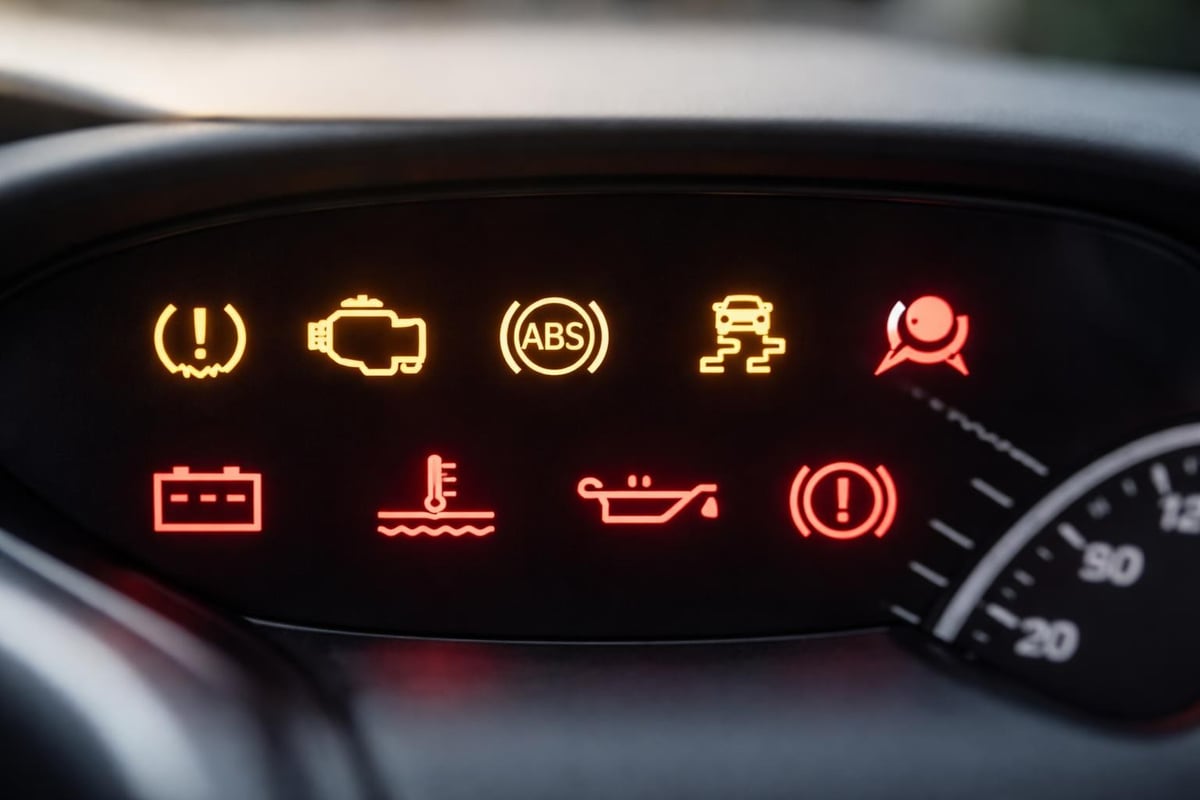
Dashboard Warning Lights You Cannot Ignore
Your dashboard serves as the primary communication hub between your vehicle and you. When warning lights illuminate, they’re indicating specific system failures that require immediate attention.
Critical warning lights include:
- Engine management light indicating sensor failures or emissions problems
- Oil pressure warning suggesting inadequate lubrication
- Coolant temperature warning showing overheating risks
- Battery charge warning pointing to electrical system failures
- Brake system warning highlighting potential brake fluid or ABS issues
The temptation to ignore these warnings is common, particularly when your car appears to drive normally. However, continuing to operate a vehicle with active warning lights significantly increases the likelihood that my car is breaking down will become your immediate reality rather than a potential concern.
Unusual Noises That Signal Mechanical Problems
Your vehicle’s normal operating sounds become familiar over time, making unusual noises particularly noticeable. These auditory warnings often precede complete mechanical failure.
Grinding sounds when braking indicate worn brake pads that have deteriorated to the point where metal contacts metal. Squealing from under the bonnet suggests failing serpentine belts that power essential systems. Knocking from the engine compartment points to serious internal damage, whilst clunking during gear changes reveals transmission problems.
Listening for strange noises and addressing them promptly prevents minor issues from escalating into complete breakdowns that leave you stranded.
Common Causes of Vehicle Breakdowns
Understanding why vehicles fail helps drivers implement preventative strategies and recognise early warning signs before complete failure occurs.
Battery and Electrical System Failures
Battery-related issues represent the leading cause of roadside breakdowns across the UK. Cold weather, short journeys that don’t allow proper recharging, and age all contribute to battery deterioration.
| Battery Age |
Failure Risk |
Recommended Action |
| 0-3 years |
Low |
Annual testing |
| 3-4 years |
Moderate |
Six-monthly testing |
| 4-5 years |
High |
Replacement consideration |
| 5+ years |
Very High |
Immediate replacement |
Electrical system problems extend beyond the battery itself. Failing alternators that cannot recharge the battery properly, corroded terminals that prevent proper electrical flow, and parasitic drains from electrical accessories all contribute to the moment when my car is breaking down becomes an urgent situation.
Tyre-Related Incidents
Tyre failures create dangerous situations, particularly at motorway speeds. Punctures, blowouts, and excessive wear account for a substantial percentage of breakdown calls throughout Greater London and surrounding areas.
Regular pressure checks prevent under-inflation, which causes excessive wear and overheating. Tread depth monitoring ensures adequate grip, particularly in wet conditions common throughout British weather patterns. Inspecting sidewalls for bulges, cracks, or foreign objects prevents catastrophic failures.
The legal minimum tread depth stands at 1.6mm across the central three-quarters of the tyre, but recommended safety checks suggest replacing tyres before reaching this minimum to maintain optimal safety margins.
Engine and Cooling System Problems
Engine-related failures often provide advance warning through performance changes, unusual sounds, or visible symptoms like smoke or leaks.
Overheating Engines
Coolant system failures cause engines to overheat, potentially causing catastrophic damage if not addressed immediately. Low coolant levels, failing thermostats, damaged radiators, and broken cooling fans all contribute to overheating situations.
Warning signs include:
- Rising temperature gauge
- Steam from under the bonnet
- Sweet smell indicating coolant leaks
- Loss of engine power
- Unusual engine noises
When you notice your engine temperature climbing, stopping immediately prevents damage. Continuing to drive an overheating engine transforms a repairable problem into an expensive engine replacement scenario where my car is breaking down becomes my car has broken down completely.
Oil System Failures
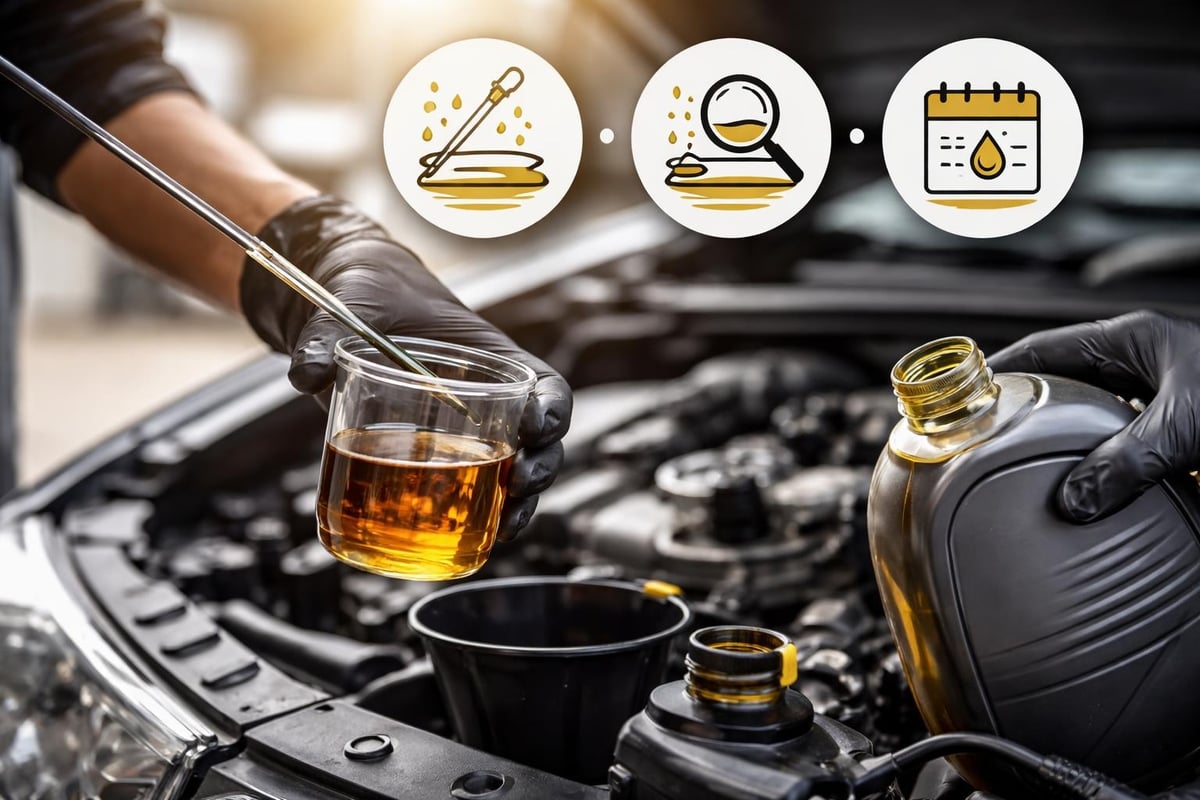
Engine oil lubricates moving parts, prevents excessive wear, and helps regulate temperature. Insufficient oil levels or degraded oil quality causes rapid engine damage.
Regular oil changes according to manufacturer specifications maintain engine health. Checking oil levels monthly identifies consumption problems or leaks before they cause serious damage. Essential car maintenance tips emphasise that this simple check takes minutes but prevents hours of roadside delays.
Fuel System and Ignition Issues
Fuel delivery problems and ignition system failures prevent engines from running properly or starting at all, creating frustrating breakdown scenarios.
Running Out of Fuel
Despite seeming obvious, fuel exhaustion remains a common breakdown cause. Misjudging remaining range, faulty fuel gauges, and complacency all contribute to empty tanks on busy roads.
Modern fuel injection systems suffer damage when run completely dry, as pumps rely on fuel for cooling and lubrication. Refuelling immediately when the low fuel warning activates prevents this situation and the embarrassment of explaining that my car is breaking down simply because I ignored the fuel gauge.
Ignition System Failures
Spark plugs, ignition coils, and related components deteriorate over time, causing misfires, poor starting, and complete failure. These issues manifest as:
- Difficulty starting, particularly in cold weather
- Rough idling or engine hesitation
- Reduced fuel economy
- Loss of power during acceleration
- Engine stalling at low speeds
Replacing spark plugs at recommended intervals and addressing misfires promptly maintains reliability and prevents being stranded due to ignition failure.
Transmission and Clutch Problems
Transmission issues develop gradually, providing warnings through changed behaviour before complete failure occurs.
Manual Transmission Warning Signs
Clutches wear progressively, with symptoms becoming more pronounced as failure approaches. Slipping when accelerating, difficulty engaging gears, unusual pedal feel, and burning smells all indicate clutch deterioration.
Addressing these symptoms early prevents the situation where my car is breaking down in heavy traffic because the clutch has failed completely. Clutch replacement represents a scheduled maintenance item that, whilst expensive, prevents inconvenient breakdowns.
Automatic Transmission Issues
Automatic gearboxes display problems through delayed gear engagement, harsh shifting, slipping between gears, or refusing to shift properly. Transmission fluid levels and condition critically affect performance.
| Symptom |
Likely Cause |
Urgency |
| Delayed engagement |
Low fluid level |
High |
| Harsh shifting |
Worn components |
Moderate |
| Slipping gears |
Clutch pack failure |
High |
| Burning smell |
Overheating fluid |
Critical |
| No movement |
Complete failure |
Critical |
What To Do When You Realise Your Car is Failing
Recognising the signs is only useful if you respond appropriately. The actions you take when you first realise my car is breaking down determine whether you reach safety or become stranded in a dangerous location.
Immediate Safety Actions
When warning lights illuminate or unusual symptoms appear whilst driving, prioritise safety above all concerns. Reduce speed gradually if possible, signal your intentions clearly to other road users, and move towards the hard shoulder or safe stopping point.
On motorways, reaching the next service area or emergency refuge area is preferable to stopping on the hard shoulder. If stopping on the hard shoulder proves unavoidable, position your vehicle as far left as possible, activate hazard warning lights, and exit through the passenger side away from traffic.
Assessing the Situation
Once safely stopped, evaluate the problem’s severity. Some issues allow careful continuation to a garage, whilst others require immediate recovery.
Safe to continue (carefully) to a garage:
- Minor warning lights without performance loss
- Small coolant or oil leaks without overheating
- Unusual noises without immediate danger
- Tyre damage at low speeds to reach safety
Requires immediate recovery:
- Overheating engine with steam
- Complete loss of power or braking
- Severe tyre damage or blowout
- Major fluid leaks creating puddles
- Grinding or metal-on-metal sounds
Attempting to drive a seriously damaged vehicle often transforms a repairable problem into catastrophic failure, turning my car is breaking down into my car is destroyed.

Preventative Maintenance Strategies
Whilst some breakdowns occur unexpectedly, many result from neglected maintenance or ignored warning signs that drivers could have addressed proactively.
Regular Service Schedule Adherence
Following manufacturer-recommended service intervals maintains vehicle reliability and often highlights developing problems before they cause breakdowns. Avoiding common breakdown issues requires commitment to scheduled maintenance rather than reactive repairs after failure.
Services include oil and filter changes, brake inspections, coolant system checks, timing belt replacement at specified intervals, and comprehensive multi-point inspections that identify wear before failure occurs.
Weekly and Monthly Checks
Between professional services, simple checks help drivers maintain awareness of their vehicle’s condition:
- Weekly: Tyre pressures, visible fluid leaks, all lights functioning
- Fortnightly: Windscreen washer fluid, obvious wear or damage
- Monthly: Engine oil level, coolant level, tyre tread depth, battery terminals
These checks take minimal time but significantly reduce the probability that my car is breaking down becomes your unexpected reality during an important journey.
Driving Habits That Reduce Wear
How you drive affects component longevity and breakdown frequency. Smooth acceleration and braking reduce stress on drivetrains, avoiding potholes prevents suspension damage, and allowing engines to warm properly before demanding performance extends engine life.
Short journeys prevent batteries from fully recharging and don’t allow engines to reach optimal operating temperature, increasing wear. Implementing practical prevention strategies addresses these habits alongside mechanical maintenance.
Age-Related Deterioration
Older vehicles require additional attention as components approach or exceed their design lifespan.
High-Mileage Vehicle Considerations
Once vehicles exceed 100,000 miles, certain components become more likely to fail. Timing belts, water pumps, suspension components, and steering linkages all have finite lifespans regardless of maintenance quality.
Proactive replacement based on age or mileage rather than waiting for failure prevents inconvenient breakdowns. The cost of planned replacement is typically less than emergency repairs plus recovery charges after roadside failure.
Environmental Factors
London’s stop-start traffic creates different wear patterns compared to motorway driving. Frequent clutch use, constant braking and acceleration, and extended idling all accelerate component deterioration.
Vehicles exposed to coastal environments experience accelerated corrosion, affecting exhaust systems, brake components, and bodywork. Understanding these factors helps drivers anticipate problems specific to their usage patterns and environment.
Emergency Breakdown Kit Essentials
Being prepared transforms a breakdown from a crisis into a manageable inconvenience, particularly whilst waiting for professional recovery assistance.
Essential items include:
- High-visibility vest (legally required in some circumstances)
- Warning triangle for placement behind broken-down vehicles
- Torch with fresh batteries for night-time breakdowns
- Blanket for warmth during extended waits
- Mobile phone charger to maintain communication
- Basic tools for minor repairs
- First aid kit for any injuries
- Bottled water and non-perishable snacks
These items prove invaluable when my car is breaking down leaves you waiting roadside, particularly in adverse weather or remote locations across the Home Counties.
Understanding Recovery Options
When breakdowns occur despite preventative efforts, knowing your recovery options and having arrangements in place minimises disruption and stress.
Coverage Types and Limitations
Various recovery service levels exist, from basic roadside assistance to comprehensive nationwide coverage including home start, onward travel, and Vehicle breakdown assistance.
Understanding your coverage before problems occur prevents unpleasant surprises when my car is breaking down and you discover your policy doesn’t cover your current location or vehicle type.
| Coverage Level |
Included Services |
Typical Cost Annual |
| Roadside Only |
Repairs at breakdown location |
£30-£50 |
| Roadside + Recovery |
Local garage transport |
£60-£90 |
| National Recovery |
Transport to home/destination |
£90-£150 |
| Comprehensive |
All above + home start + relay |
£120-£200 |
Local Recovery Services
Specialist recovery operators provide rapid response without requiring annual memberships, proving valuable for drivers without existing coverage or those whose policies don’t cover specific circumstances like police pound recovery.
Professional services in Greater London and the Home Counties offer 24-hour availability, ensuring assistance regardless of breakdown timing. Modern recovery vehicles accommodate cars, vans, and motorcycles, handling diverse breakdown scenarios.
Seasonal Breakdown Considerations
Different seasons present unique challenges that affect breakdown frequency and type.
Winter Weather Challenges
Cold weather stresses batteries, thickens fluids, and affects tyre pressures. Freezing temperatures cause batteries to lose capacity whilst simultaneously requiring more power for starting, explaining why winter sees peak battery-related breakdowns.
Ensuring antifreeze concentration meets specifications, checking battery condition before winter arrives, and maintaining proper tyre pressures despite temperature-related pressure drops all reduce winter breakdown risk.
Summer Heat Issues
High temperatures strain cooling systems, accelerate battery fluid evaporation, and increase tyre pressure. Overheating becomes more common during summer months, particularly in vehicles with marginal cooling system performance.
Comprehensive maintenance approaches address seasonal variations, ensuring vehicles remain prepared for temperature extremes throughout the year.
When Breakdown Recovery Becomes Necessary
Despite best efforts, situations arise where professional car recovery provides the only safe solution when my car is breaking down cannot be resolved through roadside repairs.
Recognising Unrepairable Situations
Certain failures cannot be addressed at the roadside, requiring specialised facilities and equipment. Major engine or transmission failures, severe accident damage, electrical problems requiring diagnostic equipment, and situations where parts aren’t readily available all necessitate recovery to appropriate facilities.
Attempting amateur repairs in dangerous locations or without proper tools often worsens problems and creates safety risks for you and other road users.
Choosing Appropriate Recovery Destinations
Recovery doesn’t always mean towing home. Reputable operators transport vehicles to trusted garages for repairs, home addresses, or alternative locations based on your requirements and situation.
Police pound recovery represents a specialised service for vehicles impounded following traffic violations or accidents, requiring specific authorisation and documentation that experienced recovery operators handle routinely.
Understanding the warning signs and causes of vehicle failures empowers drivers to take preventative action and respond appropriately when problems develop. Regular maintenance, attentive driving, and prompt attention to unusual symptoms keep vehicles reliable and reduce breakdown frequency. When prevention fails and your car does break down, having access to professional recovery services provides peace of mind and practical assistance. Whether you need roadside repairs, vehicle recovery, or specialist services like police pound collection across Greater London and the Home Counties, Motors Recovery offers 24-hour assistance with experienced technicians and modern recovery vehicles ready to respond whenever you need help getting back on the road safely.

