Reliable recover cover breakdown solutions are more essential than ever as we move into 2026. With vehicles becoming more complex, and electric and hybrid technology on the rise, the risk of unexpected faults increases. Did you know that trusted providers like RAC and Green Flag now respond to most breakdowns within 60 minutes?
This guide delivers everything you need to know about recover cover breakdown options, types and levels of cover, key features, and the latest trends. Whether you seek peace of mind or want to make an informed decision, this comprehensive resource helps you stay prepared on the road.
Understanding Recovery Cover: What It Is and Why It Matters
A recover cover breakdown policy is now more vital than ever for UK motorists. With cars becoming smarter and journeys longer, drivers need more than just a roadside fix. Recovery cover steps in to offer peace of mind, ensuring help is available wherever and whenever you need it.
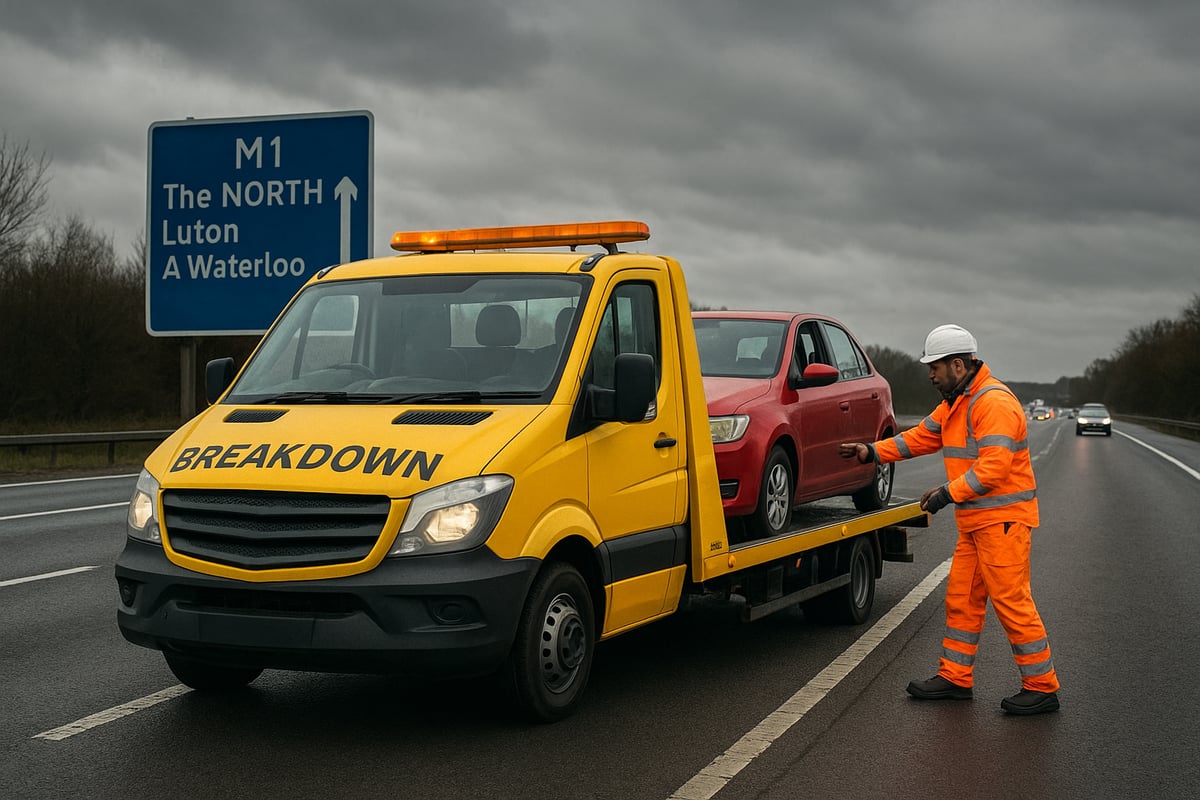
Recovery cover breakdown means your vehicle, and sometimes you as the driver or passenger, are protected if your car fails. Unlike basic roadside assistance, which may only provide a quick repair attempt at the scene, recovery cover ensures your vehicle can be transported to a garage, your home, or even your final destination if it cannot be fixed immediately.
The difference between basic breakdown and full recovery is significant. Roadside assistance typically provides a mechanic to try and fix the problem on the spot. If this fails, basic cover might only offer a short tow to the nearest garage. In contrast, recover cover breakdown ensures your vehicle, and everyone with you, can be transported to any UK destination of your choice.
| Service Type |
What It Includes |
Limitations |
| Roadside Assistance |
On-the-spot repair attempt |
Short tow (usually 10 miles) |
| Full Recovery Cover |
Roadside repair, nationwide recovery |
To any UK location, more comprehensive |
In 2026, recover cover breakdown is essential due to the rising complexity of modern vehicles. With the growth of electric and hybrid cars, more systems can fail, and not every roadside mechanic is equipped to handle these new technologies. Additionally, the average age of cars on the road is increasing, which has led to a noticeable spike in breakdowns. According to a recent report, ageing cars fuel a rise in breakdowns, making comprehensive recovery cover a smart investment.
Common breakdown scenarios highlight the need for reliable recover cover breakdown:
- Flat batteries, especially in winter or after periods of inactivity.
- Mechanical failures, from engine trouble to transmission faults.
- Accidents that leave the car undriveable.
- Immobilisation due to lost keys or electrical faults.
RAC statistics show that 4 out of 5 breakdowns are fixed on the spot, while Green Flag averages a response time of under one hour. However, not every issue can be resolved at the roadside, making full recovery cover a necessity.
Imagine being stranded on a smart motorway, where breakdown rates are higher than on traditional roads. Or picture a family left waiting on a rural lane, far from the nearest garage. At-home breakdowns are also increasingly common as vehicles age and batteries weaken.
Without recover cover breakdown, the financial impact can be severe. Towing costs, emergency repairs, and even hotel accommodation quickly add up. In some cases, being stranded without cover can also have legal implications, especially if your vehicle poses a hazard or you are unable to arrange recovery promptly.
Safety is paramount. With proper recover cover breakdown, you protect not just your vehicle, but also the well-being of everyone travelling with you. Whether on a busy motorway or a quiet country road, comprehensive cover ensures you are never left without support.
Types and Levels of Breakdown and Recovery Cover
Choosing the right recover cover breakdown policy in 2026 requires a clear understanding of the types and levels available. With vehicles becoming more advanced and journeys more varied, the market now offers tailored options for every kind of driver. Let us break down the main categories and features to help you make an informed decision and secure the protection you need.
Vehicle, Personal, and Family Cover Explained
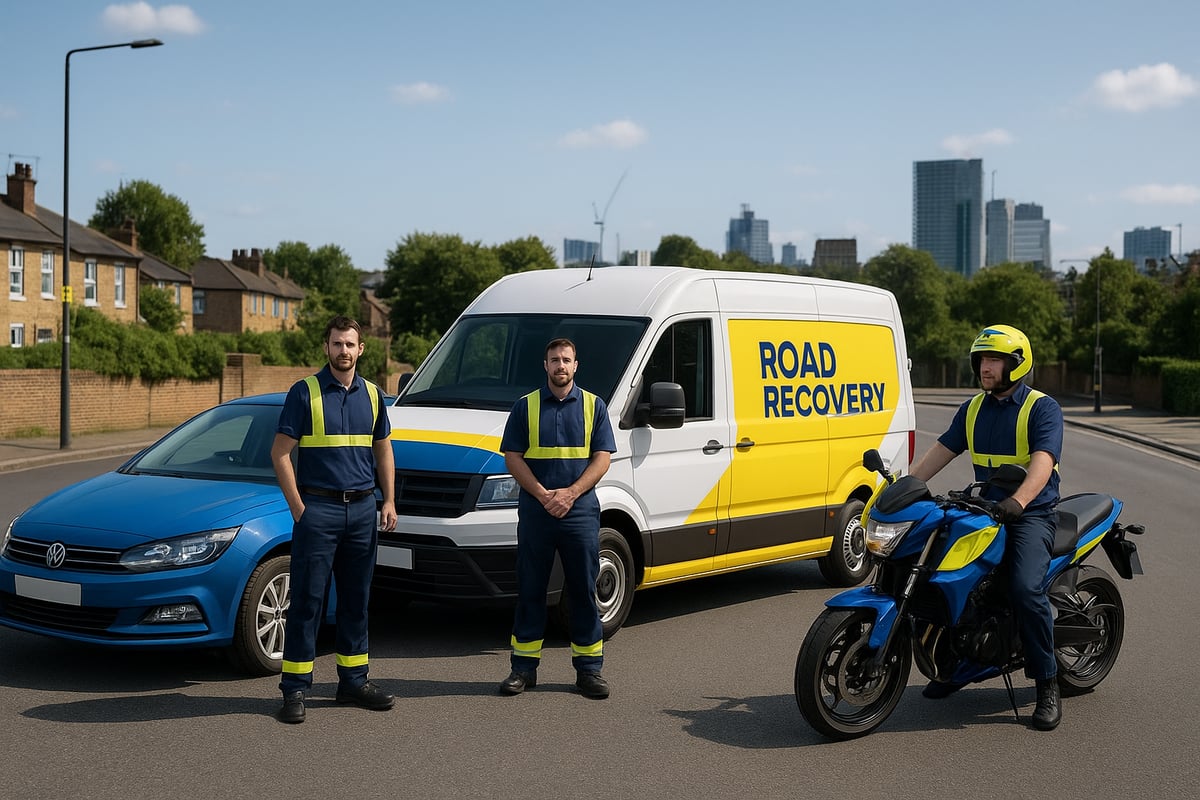
There are three primary types of recover cover breakdown policies: vehicle cover, personal cover, and family or multi-car cover. Each type is designed to fit different lifestyles and motoring needs.
Vehicle cover protects a specific car, van, or motorcycle, regardless of who is driving it at the time of breakdown. This is ideal for households with one main vehicle used by multiple people.
Personal cover, on the other hand, follows the individual. Whether you are driving your own car or travelling as a passenger in someone else’s vehicle, you are covered. This is a flexible option for those who frequently drive or ride in various vehicles.
Family or multi-car cover is suited for households with more than one driver or vehicle. Policies like Green Flag’s family cover can protect up to five people or several vehicles under one plan. RAC also offers similar options, making it easier for families to manage their recover cover breakdown protection efficiently.
Consider the pros and cons for your situation. Multi-car cover simplifies administration but may cost more if you have only one vehicle. Personal cover is perfect for regular car sharers. Vehicle cover is straightforward for single-car households.
Core Features Across Cover Levels
No matter which recover cover breakdown policy you choose, certain core features are standard across most providers, but the level of support can vary.
Roadside assistance is the foundation. This means help if your vehicle breaks down away from home, typically including minor repairs or a tow to a nearby garage.
National recovery takes things further, offering transport for you and your vehicle to any UK destination if roadside repair is not possible. This is essential for long-distance travellers or those who drive in remote areas.
At-home cover addresses breakdowns that happen at or near your home. For many, this is crucial, as a significant proportion of faults occur overnight or before setting off.
Onward travel is another valuable feature. Should your journey be interrupted, some providers offer a hire car, alternative transport, or even overnight accommodation. For example, Green Flag includes comprehensive onward travel solutions in its higher-tier policies.
Finally, pay attention to callout limits. RAC typically offers up to five callouts per year, while Green Flag may provide unlimited callouts, subject to fair usage. Review the details to ensure your recover cover breakdown policy matches your driving habits.
Specialist and Add-On Options
Modern recover cover breakdown services cater to a wide range of vehicles and scenarios through specialist and add-on options. These are especially important as motoring needs diversify.
European cover is vital if you travel abroad, but be mindful of restrictions such as car age limits. Providers may offer standalone European policies or as an add-on to UK cover.
Support for electric and hybrid vehicles has expanded rapidly. Providers like RAC now offer EV Boost vans, capable of giving a stranded electric vehicle a quick charge at the roadside. This is essential as the number of EVs on UK roads increases.
Niche recover cover breakdown options are available for caravans, trailers, motorcycles, and business or fleet vehicles. Services like Motorcycle breakdown recovery London demonstrate how tailored solutions can address specific needs for motorcyclists in urban areas.
Additional services include message notification to family, next-day vehicle collection, and rail fare reimbursement. When choosing a policy, consider whether these extras could be valuable in your circumstances.
Comparing Major Providers and Their Offers
When evaluating recover cover breakdown providers, it helps to compare both features and customer satisfaction. The RAC, Green Flag, and AA are the main players in the UK, each with distinctive policy structures.
Let’s look at a summary table:
| Provider |
Roadside |
National Recovery |
At-Home Cover |
Onward Travel |
Callouts |
Trustpilot Rating |
| RAC |
Yes |
Yes |
Optional |
Yes |
5/year |
4.5/5 (180k+) |
| Green Flag |
Yes |
Yes |
Optional |
Yes |
Unlimited* |
4.6/5 (48k+) |
| AA |
Yes |
Yes |
Optional |
Yes |
Unlimited |
4.3/5 (30k+) |
*Green Flag unlimited callouts subject to fair usage.
Pricing is competitive, with Green Flag frequently offering “half your renewal” deals and RAC providing price promises. Customer ratings highlight reliability and satisfaction, with both RAC and Green Flag achieving strong Trustpilot scores.
For a more detailed comparison, external reviews such as Which is the best breakdown service in 2025? offer valuable insights into response times and policy benefits.
Ultimately, what sets leading brands apart in 2026 is a mix of rapid response, flexible options, and high customer satisfaction. Choose the recover cover breakdown provider whose features, pricing, and reputation best match your needs.
Key Features to Look for in 2026 Recovery Cover
Selecting the right recover cover breakdown policy in 2026 means understanding which features truly matter. As technology advances and motoring habits change, knowing what to look for in a policy will give you peace of mind, no matter where or when you travel.
Response Time and Coverage Area
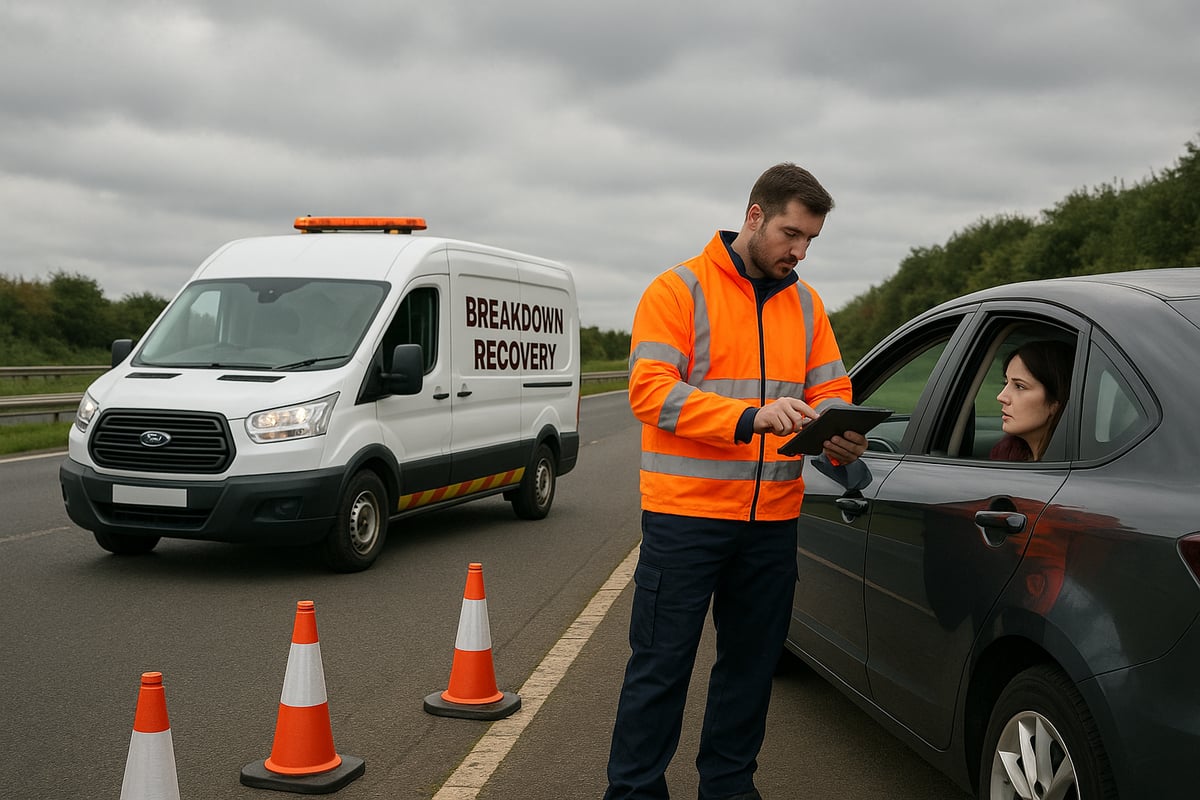
When evaluating recover cover breakdown options, response time is a top priority. Most leading providers, such as RAC and Green Flag, consistently attend breakdowns within 60 minutes. This rapid response is crucial, especially on busy roads or remote rural areas.
National coverage ensures help is available wherever you drive, from city centres to the countryside. Urban areas may benefit from denser technician networks, while rural drivers should confirm their provider supports outlying regions. Both RAC and Green Flag maintain vast fleets, with RAC serving over 15 million members and Green Flag deploying more than 3,000 technicians across the UK.
24/7/365 availability is now standard, giving drivers confidence that support is just a call or app tap away, any time of day or night.
Repair vs. Recovery Capabilities
A robust recover cover breakdown policy should offer both expert roadside repairs and full recovery services. Statistics show that RAC repairs four out of five vehicles at the roadside, minimising disruption and costs for drivers.
However, some issues cannot be fixed on the spot. In these cases, towing becomes essential. Basic cover often includes short-distance recovery, such as 10 miles to the nearest garage, while premium policies may offer unlimited distance recovery to any UK destination.
If your vehicle is unfixable at the roadside, your provider should arrange safe transport for you and your passengers, ensuring your journey can continue with minimal stress. Case studies highlight the importance of comprehensive recovery, especially for those stranded far from home.
Onward Travel and Accommodation
Breakdowns can disrupt more than your day—they might impact holidays, business trips, or family commitments. The best recover cover breakdown policies include onward travel features, such as hire cars, hotel stays, or alternative transport.
Limits and exclusions often apply: check how many people are covered, the maximum duration of accommodations, and the total costs reimbursed. For instance, Green Flag offers comprehensive onward travel solutions that can include overnight hotel stays or arranging a hire car if repairs will take time.
These features ensure you are not left stranded or out of pocket, providing crucial support when breakdowns occur far from home or outside normal working hours.
Policy Flexibility and Add-Ons
Modern recover cover breakdown needs are diverse. Customisable policies let you add features like home start, European travel, or specialist vehicle cover. Some providers offer pay-as-you-go options, which are ideal for occasional drivers or those seeking flexibility.
For drivers in Greater London, Flexible breakdown solutions Greater London provide a cost-effective, pay-as-you-go alternative to annual cover. This model means you only pay when you need help, without ongoing membership fees, making it practical for infrequent motorists or commercial operators.
Annual memberships remain popular, but the rise of flexible options and standalone add-ons means you can tailor your cover to fit your driving habits, vehicle type, and travel plans. Evaluate optional extras carefully to ensure your policy meets your needs both now and as technology evolves.
Customer Support and Digital Tools
Customer experience is a key differentiator in recover cover breakdown services. Leading providers now offer user-friendly apps for instant breakdown reporting, real-time technician tracking, and digital document storage.
Mobile apps, such as those from Green Flag, let you report incidents, share your exact location, and receive updates on estimated arrival times. Some even integrate with smart vehicles or smartphones for satellite SOS features, ensuring help is always within reach.
Look for policies that include message services to notify family or friends during an emergency. Customer reviews and satisfaction ratings, found on platforms like Trustpilot, can provide valuable insight into real-world service quality and support.
Step-by-Step Guide: What to Do When You Break Down
Experiencing a breakdown can be stressful, but a clear plan makes all the difference. Whether you have a recover cover breakdown policy or are considering one, knowing the right steps can keep you safe and minimise disruption. Here is a detailed, actionable guide for 2026 drivers.
Step 1: Ensure Safety First
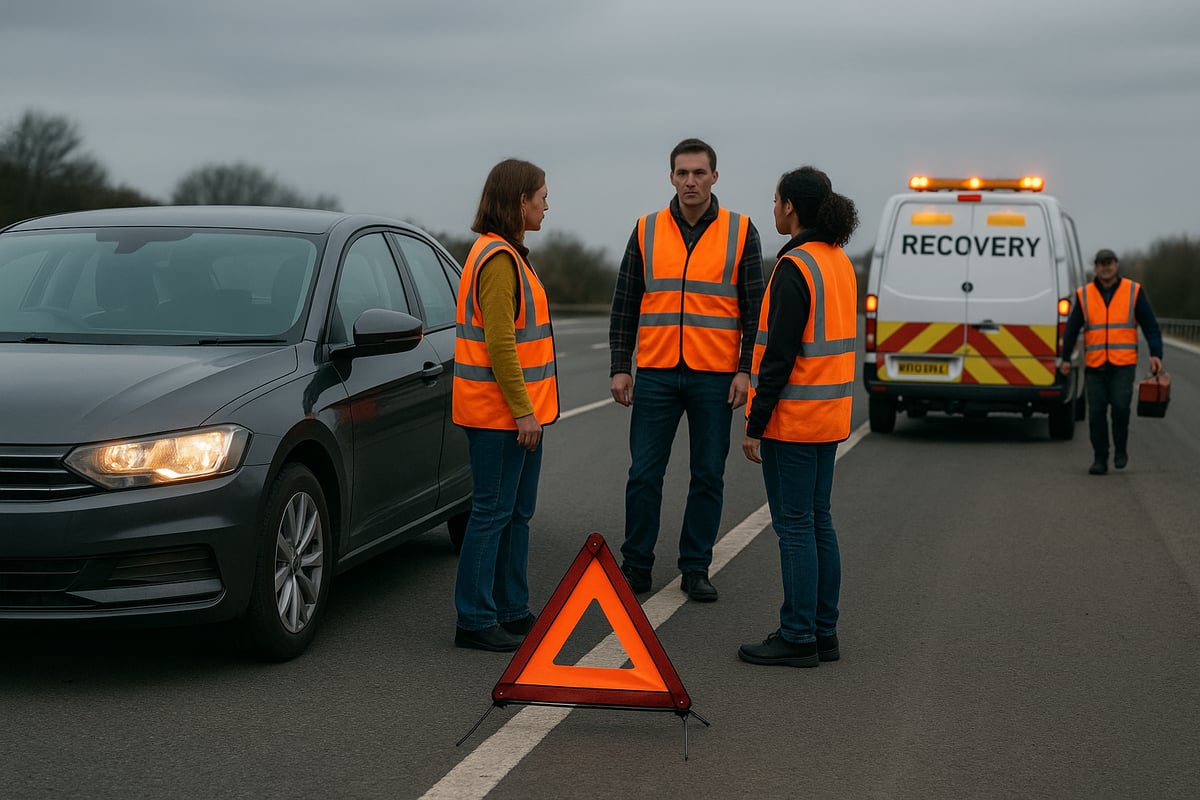
Safety comes before everything else during any recover cover breakdown situation. If your car is still mobile, steer to the safest spot possible, such as a layby, hard shoulder, or wide verge. Turn on your hazard warning lights straight away to alert other motorists.
Exit the vehicle from the passenger side if you are on a busy road, especially on motorways. Everyone should wear a reflective vest and stand well away from traffic, ideally behind a barrier. Place a warning triangle at least 45 metres behind your vehicle, but never on a motorway.
Recent reports show that smart motorways have higher rate of recorded breakdowns, making it even more important to follow these safety steps. Always prioritise your well-being over the car itself.
Step 2: Contact Your Recovery Provider
Once everyone is safe, contact your recover cover breakdown provider. Use your mobile phone, provider app, or any available emergency phone. Many providers offer advanced apps that pinpoint your exact location for a faster response.
Be ready to share:
- Your policy number or membership details
- Vehicle registration and make/model
- Exact location (use motorway markers, GPS, or app)
- Description of the issue
Clear information ensures the right technician and tools arrive quickly. Most providers now offer 24/7 helplines, so help is always at hand.
Step 3: Wait for Assistance
After notifying your recover cover breakdown service, stay calm and wait in a safe area. Major providers like RAC and Green Flag typically reach you within one hour.
While waiting:
- Remain away from the carriageway
- Keep warm, especially in winter
- Notify family or work contacts of your situation
Many recovery services now provide real-time tracking via mobile apps, so you can see when help is on the way. This transparency adds reassurance during an already stressful time.
Step 4: On-the-Spot Repair or Recovery
When the technician arrives, they will assess your car and attempt an on-the-spot repair. Common fixes include jump-starting a flat battery, changing a tyre, or resolving minor mechanical faults.
If your recover cover breakdown provider cannot fix the issue at the roadside, they will arrange for your vehicle to be towed. Depending on your policy, this could be to a local garage, your home, or another destination.
Recovery teams are highly trained and equipped with tools for a wide range of issues. In most cases, your journey can resume without significant delay.
Step 5: Next Steps and Documentation
Once your recover cover breakdown issue is resolved, ensure you receive a written report or recovery slip from the technician. This document is essential for insurance claims or further repairs.
If further repairs or onward travel are needed, your provider will explain the next steps, such as arranging a hire car or overnight accommodation. Keep all receipts and documentation for your records.
Should you need to follow up—whether for claims, complaints, or feedback—contact your provider promptly. Good record-keeping helps with any future recover cover breakdown incidents.
Choosing the Right Recovery Cover for Your Needs
Selecting the right recover cover breakdown is crucial for every driver in 2026. With a crowded market and evolving vehicle technology, finding a policy that fits your lifestyle can be challenging. Understanding your options and comparing them carefully ensures you are not left stranded or out of pocket.
Assessing Your Driving Habits and Risks
Before committing to any recover cover breakdown policy, consider how, where, and how often you drive. Do you make frequent long journeys across the UK, or are your trips mostly local? The age and reliability of your vehicle, whether it is an electric, hybrid, or an older model, can influence your risk profile.
If you drive a van for work or own multiple vehicles, your needs differ from a single commuter. Options like van recovery services in London are ideal for those needing business or specialist support. For families, multi-car policies might offer convenience and savings.
Think about who drives your vehicle, if you car share, or if family members need to be covered too. Matching your policy to your real-world habits helps ensure you are protected when it counts.
Comparing Providers and Policy Levels
With so many providers offering recover cover breakdown, a side-by-side comparison is essential. Look beyond just the headline price. Evaluate response times, callout limits, national coverage, and available add-ons.
| Provider |
Response Time |
Callouts |
National Recovery |
App Support |
Trustpilot Rating |
| RAC |
< 1 hour |
5/year |
Yes |
Yes |
4.5/5 |
| Green Flag |
< 1 hour |
Unlimited |
Yes |
Yes |
4.6/5 |
| AA |
< 1 hour |
Unlimited |
Yes |
Yes |
4.2/5 |
Use customer reviews on Trustpilot or Which to gauge satisfaction and reliability. Also, check if providers offer flexible add-ons for European travel, at-home cover, or onward travel. The right policy balances features with affordability for your specific needs.
Evaluating Cost vs. Value
Price is important, but the cheapest recover cover breakdown may not offer the best value. Assess what is included in basic versus premium plans. Are there hidden charges for excess mileage, additional vehicles, or specialist recovery?
Some providers promote offers like Green Flag’s “half your renewal price” or RAC’s price promise. However, always review the terms. Annual policies often work out cheaper for frequent drivers, while pay-as-you-go options may suit occasional users. Consider whether unlimited callouts, comprehensive onward travel, and at-home support justify a higher premium.
Understanding Exclusions and Limitations
Every recover cover breakdown policy has exclusions that can catch you off guard. Common restrictions include vehicle age, pre-existing faults, or limits on callouts for the same issue within a short window. For example, some policies charge if you require repeat assistance for the same problem within 28 days.
If you drive specialist vehicles or may require police pound assistance, ensure your cover includes these scenarios. For complex incidents, such as impound recovery, services like police pound vehicle recovery can be invaluable. Always read the small print regarding geographic limits, vehicle type, and European cover restrictions.
Making the Final Choice: Steps to Take
Once you have compared your recover cover breakdown options, getting a quote is straightforward. Most providers allow you to quote online or by phone. Have your vehicle details, driving history, and desired features ready.
Check the cooling-off period, cancellation terms, and whether you can switch providers without penalty. Look for ongoing support, digital tools for easy claim management, and clear customer service contact options.
To secure the best deal:
- Compare at least three quotes
- Review all policy documents
- Seek out customer testimonials
- Ask about discounts for multi-car or family policies
Making an informed choice helps guarantee peace of mind every time you drive.
The Future of Breakdown Recovery: Trends and Innovations for 2026
The future of recover cover breakdown is set to transform the way we respond to vehicle emergencies. As technology evolves and customer needs shift, providers are introducing smarter solutions, greener practices, and more personalised experiences. Let us explore the key trends defining recover cover breakdown in 2026 and how they will benefit modern motorists.
Digital Advancements and Mobile Technology
Digital transformation is revolutionising recover cover breakdown. Providers now offer sophisticated mobile apps, enabling motorists to report incidents instantly and track their technician’s location in real time. Features like satellite SOS on iPhones and automated diagnostics streamline communication, making the recovery process faster and more transparent.
Many vehicles are now equipped with smart systems that communicate directly with recovery services, sharing fault codes and location data. This integration allows technicians to arrive prepared, improving first-time fix rates. According to industry projections, the car breakdown recovery service market is set for robust growth, driven by demand for digital solutions and enhanced customer experiences.
Self-service options are on the rise as well. Customers can update their details, monitor their case, and receive notifications directly through provider portals. These digital advancements make recover cover breakdown more accessible and efficient for everyone.
Electric Vehicles and Specialist Recovery Needs
The surge in electric and hybrid vehicles is reshaping recover cover breakdown. Traditional recovery methods may not suit EVs, which require specialist knowledge and equipment. Providers like RAC have introduced EV Boost vans, offering mobile charging for stranded electric cars.
Charging infrastructure, while expanding, still presents challenges. Providers are investing in training and technology to handle high-voltage systems safely. For example, recovery teams now carry insulated tools and portable chargers, ensuring EV drivers are not left stranded far from the nearest charging point.
Specialist recovery is not limited to EVs. Motorcycles, caravans, and commercial fleets also demand tailored solutions. By adapting to these needs, recover cover breakdown providers are ensuring comprehensive support for the evolving vehicle landscape.
Sustainability and Eco-Friendly Recovery
Sustainability is becoming a core priority for recover cover breakdown services. Providers are upgrading their fleets with low-emission and electric recovery vehicles to reduce environmental impact. Eco-friendly disposal options, such as responsible scrap car removal, are also being promoted.
Environmental policies and regulations are influencing how companies operate. Many now offer paperless documentation and carbon offset programmes. By adopting these initiatives, recover cover breakdown providers meet both regulatory standards and growing consumer demand for greener services.
Customer Expectations and Service Personalisation
Motorists in 2026 expect more from their recover cover breakdown. Fast response times, transparent pricing, and flexible cover options are at the top of customer wish lists. Providers are responding with personalised policies, pay-as-you-go alternatives, and localised services that cater to unique driving habits.
Feedback channels such as Trustpilot and Which? Trusted Trader are shaping service improvements. Companies use this feedback to refine their offerings and enhance customer satisfaction. The trend towards customisation ensures that recover cover breakdown remains relevant and valuable as motoring needs continue to change.

