Imagine your car breaking down on a busy motorway or a quiet country lane. Would you know how to find reliable towing and recovery in 2026 when you need it most?
This essential guide will help you understand what to do in a roadside emergency. You will learn how reliable towing and recovery works, what to expect from service providers, and how to choose the best option for your needs.
Stay informed about costs, insurance, and new trends shaping the industry. Let this guide give you the confidence and knowledge for a safer journey, no matter where the road takes you.
Understanding Towing and Recovery: The Basics
Imagine your car stops unexpectedly on a busy dual carriageway or a quiet country lane. In these moments, understanding the essentials of reliable towing and recovery can make all the difference. This section breaks down what these services mean, the range of vehicles and incidents they cover, how the process works, and the legal and safety considerations every UK driver should know.
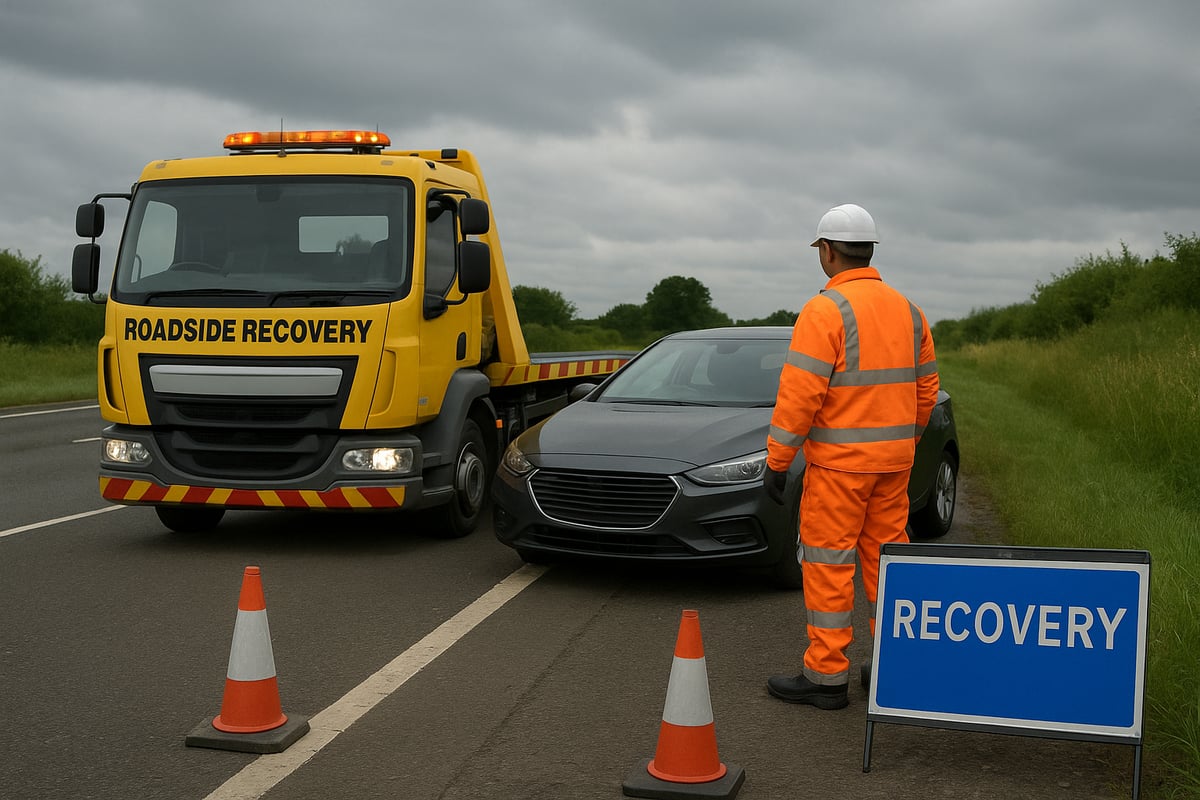
What Is Towing and Recovery?
Towing and recovery are two distinct but related services that help drivers in vehicle emergencies. Towing refers to moving a disabled vehicle from one location to another, usually after a breakdown. Recovery, on the other hand, involves retrieving vehicles from more complex situations, such as after a collision, off-road incident, or when the vehicle is stuck.
Common scenarios for reliable towing and recovery include engine failures, flat tyres, or simply running out of fuel. Recovery is needed after accidents or when a vehicle cannot be moved safely by normal means. Understanding industry terms like “flatbed”, “winch-out”, or “roadside assistance” helps clarify what to expect when you call for help.
For example, if your car breaks down due to a mechanical fault, you may only need towing. If you crash into a ditch, recovery services will be required to safely extract your vehicle. Knowing these differences ensures you request the right support during stressful moments.
Types of Vehicles and Situations Covered
Reliable towing and recovery services cater to a wide range of vehicles, from cars and vans to motorcycles and commercial lorries. Each type presents unique challenges. For instance, electric vehicles (EVs) require special handling to protect their battery systems and avoid damage during transport.
Situations that demand professional help include breakdowns, collisions, off-road incidents, and weather-related recoveries. In winter, icy roads often increase the number of callouts, while summer may bring more overheating problems.
According to data from RAC and AA, passenger cars account for the majority of breakdowns, followed by vans and motorcycles. EVs are a growing segment, with their share of breakdowns rising as more drivers make the switch. This diversity means providers must adapt their equipment and expertise to deliver reliable towing and recovery for every vehicle type.
The Step-by-Step Recovery Process
When you need reliable towing and recovery, the process follows a clear sequence. First, you call for assistance, providing details about your location and the issue. A dispatcher assesses your situation and sends a suitable recovery vehicle.
Upon arrival, the team secures the scene, ensuring everyone’s safety. They may use cones, high-vis clothing, and hazard lights. Next, they load your vehicle onto the recovery truck using specialist equipment, such as winches or flatbeds.
Transportation follows, with the vehicle taken to a garage or your chosen destination. Throughout, communication is key. Recovery teams keep you informed, offering estimated arrival times and updates. Roadside assistance may resolve minor problems on the spot, but full recovery ensures your vehicle is transported safely if repairs are not possible at the scene.
Legal and Safety Considerations
In the UK, reliable towing and recovery providers must comply with strict legal requirements. Technicians need proper licensing and insurance, and vehicles must be equipped for the loads they carry. Drivers awaiting recovery should follow roadside safety tips, like standing behind barriers and using warning triangles.
There are regulations on towing weights and equipment, with fines imposed for breaches such as illegal towing or exceeding capacity. According to accident statistics, improper towing can lead to serious incidents on UK roads.
For a comprehensive guide on safe towing practices, including essential pre-journey checks, refer to the UK Towing Safety Alliance’s TLC Campaign. Following these guidelines protects you and ensures your recovery provider meets the highest standards. Staying informed about legal and safety matters is crucial for every driver relying on these services.
Choosing a Reliable Towing and Recovery Service
Choosing a reliable towing and recovery provider can make all the difference during a stressful roadside incident. With so many options in the UK, knowing what to look for helps you avoid delays and unnecessary costs.
What Makes a Service Reliable?
A reliable towing and recovery service stands out through several key features. First, 24/7 availability is essential, as emergencies rarely occur at convenient times. Rapid response times, often within 30 to 60 minutes, are a hallmark of professionalism. Certified technicians ensure your vehicle is handled safely, while transparent pricing prevents unwelcome surprises.
Customer reviews and testimonials are invaluable for gauging reliability. For example, Trustpilot and Which? ratings show that leading UK providers with consistently high scores tend to resolve breakdowns more efficiently. Comparing response times among top companies can help you make an informed choice for reliable towing and recovery.
Key Questions to Ask Before Hiring
Before you commit to any reliable towing and recovery provider, always ask about licensing and insurance. Confirm they have experience handling your specific vehicle type, whether it is a car, van, motorcycle, or electric vehicle. Enquire about payment methods and check for hidden fees.
Use a checklist to vet providers:
- Are technicians trained and insured?
- Is there a clear pricing structure?
- Do they offer service guarantees?
- Can they handle your vehicle type?
Insights from consumer watchdogs suggest that transparency and experience are strong indicators of reliable towing and recovery services.
How to Spot Red Flags and Avoid Scams
Unfortunately, not all providers offer reliable towing and recovery. Watch for common scams such as inflated prices, unauthorised towing, or false credentials. Warning signs include a lack of documentation, vague answers to questions, or pressure to decide quickly.
Consider these red flags:
- No proof of insurance or licensing
- Refusal to provide a written quote
- Poor or missing online reviews
Real-life scam reports from Action Fraud UK highlight the importance of due diligence. Reliable towing and recovery companies should always provide clear documentation and upfront pricing.
The Role of Local vs. National Providers
When it comes to reliable towing and recovery, choosing between local and national providers impacts service quality and response times. Local companies often offer faster responses and personalised service, especially in rural or congested urban areas. National providers may have broader coverage and more resources, but could face delays during peak times.
For example, urban areas like Southeast London benefit from local expertise, while rural locations might be better served by a provider with a wide network. Assess your needs and consider which type of provider aligns best with your expectations for reliable towing and recovery.
Motors Recovery delivers reliable towing and recovery across Greater London and the Home Counties, with standout features such as 24-hour breakdown recovery, battery jump-starts, and vehicle transportation. The company’s rapid response time—typically 15 to 40 minutes—means drivers are never left waiting long.
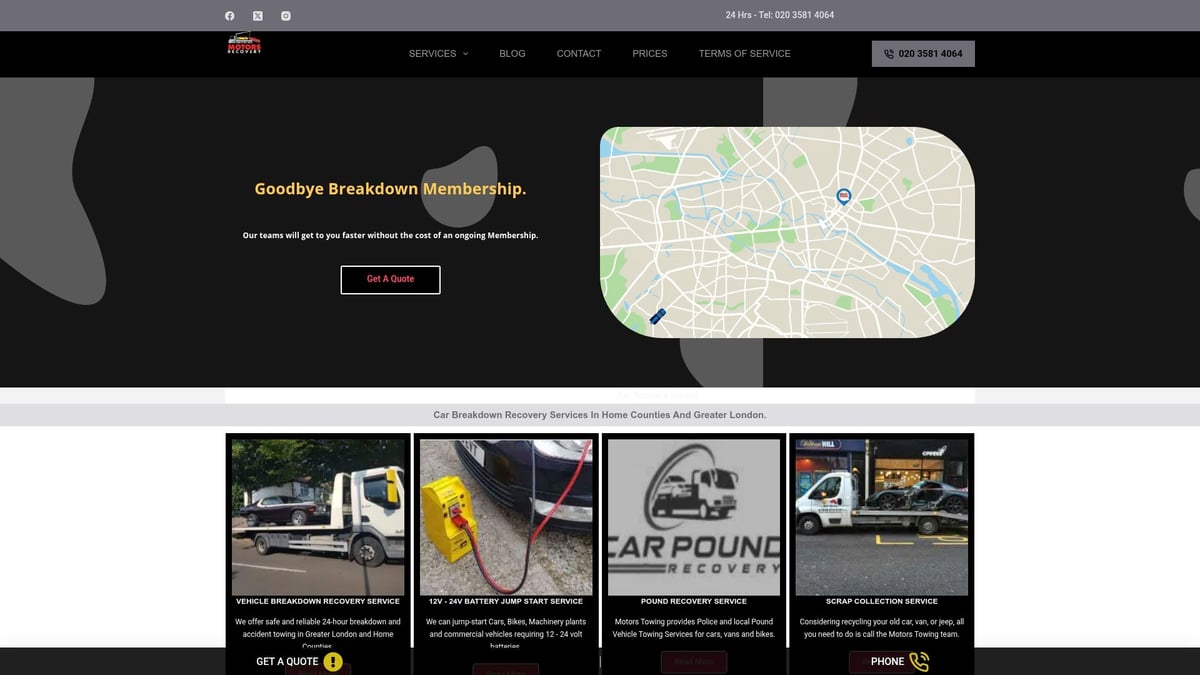
Customers praise Motors Recovery for professionalism, transparency, and a modern fleet. No membership is required, and the pay-as-you-go pricing eliminates hidden costs. For those seeking 24/7 Breakdown Recovery Services, Motors Recovery addresses the most common pain points, making it a leading choice for reliable towing and recovery in the region.
Costs, Insurance, and What to Expect Financially
Understanding the financial aspect of reliable towing and recovery is crucial for every driver. Costs can vary, depending on your vehicle, location, and the type of assistance needed. By knowing what to expect, you can avoid surprises and make informed choices during a stressful roadside emergency.
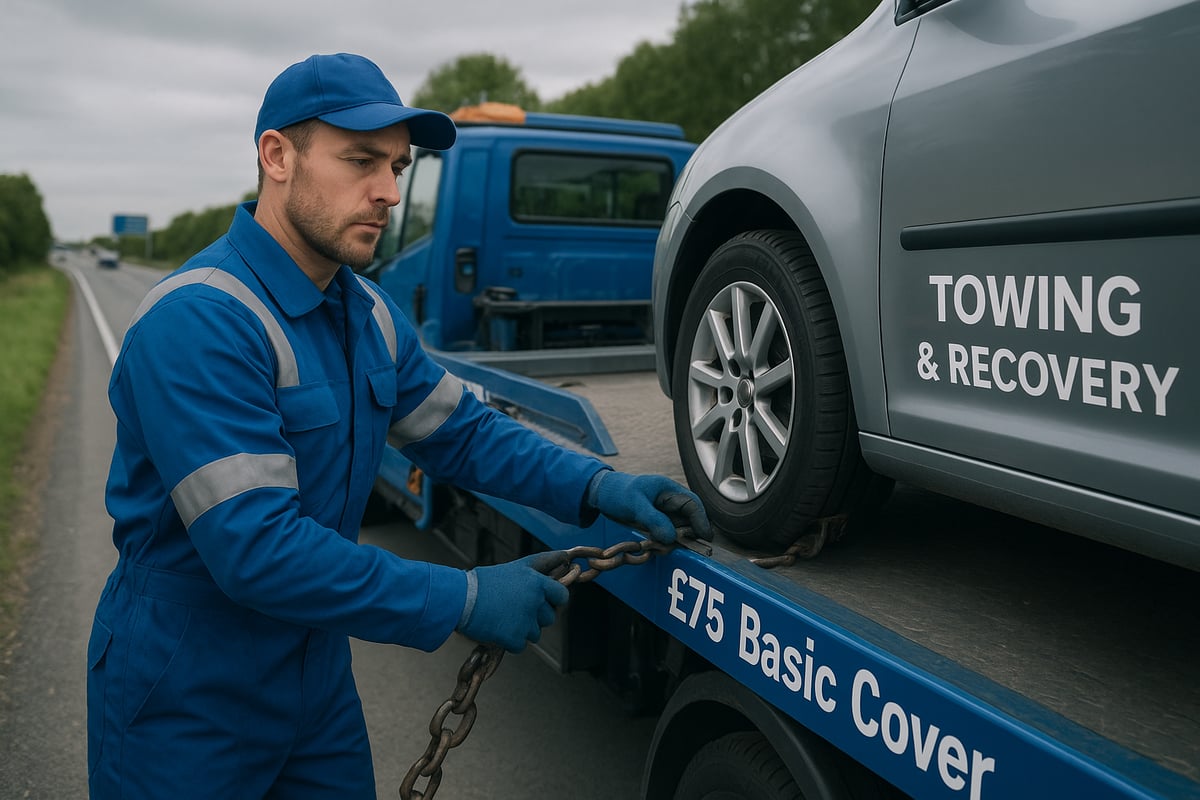
Typical Pricing Structures
When considering reliable towing and recovery, it is important to understand how pricing works. Most UK providers charge a call-out fee, then add per-mile rates for transporting your vehicle. Surcharges may apply for night or weekend services, and urban areas often see higher rates.
Here is a simple comparison of average costs:
| Provider |
Call-out Fee |
Per-mile Rate |
Night/Weekend Surcharge |
| Provider A |
£50 |
£1.50 |
£25 |
| Provider B |
£60 |
£2.00 |
£30 |
According to the UK Vehicle Roadside Assistance Market Outlook, the average cost of reliable towing and recovery in the UK is expected to hover around £120 in 2025. Always ask for a full quote upfront and check if VAT is included.
Insurance and Coverage Options
Insurance plays a significant role in reliable towing and recovery. There are several types of cover, such as basic breakdown assistance, accident recovery, and onward travel. Some policies include only roadside repairs, while others cover full recovery to your home or garage.
When you contact your insurer for reliable towing and recovery, have your policy number ready and clarify what is included. Basic policies may only cover short distances, while premium options offer nationwide assistance and onward travel. Decide whether it is better to claim on your insurance or pay out of pocket, especially if your excess is high.
Hidden Fees and How to Avoid Them
Unexpected extras can turn reliable towing and recovery into an expensive ordeal. Common hidden fees include storage charges if your vehicle is held overnight, waiting time fees if delays occur, and costs for specialist equipment, such as winches or low-loaders.
To avoid surprises, ask for a written quote that details all potential charges. Use this checklist:
- Confirm storage and waiting time rates
- Ask if specialist equipment will be needed
- Request a sample invoice for transparency
Consumer complaints often mention being caught off guard by additional costs. In a recent survey, nearly 30% of UK drivers reported surprise fees after using reliable towing and recovery services.
Financial Assistance and Consumer Rights
Every customer using reliable towing and recovery is protected by UK consumer law. If you feel you have been overcharged or misled, you have the right to challenge the bill and seek resolution through the Financial Ombudsman Service.
Support is also available from ombudsman services for dispute resolution. For example, one driver successfully contested a £200 overcharge by providing evidence of the original quote. Each year, hundreds of complaints about reliable towing and recovery are resolved in favour of consumers.
Before paying, always check your rights, keep all documentation, and do not hesitate to escalate disputes if needed.
Preparing for a Breakdown: Proactive Steps Every Driver Should Take
Every motorist should be prepared for the unexpected. Taking proactive steps before a breakdown can make the difference between a minor inconvenience and a major ordeal. With a focus on reliable towing and recovery, this section guides you through essential preparations for any roadside emergency.
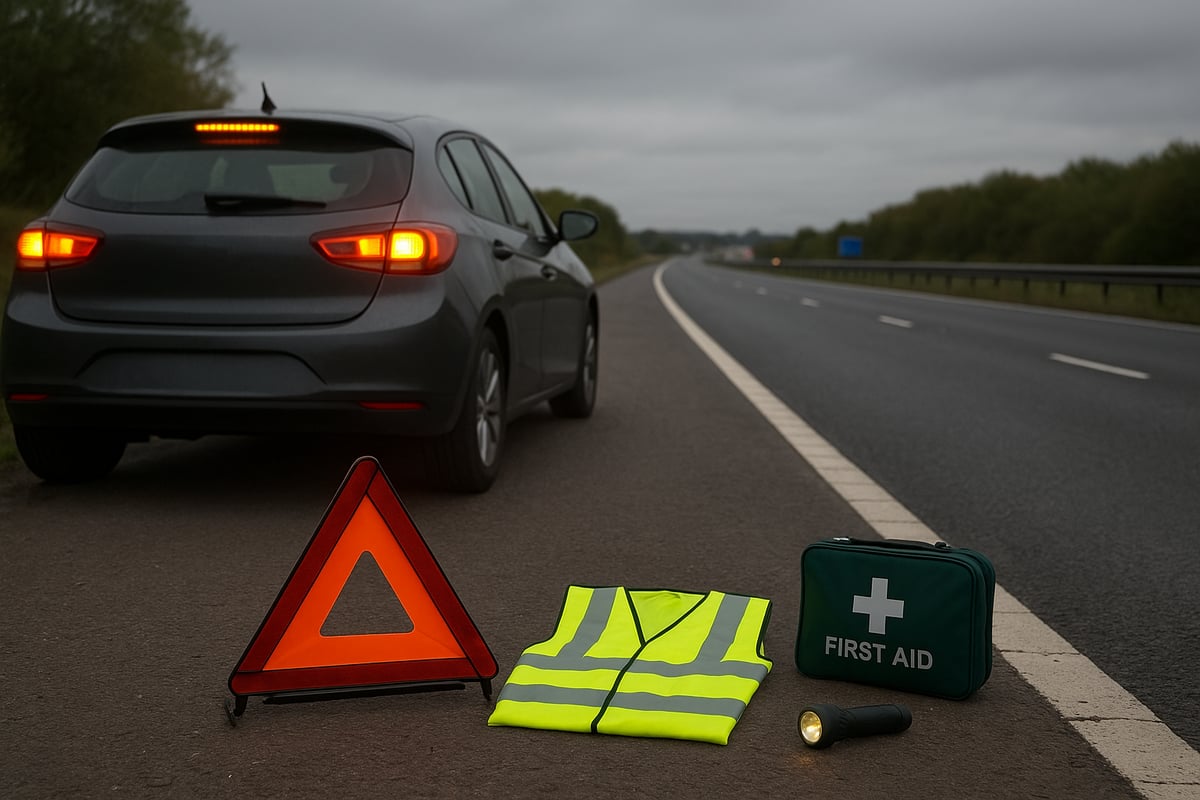
Essential Emergency Kit Checklist
A well-stocked emergency kit is crucial for reliable towing and recovery. Your kit should include a warning triangle, high-vis vest, torch, fully charged phone, and a first aid kit. In colder months, pack blankets and gloves, while in summer, add bottled water and sunscreen. The AA recommends a comprehensive kit for all drivers.
| Item |
Purpose |
| Warning triangle |
Alert other motorists |
| High-vis vest |
Enhance visibility |
| Torch |
Night-time safety |
| First aid kit |
Treat minor injuries |
| Phone charger |
Maintain communication |
According to the AA, only 44% of UK drivers carry a full emergency kit. Consider keeping local recovery contact details, such as Vehicle Recovery in Greater London, for quick access to reliable towing and recovery.
How to Stay Safe While Waiting for Recovery
Safety is paramount while awaiting reliable towing and recovery. Exit your vehicle from the passenger side, especially on the motorway, and wait behind the safety barrier if possible. Use hazard lights and position your warning triangle at least 45 metres behind your vehicle on the same side of the road.
On high-speed roads, never attempt repairs yourself. In urban settings, stay visible but away from traffic. The DVSA advises drivers to avoid standing between their car and oncoming vehicles. Many accidents occur because drivers underestimate roadside risks, so always prioritise your personal safety.
Steps to Take Immediately After a Breakdown
When a breakdown occurs, stay calm and follow a clear sequence to ensure effective reliable towing and recovery. First, assess your surroundings and check for immediate dangers. If necessary, contact emergency services before reaching out to your recovery provider.
Clearly communicate your location, vehicle type, and the nature of the issue to the operator. Providing accurate details helps dispatch teams arrive faster. Taking photos of the scene can be useful for insurance purposes. Statistics show that providing full information can reduce average wait times by up to 30%.
Digital Tools and Apps for Roadside Emergencies
Embracing technology is an essential part of modern reliable towing and recovery. Download top-rated apps such as the RAC or AA, which offer instant breakdown reporting, live traffic updates, and automatic location sharing. These features streamline the recovery process and keep you informed.
Apps can notify your family of your status and estimated wait times. According to recent surveys, over 65% of UK drivers now use digital tools during roadside incidents. Using technology not only speeds up help but also enhances your overall safety and peace of mind.
Preparing for Special Situations (e.g., EVs, Motorcycles, Caravans)
Each vehicle type presents unique challenges for reliable towing and recovery. Electric vehicles often require specialist equipment to avoid battery damage, while motorcycles and caravans need tailored approaches for secure transport. Always inform your recovery provider about your vehicle type in advance.
Specialist services are increasingly available, reflecting the rise in EV-related breakdowns, which the SMMT reports have grown by 24% year on year. For complex recoveries, choose providers experienced in handling your specific situation. Preparation ensures that, whatever you drive, you receive safe and efficient assistance.
The Future of Towing and Recovery: Trends for 2026 and Beyond
As we approach 2026, the landscape of reliable towing and recovery is set to change rapidly. Drivers and providers must stay ahead of these trends to ensure safety, efficiency, and peace of mind in any roadside emergency.
Technological Innovations in Recovery Services
Technology is transforming reliable towing and recovery across the UK. Modern fleets now use GPS tracking for real-time location sharing, allowing operators to provide accurate estimated arrival times and route optimisation.
Artificial intelligence is streamlining dispatch and resource allocation, ensuring the closest and most suitable vehicle reaches you quickly. Telematics systems help monitor vehicle health and improve safety for both operators and customers.
For example, leading providers have integrated live ETA updates and digital paperwork, making the entire process transparent and efficient. According to Fleet News, over 75% of major recovery companies now use advanced telematics, further enhancing the reliability of towing and recovery services.
The Rise of Electric and Autonomous Vehicles
The surge in electric vehicles (EVs) and autonomous vehicles (AVs) is reshaping reliable towing and recovery procedures. EVs require specialist handling due to high-voltage batteries and unique towing requirements, while AVs may need unique protocols for system shutdown and secure transport.
Technicians must undergo additional training to safely recover these advanced vehicles. Recent incidents have highlighted the necessity for new equipment, such as flatbed trucks with insulated tools for EVs.
With EV breakdowns projected to increase by 35% by 2026, expect more providers to invest in specialist vehicles and dedicated EV recovery support. Reliable towing and recovery will depend on adapting to these evolving technologies.
Sustainability and Green Recovery Initiatives
Environmental responsibility is now a core principle for reliable towing and recovery providers. Many companies have introduced hybrid or fully electric recovery vehicles to reduce emissions and noise pollution, reflecting broader sustainability goals.
Green-certified providers also focus on recycling vehicle parts and using eco-friendly fluids. Some firms have committed to net zero emissions targets by 2030, which impacts fleet procurement and operational practices.
For customers, choosing a provider with strong green credentials ensures your recovery service aligns with modern environmental standards. As regulations tighten and public awareness grows, sustainability will remain central to the future of reliable towing and recovery.
Evolving Regulations and Industry Standards
The regulatory landscape for reliable towing and recovery is evolving in response to emerging technology and consumer expectations. Anticipated changes in UK and EU law will impact licensing, technician training, and safety protocols.
Upcoming standards are expected to address the complexities of EV and AV recovery, ensuring best practice is maintained across the sector. Recent updates, such as the UK Standard Conditions for Towage 2024, reflect a growing emphasis on transparency and legal compliance.
For operators, staying informed through resources like the Running a Vehicle Recovery Business: Safety Rules guide is crucial. For drivers, understanding these changes means greater protection and confidence when choosing reliable towing and recovery services.

