In 2025, navigating the roads demands more than just driving skills. As vehicles become more advanced and road conditions remain unpredictable, having access to a dependable road assistance car service is essential for every driver.
Being well-prepared with the right information can help you avoid unnecessary delays, costly repairs, and stressful situations during unexpected breakdowns or emergencies. This guide is designed to provide you with practical, up-to-date tips so you are ready for any roadside challenge.
Continue reading for expert advice on how to choose, use, and get the most from your road assistance car provider. This comprehensive guide will cover key aspects such as understanding road assistance, selecting the best provider, steps to take during a breakdown, must-have emergency items, and the future of roadside support.
Understanding Road Assistance: What Every Driver Needs to Know
Road assistance car services have evolved into a vital safety net for today’s motorists. With vehicles becoming increasingly complex, understanding what these services cover and how they operate is essential for every driver. In this section, you’ll learn what road assistance car means in 2025, which issues are most common, how services work, what you can expect to pay, and the real benefits of being prepared.
Definition and Scope of Road Assistance
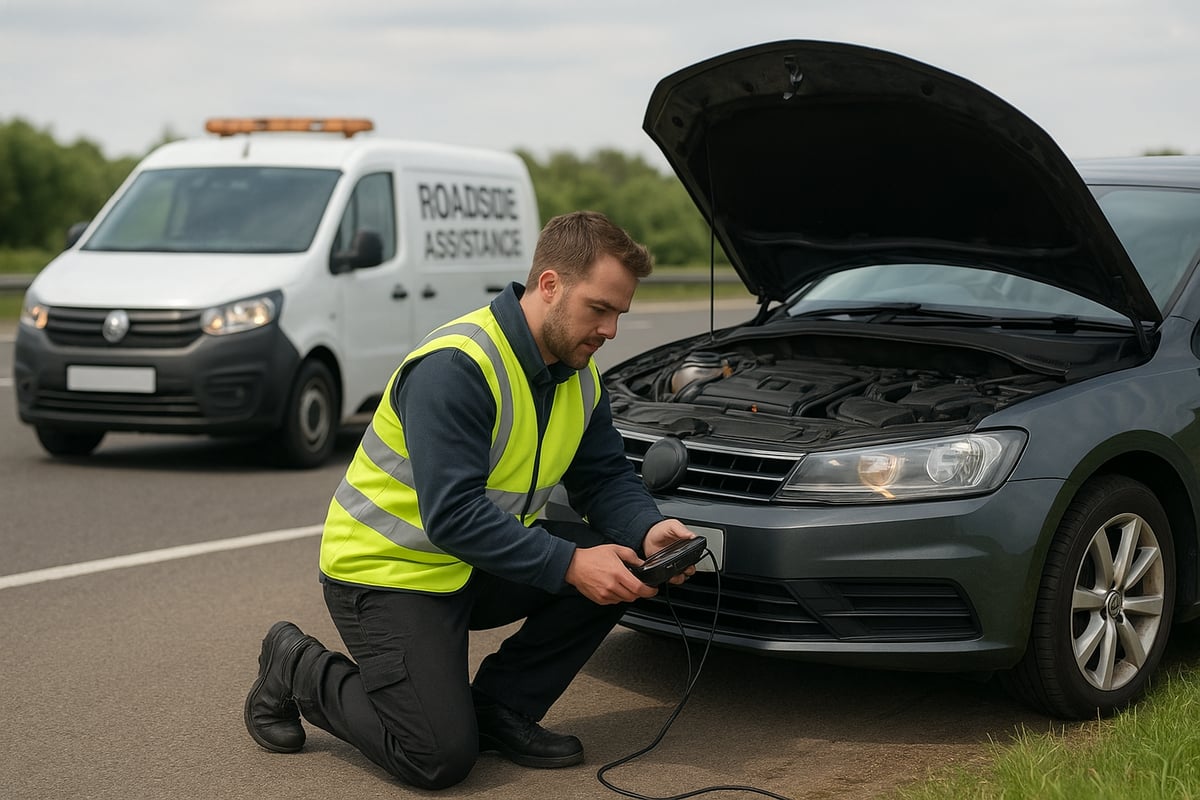
Road assistance car services encompass a range of emergency support options designed to help drivers when their vehicles experience problems on the road. These include breakdown recovery, jump-starts, tire changes, fuel delivery, lockout services, and towing. The main difference between roadside assistance and breakdown recovery lies in the response: roadside assistance aims to fix minor issues on the spot, while breakdown recovery involves transporting the vehicle if repairs cannot be completed immediately.
Various providers offer road assistance car solutions. Insurance companies, car manufacturers, and independent specialists all deliver these services. For example, Car recovery services London offer comprehensive support for a wide range of incidents, ensuring drivers in urban areas are never left stranded. This diversity allows drivers to select the provider that best matches their needs.
Common Roadside Issues in 2025
In 2025, the most frequent causes requiring road assistance car support remain battery failures, tire punctures, engine faults, and electrical problems. Data from the RAC shows that battery-related callouts rose by 18 percent in 2024, reflecting the growing complexity of vehicle electrical systems. Modern hybrid and electric cars also introduce unique challenges, including specialized battery management and high-voltage components.
Drivers should be aware that even with advanced technology, unexpected breakdowns can occur. Regular maintenance helps, but the need for road assistance car services persists as vehicles become more sophisticated and reliant on electronics.
How Road Assistance Services Operate
When you request road assistance car help, the process is designed for efficiency and safety. First, you contact your provider using an app or phone. GPS and real-time tracking technology pinpoint your exact location, allowing dispatchers to send the nearest technician. Upon arrival, the technician assesses the problem and attempts on-site repairs. If repairs are not possible, the vehicle is towed to a garage or your chosen destination.
Modern road assistance car services use integrated apps to provide live updates, estimated arrival times, and direct communication with technicians. In urban areas, response times can average 30 minutes, while rural locations may take longer due to distance and traffic.
Costs and Coverage Options
The cost of road assistance car protection varies by provider and plan type. Most companies offer annual memberships, pay-per-use services, and premium add-ons such as home start or onward travel. Standard plans usually include basic roadside repairs, towing within a certain radius, and limited callouts per year.
| Plan Type |
Average Annual Cost |
Typical Inclusions |
| Basic |
£65 |
Roadside repair, local tow |
| Premium |
£100+ |
Nationwide recovery, extras |
It’s important to verify what’s excluded from your road assistance car plan, such as coverage for older vehicles or incidents outside the UK. According to recent statistics, the average UK annual cost for roadside assistance is £65.
Benefits of Having Road Assistance
Having a road assistance car plan offers peace of mind for drivers and their families. It protects you from unexpected expenses and reduces the stress of dealing with breakdowns alone. Financially, it can prevent costly repairs from worsening if issues are addressed quickly.
For example, a driver who experienced a sudden engine failure on a motorway received rapid road assistance car support. The technician’s prompt arrival and expert help prevented further damage, saving significant repair costs. In uncertain situations, knowing you have reliable backup makes all the difference.
How to Choose the Best Road Assistance Provider in 2025
Selecting the right road assistance car provider is crucial for peace of mind on the road. With rapid changes in vehicle technology and service options in 2025, understanding what to look for can save you time, stress, and unexpected costs. This section guides you through the essential criteria to compare, evaluate, and choose the ideal provider for your needs.
Key Factors to Consider
When evaluating a road assistance car provider, focus on reputation, response times, coverage area, and the range of services offered. Look for companies with strong track records and high customer satisfaction scores.
Check if the provider covers your typical driving locations, including rural areas, motorways, and city centers. Read user reviews and independent ratings to gauge real-world performance. Prioritize providers who offer comprehensive support for modern vehicles and can handle a variety of common breakdown scenarios. The right road assistance car service should deliver reliability and value.
Comparing Major Providers: What Sets Them Apart
In the UK, the leading road assistance car providers include AA, RAC, and Green Flag. Each offers distinct features, coverage options, and customer experiences.
Here’s a quick comparison:
| Provider |
Response Time |
Unique Features |
Market Share (%) |
| AA |
40 min avg |
Extensive UK network |
35 |
| RAC |
45 min avg |
Electric car expertise |
30 |
| Green Flag |
50 min avg |
Flexible pay-per-use |
20 |
Review recent market share statistics and customer satisfaction surveys to see how providers stack up. The best road assistance car service for you may depend on your specific driving habits and vehicle type.
Understanding Policy Terms and Fine Print
Always read the terms and conditions before choosing a road assistance car policy. Pay close attention to exclusions, such as age limits for vehicles or restrictions on the number of callouts per year.
Some plans may not cover certain breakdown causes or might have waiting periods before full benefits apply. For example, older vehicles or those used for commercial purposes may not qualify for basic coverage. Understanding these details ensures your road assistance car plan truly meets your needs and prevents surprises during emergencies.
Digital Tools and App Integration
A modern road assistance car provider should offer robust digital tools. Leading companies now have mobile apps for instant service requests, real-time technician tracking, and digital ID cards.
Look for features like push notifications for service updates and estimated technician arrival times. These digital enhancements offer transparency and convenience, making it easier to manage your road assistance car needs from anywhere. The right app can streamline the entire breakdown process and reduce waiting times.
Customizing Your Plan for Your Needs
Not all road assistance car plans are created equal. Tailor your coverage by considering family plans, multi-vehicle discounts, or add-ons for international travel.
If you drive long distances frequently, select a provider with nationwide coverage and unlimited callouts. Families may benefit from plans covering multiple drivers. Assess your driving habits and vehicle types to ensure your road assistance car plan offers the right balance of protection and cost-effectiveness.
Motors Recovery delivers fast, reliable road assistance car services throughout Greater London. Their offerings include car, van, and motorcycle recovery, efficient towing, battery jump-starts, and police pound recovery.
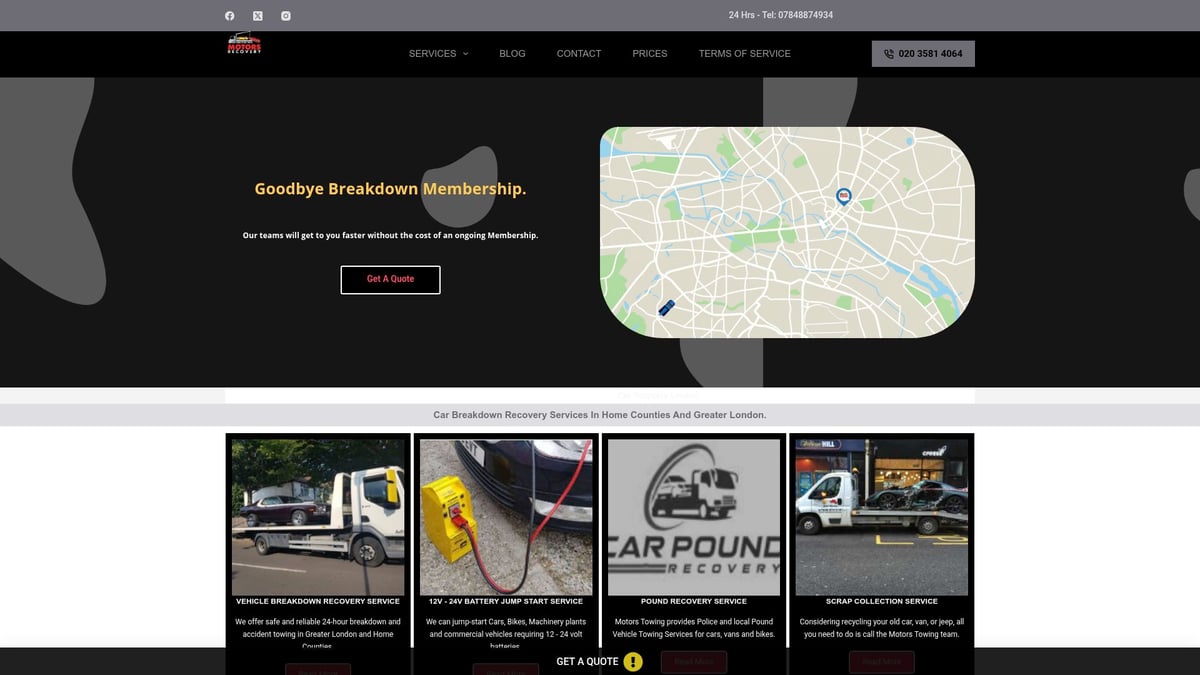
With experienced technicians and modern recovery vehicles, Motors Recovery stands out for rapid response times, often reaching stranded drivers on busy routes within 30 minutes. For those seeking comprehensive van and car recovery in London, Motors Recovery is a trusted choice. A recent example saw a driver assisted on the M25 during rush hour, demonstrating their commitment to swift, professional road assistance car support.
Step-by-Step Guide: What to Do When Your Car Breaks Down
Breaking down on the road can be stressful, but knowing each step to take with your road assistance car service can help you stay calm and safe. Follow this structured guide to handle emergencies efficiently and minimize risks.

Step 1: Ensure Personal Safety First
Your safety is always the top priority when dealing with a road assistance car breakdown. As soon as you notice a problem, carefully steer your vehicle to the side of the road, away from traffic if possible. Switch on your hazard lights immediately to alert other drivers.
Once stopped, put on a reflective vest and place a warning triangle at least 45 meters behind your car. This increases visibility, especially in low-light conditions. According to the AA, improper safety measures contribute to 40 percent of roadside accidents. Always keep yourself and passengers away from oncoming traffic while waiting for your road assistance car provider.
Step 2: Assess the Situation
After ensuring safety, take a moment to evaluate what has happened. Look for obvious issues such as a flat tire, smoke coming from the engine, or dashboard warning lights. For minor problems like a flat tire or a battery issue, you might be able to use your emergency kit if you feel confident and it is safe to do so.
If you suspect a more serious fault or are unsure about the cause, do not attempt repairs. Many drivers experience battery failure, which is now the leading cause of callouts. For example, if you are at a busy location like an airport, you might need a specialized battery jump-start at Stansted Airport service from your road assistance car provider. Assessing the situation quickly helps you decide the right course of action.
Step 3: Contact Road Assistance Provider
Once you have assessed the situation, reach out to your road assistance car provider. Use your provider’s mobile app or call their emergency number for the fastest response. Be ready to provide key details: your exact location, a description of your vehicle, and the symptoms or warning lights you have observed.
Modern road assistance car services often use GPS tracking to locate you quickly, reducing response times. Clearly state if you are in a hazardous location or if you need additional support. Accurate information ensures the right technician and equipment are dispatched to your situation.
Step 4: Wait Safely for Help
While waiting for your road assistance car technician, remain vigilant about your surroundings. If it is safer, stay inside your vehicle with seatbelts fastened. In other cases, move to a secure spot away from traffic, especially on busy roads or motorways.
Do not accept help from unmarked vehicles or strangers who do not show proper identification. Keep your mobile phone charged and monitor your provider’s app for real-time updates on the technician’s estimated arrival. Your patience and caution during this stage help prevent further complications while waiting for professional road assistance car support.
Step 5: Interact with the Technician
When the road assistance car technician arrives, approach the situation with clear communication. Ask to see their identification and confirm they are from your provider. Explain the symptoms and any steps you have already taken.
Effective communication can speed up diagnosis and resolution. The technician will explain the repair or towing process, addressing your concerns. Being prepared with your details and documents helps the road assistance car specialist work efficiently, ensuring you get back on the road as soon as possible.
Step 6: Next Steps After Assistance Arrives
After the road assistance car technician has provided help, follow their advice closely. This might include arranging for towing to a garage if on-site repairs are not possible. Request any necessary documentation for insurance claims or future repairs.
If your car is towed, secure all valuables and confirm the destination with the technician. Keep records of all communications and services received from your road assistance car provider. Proper follow-up ensures your vehicle is handled correctly and supports any further action you may need to take.
Essential Items to Keep in Your Car for Roadside Emergencies
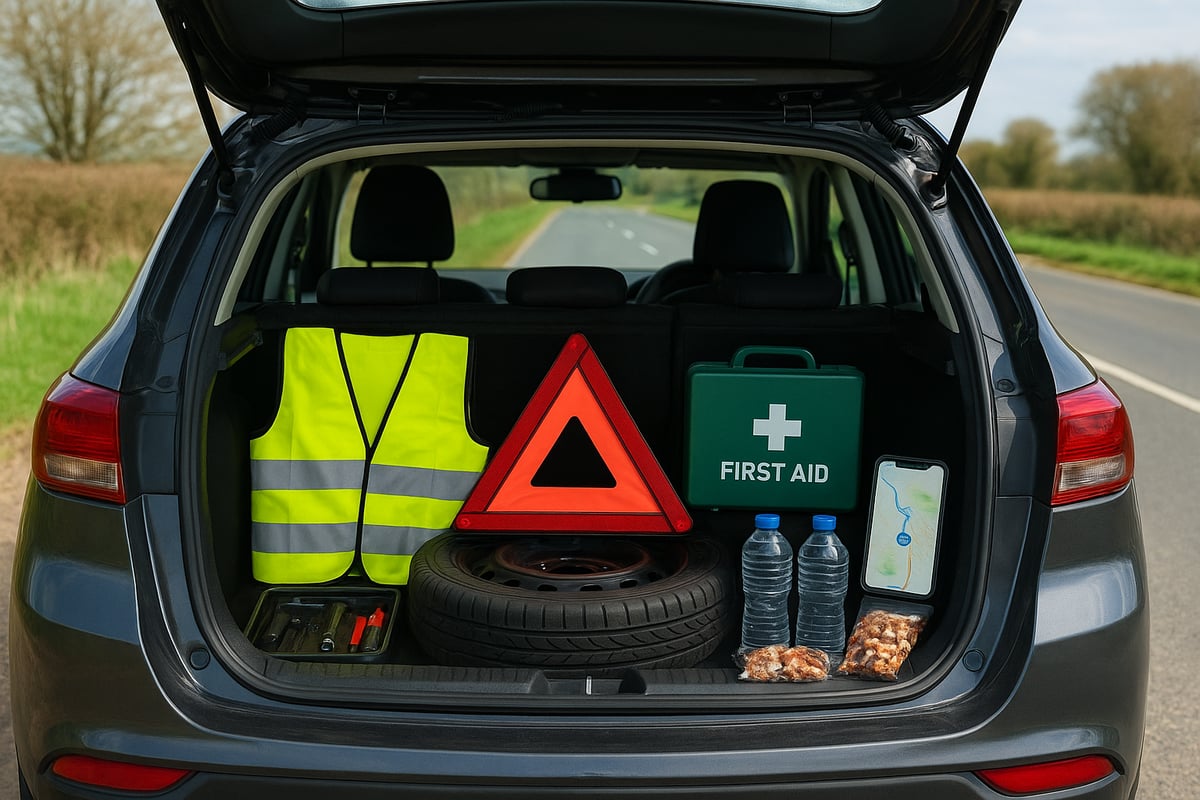
Being prepared for any situation is crucial for every driver. Packing your vehicle with the right essentials can make a breakdown less stressful and ensure your road assistance car experience is efficient and safe. Here, we detail the must-have items for 2025.
Must-Have Safety Gear
Safety should always be your first concern during a roadside emergency. Ensure your road assistance car kit includes:
- Reflective vest to remain visible to other motorists
- Warning triangle for alerting oncoming traffic
- First aid kit for treating minor injuries
- Torch or headlamp with extra batteries
UK law requires drivers to carry certain safety items, especially when traveling in Europe. These essentials not only protect you but also help road assistance car teams locate you quickly. Regularly check your gear to ensure everything is in working order.
Tools and Repair Essentials
Minor repairs can sometimes be managed before professional help arrives, saving time and hassle. Equip your road assistance car with:
- Spare tire in good condition
- Jack and wheel wrench for tire changes
- Jumper cables or portable jump starter
- Compact tire inflator or sealant kit
A portable jump starter is invaluable, especially as battery issues remain a top cause of breakdowns. Keeping these tools in your road assistance car can mean the difference between a short delay and a long wait for recovery.
Comfort and Survival Items
Breakdowns are unpredictable and can occur far from help. For your comfort and well-being, pack your road assistance car with:
- Blanket or emergency thermal wrap
- Bottled water and non-perishable snacks
- Phone charger or power bank
- Rain poncho or umbrella for bad weather
These items are essential if you face long waits or harsh conditions. Having them in your road assistance car ensures you stay comfortable and safe until assistance arrives.
Tech Tools and Apps
Technology is transforming the road assistance car experience. Modern drivers should carry:
- Smartphone with battery backup
- Roadside assistance and navigation apps
- GPS device for accurate location sharing
- USB adapter or power inverter
According to the Impact of Connected Technologies on Roadside Assistance, advancements in telematics and predictive diagnostics are improving service speed and reliability. Equipping your road assistance car with up-to-date tech tools enhances your safety and ensures rapid communication during emergencies.
Important Documents and Contacts
Having essential paperwork and contact information at hand streamlines the road assistance car process. Always keep:
- Insurance documents and roadside assistance membership card
- Emergency contacts list, both printed and saved on your phone
- Vehicle registration and MOT certificate
- Written instructions for your location or common routes
Store copies of these documents in your glove compartment and digitally. This preparation helps road assistance car providers verify your identity and offer faster support when you need it most.
The Future of Road Assistance: Trends and Innovations for 2025
The future of road assistance car services is evolving rapidly as technology changes how drivers experience the road. Innovations in vehicle design, digital tools, and service delivery are reshaping what drivers can expect in 2025. Understanding these trends is essential for anyone seeking reliable support in unexpected situations.
The Rise of Electric and Autonomous Vehicles
Electric and autonomous vehicles are transforming the road assistance car landscape. As more EVs and self-driving cars enter UK roads, new support challenges are emerging. For instance, electric cars require specialized recovery units equipped with charging solutions or flatbed trucks, as traditional towing can damage the drivetrain.
Autonomous vehicles introduce another layer of complexity. Remote diagnostics and control systems are needed to safely recover or restart these cars. According to the study Introducing ROADS: Remote Control Interaction for Automated Vehicles, remote intervention is becoming a critical feature for future roadside support. Adapting to these shifts ensures that road assistance car providers remain effective in the changing automotive environment.
Advanced Diagnostics and Predictive Maintenance
Modern vehicles are equipped with advanced onboard diagnostics that help detect issues before they lead to breakdowns. AI-driven predictive maintenance is a game changer for road assistance car providers. By monitoring vehicle health in real time, these systems can alert drivers and service teams about potential failures.
Recent data shows that predictive diagnostics can reduce the risk of breakdowns by up to 25 percent. For drivers, this means fewer surprises and a smoother journey. Service providers also benefit by offering proactive support, which builds trust and loyalty in the road assistance car market.
On-Demand and App-Based Assistance
The demand for instant, app-based road assistance car services has surged. With user-friendly apps, drivers can request help, track technician arrivals, and receive updates in real time. These digital tools streamline the process, making it easy to get support wherever you are.
Integration with smart home and vehicle systems is also becoming more common. For example, some apps now allow drivers to request road assistance car help directly from their infotainment screens or smart speakers. This seamless experience ensures that help is always just a tap or voice command away.
Eco-Friendly and Sustainable Practices
Sustainability is a growing focus in the road assistance car industry. Providers are investing in electric recovery vehicles, using green towing practices, and recycling parts to minimize their environmental footprint. Some UK companies have already begun transitioning to fully electric fleets.
These eco-friendly measures not only benefit the environment but also appeal to environmentally conscious drivers. By adopting sustainable practices, road assistance car services are preparing for a greener future while maintaining reliable support for all vehicle types.
Enhanced Customer Experience
Customer expectations for road assistance car support are higher than ever. Real-time tracking, transparent pricing, and digital payment options have become standard features. According to recent surveys, 70 percent of UK drivers prefer providers who offer digital service updates and clear communication.
This emphasis on customer experience ensures that drivers feel informed and secure during stressful roadside events. Providers who prioritize these enhancements stand out in the competitive road assistance car market and foster long-term customer relationships.
Industry Regulations and Standards
The road assistance car sector is subject to evolving regulations aimed at improving safety, technician training, and environmental standards. New government policies are shaping how providers operate, ensuring higher service quality and greater consumer protection.
As the Roadside Assistance Market to Reach $52.5 Billion by 2033 globally, these regulations help set benchmarks for excellence. Road assistance car providers must stay informed about industry changes to remain compliant and competitive, ultimately benefiting all drivers.

