As 2026 approaches, the demand for a tow van that delivers both reliability and power is rising among businesses and individuals alike. Whether you are preparing for stricter regulations or planning to haul heavier loads, choosing the right tow van will be critical to meet future transport needs.
This article uncovers the 7 top tow van choices set to offer unmatched reliability, strength, and flexibility for towing in 2026. You will discover the essential factors for selecting a tow van, a detailed comparison of leading models, and expert advice tailored for different users.
Expect future-proof insights, practical solutions to towing challenges, and guidance to help you make the best tow van decision for your needs.
Why Reliable Towing Matters in 2026
The landscape for van owners is rapidly changing, and the reliability of your tow van has never been more crucial. Whether you run a business or enjoy leisure travel, dependable towing is the backbone of safe, efficient transport. Understanding why a reliable tow van is essential in 2026 will help you make smarter choices for the future.
The Evolving Needs of Van Owners
Businesses in construction, logistics, and skilled trades are increasingly reliant on high-capacity tow van solutions. These sectors require vehicles that can safely handle heavier payloads and trailers. At the same time, there is a surge in caravan and campervan travel, leading to more individuals needing a tow van for leisure.
Stricter safety and emissions regulations are also reshaping how van owners choose their vehicles. Meeting these requirements is now as important as performance. As the needs of both commercial and private users evolve, selecting a tow van that can adapt to these demands is vital.
Key Towing Challenges
Choosing a tow van involves balancing several complex requirements. Owners must consider:
- How to maximise payload and towing capacity without sacrificing fuel efficiency.
- Navigating both congested city streets and challenging rural roads with heavy loads.
- Maintaining stability and safety, especially when towing at higher speeds or across long distances.
These challenges mean that not every tow van will suit every purpose. Owners need to assess their own usage patterns and priorities to find the right fit.
Importance of Choosing the Right Van
Selecting the right tow van can prevent costly breakdowns and keep your operations running smoothly. A dependable van ensures you meet both business and personal transport requirements efficiently.
Legal and insurance considerations make it even more important to choose a tow van that matches your needs. Overloading or using a van beyond its rated capacity can lead to fines, voided insurance, or even accidents. For those operating in busy areas, having access to professional van recovery services in London can provide peace of mind and rapid support in case of breakdowns.
Market Trends and Data
The market for medium and large tow van models is expanding, with sales data showing significant year-on-year growth. There is a clear shift towards electrification, as manufacturers introduce more electric and hybrid vans to meet emissions standards.
Advanced driver assistance features are becoming standard, helping owners tow safely and efficiently. These trends mean today’s tow van buyer must consider not just raw power, but also future-proofing for regulations and technology.
Expert Perspectives
Van leasing experts and recovery professionals report that common issues for tow van users include overloading, poor weight distribution, and neglecting regular maintenance. Real-world examples show that vans with strong towing reliability can save businesses thousands in lost time and repairs.
Practical experience highlights the value of choosing a tow van that is robust, well-maintained, and supported by a reliable service network. With demands rising and expectations higher than ever, expert advice is clear: invest in a tow van that delivers on every front.
How to Choose the Best Tow Van for Your Needs
Selecting the right tow van is a critical decision, whether for business or personal use. With evolving technology and stricter regulations, making an informed choice will ensure you get the best performance, safety, and value for your needs.
Towing Capacity and Payload Considerations
The foundation of any tow van decision is its towing capacity and payload. Always check the gross train weight (GTW) and distinguish between braked and unbraked towing limits. For example, the Ford Transit Custom can tow up to 2,800kg braked. Larger models like the Volkswagen Crafter and Renault Master reach 3,500kg. Matching your typical load and trailer weight to these figures prevents overloading, maximises safety, and avoids legal issues.
- Always verify GTW on the vehicle plate.
- Consider payload needs alongside towing.
- Plan for future growth in requirements.
A tow van that meets both your daily and occasional towing demands will save time and money.
Engine Options: Diesel, Petrol, or Electric?
Engine choice directly impacts how your tow van performs under load. Diesel engines are known for high torque, making them ideal for regular heavy towing. Petrol engines offer smoother power delivery but may fall short on torque. Electric tow vans, increasingly available, provide instant torque and lower running costs. However, range can drop significantly when towing, so plan routes accordingly.
- Diesel: Best for long distances and heavy loads.
- Petrol: Suitable for lighter, urban towing.
- Electric: Quiet, clean, and efficient for city use.
Balance your operational needs, distances, and environmental priorities when choosing a tow van powertrain.
Transmission and Drivetrain
Transmissions affect both comfort and control in a tow van. Manual gearboxes offer more control, especially on steep inclines, while automatics simplify driving in traffic or long distances. Drivetrain also matters: rear-wheel drive is often favoured for towing stability, while all-wheel drive is best for challenging weather or surfaces. Front-wheel drive vans provide better fuel efficiency and are lighter, but may struggle with heavy trailers.
- Manual: More control for experienced drivers.
- Automatic: Ease and consistency, especially for fleets.
- Rear-wheel: Preferred for towing stability.
Choose the tow van configuration that suits your driving environment and skill level.
Safety and Stability Features
Modern tow vans come equipped with advanced safety technology to protect driver, cargo, and trailer. Look for trailer stability control, hill start assist, and advanced braking systems. Integrated towing aids, such as rear cameras and parking sensors, make hitching and manoeuvring safer and easier. Many 2026 models include these as standard or optional extras.
- Trailer stability control reduces sway.
- Hill start assist prevents rollback.
- Parking sensors and cameras aid visibility.
Prioritising these features in your tow van selection ensures safer journeys and fewer incidents.
Comfort and Usability
Comfort is essential, especially for those spending long hours in a tow van. Ergonomic seating, intuitive infotainment, and climate control contribute to reduced driver fatigue. Consider cabin space for passengers and storage, as well as accessibility features for loading and unloading. Urban operators may prefer compact vans for easier navigation and parking.
- Adjustable seats and steering for comfort.
- Ample storage for tools and paperwork.
- Modern infotainment for navigation and connectivity.
A well-designed tow van cabin improves productivity and driver satisfaction.
Cost of Ownership
Factoring in the total cost of ownership is vital when choosing a tow van. Fuel economy, maintenance, insurance, and depreciation all affect the long-term value. Diesel vans generally offer lower running costs for high-mileage users, while electrics can save on fuel and maintenance in urban settings. Insurance premiums may rise if the van is used for heavy towing.
- Compare fuel consumption across models.
- Assess service intervals and typical repair costs.
- Check insurance rates for towing use.
For detailed towing capacity specifications, review the 2026 Ford Transit Towing Capacity guide to ensure your tow van meets your expectations.
Future-Proofing Your Investment
Regulations are evolving rapidly, so choose a tow van that complies with current and anticipated emissions standards. Urban low emission zones (ULEZ) and clean air zones (CAZ) can impact where you operate. Opt for models with upgradable features and consider adaptability for future business growth or changing needs.
- ULEZ and CAZ compliance for city access.
- Modular designs for easy upgrades.
- Electrified options for sustainability.
Selecting a future-ready tow van protects your investment and ensures continued operational freedom.
7 Top Tow Van Choices For Reliable Towing In 2026
Selecting the right tow van for 2026 is more crucial than ever, with businesses and individuals demanding vehicles that excel in reliability, capacity, and efficiency. The following expert-approved choices represent the very best in modern van engineering. Whether you need a tow van for daily business, heavy recovery, or leisure towing, this list will help you make a confident, future-proof decision.
When it comes to real-world reliability, few names carry as much weight as Motors Recovery. Their tow van fleet is the gold standard for dependable vehicle recovery and transport across Greater London and the Home Counties.
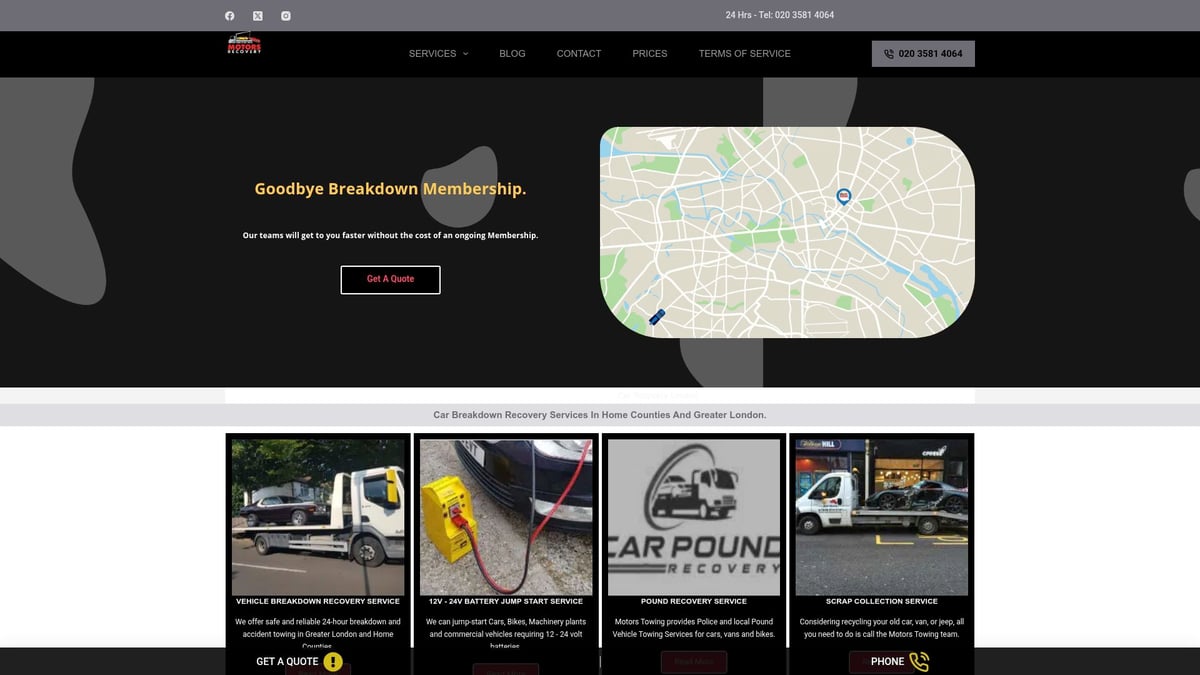
Motors Recovery has built its reputation on rapid response, operating 24/7 with modern, well-maintained tow van models designed for both heavy-duty and multi-passenger requirements. Their technicians are highly trained, ensuring every tow van is ready for urgent jobs, large or small.
A key advantage is their transparent pricing and the fact that no membership fees are necessary, making professional tow van support accessible to businesses and private motorists alike. Whether you face breakdowns, accident recovery, or need vehicle transport, their service covers the full spectrum of tow van needs.
For a detailed breakdown of their capabilities and the specific tow van solutions they offer, see the Motors Recovery services overview. This comprehensive approach underpins why so many fleet operators and individuals trust their tow van requirements to Motors Recovery.
- Key Features: Modern fleet, rapid 24/7 service, wide area coverage.
- Ideal For: Businesses, fleet managers, private motorists.
- Pros: Fast response, expert technicians, transparent costs.
- Cons: Service-based, not a van for direct purchase.
- Unique Selling Point: Thousands rely on their tow van expertise for urgent, safe, and reliable recovery.
Volkswagen Crafter
The Volkswagen Crafter stands out as a top-tier tow van, engineered for maximum capability and reliability. With a braked towing capacity of up to 3,500kg, it leads the class for those needing serious pulling power.
Powered by robust 2.0 TDI engines, the Crafter’s chassis is designed to handle the toughest loads. This tow van features advanced safety systems like trailer stability assist and lane keeping, ensuring peace of mind on long journeys. The highly configurable body styles make it easy to tailor the tow van for any business or specialist need.
Drivers appreciate the Crafter’s ergonomic cabin, supportive seating, and modern infotainment, which reduce fatigue during extended towing duties. The tow van’s large footprint means more space for tools and payload, although it may be less suited to tight urban environments.
- Towing Capacity: Up to 3,500kg braked.
- Features: Strong diesel engines, advanced tech, stable handling.
- Pricing: From approximately £38,000+ VAT (2026 estimate).
- Ideal For: Heavy-duty towing such as plant, trailers, or large caravans.
- Pros: Market-leading capacity, reliability, extensive aftersales support.
- Cons: Larger size, higher upfront cost.
For businesses demanding a reliable tow van for heavy loads, the Crafter remains a benchmark.
Ford Transit Custom
The Ford Transit Custom is a favourite tow van for tradespeople and SMEs who value flexibility and efficiency. With a maximum braked towing capacity of 2,800kg, it offers robust performance for a wide range of applications.
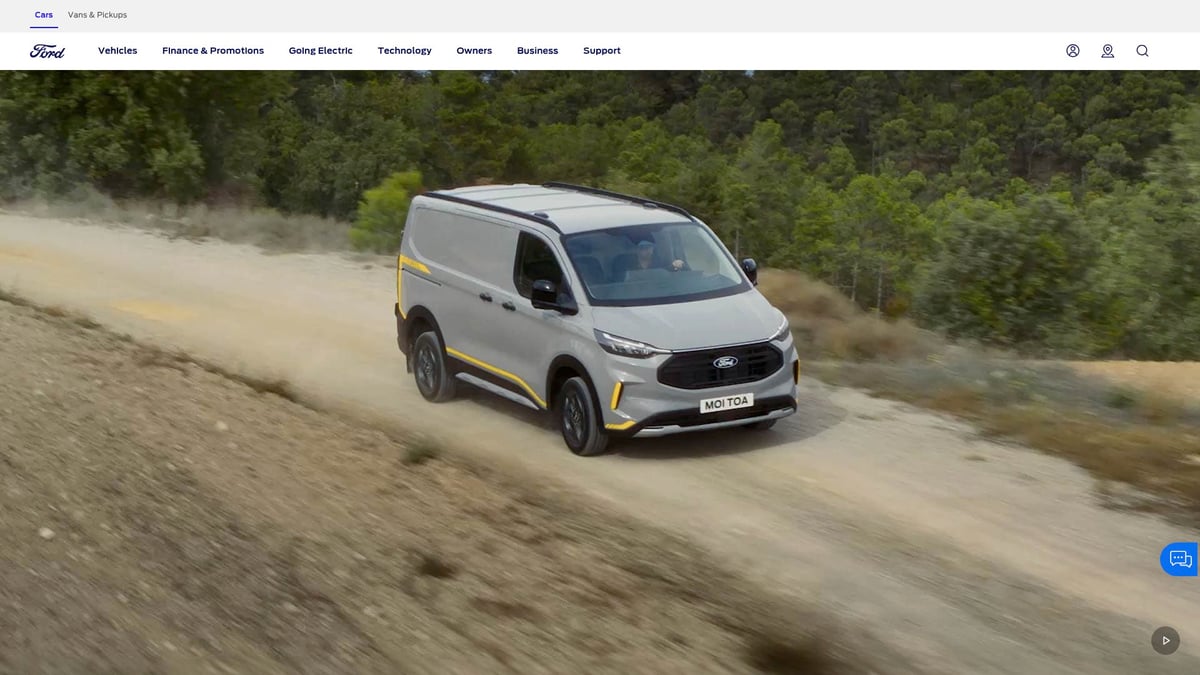
This tow van is available in multiple body styles, including short and long wheelbase options. Its EcoBlue diesel and hybrid engines deliver a balance of torque and fuel economy, while the SYNC infotainment system keeps drivers connected and informed.
Maneuverability is a key strength, making the Transit Custom ideal for navigating city streets or tight job sites. The tow van’s reputation for durability and low running costs adds further appeal, supported by a widespread dealer network and strong resale values.
- Towing Capacity: Up to 2,800kg braked.
- Features: Diesel and hybrid engines, advanced connectivity, ergonomic design.
- Pricing: From around £33,000+ VAT.
- Ideal For: Urban towing, trades, SMEs.
- Pros: Versatile, efficient, excellent dealer support.
- Cons: Not the highest capacity for extreme towing.
For those seeking a tow van that balances capability with everyday usability, the Transit Custom is a proven performer.
Mercedes-Benz Vito
The Mercedes-Benz Vito is the tow van of choice for businesses that value both performance and a premium image. With a braked towing capacity of up to 2,500kg, it meets the needs of most commercial and leisure users.
This tow van is powered by efficient diesel engines and features cutting-edge safety technology, including active brake assist and crosswind stabilisation. The Vito’s cabin is renowned for its comfort and refinement, providing a quieter, more relaxing environment during long towing journeys.
The Vito’s advanced driver assistance systems reduce driver fatigue and enhance safety, while its comprehensive options list allows for a high degree of customisation. The electric eVito variant is available for those operating in low emission zones, though with reduced towing capacity.
- Towing Capacity: Up to 2,500kg braked.
- Features: Advanced safety, premium cabin, diesel and electric options.
- Pricing: From approximately £36,000+ VAT.
- Ideal For: Businesses valuing comfort, technology, and brand reputation.
- Pros: Safety, ride quality, high build standards.
- Cons: Higher cost, limited electric range.
For companies seeking a tow van with a premium touch, the Vito stands out in the segment.
Toyota Proace
Toyota’s Proace has earned its reputation as a reliable and efficient tow van, ideal for businesses wanting a strong all-rounder. Its braked towing capacity of up to 2,500kg ensures it can handle most trailers and small plant equipment.
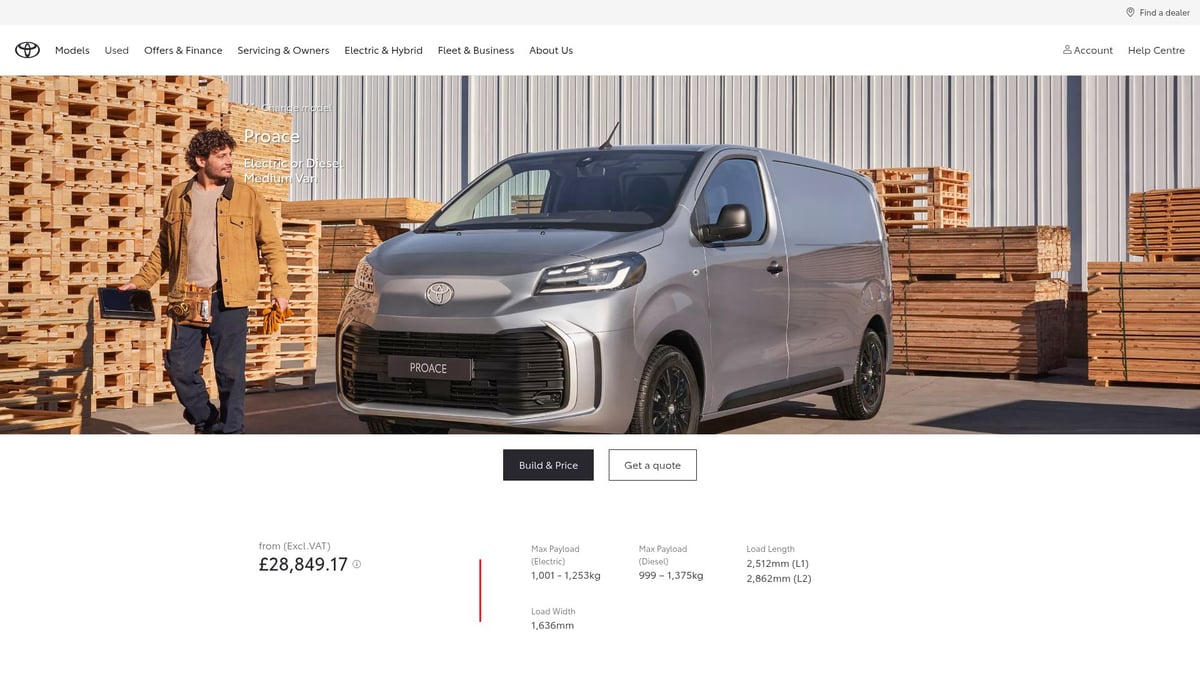
The Proace offers a choice of diesel or electric powertrains, allowing users to select the tow van configuration that best fits their operational needs. The flexible load space and compact exterior dimensions make it easy to maneuver, even in busy urban settings.
One of the Proace’s main attractions is Toyota’s renowned reliability and comprehensive warranty, helping reduce downtime and running costs. It is a tow van that suits a wide range of industries, from couriers to tradespeople.
- Towing Capacity: Up to 2,500kg braked.
- Features: Diesel and electric models, modular load space, efficient engines.
- Pricing: From around £31,000+ VAT.
- Ideal For: Businesses needing efficiency and flexibility.
- Pros: Reliability, warranty, hybrid/electric options.
- Cons: Slightly less powerful than top rivals.
If you need a tow van that blends practicality and peace of mind, the Proace is a dependable choice.
Vauxhall Movano
The Vauxhall Movano is engineered for those with serious towing and payload requirements. With up to 3,000kg braked towing capacity, this tow van is built to move heavy loads efficiently and safely.
Available in multiple wheelbase and roof height configurations, the Movano’s design focuses on practicality and ease of use. Both diesel and electric versions are available, catering to evolving business needs and environmental regulations.
The Movano’s spacious load area and straightforward controls make it a favourite among construction firms and logistics providers. While the interior is less refined than some premium rivals, the tow van delivers excellent value for money and is easy to customise for specialist roles.
- Towing Capacity: Up to 3,000kg braked.
- Features: Diesel and electric engines, flexible body options, large payload.
- Pricing: From approximately £32,000+ VAT.
- Ideal For: Construction, logistics, large deliveries.
- Pros: Value, practicality, customisation options.
- Cons: Basic interior.
For operators who prioritise payload and practicality, the Movano is a stalwart tow van choice.
Renault Master
The Renault Master is a versatile and powerful tow van, offering a braked towing capacity of up to 3,500kg. Its wide range of body styles and business-focused features make it adaptable for various industries.
Equipped with efficient diesel engines and advanced safety features, the Master is engineered for both short urban runs and long-distance hauling. Its payload flexibility allows it to handle complex jobs where both towing and carrying are essential.
Business owners appreciate the Master’s affordable servicing costs and reputation for reliability. While its infotainment system is less advanced than some others, the tow van’s robust construction and strong aftersales support are major benefits.
- Towing Capacity: Up to 3,500kg braked.
- Features: Multiple body styles, efficient engines, advanced safety.
- Pricing: From around £33,500+ VAT.
- Ideal For: Businesses with diverse towing and payload needs.
- Pros: Flexibility, reliability, cost-effective servicing.
- Cons: Basic infotainment.
For those needing a tow van that adapts to changing demands, the Master offers proven strength and value.
Peugeot Expert
The Peugeot Expert is a compact yet capable tow van, designed for city-based trades and medium-duty towing. With a braked towing capacity of up to 2,500kg, it strikes a balance between size and strength.
This tow van comes with both BlueHDi diesel and electric variants, allowing operators to choose the best fit for their needs. The modular cabin and smart storage options enhance usability, while its compact dimensions make it easy to park and maneuver in tight spaces.
Efficiency is at the heart of the Expert’s design, keeping fuel and running costs low. While it does not match the towing capacity of larger rivals, it shines in urban environments where space is at a premium.
- Towing Capacity: Up to 2,500kg braked.
- Features: Diesel and electric engines, modular cabin, urban-friendly.
- Pricing: From approximately £30,000+ VAT.
- Ideal For: Couriers, city trades, light to medium towing.
- Pros: Manoeuvrability, efficiency, electric option.
- Cons: Lower capacity than large vans.
For urban users or those needing a nimble tow van, the Expert delivers reliability and practicality.
Key Considerations for Towing Van Ownership in 2026
Owning a tow van in 2026 will demand more than just choosing the right model. With evolving regulations, technology, and user needs, understanding what goes into owning and operating a tow van is vital for both businesses and private owners. Here are the essential considerations to keep in mind.
Legal and Safety Requirements
Staying compliant with the law is the first priority for any tow van owner. Proper towing licences are mandatory for heavy trailers, and drivers must be trained in safe towing practices. Regular vehicle and trailer inspections are crucial, focusing on lights, brakes, and tyres.
Always adhere to manufacturer weight limits for the tow van and trailer. Incorrect load distribution can lead to accidents or legal penalties. Keeping up with these requirements ensures both safety and peace of mind on the road.
Maintenance and Reliability
A tow van faces higher stress than standard vans, so regular servicing is non-negotiable. High-mileage and towing use can accelerate wear on brakes, suspension, and cooling systems. Modern vans often include predictive maintenance technology, alerting owners to issues before breakdowns occur.
Keeping a detailed maintenance log helps track servicing and spot recurring problems. Investing in scheduled maintenance prevents unexpected downtime and costly repairs for your tow van.
Insurance and Running Costs
Towing impacts insurance, fuel, and service intervals. Specialist insurance policies are available for tow van usage, covering the risks of transporting heavy or valuable cargo. Fuel consumption rises when towing, so budgeting for higher running costs is wise.
Residual values for vans with frequent towing may differ from standard models. Comparing quotes and understanding policy exclusions can help you find cover that suits your tow van needs.
Environmental and Regulatory Factors
Environmental regulations are tightening, especially in urban areas. Ensure your tow van meets ULEZ and CAZ standards to avoid fines and restrictions. Emissions compliance is critical for future-proofing your investment.
Many new tow van models offer electric or hybrid options, helping owners adapt to changing legislation. For a broader overview of regulatory trends, the 2026 Vehicle Guide: Light-duty trucks and vans provides useful insights into evolving standards and available features.
Real-World Usage Scenarios
How does a tow van perform in challenging conditions? Case studies show businesses are switching to electric vans for urban towing, benefiting from lower emissions and running costs. Vans are also tested in harsh weather, from rain-soaked roads to icy motorways.
For those needing reliable support, services like Vehicle recovery in Ongar demonstrate real-life applications of tow van capabilities, assisting owners during breakdowns or recoveries.
Support and Aftersales
A strong manufacturer and dealer network is essential for tow van ownership. Access to genuine parts, quick servicing, and roadside assistance can make a significant difference in uptime. Reliable aftersales support ensures your tow van stays operational and safe.
Roadside assistance is especially valuable for frequent towers, providing peace of mind on long journeys. Prioritise brands with a proven support track record.
Technology and Comfort
Modern tow vans are packed with features to enhance driver comfort and safety. Infotainment systems, navigation aids, and connectivity tools simplify long journeys. Advanced driver aids, such as trailer stability control and reversing cameras, reduce stress when towing.
Cabin ergonomics and smart storage solutions improve daily usability. Investing in a tow van with the latest technology ensures a safer, more enjoyable driving experience.
Comparison Table: 2026’s Leading Tow Vans at a Glance
Selecting the right tow van for your needs in 2026 is a strategic decision. With so many choices available, a side-by-side comparison is the simplest way to see how each tow van stacks up in the areas that matter most. Below, you will find a comprehensive table highlighting the key specifications and features of the top models, helping you make an informed and future-proof investment.
| Van Model |
Towing Capacity (Braked/Unbraked) |
Payload |
Engine Options |
Key Safety Features |
Pricing (Est. 2026) |
Unique Selling Points |
| Volkswagen Crafter |
3,500kg / 750kg |
Up to 1,500kg |
Diesel |
ESC, Trailer Assist, Lane Assist |
£38,000+ VAT |
Highest capacity, robust build |
| Renault Master |
3,500kg / 750kg |
Up to 1,610kg |
Diesel |
AEBS, Hill Start Assist |
£33,500+ VAT |
Versatility, business focus |
| Vauxhall Movano |
3,000kg / 750kg |
Up to 1,620kg |
Diesel, Electric |
ESP, Rear Camera |
£32,000+ VAT |
Value, large payload |
| Ford Transit Custom |
2,800kg / 750kg |
Up to 1,459kg |
Diesel, Hybrid |
Pre-Collision Assist, Trailer Sway |
£33,000+ VAT |
Urban-friendly, tech-rich |
| Mercedes-Benz Vito |
2,500kg / 750kg |
Up to 1,369kg |
Diesel, Electric |
Crosswind Assist, Blind Spot Assist |
£36,000+ VAT |
Comfort, premium safety |
| Toyota Proace |
2,500kg / 750kg |
Up to 1,400kg |
Diesel, Electric |
Smart Entry, Stability Control |
£31,000+ VAT |
Reliability, warranty |
| Peugeot Expert |
2,500kg / 750kg |
Up to 1,446kg |
Diesel, Electric |
Grip Control, Auto Emergency Brake |
£30,000+ VAT |
Manoeuvrability, compact size |
Table Notes:
- Bold indicates best-in-class for towing capacity.
- All models comply with current and anticipated ULEZ and CAZ regulations.
- Payload figures and pricing are approximate and may vary by configuration.
When reviewing the data, the Volkswagen Crafter and Renault Master stand out for those seeking a tow van with the highest braked towing capacity, both rated at 3,500kg. For businesses focused on payload, the Vauxhall Movano provides excellent carrying ability alongside its strong towing performance.
If your priority is city-based towing, the Ford Transit Custom and Peugeot Expert offer superior manoeuvrability and efficient engine options. The Mercedes-Benz Vito is the go-to tow van for those who value comfort and advanced safety technologies.
For buyers evaluating alternatives outside this line-up, the 2026 Ram ProMaster Capability provides a useful benchmark in the US market, while the 2026 Mercedes-Benz Sprinter Review highlights another global leader’s performance.
Ultimately, your ideal tow van will depend on your primary use case. For heavy-duty, long-distance towing, the Crafter or Master are top choices. If you need a future-ready, ULEZ-compliant van with flexible engine options, the Proace, Movano, or Expert are excellent contenders. Use this table as your quick-reference guide to ensure your next tow van investment is both reliable and tailored to your unique business or personal requirements.

