Picture this: you are rushing to your next job, van packed and ready, when the engine suddenly cuts out. In an instant, a van breakdown can leave you stranded, throw off your schedule, and cause serious stress.
Breakdowns do not just cost you valuable time and money. They can put your safety at risk, damage your reputation, and lead to missed business opportunities.
This 2026 guide gives you practical, expert advice to help you avoid a van breakdown, act quickly in emergencies, and stay on the road. We will cover causes, prevention, breakdown cover, and the latest industry trends.
Understanding Van Breakdowns: Causes and Risks
Picture yourself setting off in your van, only to have your day derailed by an unexpected van breakdown. Understanding why breakdowns happen, what risks they create, and how industry trends are shifting is vital for every driver in 2026.
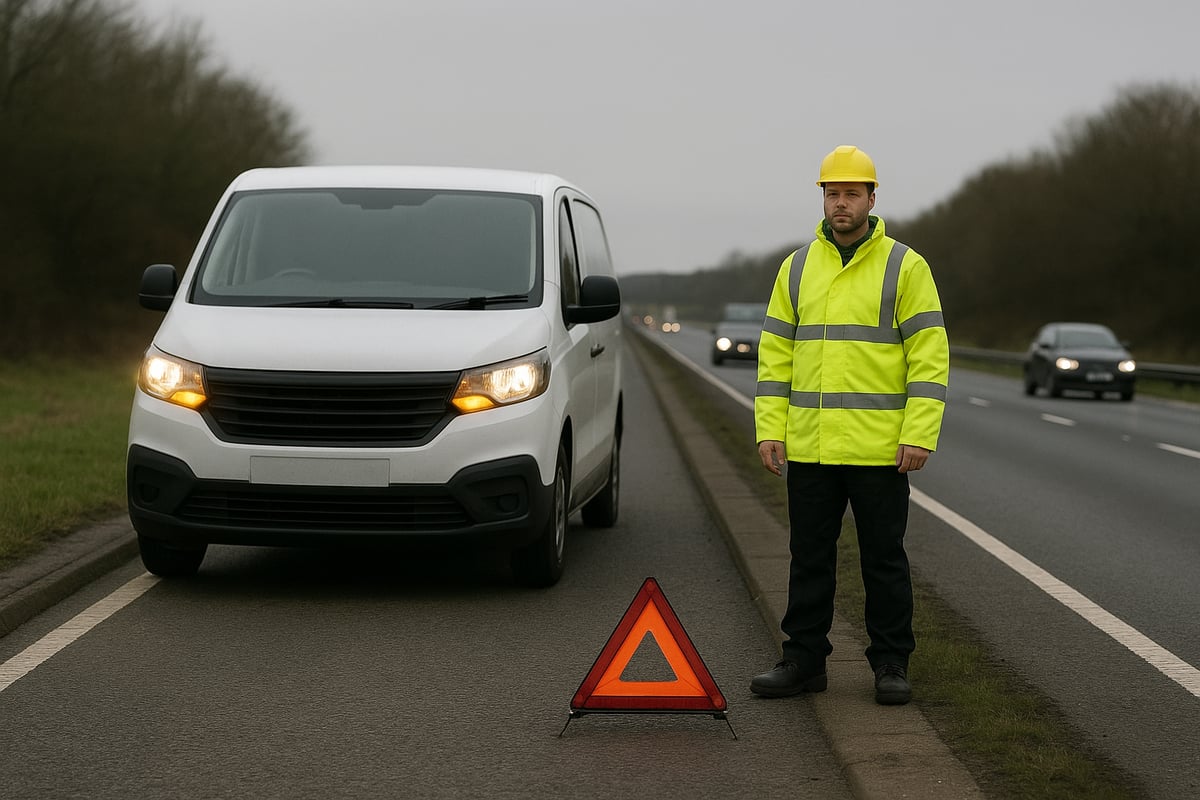
The Most Common Causes of Van Breakdowns
Despite technological advances, van breakdown remains a leading headache for UK drivers. Battery failures top the list, responsible for nearly 30 percent of callouts according to recent RAC and Autonet Insurance data. Even with regular use, batteries can falter unexpectedly, especially in cold weather or after short, infrequent journeys.
Other frequent causes include:
- Tyre issues, such as punctures, blowouts, or worn treads, often catching drivers off-guard.
- Starter motor and alternator faults, making it impossible to start or keep your van running.
- Fuel problems, including misfuelling and running out of fuel, which can immobilise your van quickly.
- Overheating due to coolant leaks or faulty radiators, especially in older models.
- Modern van electronics and sensor failures, leading to sudden warning lights or limp mode.
Real-life examples abound: delivery drivers missing time-critical drops due to flat batteries, or tradespeople stranded by a tyre blowout en route to a site. No matter the cause, a van breakdown can spell major disruption.
The Risks and Consequences of Breaking Down
A van breakdown is not merely an inconvenience—it can have serious repercussions for drivers and businesses alike. Missed jobs result in lost income and can damage your reputation. For self-employed professionals and fleet operators, even a single delay can lead to dissatisfied clients and lost contracts.
Safety is a major concern, particularly if a van breakdown occurs on a motorway or a smart motorway where refuge areas are limited. Night-time incidents or breakdowns in remote locations can increase vulnerability. According to RAC statistics, most breakdowns are resolved at the roadside in under 60 minutes, but some require towing, leading to extended delays.
Costs can quickly add up. Repair bills, towing charges, and potential fines for mismanaging a breakdown are all common. Imagine a business owner facing customer complaints after arriving hours late due to an unplanned van breakdown—these real-world consequences highlight the importance of preparation.
Trends in Van Breakdowns: 2026 Insights
The landscape of van breakdown is evolving fast. With the UK’s growing reliance on vans for last-mile delivery and trade services, the number of breakdown incidents has risen. Electric and hybrid vans bring new challenges, such as battery faults and charging issues, prompting providers to offer EV-specific support.
Smart technology is making a difference. Telematics and predictive maintenance tools now help drivers and fleet managers spot issues before a van breakdown occurs. According to Autonet and RAC, four out of five vehicles are repaired at the roadside, but the number of breakdowns on UK A-roads has surged by 20 percent in recent years, as discussed in Breakdowns on UK A-Roads surge by 20%.
Forward-thinking fleet operators are using telematics to monitor van health, reducing unexpected breakdowns and keeping more vans on the road. Staying informed about these trends is essential for minimising disruption and protecting your bottom line.
Step-by-Step: What to Do When Your Van Breaks Down
A van breakdown can happen at the worst possible moment, but knowing exactly what to do can make all the difference. By following a clear, step-by-step process, you can stay safe, protect your vehicle and cargo, and get help quickly. Here is your essential guide to handling any van breakdown scenario with confidence.
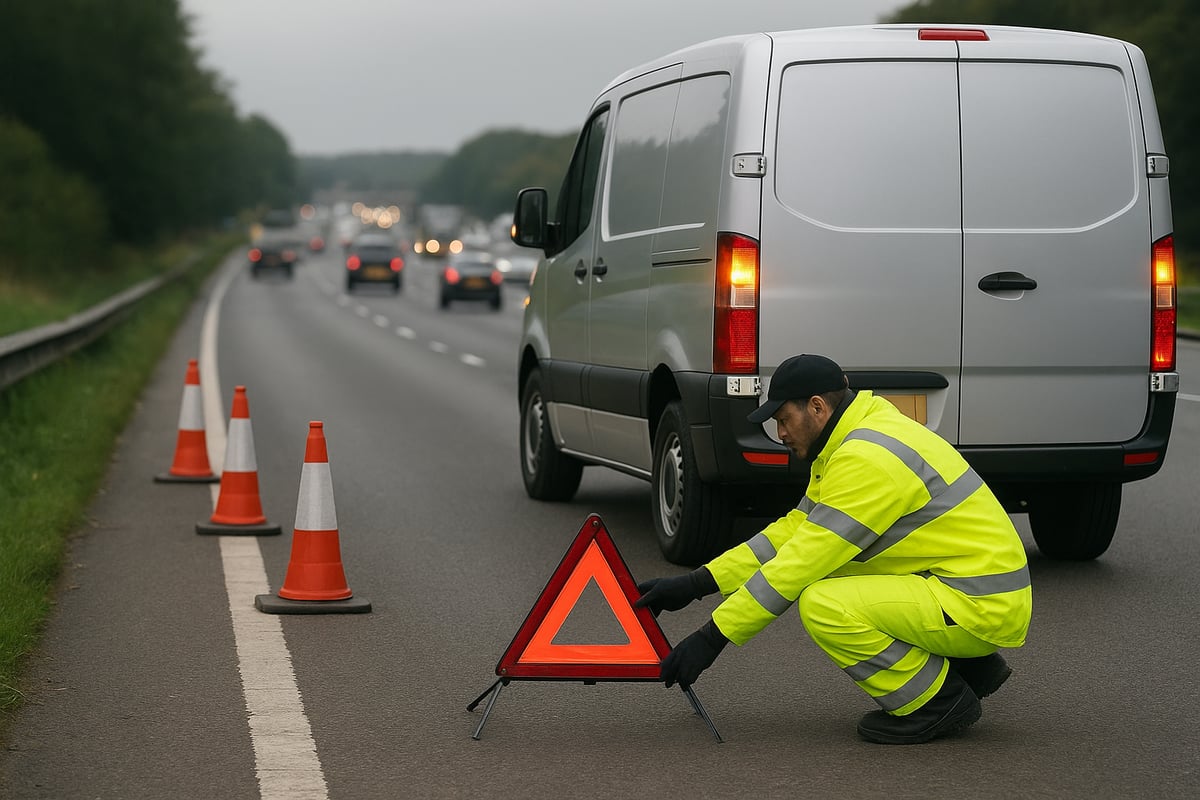
Immediate Actions for Driver and Passenger Safety
When a van breakdown occurs, your first priority is safety. Try to move your van off the road or onto the hard shoulder if you can do so safely. On smart motorways, aim for an emergency refuge area, or stop as far left as possible.
Switch on your hazard lights to alert other drivers. Everyone should put on a high-visibility jacket before exiting the vehicle. If you are not on a motorway, place a warning triangle at least 45 metres behind your van to warn oncoming traffic.
Evacuate all passengers, including yourself, through the side furthest from traffic. Stand well away from the carriageway, ideally behind a barrier if one is available. Never attempt repairs on the hard shoulder.
For more detailed advice on what to do in a motorway van breakdown, consult this expert guide: Do drivers know what to do if they break down on the motorway?. Real-world example: a driver on the M25 safely managed a van breakdown by following these exact steps, ensuring everyone remained unharmed.
Contacting Breakdown Services and Getting Help
Once you and your passengers are safe, it is time to arrange assistance for your van breakdown. Use your mobile to call your breakdown provider, or use their dedicated app if you have one. Many providers offer apps that allow you to share your exact location, streamlining the process.
Be ready to give your location, van registration, and a brief description of the problem. Mention if you are in a vulnerable situation, such as being alone at night or travelling with children. Most major services aim to reach you within 60 minutes, though response times may vary depending on your location and traffic.
If you do not have a breakdown policy, consider searching for pay-as-you-go or local options. For those in remote areas or on busy roads, online requests can sometimes result in faster dispatch. In one case, a delivery driver used an app to share their location and received real-time updates, minimising stress during a van breakdown.
Managing the Situation Until Help Arrives
While waiting for help, continue to prioritise safety and security. Lock the van doors if you are waiting nearby, and keep hazard lights on to remain visible. If you are carrying valuable goods, avoid discussing your cargo with passers-by, and keep everything secure inside the van.
Communicate with clients or your employer as soon as possible to explain the delay. Clear, proactive updates help maintain trust and manage expectations. If weather conditions are harsh, use blankets to keep warm or open windows slightly for ventilation in hot weather.
If your van breakdown is accident-related, take photographs of the scene and any damage for your records. Keeping detailed documentation can help with insurance claims and protect your interests.
Motors Recovery: Fast, Pay-As-You-Go Van Breakdown Assistance in London & Home Counties
If your van breakdown occurs in Greater London or the Home Counties, consider Motors Recovery for rapid, flexible help. Their 24/7 service covers everything from towing and battery jump-starts to accident recovery, with no annual membership required.
You only pay when you need help, making it cost-effective for tradespeople, delivery drivers, and fleet operators. Average arrival times are just 15 to 60 minutes, so you are back on the road quickly. Skilled technicians and modern recovery vehicles ensure your van breakdown is handled professionally and safely.
Choosing the Right Van Breakdown Cover in 2026
Choosing the right van breakdown cover in 2026 is crucial for keeping your business moving and your van protected. With more options and specialist policies available than ever, understanding what each cover provides ensures you are not left stranded or out of pocket.
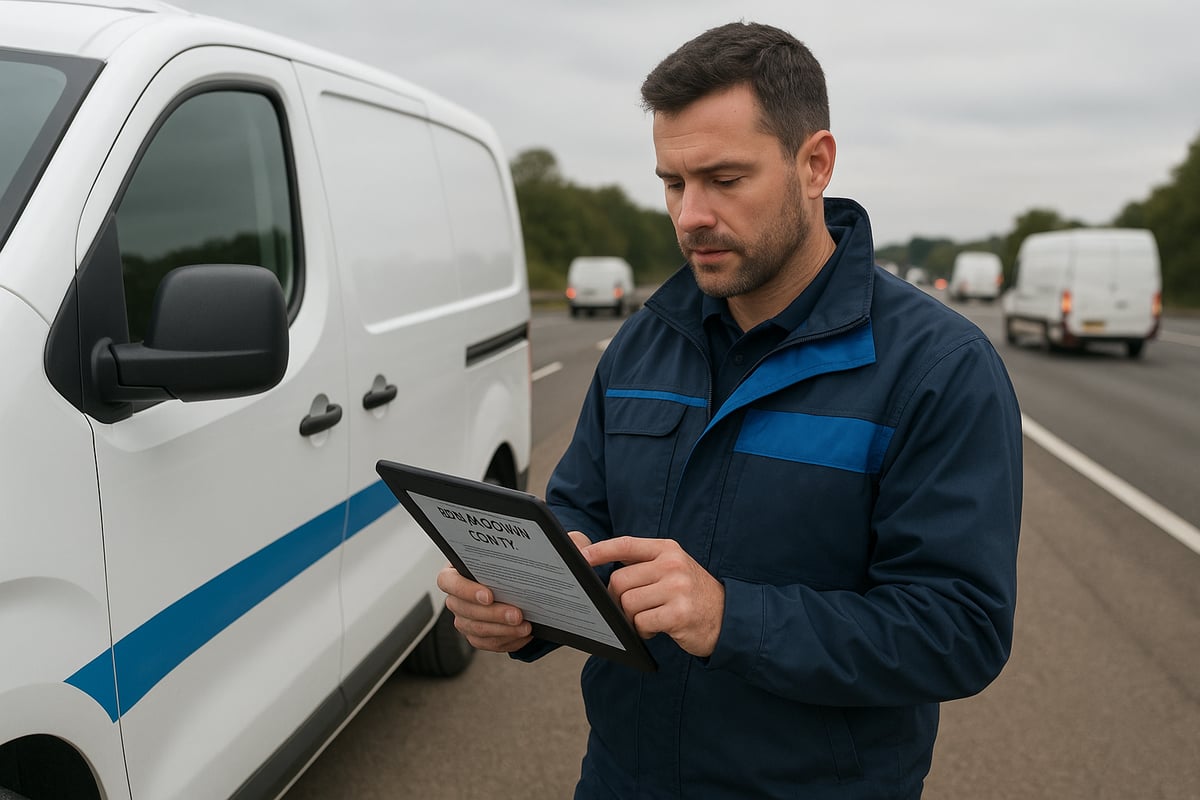
Types of Breakdown Cover Explained
Van breakdown cover is not one size fits all. Providers offer a range of options tailored to different needs, making it essential to select the right type for your van and business.
| Cover Type |
What It Includes |
Ideal For |
| Roadside Assistance |
Repairs at the roadside if you break down 1/4 mile from home |
All van drivers |
| Recovery |
Towing to a garage or destination, locally or nationally |
Long-distance drivers |
| At Home Cover |
Help if your van breakdown occurs at or near home |
Urban and rural users |
| Onward Travel |
Replacement van, transport, or overnight accommodation |
Delivery and business |
| European Cover |
Support when driving abroad |
International journeys |
| Unlimited Callouts |
Multiple van breakdown incidents covered per year |
High-mileage fleets |
Choosing a mix of these options ensures you are covered in every situation, whether you face a van breakdown at home or on a busy motorway.
Key Features to Look For in 2026 Policies
Modern van breakdown policies offer more than just roadside fixes. When comparing policies, look for features designed to reduce downtime and maximise value.
- Vehicle-based vs. personal cover: Decide if you want cover for a specific van or for any van you drive.
- Unlimited callouts: Essential for businesses with frequent use.
- Misfuelling rescue: Accidental refuelling is a common van breakdown cause.
- Tyre and battery replacement: Some policies include up to £600 in battery cover.
- Van-for-van replacement: Premium cover can provide a replacement van if yours is off the road.
For example, RAC Van Lite and Van Total policies offer a range of these features, letting you match your van breakdown needs to your business type and vehicle usage.
Cost Considerations and Payment Options
Cost is a critical factor in van breakdown cover. Providers now offer monthly or annual plans, helping you manage cash flow. Fleet discounts are available for businesses with multiple vans.
If you only need occasional support, pay-as-you-go options are gaining popularity. Services like Van breakdown recovery services allow you to pay only when you need help, avoiding annual fees. Basic cover starts from around £9 per month per van, with comprehensive options from £11.50, according to RAC data.
Choosing the right payment model depends on your van breakdown frequency and budget. Always consider flexibility and whether you prefer predictable monthly costs or on-demand services.
How to Compare Providers and Get the Best Deal
With so many providers, finding the best van breakdown cover means comparing more than just price. Use online tools to request quotes and read customer reviews on platforms like Trustpilot.
Look for policies tailored to your specific needs, whether you are a sole trader or manage a fleet. Consider add-ons such as legal expenses, tool cover, or public liability insurance for full peace of mind.
Remember, the best van breakdown cover is not just about cost, but about reliability, response times, and support when you need it most.
Preventative Maintenance: Reducing Your Breakdown Risk
Staying ahead of a van breakdown begins long before you hit the road. Preventative maintenance is your frontline defence, keeping your van reliable and your business moving. With a few regular checks and the right habits, you can dramatically reduce your risk of unexpected issues.

Essential Van Checks Every Driver Should Do
Every van driver should make routine checks part of their schedule to minimise the risk of a van breakdown. Start with the battery—test it regularly, especially if your van is more than three years old. Replace at the first sign of slow cranking or dim lights.
Tyre condition is another critical factor. Check tread depth and pressure, and always inspect for cuts or bulges. Make sure your spare tyre is serviceable. Neglected tyres are a leading cause of breakdowns and MOT failures. In fact, as highlighted in the 5.1 Million Van Fleet in Crisis report, poor maintenance leads to high failure rates and increased risk of van breakdown for businesses across the UK.
Next, keep an eye on all fluid levels—oil, coolant, brake fluid, and washer fluid. Top up as needed and look for any leaks under the van. Lights and electrics should be checked weekly. Replace blown bulbs promptly and address any warning lights immediately. Finally, pay attention to brakes and steering. Listen for unusual noises or changes in feel. Address issues before they escalate.
Service Intervals and Record-Keeping
Following your manufacturer’s recommended service intervals is vital for preventing a van breakdown. Regular servicing not only extends the lifespan of your van, but also keeps your warranty valid and ensures compliance with business insurance requirements.
Keep a detailed service log, including dates, mileage, and receipts. Scheduling pre-MOT and seasonal checks helps you catch problems early, reducing the risk of costly downtime. A well-documented maintenance history can also increase your van’s resale value and provides proof of care if warranty claims arise.
Using Technology for Predictive Maintenance
Modern technology offers powerful tools to reduce van breakdown risk. Telematics systems monitor battery health, engine diagnostics, and tyre pressure in real time, alerting you to potential issues before they cause a problem.
Many drivers now use mobile apps for maintenance reminders and digital checklists. For businesses running a fleet, fleet management software can schedule services automatically and track the condition of each van. Adopting predictive maintenance technology not only minimises van breakdown incidents but also helps control repair costs and maximise uptime.
Preparing for Seasonal and Long-Distance Journeys
Every season presents unique challenges that can increase your chance of a van breakdown. In winter, cold temperatures drain batteries and reduce tyre grip. Check battery health, tyre tread, antifreeze, and wipers before the cold sets in.
For summer or long trips, focus on coolant levels, air conditioning, and securing your load. Always carry an emergency kit: torch, warning triangle, first aid kit, jump leads, water, snacks, and a phone charger. Being prepared for the unexpected ensures you stay safe, comfortable, and ready to handle any van breakdown situation that arises.
Real-World Example: Preventing a Costly Breakdown
A tradesperson recently avoided a major van breakdown by spotting low battery voltage during a routine check. By replacing the battery ahead of time, they stayed on schedule and avoided missed appointments, proving that preventative maintenance truly pays off.
Van Breakdown FAQs: Expert Answers for 2026
Navigating a van breakdown can be daunting, especially with changing road layouts and technology. Here, we answer the most pressing questions van drivers have for 2026, offering clear, practical guidance. Whether you face a van breakdown on a smart motorway, worry about tool cover, or simply want to know how fast help will arrive, these expert answers will keep you informed and prepared.
What Should I Do if I Break Down on a Smart Motorway?
If you experience a van breakdown on a smart motorway, your priority is safety. Try to reach an emergency refuge area, but if this is not possible, stop as far left as you can with hazard lights on. Exit the van on the left if safe, and move behind the barrier. Use your breakdown provider’s app or an emergency phone to request help.
Smart motorway incidents require extra caution, as live lanes may remain active. Data from major providers shows that prompt, clear communication improves response times and keeps you safer during a van breakdown.
How Does Van-for-Van Replacement Work?
Van-for-van replacement is a premium feature included with certain van breakdown cover, like RAC Van Total. If your van cannot be fixed quickly at the roadside, a replacement van is provided so you can continue your journey or work without delay.
Typically, there may be a short waiting period, and availability can depend on demand. This option is valuable for tradespeople who cannot afford downtime due to a van breakdown. Always check policy details for limits and exclusions.
Is Breakdown Cover Tax-Deductible for Business Vans?
Yes, in most cases, van breakdown cover is classed as a business expense if the van is used for work. This means you can claim it against your tax bill.
However, it is wise to keep all receipts and consult your accountant for up-to-date advice. Accurate record-keeping ensures you remain compliant and make the most of your van breakdown protection benefits.
Can I Get Cover for Tools and Goods in My Van?
Many insurers now offer add-ons for tools and cargo, providing extra peace of mind in the event of a van breakdown. For example, policies like Autonet’s Tools in Van Insurance allow you to claim for theft or damage to your work equipment.
Before purchasing, check what is included and whether there are limits or exclusions. Protecting valuable goods is especially important if your van breakdown leaves you stranded overnight or far from your base.
What Happens if I Misfuel My Van?
Misfuelling is a surprisingly common cause of van breakdown. Most modern policies include specialist misfuel rescue, which covers draining the wrong fuel, flushing the system, and refilling with up to 10 litres of the correct fuel.
If you realise your mistake, do not start the engine. Call your provider immediately, as starting the van could cause further damage. Some services, like vehicle recovery on major London roads, can assist quickly if you misfuel on busy routes.
How Fast Will Help Arrive?
Response times for van breakdown assistance are a key concern for drivers. Leading providers like RAC and Autonet report that most breakdowns are attended within 60 minutes. In the London area, some pay-as-you-go services aim for arrival in as little as 15 minutes.
Keep your phone charged and location details ready to speed up the process. Remember, quick action and accurate information help ensure your van breakdown is resolved swiftly, minimising disruption to your day.
Industry Trends and Innovations in Van Breakdown Support
The landscape of van breakdown support is evolving rapidly, influenced by technology, customer expectations, and the rise of electric vehicles. Staying updated with these trends is essential for any driver or fleet operator aiming to minimise risk and downtime.
The Rise of Electric and Hybrid Van Assistance
Electric and hybrid vans are now a common sight on UK roads, which brings new challenges for van breakdown support. Unlike traditional vehicles, electric vans can face unique issues such as battery faults or charging errors. Recovery teams have adapted, offering specialist equipment and training to handle high-voltage systems safely.
Leading providers now include electric and hybrid van breakdown cover as standard, ensuring drivers are not left stranded due to a technical glitch. As more businesses transition their fleets, the demand for these services has grown significantly. According to recent Provisional road traffic estimates, Great Britain: October 2024 to September 2025, van traffic is at an all-time high, further highlighting the need for reliable support for all vehicle types.
Telematics and Predictive Analytics
Telematics and predictive analytics are transforming van breakdown prevention. Real-time data from onboard systems allows fleet managers to monitor vehicle health and predict issues before they escalate. This proactive approach reduces the risk of unexpected breakdowns and helps businesses maintain productivity.
For example, telematics can track engine performance, battery charge, and tyre pressure, alerting drivers to potential faults early. Many companies now use predictive maintenance schedules, informed by analytics, to time repairs and servicing. This technology is especially valuable for large fleets, where a single van breakdown can disrupt multiple jobs.
Flexible, On-Demand Recovery Models
The traditional annual membership model is no longer the only option for van breakdown recovery. Flexible, pay-as-you-go services are gaining popularity, especially in urban areas where drivers need quick solutions without the commitment of yearly fees.
Services like pay-as-you-go roadside assistance provide rapid support when and where it is needed, making them ideal for occasional drivers or small businesses. These on-demand solutions offer transparent pricing, no hidden charges, and average response times that rival those of major providers. This shift empowers drivers to choose the most suitable van breakdown support for their needs.
Customer Experience and Digital Support
Customer experience is now at the heart of van breakdown services. Providers offer 24/7 helplines, real-time tracking apps, and instant online quotes to streamline the recovery process. This digital transformation ensures drivers receive timely updates, accurate arrival times, and clear communication from start to finish.
Positive customer reviews reflect the improvements in transparency and reliability. Many drivers appreciate the ability to track their recovery vehicle, manage claims online, and access support in a few taps. As expectations rise, the integration of digital tools will continue to shape the future of van breakdown support, making it faster and more responsive than ever.
Essential Resources and Contacts for Van Drivers
Staying prepared for a van breakdown is about more than just knowing what to do at the roadside. Having the right resources and support at your fingertips can make all the difference, whether you drive for business or personal use. Here, you will find the essential contacts, tools, and information every van driver should have to handle any van breakdown confidently.
Emergency Numbers and Useful Apps
When a van breakdown happens, quick access to emergency numbers is crucial. Always keep your breakdown provider’s helpline saved in your phone, such as the RAC or Autonet. For life-threatening situations, dial 999 immediately.
Having the right apps can streamline the van breakdown process. Most major providers offer dedicated apps for requesting help, tracking assistance, and sharing your precise location. Navigation apps, like Google Maps or Waze, can help you relay accurate details about your position. Maintenance reminder apps are also invaluable for preventing future van breakdowns.
Regularly update these apps and ensure your phone is charged before every journey to stay ready for any van breakdown situation.
Must-Have Kit for Every Van
An essential van breakdown kit is your first line of defence in an emergency. Every van should carry:
- Warning triangle
- High-visibility vest
- Torch (with spare batteries)
- First aid kit
- Jump leads
- Spare tyre and basic tools
A phone charger and power bank ensure you can always call for help during a van breakdown. Consider packing water, snacks, and a blanket, especially for long waits or poor weather conditions.
Preparedness is key: check your kit regularly and replace any used or expired items. This proactive approach reduces the impact of a van breakdown and keeps you safe.
Where to Find the Latest Advice and Reviews
Staying informed about van breakdown trends and solutions helps you make better decisions. Visit trusted sources like RAC News & Advice, Autonet’s online guides, and official government road safety sites for up-to-date information.
Van review websites offer insights on reliability, common faults, and the best models for your needs. Engaging with forums and social media groups lets you share experiences and get tips from fellow van drivers who have faced van breakdown situations.
Bookmark these resources for regular reference and stay ahead of potential van breakdown risks.
Key Contacts for London and Home Counties Drivers
For drivers in London and the Home Counties, having local van breakdown contacts is invaluable. Find details for nearby garages, tyre centres, and fleet management services before you set off, so you are prepared for any van breakdown along your route.
If you operate in areas like Northolt, it is wise to know about Car and van recovery in Northolt, which provides rapid, location-specific van breakdown assistance. This local knowledge ensures you can get back on the road quickly and minimise business disruption.
Keep these contacts handy, update them regularly, and share them with anyone driving your van to prepare for any van breakdown scenario.

