Imagine your car suddenly grinding to a halt on a packed motorway in 2026. Would you know the first step to take or who to trust for rapid assistance? Staying calm is crucial, but having the right knowledge about vehicle recovery can make all the difference.
This essential guide walks you through everything you need to know about vehicle recovery in 2026. You will discover the newest recovery options, how costs are structured, recent legal updates, step-by-step protocols for breakdowns, and how to select the cover that truly fits your needs.
Be prepared, gain peace of mind, and ensure your safety—read on to feel confident in any vehicle emergency.
Understanding Vehicle Recovery: What It Means in 2026
Imagine your car suddenly grinding to a halt on a busy road. In 2026, knowing how vehicle recovery works is crucial for every driver. The landscape has evolved, with new types of vehicles, regulations, and recovery solutions shaping the way breakdowns are handled. Let us break down what vehicle recovery really means today.
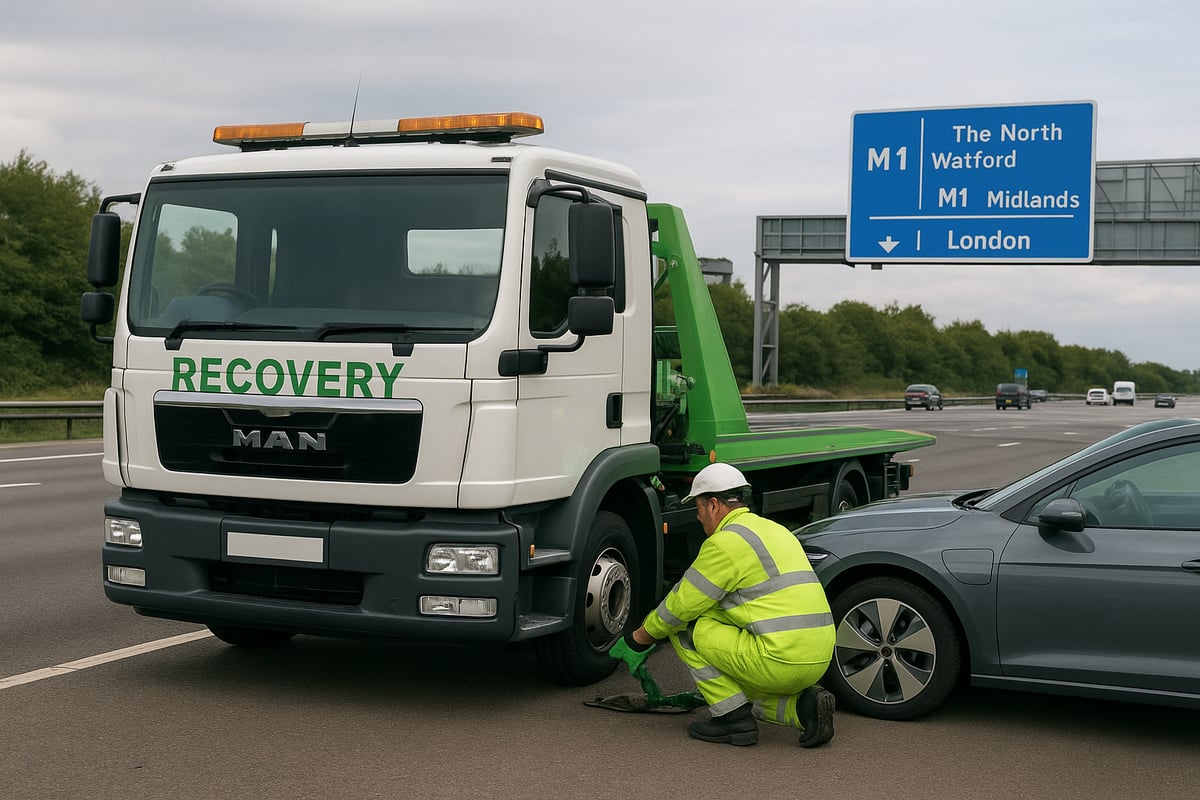
Definition and Scope of Vehicle Recovery
Vehicle recovery refers to the service of moving a vehicle that cannot be driven due to breakdown, accident, or immobilisation. It is distinct from roadside assistance, which aims to fix minor faults at the scene. Vehicle recovery becomes essential when immediate repair is impossible.
Today, vehicle recovery covers a range of vehicles: cars, vans, motorcycles, and increasingly, electric vehicles. Common scenarios include mechanical failure, road accidents, or vehicles stuck in hazardous locations. The rise of hybrid and electric vehicles introduces new challenges, such as the need for specialist equipment and handling. In 2026, industry standards and regulations define recovery procedures, ensuring safe and compliant operations.
For example, as electric vehicle adoption grows, providers must invest in proper training and tools to recover these vehicles safely. This means not every recovery operator can handle all vehicle types, so choosing a qualified service is vital.
Types of Vehicle Recovery Services Available
Vehicle recovery services fall into several categories. Local recovery typically covers short distances, often up to 10 miles, while national recovery offers transport anywhere in the UK. Some providers even offer European cover for cross-border journeys.
Recovery methods include standard towing, flatbed transport, and specialist recovery for non-standard or larger vehicles. Onward travel options may be provided, allowing drivers and passengers to continue their journey if the vehicle cannot be fixed immediately. Services are available in both emergency and scheduled formats.
Statistics from the RAC show that 4 out of 5 vehicles are fixed at the roadside, but recovery is essential for the remainder. Understanding these options helps drivers choose the right level of cover for their needs.
The Role of Technology in Modern Recovery
Technology is transforming vehicle recovery in 2026. App-based service requests and real-time tracking make it easier to summon help and monitor arrival times. Smart diagnostics allow technicians to assess faults remotely before arriving, improving efficiency and accuracy.
Many modern vehicles feature integrated systems that can automatically alert recovery services in the event of a breakdown or accident. Telematics data speeds up dispatch and response, enabling providers to send the right vehicle and equipment for each situation.
For example, some recovery operators use predictive analytics to anticipate common faults, reducing wait times and improving overall service quality. Technology not only enhances convenience but also contributes to safer and more reliable vehicle recovery.
Legal and Insurance Considerations
Legal requirements for vehicle recovery operators have become more comprehensive in 2026. Operators must hold specific licences, meet training standards, and carry adequate insurance. These rules protect both customers and recovery staff.
For drivers, it is essential to check what is included in their insurance or breakdown policies. Not all policies cover every scenario. Some exclude specialist vehicles or pre-existing faults. As electric and hybrid vehicles become more common, specialist cover for these models is increasingly important.
Before subscribing to a recovery service, review the inclusions and exclusions in your policy. This ensures you are not caught out by hidden limitations when you need vehicle recovery most.
Environmental and Safety Standards
Environmental awareness is now a key part of vehicle recovery. Many providers use eco-friendly recovery vehicles that meet strict emissions regulations. Recovery operators must follow safety protocols to protect both staff and stranded motorists.
For electric vehicles, regulations require safe handling and transport, particularly regarding battery management. The demand for green recovery solutions is growing as more drivers choose low-emission cars. Some providers specialise in Recovery for Electric Vehicles, offering tailored services on major routes and ensuring compliance with the latest safety and environmental standards.
In summary, vehicle recovery in 2026 is a sophisticated, technology-driven service shaped by new vehicle types, legal frameworks, and environmental expectations. Choosing a provider with the right expertise and equipment is essential for every modern driver.
How Vehicle Recovery Works: The Step-by-Step Process
Breaking down on the road can be daunting, but understanding how vehicle recovery works can make the experience smoother and less stressful. In 2026, recovery services are more advanced and accessible than ever, ensuring drivers get the help they need promptly and safely.

What to Do When Your Vehicle Breaks Down
The first moments after a breakdown are crucial for your safety. Pull over to a safe area, such as the hard shoulder or a lay-by, and activate your hazard lights to alert other drivers. Ensure all passengers exit the vehicle using the side furthest from traffic and wait behind a safety barrier if possible.
If you are on a motorway, follow official advice: never attempt repairs yourself. Instead, move to a safe location and keep pets inside the vehicle unless it is unsafe. These immediate actions help set the stage for a smooth vehicle recovery process.
Contacting Recovery Services
Once everyone is safe, it is time to request vehicle recovery. You can contact providers via phone, dedicated apps, or online platforms. Have your location details, vehicle make and model, and a brief description of the issue ready to speed up the process.
Modern services, such as 24/7 Vehicle Recovery Services, offer rapid response times, with many aiming to reach you within 60 minutes. Their round-the-clock availability ensures you are never left stranded, whether it is a minor fault or a major breakdown.
On-Site Assessment and Repairs
When the technician arrives, they will conduct an initial assessment of your vehicle recovery needs. Using advanced diagnostic tools, they can often fix common problems at the roadside, such as flat tyres, dead batteries, or minor electrical faults.
If the issue is more serious and cannot be repaired on the spot, the technician will advise on the next steps. In most cases, four out of five breakdowns are resolved without needing a tow, but having a comprehensive vehicle recovery plan ensures you are covered for any scenario.
Vehicle Recovery and Towing Procedures
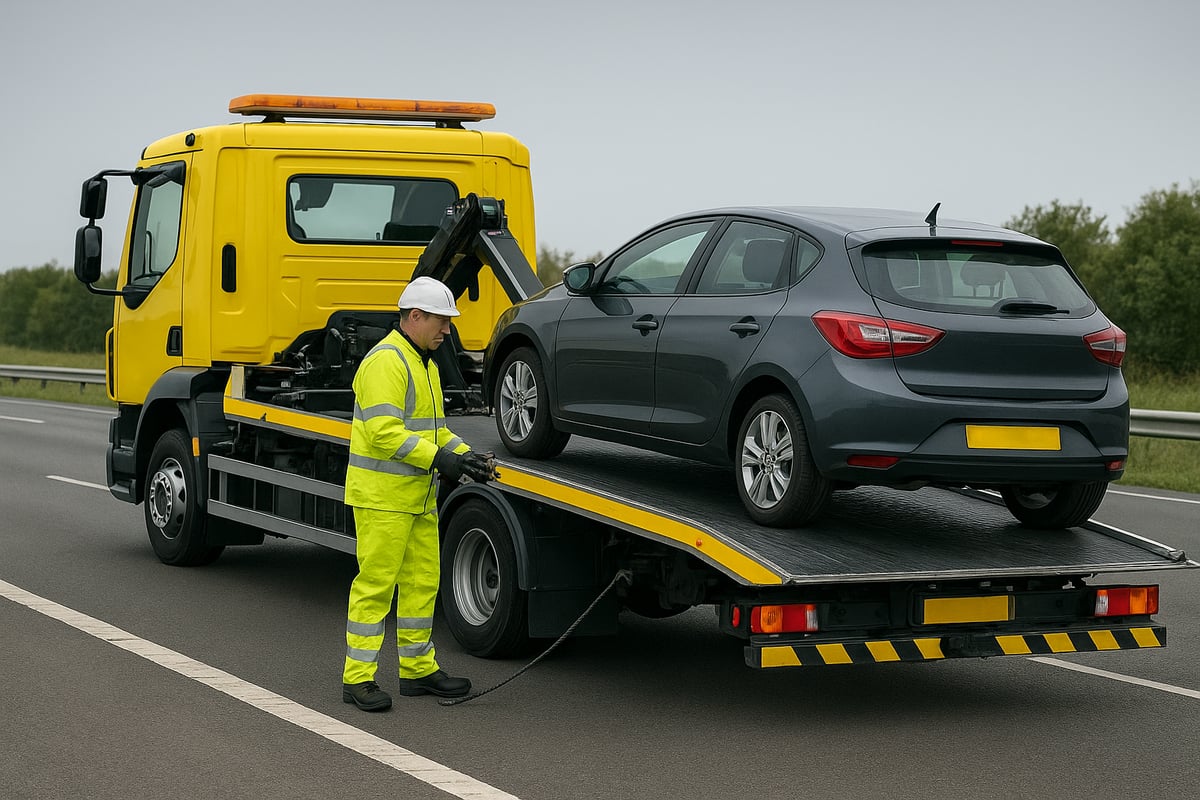
If your vehicle cannot be fixed at the scene, the recovery team will arrange for it to be transported safely. This may involve a flatbed truck, wheel-lift, or low-loader, depending on your vehicle’s requirements and the nature of the problem.
The vehicle is loaded and secured using industry-standard methods to prevent damage. Passengers are usually offered onward transport, especially with national cover. For those with extensive vehicle recovery policies, unlimited distance towing within the UK is often included.
What Happens After Recovery
After your vehicle reaches its destination, you have several options. You may choose to have it dropped at a local garage, your home, or another location, depending on your cover. If immediate repairs are not possible, some providers offer secure storage until work can begin.
You will also receive guidance on arranging further repairs, making insurance claims, or organising alternative travel. Many vehicle recovery services provide additional support, such as onward travel or overnight accommodation, ensuring you are not left without assistance at any stage.
Choosing the Right Vehicle Recovery Cover in 2026
Choosing the most suitable vehicle recovery cover in 2026 is vital for every motorist. With evolving technologies and an expanding range of options, understanding your unique requirements ensures peace of mind and efficiency during unexpected breakdowns.
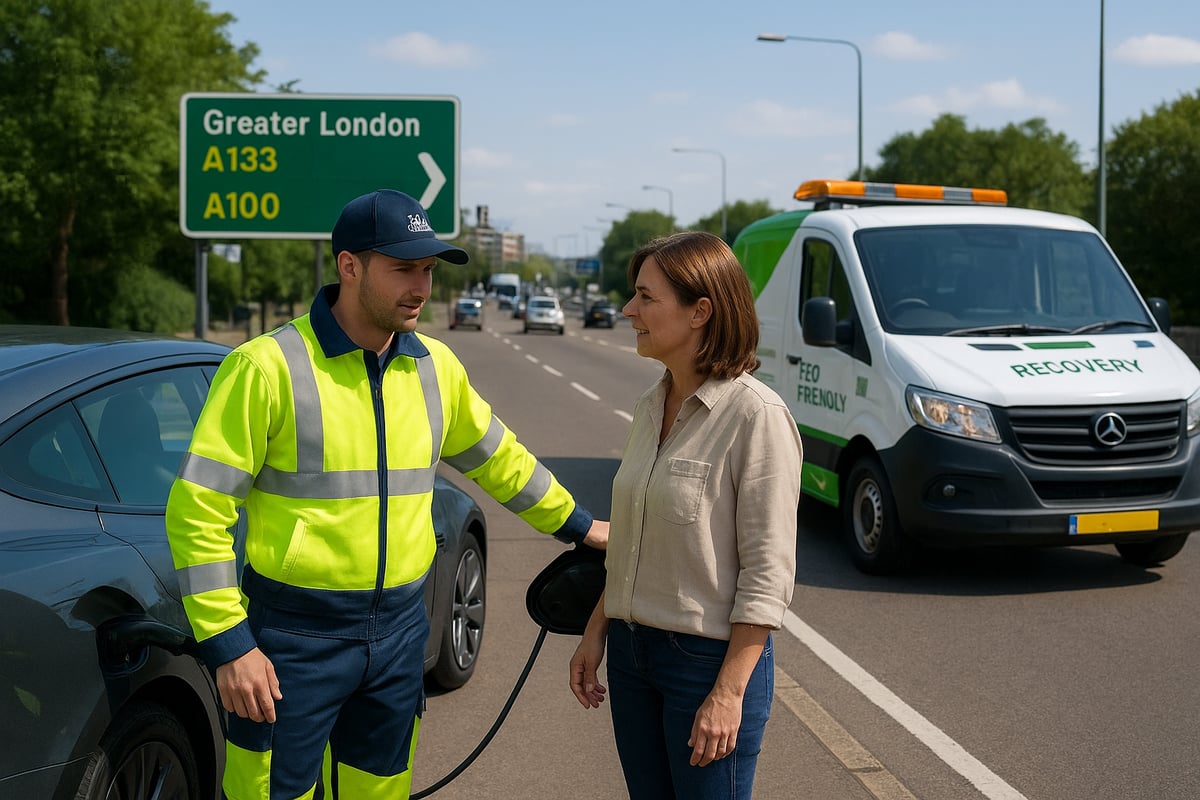
Assessing Your Driving Habits and Needs
Start by evaluating how often and how far you drive. If you mainly make short, local trips, a basic vehicle recovery plan may suffice. However, frequent long-distance travel often requires national cover for greater flexibility.
Consider your vehicle type. Electric cars, hybrids, and commercial vans might need specialist recovery. Also, think about your regular passengers—families or business colleagues may need onward travel support.
For example, drivers covering long distances across the UK typically benefit from national vehicle recovery cover, ensuring help is available wherever a breakdown occurs.
Comparing Recovery Levels: Local, National, and European Cover
Vehicle recovery services in 2026 are offered at various levels. Local recovery usually covers up to 10 miles, ideal for those who rarely venture far from home. National recovery provides unlimited towing within the UK, perfect for regular intercity travel.
European cover is essential for drivers planning trips abroad, ensuring assistance across borders. Providers like RAC offer basic plans with a 10-mile limit and higher tiers for unlimited national recovery.
Here’s a quick comparison:
| Cover Type |
Typical Range |
Ideal For |
| Local |
Up to 10 miles |
Short, urban journeys |
| National |
Unlimited (UK) |
Long-distance UK travel |
| European |
Cross-border |
Continental road trips |
What’s Included: Key Features and Exclusions
When selecting vehicle recovery, carefully review what’s covered. Standard features usually include roadside repairs, towing, and onward travel for you and your passengers.
However, be aware of exclusions. Many policies do not cover specialist vehicles, off-road incidents, or pre-existing mechanical faults. Add-ons such as home start, misfuelling assistance, or key replacement can enhance your cover.
For instance, recovery of modified or oversized vehicles may incur extra charges, so always check the policy details.
Cost Structures and Value for Money
Understanding the cost of vehicle recovery is crucial for budget planning. Typical charges include a flat call-out fee and per-mile rates after a set distance, often the first 10 miles. Annual membership might offer better value for frequent drivers, while pay-as-you-go suits those who need occasional help.
For example, UK averages start at £25 for call-out plus £1.50 per mile after 10 miles. Always check for hidden costs, especially for specialist recovery.
| Payment Model |
Best For |
Example Cost |
| Annual Membership |
Frequent users |
£60–£120/year |
| Pay-As-You-Go |
Infrequent drivers |
£25 + £1.50/mile |
How to Evaluate Providers: Reputation and Reliability
When comparing vehicle recovery providers, prioritise reputation, response times, and coverage area. National networks like RAC and AA are popular for their reliability, while local specialists may offer more personalised service.
Check customer reviews on platforms such as Trustpilot, where leading providers average 4.5 out of 5 stars. For those in specific regions, exploring local options like Vehicle Recovery in Northolt can reveal tailored services suited to your area.
Always verify what happens if your vehicle breaks down outside your provider’s standard coverage zone.
Motors Recovery: 24/7 Vehicle Recovery for Greater London and Home Counties
Motors Recovery delivers dependable 24-hour vehicle recovery and roadside assistance across Greater London and the Home Counties. Their modern fleet and skilled technicians handle cars, vans, and motorcycles quickly and efficiently.
Key features include no membership requirement, rapid response—often within 60 minutes—and a flexible pay-as-you-go pricing model. Services cover towing, battery jump-starts, police pound recovery, and secure storage.
Motors Recovery appeals to private motorists, businesses, and fleet operators. Customers cite the convenience and reliability of their vehicle recovery, making them a trusted choice in the region.
Costs, Pricing Models, and What to Expect in 2026
Navigating the world of vehicle recovery in 2026 means understanding how much you might pay, what services you receive, and how to avoid unwanted surprises. Costs can vary widely, so being informed ensures you get value for money, whether you drive daily or only occasionally.
Understanding the Cost Breakdown
The cost of vehicle recovery services in 2026 typically includes a call-out fee and a mileage charge after an initial free distance. Most providers offer the first 10 miles within the base price, with extra miles incurring additional fees. If you require specialist equipment, such as a flatbed for electric vehicles, expect further charges.
Here is a quick comparison of standard costs:
| Service Type |
Typical Cost |
| Call-out fee |
£25 |
| Per mile (after 10 miles) |
£1.50 |
| Specialist recovery |
£50+ |
| Premium add-ons |
Varies |
With the evolution of vehicle recovery, regulations continue to shape pricing, especially for police-related removals. For the latest on how legal changes may affect costs, see Amendments to police vehicle recovery legislation.
Membership vs. Pay-As-You-Go Models
When choosing vehicle recovery, you can opt for annual membership schemes or pay-as-you-go services. Memberships often include roadside assistance, towing, and extra benefits, making them attractive for frequent drivers. Typical annual fees range from £60 to £120, depending on cover level.
Pay-as-you-go models suit those who rarely break down, offering flexibility and no recurring costs. You pay only when you need help, which can be ideal for low-mileage drivers or those with newer cars. Review your driving habits to decide which model delivers the best value for vehicle recovery.
Hidden Fees and How to Avoid Them
While advertised prices may seem straightforward, hidden fees can quickly inflate your final bill. Common extras include charges for out-of-hours service, remote locations, or the use of specialist equipment. Always read the small print in your vehicle recovery agreement.
Tips to avoid unexpected costs:
- Ask for a detailed quote before confirming service
- Clarify what is included in the base price
- Check for surcharges on weekends or holidays
Staying informed about evolving regulations can also help you anticipate new fee structures and avoid surprises in your vehicle recovery expenses.
Value-Added Services and Bundles
Many vehicle recovery providers now offer bundled services to enhance value. Premium packages might include onward travel, overnight accommodation, or car hire while your vehicle is being repaired. For electric and hybrid drivers, some plans feature specialist recovery or home charging support.
Additional options you may encounter:
- Home start assistance
- Misfuelling cover
- Key replacement
Choosing a bundle can simplify your experience and offer peace of mind, especially if you travel long distances or rely on your vehicle for work.
Negotiating and Comparing Quotes
To get the best deal on vehicle recovery, always compare quotes from multiple providers. Many companies offer free, no-obligation quotes online, letting you assess both price and features side by side. Use comparison tools to highlight differences in coverage, response times, and customer satisfaction.
Helpful steps for comparison:
- Request itemised quotes
- Review customer ratings on trusted platforms
- Ask about any current promotions or discounts
Taking a proactive approach to comparing vehicle recovery options ensures you find a provider that meets your needs and budget.
Legal, Safety, and Regulatory Changes Impacting Vehicle Recovery
The landscape of vehicle recovery is evolving rapidly in 2026. As technology, legislation, and environmental awareness progress, drivers and operators must stay informed about new requirements. Understanding these changes will help you remain compliant and safe, whether you are seeking recovery for a personal car or managing a fleet.
New Legal Requirements for Recovery Operators
By 2026, the UK government has introduced stricter standards for anyone offering vehicle recovery. All operators must now hold updated licences, complete accredited training, and maintain comprehensive insurance. These measures aim to protect consumers and ensure high service quality.
Key legal requirements include:
- Enhanced operator licensing and background checks
- Mandatory annual safety training for technicians
- Comprehensive public liability and vehicle insurance
For drivers, selecting a licensed vehicle recovery provider guarantees compliance and peace of mind. These changes also improve transparency, helping you avoid unregulated or uninsured operators.
Safety Protocols for Drivers and Passengers
Safety remains a top priority during any vehicle recovery. New laws require the use of high-visibility jackets, warning triangles, and strict adherence to safe waiting zones. Updates to the UK Highway Code now mandate that drivers and passengers exit their vehicle on the non-traffic side and wait behind barriers when possible.
Essential safety steps in 2026:
- Wear high-visibility clothing at all times
- Place a warning triangle at a safe distance
- Move everyone to a designated safe zone
These protocols reduce risk and ensure that every vehicle recovery is conducted without putting lives in danger. Following them is now not just best practice but a legal requirement.
Environmental Regulations and Green Recovery
Environmental impact is shaping the future of vehicle recovery. New emissions standards mean recovery fleets must use low-emission or electric vehicles wherever possible. Operators are also required to follow strict recycling and disposal procedures, especially when handling batteries from electric or hybrid vehicles.
Key green measures include:
- Use of hybrid or electric recovery trucks
- Eco-friendly disposal of fluids and batteries
- Certification for green recovery practices
Demand for sustainable vehicle recovery is rising, and providers that invest in cleaner technology are now favoured by both regulators and customers.
The Future of Vehicle Recovery: Trends and Innovations
Technological advances are transforming vehicle recovery. Autonomous dispatch, predictive analytics, and seamless integration with smart city infrastructure are becoming standard. The rise in connected vehicles allows for real-time diagnostics and faster response.
A notable trend is the surge in stolen vehicle recoveries, with Tracker reports 15-year high in stolen vehicle recoveries across the UK. This highlights the growing importance of effective and innovative recovery solutions.
Looking ahead, AI-driven diagnostics and digital dispatch are expected to further streamline vehicle recovery, ensuring drivers receive rapid, reliable assistance no matter where they are.
What to Do in an Emergency: A Step-by-Step Breakdown Protocol
Facing a vehicle recovery emergency can be stressful, but having a clear protocol makes all the difference. Whether you are on a busy motorway or a quiet country road, knowing each step helps keep you and your passengers safe. With the rise in organised vehicle theft, robust vehicle recovery procedures are more critical than ever. This guide covers exactly what to do, so you are fully prepared if the unexpected happens.
Step 1: Ensuring Immediate Safety
Your first priority during a vehicle recovery emergency is safety. If you suspect a problem, gently steer your vehicle to the nearest safe spot, such as a hard shoulder or layby. Turn on your hazard lights to alert other drivers.
Once stationary, ensure all passengers exit the vehicle safely on the side away from traffic. Stand behind a barrier, never in front of the car or on the carriageway. Place a warning triangle at least 45 metres behind your car if safe to do so, but never on a motorway.
Remember, your personal safety is more important than the vehicle. Following these steps reduces risk and sets the stage for effective vehicle recovery.
Step 2: Gathering Essential Information
Being organised speeds up the vehicle recovery process. Start by noting your exact location. Use motorway marker posts, GPS on your phone, or nearby landmarks to pinpoint where you are.
Collect critical details:
- Vehicle make, model, and registration
- Nature of the problem (e.g., flat tyre, engine failure)
- Number and condition of passengers
- Insurance and vehicle recovery policy numbers
Having this information to hand allows recovery teams to respond quickly and efficiently. It also helps you remain calm and in control while waiting for assistance.
Step 3: Contacting the Right Recovery Service
Choosing the correct service for your situation is vital. If you have vehicle recovery cover, contact your provider using their app, website, or phone number. For those without a policy, pay-as-you-go providers offer rapid help. In urgent cases or if your safety is at risk, call emergency services.
When you call, provide clear, concise information: your location, vehicle details, and the exact problem. This ensures faster dispatch. With the increase in vehicle-related crime, as highlighted in Organised vehicle theft in the UK: Trends and challenges, prompt and secure vehicle recovery is more important than ever.
Step 4: Staying Safe While Waiting for Help
While waiting for vehicle recovery, maintain visibility and comfort. Wear high-visibility clothing, especially at night or in poor weather. Stay behind barriers when possible and keep passengers, particularly children and vulnerable people, calm and together.
Monitor arrival times using your provider’s app or SMS updates. Avoid leaving the scene or accepting help from unmarked vehicles. If you have pets, keep them inside the car with a window slightly open, unless advised otherwise by professionals.
Being proactive while waiting ensures your safety and smooths the vehicle recovery process.
FAQs and Common Scenarios in Vehicle Recovery
Navigating a vehicle recovery situation can raise many questions, especially when time is critical. Understanding what to expect, how services differ, and how to handle special scenarios will help you stay prepared and confident if the unexpected happens.
Frequently Asked Questions About Vehicle Recovery
When it comes to vehicle recovery, drivers often want to know how far their vehicle will be towed, if passengers are supported, and what happens if their car cannot be fixed roadside. Below are answers to common queries:
- How far will my vehicle be towed? This depends on your cover. Local recovery usually includes up to 10 miles, while national policies offer unlimited distance within the UK.
- Are passengers covered for onward travel? Most providers arrange onward travel or accommodation if your journey cannot continue.
- What if my car can’t be fixed at the roadside? If repairs are not possible, your vehicle will be recovered to a garage or destination of your choice, depending on your policy.
- Is recovery available for electric/hybrid vehicles? Yes, but specialist equipment may be required.
- What documents do I need? Have your insurance, recovery policy details, and vehicle information ready for a smooth process.
Vehicle recovery services have adapted to new vehicle technologies, ensuring every driver can find the right support.
Handling Special Situations
Special scenarios, such as vehicle recovery from private land, car parks, or after an accident, require extra attention. If your vehicle has been impounded, you may need a specific service. For instance, Police Pound Vehicle Recovery provides guidance on reclaiming vehicles from police pounds, including required documentation and payment procedures.
Key steps for special situations include:
- Confirming access permissions for private property recoveries.
- Understanding the process following police impoundment.
- Knowing the difference between accident recovery and mechanical breakdown assistance.
Prompt communication with your provider ensures your vehicle recovery goes smoothly, even in complex cases.
Recovery for Different Vehicle Types
Vehicle recovery extends beyond standard cars to motorcycles, vans, and larger commercial vehicles. Each type presents unique challenges:
- Motorcycles: Require secure loading and specialist handling.
- Vans and LWB vehicles: May need larger or low-loader recovery trucks.
- Commercial fleets: Often have tailored agreements for rapid response.
- Motorhomes and non-standard vehicles: Specialist equipment may be necessary, and not all providers will cover these without prior arrangement.
Selecting a recovery provider with experience in diverse vehicle types ensures safe and efficient vehicle recovery, minimising disruption.
Customer Experiences and Testimonials
Customer feedback highlights the importance of quick response, clear communication, and effective solutions during a vehicle recovery. Leading providers achieve high satisfaction ratings, with Trustpilot averages at 4.5 out of 5 from over 181,000 reviews.
Sample feedback:
| Provider |
Average Rating |
Comments |
| RAC |
4.5/5 |
“Rapid, professional help.” |
| AA |
4.5/5 |
“Friendly staff, efficient.” |
Positive experiences often mention feeling reassured throughout the vehicle recovery process. Excellent customer service can make a stressful event far easier to manage.

