Picture this: you are driving in 2026, traffic flowing around you, when suddenly, our car broke down and everything comes to a stop. This is not as rare as you might think. With modern vehicles becoming more complex, breakdowns are increasingly common. In fact, over 2 million UK motorists faced this last year. Being prepared for when our car broke down can make all the difference, saving time, money, and stress. This essential guide will show you every step to take to stay safe and get back on the road.
Step 1: Immediate Actions When Your Car Breaks Down
Picture the moment: our car broke down unexpectedly on a busy road, and suddenly everything changed. Knowing exactly what to do in those first few minutes is vital for your safety and peace of mind. Here is your step-by-step plan for handling this stressful situation calmly and effectively.
Ensuring Safety First
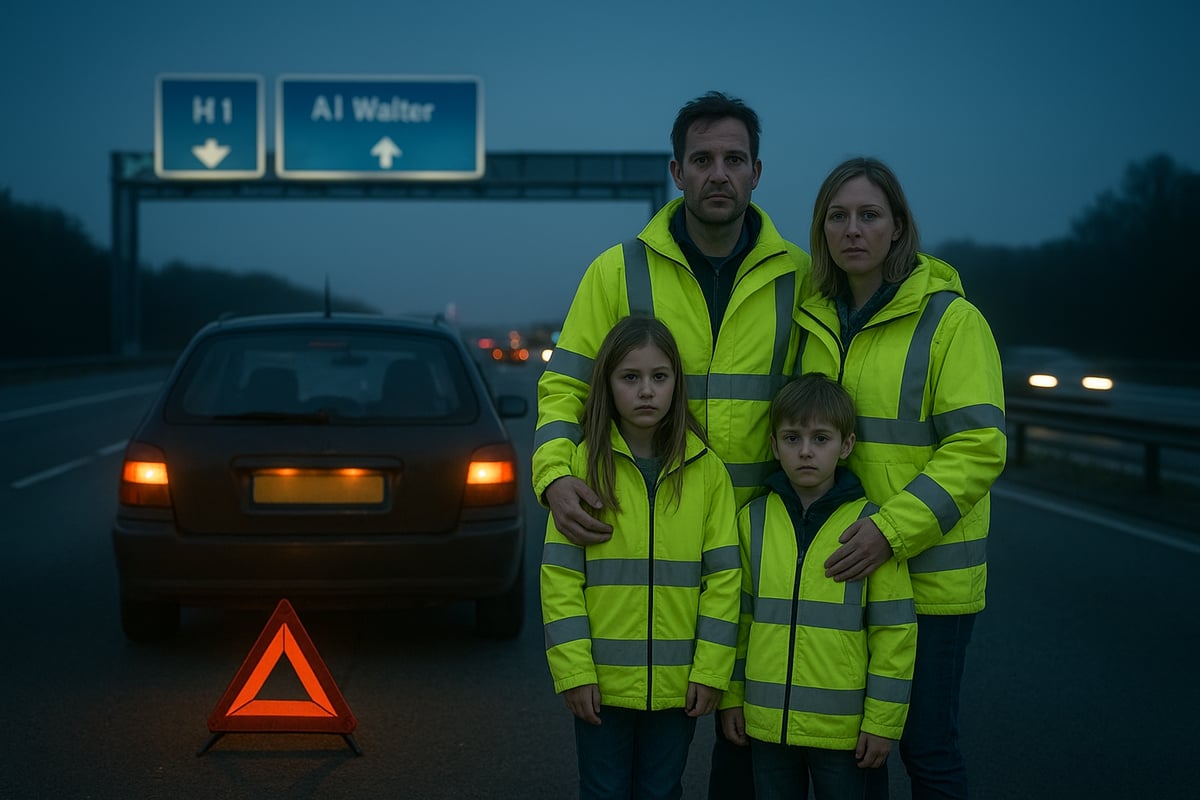
When our car broke down, the first priority must always be safety. If possible, steer the car to a safe location such as the hard shoulder or a layby. Switch on your hazard lights immediately to alert other drivers.
Exit the vehicle only when it is safe, using the side away from traffic. Make sure all passengers, including children and pets, stay well away from moving vehicles. Always wear high-visibility jackets, especially at night or in poor weather, to increase your visibility.
Set up a warning triangle at least 45 metres behind the car, but never on a motorway. Avoid standing between your car and the flow of traffic. For a detailed guide on what to do when our car broke down, consult this What to Do When Your Car Breaks Down resource.
Assessing the Situation
Once everyone is safe, assess the situation calmly. Check for any obvious signs of trouble, such as smoke, unusual noises, or dashboard warning lights. If our car broke down and you notice a fuel smell or see leaking fluids, keep your distance and do not attempt to restart the engine.
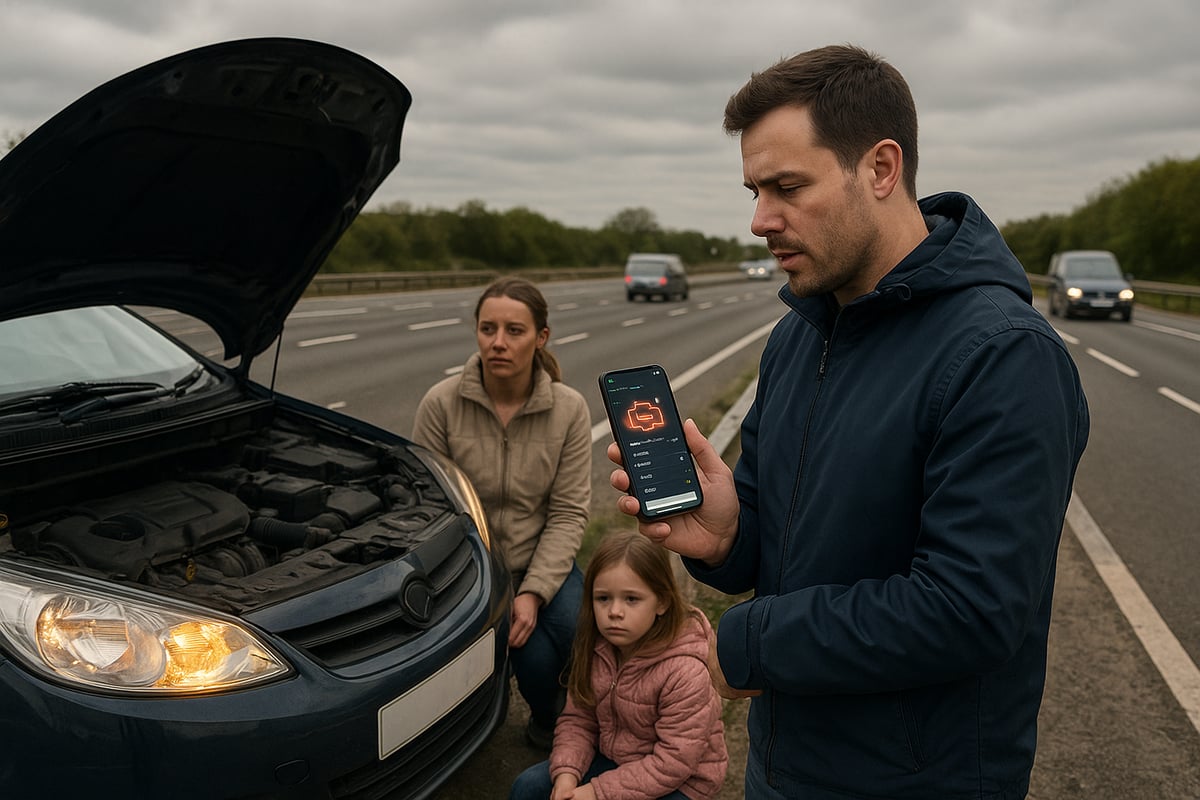
Modern cars often have built-in diagnostic tools or apps that can provide valuable information about the fault. Use these if available, but never put yourself at risk. If you suspect an electrical or fuel-related danger, move as far away from the vehicle as possible.
Contacting Emergency Services
If our car broke down in a hazardous position or there are injuries, call 999 immediately. Be prepared to give clear details about your location, the number of people involved, and the vehicle type.
On the motorway, use an SOS phone if you can safely reach one. These phones provide emergency services with your exact location, speeding up the response. When speaking to operators, stay calm and answer all questions carefully.
If you are unsure whether your situation is dangerous, it is always better to err on the side of caution and seek professional help.
Documenting the Breakdown
After ensuring everyone’s safety and contacting help, document the incident thoroughly. Take clear photos of your car, the surrounding area, and any visible damage. This can be vital for insurance claims if our car broke down due to an accident or road hazard.
Note the exact time, date, and weather conditions at the scene. Keep a record of all conversations with emergency services, police, or recovery companies. These details can support your case if any questions arise later.
Additionally, make sure to gather any witness information if another vehicle was involved.
Example Scenario
Imagine our car broke down on the M25 late at night with the family inside. The driver gently steers to the hard shoulder, activates the hazard lights, and ensures all passengers exit safely via the passenger side. Everyone puts on high-visibility jackets and stands well behind the barrier.
A warning triangle is placed at a safe distance behind the vehicle. The driver checks for obvious dangers, then calls for help using the nearest SOS phone. Photos are taken, and all details are recorded. This careful approach ensures the family’s safety and a swift resolution, which is crucial since 68% of breakdowns in 2025 occurred on busy roads.
Step 2: Diagnosing the Problem
When our car broke down, the first challenge was not just getting to safety but understanding what had gone wrong. Diagnosing the issue quickly can make all the difference, especially with modern vehicles becoming more complex every year. Knowing where to start and what to look for will help you decide the best next steps.
Common Causes of Car Breakdowns in 2026
Many drivers are surprised by how often our car broke down is linked to a handful of recurring faults. In 2026, flat batteries still top the list, but tyre issues and engine faults remain common. Newer vehicles have added complications, such as software glitches and sensor failures. Hybrid and electric cars can develop unique problems like charging faults or battery management errors.
Below is a summary of leading causes:
| Cause |
Frequency (2025) |
Typical Symptoms |
| Flat battery |
35% |
No start, dim lights |
| Tyre issues |
22% |
Puncture, blowout, warning |
| Engine faults |
17% |
Stalling, noises, warnings |
| Electrical/software |
20% |
Error codes, system failure |
| Fuel problems |
6% |
Sputtering, engine stops |
If you want a more detailed explanation of why our car broke down, consult this comprehensive Causes of Car Breakdowns resource.
DIY Troubleshooting
Before calling for help, there are a few checks you can safely perform to understand why our car broke down:
- Inspect the battery connections for looseness or corrosion.
- Check fluid levels, especially oil and coolant.
- Examine your tyres for punctures or low pressure.
- Use an OBD-II reader or a connected car app for error codes.
- Listen for unusual sounds or look for dashboard warning lights.
If you drive a hybrid or electric vehicle, avoid attempting a jump start unless you are certain it is safe for your model. Some systems can be damaged by incorrect procedures. Always consult your owner’s manual or vehicle app for guidance.
Knowing Your Limits
It is important to recognise when the problem is beyond a simple fix. Attempting complex repairs on the roadside can put your safety at risk and may even worsen the issue. If our car broke down due to an electrical or hybrid system fault, it is best to wait for professional help.
Consider this example: A driver on the M25 receives a dashboard warning in their hybrid car. Using their vehicle’s diagnostic app, they attempt a restart, but the warning persists. Rather than risk further damage, they contact roadside assistance. This scenario is increasingly common, with RAC reporting that 1 in 5 breakdowns in 2025 were caused by electrical issues.
Knowing when to stop and call for help ensures your safety and can prevent further complications when our car broke down.
Step 3: Getting Help—Roadside Assistance and Recovery Options
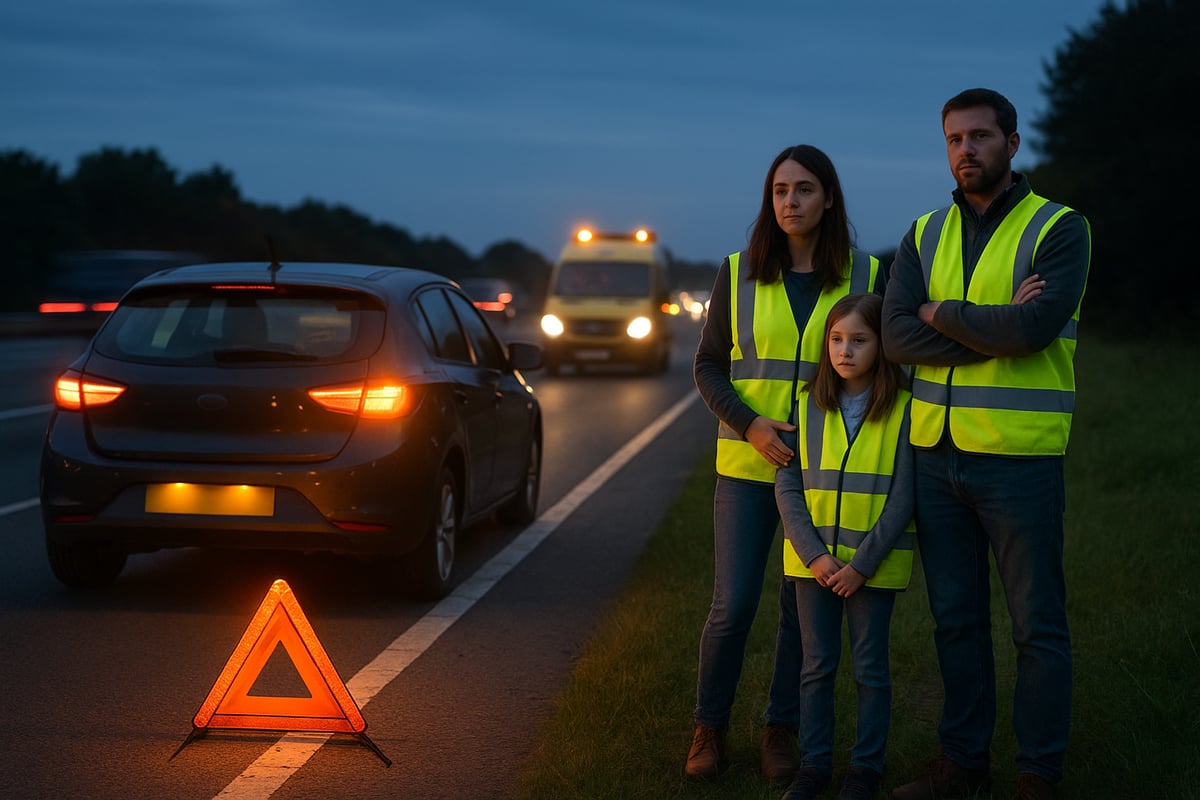
When our car broke down, the stress can be immediate and overwhelming. Knowing your options for getting help is vital. Whether you have annual cover or need help on demand, the right support makes all the difference. Let’s explore how to get professional assistance quickly and efficiently.
Choosing the Right Breakdown Service
When our car broke down, the first question is which breakdown service to call. There are several types to consider:
| Service Type |
Payment Model |
Coverage |
Typical Inclusions |
| Annual Membership |
Yearly subscription |
National |
Roadside repair, towing, onward travel |
| Pay-as-You-Go |
Per incident |
Regional/National |
Basic recovery, towing |
| App-Based On-Demand |
Per incident |
Variable |
Rapid response, digital tracking |
National providers usually offer broader coverage, but local services may respond faster in certain areas. Always check what is included—some services only tow to the nearest garage, while others provide onward travel or minor roadside repairs.
For a more comprehensive look at available options and what to expect, see the Breakdown and Recovery Guide.
How to Contact for Help
If our car broke down, contacting help quickly is essential. Most providers can be reached by phone, through their website, or via an app. Modern vehicles may have in-car SOS buttons or eCall systems for direct emergency contact.
When calling, be ready to provide:
- Your exact location (using What3Words, GPS, or motorway markers)
- Vehicle details and registration
- Number of people with you
Using an app can speed up the process by automatically sharing your location. On motorways, SOS phones connect directly to control centres and provide accurate positioning, which is especially helpful if you are unsure of your location.
What to Expect from Roadside Assistance
After our car broke down, you can typically expect a response time of 45 to 60 minutes, based on UK averages in 2025. The technician will assess the situation and attempt minor repairs at the scene, such as jump starting a battery or changing a tyre.
If the issue cannot be fixed roadside, your car will be towed to a garage or your home. Many services now use digital tracking, so you can see when help will arrive. Make sure to stay safe and follow any instructions given by the roadside assistance team.
Cost Considerations
When our car broke down, cost was a key concern. Call-out fees usually range from £60 to £120, depending on the provider and time of day. Additional costs may apply for towing, parts, or after-hours service.
Pay-as-you-go services are increasingly popular, especially for those who do not want to commit to annual cover. However, be aware that fees can add up if you experience multiple breakdowns in a year. Always ask for a quote before agreeing to any service, and check if your insurance covers any of the costs.
Motors Recovery: Fast, No-Membership Breakdown Assistance in London
If our car broke down in London, Motors Recovery offers a practical solution. Their 24/7 service covers Greater London and the Home Counties, with no need for annual membership. This is ideal for drivers who want flexibility without ongoing fees.
Motors Recovery provides:
- Towing to a garage or home
- Battery jump starts
- Police pound recovery
- Rapid response, often within 60 minutes
Their modern fleet and skilled technicians ensure a safe, professional experience. Transparent pricing and quick arrival times have earned strong customer satisfaction. Whether you drive a private car, commercial van, or motorcycle, Motors Recovery is equipped to help when you need it most.
Step 4: Deciding What to Do Next—Repair, Recovery, or Replacement
When our car broke down, the first question was simple: can we get back on the road quickly, or is this the end of the journey for our vehicle? Making the right choice after a breakdown can save time, money, and stress. The right decision depends on the problem, your vehicle’s age, and the costs involved. Let’s explore your options step by step.
On-the-Spot Repairs vs. Towing
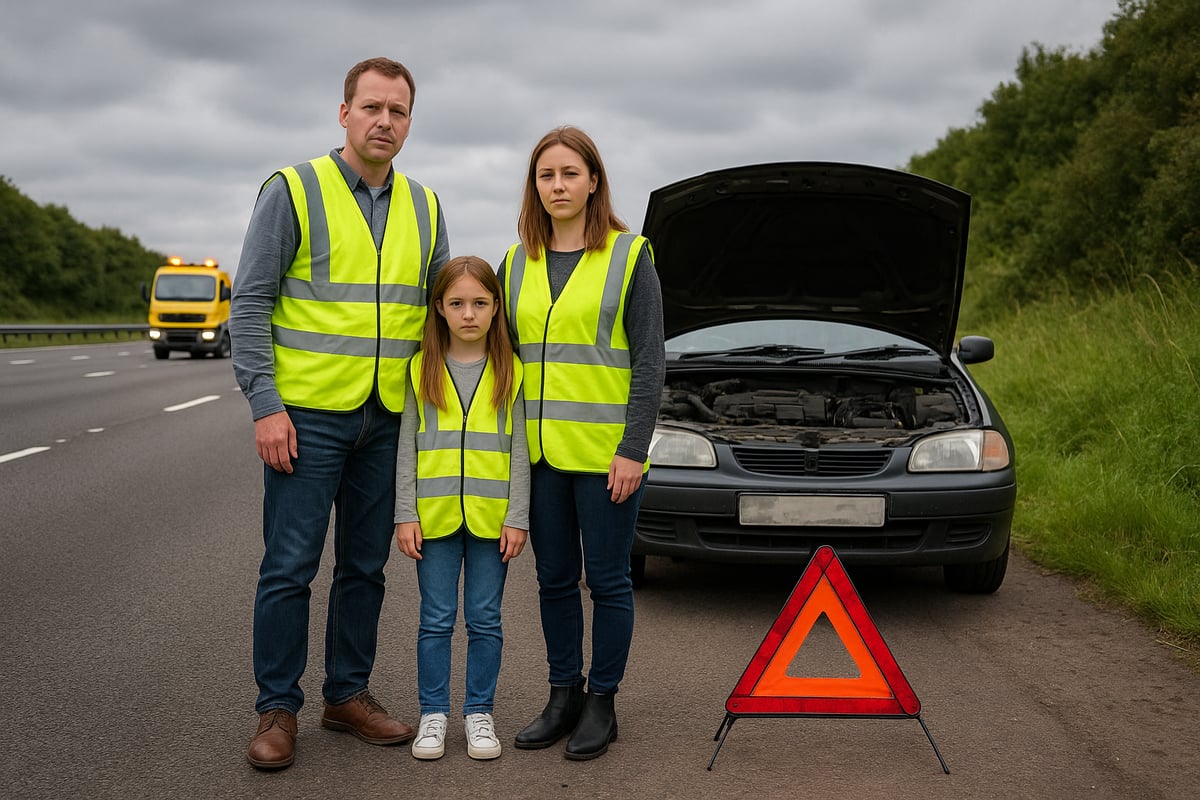
When our car broke down, the first assessment is whether a roadside repair is possible. Simple issues like a dead battery, flat tyre, or blown fuse can often be fixed on the spot by you or a recovery technician. Many breakdown services carry tools and parts for these minor issues, aiming to get you moving again without delay.
However, some problems are too complex or risky to tackle at the roadside. Major engine faults, transmission failures, or breakdowns involving electric vehicles may require specialist equipment and knowledge. In these cases, towing is the safest and most practical solution.
Common roadside repairs:
- Replacing a flat tyre with a spare
- Jump-starting a dead battery
- Swapping out blown fuses
Situations requiring towing:
- Engine or gearbox failure
- Electrical faults in hybrid or electric vehicles
- Safety concerns, such as fuel leaks
Deciding between a quick fix and towing depends on your confidence, the issue’s severity, and the safety of your location. Always prioritise safety when our car broke down.
Choosing a Garage or Service Centre
If towing is needed, the next step is selecting a reputable garage or service centre. After our car broke down, proximity is key, but other factors matter too. Look for garages with strong reputations, clear pricing, and experience with your vehicle type, especially if you drive a hybrid or electric model.
How to find the right garage:
- Use apps or online review sites to compare options
- Ask the recovery operator for recommendations
- Check for specialist certifications, particularly for EVs
Request a written quote before authorising repairs. Clarify what is included, whether parts and labour are guaranteed, and how long repairs will take. For newer vehicles, confirm that the garage will maintain your warranty terms. When our car broke down, transparency and expertise made all the difference in getting back on the road with confidence.
Temporary Fixes and Getting Home
Sometimes, temporary solutions can keep you moving until a permanent repair is arranged. After our car broke down, portable jump starters, emergency tyre inflators, and spare fuses proved invaluable for short-term fixes.
Temporary solutions:
- Emergency tyre sealants or inflators for punctures
- Portable battery packs for jump starting
- Spare fuses for simple electrical faults
If your vehicle cannot be driven, consider onward travel options. Many breakdown policies include courtesy cars, taxi fares, or public transport reimbursement. Check your insurance policy for details. Planning onward travel in advance minimises disruption when our car broke down unexpectedly.
When to Consider Vehicle Replacement
There are times when repairing a car is no longer cost-effective. If the expected repair bill is more than half the vehicle’s current value—the so-called “50% rule”—replacement should be considered. Environmental incentives may also encourage you to trade in or scrap older, less efficient cars.
For example, if our car broke down and a major engine repair was quoted at £725, it makes sense to compare this cost to the car’s market value. In 2025, 30% of UK drivers opted to replace rather than repair after a significant breakdown. The increasing average age of UK vehicles directly contributes to more frequent and costly failures, as highlighted in the Ageing cars and breakdowns report.
Consider replacement if:
- Repair costs exceed 50% of the car’s value
- The vehicle is over 10 years old with a history of issues
- Newer models offer better safety, efficiency, or incentives
Carefully weigh costs, safety, and future reliability when deciding what to do after our car broke down.
Step 5: Preventing Future Breakdowns—Essential Maintenance and Tech Tips
Preventing that dreaded moment when our car broke down starts with proactive care and smart use of modern tools. By adopting a consistent maintenance routine and leveraging the latest technology, you can significantly reduce your risk of roadside trouble in 2026.
Routine Maintenance Checklist for 2026
Regular maintenance is your first defence against finding yourself in a situation where our car broke down unexpectedly. Set reminders to:
- Check and top up your battery, oil, and coolant levels monthly.
- Inspect tyre pressure and tread depth, especially before long journeys.
- Replace worn brake pads, wiper blades, and lights as soon as needed.
- Schedule annual servicing with a certified mechanic.
- Review your car’s service log to ensure all recalls and updates are completed.
According to RAC pothole breakdown statistics, pothole-related breakdowns doubled in early 2025, making tyre and suspension checks even more critical. Consistent attention to these basics gives you peace of mind and keeps your car running reliably.
Leveraging Technology
Modern vehicles offer a suite of tech tools that can help prevent scenarios where our car broke down on the roadside. Take advantage of:
- Connected car apps to monitor battery health and engine diagnostics.
- Predictive maintenance alerts that notify you of potential issues before they become critical.
- Remote diagnostic tools and over-the-air software updates for the latest fixes.
- Telematics and smart sensors providing early warnings for fluid leaks, tyre pressure, or electrical faults.
For an in-depth look at digital solutions and expert advice, see the Auto Breakdown Recovery Guide 2025. By embracing these innovations, you can tackle small issues before they escalate.
Seasonal and Long-Distance Preparation
Seasonal changes and long trips can increase the risk that our car broke down far from home. Prepare by:
- Fitting winter tyres and checking antifreeze levels as temperatures drop.
- Packing an emergency kit with a torch, blanket, first aid supplies, and water.
- Inspecting your battery and alternator before summer heatwaves.
- Completing a pre-trip inspection ahead of holidays or business journeys.
These steps are especially important given the unpredictable British weather and the rise in breakdowns linked to extreme conditions. Planning ahead keeps you and your passengers safe, whatever the season.
Training and Awareness
Understanding your vehicle and recognising warning signs is key to preventing the moment when our car broke down. You can:
- Take basic car care courses, available online or in local colleges.
- Learn to interpret dashboard symbols and alerts with manufacturer guides.
- Practice changing a tyre and jump-starting a battery safely.
- Set up alerts on your phone or car app for scheduled maintenance.
RAC research suggests that regular maintenance could prevent up to 60% of breakdowns annually. With ongoing training and awareness, you dramatically reduce your chances of being left stranded.
Step 6: Legal, Insurance, and Safety Considerations in 2026
Navigating the aftermath when our car broke down means more than just fixing the vehicle. UK law, insurance rules, and new safety standards all play a part in what you must do next. Understanding your responsibilities can protect you from fines, safeguard your insurance, and ensure everyone stays safe. Here is what you need to know in 2026.
Understanding Your Rights and Responsibilities
When our car broke down on a motorway or A-road, legal obligations are clear. First, move the vehicle to a safe spot, such as the hard shoulder or a designated layby, if possible. Always turn on your hazard lights to alert other drivers.
Next, place a warning triangle at least 45 metres behind your vehicle, but never on a motorway, where it is not permitted. All passengers should exit the vehicle from the side away from traffic, wearing high-visibility jackets for extra safety. Avoid standing between the car and passing vehicles.
Here is a quick checklist:
- Pull over safely and use hazard lights.
- Wear high-vis gear when outside the vehicle.
- Exit the car from the safest side.
- Use a warning triangle, except on motorways.
Failure to follow these rules can lead to penalties. Knowing your obligations when our car broke down helps avoid unnecessary risks and fines.
Insurance Implications
After our car broke down, it is vital to think about insurance. If the incident leads to a claim, inform your insurer as soon as possible. Provide details such as location, time, weather conditions, and any damage or injury.
Breakdowns themselves do not usually affect your no-claims bonus, but related accidents might. If you require recovery or repairs, check whether your policy includes breakdown cover or onward travel. Some insurers may also want photo evidence or records of communications with authorities.
Key steps:
- Notify your insurer promptly.
- Supply full details and documentation.
- Understand what your breakdown or comprehensive policy covers.
Being informed about your policy can save time and trouble if our car broke down and you need to make a claim.
New Regulations for 2026
In 2026, new rules impact what happens when our car broke down, especially on smart motorways. All vehicles must have an active eCall system, automatically alerting emergency services in certain situations. Drivers must also follow updated smart motorway protocols, including using emergency refuge areas and obeying lane closure signs.
Penalties for improper breakdown procedures have increased. For example, a driver was recently fined for failing to use a warning triangle on a smart motorway, highlighting the need for compliance with changing laws. The rise in breakdowns on smart motorways is well documented, with smart motorways breakdown rates showing higher incident numbers compared to conventional roads.
Stay updated on regulations to avoid fines and keep everyone safe when our car broke down.
Staying Safe During a Breakdown
Safety is paramount if our car broke down on a busy road. Aggressive drivers, poor weather, or low visibility can increase risks. Use in-car cameras to document events and consider emergency apps for added security.
If you feel unsafe, stay behind barriers or up embankments, away from moving traffic. Keep doors locked if you must remain in the vehicle. Emergency numbers and SOS phones are essential tools for quick help.
Remember:
- Prioritise your and your passengers’ safety.
- Use technology for security and evidence.
- Always follow official guidance.
Awareness and preparation make a difference every time our car broke down, helping you handle stressful situations with confidence.

