Imagine sitting in your car on a busy motorway in 2026, your vehicle suddenly grinding to a halt. Would you know the right steps to ensure safety and get moving again? This breakdown and recovery guide delivers expert, up-to-date advice, giving you the clarity and confidence to respond quickly in any situation.
Our goal is to empower drivers, fleet operators, and commuters to manage any breakdown and recovery scenario with minimum stress and risk. Inside, you will find clear explanations on the most common causes of breakdowns, practical actions to take, recovery options, new tech solutions, costs, and what the future holds.
Stay prepared and discover how to turn unexpected breakdowns into manageable events. Let’s begin your journey to safer, smarter motoring.
Understanding Vehicle Breakdowns in 2026
Breakdown and recovery situations in 2026 are more complex and varied than ever before. As vehicles have evolved, so too have the reasons they come to a halt, the people affected, and the financial impact involved. Understanding the landscape is the first step to being prepared for any roadside emergency.
Common Causes of Breakdowns
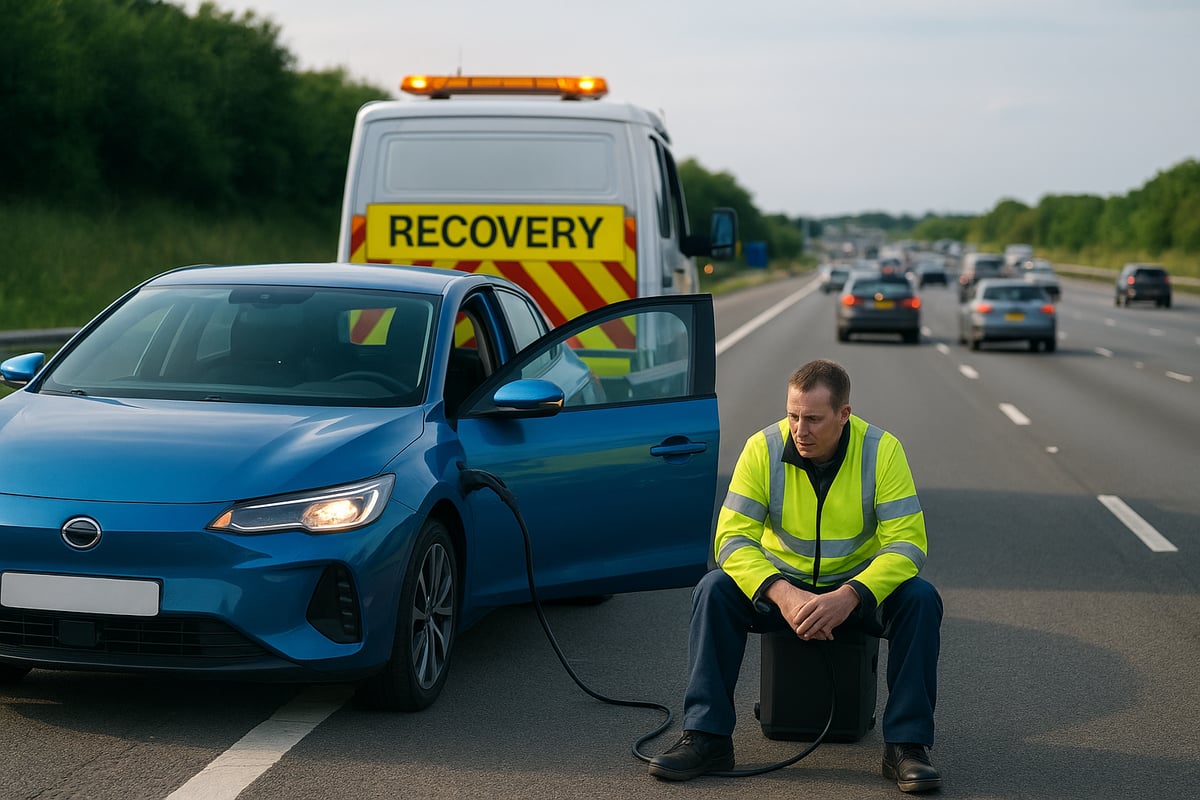
The primary causes behind breakdown and recovery calls in 2026 remain rooted in mechanical and electrical failures. Engine and transmission issues are frequent culprits, while battery and alternator problems have surged due to the wider adoption of electric vehicles. Tyre punctures and blowouts still account for around 30% of roadside incidents, often exacerbated by deteriorating road conditions. In fact, incidents related to potholes have doubled in recent years, as reported in the RAC ‘pothole breakdowns’ double in first three months of 2025. Other triggers include misfuelling, running out of fuel, or using contaminated fuel, as well as overheating and cooling system failures. The rise of advanced driver-assistance systems (ADAS) has also introduced software glitches as a new reason for unexpected stops. For instance, urban centres are seeing a noticeable increase in EV battery-related breakdowns, highlighting the need for specialised support.
The Impact of Modern Vehicle Technology
Rapid advances in vehicle technology have reshaped the breakdown and recovery landscape. With more hybrids and electric vehicles on the road, the complexity of repairs has increased. ADAS and connected car features can provide valuable diagnostic information, but sometimes they hinder traditional recovery methods by restricting access or requiring specialist resets. Recent data shows that 25% of breakdowns in new vehicles are now software-related, which presents unique challenges for roadside assistance teams. Specialist equipment and highly trained technicians are essential for resolving issues safely and efficiently. As technology continues to evolve, drivers must ensure their chosen breakdown and recovery provider is equipped to handle the latest vehicle systems.
Seasonal and Environmental Factors
Seasonal and environmental factors play a significant role in breakdown and recovery incidents. During winter, cold snaps often lead to battery failures, particularly in older vehicles and electric models. In summer, overheating incidents rise by 18% during heatwaves, putting additional strain on cooling systems. Flooding and other extreme weather events can cause electrical faults, especially in low-lying or poorly maintained areas. Urban and rural breakdown patterns also differ, with urban drivers more likely to experience battery and software issues, while rural motorists face higher risks from tyre damage and fuel shortages. Being aware of these seasonal trends helps drivers prepare for the specific challenges they might face.
Who Is Most at Risk?
Certain groups are more susceptible to needing breakdown and recovery services. Vehicles over ten years old are twice as likely to suffer a failure compared to newer models. High-mileage commercial fleets, such as delivery vans, face increased risks, especially during peak shopping periods when demand is high. New electric vehicle owners unfamiliar with charging protocols are at greater risk of running out of power or encountering charging-related issues. For example, delivery van breakdowns often surge during the festive season, leading to operational delays and increased pressure on roadside assistance providers. Understanding these risk factors can help individuals and businesses take proactive steps to mitigate them.
The Cost of a Breakdown
The financial implications of a breakdown and recovery event are significant. In 2025, the average UK recovery cost was £110, but this figure can vary widely depending on the severity and location of the incident. Hidden costs such as lost time, missed appointments, and potential fines for causing obstructions add to the burden. Insurance policies may cover some aspects, but excess charges and exclusions often apply. Beyond the monetary impact, there is also the emotional stress and safety risk that comes with being stranded. Proper preparation and choosing the right breakdown and recovery service can help minimise both direct and indirect costs.
Step-by-Step Guide: What To Do When Your Vehicle Breaks Down
Facing a breakdown and recovery situation can be daunting, particularly in unfamiliar surroundings or during peak travel times. Knowing the right steps to take ensures your safety, minimises stress, and helps restore your journey as quickly as possible. This guide walks you through every stage, so you are prepared for any breakdown and recovery challenge.

Step 1: Ensure Safety First
Your safety and that of your passengers must always come first during any breakdown and recovery incident. Move the vehicle to a safe location such as the hard shoulder, a lay-by, or off the main road if possible. Activate your hazard lights immediately to alert other drivers.
If you have high-visibility clothing, put it on before leaving the vehicle. Evacuate all passengers to a secure spot well away from moving traffic, ideally behind a safety barrier. Use a warning triangle only if it is safe and legal to do so. Quick, decisive action at this stage sets the tone for a safe and effective breakdown and recovery process.
Step 2: Assess the Situation
Once safe, take a moment to assess your vehicle’s condition. Look out for dashboard warning lights, unusual noises, or strange smells that could indicate the cause of the breakdown and recovery need. Inspect the car for obvious damage such as leaking fluids, flat tyres, or smoke.
Try to determine if the problem is minor and potentially fixable at the roadside, such as a flat tyre or flat battery. However, do not attempt repairs if you are unsure or if it puts you at risk. Accurate assessment is crucial for effective breakdown and recovery outcomes.
Step 3: Contact Roadside Assistance or Recovery Services
If the issue cannot be resolved safely on your own, it is time to call for professional help. During any breakdown and recovery scenario, provide your precise location using GPS or apps like What3Words, along with your vehicle details and a clear description of the problem.
Average response times for UK breakdown and recovery services range from 45 to 60 minutes. Remain calm and communicate clearly when speaking to operators. For a comprehensive overview of available options, 24/7 Breakdown Recovery Services can help you understand which service best suits your needs. Prompt action here ensures a swift breakdown and recovery resolution.
Step 4: Wait Safely
While waiting for breakdown and recovery teams, your priority remains personal safety. Stay outside your vehicle if possible, especially on busy roads or motorways, and move behind a barrier if one is available.
Keep essential supplies such as water, a blanket, and your mobile phone charger within reach. Stay alert to your surroundings and be prepared to move if conditions change. Keep family members or your employer updated on your status so they are aware of the breakdown and recovery situation.
Step 5: On-the-Spot Fixes vs. Towing
Many breakdown and recovery scenarios can be resolved at the roadside. Common solutions include battery jump-starts, tyre changes, and temporary repairs. In fact, 62 percent of breakdown and recovery cases are fixed without towing.
However, severe issues like engine failure, accident damage, or an immobile vehicle will require towing. Use temporary tyre sealant or mobile battery replacement if appropriate, but always follow the advice of trained breakdown and recovery professionals. Knowing your options reduces inconvenience and risk during any breakdown and recovery event.
Step 6: After Recovery—Next Steps
Once your vehicle has been recovered or repaired, arrange transport for yourself and your passengers if needed. Coordinate with a garage or dealership to schedule necessary repairs and collect any essential belongings from your car.
Understand your rights regarding recovery and storage, especially if your vehicle is taken to a secure facility. Clear communication and documentation help ensure a smooth conclusion to your breakdown and recovery experience, reducing the chance of unexpected costs or delays.
Motors Recovery: 24/7 Expert Breakdown Recovery in London & Home Counties
Motors Recovery delivers rapid, expert breakdown and recovery services for cars, vans, and motorcycles throughout Greater London and the Home Counties. The company’s offerings include 24-hour towing, battery jump-starts, accident recovery, and secure vehicle storage.
No membership is required, allowing you to access pay-as-you-go breakdown and recovery with transparent pricing and free quotes. Technicians typically arrive within 60 minutes, often faster according to customer feedback. With a modern fleet and highly trained staff, you can trust Motors Recovery for safe, efficient breakdown and recovery, whether you are a private motorist or managing a commercial fleet.
Choosing the Right Recovery Service in 2026
Choosing the right breakdown and recovery service in 2026 is crucial for peace of mind on the road. With new vehicle technologies and evolving service options, understanding your choices ensures you’re never left stranded. Let’s explore the main types of providers, key selection criteria, membership options, essential questions, and real-world insights.
Types of Recovery Providers
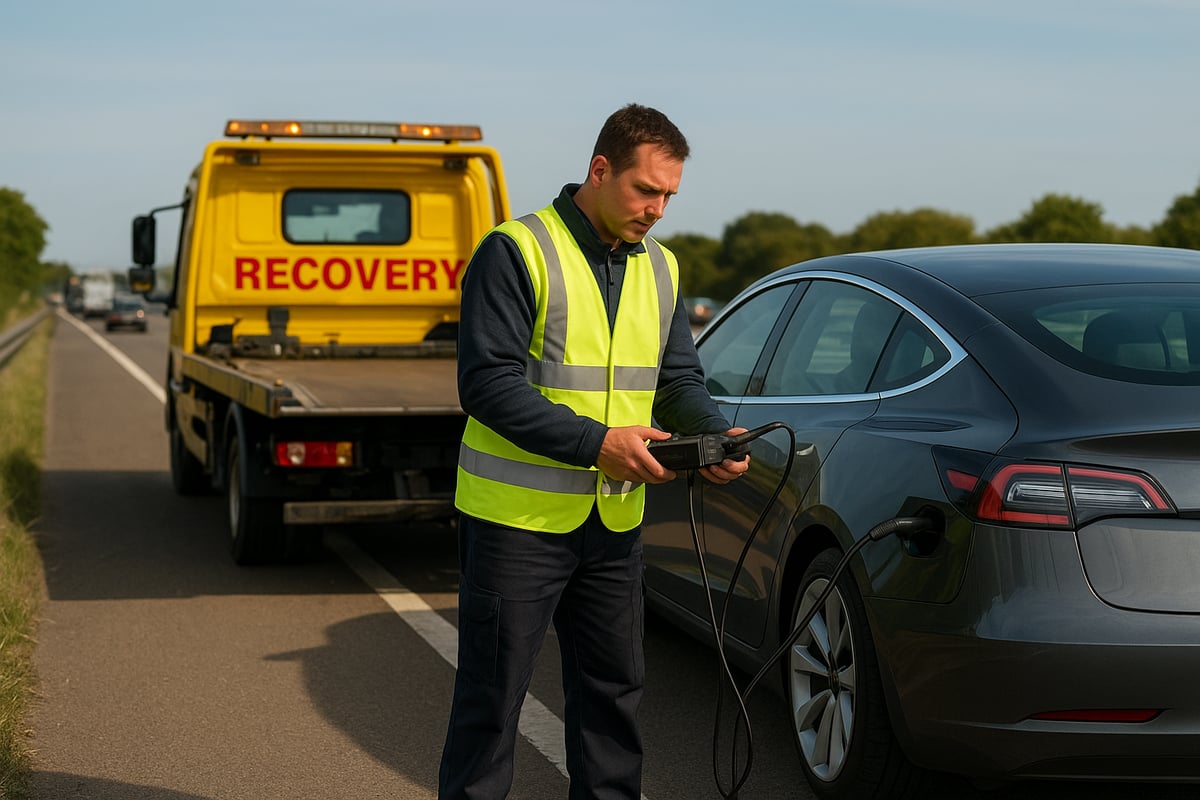
When it comes to breakdown and recovery, the UK market now offers a diverse range of providers. Understanding the differences helps you make the best choice for your needs. The main categories are:
| Provider Type |
Features |
Suitable For |
| National Clubs |
Extensive networks, memberships |
Frequent drivers, families |
| Independent Operators |
Local focus, tailored service |
Urban/rural drivers, businesses |
| Specialist EV Services |
EV/hybrid expertise, equipment |
Electric vehicle owners |
| App-Based Platforms |
On-demand, digital convenience |
Tech-savvy, occasional drivers |
Each provider type has its strengths. National clubs offer reliability, while independents may provide faster, more personalised breakdown and recovery support. Specialist EV services are essential for newer vehicles, and app-based platforms give flexibility for modern motorists.
Key Criteria for Selection
Choosing a breakdown and recovery provider means looking beyond just price. Focus on these critical factors:
- Response time guarantees: Fast arrival is vital during emergencies.
- Customer reviews: Reliable feedback helps gauge service quality.
- Range of services: Ensure roadside repair, towing, accident recovery, and police pound assistance are all available.
- Coverage area: Confirm urban, rural, and motorway support.
- Specialist equipment: Especially important for EVs, hybrids, and ADAS-equipped vehicles.
Evaluating these aspects ensures your breakdown and recovery solution meets your expectations and keeps you moving.
Membership vs. Pay-As-You-Go
The choice between annual membership and pay-as-you-go breakdown and recovery services depends on driving habits and budget. Membership plans, averaging £85–£150 per year, offer peace of mind for frequent drivers. Pay-as-you-go options, typically £100–£140 per incident, suit infrequent drivers or households with multiple vehicles.
Transparency is key. Before committing, check Transparent Breakdown Recovery Prices to compare costs and avoid hidden charges. In 2026, flexibility is a priority, with many drivers preferring the freedom of no ongoing fees and only paying when needed.
Questions to Ask Before Booking
Before you book a breakdown and recovery service, ask these essential questions to avoid surprises:
- Are technicians qualified to handle hybrid and EV repairs?
- What is the maximum recovery distance included?
- Does the service provide passenger transport?
- Are there extra fees for night or weekend call-outs?
- How quickly can help arrive in your area?
Clarifying these points ensures your chosen breakdown and recovery provider delivers exactly what you need, when you need it.
Real-World Examples and Case Studies
Real-world experiences highlight the importance of choosing the right breakdown and recovery service. For instance, a London motorist avoided costly membership by using a local pay-as-you-go operator and received prompt assistance. A fleet operator managing electric vans switched to a specialist EV provider, ensuring compliance and safety. Customer testimonials often praise rapid response, transparent pricing, and friendly technicians.
Whether you drive daily or occasionally, these stories show that the right breakdown and recovery partner makes all the difference.
Technological Advances Shaping Breakdown and Recovery
Technology is rapidly transforming the breakdown and recovery landscape. In 2026, innovative tools and smarter systems are redefining how motorists, fleet operators, and technicians respond to vehicle issues. Understanding these advances is essential for anyone looking to manage breakdown and recovery situations with confidence.
Smart Diagnostics and Remote Assistance
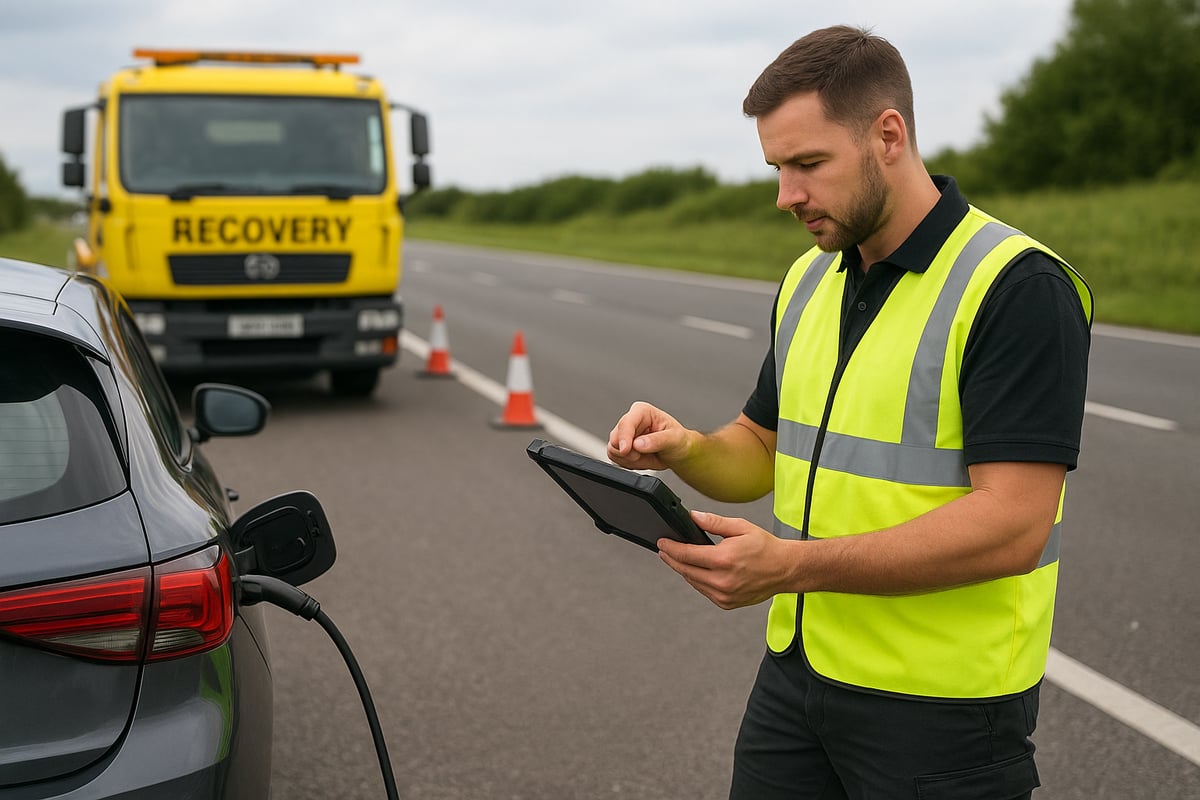
Modern vehicles are equipped with sophisticated sensors, telematics, and connectivity features that enable real-time monitoring of system health. When a breakdown and recovery situation arises, these technologies allow technicians to access vehicle data remotely, often before they arrive on the scene.
Many recovery providers now use remote diagnostics to pinpoint faults quickly. Apps can send live updates and estimated arrival times, keeping drivers informed. This smart approach has resulted in a 40% reduction in misdiagnosed breakdowns, improving both speed and accuracy of recovery. With connected car tech, breakdown and recovery is now more efficient and less stressful for all involved.
Electric Vehicles (EVs) and Hybrid Recovery
The rise of electric and hybrid vehicles brings new challenges and opportunities in breakdown and recovery. High-voltage systems require specialist training and equipment, making traditional recovery methods less effective. In 2026, EVs account for 30% of new UK car sales, so expertise in handling these vehicles is vital.
Recovery teams must be prepared for unique scenarios, such as flat batteries, immobilised EVs, and the need for mobile charging solutions. Many providers now offer on-the-spot charging and safe towing options tailored to EVs. As the market grows, breakdown and recovery services are evolving to meet the needs of modern drivers.
Autonomous and Connected Vehicle Recovery
Autonomous and connected vehicles are reshaping breakdown and recovery protocols. Self-driving cars can communicate directly with recovery operators, sharing precise location and diagnostic data. This streamlines the response process and reduces uncertainty for drivers and technicians alike.
However, there are unique challenges. Legal and insurance considerations for autonomous breakdowns are still evolving, and some smart motorways have a higher rate of recorded breakdowns, highlighting the need for specialised recovery strategies (Smart motorways have higher rate of recorded breakdowns). Pilot schemes in cities like London are testing dedicated recovery solutions for these vehicles, ensuring the breakdown and recovery process keeps pace with emerging technology.
The Role of AI and Predictive Maintenance
Artificial intelligence is playing a major role in preventing and managing breakdown and recovery events. By analysing real-time data, AI systems can alert drivers or fleet managers to potential issues before they become critical. Predictive analytics help reduce unplanned incidents, saving time and money.
Fleet operators, in particular, benefit from AI integration, as it allows for proactive scheduling of maintenance and repairs. Case studies show that companies using predictive maintenance have cut breakdown rates by up to 22%. This data-driven approach is transforming the breakdown and recovery industry by making it more preventative than reactive.
Apps and Customer Experience Innovations
Digital tools and apps are revolutionising the customer experience during breakdown and recovery situations. Motorists can now book assistance via mobile apps or even voice assistants, streamlining the entire process. Real-time tracking and instant communication provide transparency and peace of mind.
Modern apps also offer digital payments, instant feedback, and direct access to support. Many app-based recovery services now boast average user ratings of 4.8 out of 5, reflecting high satisfaction. As these innovations continue, drivers can expect faster, more convenient, and more reliable breakdown and recovery services than ever before.
Costs, Insurance, and Legal Considerations
Navigating the financial and legal landscape of breakdown and recovery can feel daunting, especially when faced with an unexpected incident. Understanding the true costs, insurance nuances, and your legal responsibilities helps you avoid surprises and stay compliant.
Breakdown Recovery Costs in 2026
Breakdown and recovery expenses can vary based on your location, vehicle type, and the time of day. On average, a basic call-out in the UK costs around £110, but this can rise with extra services.
Typical cost breakdown:
- Call-out fee: £60–£90
- Towing (up to 10 miles): £40–£60
- Night or weekend surcharge: £20–£40
- On-the-spot repair: £30–£80
Prices have increased slightly since 2020 due to inflation and more complex vehicles. Comparing on-the-spot repairs with full recovery, quick fixes are usually more affordable and less disruptive.
Insurance and Breakdown Cover
Many drivers assume their standard insurance covers breakdown and recovery, but this is rarely the case. Basic car insurance typically excludes roadside assistance, making separate breakdown cover essential.
Types of cover:
- Roadside assistance: help at breakdown scene
- National recovery: vehicle transported anywhere in the UK
- Home start: assistance at your home address
- Onward travel: alternative transport or accommodation
Filing a claim for breakdown and recovery is straightforward, but frequent claims may impact your no-claims bonus. Choose a cover level that fits your driving habits and vehicle age for peace of mind.
Legal Responsibilities and Roadside Safety
UK law sets clear expectations for anyone involved in a breakdown and recovery situation. As a driver, you must prioritise safety and minimise obstruction to traffic.
Key legal requirements:
- Move your vehicle off the road if safe
- Use a warning triangle at least 45 metres behind your car (not on motorways)
- Ensure all passengers wait away from traffic
- Cooperate with police or authorised recovery operators
Failure to follow these rules may lead to fines or penalties. Knowing your rights can also help if your vehicle is removed by authorities during a breakdown and recovery incident.
Recovering from Accidents or Police Impound
If you’re involved in an accident or your vehicle is impounded, the breakdown and recovery process involves extra steps. Always document the scene and notify your insurer promptly.
Steps for recovery:
- Collect required documents (ID, V5C, insurance)
- Pay any applicable fees
- Arrange transport from the impound site
- Follow official timelines to avoid extra charges
For urgent assistance, you can Contact Motors Recovery Experts to guide you through recovery and paperwork. Efficient handling reduces stress and helps you get back on the road quickly.
Preparing for the Future: Proactive Breakdown Prevention
Staying ahead of breakdown and recovery challenges means adopting a proactive approach. By focusing on maintenance, preparedness, technology, and education, you can reduce your risk and ensure you are ready for anything the road presents.
Routine Maintenance and Inspection
Regular servicing and timely MOT checks are fundamental for minimising breakdown and recovery incidents. Tyres, brakes, battery health, and fluid levels must be checked routinely. Software updates for modern vehicles are equally important, as outdated systems can trigger unexpected faults.
A significant portion of breakdowns can be prevented with basic maintenance. In fact, 45% of incidents are avoidable through proper care. With increased traffic volume, as highlighted in the Provisional road traffic estimates, Great Britain: October 2024 to September 2025, the likelihood of encountering issues on busy routes rises. Staying proactive reduces both inconvenience and risk.
Emergency Kits and Preparedness
Equipping your vehicle with a comprehensive emergency kit is a cornerstone of breakdown and recovery readiness. Essential items include a warning triangle, high-visibility vest, first aid kit, torch, water, and a reliable phone charger.
Seasonal adjustments are wise. Pack blankets and ice scrapers in winter, and sun protection and extra water in summer. Top-rated emergency kits often come pre-assembled, but personalising your kit ensures it meets your needs. Being prepared can make a critical difference while waiting for assistance, especially in adverse conditions or remote locations.
Digital Tools and Apps for Prevention
Modern technology now plays a pivotal role in breakdown and recovery prevention. Vehicle health monitoring apps offer real-time insights into system performance, while MOT and service reminders help drivers stay compliant.
Apps that locate the nearest charging points or reputable garages are invaluable for drivers of every vehicle type. The diversity of UK vehicles, evidenced in the Vehicle licensing statistics, United Kingdom: April to June 2025, highlights the need for digital solutions tailored to conventional, hybrid, and electric models. Fleet operators can leverage telematics to reduce costly downtime and optimise maintenance schedules.
Driver Education and Awareness
Education is the final pillar of effective breakdown and recovery prevention. Training for new technologies, such as EVs and advanced driver-assistance systems, is crucial. Public campaigns and resources from motoring organisations help reinforce safe practices.
Fleets investing in regular driver training have reported tangible reductions in breakdown incidents. Raising awareness of correct protocols not only increases safety but also empowers drivers to act confidently in emergencies. Staying informed ensures you are prepared for both common and emerging roadside challenges.

