Imagine your car suddenly failing in the middle of a busy motorway or on a quiet country lane. Would you know exactly how to respond? In 2026, understanding recovery and breakdown services is more important than ever. This guide provides a clear, practical overview, so you are never caught off guard during a roadside emergency.
As more drivers rely on their vehicles for daily life and work, the need for dependable recovery and breakdown services continues to grow. Knowing your options brings peace of mind and ensures you receive help when you need it most.
In this essential guide, you will discover the different types of services available, how they operate, what to expect during a breakdown, and how to select the right provider for your needs. We will also explore costs, new innovations for 2026, and answer the most common questions, giving you the confidence and knowledge to handle any roadside situation.
Understanding Recovery and Breakdown Services
Stranded at the roadside, you might wonder what happens next. This section explores how recovery and breakdown services keep you moving, whatever the situation. From flat tyres to motorway mishaps, understanding these services gives you peace of mind and practical know-how.
What Are Recovery and Breakdown Services?
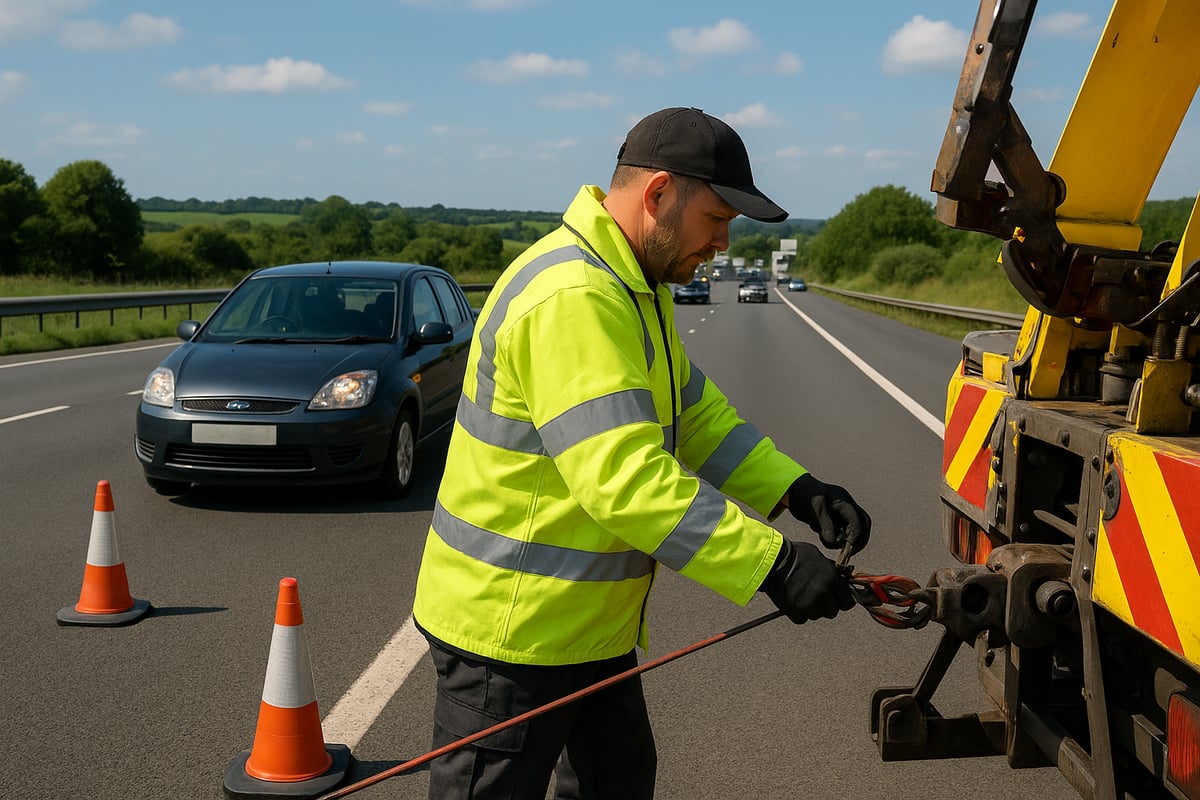
Recovery and breakdown services provide essential support when your vehicle fails unexpectedly. These services range from quick roadside fixes to full recovery, where your vehicle is towed to a safe location or repair centre. Roadside assistance typically addresses minor issues, such as battery jump-starts or tyre changes, while recovery involves transporting vehicles that cannot be repaired on the spot.
Emergency support is offered for urgent situations, like accidents, while non-emergency help covers mechanical failures. Over the decades, the sector has evolved with technology, now offering app-based call-outs and real-time tracking. Common scenarios include flat tyres, dead batteries, or collisions. For a detailed overview of options and processes, consult the Comprehensive breakdown and recovery guide, which explains the full range of recovery and breakdown services available today.
Types of Vehicles and Situations Covered
Recovery and breakdown services cater to a wide array of vehicles, including cars, vans, motorcycles, and commercial fleets. As electric and hybrid vehicles become more popular, providers now offer specialised support for these models, addressing unique challenges like charging and battery management.
Assistance extends to off-road and remote locations, ensuring help is available whether you break down in a city or on a rural lane. Services also cover accidents, mechanical faults, and lockouts. Seasonal trends affect demand, with winter breakdowns often linked to battery issues and summer incidents involving overheating. For example, a motorway breakdown requires a different approach compared to urban street assistance, but recovery and breakdown services are designed to handle both efficiently.
How the Service Process Works
When you need recovery and breakdown services, the process begins with a call or app request. You provide details about your location, vehicle, and the nature of the problem. Dispatch teams use this information to coordinate assistance, with industry-average response times between 30 and 60 minutes.
Communication is key. Many providers offer real-time updates via SMS or mobile apps, so you always know when help will arrive. You may need to share your registration number, exact location using What3Words or motorway markers, and a description of the issue. This streamlined process ensures that recovery and breakdown services can respond quickly and effectively, minimising your time at the roadside.
Key Players in the UK Market
The UK market for recovery and breakdown services is led by major providers like the AA, RAC, and Green Flag, with AA and RAC together covering over 60% of British motorists. Independent operators also play a significant role, especially in urban areas such as Greater London, offering flexible and often faster responses.
There are two main models: membership, where you pay an annual fee for coverage, and pay-as-you-go, where you pay only when you need help. National providers offer broad coverage, while local businesses may deliver more personalised service.
| Provider |
Coverage Area |
Membership |
Pay-as-you-go |
Notable Feature |
| AA |
National |
Yes |
Limited |
Extensive network |
| RAC |
National |
Yes |
Limited |
Fast response |
| Green Flag |
National |
Yes |
Yes |
Competitive pricing |
| Independents |
Local/Regional |
No/Yes |
Yes |
Rapid local support |
These options ensure that recovery and breakdown services suit a variety of needs.
Legal and Safety Considerations
When using recovery and breakdown services, motorists must follow UK laws to ensure safety. Always move your vehicle to a safe location if possible, activate hazard lights, and use a warning triangle if it is safe to do so. Highways England advises evacuating passengers to a secure area, especially on motorways.
You are legally obligated to act safely while waiting for assistance. Insurance policies may require prompt notification after a breakdown or accident. Additionally, many providers have specific safety protocols, such as high-visibility clothing. By following these guidelines, recovery and breakdown services can operate efficiently, keeping both you and recovery teams safe at the roadside.
Choosing the Right Breakdown and Recovery Service
Selecting the right recovery and breakdown services is crucial for peace of mind, whether you are a daily commuter or manage a fleet. With so many options available, understanding your specific needs and how services differ will help you make an informed decision.
Assessing Your Needs
When evaluating recovery and breakdown services, start by considering your vehicle’s age and reliability. Older vehicles are more prone to issues, so comprehensive cover may be essential. Think about how and where you drive. Long rural commutes require different support compared to short urban trips.
Family needs also matter. If you often travel with children, a rapid response is vital. Business owners or fleet managers should look for services tailored to commercial vehicles. For example, a commuter in central London will have different needs than a delivery van operator covering regional routes.
Comparing Service Features and Packages
Breakdown providers offer a range of features. Common options include home start, national recovery, and onward travel assistance. Basic plans might only cover roadside repairs, while premium packages extend to hotel accommodation or courtesy vehicles.
It is important to read the fine print for exclusions, such as limits on call-outs or types of vehicles covered. Additional services like battery jump-starts, tyre changes, and fuel delivery can be lifesavers. For a deeper dive into what each plan typically includes, see Car breakdown recovery cover explained.
Pricing Models and Hidden Costs
Recovery and breakdown services are available as annual memberships or pay-per-use. Memberships usually range from £40 to £120 per year, offering peace of mind for frequent drivers. Pay-per-use options, costing around £60 to £150 per incident, may suit occasional motorists.
Watch for hidden fees, such as call-out surcharges, mileage restrictions, or extra charges for late-night assistance. Always ask for a full breakdown of costs before committing. One common scenario is a driver facing unexpected charges after exceeding a mileage cap during a recovery.
Customer Service and Response Times
Fast response times are a hallmark of quality recovery and breakdown services. Industry standards suggest an arrival window of 30 to 60 minutes, but this can vary by region and provider.
Look for companies offering 24/7 support and broad regional coverage. Customer reviews are invaluable, often highlighting real-world experiences with response speed and communication. A provider with consistently high satisfaction scores and testimonials is likely to offer dependable help when you need it most.
Evaluating Reputation and Reliability
Before choosing recovery and breakdown services, research each provider’s reputation. Online ratings on platforms like Trustpilot or Google can reveal patterns in customer satisfaction.
Industry accreditations, such as PAS 43 or ISO 9001, indicate adherence to high standards. Longevity in the market is another sign of reliability. For instance, a provider with over 20 years of experience and strong industry credentials often brings valuable expertise and trustworthiness.
Motors Recovery delivers rapid, professional recovery and breakdown services for cars, vans, and motorcycles throughout Greater London and the Home Counties. With 24/7 availability and response times averaging between 15 and 60 minutes, they specialise in towing, battery jump-starts, police pound recovery, and urgent roadside help.
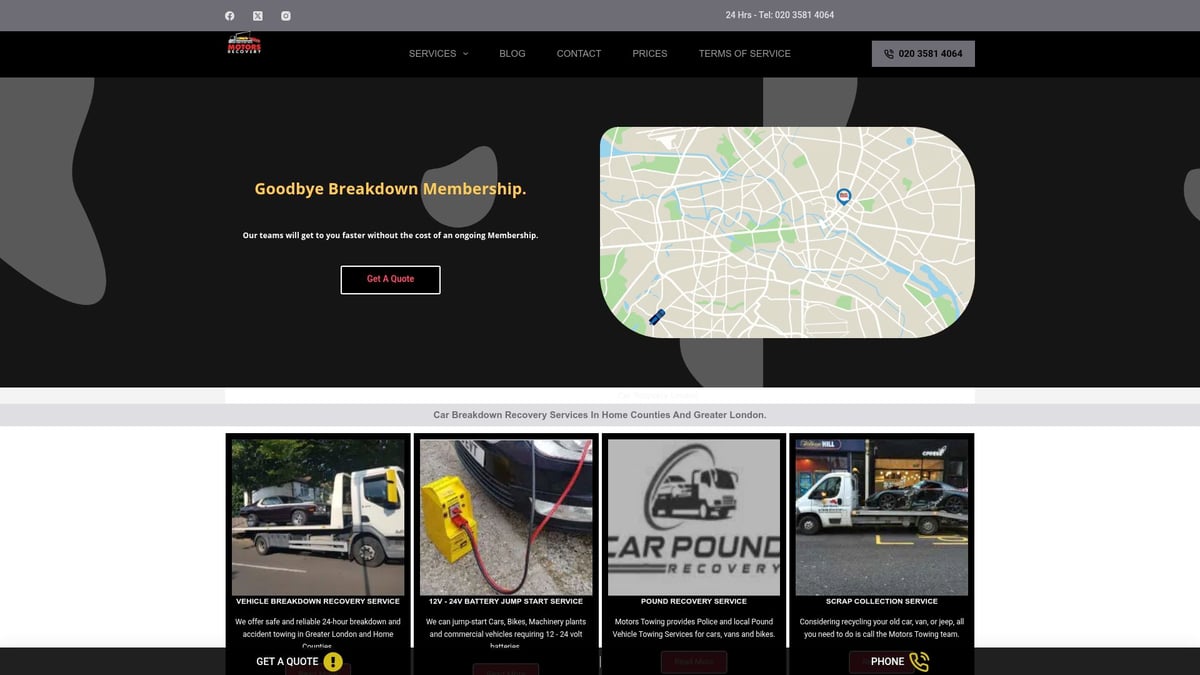
No membership is required, so you only pay when you need assistance. Their modern fleet and skilled technicians ensure safety and efficiency. This provider is a strong choice for private motorists, commercial operators, and anyone needing fast, local support.
What to Do When You Break Down: Step-by-Step Guide
Breaking down on the road can be stressful, but knowing exactly what to do will help you stay calm and safe. This step-by-step guide walks you through the essential actions to take when using recovery and breakdown services, ensuring you are prepared for any roadside emergency.
Step 1: Ensure Safety First
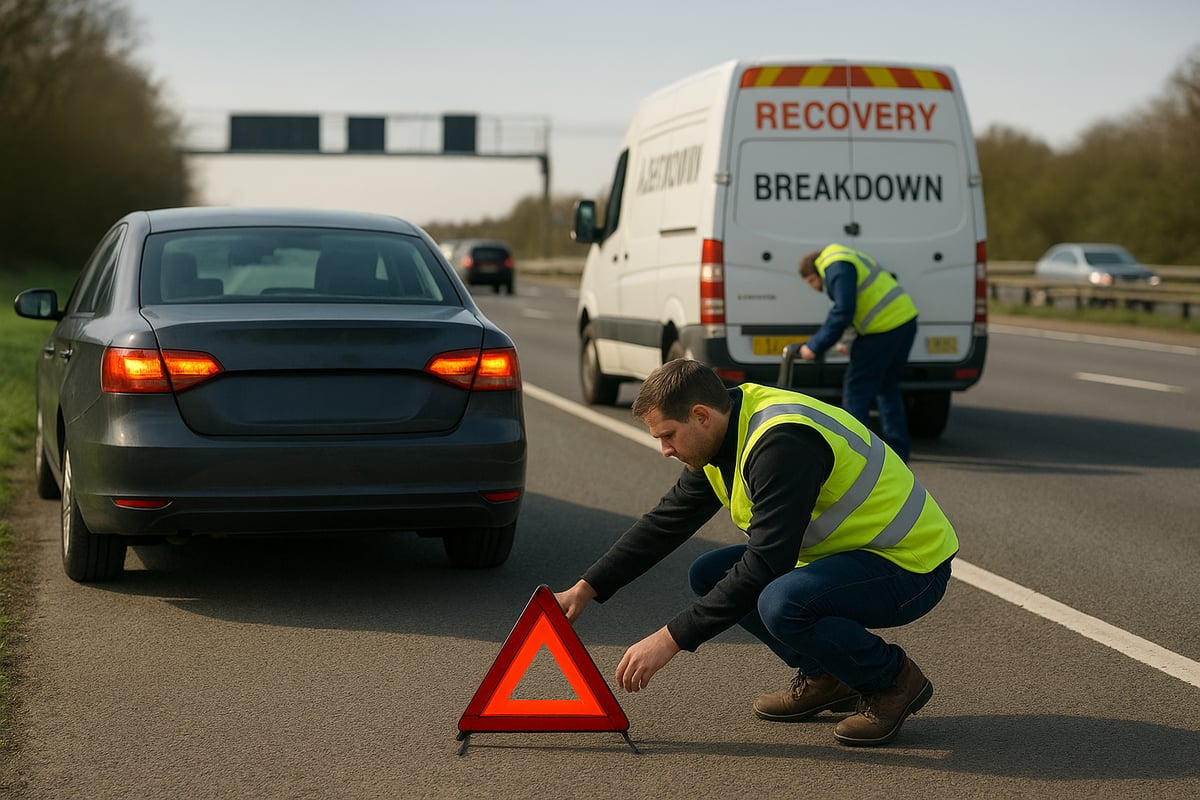
Your priority when your vehicle fails is safety. If possible, steer your car to a safe spot well away from moving traffic. Turn on your hazard lights to alert other motorists that you have stopped.
Always put on a high-visibility vest before leaving your vehicle. Place a warning triangle at least 45 metres behind your car, but only if it is safe to do so. Move all passengers to a secure location, such as behind the barrier or far from the carriageway. These measures are vital, especially when waiting for recovery and breakdown services on a motorway.
- Move vehicle to a safe area
- Activate hazard lights
- Wear a high-visibility vest
- Position warning triangle
- Evacuate passengers
By following these steps, you reduce risks while waiting for help.
Step 2: Assess the Situation
Once everyone is safe, assess what has happened. Try to identify the cause of the breakdown: is it a flat tyre, battery issue, or something more serious?
Check for immediate hazards such as smoke, unusual noises, or leaking fluids. Document the situation by taking photos, as these may be useful for insurance or when explaining the problem to recovery and breakdown services.
Gather key information to share with your provider:
- Vehicle make, model, and registration
- Symptoms or warning lights
- Exact location
By staying observant and organised, you make the process smoother for everyone involved.
Step 3: Contact Your Recovery Provider
Now, it is time to get in touch with your provider. Use your mobile, an emergency roadside phone, or a dedicated app. Clearly state your location using motorway markers or apps like What3Words. Provide vehicle details and describe the breakdown to ensure the right recovery and breakdown services are dispatched.
Confirm the estimated arrival time and understand the next steps. For more detailed guidance and expert tips, you can consult Expert solutions for auto breakdowns.
- Use precise location data
- Share vehicle information
- Confirm arrival and procedure
Prompt communication helps speed up your recovery.
Step 4: Wait Safely for Assistance
While waiting for recovery and breakdown services, remain outside the vehicle if you are on a motorway. Find a safe, sheltered spot away from traffic. Monitor weather and traffic conditions, and keep your mobile charged for ongoing communication.
If you have children, elderly passengers, or pets, reassure them and check on their comfort. Delays can happen, especially during peak traffic or adverse weather.
- Stay outside the vehicle
- Monitor surroundings
- Keep communication open
Patience and vigilance are key while awaiting help.
Step 5: Handover and Recovery
When your technician arrives, provide any documentation requested. The recovery and breakdown services professional will assess your vehicle and attempt repairs on the spot if possible.
If roadside repair is not feasible, your vehicle will be towed to your chosen location, such as your home or a local garage. Make sure you understand your rights regarding onward travel or courtesy cars if included in your cover.
- Meet technician and share documents
- Allow assessment and repair
- Arrange towing if needed
Clear communication ensures an efficient recovery process.
Step 6: Post-Recovery Actions
After your vehicle is recovered, arrange for repairs or onward travel as needed. If your breakdown was due to an accident, contact your insurer and provide any required evidence.
Take a moment to review your experience with the recovery and breakdown services. Providing feedback helps improve future service. Keep all records, receipts, and reports for reference or insurance claims.
- Organise repairs or travel
- Contact insurance if relevant
- Leave feedback and store documents
Being thorough after the incident helps you move forward with confidence.
Innovations and Trends in Recovery and Breakdown Services 2026
The recovery and breakdown services sector is undergoing rapid transformation in 2026, driven by technology, sustainability, and evolving customer needs. Understanding these trends ensures you stay ahead, whether you are a private motorist or managing a fleet.
Digital Transformation and Smart Technology
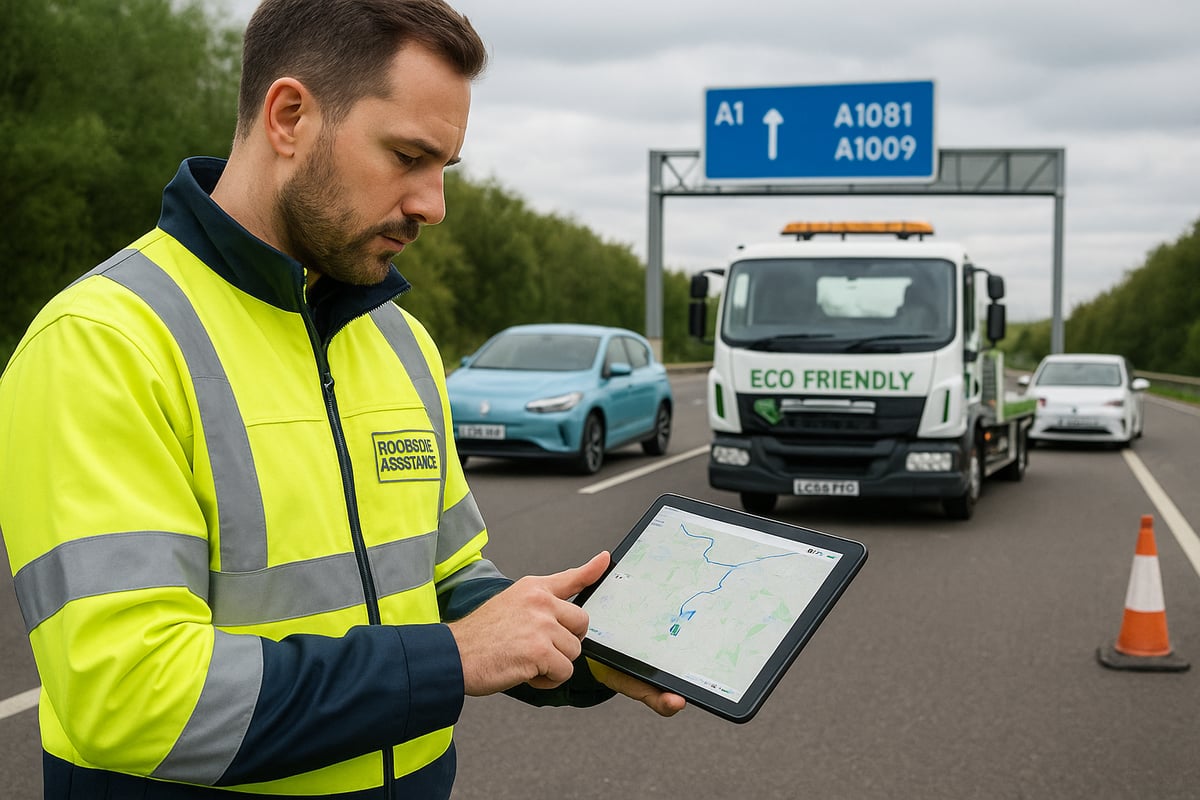
Digital innovation is reshaping recovery and breakdown services across the UK. Today, most providers offer app-based platforms for requesting help, tracking technicians, and receiving real-time updates. Artificial intelligence is optimising dispatch routes, reducing wait times, and improving accuracy.
Features like instant push notifications and live estimated time of arrival empower customers. In fact, 70% of recovery and breakdown services now provide app-based access, reflecting a shift towards digital-first solutions. These tools not only streamline communication but also enhance transparency throughout every stage of the process.
Electric and Hybrid Vehicle Support
With the rise of electric and hybrid vehicles, recovery and breakdown services have adapted to new challenges. Specialised teams now handle flat batteries, charging issues, and unique towing requirements for EVs. Portable charging units are deployed to assist stranded drivers, minimising disruption during journeys.
Initiatives such as Green Flag’s EV support highlight the sector’s commitment to innovation. As electric vehicle breakdowns are expected to rise by 30% by 2026, providers are investing in training and equipment. This ensures seamless service for all vehicle types, supporting the UK’s transition to greener motoring.
Sustainability and Eco-Friendly Practices
Sustainability is now a core focus within recovery and breakdown services. Recovery fleets increasingly utilise low-emission or electric vehicles to reduce environmental impact. Providers are also introducing green disposal methods for scrap vehicles and promoting parts recycling.
Many companies offer voluntary carbon offset programmes, allowing customers to contribute to environmental initiatives. By 2026, it is projected that 25% of recovery and breakdown services fleets will consist of hybrid or electric vehicles. These eco-friendly efforts align with broader industry commitments to responsible business practices.
Enhanced Customer Experience
Customer expectations for recovery and breakdown services are rising, and providers are responding with personalised plans, transparent pricing, and enhanced accessibility. Artificial intelligence tailors service options based on individual needs, while online platforms deliver instant quotes.
Support is now available 24/7 in multiple languages, catering to the UK’s diverse population. Features such as chatbot assistance offer quick answers, while digital dashboards track service progress. These innovations place customer satisfaction at the heart of recovery and breakdown services.
Regulatory and Industry Changes
The regulatory landscape for recovery and breakdown services is evolving rapidly in the UK. New government regulations are introducing stricter safety and training requirements for operators, raising service standards across the sector. Insurance and compliance updates are also shaping provider practices.
Market growth continues to accelerate, with the global car breakdown recovery service market set for robust growth in the coming decade. These changes are expected to influence costs, drive investment in new technologies, and ensure that recovery and breakdown services remain reliable and future-ready.
Cost Breakdown and Value for Money
Understanding the cost and value of recovery and breakdown services is essential for every motorist. Whether you drive daily or only occasionally, knowing what you’re paying for and how to get the best deal protects both your wallet and your peace of mind.
Typical Costs for UK Breakdown Services
Costs for recovery and breakdown services vary depending on the type of cover and provider. Most motorists choose between annual membership and pay-per-use options. Membership typically ranges from £40 to £120 per year, while single call-outs can cost £60 to £150 depending on location and urgency.
| Cover Type |
Typical Cost (2026) |
Inclusions |
| Annual Membership |
£40–£120 |
Multiple call-outs, extras |
| Pay-per-Use |
£60–£150 per call |
Single incident, basic support |
London prices are often higher than rural rates. For those seeking affordable solutions, the Cheapest car breakdown recovery options page provides practical guidance.
What’s Included (and What’s Not)
Recovery and breakdown services usually include roadside repairs, local towing, and jump-starts. Some plans offer home start, onward travel, or overnight accommodation. However, exclusions often apply, such as limits on the number of call-outs, long-distance towing, and the cost of replacement parts.
- Standard inclusions: roadside repair, battery assistance, towing to a nearby garage
- Common exclusions: parts, extensive mileage, onward travel, specialist vehicles
- Fine print: call-out limits per year, excess charges on older vehicles
Reading the terms ensures you know exactly what your recovery and breakdown services cover.
How to Avoid Common Pitfalls
Many drivers fall into common traps when choosing recovery and breakdown services. Not all policies are equal, and hidden fees can catch you off guard. Always read the small print and ask about surcharges for after-hours assistance, excess mileage, or additional passengers.
- Check for exclusions on older vehicles
- Clarify call-out limits and extra charges
- Compare what’s actually included in your plan
A case study from a national provider revealed unexpected costs when a vehicle was towed outside the standard radius. Awareness helps you avoid these surprises.
Maximising Value: Tips and Tricks
To get the most from your recovery and breakdown services, consider bundling cover with your car insurance or selecting pay-as-you-go if you drive infrequently. Many providers offer loyalty rewards and referral bonuses, lowering costs over time.
- Use comparison sites like the UK breakdown cover comparison 2025 to find the right fit
- Ask about discounts for multi-car households or business fleets
- Switch providers regularly to access introductory offers
Smart choices ensure you receive reliable cover and excellent value for money from your recovery and breakdown services.
Frequently Asked Questions About Recovery and Breakdown Services
Facing unexpected car trouble can be daunting, especially if you are unsure about recovery and breakdown services. Below, we answer the most common questions, helping you navigate emergencies with confidence and make informed choices for 2026.
What Should I Do if My Car Breaks Down on the Motorway?
If your vehicle fails on a motorway, prioritise safety above all. Move your car to the hard shoulder or a safe lay-by if possible. Switch on hazard lights and wear a high-visibility vest to increase visibility. Place a warning triangle at least 45 metres behind your car, but only if it is safe to do so.
Evacuate all passengers away from traffic, ideally behind the barrier. Call for recovery and breakdown services using your mobile or an emergency phone. Provide precise details about your location and the nature of your breakdown. Following these steps aligns with Highways England guidelines and ensures you receive timely assistance from recovery and breakdown services.
Can I Get Immediate Help Without a Membership?
Yes, many providers offer pay-as-you-go options for recovery and breakdown services, so you do not need to be a member to get help. If you break down, you can contact national operators or local specialists directly for immediate support.
Response times and costs may differ from those enjoyed by members. Expect to pay per call-out, with charges influenced by your location and the time of day. Non-membership assistance is especially popular in urban areas like London, where flexibility is a priority. Always check terms, as some providers may limit coverage or add surcharges for non-members using recovery and breakdown services.
Are Electric Cars More Likely to Break Down?
Electric vehicles are becoming more common, and their needs for recovery and breakdown services are evolving. Common issues include battery depletion, charging faults, and software errors. While EVs account for an increasing share of call-outs, they are not inherently less reliable than petrol or diesel vehicles.
Providers like Motors Recovery breakdown services now offer specialist support for electric and hybrid models, such as portable charging units and tailored towing protocols. As infrastructure improves, expect further innovation in recovery and breakdown services for all vehicle types, ensuring your peace of mind on UK roads.
How Do I Choose the Best Provider for My Needs?
Selecting the right recovery and breakdown services provider involves comparing price, coverage, response times, and customer feedback. Look for companies with strong reputations, national reach, and high satisfaction ratings. Consider whether you need home start, national recovery, or onward travel options.
For a detailed comparison of leading UK services, including response times and customer satisfaction, review the Best breakdown service in 2025. Use a checklist to match your requirements, such as frequent long-distance travel or family cover, ensuring you secure the most suitable recovery and breakdown services for your situation.

