Imagine being stranded on a busy motorway in 2026, with complex vehicle technology making self-repairs nearly impossible. The need for a reliable recovery van service is greater than ever as roadside incidents and technical breakdowns continue to rise.
This guide offers a clear overview designed to empower drivers and fleet managers to make informed decisions. You will discover what a recovery van service is, types available, how to select the right provider, the step-by-step recovery process, costs, legal and safety requirements, and the trends shaping the future.
Stay prepared with up-to-date knowledge and ensure you are ready for any unexpected roadside emergency.
Understanding Recovery Van Services in 2026
The recovery van service landscape in 2026 is more advanced and vital than ever. With vehicles becoming increasingly complex, drivers rely on expert help for unexpected roadside incidents. Understanding what these services offer is the first step to making the right choice when you need assistance.
Definition and Core Functions
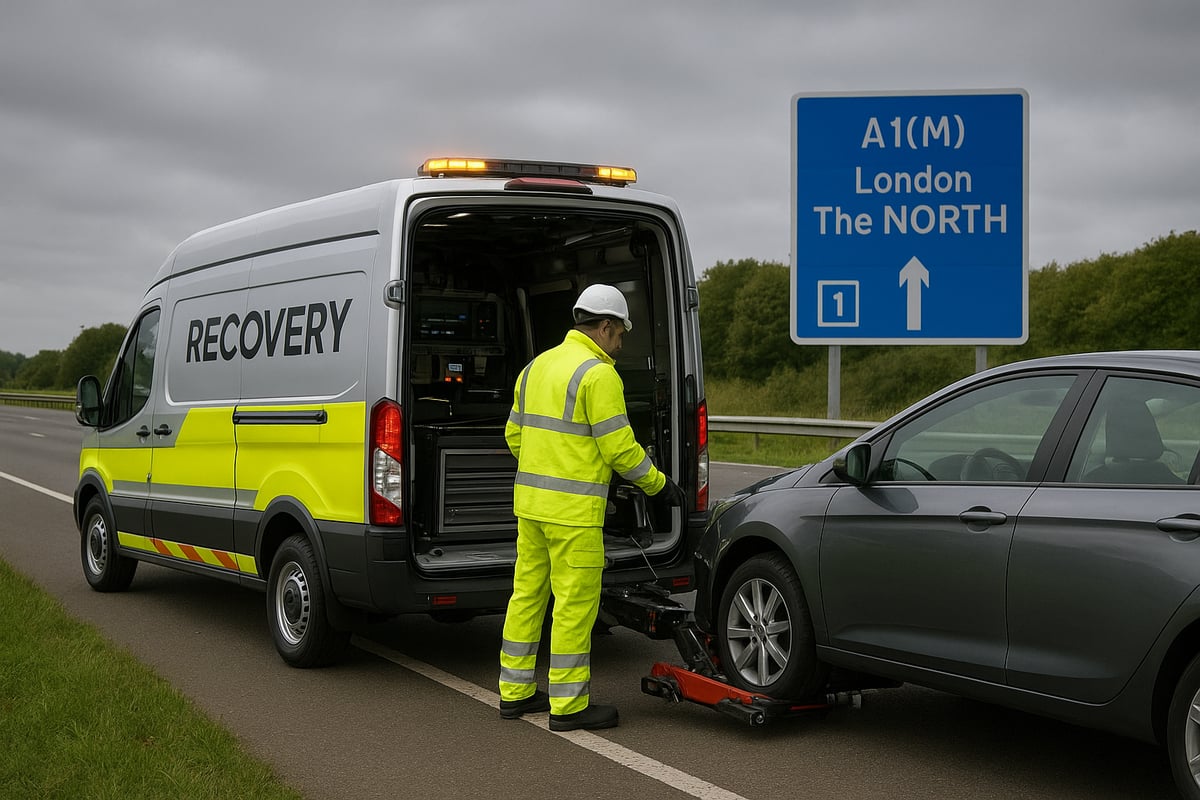
A recovery van service provides essential roadside assistance when vehicles become stranded, immobilised, or involved in an accident. Originally, these services focused on towing broken-down cars to the nearest garage. Today, the recovery van service includes advanced on-site repairs, vehicle diagnostics, and safe transport for a wide range of vehicles.
Drivers might need a recovery van service for situations such as mechanical failures, road traffic accidents, or when a vehicle simply refuses to start. The core function remains ensuring vehicles and their occupants reach safety as quickly and efficiently as possible.
Types of Recovery Van Services
There are several types of recovery van service available in the UK. These include breakdown recovery, accident recovery, police pound recovery, and specialist vehicle transport. Providers operate light, medium, and heavy-duty recovery vans, each designed for specific vehicle sizes and recovery scenarios.
For example, light-duty vans handle cars and small vans, while heavy-duty units are equipped for lorries or buses. According to 2025-2026 projections, breakdown recovery holds the largest UK market share, followed by accident and specialist transport services. If you need more details on van-specific solutions, see this guide on van breakdown and recovery solutions.
Who Needs Recovery Van Services?
A recovery van service is essential for a wide range of users. Private motorists often face unexpected issues like battery failures or flat tyres. Commercial fleets and delivery companies depend on prompt recovery to keep operations running smoothly. Taxi operators also require fast solutions to minimise passenger disruption.
According to recent RAC and AA data, battery issues are the most common cause of callouts, followed closely by tyre blowouts and engine trouble. The frequency of breakdowns is highest among high-mileage fleet vehicles, though all types of vehicles can be affected.
Key Features of Modern Recovery Vans
Today’s recovery van service vehicles are equipped with advanced technology. Key features include hydraulic winches, flatbed lifts, and real-time GPS tracking to optimise response times. Many vans now offer onboard diagnostics, allowing technicians to quickly identify and fix issues on-site.
Electric and hybrid recovery vans are becoming popular, especially in urban areas where emissions regulations are strict. Remote assistance capabilities enable some providers to resolve minor issues without even sending a technician to the location.
Industry Standards and Regulations
Operating a recovery van service in 2026 requires strict adherence to UK and EU regulations. Providers must ensure all operators have the correct licences, comprehensive insurance, and up-to-date training. Environmental standards are increasingly important, with many cities enforcing low-emission zones.
New safety standards mandate regular vehicle inspections and ongoing staff development. These regulations are designed to protect both customers and technicians, while supporting the shift towards greener, more efficient recovery van service operations.
Choosing the Right Recovery Van Service Provider
Selecting the ideal recovery van service is crucial for both peace of mind and practical reliability. With so many providers in the market, understanding what sets a trusted recovery van service apart can make all the difference when you need urgent help.
Factors to Consider When Selecting a Provider
When choosing a recovery van service, prioritise providers with rapid response times and broad coverage areas. Your chosen company should offer a comprehensive service range, including assistance for various vehicle types and situations.
Reliability is key, so look for 24/7 availability and multi-vehicle support. A reputable recovery van service will be equipped to handle emergencies at any hour, whether you're a private motorist or managing a fleet. For those seeking local support, using a Recovery van service near me search can help identify nearby, trusted providers. Always check if the service can handle the specific needs of your vehicle and journey.
Service Packages: Pay-as-You-Go vs. Membership
Understanding the types of service packages available is essential. Pay-as-you-go options offer flexibility, charging only when you use the recovery van service. This suits occasional drivers or those with newer, reliable vehicles.
Membership-based packages provide peace of mind for frequent users, with a set annual or monthly fee covering multiple callouts. In 2026, around 48% of UK drivers prefer pay-as-you-go models for their adaptability and cost control. Evaluate your driving habits and compare the long-term value of each approach before committing.
Evaluating Provider Credentials and Reviews
Always verify the credentials of any recovery van service before making your decision. Check for proper certifications, comprehensive insurance, and strict compliance with UK regulations. These factors protect you and ensure professional standards.
Customer reviews on platforms like Trustpilot offer valuable insight into real-world experiences. High ratings and positive testimonials often reflect consistent reliability and quality. Take time to read independent reviews and look for patterns in feedback, especially concerning response times and technician professionalism.
Technology Integration and Customer Experience
Modern recovery van service providers are embracing technology to enhance the customer experience. Digital booking systems, live vehicle tracking, and dedicated mobile apps make requesting assistance faster and more transparent.
Artificial intelligence and automation streamline dispatch, matching you with the nearest available van for minimal waiting time. For example, leading providers now offer app-based systems that allow users to track their technician's arrival in real-time, receive updates, and pay securely from their phones. These innovations add convenience and confidence when you need help most.
Comparing Pricing Structures and Transparency
Understanding pricing is vital to avoid surprises. A transparent recovery van service will clearly outline callout fees, mileage rates, and any after-hours surcharges. Be wary of hidden costs or vague estimates.
| Fee Type |
London Average |
National Average |
| Standard Callout |
£75 |
£60 |
| Per Mile Charge |
£2.50 |
£2.00 |
| After-Hours Surcharge |
£20 |
£15 |
Always request an upfront quote and clarify all potential charges before confirming service. Comparing providers side by side helps ensure you get fair value and reliable support.
Motors Recovery: Reliable 24/7 Breakdown Assistance
Motors Recovery is a standout recovery van service in Greater London and the Home Counties. They offer rapid, professional support at any hour, with no membership required. Their fleet is equipped for a wide range of vehicles, from cars to light commercial vans.
Customers consistently praise their transparent pricing and high satisfaction rates. In one real-life scenario, Motors Recovery reached a stranded driver within 60 minutes, resolving the issue efficiently. Their technicians use state-of-the-art tools and receive ongoing training, ensuring your recovery van service experience is both safe and comprehensive.
Step-by-Step Guide: What Happens During a Recovery Van Callout
Facing a vehicle breakdown is never convenient, but knowing exactly what to expect from a recovery van service can help ease stress and speed up resolution. In this guide, we walk through each stage of the process, from first contact to post-recovery steps, empowering you to make informed decisions and stay safe throughout. For a more detailed walk-through, you may also wish to consult this Step-by-step breakdown recovery guide.
Step 1: Reporting the Incident
The recovery van service process begins when you report your breakdown or accident. You can reach out via phone, a mobile app, or the provider’s website. Having the following details ready will help speed up dispatch:
- Your exact location (using GPS coordinates or a nearby landmark)
- Vehicle registration and make/model
- The nature of the problem (e.g., flat tyre, engine failure, collision)
- Number of passengers and any urgent safety concerns
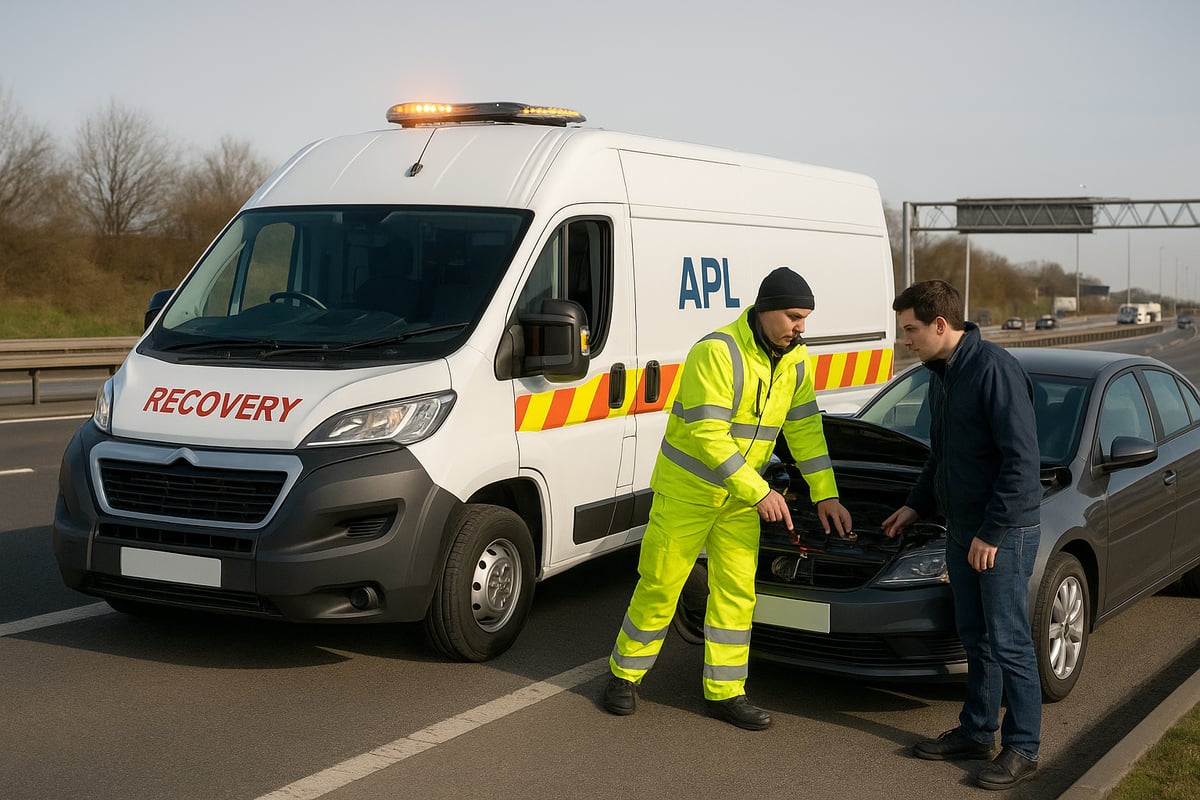
Best practice is to move your vehicle to a safe spot if possible, turn on hazard lights, and remain at a safe distance from traffic. This ensures the recovery van service team can locate and assist you quickly.
Step 2: Dispatch and Arrival
Once your call is logged, the recovery van service provider will allocate the nearest available van. Modern dispatch systems use advanced GPS tracking to identify the quickest route and update you with estimated arrival times.
In urban areas, response times typically range from 30 to 60 minutes. Rural locations may require longer waits, depending on distance and traffic. Throughout, you can track the recovery van service vehicle’s progress in real time via app or SMS updates, offering peace of mind while you wait.
Step 3: On-Site Assessment and Safety Protocols
Upon arrival, a trained technician from the recovery van service will conduct an initial inspection of your vehicle and surroundings. Safety is paramount. The technician will:
- Ensure all passengers are in a safe zone, away from moving traffic
- Wear high-visibility gear for maximum visibility
- Use traffic cones or warning triangles to alert other drivers
A thorough risk assessment is performed before any work begins, reducing hazards and ensuring a controlled environment for repairs or towing.
Step 4: Attempting Roadside Repairs
Whenever possible, the recovery van service technician will attempt repairs on the spot. Common fixes include:
- Battery jump-starts
- Tyre replacements or temporary repairs
- Minor mechanical adjustments (e.g., refuelling, belt replacement)
Specialist equipment on board allows many issues to be resolved without towing. Industry data shows that around 65% of breakdowns are fixed at the roadside, with the recovery van service only transporting vehicles when repairs are not feasible.
Step 5: Vehicle Recovery and Transport
If your vehicle cannot be fixed immediately, the recovery van service team will prepare it for secure transport. Loading procedures vary by vehicle type—cars, vans, and motorcycles require different equipment and techniques.
The technician ensures your vehicle is safely loaded onto a flatbed or towed using approved methods. For electric or hybrid vehicles, special care is taken to avoid damage to sensitive components, reflecting the evolving capabilities of the recovery van service.
Step 6: Post-Service Support and Handover
After your vehicle is delivered to your chosen location or an authorised garage, the recovery van service provides you with documentation. This includes a service report, itemised receipt, and any relevant advice for next steps.
Many providers offer onward travel assistance, such as arranging taxis or courtesy cars. You will also be invited to give feedback on the recovery van service, helping drive continuous improvement and maintain high standards.
Step 7: What to Do After Recovery
Following a recovery van service callout, it is important to arrange for vehicle repairs or initiate an insurance claim if needed. Keep all service documentation for reference.
To prevent future issues, consider scheduling regular maintenance checks and reviewing breakdown cover options. Some recovery van service providers partner with trusted garages to ensure seamless repair transitions, offering added convenience and peace of mind.
Cost, Insurance, and Legal Considerations in 2026
The financial, insurance, and legal aspects of recovery van service are evolving quickly in 2026. With increased vehicle complexity and more roadside incidents, drivers and fleet managers must understand what affects costs, what insurance covers, and their rights as customers. This section breaks down everything you need to know for informed, confident decisions.
Understanding Recovery Van Service Costs
The cost of a recovery van service in 2026 depends on several factors: the type of breakdown, distance covered, vehicle size, and time of day. For example, callout charges and mileage fees can add up, especially for long-distance recoveries or after-hours requests. London typically sees higher average costs compared to rural areas.
Rising demand, especially on smart motorways, has pushed prices higher in recent years. According to UK vehicle breakdown statistics 2025, roadside incidents have increased by over 15 percent, impacting service availability and pricing. Private motorists and commercial fleets should always request a clear quote before booking a recovery van service, ensuring they understand all potential charges.
Insurance Implications and Coverage
Insurance plays a crucial role in managing the costs of a recovery van service. Standard car insurance policies may offer basic roadside recovery, but this often comes with restrictions, such as distance limits or exclusions for certain vehicle types. Specialist recovery cover, on the other hand, provides more comprehensive support, including onward travel or alternative transport.
In 2026, it is estimated that over 60 percent of UK vehicle policies now include some form of breakdown assistance. Always check your policy details to confirm whether a recovery van service is covered and if there are any excess charges. For fleet operators, dedicated commercial cover is essential to avoid unexpected expenses and ensure fast, reliable support.
Legal Requirements for Recovery Van Operations
Recovery van service providers must comply with strict UK and EU regulations. Operators are required to hold appropriate licenses, maintain up-to-date insurance, and ensure their vehicles meet all safety and environmental standards. Health and safety obligations are in place to protect both technicians and customers during roadside operations.
Recent updates in 2026 have introduced more rigorous checks for emissions and technician training. Service providers must keep detailed records of all recoveries and ensure staff are qualified to handle electric and hybrid vehicles. When choosing a recovery van service, always verify the provider's credentials to avoid legal or safety issues.
Customer Rights and Dispute Resolution
When using a recovery van service, customers in the UK have clear rights. Reputable providers offer transparent pricing, service guarantees, and a straightforward complaints procedure. If you are dissatisfied with the service received, you should contact the provider directly and request a resolution.
If issues remain unresolved, you can escalate the matter to industry ombudsman services or consumer protection bodies. Knowing your rights ensures you receive fair treatment and helps maintain high standards across the recovery van service sector. Always ask for written documentation and keep records of any communication related to your recovery experience.
Cost-Saving Tips and Avoiding Scams
To save money on recovery van service, compare quotes from several reputable providers and watch for hidden fees in the small print. Reliable providers will always offer upfront pricing and clear terms. Be cautious of unusually low prices, as these can signal unlicensed or fraudulent operators.
Reviewing independent platforms and reading about reliable towing and recovery explained can help you choose trustworthy companies. Watch for warning signs like lack of contact information or pressure to pay in cash. Staying vigilant protects you from scams and ensures you get the best value for your recovery van service.
Innovations and Future Trends in Recovery Van Services
The recovery van service industry is rapidly transforming as new technologies and sustainability goals shape the future. In 2026, operators must adapt to changing regulations, digital advancements, and customer expectations. This section explores the most significant innovations and trends influencing recovery van service providers and users across the UK.
Green Technology and Sustainability
The shift towards green technology is reshaping every recovery van service. Electric and hybrid vans are increasingly common, helping providers meet stricter emissions standards. In 2026, many fleets are investing in eco-friendly vehicles to comply with low-emission zones and reduce operational costs.
UK government initiatives, like zero emission vans regulatory flexibility, are encouraging faster adoption of sustainable vehicles. As a result, the number of green recovery vans on UK roads is projected to double by the end of 2026.
Fleet managers now factor in battery range, charging infrastructure, and environmental impact when choosing a recovery van service. This trend not only benefits the environment but also enhances brand reputation for operators who prioritise sustainability.
Smart Diagnostics and Predictive Maintenance
Modern recovery van service providers use advanced diagnostics and AI-powered tools to detect faults before breakdowns occur. Telematics systems track vehicle health in real time, sending alerts to operators and drivers if issues are detected.
Integration with connected vehicles means a breakdown can be predicted and even prevented. For instance, if a van’s onboard system identifies a failing battery, the provider can proactively schedule maintenance. This reduces downtime and improves reliability for commercial and private customers.
Predictive analytics in recovery van service operations help reduce overall breakdown rates. As more vehicles become connected, the industry expects a noticeable drop in emergency callouts due to smarter maintenance.
Enhanced Customer Experience through Digital Platforms
Digital transformation is central to the modern recovery van service. Customers can now book assistance using mobile apps, receive live updates on technician arrival times, and make secure digital payments.
Some leading providers offer app-based platforms that personalise recommendations based on customer history. For example, if a delivery company experiences frequent tyre issues, the system might suggest regular checks or preventive services.
This seamless experience increases customer satisfaction and loyalty. Instant feedback, transparent communication, and easy-to-access service records are now standard features in the recovery van service sector.
Autonomous and Remote-Controlled Recovery Solutions
The future of recovery van service is set to include autonomous and remote-controlled vehicles. Trials are underway in the UK, with some providers testing driverless recovery vans on controlled routes.
Autonomous vans can respond faster to incidents, particularly in high-traffic areas where human drivers may face delays. Remote operation also improves technician safety, especially in hazardous locations.
Industry projections suggest that by 2030, a significant share of recovery van service dispatches in urban areas will use autonomous or semi-autonomous vehicles. This innovation promises both efficiency and improved safety outcomes for all road users.
Training and Workforce Development
As the recovery van service landscape evolves, technician skill requirements are also changing. Operators now seek staff trained in electric vehicle systems, advanced diagnostics, and customer care.
Certification programmes and ongoing professional development ensure teams remain up to date with the latest technologies. Partnerships between recovery firms and technical colleges provide hands-on training for new recruits.
This focus on skills growth guarantees that every recovery van service can maintain high standards of safety, efficiency, and customer service. Well-trained technicians are vital for handling complex recovery scenarios, especially with newer vehicle types.
The Role of Data and AI in Service Optimisation
Big data and AI are revolutionising the recovery van service industry. Providers use sophisticated algorithms for route planning, demand forecasting, and resource allocation, which reduces response times and operational costs.
AI-powered customer service bots handle routine queries, freeing human agents for more complex tasks. Automated dispatch systems ensure the nearest van is sent to each incident, improving efficiency.
Real-world examples show that data-led decision-making can reduce average wait times by up to 20 percent. As the recovery van service sector continues to digitise, these tools will become essential for staying competitive and delivering superior service.

