Stranded by the roadside in 2026? With costs rising across the UK, finding cheap breakdown cover is more essential than ever. Many drivers worry about unexpected bills and delays when their car fails.
This guide will show you how to secure reliable, cheap breakdown cover without missing out on the protection you need. We will break down different types of cover, reveal practical money-saving tips, and share expert advice for 2026.
Our goal is to help you stay stress-free on the road, avoid unnecessary expenses, and make smart choices. Ready to protect yourself and your wallet? Let’s get started.
Understanding Breakdown Cover in 2026
Breakdown cover is a vital safety net for UK motorists, offering assistance if your vehicle stops working unexpectedly. In 2026, with costs rising and more drivers feeling the pinch, finding cheap breakdown options has never been more important.
What Is Breakdown Cover?
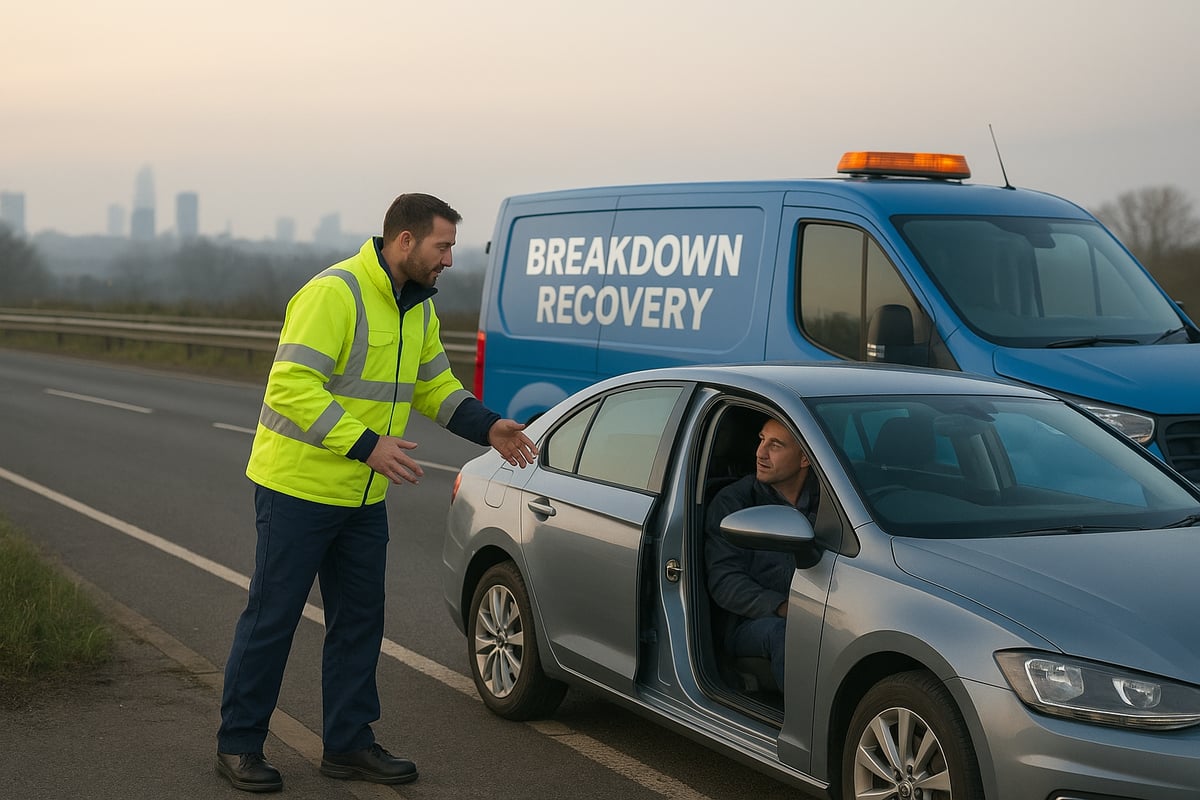
Breakdown cover is a type of insurance that helps drivers when their vehicle fails. The core idea is to get you moving again or transport you and your car to safety if a breakdown occurs. This service is not legally required, but it can prevent hefty roadside call-out fees and hours of waiting. In the world of cheap breakdown solutions, understanding what is included is essential to avoid surprises when you need help the most.
Types of Breakdown Cover in the UK
UK providers offer several types of breakdown cover to suit different needs:
- Roadside Assistance: Basic help if your car breaks down on the road, usually including minor repairs or towing to a nearby garage.
- Home Start: Assistance if your car will not start at home.
- National Recovery: If local repair is not possible, you and your vehicle are transported anywhere in the UK.
- Onward Travel: Covers costs for alternative transport, accommodation, or a hire car if your journey cannot continue.
- European Cover: Extends benefits to trips across mainland Europe.
Selecting the right type of cheap breakdown cover depends on your driving habits and how far from home you typically travel.
What’s Included and Optional Extras
Most cheap breakdown policies include roadside repairs and towing within a set distance. Some also offer limited call-outs per year, cover for lost keys, or misfuelling. Optional extras like battery replacement, onward journey support, and European travel can add value, but they often increase the price.
To understand what you can expect from affordable cover, see detailed car breakdown and recovery services for a comprehensive overview. Always check what’s standard and what costs extra before buying.
Key Changes and Trends for 2026
The landscape for cheap breakdown cover is shifting rapidly in 2026. Price increases are common, driven by higher repair costs and more complex vehicle technology. Many providers now offer digital-first services, such as app-based reporting and real-time technician tracking. Some new service models focus on pay-as-you-go or flexible month-to-month options, which appeal to infrequent drivers.
Providers are also adapting to the rise in electric vehicles, offering specialist support for batteries and charging issues. Keeping up with these trends helps you pick a policy that matches your needs and budget.
The Cost of Cheap Breakdown Cover
Inflation and the cost-of-living crisis continue to push up premiums. In 2024, the average cost for basic breakdown cover ranged from £24 to £40 per year, according to Compare the Market. Expect these figures to rise in 2026, especially if you drive an older or high-mileage vehicle.
Cheap breakdown policies still exist, but they may come with limitations, such as fewer call-outs or restricted coverage areas. Balancing cost and protection is key, so compare what’s included before making a decision.
Real Scenarios and How Cover Responds
Imagine you break down on a busy motorway or your battery fails at home. With cheap breakdown cover, you typically get roadside repairs or a tow to a local garage. If you have added extras, you might also receive a hire car or hotel stay. However, if you opt for the most basic cover, you could face extra charges for additional services.
Being aware of these real-life scenarios ensures you choose a cheap breakdown policy that genuinely covers your needs. Always check the fine print and consider how your policy would perform in common situations.
Understanding the details behind cheap breakdown cover helps you make an informed choice. With the right balance of cost, coverage, and extras, you can drive with confidence in 2026, knowing help is just a call away.
Factors Affecting the Cost of Breakdown Cover
Understanding what influences the price of cheap breakdown cover is vital for any motorist. Multiple elements come into play, affecting how much you pay and the level of protection you receive. Let us explore the most important factors to consider.
Vehicle Age, Make, and Model
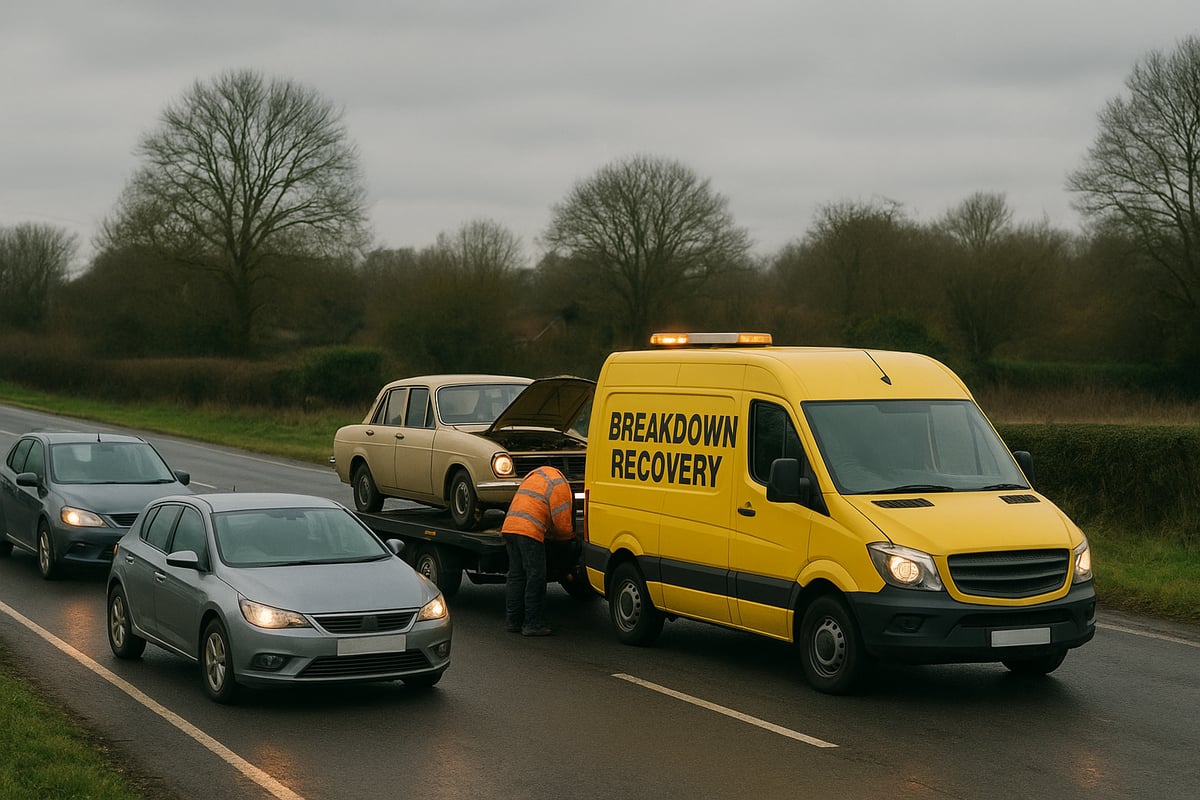
The type of car you drive is one of the most significant factors for cheap breakdown cover. Older vehicles are statistically more likely to suffer mechanical issues. As a result, insurers often charge higher premiums for cars over a certain age. Luxury models or rare brands can also increase your costs due to the higher price of parts and specialist repairs.
Recent industry reports confirm that the rising average age of vehicles in the UK is fuelling more frequent breakdowns, which in turn pushes up the price of cover. For more details, see how ageing cars fuel a rise in breakdowns.
Driver Profile and Usage Patterns
Your personal details matter when searching for cheap breakdown protection. Insurers look at your age, driving experience, and claims history. Younger or very inexperienced drivers may face higher rates, while those with a clean record might benefit from discounts.
How you use your vehicle is also assessed. Daily commuters or those using their car for business may pay more than occasional leisure drivers, as frequent use increases the risk of breakdowns. Always declare your usage honestly to avoid invalidating your policy.
Level of Cover: Basic vs. Comprehensive
Choosing the right level of cover is crucial for securing cheap breakdown solutions. Basic roadside assistance is the most affordable, but it only covers recovery if your car breaks down away from home. Comprehensive policies include extras such as home start, national recovery, and onward travel, but these add to the overall cost.
Consider whether you need personal cover (protects you in any car) or vehicle-based cover (protects a specific car). The latter is often less expensive and may be the better choice for those with only one vehicle.
Policy Excess, Call-Out Limits, and Payment Structure
The structure of your policy also impacts the cost of cheap breakdown cover. Policies with higher excesses or limited call-outs per year tend to be cheaper on paper, but may not offer the best value if you require frequent assistance.
There is also a difference between annual and single-trip cover. Annual cover is usually more cost-effective for regular drivers, while single-trip options suit occasional motorists. Renewal pricing can be higher than new customer deals, so always compare before you commit.
Comparison Table: Cost Factors for Cheap Breakdown Cover
| Factor |
Higher Cost Example |
Lower Cost Example |
| Vehicle Age |
10+ years |
Under 3 years |
| Driver Profile |
Young/inexperienced |
Mature/clean record |
| Cover Level |
Comprehensive |
Basic roadside |
| Usage |
Business/commuter |
Leisure/occasional |
| Policy Structure |
Low excess, unlimited |
High excess, capped |
Real-Life Example and Summary
To illustrate, a 10-year-old car may cost 30% more to cover than a newer three-year-old model. This is due to the increased likelihood of mechanical failure and the potential expense of sourcing replacement parts.
Ultimately, securing cheap breakdown cover means understanding which factors you can control and which you cannot. By tailoring your policy to your needs, comparing options, and staying aware of how your profile influences pricing, you can avoid unnecessary costs while ensuring peace of mind on the road.
How to Find the Cheapest Breakdown Cover in 2026
Securing the cheapest breakdown cover in 2026 requires more than simply picking the lowest price. With rising costs and more options than ever, knowing how to navigate the market is key. By comparing providers, understanding which extras matter, timing your purchase, and exploring bundling, you can find reliable protection without overspending.
Comparison Sites & Direct Providers
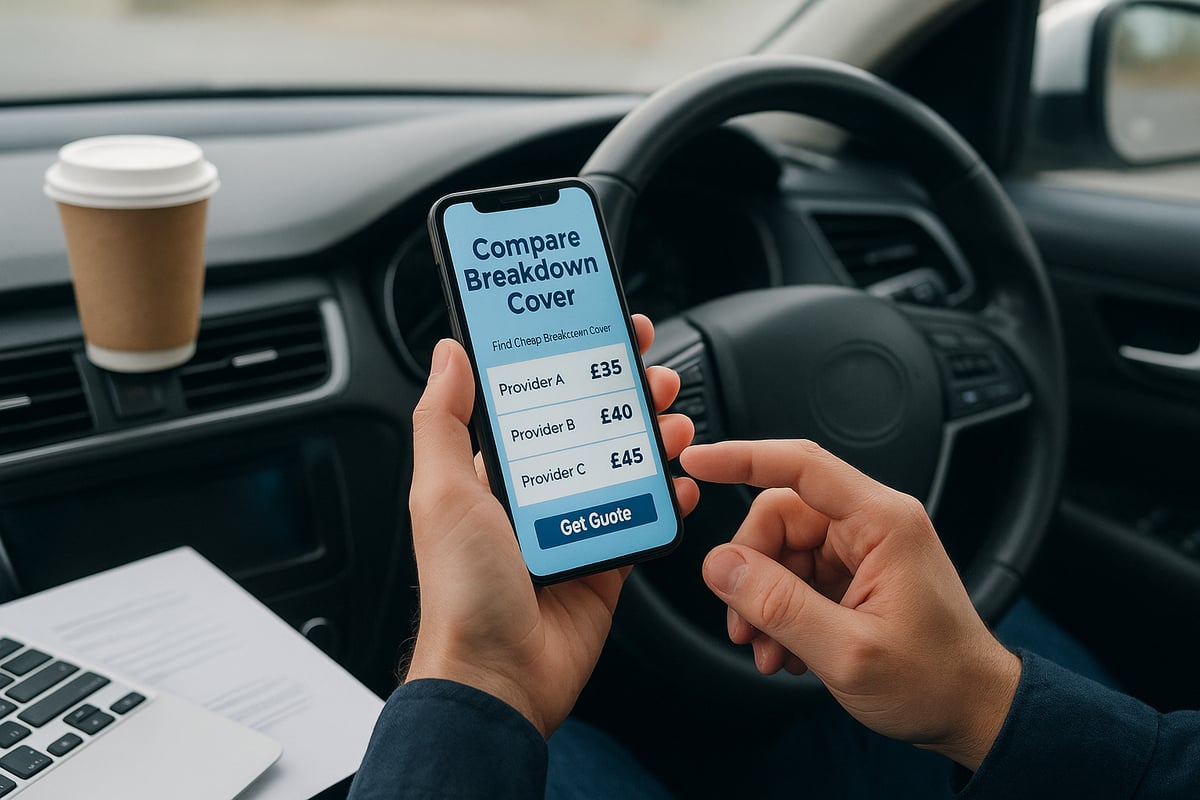
Comparison websites have revolutionised the way drivers find cheap breakdown cover. Sites like GoCompare and Compare the Market allow you to view quotes side by side, making it easier to spot value and avoid overpaying. These platforms let you filter results based on cover level, optional extras, and policy excess, ensuring you only see options that match your needs.
Aggregators display a wide range of providers, but not all insurers are included. Some direct insurers offer exclusive deals on their own websites, so it is wise to check both routes before making a final decision. Always read the details for hidden fees or exclusions, as the cheapest headline price may not always be the best value.
For more in-depth advice on finding the right cheap breakdown policy and avoiding common pitfalls, consult a Cheap breakdown recovery guide. Comparing at renewal time can save £15 to £25 per year, especially if you use filters to strip out unnecessary features. With the right strategy, you can secure the cheapest breakdown cover without cutting corners.
Essential vs. Optional Extras: What to Skip
Many cheap breakdown policies tempt buyers with a range of extras, but not all add-ons are necessary for every driver. Common optional extras include onward travel, hire car provision, European cover, and key replacement. Each of these can add substantially to your premium.
Assess your driving habits to determine what you really need. If you rarely travel outside your local area, European cover may be unnecessary. Dropping home start can save £10 to £15 per year, while forgoing onward travel may also lower costs.
Calculate the value of each extra by considering how likely you are to use it. For example, if you have a reliable car and mainly drive in urban areas, basic roadside assistance could be sufficient. By focusing on essential cover and passing on extras, you can keep your cheap breakdown policy affordable and fit for purpose.
Timing Your Purchase for Best Deals
The timing of your purchase can greatly impact the cost of cheap breakdown cover. Insurers often offer their best deals to new customers, particularly during renewal windows or seasonal sales. Buying your policy well before your current cover expires can help you avoid last-minute markups.
Watch for flash sales or limited-time offers, which are common in the spring and autumn. Many providers offer new customer discounts of up to 20 percent, so it pays to shop around at the right moment.
Plan ahead by setting reminders for when your policy is due for renewal. This gives you time to compare options and secure the best cheap breakdown deal. Avoid auto-renewal traps by reviewing your cover annually, ensuring you never pay more than necessary for reliable protection.
Policy Bundling and Multi-Vehicle Discounts
Bundling your cheap breakdown cover with other insurance products, such as car or home insurance, can lead to significant savings. Many insurers reward loyalty with discounts when you combine policies, and some offer exclusive rates for multi-car or family plans.
Multi-vehicle cover is ideal for households with several cars, as it allows you to protect all vehicles under one policy at a reduced rate. Families can save up to £40 per year by choosing a bundled plan rather than separate policies for each car.
However, always check the terms and conditions before bundling. Sometimes, bundled policies have restrictions or higher excesses that may outweigh the savings. By weighing up these options and reading the small print, you can ensure your cheap breakdown policy delivers both value and essential cover.
Money-Saving Tips for Breakdown Cover
Securing cheap breakdown cover in 2026 takes more than just picking the lowest price. Smart drivers weigh up their options, compare features, and look for hidden savings. In this section, discover proven strategies to cut costs without sacrificing essential protection.
Pay-As-You-Go vs. Annual Membership
When searching for cheap breakdown solutions, consider whether a pay-as-you-go service or an annual membership suits your needs. Pay-as-you-go breakdown assistance lets you only pay when you actually need help, which can be ideal for infrequent drivers or those with a second car. This approach avoids ongoing annual fees, making it a true cheap breakdown option for many motorists.
For example, if you only use your classic car a few times a year, paying per call-out could save you up to £60 compared to a standard yearly policy. Services like Cheapest car breakdown recovery specialise in flexible, affordable support for drivers who prefer not to commit to long-term contracts.
However, for those who drive daily or commute long distances, annual membership may provide better value and peace of mind. Always weigh your typical mileage and risk before deciding which cheap breakdown approach genuinely fits your situation.
Choosing the Right Level of Cover for Your Needs
Not all drivers need the same level of protection, and tailoring your cover is a key step in finding cheap breakdown deals. Start by reviewing your driving habits. Do you mainly drive in urban areas, or are you often in remote rural locations? City drivers may benefit from basic roadside assistance, while those travelling longer distances might need national recovery.
Assess your risk profile honestly. If you rarely travel far from home, comprehensive extras like onward travel or European cover may be unnecessary, helping you secure a cheap breakdown policy. On the other hand, regular motorway users or holidaymakers might find value in these add-ons, despite the extra cost.
For many, basic cover is sufficient. Take the case of a city-based driver who opted for minimal protection and saved £20 per year compared to a more extensive package. The key is aligning your policy features with your actual needs to achieve the best cheap breakdown outcome.
Loyalty Penalties and Switching Providers
Many drivers fall into the trap of paying more for their breakdown cover simply by sticking with the same provider. This phenomenon, known as the loyalty penalty, often means renewals are pricier than switching to a new deal. To avoid overpaying for cheap breakdown protection, always compare quotes annually.
Do not let auto-renewals catch you out. Insurers often reserve the best cheap breakdown rates for new customers, so it pays to shop around before your policy expires. Switching is straightforward: compare offers, select your new provider, and ensure your old policy is cancelled.
According to GoCompare, up to 30 percent of UK drivers could save money by switching providers. By being proactive, you can secure consistently cheap breakdown cover year after year.
Group/Employer Schemes and Motoring Clubs
Another effective route to cheap breakdown cover is through group schemes or motoring clubs. Many employers, trade unions, or professional associations offer discounted breakdown assistance as part of their benefits. These group policies often provide competitive rates that are hard to find individually.
Motoring clubs such as RAC, AA, and Green Flag also offer exclusive deals for members, sometimes including additional perks like travel discounts or legal advice. Community-based schemes or family multi-car policies can further cut costs, with some families saving £40 per year by bundling together.
When considering cheap breakdown options, always check if you are eligible for a group or employer scheme. These can deliver valuable protection while keeping your motoring expenses in check.
What to Look Out for in Cheap Breakdown Policies
Choosing a cheap breakdown policy can save you money, but it is vital to know exactly what you are buying. Not all budget options offer the same protection, and hidden pitfalls can leave you stranded or facing unexpected costs. Here is what every motorist should check before signing up for a cheap breakdown plan.
Exclusions and Limitations: The Hidden Gaps
Many cheap breakdown policies come with exclusions that can catch drivers off guard. Always check for the following:
- Age limits on vehicles (for example, no cover for cars over 15 years old)
- Mileage caps (such as no help if you are more than 10 miles from home)
- Specific breakdown causes not covered, like misfuelling or lost keys
Exclusions can mean a cheap breakdown policy is not as comprehensive as it seems. Read every clause to avoid nasty surprises.
Call-Out Limits and Excess Charges
Call-out restrictions are common in cheap breakdown deals. Some policies cap the number of recoveries per year, while others introduce excess charges after a certain number of call-outs. Consider the following comparison:
| Policy Type |
Annual Call-Out Limit |
Excess Charge After Limit |
| Unlimited Policy |
Unlimited |
None |
| Budget Policy |
3 |
£30 per extra call-out |
Choosing a cheap breakdown option with a low limit might save money upfront but could cost more if you break down often.
Waiting Periods and Vehicle Restrictions
Most cheap breakdown policies include a waiting period before cover begins, sometimes up to 48 hours. This means you cannot claim immediately after purchase.
Other policies restrict cover based on:
- Vehicle type (excludes vans or motorbikes)
- Vehicle modifications
- Age of the vehicle
When considering a cheap breakdown policy, factor in these restrictions, especially if you drive older or non-standard vehicles.
Reading the Small Print and Checking Service Quality
The small print in cheap breakdown policies is where key details hide. Look for terms such as:
- Response time guarantees
- Coverage hours (are you covered 24/7?)
- Maximum distance for towing
Customer service can also vary. Some cheap breakdown providers rely on third-party contractors, which can affect response times and communication quality. Before committing, check real user reviews and ratings for honest feedback.
To compare a range of policies and see which features matter most, visit Car breakdown cover companies for an overview of leading UK providers.
Real-World Example: Unlimited vs. Capped Call-Outs
Imagine two drivers with cheap breakdown cover. One picks a policy with unlimited call-outs, while the other chooses a capped plan at three per year. After a harsh winter, the second driver needs a fourth rescue and faces an unexpected £30 fee, wiping out their initial savings.
This example highlights why reading every cheap breakdown policy in detail is essential. Look beyond the headline price and focus on what you are really protected against. Taking a few minutes to compare providers and review the small print can make all the difference when you need help most.
Alternatives to Traditional Breakdown Cover
Rising costs and changing motoring habits mean more drivers are exploring alternatives to traditional breakdown cover. In fact, one in five drivers don’t have breakdown cover, leaving millions exposed to unexpected expenses. With the right approach, it is possible to achieve cheap breakdown solutions without compromising on peace of mind.
Pay-As-You-Go Breakdown Services
Pay-as-you-go options are gaining popularity as a cheap breakdown alternative. Instead of paying an annual fee, you only pay for assistance when you actually need it. This approach is especially suitable for infrequent drivers, owners of second vehicles, or those who feel traditional cover is not cost-effective.
- No ongoing subscription
- Transparent pricing per incident
- Ideal for city motorists or occasional use
For those who rarely break down, this model can offer significant savings while still providing access to professional help.
Bundled Cover with Banks and Credit Cards
Some current accounts and credit cards include breakdown cover as a bundled benefit. This can be a route to cheap breakdown protection, but always check the terms carefully. Cover levels may be basic, and exclusions could apply, such as age or mileage limits for your vehicle.
- Bundled cover may have activation steps
- Often covers the account holder, not the vehicle
- Good for those already paying for premium banking services
Using a banking app’s free breakdown cover can save up to £30 a year, making it a practical choice for budget-conscious drivers.
Manufacturer Warranties and Motoring Apps
Many new cars come with complimentary breakdown cover for the first year or two. If your vehicle is still under warranty, you may already have cheap breakdown included. Motoring apps and digital platforms also offer on-demand services, allowing you to book assistance instantly without a contract.
- Manufacturer cover often mirrors roadside assistance quality
- Apps provide real-time tracking and flexible payment
- Suited for tech-savvy, low-mileage drivers
Review your vehicle’s paperwork or app store for the latest options.
DIY Roadside Kits and Self-Reliance
For some, a well-stocked emergency kit and a bit of know-how can be the ultimate cheap breakdown solution. Items like jump leads, tyre inflators, and warning triangles address common issues and may be enough for confident motorists.
- Best for minor problems and short journeys
- Not a substitute for professional help in major breakdowns
Always balance the risks and your personal comfort level when considering a DIY approach.
Exploring these alternatives helps tailor cheap breakdown protection to your needs and driving style. Assess your habits, review your options annually, and stay prepared for the unexpected.
With the number of roadside incidents on the rise, finding a reliable and cheap breakdown solution has never been more important. In fact, breakdowns on UK A-Roads surge by 20%, making local, cost-effective help a necessity for London and Home Counties drivers.
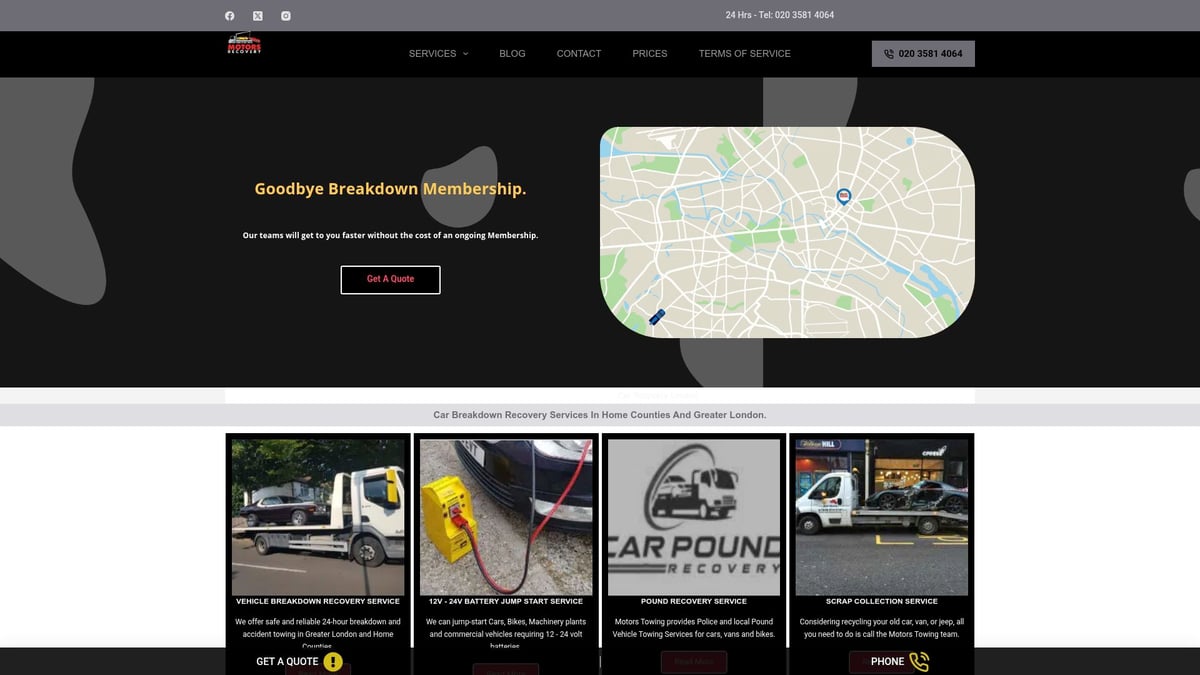
Motors Recovery stands out for its pay-as-you-go approach to cheap breakdown assistance. Unlike traditional cover, there are no annual fees or hidden charges. You only pay when you need help, keeping costs transparent and manageable for every motorist.
Key Services Provided
Motors Recovery delivers a comprehensive suite of services, including:
- 24/7 emergency towing for cars, vans, and motorcycles
- Battery jump starts and replacement
- Police pound recovery
- Secure vehicle transportation across Greater London and the Home Counties
Every service is designed for speed and reliability, with average arrival times under 60 minutes and many cases resolved in as little as 15 to 40 minutes.
How Pay-As-You-Go Recovery Works
This cheap breakdown solution puts you in control. There is no annual membership, so you avoid recurring payments. Instead, you contact Motors Recovery when you require assistance, receive a clear quote, and only pay for the service you use. This flexibility is ideal for anyone who wants affordable cover without long-term commitment.
Who Benefits Most from This Service
Motors Recovery is perfect for:
- Drivers who use their vehicles infrequently
- Those looking to avoid ongoing cheap breakdown cover costs
- Motorists wanting clear, upfront pricing with no surprises
- Households with multiple cars needing occasional help
Customer Testimonials
Many customers have found real savings by choosing Motors Recovery for cheap breakdown needs. For example, a London driver reported saving over £50 in a year compared to traditional annual cover, praising the clear pricing and fast response.
Getting a Free, No-Obligation Quote
Requesting help is simple. Visit the Motors Recovery website or call their dedicated helpline. Provide your location and vehicle details to receive a transparent, no-obligation quote. Coverage spans all of Greater London and the Home Counties, ensuring fast, local support whenever you need it most.
Common Pitfalls and Mistakes to Avoid When Buying Cheap Breakdown Cover
Choosing cheap breakdown cover can be a smart move, but common mistakes often leave drivers underprotected or unexpectedly out of pocket. With the cost of vehicle claims reaching record highs, as seen in motor claims hit record £11.7 billion in 2024, the consequences of inadequate cover are greater than ever. Understanding the pitfalls before you buy can save you both money and stress.
Overlooking the Small Print: Exclusions and Call-Out Limits
One of the most frequent mistakes with cheap breakdown policies is overlooking the small print. Many budget options come with strict exclusions or low call-out limits that can catch you off guard.
Typical exclusions in cheap breakdown cover include:
- Certain parts or types of repairs not covered
- Limits on the number of call-outs per year
- Restrictions on vehicle age or mileage
If you exceed your call-out limit, you may face extra charges or even be refused assistance. Always read policy documents thoroughly and clarify what is genuinely included before committing to any cheap breakdown plan.
Coverage Gaps: Vehicle Changes and Activation Periods
Another common pitfall is failing to update your cheap breakdown cover when you change vehicles. If your policy details are out of date, you could be left without help when you need it most.
Additionally, many cheap breakdown policies include waiting periods before activation, meaning you are not covered immediately after purchase. Some policies may not allow you to claim for the first 24 or 48 hours. Always check the activation terms, especially if you are switching providers or need cover for a new car.
Auto-Renewal Traps and Not Comparing Quotes
Drivers often assume that renewing their cheap breakdown cover is the simplest option, but this can lead to paying more than necessary. Insurers may increase renewal prices for loyal customers, while offering better deals to new ones.
| Customer Type |
Average Annual Cost |
Potential Saving |
| New Customer |
£24 |
£10-£20 |
| Renewal Customer |
£34 |
— |
Comparing quotes each year and avoiding auto-renewal traps ensures you always get the most competitive deal on cheap breakdown protection.
Relying on Bundled or ‘Free’ Cover Without Checking Terms
Bundled or ‘free’ cheap breakdown cover from banks or insurers may seem attractive, but these offers sometimes come with important limitations.
Potential issues include:
- Only basic roadside assistance provided
- Exclusions for European travel or onward journey
- Lower service priority compared to direct customers
For example, some drivers have found themselves stranded abroad after assuming their bundled policy included European cover. Always confirm exactly what is included, especially for cheap breakdown policies that appear too good to be true.
By taking the time to review exclusions, check activation periods, compare renewal quotes, and scrutinise bundled offers, you can avoid the most common pitfalls of buying cheap breakdown cover. Stay informed and choose wisely to ensure you are never left stranded without support.

