With 2026 on the horizon, the risk of car breakdowns is set to rise as UK roads become busier, vehicle electronics grow more complex, and unpredictable weather continues to challenge drivers. An unexpected breakdown brings not only inconvenience but also real safety concerns, especially in unfamiliar or hazardous locations.
Knowing how to respond and where to turn for reliable car breakdown and recovery services can make all the difference in these stressful moments. This guide will equip you with the essential knowledge to handle breakdowns with confidence, select the right recovery service, and stay safe on the road in 2026.
We will cover common causes, step-by-step actions, service types, choosing the best provider, costs, and future trends.
Understanding Car Breakdowns in 2026
Staying ahead of car breakdown and recovery services is crucial as vehicles become more advanced and the UK’s road conditions continue to change. Understanding why breakdowns happen, how technology impacts reliability, and the cost implications can empower drivers to make informed decisions and stay safe on the road.
Common Causes of Breakdowns
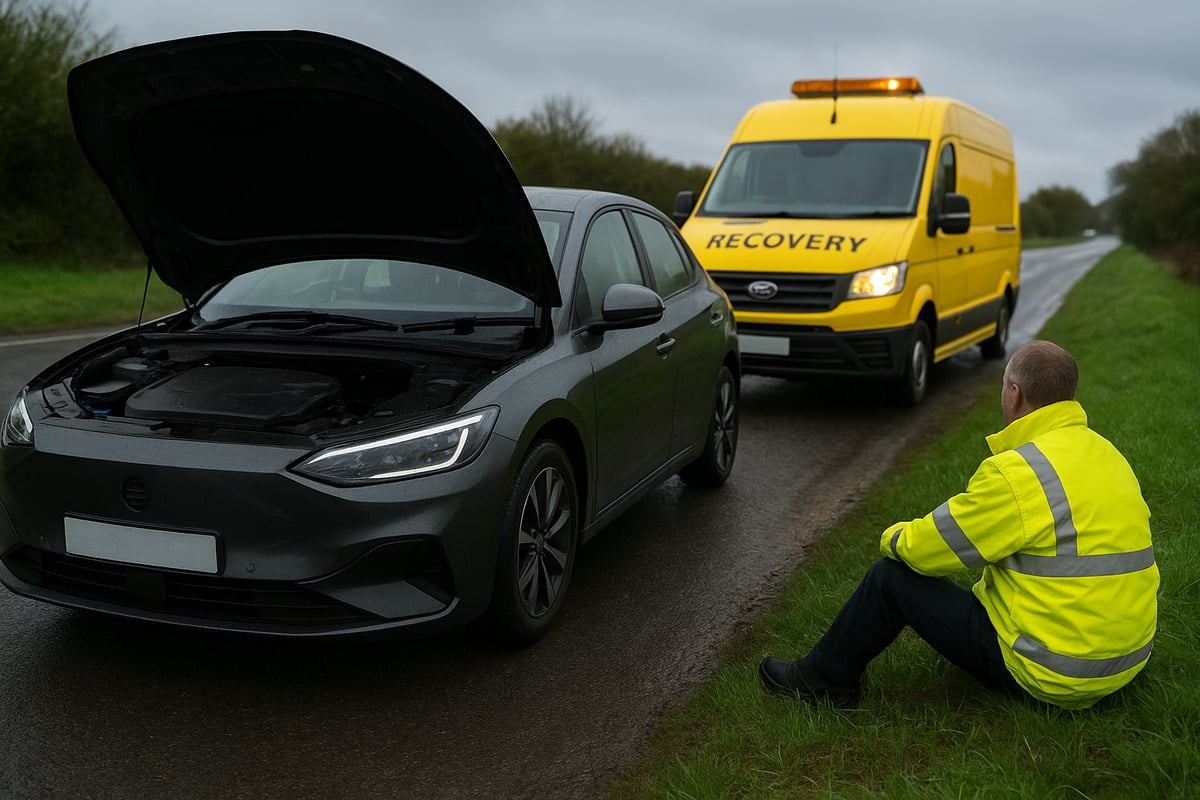
Despite advances in automotive technology, battery failures remain the top reason for callouts, especially in electric and hybrid cars. Tyre punctures, blowouts, and wheel damage from potholes or debris also account for a significant share of incidents. Engine and transmission problems, such as overheating and oil leaks, are frequent culprits. Modern vehicles often suffer electrical faults due to their complex systems, while fuel issues like misfuelling or contamination are increasingly common. Key fob and immobiliser malfunctions can also leave drivers stranded. According to RAC, battery issues account for 35 percent of callouts and tyre issues 18 percent. For more detail about the most frequent causes, see the Common reasons cars break down.
| Cause |
Percentage of Callouts |
| Battery issues |
35% |
| Tyre problems |
18% |
| Engine/Transmission faults |
15% |
| Electrical faults |
12% |
| Fuel problems |
10% |
| Other |
10% |
Impact of Vehicle Technology on Breakdowns
The rapid evolution of car technology has introduced new failure points, making car breakdown and recovery services more essential than ever. Increased electronics and computerised systems can be difficult to diagnose without specialist equipment. Electric vehicles (EVs) have unique challenges, such as flat batteries, charging faults, and range anxiety. The AA reports a 20 percent rise in EV-related callouts since 2024, reflecting the growing number of EVs on UK roads. As vehicles become more connected, even minor electronic faults can immobilise a car, highlighting the importance of expert support.
Weather and Environmental Factors
Extreme UK weather continues to test the reliability of vehicles, impacting the need for car breakdown and recovery services. Winter brings a 30 percent increase in battery and starter motor failures, while summer sees more cases of overheating and tyre blowouts. Flooding can cause engine hydro-locking and electrical failures, especially in low-lying or rural areas. These environmental challenges underscore the importance of regular maintenance and being prepared for sudden weather changes on the road.
The Real Cost of a Breakdown
The impact of a breakdown extends well beyond inconvenience, making car breakdown and recovery services a vital part of modern motoring. On average, each incident causes delays of one to two hours, leading to missed appointments and lost productivity. Safety risks are heightened, particularly on busy motorways or isolated rural roads. Financially, drivers may face costs for towing, repairs, and even fines if their vehicle obstructs traffic. Factoring in these potential drawbacks, investing in reliable support is a wise choice for any driver.
Preventative Measures and Maintenance Tips
Regular servicing and pre-journey checks are the most effective ways to avoid relying on car breakdown and recovery services. Monitor tyre pressure and tread, and check battery health before winter. Look for warning lights or unusual noises, and address issues promptly. Carrying an emergency kit can also make a significant difference in unexpected situations.
What To Do When Your Car Breaks Down: Step-by-Step Guide
Experiencing a vehicle fault can be overwhelming, but knowing what to do in the moment will reduce stress and keep everyone safe. By following these essential steps, you can manage unexpected incidents and make the most of car breakdown and recovery services. Whether you are on a busy motorway or a quiet rural lane, a calm and structured response is critical.
Step 1: Ensure Safety First
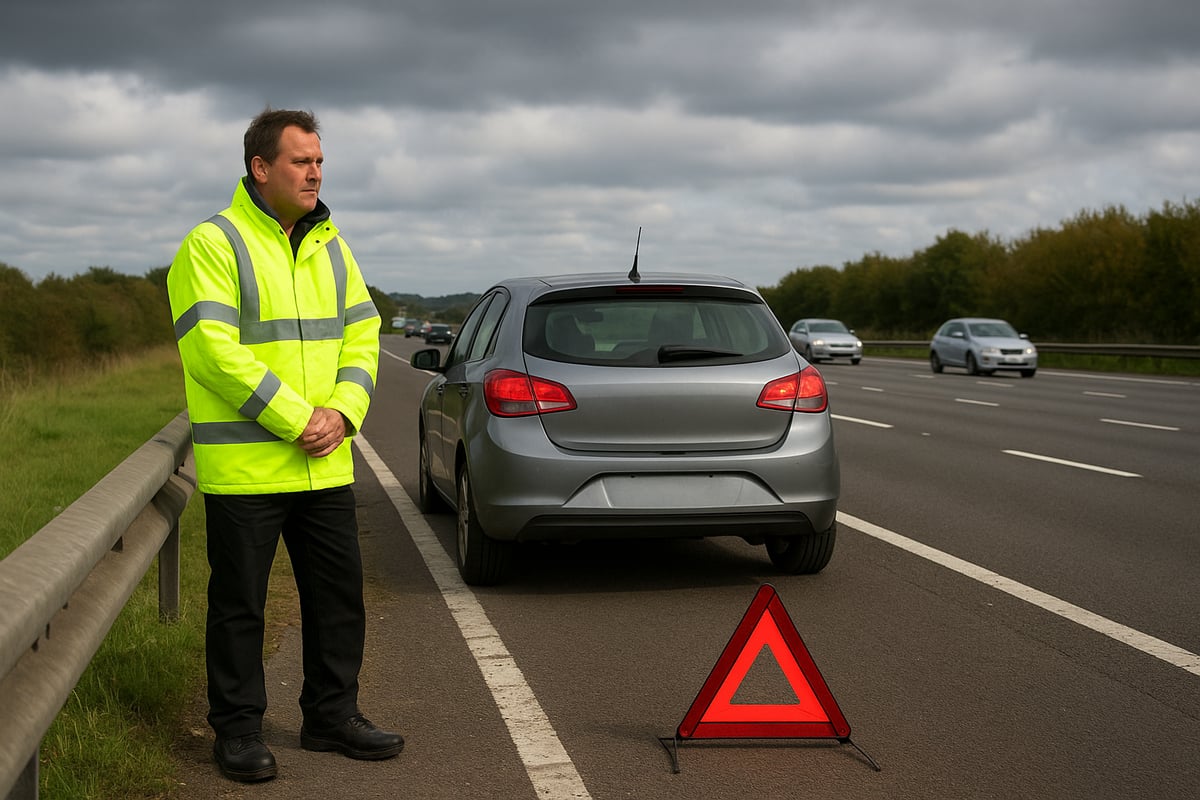
Your first priority during any car breakdown is safety. As soon as you notice a problem, gently reduce speed and move your vehicle to a safe place, such as the hard shoulder, a layby, or a quiet roadside. Turn on your hazard lights immediately to alert other drivers.
If you have a warning triangle, set it up at a safe distance behind your vehicle, only if conditions allow and it is safe to do so. Make sure all passengers exit the car from the side away from traffic and stand well clear of the carriageway, ideally behind a safety barrier. High-visibility jackets are invaluable, especially at night or in poor weather.
These precautions are vital before engaging with car breakdown and recovery services, as safety is always the foundation of any effective response.
Step 2: Assess the Situation
Once everyone is safe, take a moment to assess what has happened. Check your dashboard for warning lights, listen for any unusual noises, and look for visible signs like smoke, leaks, or flat tyres. Never put yourself at risk by opening the bonnet on a busy road or in unsafe conditions.
If you drive an electric or hybrid vehicle, be particularly cautious. Do not attempt DIY repairs unless you are certain of the issue and have the necessary skills. Many faults in modern vehicles require specialist knowledge and tools, so it is safer to wait for professional car breakdown and recovery services.
A quick assessment will help you describe the problem accurately when you contact support, speeding up the assistance process.
Step 3: Contact a Breakdown Recovery Service
Once you have a basic understanding of the issue, contact your breakdown provider or a reputable local recovery company. Provide your exact location using your smartphone’s GPS or by referencing motorway marker posts, and give details about your vehicle make, model, and the symptoms you have observed.
Stay near your vehicle unless advised otherwise by your provider. If you need more information about what to expect, consult a dedicated Breakdown recovery service guide to understand your options.
Prompt and clear communication with car breakdown and recovery services ensures that help arrives as quickly as possible, minimising delays and inconvenience.
Step 4: Wait Safely for Assistance
While waiting for assistance, remain outside your vehicle and behind a safety barrier if one is available. Keep children and pets secure and close to you at all times. Avoid accepting lifts from strangers, even if they seem well-meaning.
Stay in regular contact with your breakdown service and monitor your phone for updates. If conditions change, such as worsening weather or increased traffic, reassess your position to ensure ongoing safety.
By following these steps, you maximise the effectiveness of car breakdown and recovery services and reduce risks to yourself and others while awaiting help.
Step 5: After Recovery Arrives
When the recovery team arrives, always confirm their identity before accepting assistance. Professional technicians will carry identification and will explain the next steps clearly, such as whether your car can be repaired on-site or needs towing.
Follow all instructions from the technician and ask questions if anything is unclear. Before your vehicle is towed, make sure you collect all personal items, including documents and valuables.
A smooth handover to qualified professionals from car breakdown and recovery services ensures your vehicle, and your journey, are managed with minimum disruption and maximum safety.
Types of Car Breakdown and Recovery Services in 2026
Modern car breakdown and recovery services have evolved rapidly to meet the changing needs of UK drivers. In 2026, providers offer a wide range of solutions, each tailored to specific situations, vehicle types, and customer preferences.
Understanding these service types helps drivers make informed choices and ensures they receive the right assistance when needed.
Roadside Assistance
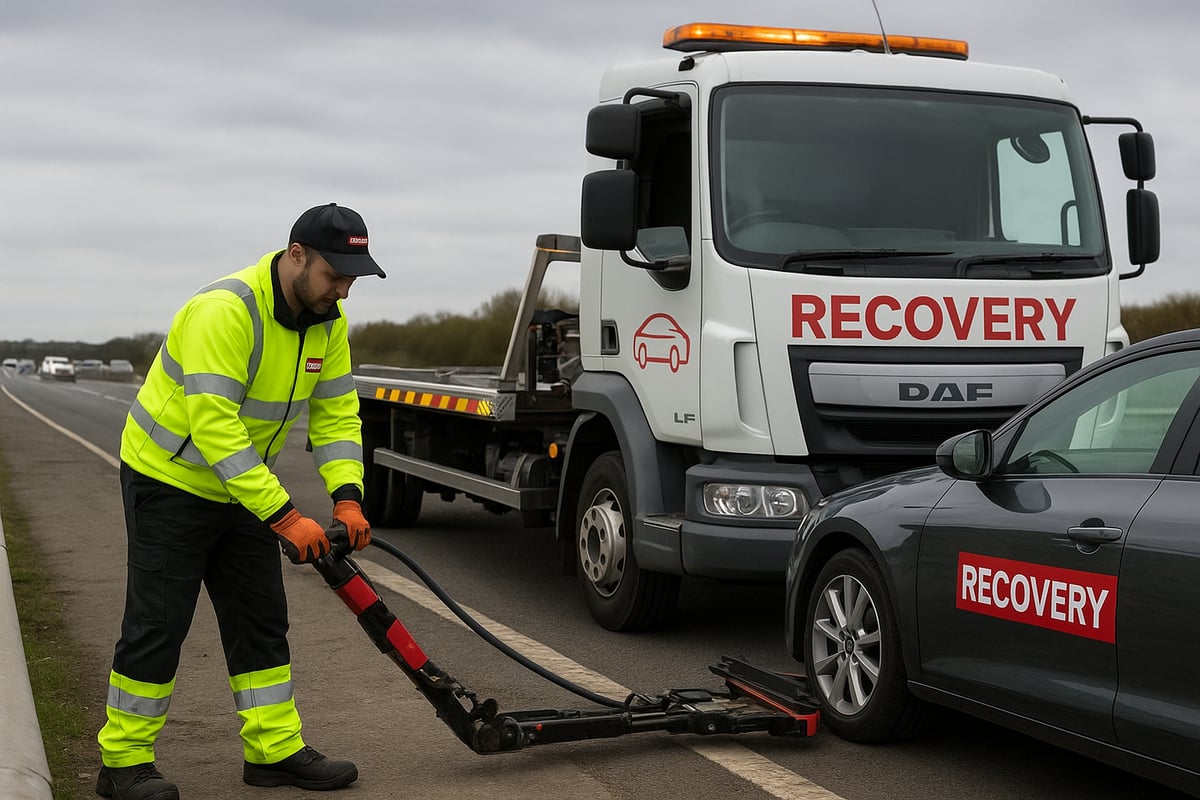
Roadside assistance remains the cornerstone of car breakdown and recovery services in 2026. This service is designed to address common issues directly at the scene, often allowing drivers to continue their journey without the need for towing.
Technicians can handle situations such as flat tyres, battery jump-starts, and minor electrical faults. In fact, a significant portion of breakdowns are resolved on the spot, thanks to advancements in diagnostic tools and training. For those curious about the details, Car jump start services explained provides further insight into how jump starts are safely performed.
Most providers report that up to 80% of incidents are fixed at the roadside, minimising inconvenience and delays for drivers.
Vehicle Towing and Transportation
When roadside repairs are not possible, car breakdown and recovery services offer towing and transportation options. This is essential for more serious mechanical failures, accident damage, or cases where the vehicle is unsafe to drive.
Recovery operators use flatbed trucks or wheel-lift systems, ensuring safe transit for all vehicle types, including electric vehicles and motorcycles. Towing is arranged to the nearest garage, the driver’s home, or another preferred destination.
The process is efficient and designed to reduce waiting times, providing peace of mind for stranded motorists. It is a vital part of comprehensive car breakdown and recovery services.
Specialist Services for Electric and Hybrid Vehicles
With the rise of electric and hybrid vehicles, car breakdown and recovery services have adapted to meet new challenges. Specialist technicians are trained in high-voltage systems and EV safety protocols.
Providers now offer portable charging solutions and, in some cases, on-site battery replacement. These services prevent unnecessary towing and help reduce range anxiety among EV owners.
Special care is taken when transporting electric vehicles to avoid drivetrain damage, making this an essential component of modern car breakdown and recovery services.
Recovery from Remote or Hazardous Locations
Car breakdown and recovery services are not limited to urban areas. Many vehicles require recovery from remote or hazardous locations, such as muddy fields, snow-covered roads, or deep ditches.
Specialist equipment, including winches and off-road recovery trucks, is used to access difficult sites safely. National statistics reveal a 12% increase in off-road recoveries in rural regions, highlighting the growing demand for this expertise.
Timely intervention in challenging environments is a hallmark of robust car breakdown and recovery services.
Police pound and accident recovery are specialised branches of car breakdown and recovery services. These address situations where vehicles are seized, impounded, or involved in collisions.
Drivers must provide proof of ownership, insurance, and identification to retrieve their vehicles. Additional fees may apply for police pound releases, and strict legal protocols are followed throughout the process.
Efficient handling of accident and pound recoveries helps minimise stress and ensures compliance with UK regulations.
Additional Services: Onward Travel and Secure Storage
To enhance customer experience, many providers of car breakdown and recovery services now include onward travel and secure storage as part of their packages. This could involve arranging transport for drivers and passengers to their destination or offering temporary storage for damaged or uncollected vehicles.
Premium packages may also include hotel accommodation or car hire, ensuring minimal disruption after a breakdown. Such additional support reflects the increasing focus on driver convenience in the car breakdown and recovery services sector.
How to Choose the Right Breakdown Recovery Service
Selecting the right car breakdown and recovery services is crucial for peace of mind on the road. With so many providers and options available in 2026, understanding what to look for can help you avoid delays, extra costs, and disappointment. Use the following guide to make an informed choice that matches your needs, travel habits, and budget.
Key Factors to Consider
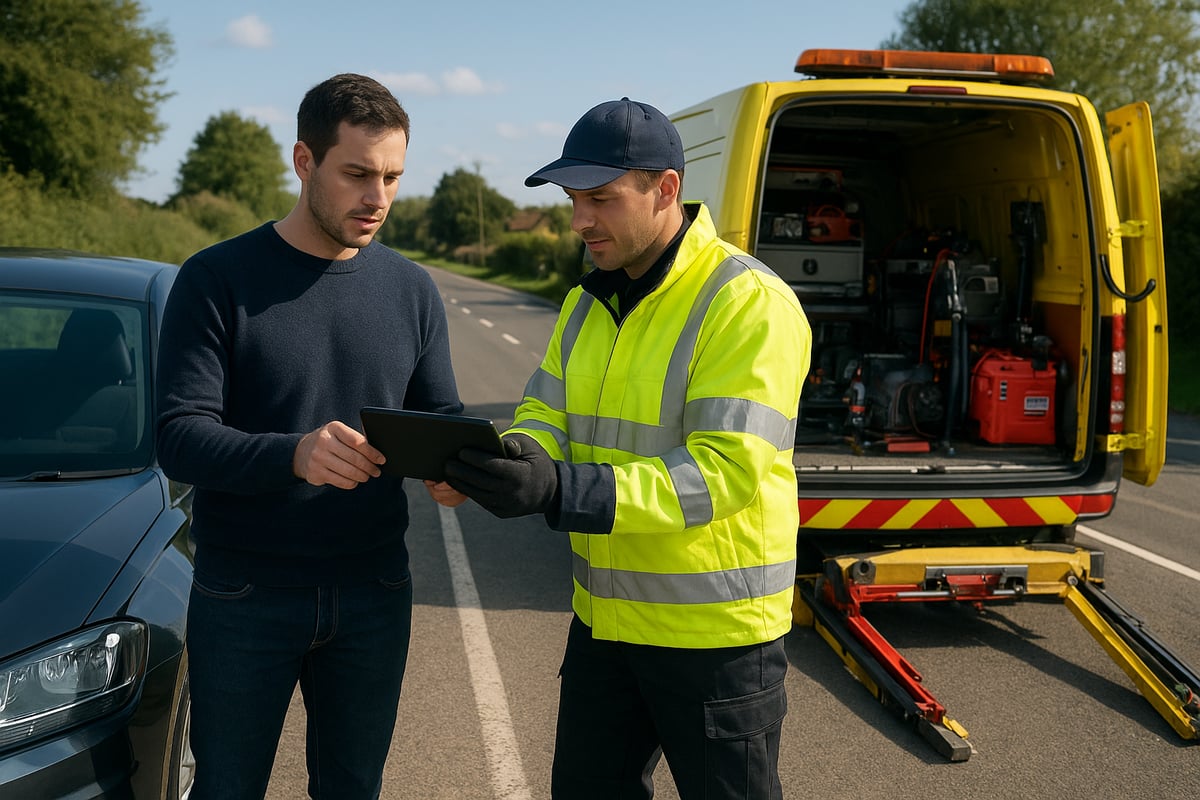
When evaluating car breakdown and recovery services, start by reviewing the coverage area. National providers offer extensive reach, while local companies may provide faster response in specific regions. Response times are vital; some services guarantee arrival within a set window.
Service levels also differ. Basic packages may only include roadside repairs, whereas others add towing or onward travel. Assess your typical journeys and vehicle type to determine which package best fits your lifestyle.
- Coverage area: national versus local
- Average response times
- Service inclusions: roadside repair, towing, onward travel
Making an informed comparison ensures you are not left stranded when you need help most.
Membership vs. Pay-As-You-Go Services
Car breakdown and recovery services can be accessed through annual memberships or pay-as-you-go (PAYG) options. Memberships offer consistent coverage, often bundling in extras like home start or onward travel. The main drawback is paying even if you do not use the service in a given year.
PAYG appeals to those who drive less frequently or want flexibility. You only pay when help is required, which can mean cost savings for some drivers. According to Which? in 2025, 28% of UK drivers now prefer pay-per-use recovery.
| Option |
Pros |
Cons |
| Membership |
Peace of mind, extras |
Ongoing cost, unused cover |
| Pay-As-You-Go |
Flexibility, savings |
No guaranteed priority |
Carefully weigh these choices based on your driving habits for the best value.
Reputation and Customer Reviews
The reputation of car breakdown and recovery services can signal their reliability and professionalism. Independent reviews provide insight into real customer experiences. Look for consistent praise regarding speed, technician expertise, and transparent communication.
Be cautious if you spot repeated complaints about hidden fees or delays. Testimonials and ratings on trusted platforms are valuable when narrowing down your options.
- Check independent review sites and forums
- Look for positive feedback on reliability
- Avoid providers with hidden fees or unclear terms
A strong reputation often translates to better service when you need it most.
Pricing and Transparency
Transparent pricing is essential when choosing car breakdown and recovery services. Some providers offer upfront quotes, while others have variable charges based on distance, time, or special equipment. Always ask for a detailed breakdown before committing.
Hidden fees can catch drivers off guard, so clarify costs for mileage, after-hours callouts, or specialist recoveries. For a detailed overview of cover types and costs, review the Car breakdown recovery cover options.
- Request full quotes before booking
- Ask about additional charges for specialist services
- Compare average costs between providers
This approach helps you avoid surprises and choose a service that matches your budget.
Motors Recovery: A Reliable Local Option
Motors Recovery is a trusted name in car breakdown and recovery services across Greater London and the Home Counties. They offer 24/7 support for cars, vans, and motorcycles, including towing, jump-starts, police pound recovery, and secure storage.
What sets Motors Recovery apart is their pay-as-you-go pricing and rapid response times, typically arriving within 15 to 60 minutes. Their modern fleet and experienced technicians ensure safe, efficient assistance.
Customer testimonials consistently highlight the company’s reliability and fair pricing. For those seeking a local, professional provider without the need for membership, Motors Recovery is a strong choice.
Costs, Insurance, and What to Expect in 2026
Understanding the financial side of car breakdown and recovery services is vital for every UK driver. Knowing what to expect helps you avoid surprises and make informed decisions. From cost breakdowns to insurance cover and transparency, this section explains what you need to know so you can plan ahead with confidence.
Breakdown Recovery Costs Explained
The cost of car breakdown and recovery services in 2026 varies depending on several factors. You will typically encounter a callout fee, plus charges based on distance and any specialist equipment required. The location of your breakdown, time of day, and type of vehicle all influence what you pay.
| Service Type |
Average Cost (2026) |
Factors Affecting Price |
| Standard Callout |
£60–£80 |
Location, time, provider |
| Towing (up to 10 mi) |
£80–£120 |
Vehicle size, distance |
| Specialist Recovery |
£120+ |
Off-road, EVs, heavy duty |
Recent years have seen a rise in costs, partly due to more incidents caused by road conditions. For example, RAC pothole breakdowns double in early 2025, pushing up demand for car breakdown and recovery services and increasing average repair bills.
Insurance and Breakdown Cover Options
When considering car breakdown and recovery services, it is important to review your insurance and cover choices. Most providers offer standard breakdown cover, which typically includes roadside assistance and local recovery. Enhanced policies may add home start, onward travel, or even accommodation.
Some car insurance policies now bundle breakdown recovery, but always check the small print for exclusions and claim limits. You may face excess charges or restrictions on the number of callouts per year.
Key points to consider:
- Choose cover based on your driving habits and vehicle age.
- Check for added benefits like alternative transport or overnight stays.
- Compare policy excesses and the scope of coverage.
Matching your cover to your needs ensures you are not left exposed when you need car breakdown and recovery services most.
What to Expect When Using a Recovery Service
Using car breakdown and recovery services in 2026 is typically straightforward. Once you call for help, you will be asked for your location, vehicle details, and a description of the issue. The provider will dispatch a technician, who will arrive in a branded vehicle and present ID on arrival.
You should expect:
- Diagnostic assessment and, if possible, a roadside fix.
- Towing to a nearby garage if repairs cannot be completed immediately.
- Clear communication about waiting times and next steps.
On smart motorways, you may experience longer waits due to safety protocols. According to Smart motorways have higher breakdown rates, the incidence of breakdowns is higher, so patience and preparedness are key when using car breakdown and recovery services on these roads.
Avoiding Hidden Fees and Scams
To protect yourself when using car breakdown and recovery services, always verify the legitimacy of the provider. Look for branded recovery vehicles, official uniforms, and clear paperwork. Never hand over cash upfront or accept vague pricing.
Tips to avoid hidden fees and scams:
- Request a written quote before agreeing to any service.
- Ask for a breakdown of charges, including mileage and after-hours rates.
- Report suspicious behaviour or unbranded operators to authorities.
Staying alert helps you get the support you need without unexpected costs or risks when relying on car breakdown and recovery services.
The Future of Car Breakdown and Recovery Services
The landscape of car breakdown and recovery services is evolving rapidly as we move towards 2026. Drivers can expect significant changes, driven by technology, environmental priorities, and shifting consumer demands. Staying informed about these trends will help you make the most of modern car breakdown and recovery services and ensure you’re prepared for whatever the road brings.
Technological Innovations in Recovery
Advances in technology are transforming car breakdown and recovery services. AI-powered diagnostics are making it easier to pinpoint faults before they lead to a breakdown. Predictive maintenance alerts, sent directly to your dashboard or smartphone, help drivers address issues early.
Recovery operators now use drones and connected vehicle data to locate stranded vehicles swiftly, reducing wait times. Mobile apps offer real-time updates, service tracking, and digital paperwork, making the entire recovery process more transparent and efficient.
These innovations are not only improving response times but also increasing the reliability of car breakdown and recovery services for all vehicle types.
The Rise of Electric and Autonomous Vehicles
Electric vehicles (EVs) and autonomous cars are reshaping the world of car breakdown and recovery services. As more EVs hit the roads, specialist training and equipment have become essential for recovery teams. Unique requirements, such as safe towing methods and portable charging, are now standard.
According to the AA, EVs will account for 35% of UK breakdowns by 2026. Interestingly, EV repairs are becoming more achievable than ICE repairs, thanks to improvements in diagnostic tools and technician training. Recovery services must constantly adapt to these developments, ensuring safety and efficiency for all drivers.
Autonomous vehicles add another layer of complexity, requiring secure communication systems and advanced recovery protocols.
Environmental Sustainability in Recovery Operations
Sustainability is now a core focus for car breakdown and recovery services. Many operators are transitioning to eco-friendly recovery vehicles, including electric and hybrid fleets. This shift reduces carbon emissions and aligns with the UK’s broader environmental goals.
Responsible disposal and recycling of vehicle parts, batteries, and fluids are standard practices among leading providers. Green policies, such as carbon offsetting and using renewable energy in facilities, are increasingly common.
By prioritising sustainability, car breakdown and recovery services are minimising their environmental impact while meeting customer expectations for responsible operations.
Changing Consumer Expectations
Consumer expectations are changing rapidly. Drivers now demand faster, more transparent, and digital-first car breakdown and recovery services. The popularity of on-demand, app-based solutions is soaring, offering convenient booking, real-time tracking, and cashless payments.
A 2025 survey found that 70% of UK drivers prefer digital booking and live updates for their recovery needs. Providers who embrace these preferences are setting new standards for customer satisfaction and efficiency.
This shift is reshaping the market, encouraging innovation and higher service standards across the industry.
Preparing for the Unexpected: Building Resilience
Preparation is crucial for every driver in the evolving world of car breakdown and recovery services. Carrying an emergency kit, power bank, and reflective gear can make a significant difference during an unexpected breakdown.
Digital literacy is also vital. Familiarity with recovery apps ensures you can access help quickly. For those with connected vehicles, keeping software updated is essential for seamless communication with recovery teams.
By taking these steps, drivers will be ready to face future challenges confidently and make the most of advanced car breakdown and recovery services.

