Imagine facing a broke down car at night, stranded on a quiet road with only darkness around you. It is a situation no driver wants to encounter, yet it happens more often than you might think. This essential guide is here to help, offering you clear steps and expert advice to handle these moments safely. Inside, you will find practical instructions for immediate safety, diagnosing issues, calling for help, preparing your emergency kit, and preventing future breakdowns. Gain the confidence and knowledge you need to stay safe and in control, even when the unexpected happens.
Picture this: you have a broke down car at night, far from home and surrounded by darkness. What you do in the next few minutes can make all the difference to your safety and peace of mind. Here are the essential steps to take immediately.
Assessing Your Surroundings
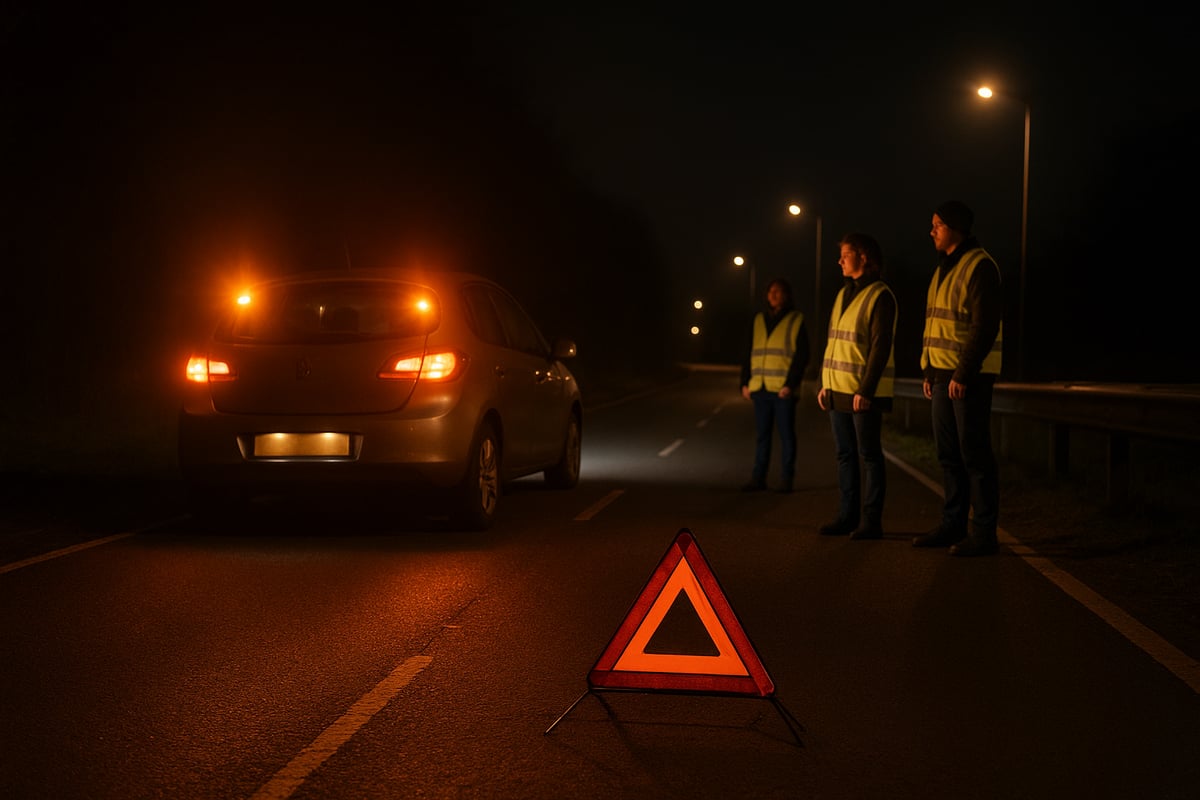
First, stay calm and take a deep breath. Assess your environment to ensure you are aware of all potential risks. If you can, steer your broke down car at night to a safe area such as a hard shoulder, lay-by, or a well-lit spot. Avoid stopping on bends, bridges, or in tunnels, as these areas are particularly dangerous. Highways present additional risks, with statistics from National Highways (2023) showing increased danger for night-time incidents. Prioritise your safety before taking any further action.
Making Your Vehicle Visible
Visibility is crucial when you have a broke down car at night. Immediately switch on your hazard lights and, if possible, your sidelights to alert other drivers. Place a warning triangle at least 45 metres behind your vehicle, but only if it is safe to do so. All passengers should wear high-visibility vests to increase their safety. According to Road Safety GB, visibility can be reduced by up to 70% at night. For further practical steps, review the RAC breakdown safety tips.
Staying Inside vs. Outside the Vehicle
Deciding whether to remain in your broke down car at night or exit depends on your location. If you are on a busy road, it is often safer to stay inside with your seatbelt fastened and doors locked. However, if you notice smoke or suspect a fire risk, exit immediately. Always leave the vehicle via the passenger side, away from traffic, to minimise exposure to danger. Prioritise your safety above all else.
Minimising Risk from Other Road Users
Once you have a broke down car at night, move yourself and any passengers behind safety barriers if available. Keep well away from moving traffic, and do not allow yourself to be distracted by mobile devices or other activities. Statistics reveal that 15% of roadside accidents involve pedestrians near broken-down vehicles (Department for Transport, 2022). Remain vigilant and only return to the vehicle when it is completely safe to do so.
Contacting Emergency Services
If you or anyone else is at risk, do not hesitate to call 999 or 112 from your broke down car at night. Provide your exact location, vehicle details, and information about any injuries. Use your smartphone’s GPS or motorway marker posts to help emergency services find you quickly. Many modern vehicles and phones have SOS features that can automatically share your location, speeding up response times and ensuring help arrives promptly.
Documenting the Situation
Take clear photos of your vehicle, its position, and any visible damage. Note the time, location, and relevant details about your broke down car at night. This documentation will be invaluable for insurance purposes. According to the Association of British Insurers (2023), claims are processed 30% faster when proper documentation is provided. Keep all records organised and ready for when you need to report the incident.
Avoiding Common Night-Time Hazards
Remain alert for unexpected risks after your broke down car at night. Wildlife can be more active, weather conditions may worsen, and low visibility increases the risk of being overlooked by other drivers. Keep an eye out for passing vehicles, and be mindful of the possibility of theft or opportunistic crime. Always prioritise your personal safety until professional help arrives.
Diagnosing the Problem: Common Causes of Night-Time Breakdowns
When you experience a broke down car at night, swift and accurate diagnosis can make all the difference. Night-time adds extra challenges, including limited visibility and increased safety risks, so recognising the most common causes is vital for a calm and effective response.
Flat Tyres and Punctures
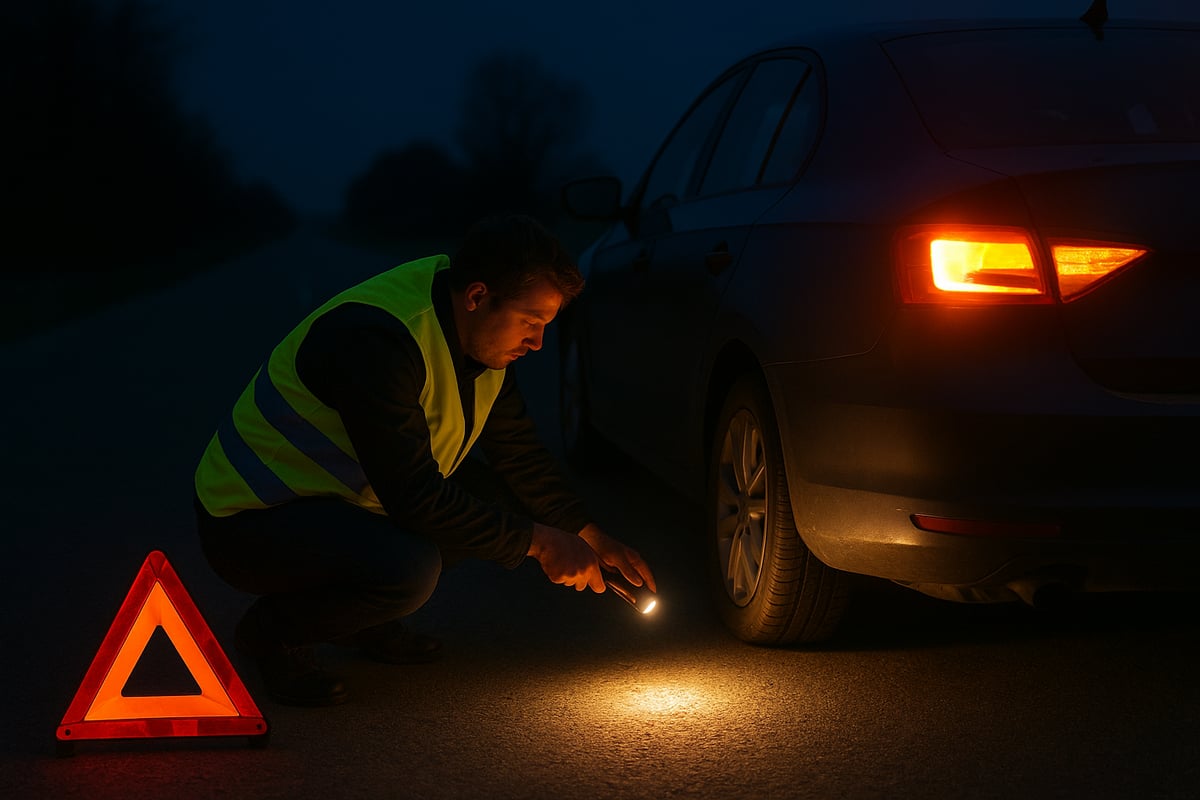
Flat tyres are one of the main reasons for a broke down car at night. Signs include a sudden pull to one side, difficulty steering, or a thumping noise. Always find a safe spot before inspecting your tyres.
- Look for visible damage or a completely deflated tyre.
- Use a spare tyre or repair kit if you can do so safely.
- If unable to fix, stay safe and call for help.
Tyre issues account for 41% of night-time breakdowns, making regular checks essential before every journey.
Battery Failures
A dead battery is a frequent culprit behind a broke down car at night. Common symptoms are dim headlights, clicking sounds when turning the key, or complete engine silence. Causes include leaving lights on, cold temperatures, or an ageing battery.
- Test if any lights or dashboard electronics work.
- If you have jump leads and it is safe, attempt a jump-start.
- Prevention: Regular battery checks and replacing old batteries.
For more detailed tips on avoiding these issues, see AA breakdown advice.
Engine Overheating
Engine overheating can quickly escalate, especially during warm nights or in heavy traffic. Watch for dashboard warning lights, steam from under the bonnet, or an unusual hot smell.
- Pull over and switch off the engine.
- Wait for the engine to cool before opening the bonnet.
- Do not attempt to drive further if overheating persists.
A broke down car at night from overheating is more common in summer, so always monitor your temperature gauge.
Fuel Issues
Running out of fuel or misfuelling can leave you stranded with a broke down car at night. Signs include engine sputtering, loss of power, or the vehicle refusing to start.
- Check your fuel gauge and recall your last refuelling stop.
- If you suspect misfuelling, do not start the engine.
- Call for professional help to avoid further damage.
Fuel-related mistakes cause 7% of breakdowns, so double-check your fuel type and tank level before setting off.
Electrical and Lighting Failures
Electrical faults, especially with headlights or indicators, can be a major hazard with a broke down car at night. Signs include flickering lights, failed indicators, or total darkness.
- Use hazard lights if possible to alert other drivers.
- Carry spare bulbs for quick replacements.
- If you cannot be seen, stay away from traffic and wait for assistance.
One in ten breakdowns involve faulty lighting, highlighting the need for regular checks.
Mechanical Failures
Mechanical issues such as broken belts, hoses, or engine components can result in a broke down car at night. Listen for unusual noises, watch for dashboard alerts, or notice a sudden loss of power.
- Check for visible leaks or loose parts.
- Attempt only minor, safe fixes if you have the skills.
- For complex issues, wait for professional roadside recovery.
Never risk your safety by attempting major repairs in the dark.
When You Can’t Diagnose the Issue
If you cannot identify the cause of your broke down car at night, do not take unnecessary risks. Stay safe by remaining in a secure location, keeping your vehicle visible, and waiting for professional help.
Proper diagnosis is crucial, but your safety always comes first. Take notes and photos to help recovery teams or for insurance purposes, ensuring a smoother resolution.
How to Get Help: Calling for Roadside Assistance and Recovery
When you have a broke down car at night, knowing how to get help quickly and safely is essential. The right approach ensures you are not left stranded or exposed to unnecessary risks. Let us walk through the most effective steps for securing roadside assistance and recovery during those late hours.
Choosing the Right Assistance Option
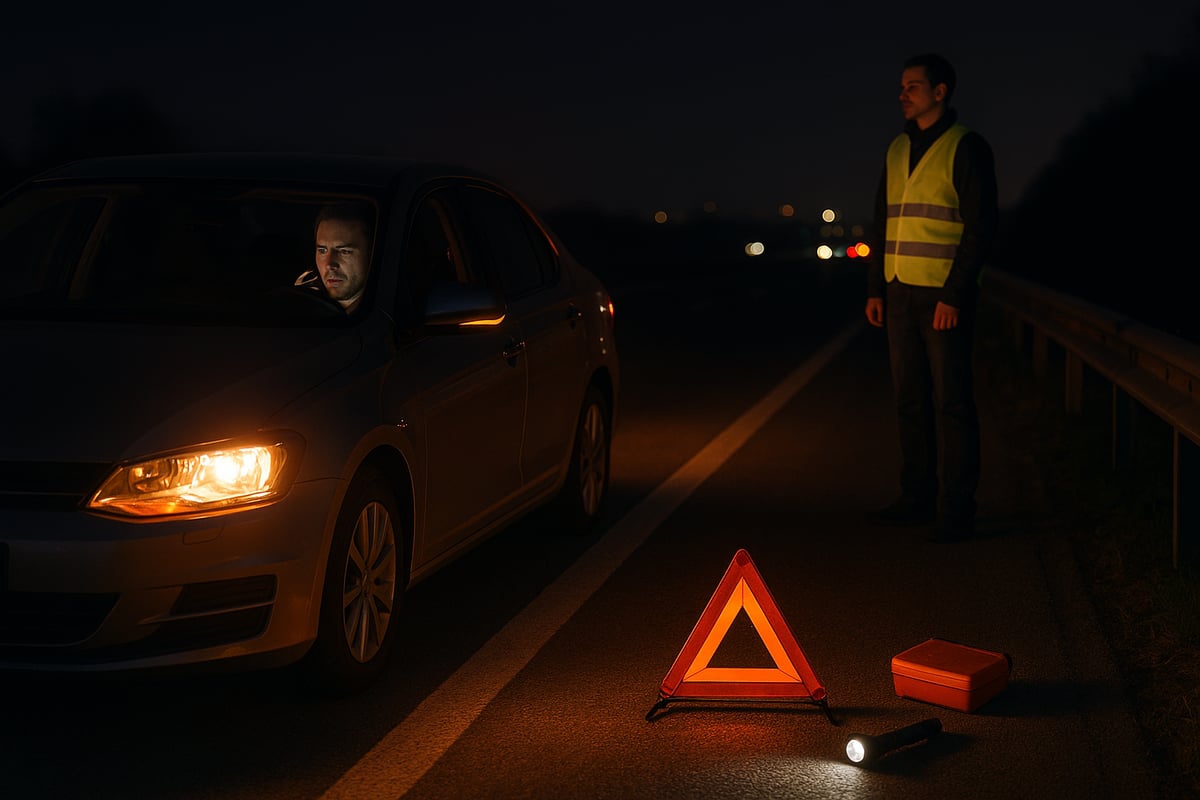
When your broke down car at night leaves you feeling vulnerable, the first decision is who to call. There are several options: your insurance provider, a membership-based breakdown club, or a pay-as-you-go recovery service. Each has its strengths, with insurance and clubs often offering broader coverage, while pay-as-you-go services provide flexibility for those without a plan.
For many, comparing Car Breakdown Cover Companies before an emergency occurs is invaluable, as it helps to understand response times and coverage. Urban areas typically see help arrive within 60 to 90 minutes, but this can vary by provider and time of night. Choosing the right support helps you regain control and peace of mind during a stressful situation.
Information to Provide When Calling for Help
If your broke down car at night requires assistance, clear and concise information will speed up the process. When you contact your chosen provider, make sure to give your exact location, ideally using your smartphone’s GPS or motorway marker posts. Provide details about your vehicle, including make, model, and colour, along with the nature of the problem.
Be ready to explain any immediate risks or hazards, such as proximity to traffic or adverse weather. The more accurate your information, the faster and more efficiently help can reach you. This step is crucial for your safety and the safety of others on the road.
Motors Recovery: 24/7 Night-Time Breakdown Support
Motors Recovery offers a lifeline for anyone with a broke down car at night across Greater London and the Home Counties. Their 24-hour service covers cars, vans, and motorcycles, offering towing, battery jump-starts, and roadside repairs. No membership is required, making it a flexible solution for drivers in urgent need.
Their trained technicians operate a modern fleet, ensuring fast and professional recovery, even on busy roads or major motorways like the M25 and A2. Transparent pricing, free quotes, and glowing customer testimonials underscore their commitment to getting you back on the road safely at any hour.
What to Do While Waiting for Help
While waiting for assistance for your broke down car at night, prioritise your safety and visibility. Remain with your vehicle if it is safe, or move behind a safety barrier away from traffic when possible. Keep your hazard lights on and ensure all passengers wear high-visibility vests.
Secure any valuables and keep your mobile phone charged to maintain communication with your provider. Many recovery services now offer tracking links or estimated arrival notifications, giving you reassurance and updates as you wait.
Dealing with Delays and Adverse Conditions
If your broke down car at night leads to a long wait, especially in remote or severe weather conditions, it is vital to stay prepared. Keep warm with blankets, stay hydrated, and remain calm. Extreme weather can double response times, so having patience and a well-stocked emergency kit is crucial.
Monitor your surroundings for any changes and avoid unnecessary risks. If you are in a particularly vulnerable location, inform your provider so they can prioritise your call appropriately.
What to Avoid When Waiting
With a broke down car at night, certain actions can put you at greater risk. Never accept lifts from strangers, no matter how genuine they may seem. Avoid attempting complex repairs in the dark, as this can lead to injury or further vehicle damage.
Remain alert and avoid distractions, keeping your focus on safety until help arrives. By following these guidelines, you greatly reduce the chance of further incidents or delays in getting back on the road.
Essential Night-Time Breakdown Emergency Kit
Experiencing a broke down car at night can be daunting, but having the right emergency kit can make all the difference. Preparation is your first defence, giving you peace of mind and practical support until help arrives.
Must-Have Items for Every Driver
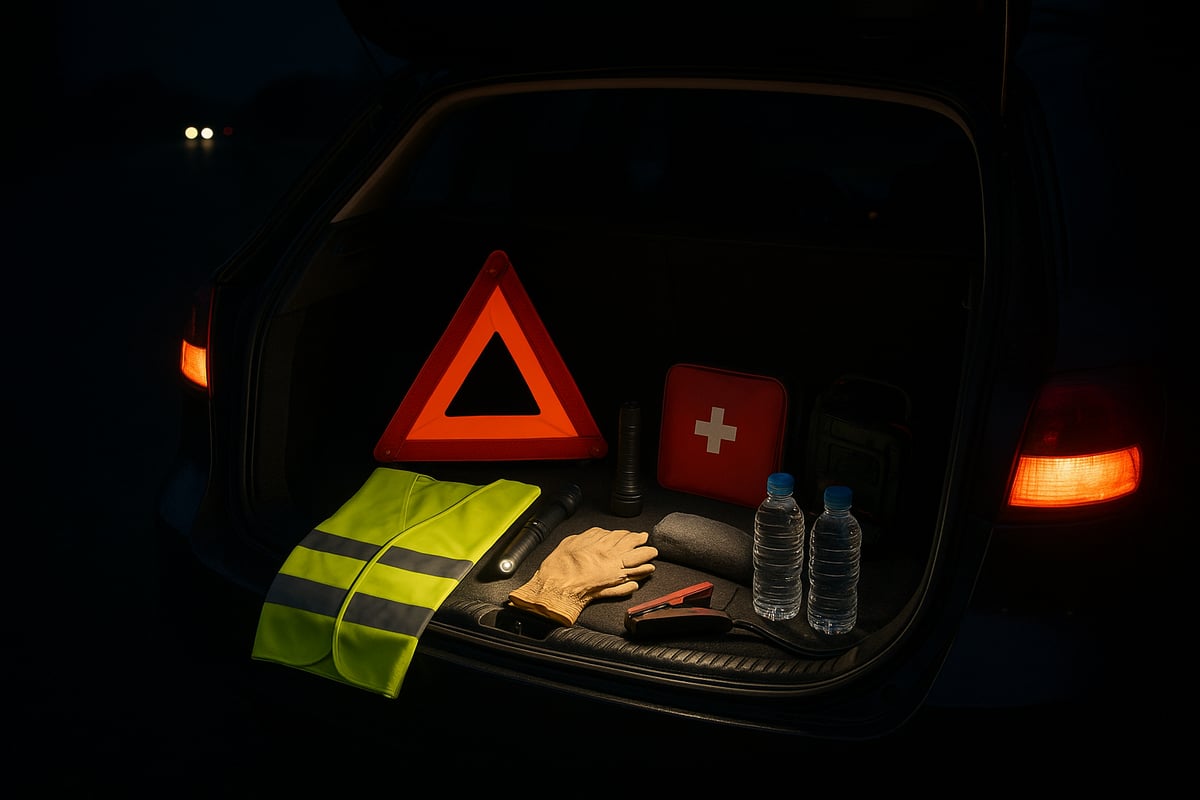
When you have a broke down car at night, visibility and safety come first. Always carry a reflective warning triangle and high-visibility vests for every passenger. A torch or flashlight is essential for inspecting your vehicle and alerting others to your presence.
Keep a fully charged mobile phone and a backup power bank in your kit. A basic first aid kit and simple tools, such as a screwdriver, pliers, and an adjustable spanner, are invaluable for minor repairs. According to Highway Code breakdown guidelines, these items are strongly recommended for all UK drivers.
Seasonal and Weather-Related Items
Seasonal conditions can make a broke down car at night even more uncomfortable. In winter, pack warm blankets, gloves, and hats to prevent cold-related stress. Water bottles and snacks are important, especially during long waits for assistance.
Rain ponchos and an umbrella will help you stay dry if you must step outside. These simple items can make waiting for recovery services safer and more bearable during bad weather.
Technology and Safety Aids
Modern emergencies call for smart solutions. Include a portable jump starter and a compact tyre inflator in your kit. These can help get a broke down car at night moving again if the issue is minor.
An emergency car escape tool, featuring a window breaker and seatbelt cutter, is a crucial safety addition. Many modern kits now feature lithium jump starters, which are lightweight and reliable.
Storing and Maintaining Your Kit
The best emergency kit is one you can reach quickly when your broke down car at night leaves you stranded. Store it where you can access it without emptying the entire boot.
Check your kit regularly, replacing expired or used supplies. Many UK drivers neglect this, but keeping your kit up-to-date ensures you are always ready for the unexpected.
Optional Extras for Added Security
For additional peace of mind, consider including a disposable camera to document incidents if your phone battery is low. Spare fuses and bulbs are helpful for quick fixes if your lights fail.
An emergency contact list is another smart addition, giving you backup numbers if your mobile malfunctions. These extras can make a real difference when you have a broke down car at night and need every advantage.
Preventing Night-Time Breakdowns: Proactive Maintenance and Smart Driving
Preventing a broke down car at night is far easier than dealing with one. Staying proactive with maintenance and smart driving habits reduces the risk of getting stranded when visibility is low and help may take longer to arrive.
Regular Vehicle Checks
Weekly checks are essential for avoiding a broke down car at night. Inspect your tyres for pressure and tread depth, test all exterior lights, and top up fluids such as oil, coolant, and washer fluid. A quick look under the bonnet helps spot leaks or worn belts before they become a problem.
Schedule professional servicing at intervals recommended by your vehicle’s manufacturer. Regular maintenance can reduce the risk of breakdown by up to 50 percent, according to Green Flag. Keep a maintenance log to track checks and repairs.
Battery and Lighting Habits
Many drivers experience a broke down car at night because of battery or lighting failures. Always turn off lights, heaters, and electronics before leaving your vehicle. Replace your battery every three to five years, or sooner if you notice slow engine turnover or dimming lights.
Carry spare bulbs and test your headlights, brake lights, and indicators before any night journey. Maintaining your lighting system is crucial for being seen and avoiding sudden breakdowns in the dark.
Tyre and Fluid Management
Underinflated or worn tyres are a leading cause of a broke down car at night. Use a reliable gauge to check tyre pressure and inspect for cuts or bulges. Ensure your tread depth meets legal requirements.
Top up oil, coolant, and washer fluids regularly. Low levels can cause overheating or impaired visibility, both risky at night. Always keep a small bottle of emergency coolant and oil in your boot for top-ups on the go.
Planning Your Journey
Proper planning helps you avoid a broke down car at night in unfamiliar or hazardous areas. Use navigation apps to check for road closures, traffic, or adverse weather. Share your route and estimated arrival time with a trusted contact before setting off.
Avoid poorly lit or isolated roads when possible. Allow extra time for your journey, especially in winter or during adverse weather conditions. A little planning goes a long way towards a safer trip.
Smart Driving Techniques
Adopt night-specific driving habits to reduce your breakdown risk. Slow down, increase your following distance, and anticipate hazards such as wildlife or debris. Stay alert and avoid distractions.
Fatigue is a major factor in night-time incidents. For more on the dangers and statistics related to tiredness, see these driver fatigue statistics. If you feel drowsy, stop in a safe place and rest before continuing.
Using Technology for Prevention
Modern technology can help prevent a broke down car at night. Install breakdown warning apps and use GPS trackers to share your location if you encounter issues. Keep your vehicle’s software and navigation systems updated for the latest safety features.
Regularly check that your emergency kit is well-stocked and accessible. By combining proactive maintenance with smart driving and the right tech, you can dramatically reduce the risk of night-time breakdowns and travel with greater confidence.
What to Do After Recovery: Next Steps and Insurance Considerations
After your broke down car at night has been safely recovered, you might wonder what comes next. Taking the right steps after recovery ensures your peace of mind and protects you from further complications. Let us walk you through what to do, from arranging your journey home to understanding your insurance and costs.
Arranging Safe Transport Home or to Your Destination
Once your broke down car at night has been towed or repaired, consider how you will complete your journey. Many recovery providers offer onward travel, such as a taxi or a lift to a nearby station. If you are far from home, check if your breakdown service includes accommodation or alternative transport. Otherwise, contact friends or family for support, or use local taxi services. Always confirm your personal safety before accepting a lift, especially late at night.
Inspecting Your Vehicle Post-Recovery
After a broke down car at night incident, take a few moments to inspect your vehicle once it is in a safe location. Look for any new damage or missing items. Use your phone to take clear photos of your car from different angles, including close-ups of any issues. Note the time, date, and location, and keep a record of all recovery paperwork. This documentation is vital if you need to make an insurance claim or dispute any costs later.
Making an Insurance Claim
If your broke down car at night resulted in damage, theft, or an accident, you may need to contact your insurer promptly. Provide them with all relevant details, including photos, recovery receipts, and any police reports. Claims are typically processed faster and more smoothly with comprehensive documentation. Check your policy to see if breakdown recovery is covered, or if you need to claim separately for repairs and onward travel.
Understanding Recovery Costs and Coverage
It is important to know what your breakdown cover includes after a broke down car at night. Some providers include towing and onward travel, while others may charge extra for distance or specific services. For a clear idea of typical charges, review Prices for Vehicle Recovery as a reference. Recovery costs in the UK can range from £50 to £200, depending on the situation and distance. Keep all receipts for insurance or tax purposes.
Learning from the Experience
Reflecting on your broke down car at night experience can help you prepare for the future. Review what worked well and what could be improved, such as updating your emergency kit or reviewing your insurance coverage. Share feedback with your recovery provider to help them improve their service. By learning from the situation, you will be better equipped and more confident if you face another roadside emergency.

