Imagine being stuck on a busy motorway in 2025, unsure what happens next after your vehicle breaks down. The thought alone can be daunting, especially with new technology and changing service standards shaping the way we approach roadside emergencies.
Today, calling a tow truck is more than just making a phone call. With the industry evolving rapidly, knowing what to expect and how to prepare is essential for every driver. This guide will walk you through the latest steps, tools, and insider tips, ensuring you feel confident and ready for any situation.
Read on to discover how to handle roadside emergencies in 2025, from the moment you reach out for help to the safe recovery of your vehicle.
The Evolution of Tow Truck Services: 2025 Trends and Innovations
The landscape of calling a tow truck in 2025 looks dramatically different from just a few years ago. The industry has rapidly embraced digital transformation, making the process faster, safer and more convenient for drivers across the UK. Today, motorists can request assistance through user-friendly apps, with instant access to a network of recovery operators at their fingertips.
One of the most notable changes is the rise of app-based booking and real-time tracking. When calling a tow truck, drivers can now monitor the exact location and estimated arrival time of their recovery vehicle. AI-powered dispatch systems intelligently match the nearest, most suitable tow truck to each incident. This technology not only improves response times but also reduces the stress and uncertainty often associated with roadside emergencies.
Environmental responsibility is another driving force behind the evolution of tow truck services. More companies now operate electric and hybrid tow trucks, significantly cutting emissions and helping cities achieve sustainability targets. If you are calling a tow truck in a major UK city, there is a good chance your recovery vehicle will be part of a green fleet. These advancements reflect a broader commitment to eco-friendly practices throughout the industry.
Safety standards and operator training have also seen major upgrades. New regulations require regular upskilling and certification for tow truck drivers, ensuring they are equipped to handle a range of situations safely. Integrated with connected vehicles and smart city infrastructure, modern tow trucks can access live traffic data and communicate directly with other roadside services. This synergy enhances the safety and efficiency of every call-out, offering reassurance when calling a tow truck.
The industry is also moving towards advanced solutions for accident assessment and vehicle diagnostics. Drones are increasingly deployed to assess accident scenes from above, providing instant reports and photographic evidence. Many tow trucks are now equipped with onboard diagnostic tools to evaluate vehicle condition on site. Specialised services continue to expand, with dedicated teams for heavy-duty vehicles, motorcycles and electric cars. Major UK cities are leading the way, adopting green fleets and digital roadside assistance platforms to enhance the experience for anyone calling a tow truck. For a deeper dive into these trends and innovations, you can explore the latest tow truck industry trends for 2025.

Step-by-Step: What to Do When You Need to Call a Tow Truck
Facing a vehicle breakdown can be daunting, especially with evolving roadside protocols in 2025. By following a clear step-by-step approach, you will maximise your safety, streamline the process, and reduce stress when calling a tow truck. Whether you are new to motoring or a seasoned driver, this guide outlines everything you need to know to take control during a roadside emergency.

Assessing the Situation and Ensuring Safety
Your first priority when calling a tow truck is to ensure the safety of everyone involved. Check yourself and your passengers for injuries, even if the incident seems minor. If anyone is hurt, contact emergency services before anything else.
If it is safe, move your vehicle to the hard shoulder or a safe lay-by. If moving the car is not possible, turn on your hazard lights and, if conditions permit, place a warning triangle at least 45 metres behind your car. Stay inside your vehicle with seatbelts fastened, especially if you are on a busy road.
Statistics indicate that more than 50 percent of roadside accidents occur when drivers exit their vehicles unsafely. Only leave your vehicle if you are certain it is safe to do so. Take photos of the scene to document any damage for insurance purposes. These steps set the foundation for a safe and efficient experience when calling a tow truck.
Gathering Essential Information Before Making the Call
Once everyone is safe, start gathering crucial information to expedite the process of calling a tow truck. Record your exact location using your smartphone’s GPS or a reliable navigation app. Note the nearest road signs, junction numbers, or landmarks.
Prepare the following details:
- Vehicle make, model, and registration number
- Nature of the problem (flat tyre, engine failure, accident, etc.)
- Any hazards or obstructions affecting recovery
- Number of passengers, presence of children, pets, or special needs
Providing accurate details helps reduce average wait times by up to 30 percent. For more comprehensive guidance, refer to this Step-by-step breakdown recovery guide to ensure you are fully prepared before calling a tow truck. This preparation will make your interaction with the dispatcher smoother and more effective.
Contacting a Tow Truck Service: What to Expect
When calling a tow truck, you can reach out via phone, mobile app, or through your insurance provider. Modern services often offer app-based contact, allowing you to share your location automatically and access real-time updates.
The dispatcher will typically request:
- Your name and contact details
- Exact location and direction of travel
- Vehicle details and description of the issue
- Any urgent safety concerns
In 2025, services often verify your identity using digital authentication methods, such as sending a verification code to your phone. You will receive confirmation of the estimated arrival time and a clear breakdown of service costs. Many providers now send SMS or app notifications with real-time estimated time of arrival and technician profiles, giving you peace of mind while waiting. Knowing what information to provide ensures a seamless process when calling a tow truck.
Staying Safe and Calm While Waiting
After calling a tow truck, your focus should remain on safety and staying calm. If you are in a remote area or it is nighttime, keep your doors locked and remain inside the vehicle with hazard lights on. Arrange alternative transport for vulnerable passengers, such as children or elderly family members, if possible.
Keep your mobile phone charged and the line open for any updates. Many modern tow services offer in-app chat for status updates and safety alerts, keeping you informed throughout the wait. If approached by passing motorists or emergency personnel, communicate your situation clearly and avoid accepting unsolicited help.
For extra peace of mind, review additional safety tips in guides dedicated to breakdowns after dark. By following these steps, you ensure a safer and more organised experience when calling a tow truck.
Types of Tow Truck Services Available in 2025
The landscape for calling a tow truck has transformed in 2025, offering more specialised options and tailored solutions for every roadside situation. Whether you face a minor breakdown, a complex accident, or need advanced recovery for electric vehicles, knowing which service is right for you can make all the difference.
Standard Towing vs. Specialised Recovery
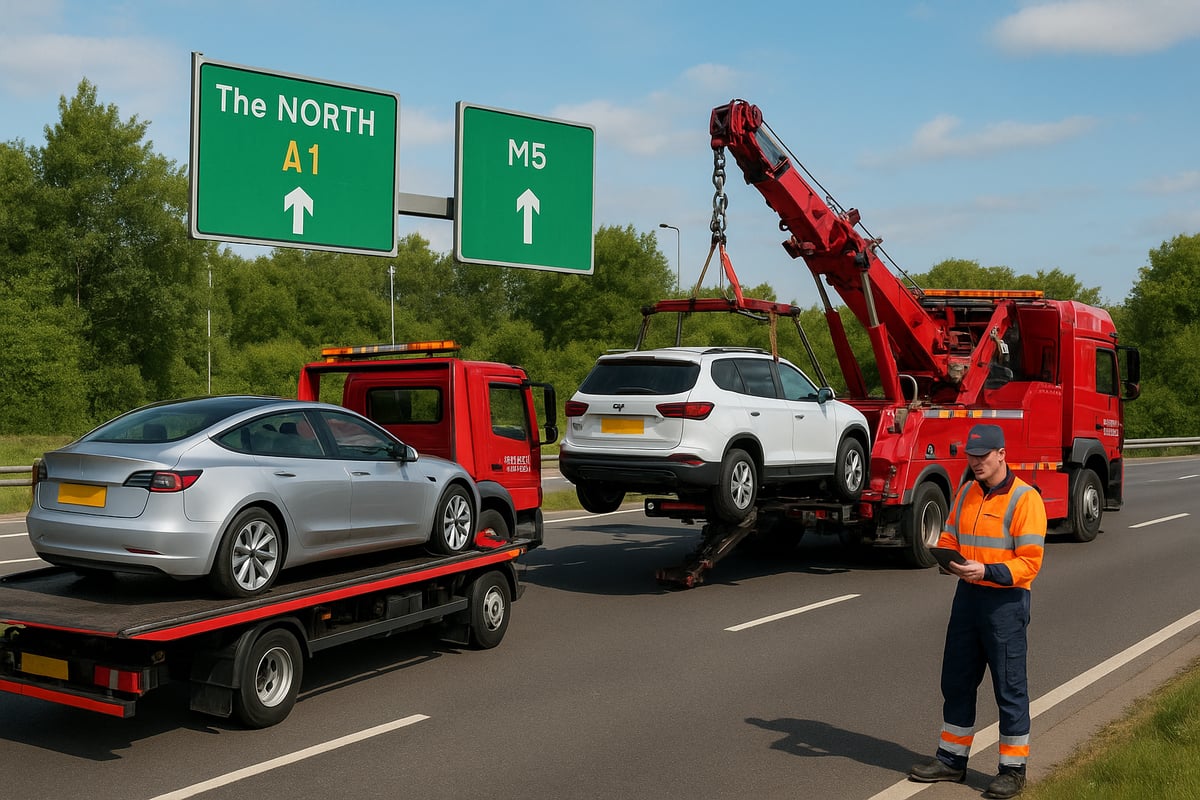
When calling a tow truck in 2025, understanding the difference between standard and specialised recovery is essential. Flatbed trucks are commonly used for transporting electric or luxury vehicles, as they offer full lift and secure transport, minimising risk of damage. Wheel-lift tow trucks are efficient for standard cars and light vans, especially in tight urban spaces. Integrated tow trucks combine features for rapid response in accidents, offering strong lifting capacity for complex recoveries.
Choosing the right service depends on your situation:
- Flatbed: Ideal for all-wheel drive, EVs, or high-value vehicles.
- Wheel-lift: Suited for short distances or quick roadside tows.
- Integrated: Best for accident scenes, multi-vehicle incidents, or when extra stability is needed.
In major UK cities, many fleets have adopted green flatbeds for eco-friendly operations. When calling a tow truck, always specify your vehicle type and condition to ensure the correct equipment arrives. This step reduces delays and ensures safe handling, especially for vehicles with special requirements.
Emergency Roadside Assistance
Not every incident requires full towing. Many motorists calling a tow truck in 2025 are seeking emergency roadside assistance. Modern operators provide a suite of rapid-response services, including jump starts, tyre changes, on-the-spot fuel delivery, and lockout help. These solutions are delivered by technicians equipped with advanced diagnostic tools and multi-purpose vehicles.
In fact, data shows that 70% of urban callouts are resolved without needing to tow the vehicle. This reflects the efficiency of today’s roadside assistance teams and the reliability of their tools. For those in urgent need outside regular hours, 24-hour tow truck services ensure help is always available.
When calling a tow truck, be prepared to describe your issue in detail. This enables dispatchers to send the right technician and equipment, often saving you time and money. The focus in 2025 is on resolving your problem at the roadside whenever possible, so you can get back on your journey with minimal disruption.
Towing for Electric and Hybrid Vehicles
As electric and hybrid cars become more popular, calling a tow truck with the right expertise is crucial. EVs require special handling to protect sensitive battery systems and avoid damage to electric drivetrains. Flatbed trucks are generally preferred, as they allow the entire vehicle to be lifted without rolling the wheels.
Recovery operators in large cities like London now use dedicated EV-compatible equipment and undergo specific training for these vehicles. Some wheel-lift methods are restricted for certain EVs, making it vital to mention your car’s make and model when calling a tow truck. This ensures the operator arrives prepared, safeguarding your investment and preventing complications during transport.
Heavy-Duty and Commercial Vehicle Recovery
Commercial vehicles, vans, and lorries require a different approach when calling a tow truck in 2025. Heavy-duty recovery uses rotator trucks and specialised lifting gear to manage large weights and complex situations, such as motorway breakdowns or off-road incidents.
Operators must comply with stringent safety and weight regulations, reflecting new industry standards. There is growing demand for heavy recovery on UK motorways, and providers have expanded their fleets with advanced equipment to meet these needs. Always inform the dispatcher of your vehicle’s size and cargo, so the right resources are deployed for a swift, compliant recovery.
Costs, Insurance, and Payment Options: What You Need to Know
Understanding the costs involved with calling a tow truck in 2025 is essential for every motorist. Prices can vary widely, so being informed helps you avoid surprises and make confident decisions during a roadside emergency.
Average Costs in 2025
The cost of calling a tow truck in 2025 typically ranges from £60 to £200 for standard recovery, depending on several factors. Short, local tows are on the lower end, while long-distance or complex recoveries cost more. Specialised services, such as electric vehicle or heavy-duty recovery, often incur higher fees due to equipment and expertise required.
What Affects the Price?
Several elements influence the final price when calling a tow truck. These include the distance to be towed, your vehicle’s size and type, the time of day, and the complexity of the situation. For example, towing an electric or luxury car may require a flatbed truck and extra safety measures, increasing the cost. Weekend or night callouts may also carry a premium. Always ask for a transparent, itemised quote before agreeing to any service.
Table: Sample Towing Costs in 2025 (UK)
| Service Type |
Typical Cost (£) |
| Local Standard Tow |
60–90 |
| Long-Distance Tow |
120–200 |
| EV/Luxury Vehicle Tow |
100–180 |
| Heavy-Duty Recovery |
180–350 |
Insurance and Membership Cover
Many drivers now rely on insurance or membership plans to cover the expense of calling a tow truck. Comprehensive car insurance policies often include roadside assistance, but check your policy for exclusions or limits. Alternatively, joining a roadside assistance programme can offer peace of mind, direct billing, and priority response. For a detailed breakdown of what membership-based support can cover, see Roadside assistance membership options. Always confirm whether your chosen provider works directly with your insurer or membership scheme to avoid unexpected out-of-pocket costs.
Payment Methods and Digital Advancements
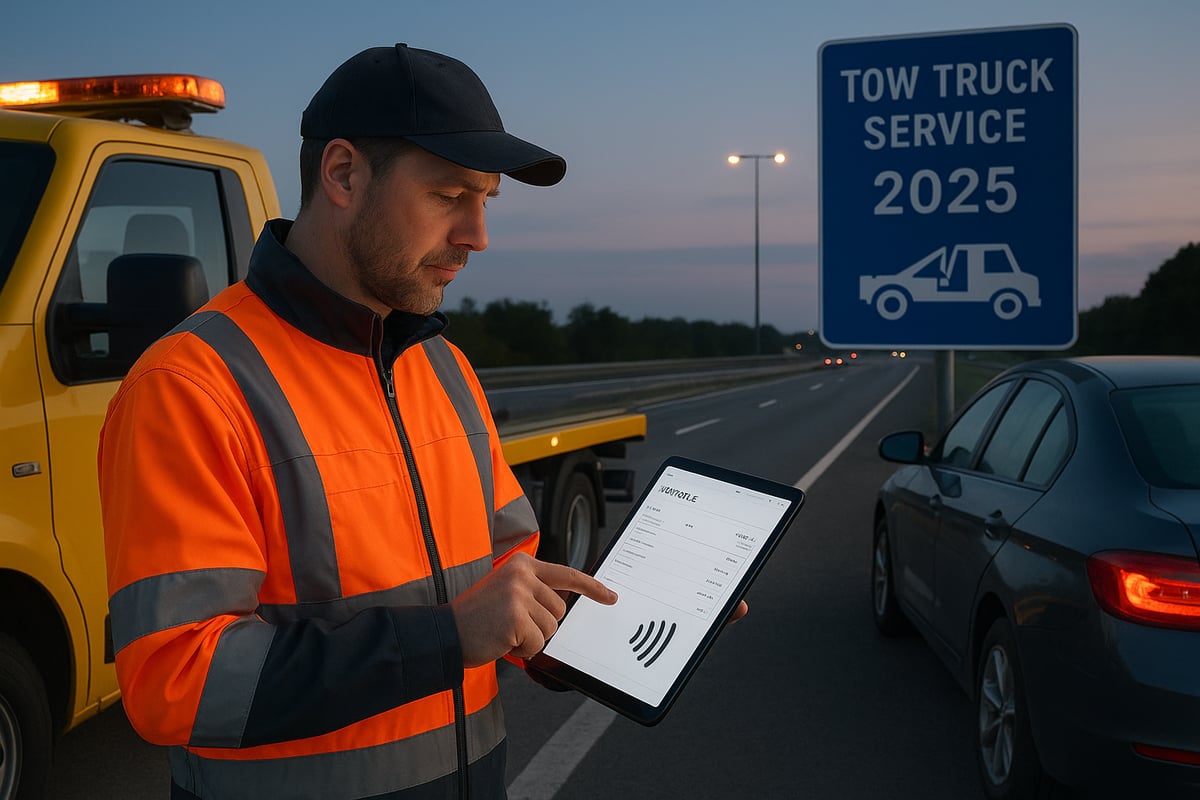
The process of calling a tow truck is now more convenient than ever. In 2025, 60% of motorists prefer digital payment methods over cash. Most reputable providers accept contactless cards, mobile wallets, or direct app payments. Many services offer upfront digital quotes, with costs confirmed in writing before dispatch. This transparency lets you compare prices and avoid hidden fees. Some providers even handle direct billing to insurers, streamlining the entire process.
Protecting Yourself from Scams
When calling a tow truck, always verify the operator’s credentials and never agree to a service without a written quote. Unauthorised tow operators can charge inflated prices or use aggressive tactics. Stick with well-reviewed, established companies, and use official roadside assistance numbers or apps. If you are unsure, ask for identification and check for branded vehicles and uniforms.
By staying informed about costs, insurance options, and payment methods, you can ensure a smooth, stress-free experience when calling a tow truck, no matter where or when you need help.
What Happens During and After the Tow: The Full Recovery Process
When calling a tow truck in 2025, understanding the full recovery process can make the situation less daunting. The journey from the operator’s arrival to your vehicle’s safe delivery is more transparent and efficient than ever. Here is what you can expect step by step.
Arrival and Assessment by the Tow Truck Operator
As soon as the tow truck arrives, the operator will approach you and verify your identity and the details provided when calling a tow truck. This step ensures that the right service is being delivered and prevents any confusion.
Next, the operator conducts a safety assessment. This involves checking the surrounding area for hazards, ensuring all parties are safe, and using digital inspection forms to record the vehicle’s condition. Photos are often taken for documentation, providing evidence for both you and your insurer.
If there are any safety risks, such as fuel leaks or traffic obstructions, the operator will address these first. Digital devices now streamline this process, making reporting and communication with your insurance provider much faster.
Once the assessment is complete, the loading process begins. Depending on your vehicle’s type and situation, the operator will use the appropriate equipment, such as a flatbed or wheel-lift. Modern tow trucks in 2025 are equipped with advanced hydraulics and automated guides to ensure safe and efficient loading.
If you are calling a tow truck for a breakdown on a busy road, you may be offered a ride in the tow truck’s climate-controlled cab. Some vehicles can accommodate passengers, while others may require arranging alternative transport. Operators will guide you through your options to ensure everyone’s comfort and safety.
Key features of modern tow trucks include:
- Climate-controlled cabs for passengers
- Real-time vehicle monitoring during transport
- Enhanced suspension systems for smooth rides
Throughout transport, your vehicle’s status is tracked digitally, and you can often monitor progress through an app or receive regular updates.
Delivery to Destination and Handover
After transport, the tow truck will deliver your vehicle to the location agreed upon when calling a tow truck. This could be your home, a trusted garage, or a secure storage facility, depending on your needs and insurance policy.
The handover process is straightforward. The operator will provide you with a digital delivery receipt, either through an app or by email. This receipt includes all details of the service, from the initial assessment to the final delivery, ensuring complete transparency.
You will have the opportunity to inspect your vehicle and confirm that it has arrived in the documented condition. Operators are trained to answer any questions and ensure your satisfaction before concluding the service.
Post-Tow Support and Next Steps
The journey does not end once your vehicle is dropped off. Many towing services now offer additional support, guiding you through the next steps after calling a tow truck. This may include helping you contact a repair shop, arranging onward travel, or advising on insurance claims.
Some companies provide follow-up calls or access to support chatbots, ensuring you have the information and assistance you need. Documentation from the digital inspection and delivery is often shared directly with your insurer, streamlining the claims process.
Staying organised and informed during this phase can help you resolve the situation quickly and reduce stress. With these modern advancements, every step after calling a tow truck is designed to be as seamless as possible.
Choosing the Right Tow Truck Service in 2025
Selecting the best provider when calling a tow truck can make all the difference in a stressful roadside situation. With more choices than ever and evolving service standards, motorists need to be discerning and prepared.
Key Criteria for Choosing a Service
When calling a tow truck, consider these essential factors:
- Response time: How quickly can they reach your location?
- Service range: Do they cover your area or route regularly?
- Reputation: Are they known for reliability and professionalism?
- Equipment: Do they have suitable vehicles for your car type?
- Cost transparency: Will you get a clear quote upfront?
- Accreditation: Are they licensed and insured for UK roadside recovery?
Verifying operator credentials is critical. Always ask for proof of insurance, business registration, and any relevant industry accreditations. Genuine companies will happily provide this information. Be cautious of unsolicited offers or unmarked vehicles.
Here’s a quick comparison to help you decide between local and national providers, as well as membership and pay-as-you-go options:
| Feature |
Local Providers |
National Providers |
Membership |
Pay-as-you-go |
| Response Time |
Often faster |
Can be slower |
Priority service |
Standard response |
| Coverage Area |
Limited |
Wide |
UK-wide |
Depends on provider |
| Price |
Competitive |
May be higher |
Fixed annual fee |
Pay per incident |
| Reputation |
Community-based |
Brand recognition |
Member benefits |
No long-term contract |
Reviews and digital ratings are now central to the process of calling a tow truck. According to UK roadside assistance market statistics, 80% of motorists check online reviews before making a decision. Look for consistent feedback on response times, customer care, and billing practices.
Top-rated services in London now average under 40-minute response times, demonstrating the value of choosing a reputable provider. Membership schemes can offer peace of mind, but pay-as-you-go services provide flexibility, especially if you drive infrequently.
To further streamline calling a tow truck, prepare an emergency contact list and download a trusted roadside assistance app. Save your preferred provider’s details in your phone, and update them regularly. This small step can save precious time during an emergency.
By weighing these criteria and staying informed, you can approach calling a tow truck with confidence in 2025, ensuring both safety and efficiency.
Frequently Asked Questions About Calling a Tow Truck in 2025
When it comes to calling a tow truck in 2025, many motorists have similar questions and concerns. This FAQ covers what you need to know, helping you stay informed and prepared during any roadside emergency.
How long does it typically take for a tow truck to arrive?
In 2025, advances in digital dispatch and real-time tracking mean most tow trucks reach you within 30 to 45 minutes in urban areas. Rural locations may still see slightly longer wait times, especially during peak hours. When calling a tow truck, always ask for an estimated arrival time and keep your phone nearby for updates.
Can I ride with the tow truck driver?
Yes, you can usually ride with the driver, though space may be limited. Most modern tow trucks have climate-controlled cabs designed for passenger comfort and safety. If you have additional passengers or pets, let the dispatcher know while calling a tow truck to help arrange alternative transport if necessary.
What if my car is electric or hybrid?
Towing companies in 2025 are well-equipped for electric and hybrid vehicles. Special flatbeds and trained technicians ensure safe handling, especially for battery systems. When calling a tow truck, mention your vehicle type so the right equipment is dispatched. In cities like London, many fleets now feature EV-compatible recovery trucks.
How do I know if my insurance covers towing?
Check your policy details before calling a tow truck. Many comprehensive and breakdown cover plans include towing, but coverage can vary. Confirm with your insurer or the tow company whether direct billing is available or if you’ll need to pay upfront and claim later. Always get a clear quote and keep receipts for any future claims.
What should I do if I feel unsafe while waiting?
Prioritise your safety. Stay inside your vehicle with doors locked, especially at night or in unfamiliar areas. If possible, move to a well-lit spot. For more tips, see What to do if your car breaks down at night. When calling a tow truck, let the dispatcher know if you feel unsafe—they can provide updates and notify emergency services if needed.
Are there extra charges for night or weekend recoveries?
Some providers may charge more for services outside regular hours. Always ask when calling a tow truck if additional fees apply for evenings, weekends, or bank holidays. Transparent digital quotes are common in 2025, helping you avoid surprises.
How do I avoid being overcharged or scammed?
Use reputable, licensed operators when calling a tow truck. Check credentials, read reviews, and never accept unsolicited offers. Many drivers now verify their ID upon arrival, and you should always receive a digital or printed receipt.
What information should I have ready when calling?
Have your location (use GPS if possible), vehicle make/model/registration, a description of the issue, and details about passengers or special circumstances ready. Accurate information speeds up dispatch and ensures you get the right help.
Real-world Q&A: Common UK concerns
| Question |
Quick Answer |
| Can I get help for an EV? |
Yes, with specialist trucks |
| Will my insurance pay? |
Often, check your policy |
| Is it safe to wait on the hard shoulder? |
Stay inside, use hazards |
Calling a tow truck in 2025 is more streamlined and secure than ever. Still, preparation and clear communication remain key to a smooth recovery experience.

