Imagine you are driving on a hectic motorway in 2026 when suddenly your car grinds to a halt. Unsure who to call or what to do next, you feel the stress rising as traffic speeds by.
As vehicles age and roads become busier, breakdowns are more frequent than ever. The risk and inconvenience of being stranded make it crucial to get roadside assistance that you can rely on.
This guide will help you get roadside assistance with confidence. We will cover everything you need to know, from what services are included and how to choose a provider, to the latest technology, emergency steps, and cost factors. Read on for a complete, up-to-date roadmap to peace of mind on the road.
What is Roadside Assistance and Why is it Essential in 2026?
Modern driving brings both freedom and unpredictability. Roadside assistance is the dedicated service designed to help motorists when their vehicle unexpectedly fails, whether due to mechanical issues, electrical faults, or simple human error. To get roadside assistance means having access to a range of solutions, including breakdown recovery, towing, jump-starts, tyre changes, fuel delivery, and even lockout services. Today’s providers have expanded their offerings to support electric vehicles, hybrids, and advanced car technologies, ensuring every motorist can travel with confidence.
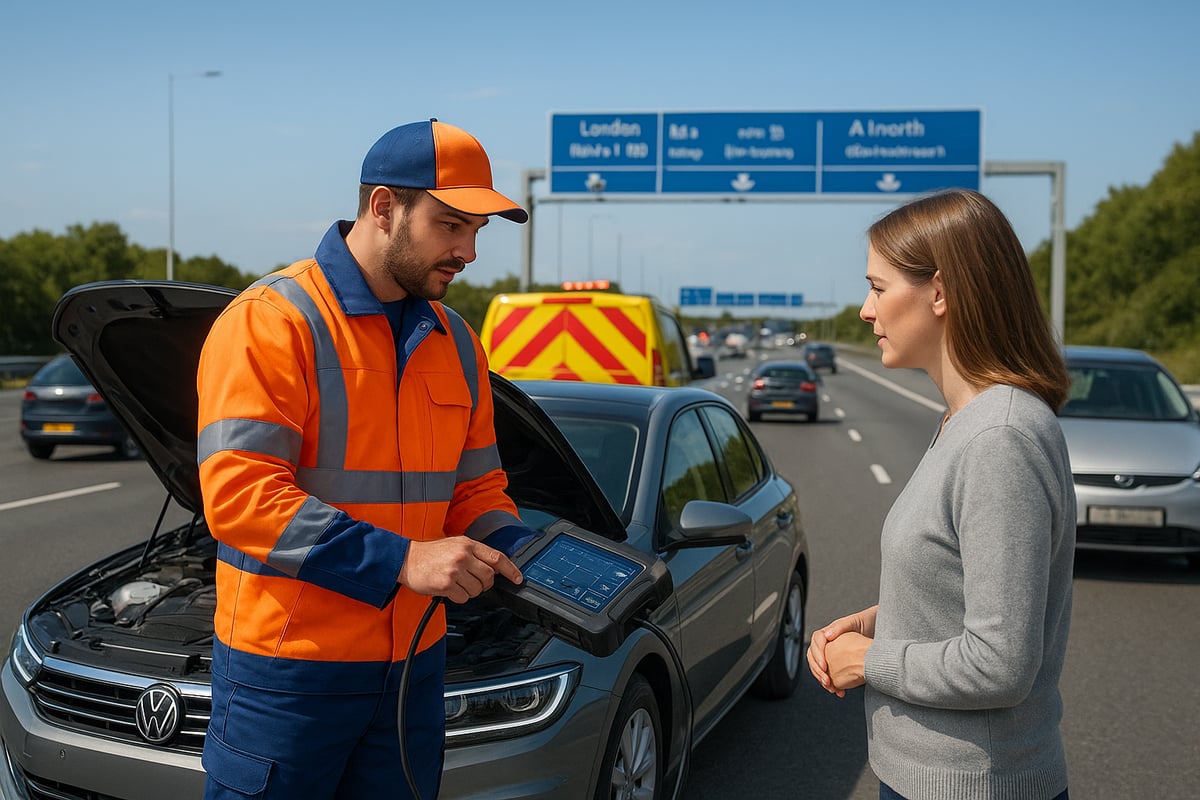
Definition and Scope of Roadside Assistance
When you get roadside assistance, you secure help for a wide range of emergencies. The core services include:
- Vehicle breakdown recovery
- Towing to a garage or safe location
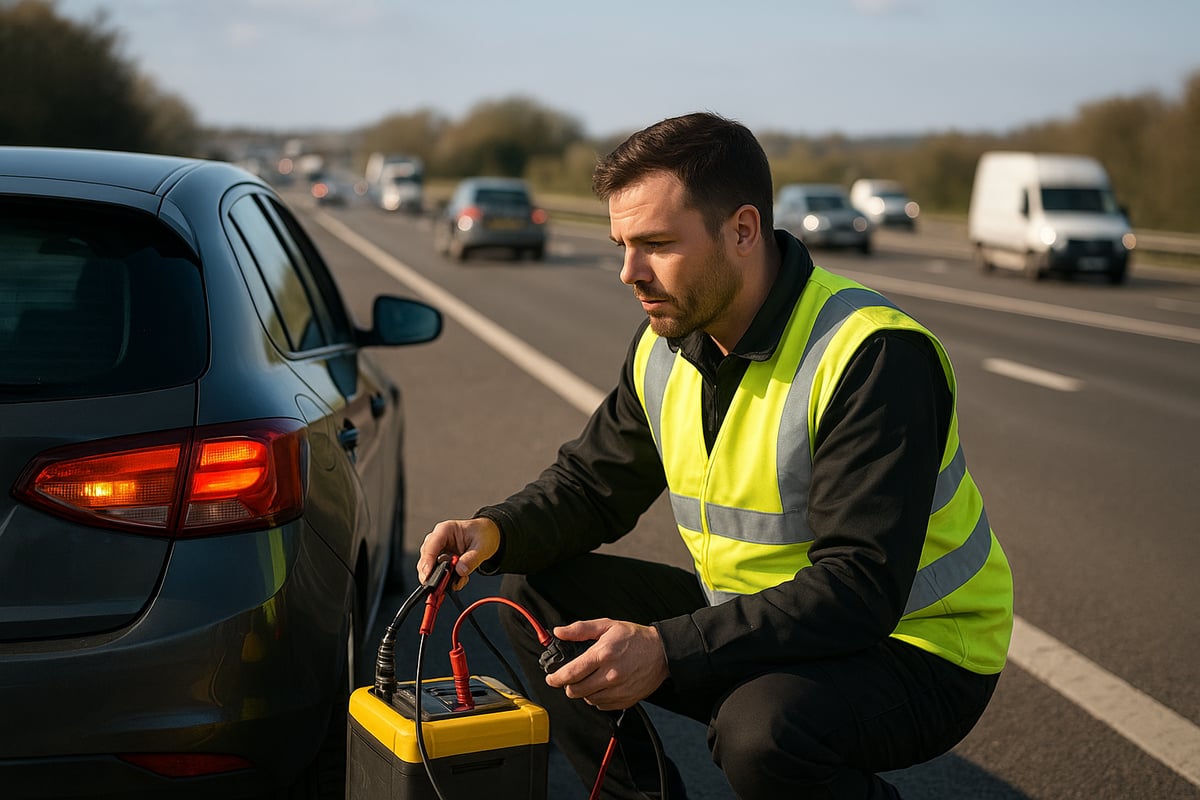
- Battery jump-starts
- Tyre changes
- Emergency fuel delivery
- Lockout solutions
In 2026, coverage extends to electric and hybrid vehicles, with technicians trained to manage high-voltage systems and complex electronics. This ensures that, whether you drive a motorcycle, van, or the latest electric car, you can trust professional support is available when needed.
The Evolving Need in 2026
The demand to get roadside assistance has grown as vehicles become more advanced and the average car on UK roads gets older. Data from RAC and AA shows a 15% increase in roadside callouts over the past five years. This surge is driven by more frequent journeys, ageing vehicle fleets, and the complexity of new automotive technologies. Reliable assistance plays a crucial role in keeping drivers safe and reducing motorway congestion, ensuring that help is always within reach.
Key Benefits for Today’s Motorist
Choosing to get roadside assistance provides immediate peace of mind. In an emergency, waiting for help from strangers or attempting repairs yourself is both risky and stressful. With professional support, you can expect:
- Rapid response in critical moments
- Convenience and minimal disruption to your plans
- Coverage for a wide variety of vehicles, including commercial vans
Imagine a family trip interrupted by a flat tyre. Instead of hours stranded by the roadside, a quick call brings a technician who resolves the issue, letting your journey continue smoothly.
Legal and Insurance Considerations
For many drivers, the need to get roadside assistance is not just a matter of convenience. Some insurance policies require you to have breakdown cover, especially for business or commercial use. There are also legal obligations for vehicle owners when a breakdown occurs on UK roads, such as ensuring the safety of passengers and other road users. Understanding these requirements helps you avoid penalties and ensures compliance with current regulations.
Common Misconceptions
Many people believe that only older cars need to get roadside assistance or that it is always expensive. In reality, modern vehicles are just as likely to experience unexpected issues, often related to electronics or software. Today’s market offers flexible solutions, including pay-as-you-go and membership-free options. For those needing immediate support, there are now roadside assistance services near me that can be accessed without long-term commitments.
The Environmental Impact
Swift breakdown response helps keep traffic flowing, reducing idle time and vehicle emissions. Many providers now include eco-friendly practices, such as responsible disposal of scrap vehicles and the use of greener recovery vehicles. By choosing to get roadside assistance, motorists not only protect themselves but also contribute to a more sustainable and efficient transport system.
Choosing the Right Roadside Assistance Provider in 2026
Selecting the best provider when you need to get roadside assistance can feel overwhelming, especially with so many options available in 2026. The right choice depends on your driving habits, vehicle type, and how much coverage you require. Let us break down the factors that matter most, so you can make an informed decision and travel with peace of mind.
Key Factors to Consider
When you want to get roadside assistance, start by assessing the provider’s coverage area. Some offer nationwide support, while others focus on specific regions. If you travel across the UK, a provider with wide coverage is essential.
Next, look at what types of vehicles and breakdown scenarios are covered. Motorcycle, commercial van, and electric vehicle owners should confirm their needs are met. Response time is another crucial factor. The industry average is 60 to 90 minutes, but some providers offer faster service.
Check availability too. 24/7 support is now a standard expectation. Comparing providers can be complex, so use resources like the Best UK roadside assistance comparison to help you make the right choice when you need to get roadside assistance.
Membership vs. Pay-as-You-Go Services
To get roadside assistance, you can choose between traditional annual memberships and modern pay as you go models. Memberships from established names like the AA or RAC often include extra benefits and peace of mind for regular drivers.
Pay as you go services suit those who drive infrequently or want flexibility. With no annual fee, you pay only when you use the service. This can be cost effective if you rarely encounter problems.
Consider the pros and cons:
- Membership: predictable costs, added perks, but pay even if unused.
- Pay as you go: only pay for what you need, great for occasional drivers, but costs can add up if you require frequent help.
Assess your driving habits before you get roadside assistance so you choose the right fit.
Pricing and Transparency
Understanding costs is key before you get roadside assistance. Providers charge for callouts, towing, and additional services such as onward travel or home start. Transparent pricing is crucial, so always check for hidden fees.
A quick comparison:
| Provider |
Annual Membership |
Single Callout |
Towing (per mile) |
| RAC |
£90 |
£75 |
£2.50 |
| Green Flag |
£70 |
£60 |
£2.20 |
| Local Provider |
£55 |
£50 |
£1.80 |
Prices can vary by location, time, and vehicle type. Make sure you get roadside assistance from a provider that is clear about costs. Avoid surprises by reading the terms carefully.
Customer Service and Reviews
Customer service can make or break your experience when you get roadside assistance. Look for providers with accessible support channels, including phone, app, and web. Fast, friendly help is invaluable during a stressful breakdown.
Online reviews and ratings give insight into real customer experiences. Positive testimonials often highlight quick response and professional technicians. For example, one driver chose a provider after reading how efficiently their call was handled and how quickly help arrived.
When you get roadside assistance, check for a provider with a strong reputation for reliability and support.
Additional Features and Perks
Many providers now offer extra perks alongside basic recovery. When you get roadside assistance, look for options like onward travel, overnight accommodation, or vehicle replacement if repairs take longer.
Mobile app integration is increasingly common, allowing you to track your technician in real time. Some providers offer family or multi-vehicle discounts, making it cost effective for households with several drivers.
Before you get roadside assistance, consider which extras are genuinely valuable for your needs.
Motors Recovery stands out if you need to get roadside assistance in Greater London or the Home Counties. They offer 24/7 breakdown recovery for cars, vans, and motorcycles, with no membership required. Instead, you pay only when you need help, and pricing is fully transparent.
Their services include towing, battery jump-starts, and police pound recovery. With a modern fleet and experienced technicians, Motors Recovery averages a 60 minute arrival time. Customer satisfaction and local expertise are core to their approach.
You can request a free, no obligation quote online or by phone, making it easy to get roadside assistance when you need it most.
The Latest Roadside Assistance Technologies and Trends for 2026
Roadside assistance is evolving rapidly, offering drivers new levels of convenience and security. In 2026, motorists expect to get roadside assistance quickly and efficiently, thanks to cutting-edge technology and innovative service models. Understanding these trends can help you choose the right provider and make the most of your coverage.
Digital and App-Based Assistance
Mobile apps have transformed how drivers get roadside assistance. With just a few taps, you can request help, share your location, and track your technician in real time. These digital platforms often integrate with vehicle telematics, allowing automatic alerts if a fault is detected.
Many providers now offer push notifications and estimated time of arrival, so you are never left in the dark. This seamless experience reduces stress and speeds up response times. For those looking to get roadside assistance, app-based systems are becoming the industry standard.
EV and Hybrid Vehicle Support
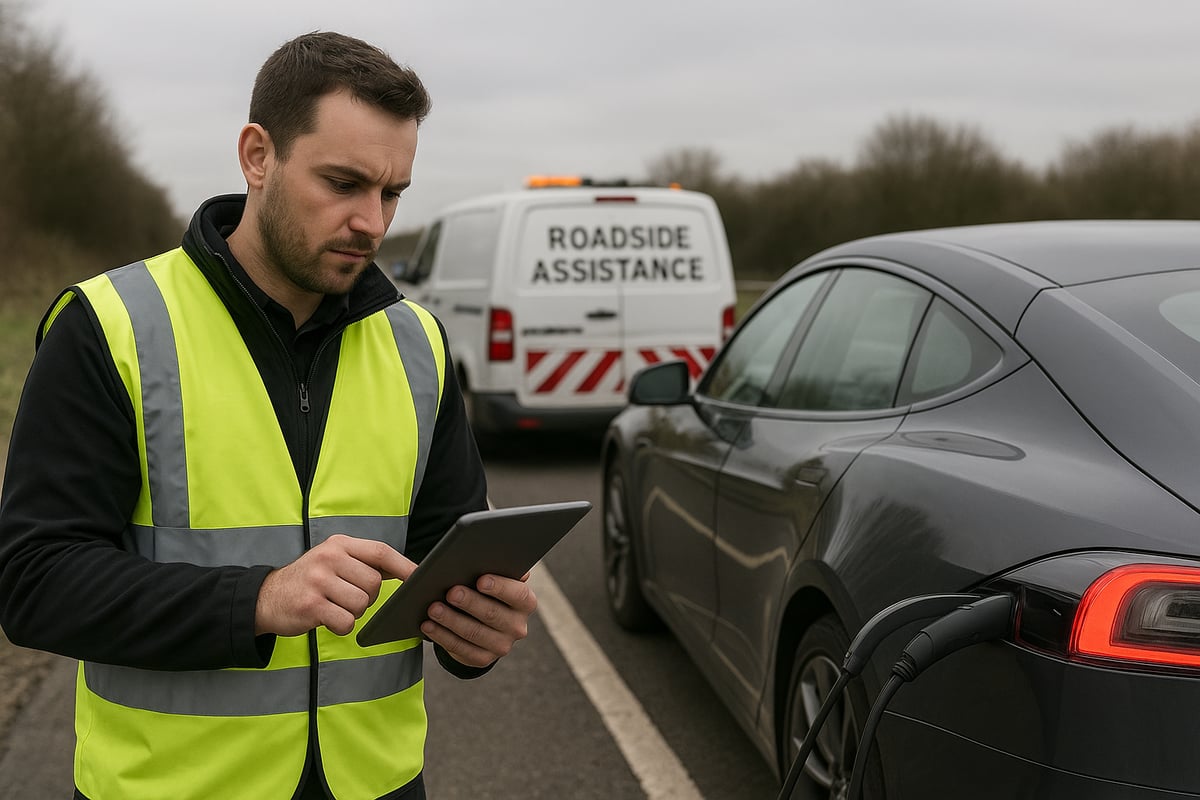
The rise of electric and hybrid vehicles is reshaping roadside services. Providers have invested in specialised equipment to handle these vehicles safely. If you need to get roadside assistance for an EV, technicians can now offer on-site charging or arrange towing to the nearest charging station.
As 25 percent of new UK car sales are expected to be electric by 2026, support for these vehicles is more comprehensive than ever. This shift ensures that all motorists, regardless of engine type, can get roadside assistance tailored to their needs.
AI and Predictive Maintenance
Artificial intelligence is revolutionising how you get roadside assistance. Modern systems use AI and predictive diagnostics to monitor vehicle health and warn drivers of potential issues before a breakdown occurs. Some services offer remote diagnostics and maintenance alerts, helping prevent emergencies.
To understand more about how AI and connected technology are transforming the industry, see this Impact of connected technologies on roadside assistance report. Early intervention not only keeps you safe but also reduces disruption and costs for everyone relying on get roadside assistance.
Enhanced Safety Features
Safety remains a top priority for anyone who needs to get roadside assistance. In 2026, some providers deploy drones to quickly assess incidents in hard-to-reach locations. Wearable tech for technicians, such as smart helmets and communication devices, improves on-site safety and efficiency.
These advancements mean help can find you faster, even in remote or hazardous areas. Enhanced safety features are setting new standards for both drivers and roadside professionals.
Green and Sustainable Initiatives
Environmental concerns are driving innovation in roadside support. Eco-friendly recovery vehicles, including those powered by biofuels, are increasingly common. Many providers now partner with recycling companies to ensure responsible disposal of scrap vehicles and parts.
Swift response to breakdowns minimises traffic congestion and emissions, making it greener to get roadside assistance. These initiatives reflect a growing commitment to sustainability across the industry.
Integration with Smart Mobility Solutions
In 2026, roadside assistance is often bundled with smart mobility platforms, including car-sharing and mobility-as-a-service schemes. If you regularly use shared vehicles, you can still get roadside assistance through app-based integration.
Providers are forming partnerships with urban mobility apps, ensuring support is available whenever and wherever you drive. This integration means peace of mind is never more than a click away, further enhancing the value of modern roadside services.
Step-by-Step: What to Do When You Need Roadside Assistance
Breaking down on the road can be daunting, but knowing exactly how to get roadside assistance makes a significant difference. By following these practical steps, you can ensure your safety, reduce stress, and get back on your journey quickly.
Step 1: Ensure Safety First
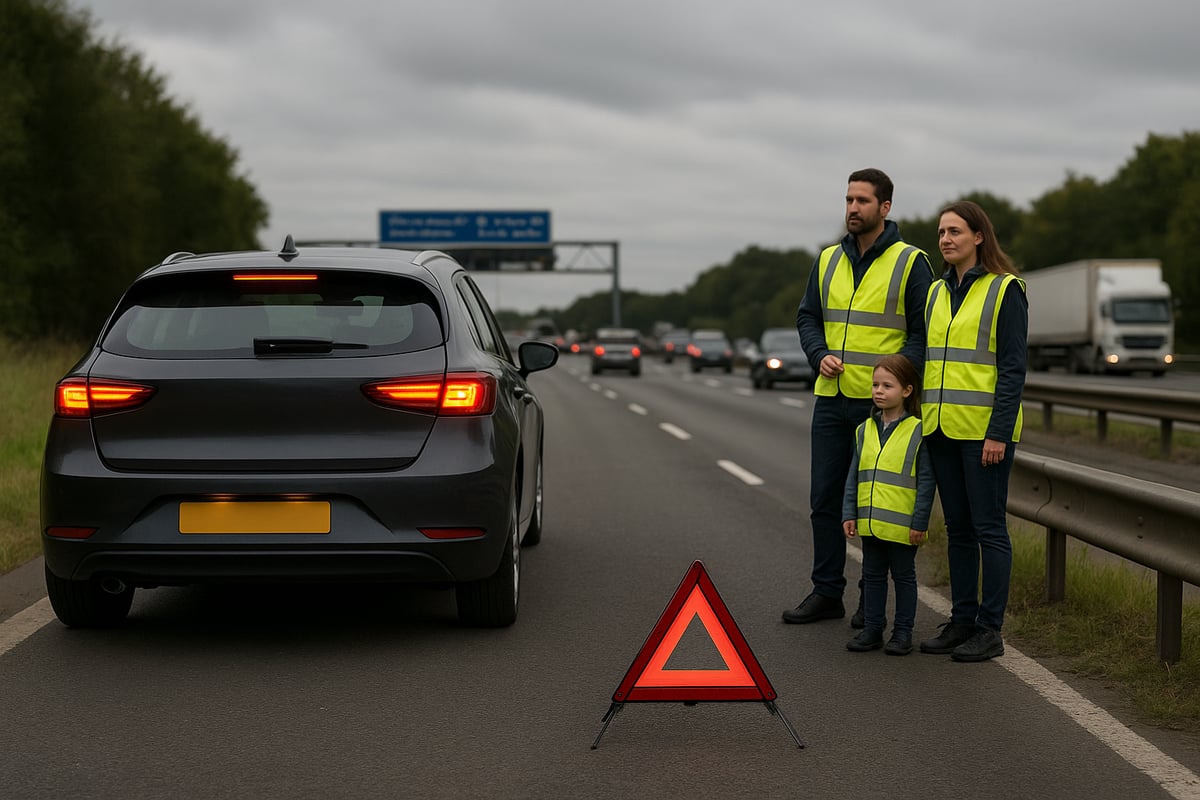
Your immediate priority is safety. Move your vehicle to a safe location if possible, such as the hard shoulder or a lay-by. Always switch on your hazard lights to alert other drivers.
Place a warning triangle at least 45 metres behind your vehicle if it is safe to do so, and wear a high-visibility vest. These actions are crucial, especially since 60% of breakdowns happen on busy roads. Remaining visible and out of harm’s way reduces the risk of further incidents. Remember, before you get roadside assistance, safeguarding yourself and your passengers comes first.
Step 2: Assess the Situation
Once you are secure, take a moment to determine the nature of the problem. Is it a flat tyre, a dead battery, or something more serious? This information will help when you get roadside assistance, as accurate details speed up the process.
Identify your exact location. Use motorway marker posts, road signs, or your smartphone’s GPS. Knowing where you are makes it easier for responders to find you and ensures help arrives without unnecessary delay.
Step 3: Contact Your Roadside Assistance Provider
Gather all relevant information before you get roadside assistance. This includes your membership number (if applicable), vehicle registration, and a clear description of the issue.
Contact your provider using their dedicated phone number, mobile app, or online form. Remain calm and speak clearly, as concise information ensures the right resources are dispatched. For a full overview of what to expect during this stage, consult this Breakdown and recovery guide for expert advice and step-by-step instructions.
Step 4: Wait Safely for Help
After you get roadside assistance underway, wait in a safe position. On a motorway, stay inside your vehicle with your seatbelt fastened unless it is unsafe, in which case, move behind a safety barrier.
Keep valuables out of sight and personal items secure. The average response time in the UK is 60 to 90 minutes. Use this time to stay comfortable, check in with loved ones, and avoid unnecessary stress while waiting for help to arrive.
Step 5: Interact with the Technician
When help arrives, confirm the technician’s identity before allowing them to approach your vehicle. Most reputable services will provide details and arrive in marked vehicles.
Discuss the issue with the technician and follow their instructions closely. In many cases, technicians can fix the problem on the spot, such as performing a jump-start or changing a tyre. Being prepared when you get roadside assistance ensures a smooth and efficient recovery process.
Step 6: Next Steps After Assistance
Once the immediate issue is resolved, decide if you can safely continue your journey or if further repairs are necessary. If your vehicle needs more attention, arrange for towing to a nearby garage.
Consider onward travel options, such as taxis or public transport, if your journey cannot continue. Keep all receipts and documentation, as these may be needed for insurance claims or reimbursement after you get roadside assistance.
Step 7: Post-Incident Checklist
After the event, report the incident to your insurer if required. Schedule follow-up repairs or maintenance to prevent future breakdowns.
Review your roadside assistance plan. Assess whether it met your needs and update it if necessary. By reflecting on your experience, you ensure you are even better prepared the next time you need to get roadside assistance.
Roadside Assistance Costs and Value in 2026
Navigating the costs of roadside assistance in 2026 can feel daunting, especially with so many service options available. Understanding what you pay for and how to maximise value ensures you stay protected without overspending. Here is a clear guide to help you get roadside assistance with confidence.
Understanding the Cost Structure
When you get roadside assistance, the price typically includes several elements. Most providers charge a base callout fee, which covers the cost of dispatching a technician. Additional charges may apply for towing, especially if your vehicle needs to be transported over a long distance.
Further costs might arise for extra services, such as a replacement battery, fuel delivery, or lockout assistance. Some providers have a flat fee structure, while others vary by location or time of day.
Here’s a simple table comparing typical costs:
| Service Type |
Average Cost (2026) |
| Annual Membership |
£50–£120 |
| Single Callout |
£40–£90 |
| Towing (per mile) |
£2–£4 |
| Jump-Start |
£30–£60 |
Getting the right plan when you get roadside assistance means knowing what each cost covers and avoiding surprises.
Factors Affecting Price
Several factors influence how much you pay when you get roadside assistance. Your vehicle type matters, as larger or specialist vehicles can incur higher fees. Location plays a role, with remote or rural breakdowns often carrying surcharges.
The time of day can also impact pricing, with night-time or weekend callouts sometimes costing more. Severity of the incident, such as requiring a tow versus a simple fix, will affect the final bill.
Consider these price influencers:
- Vehicle type (car, van, motorcycle, EV)
- Location (urban vs. rural)
- Time of day (peak vs. off-peak)
- Nature of the breakdown (minor vs. major)
Understanding these variables helps you plan and budget effectively when you get roadside assistance.
Saving Money on Roadside Assistance
There are several strategies to save when you get roadside assistance. Bundling breakdown cover with your car insurance or purchasing it as part of a new vehicle package can lead to significant discounts. Many providers offer family or multi-vehicle plans, reducing the overall cost per car.
Local providers may offer better rates than national firms, especially if you rarely travel long distances. Pay-as-you-go services are ideal for infrequent drivers who prefer to pay only when needed.
Popular ways to save:
- Bundle with insurance or vehicle purchase
- Choose family or multi-car discounts
- Compare local and national providers
For example, selecting a local recovery service can sometimes cut costs by up to 30% compared to major brands.
Assessing True Value
When you get roadside assistance, the true value extends beyond cost. Peace of mind, safety, and convenience are critical benefits, especially during unpredictable situations. According to UK roadside assistance market statistics, demand for these services continues to rise, with 80% of UK drivers considering breakdown cover essential for longer journeys.
Balancing price against the reliability and speed of service is key. Opting for the cheapest option might save money upfront, but could result in longer waits or limited coverage when you need help most.
Ultimately, the best way to get roadside assistance is to weigh your driving habits, budget, and the level of support you expect. Investing in a trusted provider ensures you are never left stranded.
Frequently Asked Questions About Roadside Assistance in 2026
If you need to get roadside assistance in 2026, you likely have several questions about coverage, costs, and new developments. Below, we address the most common queries drivers have about these services.
What’s Included and Excluded in Standard Roadside Assistance?
Most standard roadside assistance packages cover basic issues such as:
- Towing to a nearby garage
- Jump starting a battery
- Changing flat tyres
- Minor roadside repairs
- Emergency fuel delivery
However, parts, major repairs, or onward travel costs may not be included. Always review your policy before you get roadside assistance to know exactly what is covered.
Can I Get Roadside Assistance Without a Membership?
Yes, you can get roadside assistance even if you are not a member of a traditional provider. Many companies now offer pay-as-you-go and on-demand options, which are ideal for those who drive infrequently or want flexibility.
To quickly find help, you can use a dedicated roadside assistance contact number, ensuring you get roadside assistance when you need it most.
Does Roadside Assistance Cover Electric Vehicles?
Roadside assistance has evolved to support electric vehicles (EVs) and hybrids. Providers now offer:
- Emergency charging or towing to the nearest charging point
- Specialist recovery for electric drivetrains
- Support for battery-related issues
Be sure to check if your chosen provider can get roadside assistance to you and your EV, as not all have the right equipment.
How Fast Can I Expect Help to Arrive?
Average response times in the UK are 60 to 90 minutes, depending on your location and the time of day. Some providers prioritise motorway breakdowns or vulnerable customers, aiming for even faster arrival.
To get roadside assistance quickly, have your exact location and vehicle details ready when you call.
Are There Any Hidden Fees?
Transparent pricing is essential when you get roadside assistance. While most providers quote upfront, some may charge extra for:
- Towing beyond a set distance
- Night or weekend callouts
- Specialist equipment use
Always ask for a clear breakdown of costs before agreeing to service.
Is Roadside Assistance Worth It for New Cars?
Many new cars are reliable, but unexpected breakdowns still happen. Some manufacturers include limited roadside cover, but it may not cover every scenario.
For peace of mind, consider whether you want to get roadside assistance beyond the standard warranty, especially if you travel long distances.
What Should I Do If I Break Down Abroad?
If you travel in Europe or beyond, check if your provider offers international cover. Some policies include European assistance, while others require an add-on.
Before you drive abroad, confirm you can get roadside assistance in your destination country and know the local emergency numbers.
How Does Roadside Assistance Work with Insurance?
Roadside assistance can be bundled with your car insurance or purchased separately. If you make a claim, keep all receipts and policy details.
Getting roadside assistance through your insurer may streamline the claims process and sometimes saves you money compared to standalone plans.

