Picture your lorry stranded on a busy motorway, traffic building up and your schedule slipping by the minute. Every moment counts, as both profit and reputation are on the line.
This essential guide to hgv recovery is designed for fleet managers, drivers, and logistics professionals who want to stay ahead of the curve. We break down what hgv recovery means, the services you can rely on, and the step-by-step process you should expect.
You will also discover the latest regulations, how to manage costs and insurance, and how to select the right provider for your operation. With expert insights and up-to-date advice, you will be ready to keep your business moving, no matter what the road throws at you.
Understanding HGV Recovery: Scope, Importance & Industry Trends
Navigating the world of hgv recovery requires a clear understanding of what the service involves, why it matters, and how the industry is changing. This section breaks down the essentials, from definitions to the latest trends shaping recovery operations across the UK.
What is HGV Recovery?
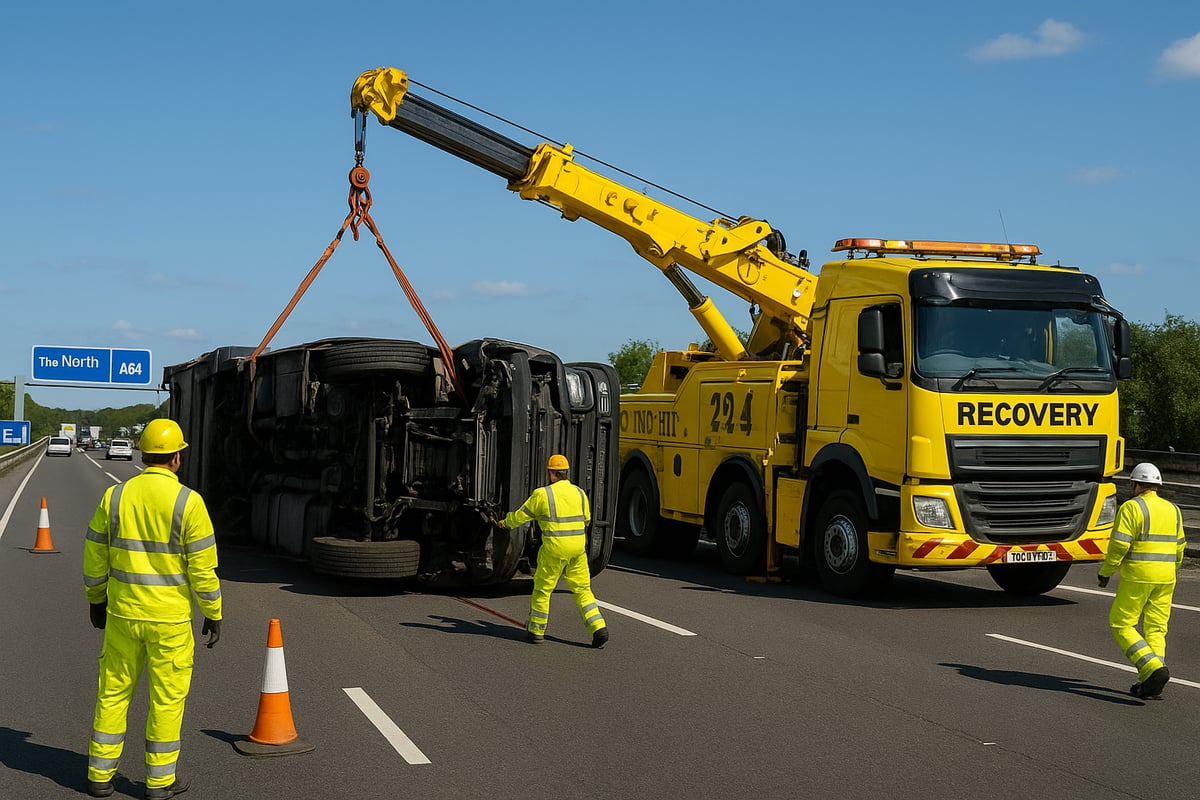
HGV recovery refers to the professional removal, repair, or roadside assistance provided to heavy goods vehicles (HGVs) and similar large commercial vehicles following a breakdown or accident. This includes lorries, LGVs, buses, and coaches. The process requires specialised equipment and trained staff to handle complex, large-scale incidents safely.
Examples of equipment used in hgv recovery are air cushion recovery systems, rotator vehicles, and mobile cranes for lifting or righting overturned vehicles. Industry standards such as PAS 43 accreditation ensure that providers operate safely and effectively. For a detailed overview of what these services cover, you can visit the Vehicle recovery services overview.
Why HGV Recovery Matters in 2026
The importance of hgv recovery is only increasing as logistics networks become more demanding. Every breakdown puts revenue, schedules, and road safety at risk. With more freight moving across the UK and stricter delivery timetables, the cost of delays is high.
Major logistics firms report average delays of over three hours per incident without fast hgv recovery. This not only disrupts supply chains but also increases congestion and accident risk. Regulatory bodies are pushing for even quicker clearance of disabled vehicles to keep roads safe and traffic flowing.
Types of HGV Recovery Services
The range of hgv recovery services available in 2026 is extensive. Providers typically offer:
- Roadside repairs for minor faults, tyre changes, and battery jump starts.
- Heavy winching for vehicles stuck off-road or in ditches.
- Full towing and accident recovery for severe incidents.
- Local and long-distance transport options.
- 24/7 emergency response as a standard feature.
This variety ensures that any hgv recovery situation can be handled efficiently, minimising disruption and getting vehicles back on the road quickly.
Recent Developments & Technology in HGV Recovery
Technology is transforming hgv recovery, making operations faster and safer. Telematics and GPS enable rapid dispatch of recovery teams to precise locations. Advanced lifting systems and enhanced safety protocols are now standard.
Many leading providers use data-driven approaches, achieving average arrival times of just 40 minutes. Remote diagnostics allow technicians to assess issues before arriving on scene, improving first-time fix rates and reducing unnecessary delays in hgv recovery operations.
Key Players & Service Coverage
The hgv recovery landscape in the UK features several major providers, each with their own strengths and service areas. Here is a summary:
| Provider Name |
Coverage Area |
Average Response Time |
Service Guarantee |
| RAC Truck Rescue |
National |
~40 minutes |
24/7 rapid response |
| CMG |
Regional/National |
45–60 minutes |
PAS 43 accredited |
| Euroroute Recovery |
Regional |
1 hour |
Specialist heavy recovery |
| Nationwide Transport Breakdown Services |
National |
40–50 minutes |
Multi-vehicle support |
Choosing a provider with the right coverage and proven response is crucial for effective hgv recovery, especially in remote or high-traffic areas.
The HGV Recovery Process: Step-by-Step Breakdown
When an HGV experiences a breakdown or accident, every second counts. Understanding the hgv recovery process helps ensure safety, limit costs, and keep your fleet on the move. Here, we break down the essential steps, so you know what to expect if the unexpected happens.
Step 1: Incident Occurrence & Initial Assessment
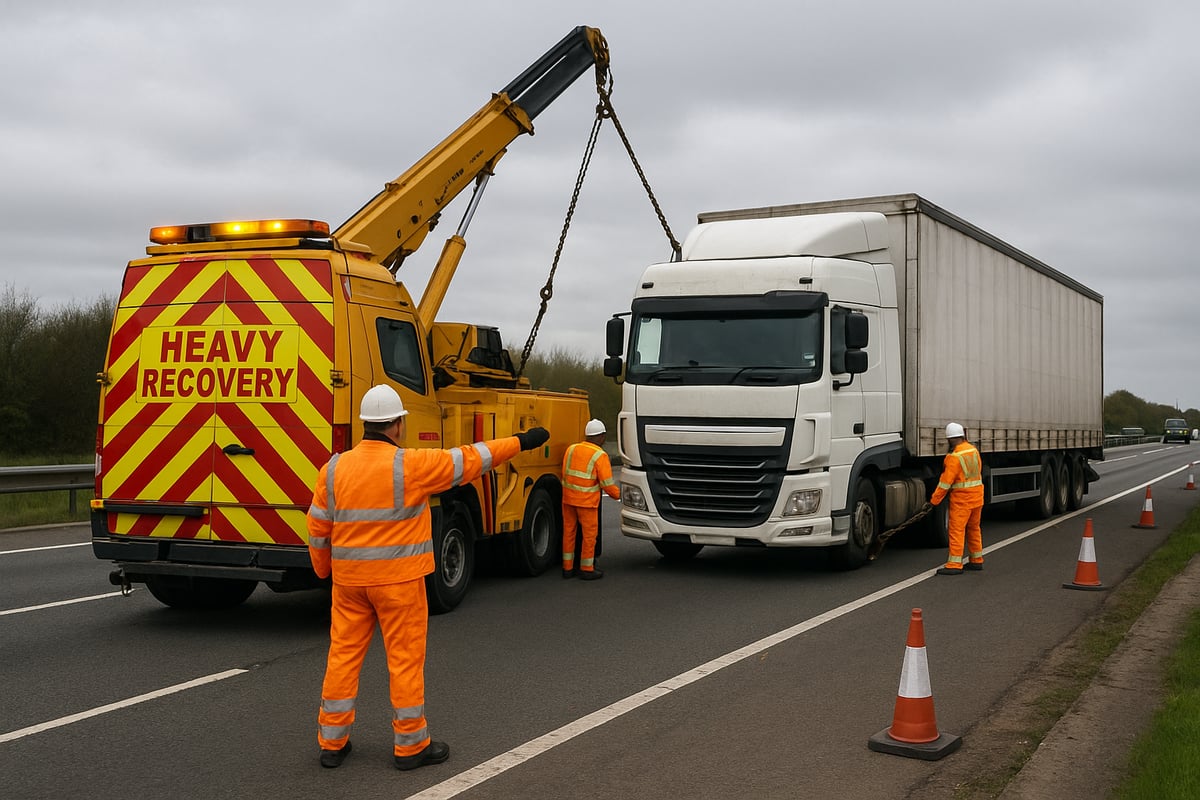
The hgv recovery journey begins when a vehicle suffers mechanical failure, an accident, a tyre blowout, or battery issues. Drivers must act swiftly to ensure their own safety and that of others. If possible, move the HGV to a safe location like the hard shoulder.
Alerting emergency services may be necessary, especially in severe incidents. Accurate location reporting is essential for a rapid response, as it allows recovery teams to find the stranded HGV quickly and efficiently. This first step sets the stage for a successful hgv recovery outcome.
Step 2: Contacting the Recovery Provider
Once immediate safety is secured, the next move in hgv recovery is reaching out to a recovery provider. Most offer 24/7 helplines and digital reporting tools for speed and convenience.
Be prepared to provide essential details, including the type of vehicle, precise location, a description of the incident, and the number of people involved. Leading providers now target response times of under an hour, with some averaging just 40 minutes, making prompt and accurate communication vital for effective hgv recovery.
Step 3: On-Site Evaluation & Roadside Repair Attempt
When the recovery team arrives, a trained technician will carry out a thorough assessment of the HGV. Using advanced diagnostics, they determine whether repairs can be completed on site.
Common roadside solutions in hgv recovery include battery jump-starts, tyre changes, or minor mechanical fixes. Statistics show that up to 60 percent of breakdowns can be resolved at the roadside by experienced providers, helping fleets avoid costly towing and long delays.
Step 4: Recovery & Towing Operations
If roadside repair is not possible, the hgv recovery process shifts to safe removal and transport. The team prepares the vehicle for towing, using specialised equipment like heavy-duty recovery vehicles, rotators, cranes, and winches.
Strict protocols are followed, especially if the HGV is accident-damaged or overturned. Safety for both staff and the public remains a top priority throughout the recovery operation, ensuring compliance and minimising risk during complex hgv recovery tasks.
Step 5: Transportation & Post-Recovery Support
After the HGV is secured, it is transported to a workshop, depot, or other suitable destination. Drivers and any passengers may need onward travel arrangements, which professional hgv recovery providers can help coordinate.
Where incidents involve police or legal procedures, such as impounds, understanding the police pound recovery process is crucial to reclaiming vehicles and completing post-incident tasks. Effective communication with insurers and authorities ensures a smooth resolution and return to service.
Step 6: Documentation & Compliance
The final stage in hgv recovery involves thorough documentation. This includes detailed recovery logs, damage reports, and compliance with standards like PAS 43.
All data is collected for insurance claims, legal requirements, and future fleet management reviews. Proper documentation helps streamline claims and supports continuous improvement in hgv recovery operations, reducing risk and ensuring regulatory compliance.
Regulations, Compliance & Safety in HGV Recovery
Navigating the regulations and safety standards in hgv recovery is vital for every fleet operator and service provider. The UK’s regulatory landscape ensures not only the safety of recovery professionals but also the efficiency and legality of every operation. Let’s break down the key areas you need to understand for 2026.
UK Legal Framework & Standards
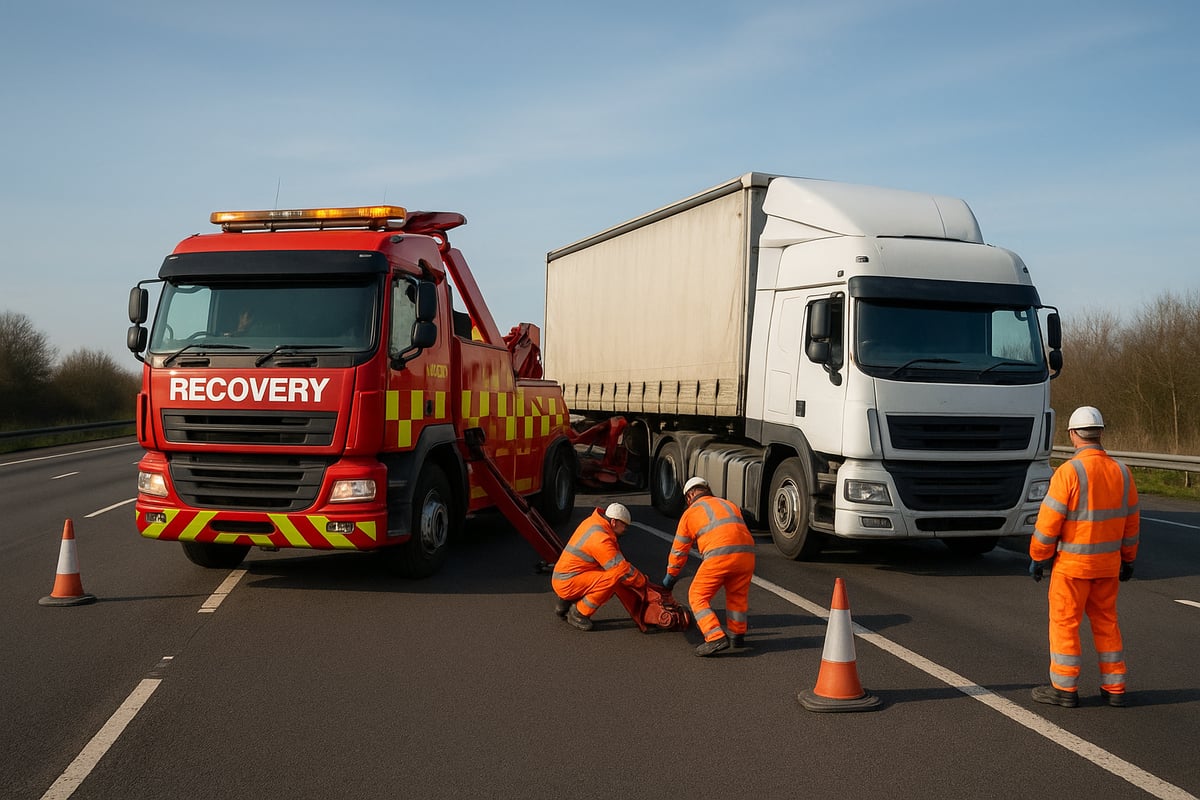
The foundation of hgv recovery in the UK is built on robust legal standards. PAS 43 sets out the benchmark for safe working practices and is widely recognised across the industry. Providers must ensure their staff are police-vetted and appropriately qualified, following guidelines set by the Health & Safety Executive for roadside operations.
PAS 43 accreditation is a mark of quality, ensuring that every hgv recovery adheres to best practice. For more details on the standard, see the PAS 43:2018 Standard Overview. Compliance is not optional; it’s a legal and operational necessity for anyone involved in hgv recovery.
Recovery Vehicle & Operator Requirements
Every hgv recovery operator must meet strict licensing requirements. Drivers typically need a Class 1 (C+E) licence, HIAB certification for crane use, and a valid CPC. Regular equipment safety checks are mandatory, with accredited companies required to audit both their fleet and staff credentials to maintain compliance.
Operators must demonstrate technical proficiency and a deep understanding of hgv recovery protocols. This ensures each recovery is executed safely and efficiently, minimising risk to personnel and the public.
Roadside Safety Protocols
Safety is paramount during hgv recovery operations on busy UK roads. Recovery staff are required to wear high-visibility PPE, set up proper traffic management, and use hazard lights to alert other drivers. Vehicles must be positioned to shield operators and prevent secondary incidents.
Recent data highlights that hgv recovery is among the highest-risk roadside activities. Adhering to safety protocols significantly reduces the likelihood of injuries and ensures a secure environment for all involved.
Environmental & Road Impact Considerations
Modern hgv recovery practices place a strong emphasis on environmental responsibility. This includes spill containment measures for accidents involving hazardous materials and prompt cleanup to protect the local ecosystem. Using eco-friendly equipment and minimising engine idling are now standard.
Recovery teams work to clear disabled vehicles quickly, reducing traffic disruption and the risk of secondary accidents. These efforts not only comply with regulations but also support broader sustainability goals within the transport sector.
Penalties & Consequences for Non-Compliance
Failure to comply with hgv recovery regulations can result in severe penalties. Companies may face hefty fines, loss of accreditation, and even legal action if unsafe practices are identified. There have been cases where providers were penalised for employing unqualified staff or neglecting safety checks.
Choosing a provider with proper accreditation is crucial to avoid these risks. Non-compliance damages reputation, increases operational costs, and endangers both recovery staff and the public.
Costs, Insurance & Financial Considerations for HGV Recovery
Managing hgv recovery costs is crucial for any logistics operator or fleet manager in 2026. From upfront charges to insurance policies and claims, understanding the financial side of hgv recovery helps you avoid unexpected expenses and keeps your operations running smoothly.
HGV Recovery Cost Structure
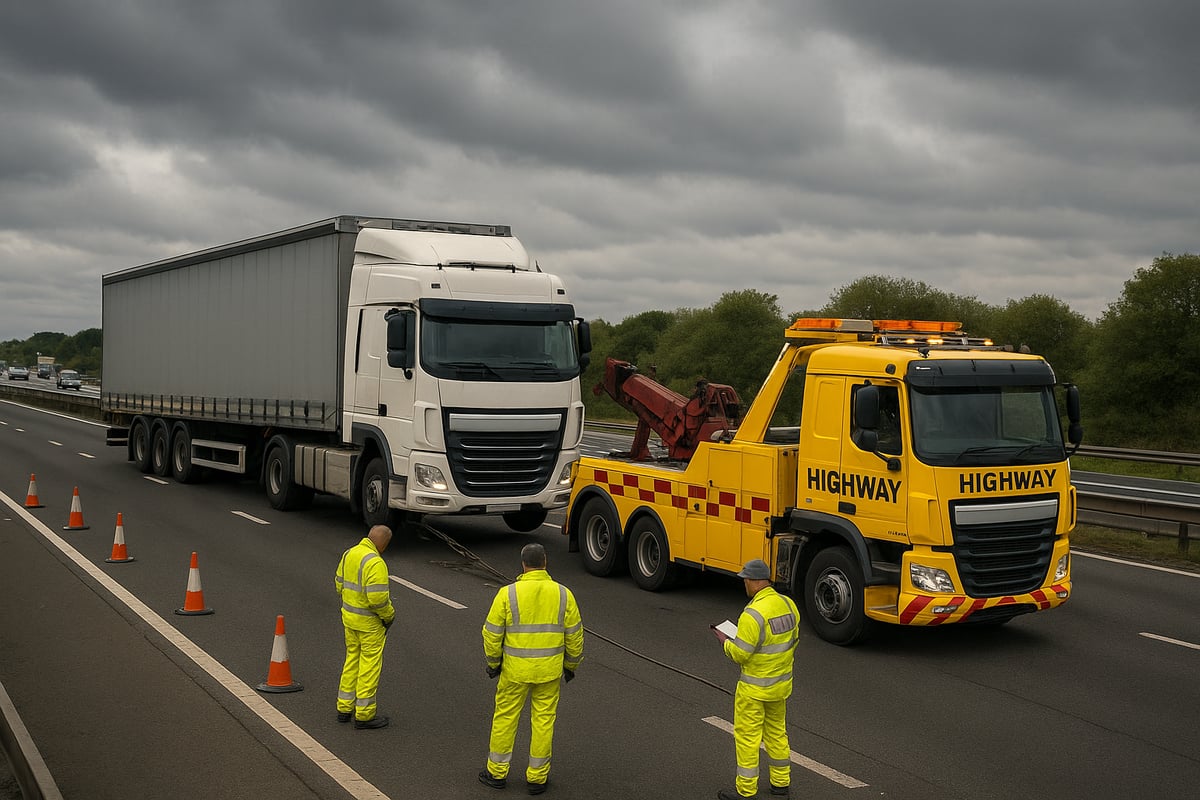
The cost of hgv recovery can vary widely based on several factors, including distance, time, severity, and the type of equipment required. Typically, you will encounter a call-out fee, additional charges per mile, and surcharges for specialist equipment like cranes or rotators.
Here is a table summarising typical charges you might face in 2026:
| Service Type |
Typical Cost Range |
| Standard Call-Out |
£250–£400 |
| Mileage Fee (per mile) |
£3–£8 |
| Specialist Equipment |
£100–£500+ |
| Accident Recovery |
£700–£1,200+ |
For a detailed breakdown of current recovery pricing structures, refer to the Recovery service pricing breakdown.
Breakdown & Recovery Insurance Options
To manage unpredictable hgv recovery expenses, many firms opt for insurance. There are two main types: pay-as-you-go cover, where you pay for each incident, and annual policies that spread costs over the year. Annual cover is popular with fleet operators, offering peace of mind and budget certainty.
Policies can include roadside repair, towing, battery replacement, and even key loss. Choosing the right insurance can make a significant difference to your overall hgv recovery costs, especially for larger fleets.
What’s Covered & What’s Not
Not every hgv recovery expense will be covered by your insurance policy. Common exclusions include incidents resulting from driver error, unauthorised vehicle modifications, or overloading. Most policies also impose limits on recovery distance or the number of callouts per year.
Always read the policy small print and clarify what is included. This ensures you are not caught out by unexpected bills when you need hgv recovery the most.
How to Reduce HGV Recovery Costs
Proactive steps can significantly lower your hgv recovery expenditure. Consider these strategies:
- Schedule regular preventative maintenance for all vehicles.
- Provide ongoing driver training to minimise breakdown risk.
- Negotiate group rates or multi-vehicle discounts on fleet insurance.
- Monitor vehicle health using telematics to spot issues early.
By investing in prevention and negotiating better terms, you can keep hgv recovery costs under control and avoid unnecessary downtime.
Making a Claim: Documentation & Process
When claiming for hgv recovery, accurate and thorough documentation is essential. Insurers typically require an incident report, recovery logs, and photographic evidence of the breakdown or accident.
Most claims are processed within a few weeks, provided all information is supplied promptly. Avoid common pitfalls such as incomplete paperwork or late submissions, as these can lead to delays or rejected claims. Diligent record-keeping ensures your hgv recovery expenses are reimbursed quickly and efficiently.
Choosing the Right HGV Recovery Provider in 2026
Selecting the right hgv recovery provider is crucial for maintaining operational continuity, minimising downtime, and safeguarding both vehicles and drivers. The right decision can save thousands annually and ensure compliance with industry standards. As the logistics sector continues to evolve in 2026, knowing what to look for in a provider is more important than ever.
Key Criteria for Selecting a Provider
When evaluating hgv recovery providers, prioritise accreditation, experience, and proven response times. Look for companies holding PAS 43 certification, which indicates compliance with strict safety and operational standards. Assess their service range, ensuring they can handle everything from roadside repairs to complex accident recoveries.
Consider whether the provider offers comprehensive solutions, including van recovery solutions in London, especially if your fleet includes various vehicle types. A reputable provider should also deliver clear communication, transparent pricing, and dedicated customer support.
Comparing Local vs. National Recovery Services
Choosing between local and national hgv recovery services depends on your fleet’s operating area. Local providers often offer faster response times within a specific region, leveraging intimate knowledge of local routes. However, national providers can deliver broader coverage, making them ideal for fleets operating across the UK.
Evaluate your operational needs in light of projected sector growth, as outlined in the UK Logistics Outlook 2026 by CBRE. Consider the trade-off between speed in rural areas and guaranteed nationwide support. Ultimately, the best choice aligns with your logistics footprint and delivery schedules.
Evaluating Technology & Fleet Capabilities
Modern hgv recovery relies on advanced technology for efficiency and safety. Providers using GPS, telematics, and digital dispatch systems can pinpoint stranded vehicles faster, reducing downtime. A modern fleet, equipped with rotators and mobile cranes, ensures capability for both minor and major incidents.
Ask potential providers about their investment in technology and staff training. Those with the latest equipment and remote diagnostics typically resolve breakdowns more quickly, supporting your fleet’s reliability. This technological edge is increasingly important as the logistics sector embraces data-driven decision-making.
Customer Reviews & Reputation
Before committing to an hgv recovery provider, research their reputation. Independent ratings and testimonials reveal real-world performance, highlighting strengths and exposing weaknesses. Look for consistent praise regarding response times, professionalism, and successful recoveries.
Red flags include repeated complaints about delays, poor communication, or damage during recovery. Take time to verify provider claims by consulting trade associations or online review platforms. A strong reputation is often the best indicator of future service quality and reliability.
Questions to Ask Before Signing Up
To ensure you choose the right hgv recovery partner, prepare a list of essential questions. Ask about average response times in your key locations, details of service level agreements, and any hidden fees or exclusions. Clarify emergency protocols, escalation procedures, and the scope of coverage for different incident types.
Sample questions include: “What is your typical response time for motorway incidents?” and “How do you handle complex recoveries outside standard business hours?” The answers will help you make a confident, informed choice and secure peace of mind for your operations.
Training, Careers & Future Outlook in HGV Recovery
The landscape of hgv recovery is rapidly evolving, demanding skilled professionals ready to adapt. Whether you are considering a career or planning workforce development, understanding the essential qualifications, job market dynamics, and future trends is vital for success in 2026.
Required Qualifications & Training Pathways
A career in hgv recovery starts with the right qualifications. Drivers must hold a Class 1 (C+E) licence, a valid Driver CPC, and often HIAB certification for operating cranes or specialist lifting equipment. Many employers also require completion of accredited courses in recovery operations and roadside safety.
Specialist training is essential for handling complex recoveries, such as air cushion or rotator operations. Entry-level recovery technicians may begin as assistants, learning on the job before progressing to full recovery roles. With experience and further training, hgv recovery professionals can expect competitive salaries, often ranging from £30,000 to £50,000 annually.
Ongoing Professional Development
Continuous professional development is crucial in hgv recovery. Refresher courses ensure technicians remain up to date with the latest equipment, safety procedures, and legal requirements. Accredited operators must complete regular CPD modules, covering topics such as new vehicle technologies and advanced recovery methods.
Providers often invest in digital skills training, as modern hgv recovery increasingly relies on telematics and remote diagnostics. Keeping pace with industry changes helps maintain compliance and safety standards, while also improving operational efficiency.
Career Opportunities & Job Market Trends
The demand for skilled hgv recovery specialists continues to grow alongside the UK logistics and transport sectors. As fleet sizes and freight volumes increase, so does the need for rapid, expert roadside assistance. However, the industry faces a well-documented shortage of qualified drivers and recovery operators.
According to the Logistics UK’s Compliance Report 2025, workforce shortages are putting additional pressure on recruitment and training. This trend creates strong job prospects for those entering the field, with opportunities for advancement into supervisory, training, or technical roles.
Challenges & Rewards of HGV Recovery Careers
Working in hgv recovery can be physically demanding and often involves irregular hours or night shifts. Technicians frequently operate in high-risk environments, such as busy roadsides or adverse weather conditions. Rigorous safety protocols and high-visibility PPE are essential to minimise hazards.
Despite the challenges, many professionals find the work highly rewarding. They play a crucial role in keeping the UK’s roads moving and supporting stranded drivers. Access to support networks and mental health resources is increasingly common, reflecting a growing focus on staff wellbeing in the sector.
The Future of HGV Recovery: Innovation & Automation
Innovation is reshaping the hgv recovery industry. Remote diagnostics, autonomous recovery vehicles, and AI-driven dispatch systems are emerging trends that promise to revolutionise response times and safety. Providers are also adopting more sustainable practices, such as eco-friendly recovery vehicles and energy-efficient equipment.
Regulatory and economic pressures, as highlighted in the RHA’s ‘Driving Growth’ Report, are driving investment in technology and workforce development. As automation and digitalisation advance, the next generation of hgv recovery professionals will require both technical expertise and adaptability.

