Imagine your car suddenly stops on a busy road, leaving you anxious and searching for help. In such moments, finding a reliable nearby towing service becomes essential for your peace of mind and safety.
This expert guide is designed to help you confidently handle the process of locating and using a nearby towing service in 2026. You will discover the latest tips for identifying trustworthy providers, comparing costs, understanding coverage, and knowing what to expect during a tow.
From evaluating service types to staying safe during breakdowns, you will gain the knowledge needed to make informed decisions every step of the way.
Understanding Towing Services in 2026
When you find yourself searching for a nearby towing service, understanding the landscape of towing solutions in 2026 makes all the difference. The industry now offers tailored approaches, advanced technology, and updated legal standards, ensuring faster and safer roadside support for every motorist.
Types of Towing Services Available
Towing options have grown to fit the evolving needs of drivers and vehicles. The main types include:
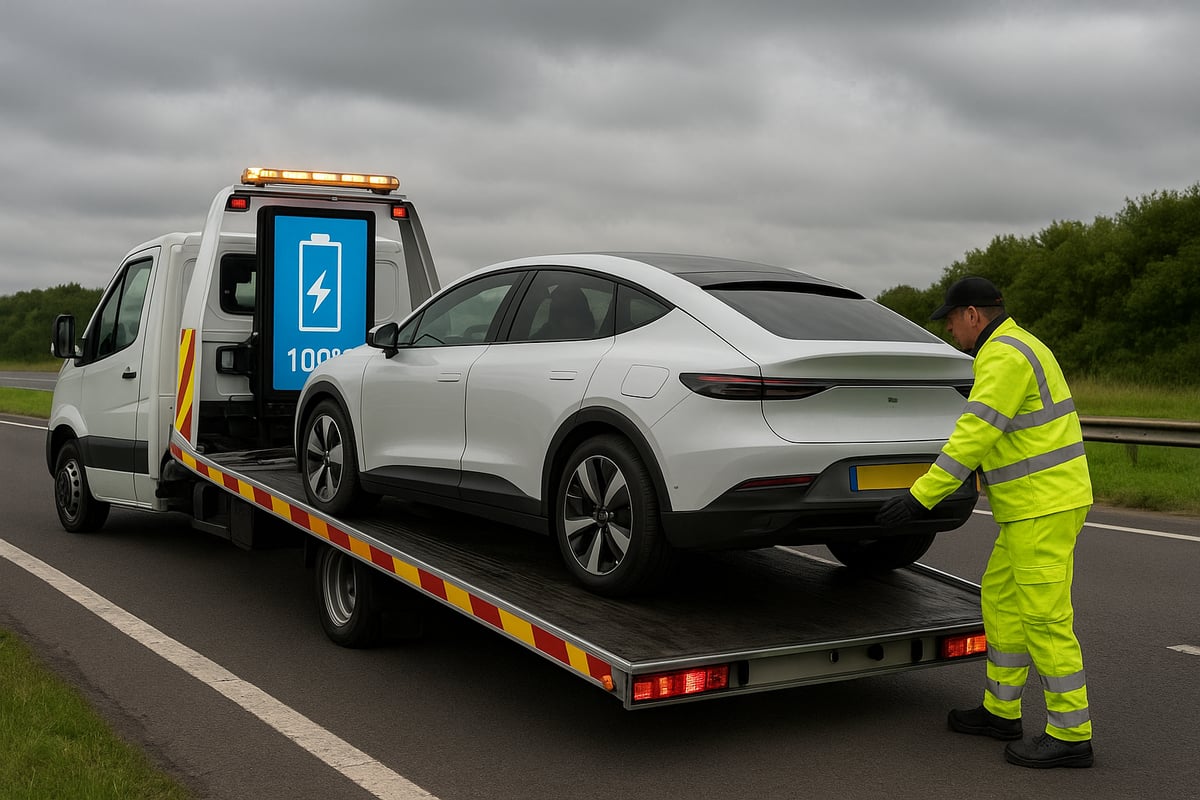
- Flatbed towing: Ideal for luxury vehicles, electric cars, or those severely damaged, as all wheels are off the road.
- Wheel-lift towing: Suitable for short distances and tight urban areas, this method lifts two wheels off the ground.
- Integrated towing: Used for heavy-duty vehicles, combining strength and stability for buses or lorries.
- Motorcycle towing: Specialised rigs cater specifically to motorbikes.
Choosing the right type of nearby towing service depends on your vehicle and location. For example, flatbeds are common in rural recoveries, while wheel-lift trucks are often seen in city centres, where space is tight.
Common Reasons for Towing
A nearby towing service is most often called for when motorists face:
- Mechanical breakdowns (accounting for 60% of tows in 2025, RAC)
- Accident recovery after collisions
- Removal due to illegal parking or impoundment
- Assistance with flat tyres, dead batteries, or engine failures
Understanding the main triggers helps you anticipate what a towing provider will need to know to help you quickly. Often, the reason for your call will determine the urgency and type of response you receive from a nearby towing service.
Technological Advancements in Towing
Modern towing is powered by advanced technology, making the entire process more efficient. Key innovations include:
- GPS tracking for real-time location updates
- Digital dispatch systems that match your request with the closest available unit
- Instant ETA notifications via mobile apps or SMS
These advancements mean response times are faster, and you can follow your assistance on your device. When using a nearby towing service, expect digital convenience from booking to arrival. For a closer look at digital solutions, explore Nearby tow truck service options.
Regulatory Changes and Standards
Recent updates to UK towing regulations have raised industry standards. Since 2025, providers must:
- Hold enhanced licenses and comprehensive insurance
- Comply with strict technician training requirements
- Adhere to consumer rights regarding pricing and service transparency
These changes protect drivers using a nearby towing service, ensuring only qualified professionals handle your vehicle. Always verify a provider’s credentials before booking.
Emergency vs Planned Towing
Not all situations require the same approach. Emergency towing is for breakdowns or accidents, demanding rapid response and often higher costs. In contrast, planned towing is scheduled in advance, such as transporting a classic car to a show or moving a non-runner to a garage.
With a nearby towing service, emergency requests are prioritised for speed, while planned jobs allow for more flexible scheduling and often reduced rates. Knowing which service you need can save you both time and money.
Environmental Considerations
Environmental awareness is transforming how towing companies operate. The rise in electric vehicle ownership has led to:
- Specialised EV towing equipment and training
- An increase of 25% in EV-specific towing requests (AA)
- Eco-friendly practices, including hybrid or electric recovery vehicles
Choosing a green-conscious nearby towing service helps reduce your carbon footprint while ensuring your car is handled safely. Many fleets now advertise their commitment to sustainability, so ask about these options when you book.
How to Find a Reliable Nearby Towing Service
Finding a trustworthy nearby towing service in 2026 can feel daunting, especially in an urgent situation. With technology advancing and more providers available, knowing where to start is crucial. This section will guide you step-by-step, ensuring you make informed choices and receive prompt, professional assistance when you need it most.
Using Digital Tools and Apps
In 2026, digital solutions have transformed the way motorists connect with a nearby towing service. Leading apps now allow you to locate, book, and track recovery vehicles in real time. Features such as live location tracking, instant booking, and verified user reviews have made the process faster and more transparent.
Consider the difference between app-based and traditional phone call services:
| Feature |
App-Based Service |
Phone Call Service |
| Live Tracking |
Yes |
No |
| User Reviews |
Yes |
Limited |
| Instant Booking |
Yes |
No |
| ETA Notifications |
Yes |
Sometimes |
Choosing an app helps you quickly find a nearby towing service without waiting on hold or searching for contact numbers.
Evaluating Local Providers
Choosing the right provider for your nearby towing service requires careful evaluation. Always check the company’s credentials, certifications, and insurance status. Providers with strong local reputations and fast response times are often more reliable.
A recent survey found that 73% of users trust providers with verified online reviews. Comparing several options, such as those in the Best UK roadside recovery guide, can help you identify reputable companies in your area.
Assess whether the provider regularly services your vehicle type and operates in your location. Prioritise those with clear safety records and modern equipment.
Key Questions to Ask Before Booking
Before confirming a booking with any nearby towing service, prepare a list of essential questions. Ask about their availability, estimated response time, and whether they can handle your specific vehicle type.
Sample dialogue:
"Hello, I need a tow for my car. Are you available nearby? How soon can you arrive, and what is the total cost? Is your equipment suitable for my vehicle model?"
Clarifying these points ensures you avoid delays and misunderstandings, especially when time is of the essence.
Importance of Transparent Pricing
Transparent pricing is vital when choosing a nearby towing service. Always ask for a breakdown of call-out fees, mileage rates, and any potential surcharges. Understanding the cost structure helps you avoid hidden charges or unexpected fees.
For example, towing costs in London are often higher than in rural areas due to congestion and increased demand. Request a written quote before agreeing to service, and compare against average local rates to ensure fairness.
Reading Reviews and Testimonials
Online reviews are invaluable when selecting a nearby towing service. Genuine feedback from previous customers reveals much about reliability, professionalism, and overall experience.
Look for consistent positive comments about punctuality and care taken with vehicles. Be wary of repeated complaints about delays or hidden costs, as these are red flags. Use testimonials to gauge whether a provider lives up to its promises.
Motors Recovery stands out as a top choice for anyone needing a nearby towing service in Greater London and the Home Counties. Their modern fleet and experienced team ensure rapid response, often arriving within 35 to 60 minutes. Unlike many competitors, they do not require costly memberships and offer transparent, pay-as-you-go pricing.
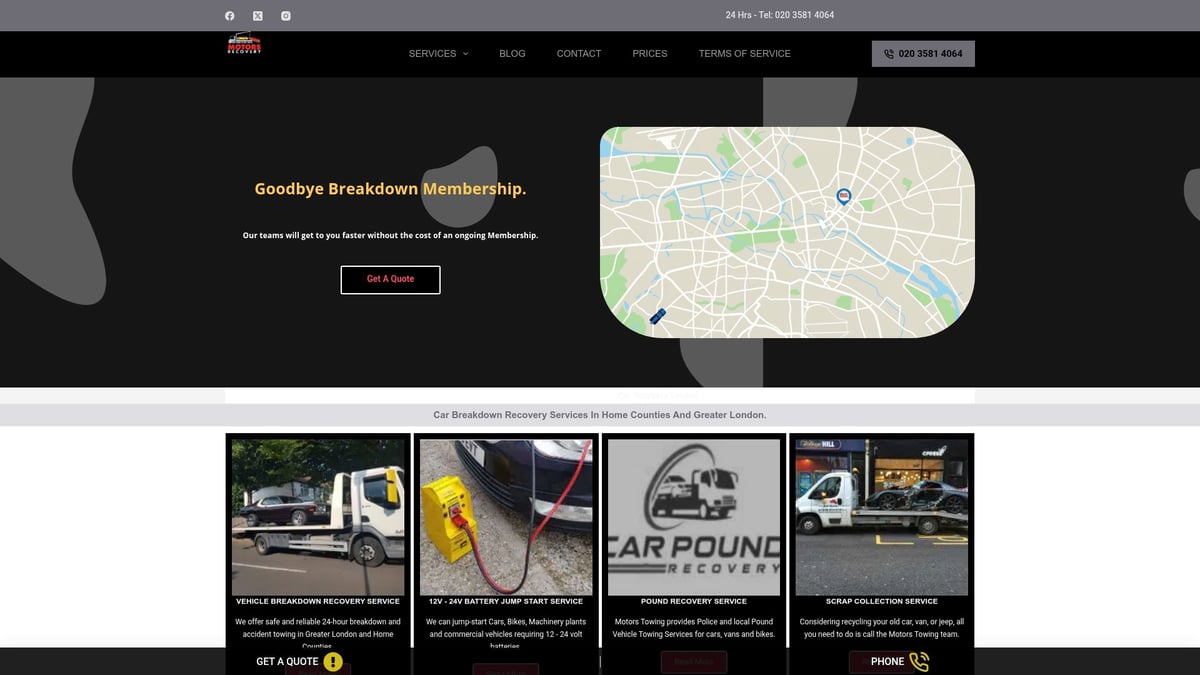
Services include breakdown recovery, accident towing, battery jump-starts, and police pound recovery for cars, vans, motorcycles, and commercial vehicles. With a reputation for excellent customer satisfaction and local expertise, Motors Recovery delivers dependable support whenever you need it most.
Step-by-Step Guide: What To Do When You Need Towing
Breaking down on the road can be daunting, but following a structured approach helps you stay calm and get back on track. This guide outlines each crucial step to take when you need a nearby towing service, ensuring your safety, protecting your vehicle, and making the process as smooth as possible.

Step 1: Ensure Personal Safety First
As soon as you realise you need a nearby towing service, prioritise your own safety and that of your passengers. Move your vehicle off the road if it is safe and possible. Activate your hazard lights immediately to alert other drivers to your presence.
If you are on a motorway or a busy dual carriageway, exit the vehicle from the passenger side and stand well away from moving traffic, ideally behind a barrier. Place your warning triangle at least 45 metres behind your car, unless you are on a motorway, where it should not be used. Wearing a high-visibility vest improves your safety while waiting for help.
Step 2: Assess the Situation
Before contacting a nearby towing service, take a moment to evaluate the situation. Identify the likely cause of the breakdown or incident, such as a flat tyre, engine failure, or accident damage.
Note your exact vehicle location, including the nearest junction, road name, or identifiable landmark. Observe the condition of your vehicle and any potential hazards, like leaking fluids or smoke. This information is essential for the towing team to prepare the right equipment and respond efficiently.
Step 3: Contact a Reputable Towing Service
When you are ready, reach out to a reputable nearby towing service. Provide clear information about your location, vehicle make and model, nature of the problem, and any safety concerns.
Using a digital app or an online locator can speed up the process, but phoning directly is still common. If you are unsure how to proceed, consult a Calling a tow truck guide for step-by-step instructions. Always verify the provider’s credentials before committing. This ensures you get prompt, professional help.
Step 4: Confirm Details and Pricing
After selecting your nearby towing service, confirm key details before finalising your request. Ask for an estimated time of arrival, the scope of services covered, and the total cost, including any potential surcharges.
Clarify accepted payment methods so you are not caught out. Request a written or digital confirmation of your booking if possible. Knowing exactly what to expect reduces stress and helps you avoid misunderstandings or disputes over pricing later.
Step 5: Prepare for Towing Arrival
While you wait for your nearby towing service, collect all personal belongings, important documents, and valuables from your vehicle. This includes your driving licence, insurance details, and any items you may need during the wait.
Remain visible and accessible to the recovery team. Stand in a safe location, keeping your phone nearby so you can respond promptly when the service arrives. Make sure you do not leave pets or vulnerable passengers unattended in the vehicle.
Step 6: Supervise the Towing Process
When your nearby towing service arrives, observe the loading and securing of your vehicle. Professional operators will explain what they are doing and ensure everything is handled safely.
Ask where your vehicle will be taken and confirm any onward travel arrangements for yourself or your passengers. You have the right to understand each step, so do not hesitate to ask questions. Stay present until your vehicle is safely on the tow truck and all details are agreed upon.
Step 7: Post-Tow Actions
After your vehicle has been transported by the nearby towing service, collect all receipts and confirm the drop-off location. Double-check that your vehicle is secure and undamaged.
If you need to make an insurance claim, gather all necessary documentation and contact your provider as soon as possible. Follow up with the towing company if you have any concerns or require further assistance. Keeping records of the entire process helps resolve any issues quickly.
Evaluating Costs, Coverage, and Insurance Implications
Understanding the full financial and insurance implications of using a nearby towing service is crucial for every motorist. Towing costs, coverage options, and insurance claims can all affect your experience and your wallet. Here is how to evaluate what you might pay, what your policy provides, and how to avoid costly surprises when using a nearby towing service.

Cost Structures for Towing Services
When selecting a nearby towing service, it is important to understand how pricing works. Most providers operate with either flat fees for local tows or per-mile rates for longer distances. Additional charges may apply for after-hours service, difficult recoveries, or special equipment.
Here is a simple table comparing average cost structures in 2026:
| Cost Type |
Urban (London) |
Rural Areas |
| Flat Fee |
£90–£130 |
£70–£110 |
| Per Mile |
£2.50–£4.00 |
£1.80–£3.00 |
| After-Hours Surcharge |
£30–£60 |
£20–£40 |
Always request a full breakdown of costs from your chosen nearby towing service before agreeing to any recovery.
Insurance and Towing: What’s Covered?
Coverage for towing services depends on your insurance policy. Comprehensive and some third-party policies may include recovery as standard, while others offer it as an optional add-on. According to the ABI, 65% of UK drivers have some level of towing cover included.
If you rely on a nearby towing service, check your policy documents to confirm whether recovery is covered, and if so, under what circumstances. Some policies only cover specific breakdown causes or have distance limitations from your home address.
Claiming Towing on Your Insurance
If your insurance does cover towing, you may be able to claim costs back or have the insurer arrange the service directly. To claim expenses for a nearby towing service, keep all receipts, note the provider’s details, and submit these along with your claim form.
Timelines for reimbursement vary, but acting promptly and providing clear documentation will streamline the process. Always ask your insurer what is required before you book a nearby towing service to avoid claim rejection.
Avoiding Unexpected Expenses
Unexpected costs can arise if you are not careful when arranging a nearby towing service. Common pitfalls include:
- Authorised vs unauthorised tows (especially after accidents).
- Storage fees if your vehicle is kept at a recovery depot.
- Premium charges for motorway or out-of-hours recovery.
For example, a motorist recently faced a £300 storage bill after a delay in collecting their vehicle from a rural recovery yard. To avoid surprises, always clarify terms and ask for written confirmation of all charges from your nearby towing service.
Comparing Membership vs Pay-as-You-Go Models
When evaluating your options, consider the difference between breakdown membership and pay-as-you-go services. Membership often covers a set number of callouts and extra benefits, but pay-as-you-go offers flexibility and no ongoing fees.
Data shows a 30% rise in drivers choosing pay-as-you-go since 2024, reflecting changing needs and a desire for on-demand access to a nearby towing service. Assess your driving habits and risk profile before deciding which model offers better value.
Negotiating and Understanding Quotes
Before committing to a nearby towing service, always request a detailed written quote. Clarify what is included, such as mileage, after-hours service, and any surcharges. If you receive a quote that seems unclear or excessive, do not hesitate to ask for itemised costs or challenge discrepancies.
To protect your interests, review the UK Standard Conditions for Towage 2024, which outlines your rights and responsibilities. This resource can help you understand standard practices and ensure you are not overcharged by a nearby towing service.
If you encounter billing issues, keep all correspondence and escalate disputes to your insurer or relevant regulator if needed. Knowing your rights and being proactive can help you get the best outcome from any nearby towing service.
What to Expect: The Towing Experience from Start to Finish
When you contact a nearby towing service, understanding the journey from your first call to the safe delivery of your vehicle is essential. This section outlines each stage, so you know what lies ahead and how to ensure a smooth experience.
Typical Response Times and What Affects Them
The response time for a nearby towing service can vary based on several factors. Urban areas like London typically see median response times of 45 minutes, while rural locations may experience longer waits due to distance and traffic conditions. Weather, local demand, and provider location also play a role.
Choosing a provider that offers towing services available 24/7 increases your chances of prompt assistance at any hour. Real-time tracking and digital dispatch systems can further reduce waiting times, providing peace of mind when you need help most.
Vehicle Handling and Care Standards
Professionalism in vehicle handling is non-negotiable for any reputable nearby towing service. Trained technicians use industry-approved methods to load, secure, and transport your vehicle, minimising the risk of damage.
Modern tow trucks are equipped to handle various vehicle types, including electric and hybrid models. Providers adhering to best practices, such as those promoted by the UK Towing Safety Alliance’s TLC Campaign, ensure every recovery meets strict safety standards. Always check for visible credentials and ask about technician training before your vehicle is moved.
Communication and Updates During Recovery
Effective communication is a hallmark of a quality nearby towing service. Most modern providers offer real-time updates via SMS or app notifications, letting you track the tow truck’s location and estimated arrival time.
Before arrival, you will typically receive the driver’s contact details, so you can coordinate easily. This transparency helps reduce anxiety and keeps you informed at every stage. If you have special requirements, mention them early to ensure your needs are met.
Passenger Transport and Support
A reliable nearby towing service will clarify their passenger policy when you book. Most services allow the driver and sometimes additional passengers to travel with the recovery vehicle, depending on seat availability and safety regulations.
If onward travel is not possible in the tow truck, providers often help arrange alternative transport or suggest nearby amenities. Always confirm these details in advance to avoid unexpected challenges, especially if you have children or vulnerable passengers with you.
Handling Special Situations
Some breakdowns present unique challenges, such as towing electric vehicles, motorcycles, or commercial vans. A nearby towing service equipped for these scenarios will use specialised equipment and trained staff.
For instance, electric vehicles require flatbed towing to prevent drivetrain damage. Impounded or non-standard vehicles may involve additional paperwork or permissions. Always inform the provider about your vehicle type and situation, so they can deploy the right resources and ensure a smooth recovery.
Customer Rights and Complaint Processes
As a customer, you are entitled to clear information, fair treatment, and quality service from your nearby towing service. Providers must comply with UK regulations, offer transparent pricing, and deliver receipts for all transactions.
If issues arise, first try to resolve them directly with the company. Should this fail, you can escalate complaints to relevant trade associations or regulatory bodies. Knowing your rights and the proper channels for dispute resolution will help you achieve a satisfactory outcome.
Safety, Legal, and Environmental Considerations
Navigating a vehicle breakdown safely requires more than just a quick call to a nearby towing service. As towing evolves in 2026, safety, legal compliance, and environmental responsibility have become central to the experience. By understanding best practices and current regulations, you can make informed choices and avoid unnecessary risks.
Roadside Safety Best Practices
Personal safety should always be your top priority when waiting for a nearby towing service. If your vehicle breaks down on a motorway or busy road, move to a safe location, such as behind a barrier, whenever possible. Activate hazard lights and set up a warning triangle at least 45 metres behind your vehicle to alert other drivers.
Wear high-visibility clothing to make yourself easily seen, especially in poor weather or low light. Keep passengers away from traffic and avoid waiting inside the car unless it is unsafe to exit. These practices help ensure that both you and the towing professionals remain safe throughout the process.
Legal Requirements for Towing in 2026
Towing regulations in the UK have seen several updates, especially with the 2025 changes to driving licence rules. Before you engage a nearby towing service, confirm that the operator holds the correct licenses and insurance. All recovery vehicles and technicians must comply with updated standards on vehicle weight limits and operational safety.
For more details on these regulatory changes, including increased vehicle weight limits and towing entitlements, consult the UK Driving Licence Changes 2025. Always ensure your own documentation, such as insurance and breakdown cover, is up to date and accessible in case of inspection.
Environmental Impact and Green Towing Initiatives
The environmental impact of vehicle recovery is now a key consideration for any nearby towing service. Many providers are investing in low-emission or hybrid recovery vehicles, responding to stricter emission standards and customer demand for sustainable solutions.
According to recent industry data, 15 percent of towing fleets are now hybrid or electric, reducing their carbon footprint. Eco-friendly practices also include responsible disposal of fluids and recycling policies. When choosing a towing provider, ask about their commitment to green initiatives and their ability to handle electric vehicles safely.
| Green Towing Features |
Percentage of Fleets (2026) |
| Hybrid/Electric Trucks |
15% |
| Eco-friendly Disposal |
40% |
| EV-trained Technicians |
30% |
Towing Electric and Hybrid Vehicles
As electric and hybrid vehicles become more common, a nearby towing service must be equipped with the right tools and expertise. EVs often require flatbed recovery to prevent drivetrain damage, and improper handling can void warranties or cause costly repairs.
Special training is essential for technicians dealing with high-voltage systems. Always verify that your chosen provider has experience with electric vehicles and uses approved equipment. This ensures your vehicle is transported safely and meets manufacturer guidelines.
Avoiding Towing Scams and Fraud
Unfortunately, not every nearby towing service is legitimate. To avoid scams, be wary of unsolicited offers at the roadside, requests for cash-only payments, or refusal to provide clear pricing and credentials.
Watch for these warning signs:
- No visible company branding or ID
- Lack of clear pricing or paperwork
- Pressure to accept immediate service
Only use providers with verified reviews and proper documentation. If in doubt, contact your insurer or roadside assistance provider for recommendations and support.
Preparing for Future Trends in Vehicle Recovery
The future of the nearby towing service industry will be shaped by technology and new vehicle types. Autonomous vehicle towing, AI-driven dispatch systems, and integration with smart city infrastructure are on the horizon.
Market reports suggest a steady rise in demand for digital-first services and eco-friendly recovery solutions. For deeper insights into industry growth and upcoming trends, refer to the UK Vehicle Roadside Assistance Market Report. Staying informed about these changes will help you choose providers who are prepared for the next decade of vehicle recovery.

