Imagine the stress of your vehicle suddenly breaking down in the middle of a busy motorway. Would you know the right steps to take, or who to call for help? These moments can be overwhelming, especially as the world of roadside assistance continues to evolve.
This expert guide to professional towing and recovery in 2026 is designed to give you confidence for any situation. From understanding the latest technology in recovery vehicles to recognising your legal rights, we cover everything you need to stay safe and informed.
Discover new industry standards, updated safety protocols, and practical tips for choosing a reliable recovery service. With the right knowledge, you can handle unexpected breakdowns calmly and efficiently.
The Evolution of Towing and Recovery: Trends in 2026
The world of professional towing and recovery is transforming at an incredible pace, driven by technology and environmental priorities. In 2026, the industry looks very different from just a few years ago. Motorists now expect swift, safe, and eco-conscious solutions, while providers must navigate new standards and customer demands.
Industry Advancements: Smart Dispatch and Automation
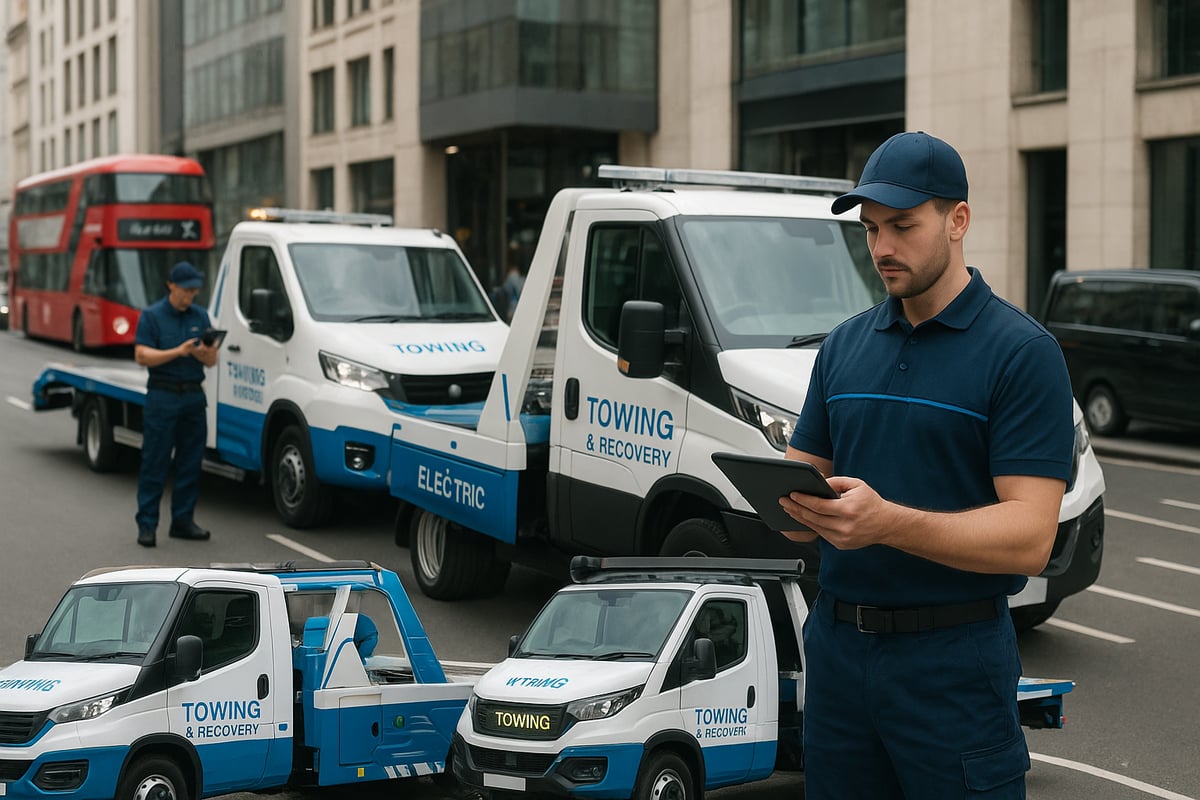
Modern professional towing and recovery operators rely on smart dispatch systems powered by artificial intelligence. Automated platforms assign jobs based on technician location, vehicle type, and traffic conditions. This boosts response times and ensures the right equipment is sent for each incident.
Electric and hybrid tow vehicles are now standard in most fleets. Automation extends to onboard diagnostics, allowing technicians to assess vehicle issues remotely before arrival. These advances mean operators deliver safer, more efficient service than ever before.
Connected Vehicles, Telematics, and Environmental Shifts
Connected vehicles equipped with telematics transmit real-time data directly to recovery teams. This streamlines coordination, reduces delays, and improves safety for stranded motorists. Telematics also enable proactive maintenance of fleet vehicles, minimising breakdowns and emissions.
Environmental responsibility is central to professional towing and recovery in 2026. Over 70% of UK recovery fleets now feature hybrid or fully electric trucks, reflecting a nationwide shift towards sustainability. Specialised equipment ensures safe recovery of electric vehicles, addressing unique risks like battery fires and high-voltage systems.
Data-Driven Decision-Making and Enhanced Communication
Operators now leverage real-time tracking and AI-powered route planning to optimise every recovery mission. Customers benefit from live updates, estimated arrival times, and digital communication channels. This transparency builds trust and reduces anxiety during stressful situations.
Digital platforms also allow for secure, contactless payments and instant invoicing. These improvements streamline the professional towing and recovery experience for both customers and technicians.
Regulatory Changes and New Industry Standards
The regulatory landscape for professional towing and recovery has evolved significantly. Updated licensing requirements, enhanced insurance standards, and strict safety protocols are now mandatory for all operators. Compliance checks have increased, with authorities focusing on vehicle emissions, technician training, and equipment maintenance.
For a detailed summary of these evolving standards and what sets reputable providers apart, see the Professional Towing Services Overview.
Case Study: London Operator Leads with Digital Systems
A leading London-based recovery operator recently implemented a fully integrated digital dispatch and tracking system. As a result, their average response time fell from 90 to just 45 minutes. Real-time communication with customers and authorities has improved safety and efficiency, while the adoption of electric tow vehicles has reduced fleet emissions.
In summary, the professional towing and recovery sector in 2026 is defined by rapid innovation, environmental stewardship, and a commitment to customer care. Operators who embrace these trends are best positioned to meet the needs of modern motorists.
Professional Towing and Recovery Processes: Step-by-Step Guide
When faced with a vehicle breakdown or accident, understanding the professional towing and recovery process can make a stressful experience far more manageable. This step-by-step guide walks you through each stage, from the first assessment to the final handover, ensuring clarity and peace of mind for every motorist.
Initial Assessment and Scene Safety
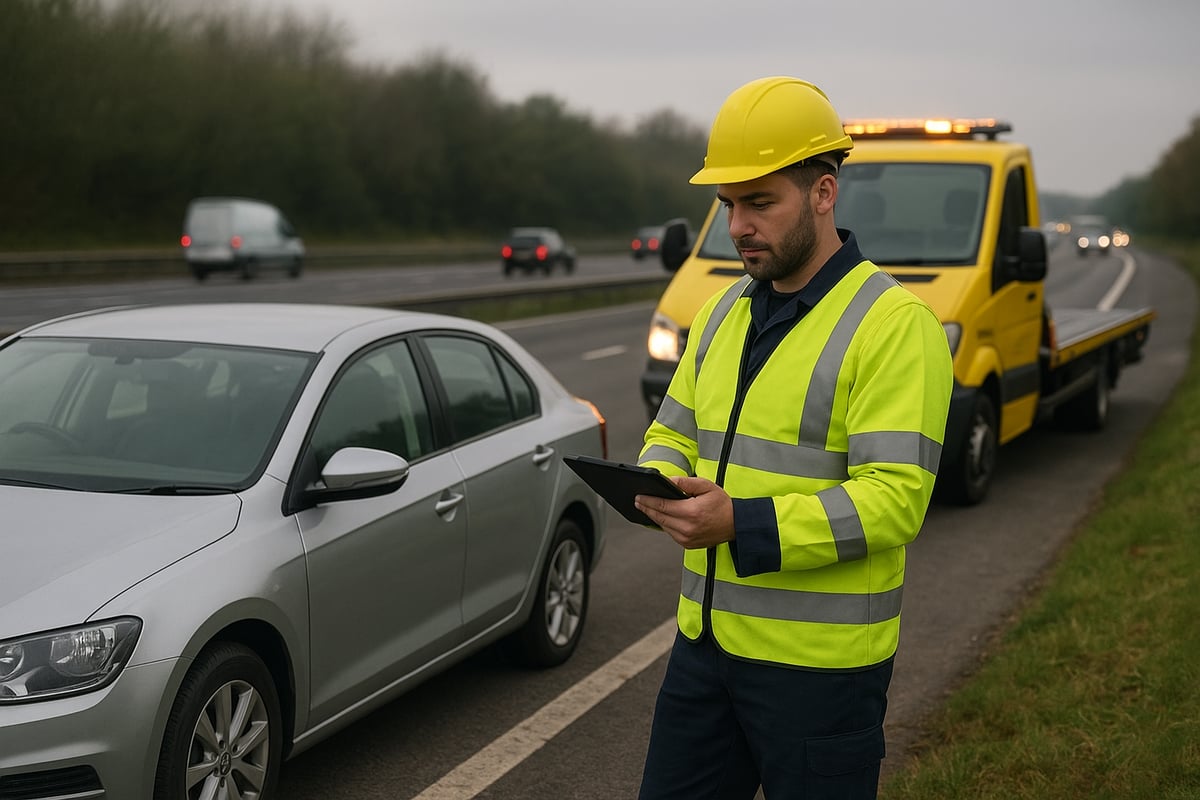
Every professional towing and recovery operation begins with a thorough scene assessment. Technicians evaluate traffic flow, weather conditions, and potential hazards to ensure safety for everyone involved. They check the vehicle’s condition, noting any fuel leaks, electrical risks, or damage. This careful approach helps prevent further incidents and sets the stage for a safe recovery.
Effective Communication
Clear communication is vital throughout the professional towing and recovery process. Technicians liaise with drivers to gather information about the breakdown or accident. They often coordinate with police, highways authorities, and insurers, especially for motorway incidents or complex recoveries. Keeping all parties informed ensures a smooth and efficient operation.
Correct Vehicle Securing Methods
The next step is choosing the right securing method based on the vehicle type and situation. Options include flatbed recovery for all-wheel-drives, wheel-lift for standard vehicles, and underlift technology for heavy-duty or low-clearance cars. Using the correct technique prevents additional damage and ensures a stable load.
Loading and Transport Procedures
Loading requires precision and adherence to strict protocols. The recovery vehicle is positioned safely, and ramps or lifts are deployed as needed. Vehicles are winched or driven onto the platform, then secured with wheel straps or chains. Throughout the transport, technicians monitor the load, ensuring all equipment remains tight and the vehicle is stable. For more details on each step, see the Recovery Towing Processes Explained guide.
Unloading and Documentation
Upon arrival at the destination, technicians carefully unload the vehicle, following the reverse of the loading process. They inspect for any transport damage and ensure the vehicle is left in a safe location. Detailed records, including recovery reports and photographs, are completed and shared with the customer and relevant parties.
Example: Typical Motorway Recovery Call-Out
Consider a busy Monday morning on the M25. A stranded motorist contacts a professional towing and recovery operator. Within 15 minutes, a technician arrives, assesses the scene, and communicates with the driver and traffic police. The car is safely secured using a flatbed, loaded within 10 minutes, and transported to a local garage. From first contact to drop-off, the process takes just 45 minutes—demonstrating the efficiency and coordination that define modern recovery services.
Avoiding Common Mistakes
Experienced professionals know how to avoid pitfalls such as:
- Using incorrect securing methods
- Failing to assess for hidden hazards
- Neglecting to communicate with all parties
By following strict protocols and continuous training, professional towing and recovery teams minimise risks and deliver reliable results.
Regulatory Compliance
In 2026, professional towing and recovery providers must comply with updated UK and EU safety regulations. This includes using approved equipment, maintaining accurate records, and following environmental guidelines for emissions and waste. Adhering to these standards protects both operators and customers, ensuring a high-quality service every time.
Choosing a Reliable Towing and Recovery Service
Selecting a professional towing and recovery provider can make the difference between a smooth rescue and a stressful ordeal. Whether you drive a family car, a commercial van, or manage a fleet, the right choice ensures safety, speed, and peace of mind. With so many options available, it is vital to know what sets a reputable service apart.
To begin, focus on key selection criteria. The best professional towing and recovery companies stand out for their rapid response times, extensive coverage areas, and advanced fleet capabilities. Technician training is equally critical, as industry standards and vehicle technology continue to evolve. For those in Greater London, the Vehicle Recovery in London Guide offers a comprehensive overview of what to look for in a reliable partner.
| Criteria |
What to Look For |
| Response Time |
Under 60 minutes, 24/7 availability |
| Coverage Area |
Citywide and regional reach |
| Fleet Capabilities |
Modern, well-equipped vehicles |
| Technician Training |
Certified, regularly updated skills |
Transparent pricing is a hallmark of a trustworthy professional towing and recovery service. Always request a clear quote upfront and check there are no hidden fees. Reputable operators will provide detailed breakdowns and written agreements before commencing work. Ask to see proof of licensing and insurance, and look for industry accreditations that confirm compliance with the latest safety and environmental standards.
Customer reviews and testimonials offer valuable insights into real-world service quality. Look for consistently positive feedback on response times, professionalism, and care for vehicles. Compare on-demand providers with membership-based services, considering your typical usage and budget. According to a 2025 RAC survey, 85% of UK motorists rate fast response as their top priority when choosing a professional towing and recovery company.
Consider this example: A London business owner managing a mixed fleet of cars and vans needs reliable support. They shortlist providers with proven rapid response, a diverse fleet, and robust insurance. After reviewing accreditations and reading reviews, they select a professional towing and recovery company offering both ad hoc and contract options, ensuring tailored support for every scenario.
Finally, be aware of red flags indicating an unprofessional or unlicensed operator. Watch for:
- Vague or fluctuating pricing
- Lack of proper identification or branded vehicles
- Refusal to provide documentation
- Poor communication or negative reviews
Choosing the right professional towing and recovery service means prioritising transparency, credentials, and proven reliability. With careful research, you can ensure your vehicle—and your safety—are always in good hands.
Legal, Insurance, and Regulatory Considerations in 2026
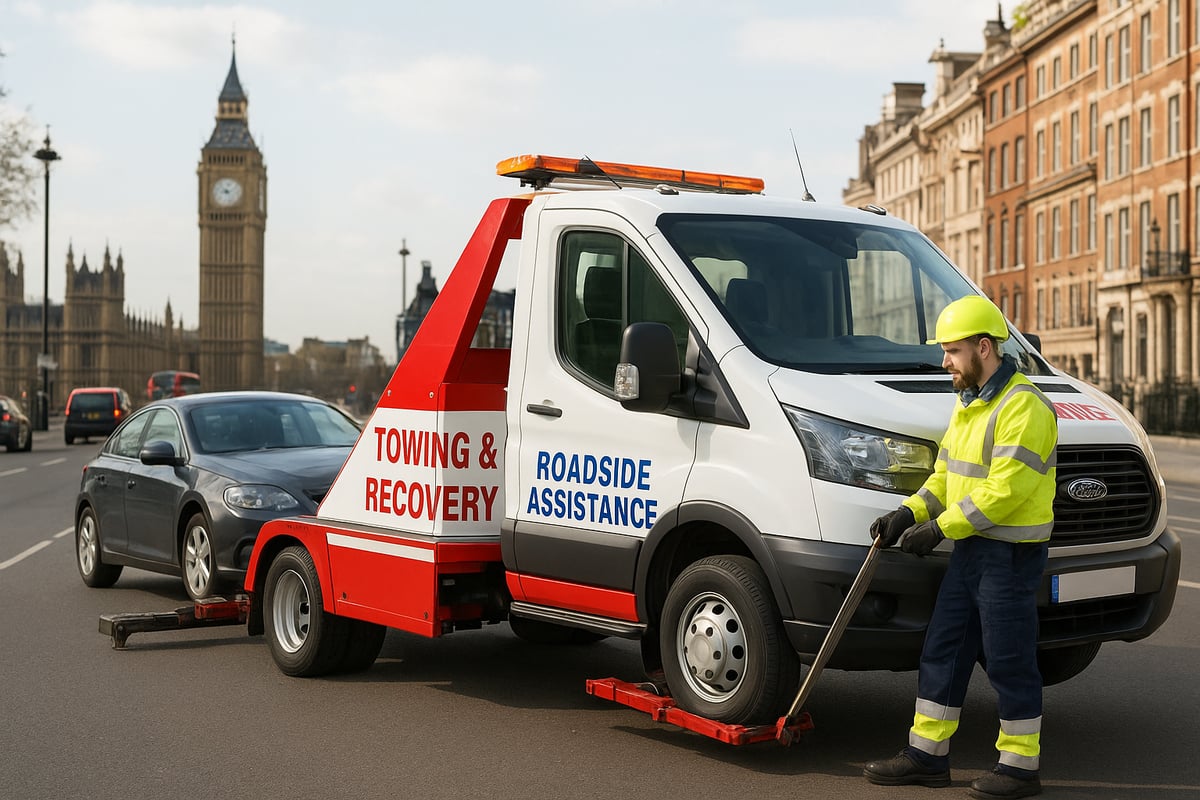
The legal environment for professional towing and recovery in 2026 has evolved significantly to reflect the complexities of modern vehicles, digital processes, and environmental priorities. Operators must now navigate a landscape shaped by updated UK and EU legislation, stricter compliance checks, and a growing emphasis on transparency and safety. Whether you are a service provider or a customer, understanding these legal and regulatory frameworks is vital to ensure a smooth, stress-free recovery experience.
Legislative Landscape in 2026
The professional towing and recovery sector is now governed by a robust framework of laws, including updated licensing requirements, mandatory training, and stricter vehicle standards. The UK Standard Conditions for Towage 2024 serve as the foundation for contractual and operational practices, ensuring clarity for both operators and customers. Alongside these, the Running a Vehicle Recovery Business: Safety Rules provide detailed guidance on equipment, PPE, and safety measures that are now compulsory for all legitimate operators.
Operators must maintain comprehensive documentation, including proof of training, insurance, and vehicle compliance. Unlicensed activity is met with significant penalties, with recent statistics showing a notable increase in enforcement actions against rogue operators.
Insurance Requirements for Operators and Customers
Insurance remains a cornerstone of professional towing and recovery. In 2026, operators are legally required to carry specialised policies covering public liability, goods in transit, and vehicle damage. Customers should always verify that a provider’s insurance is valid and sufficient before agreeing to any recovery service.
For motorists, it is essential to understand what your own policy covers regarding breakdowns and recovery. Most comprehensive policies include basic roadside assistance, but full recovery or accident towing may require additional cover. Always request a written record of the recovery for insurance claims.
Key insurance types include:
- Public liability insurance
- Goods in transit insurance
- Road risks insurance
- Employer’s liability insurance (if applicable)
Data Privacy and Telematics
With the widespread adoption of telematics and connected vehicles, data privacy has become a critical concern in professional towing and recovery. Operators routinely collect location, diagnostic, and customer information to streamline dispatch and communication.
Strict data handling protocols are required under UK GDPR and EU privacy regulations. Customers have the right to know what data is collected and how it is used. Secure digital systems and encrypted communication are now standard to protect sensitive information throughout the recovery process.
Environmental and Safety Compliance
Sustainability is a driving force in the professional towing and recovery industry. The adoption of electric and hybrid recovery vehicles is now common, supporting compliance with ULEZ and low-emission zone regulations in major cities. Operators must also adhere to emissions standards for all fleet vehicles and follow best practices for safe handling of hazardous materials, especially when recovering electric vehicles or accident-damaged cars.
Mandatory use of PPE, high-visibility clothing, and approved warning signs ensures technician and public safety at every call-out. Environmental responsibility is also reflected in the recycling and disposal of end-of-life vehicles.
Police Pound and Local Authority Protocols
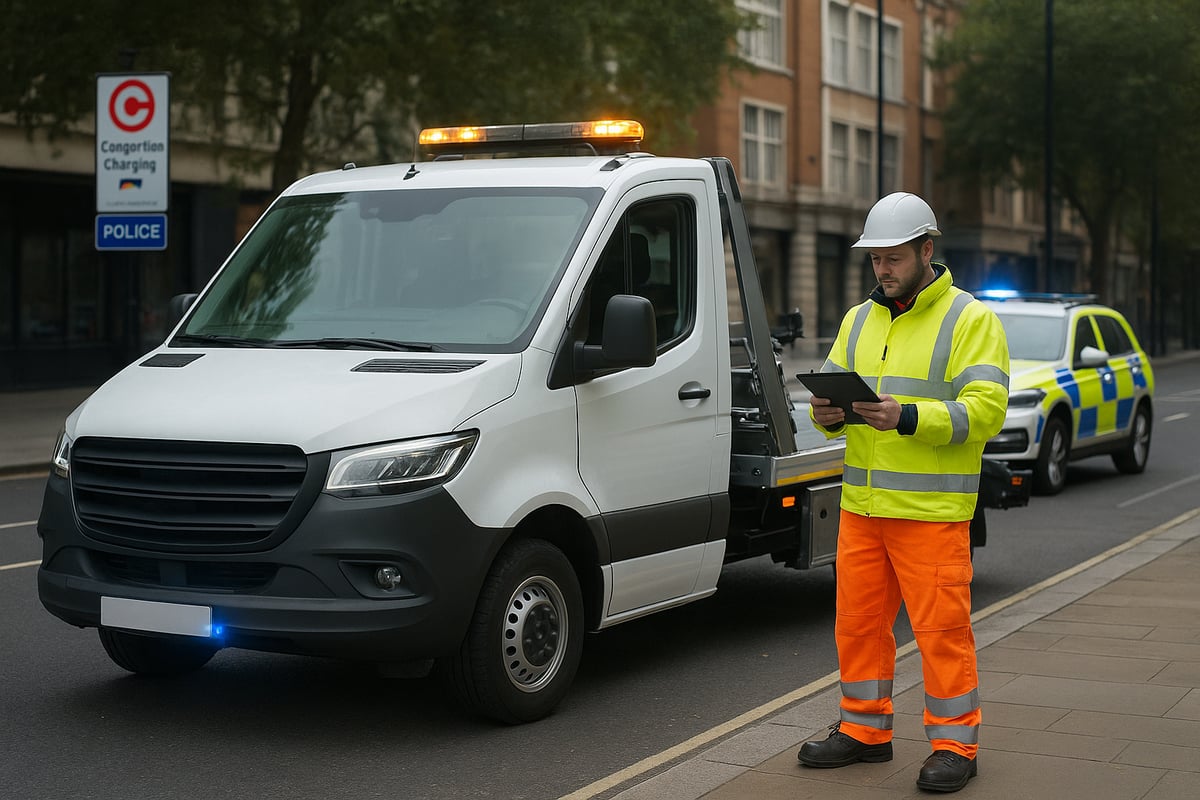
In cases involving police impounds or accidents, operators must follow strict protocols set by local authorities. This includes accurate documentation, proof of authority, and adherence to chain-of-custody requirements for recovered vehicles. For motorists, retrieving a vehicle from a police pound can be daunting, but following the correct legal steps is crucial.
A practical example is outlined in the Police Pound Recovery Procedures, where motorists must present identification, proof of ownership, and pay relevant fees before release. Failure to comply with these protocols can result in additional delays or legal complications.
Customer Rights and Dispute Resolution
Customers engaging professional towing and recovery services in 2026 are protected by consumer rights legislation. Operators must provide clear pricing, accurate service descriptions, and transparent terms of service. Dispute resolution processes are typically outlined in service agreements, with recourse to industry bodies or the ombudsman if issues arise.
Recent years have seen a rise in compliance inspections and penalties for non-compliant operators, reflecting the sector’s commitment to high standards. By understanding your rights and choosing reputable providers, you can ensure a secure and reliable recovery experience.
Specialised Towing Scenarios and Solutions
Dealing with complex breakdowns and accidents requires far more than basic recovery skills. In 2026, professional towing and recovery services are expected to handle a wider variety of specialised scenarios than ever before. As vehicles and road conditions evolve, so do the challenges facing recovery operators.
Electric and Hybrid Vehicle Recovery
The rise of electric and hybrid vehicles has transformed the landscape for professional towing and recovery. High-voltage systems present unique hazards, requiring specialist training and insulated equipment. Operators must assess battery integrity, avoid damaging undercarriage components, and use flatbed transport to prevent drivetrain issues.
Recovery teams also need to be aware of manufacturer-specific guidelines. Certain EVs demand power-down procedures before loading, and improper handling can risk thermal runaway. With more than 30% of London breakdowns now involving EVs, advanced knowledge and investment in the right tools are essential for safe, efficient recovery.
Heavy-Duty and Commercial Vehicle Recovery
Recovering large vans, lorries, and plant machinery demands robust equipment and expertise. Professional towing and recovery companies utilise high-capacity underlift trucks, winches, and air-cushion systems to safely move heavy vehicles. Traffic management becomes critical, especially on narrow or congested roads.
Operators must comply with strict load-securing standards and ensure minimal disruption to traffic. According to the UK Towing Safety Alliance’s TLC Campaign, regular checks on tyre condition, load restraint, and connection integrity are fundamental for safety.
Two-wheeled vehicles require gentle handling to prevent cosmetic and structural damage. Professional towing and recovery teams use dedicated motorcycle cradles, wheel chocks, and soft straps. Loading ramps and enclosed transport options protect motorcycles from weather and road debris.
Common pitfalls include inadequate securing and improper lifting, which can cause costly damage. Proper operator training makes a significant difference in ensuring safe motorcycle recovery.
Accident scenes present unpredictable challenges, from overturned vehicles to hazardous materials. Professional towing and recovery services use winching, airbag lifting, and specialist off-road equipment for difficult extractions. Scene safety is paramount, with operators deploying cones, lighting, and PPE to protect themselves and road users.
Recovery of vehicles from ditches, mud, or embankments often requires creative problem-solving and close coordination with emergency services. Adhering to established safety protocols ensures efficient and secure recoveries.
Retrieving vehicles from police pounds or impound facilities involves strict documentation and legal compliance. Drivers must provide proof of ownership, insurance, and identification. Professional towing and recovery operators help navigate these requirements, ensuring vehicles are released and transported securely.
Timely, accurate paperwork is crucial, as delays can incur additional storage fees. Many services now offer digital record-keeping and direct communication with authorities for smoother processes.
Scrap and End-of-Life Vehicle Removal
Disposing of end-of-life vehicles is subject to stringent environmental regulations. Professional towing and recovery providers must transport scrap vehicles to licensed recycling centres, ensuring hazardous fluids and batteries are handled safely. Operators issue certificates of destruction, giving customers peace of mind and legal compliance.
Eco-friendly practices are increasingly prioritised, with some fleets using electric recovery trucks to reduce emissions during removal.
Case Study: Multi-Vehicle Accident Recovery in London
In early 2026, a major collision on the North Circular involved five vehicles, including an electric car and a heavy-duty van. The professional towing and recovery team on scene coordinated with police, deployed multiple recovery trucks, and used winches to clear the road swiftly.
The operation required real-time communication, advanced lifting equipment, and digital documentation for insurance. Thanks to their expertise, all vehicles were safely recovered and traffic disruption was kept to a minimum.
Data and Trends in Specialist Recovery
Recent figures highlight the growing demand for specialist recovery services. The UK Vehicle Roadside Assistance Market Outlook reports a steady increase in EV breakdowns and complex recovery requests, driven by the shift towards greener vehicles and urban congestion.
As the industry evolves, customers are advised to choose providers with proven experience in professional towing and recovery, ensuring every scenario is managed safely and efficiently.

