Breakdowns are becoming more common as we approach 2026, making recovery towing a vital resource for every driver. With rapid changes in vehicle technology, heavier urban congestion, and stricter road laws, getting stranded is both more likely and more complicated.
Having reliable recovery towing knowledge can mean the difference between a safe, cost-effective solution and unnecessary stress. Understanding how recovery towing works helps you protect your vehicle and stay secure on the road.
This handbook will guide you through everything you need to know about recovery towing in 2026. We will cover the basics, legal requirements, essential equipment, the step-by-step recovery process, how to choose a provider, and future trends. Get ready to drive with confidence.
Understanding Recovery Towing: The Basics
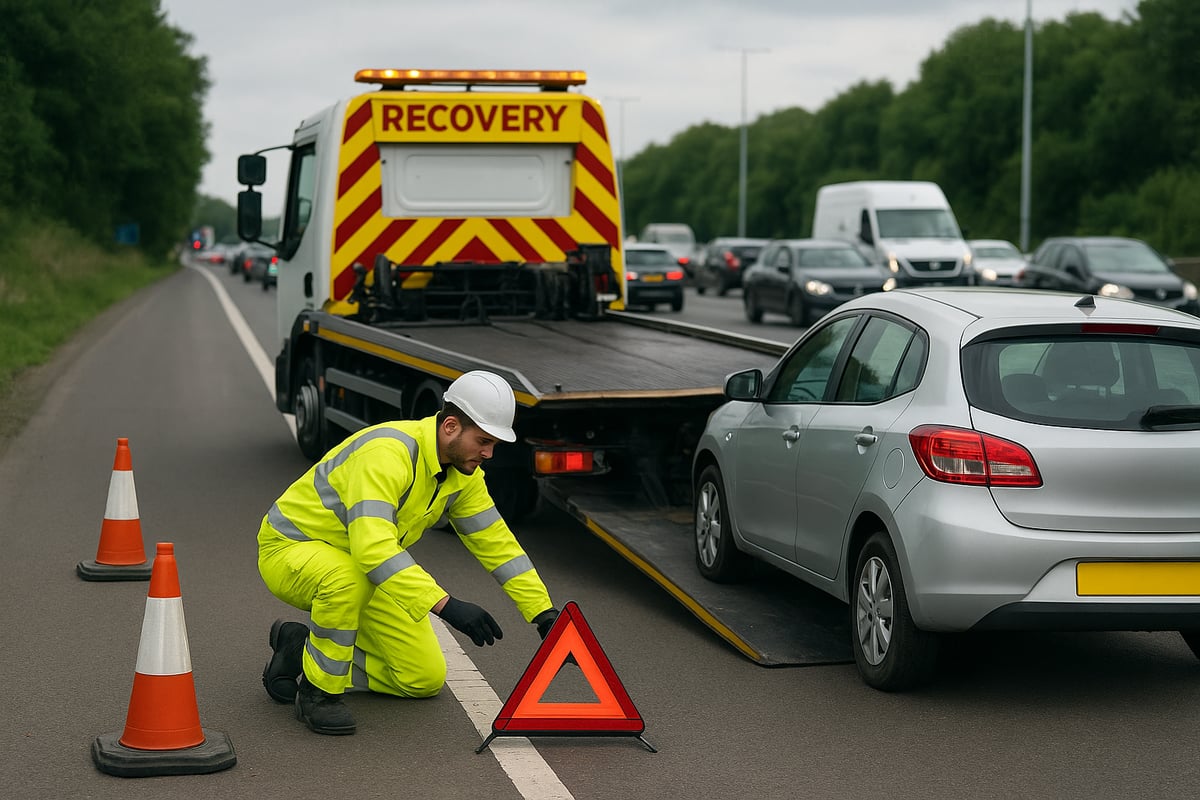
Recovery towing is a specialised service designed to safely remove vehicles that cannot be driven due to breakdowns, accidents, or off-road incidents. Unlike standard towing, which typically involves transporting a functioning vehicle from one place to another, recovery towing deals with immobilised or damaged vehicles in challenging situations. For example, a commuter stranded on the M25 during rush hour relies on recovery towing to ensure both safety and minimal disruption to traffic.
The core purpose of recovery towing is to protect motorists, passengers, and other road users, while also safeguarding the integrity of the vehicle being moved. Around 1 in 5 UK motorists experience a breakdown each year, according to RAC data from 2023. The most common causes include battery failure, engine issues, tyre punctures, and accidents. These incidents can happen to any vehicle, from cars and vans to motorcycles and commercial vehicles. Professional expertise is vital, as improper handling during recovery towing can lead to further damage or safety risks. For a detailed look at how these services operate, you can read the Vehicle Recovery Services Explained guide.
What is Recovery Towing?
Recovery towing is the process of removing vehicles that cannot move under their own power due to mechanical failure, collision, or challenging terrain. The main difference from standard towing is the need for specialised skills and equipment to safely recover vehicles from difficult or hazardous locations.
Typical scenarios requiring recovery towing include breakdowns on busy roads, accidents causing severe vehicle damage, and off-road incidents where a vehicle is stuck in mud or snow. Vehicles commonly needing recovery towing range from personal cars and motorcycles to larger vans and light commercial vehicles.
According to recent statistics, battery failures and tyre punctures are leading causes, but engine problems and collisions also contribute significantly. Professional recovery towing ensures that both the vehicle and its occupants are protected throughout the process.
Types of Recovery Towing Services
There are several methods used in recovery towing, each suited to specific situations and vehicle types. The main options include:
- Flatbed towing: The entire vehicle is loaded onto a flat platform. This method is ideal for luxury vehicles, all-wheel-drive cars, or those with significant damage, as all wheels remain off the ground.
- Wheel-lift towing: Uses a metal yoke to lift either the front or rear wheels. Suitable for short distances or lighter vehicles, though not recommended for all-wheel-drive models.
- Integrated towing: Combines wheel-lift and boom features, mainly used for heavy-duty or commercial vehicles.
- Specialised motorcycle recovery: Employs equipment tailored for two-wheeled vehicles.
Each method has its pros and cons. Flatbed towing offers maximum protection but is less agile in tight spaces. Wheel-lift is quick and cost-effective, but may not suit all vehicles. Integrated towing is robust but more commonly used in commercial scenarios. For example, a flatbed is preferred for transporting a high-value or all-wheel-drive car to prevent transmission damage.
Key Players in the Recovery Towing Industry
The UK recovery towing industry includes several major players, such as the AA, RAC, and Green Flag, who offer nationwide coverage and comprehensive memberships. Alongside these, independent operators and local specialists provide tailored services, often with faster response times in specific areas.
Recently, on-demand and pay-as-you-go recovery towing options have grown in popularity, offering flexibility for drivers without annual cover. Insurance companies also play a pivotal role, frequently arranging recovery towing as part of breakdown or accident claims. This diverse landscape ensures motorists have access to reliable support, regardless of their location or vehicle type.
Legal and Safety Requirements for Recovery Towing in 2026
Understanding the legal and safety requirements for recovery towing in 2026 is vital for all drivers and operators. With regulations evolving alongside new technology and increased vehicle breakdowns, knowing your responsibilities can help ensure safety, compliance, and peace of mind.
UK Laws and Regulations
The legal landscape for recovery towing in the UK requires close attention, as both current and forthcoming legislation shape how services are delivered. Operators must hold the correct driving licences, and their vehicles must meet strict construction and use standards. For commercial recovery towing, registration with relevant authorities and adherence to operator licensing rules are mandatory.
Private motorists face different obligations. While you may use recovery towing equipment in emergencies, improper techniques or unauthorised towing can result in fines, penalty points, or even prosecution. The Health and Safety Executive (HSE) sets guidelines for safe working practices, including the use of certified equipment and regular operator training. It is crucial to follow these rules to protect both personnel and the public.
Detailed requirements, such as axle load limits, lighting, and signage, are outlined in the Special types enforcement guide. Failure to comply can lead to severe penalties, especially if improper handling causes additional damage or hazards. Always stay up to date with changes in legislation to maintain legal and safe recovery towing practices.
Roadside Safety Protocols
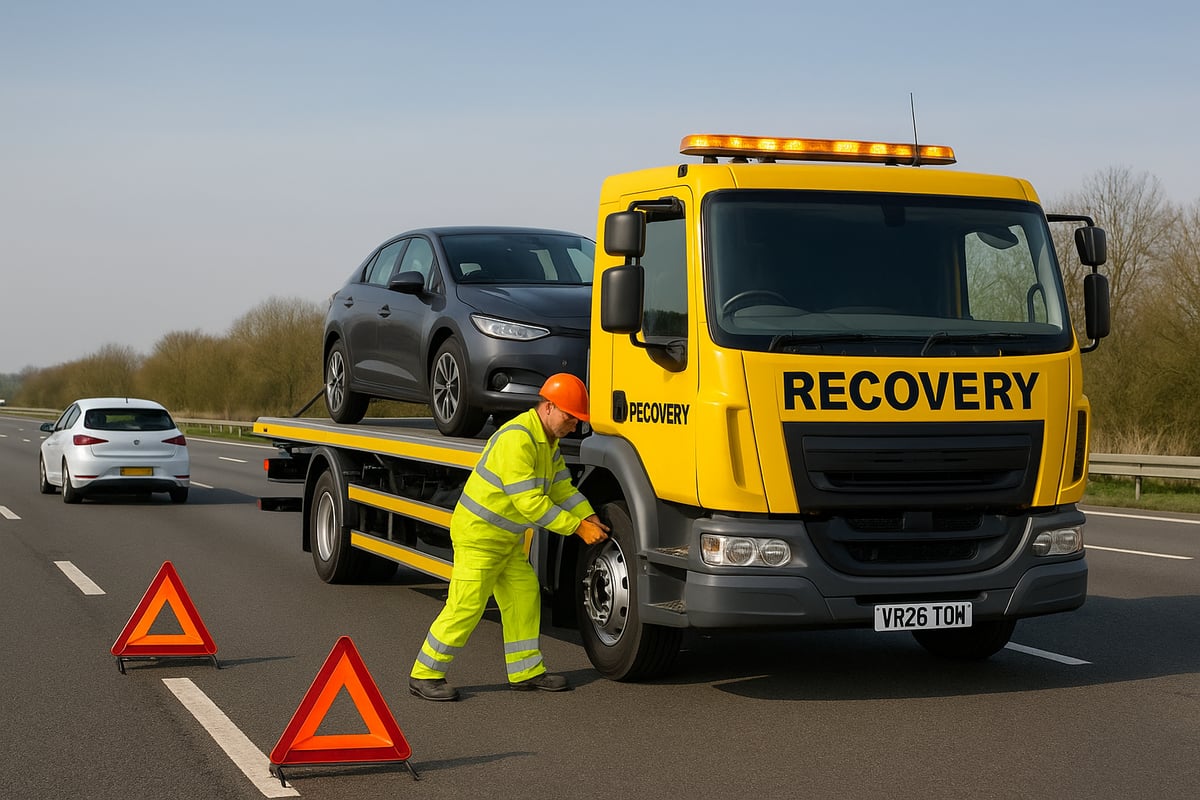
Safety is at the heart of every successful recovery towing operation. Both drivers and recovery professionals must adopt strict roadside protocols to prevent accidents and injuries. High-visibility clothing is essential for anyone exiting a vehicle, ensuring they are seen by other road users. Warning triangles and hazard lights should be deployed promptly to alert oncoming traffic.
According to the Department for Transport, 20% of roadside accidents are linked to inadequate safety measures. Best practice includes positioning vehicles as far from moving traffic as possible, especially on busy roads or motorways. Operators should always assess the scene before starting any recovery towing, making sure all passengers are safely clear of danger.
A quick checklist for roadside safety:
- Always wear high-visibility gear.
- Set up warning triangles at the recommended distance.
- Use hazard lights and emergency lighting.
- Stay behind barriers where available.
Following these steps significantly reduces risk and helps maintain a safe environment during recovery towing.
Environmental Considerations
Environmental regulations are becoming increasingly important for recovery towing providers. Spills of oil, coolant, or fuel must be contained and cleaned up immediately, with operators carrying spill kits as standard. Emission standards for recovery vehicles have tightened, driving the adoption of cleaner, greener fleets.
Many companies now invest in electric and hybrid recovery trucks, which not only reduce emissions but also help meet growing demand for eco-friendly services. Recovery towing for electric vehicles presents new challenges, such as the need for mobile charging solutions and specialist handling procedures.
Operators are expected to follow best environmental practices, from regular equipment maintenance to responsible disposal of waste fluids. The push for sustainability means that recovery towing in 2026 is not just about getting vehicles moving again, but doing so with minimal impact on the environment. By embracing these changes, the industry is helping build a safer, greener future for UK roads.
Essential Recovery Towing Equipment and Technology
Having the right equipment and technology is vital for effective and safe recovery towing. In 2026, both traditional tools and modern innovations play key roles in ensuring stranded vehicles are recovered efficiently and securely. Let us explore the core equipment, essential safety tools, technological advances, and best practices for maintenance in the recovery towing industry.
Core Equipment for Safe Recovery
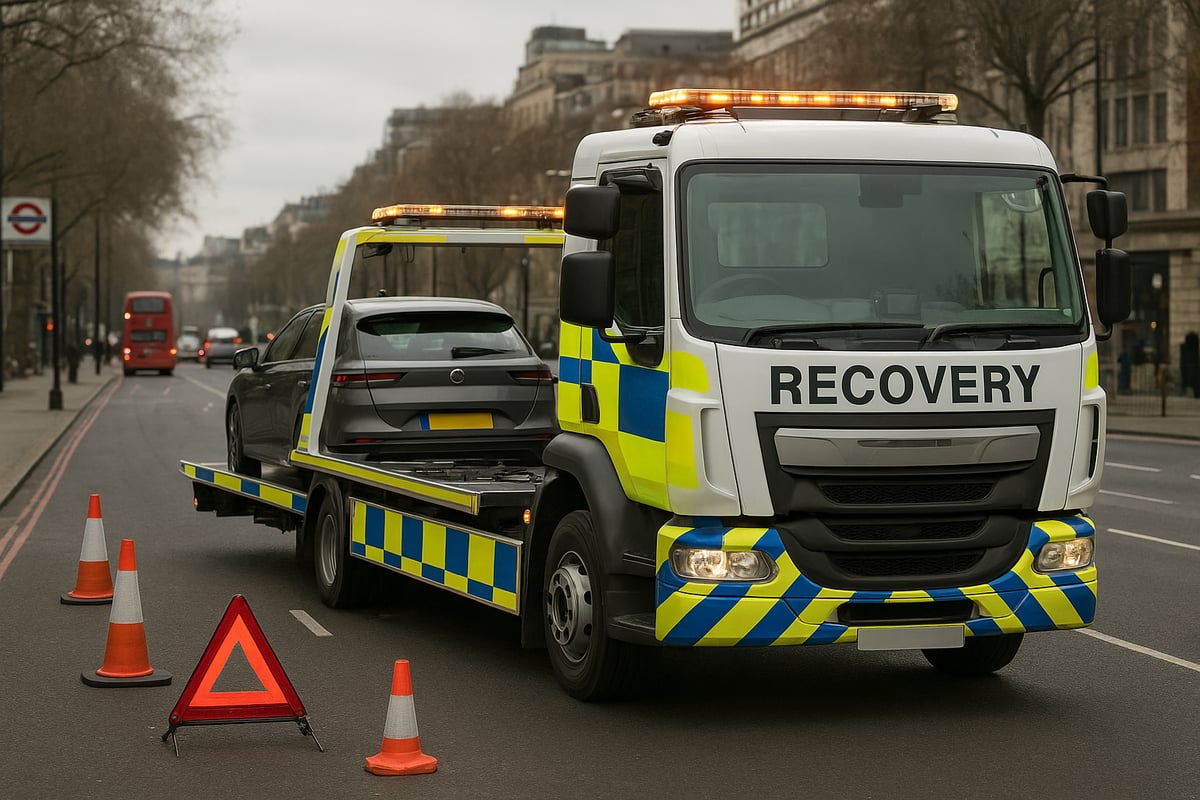
The backbone of recovery towing operations is the tow truck. There are several types: flatbed, wheel-lift, integrated, and heavy-duty tow trucks. Flatbeds are ideal for luxury, all-wheel-drive, or severely damaged vehicles, as they keep all wheels off the ground. Wheel-lift trucks are practical for short distances and lighter vehicles, while integrated trucks combine features for complex recoveries.
Choosing the right tow truck depends on the vehicle’s size, condition, and the recovery scenario. For a detailed guide on selecting the appropriate vehicle, visit How to Choose a Tow Truck. Essential accessories include tow bars, ropes, chains, and straps, each with specific weight ratings. Vehicle dollies and winches are crucial for challenging recoveries, such as retrieving cars stuck in mud or off-road situations.
Professional recovery towing demands equipment that is certified and maintained for safety and reliability.
Safety and Communication Tools
Safety is paramount in recovery towing, both for operators and stranded motorists. High-visibility jackets, cones, and warning triangles ensure that the recovery scene is clearly marked, reducing the risk of secondary accidents. Emergency lighting on vehicles increases visibility, especially during night-time or poor weather conditions.
Communication is equally vital. Two-way radios enable instant coordination between team members, while GPS tracking systems help dispatchers monitor fleet locations and optimise routes. Many recovery towing providers now use mobile apps, allowing real-time updates and location sharing with customers.
These tools support not only efficient operations but also compliance with strict health and safety standards in the UK. Every recovery towing job benefits from a well-equipped and well-informed team.
Advances in Recovery Technology for 2026
Recovery towing is evolving rapidly as technology advances. Telematics systems and remote diagnostics allow operators to assess a vehicle’s condition before dispatch, ensuring the right resources are sent. Artificial intelligence and machine learning help with optimal route planning, reducing response times and improving efficiency.
A significant development is the integration of electric vehicle (EV) charging solutions into recovery trucks. This allows on-site battery boosts for stranded EVs, addressing the growing demand as more electric cars are on UK roads. For example, a driver stuck on a motorway with a depleted EV battery can now receive a rapid charge directly from the recovery vehicle, minimising delays and inconvenience.
The adoption of these innovations positions recovery towing services to meet the challenges of modern motoring.
Maintenance and Inspection of Recovery Equipment
Routine maintenance and inspection are critical in recovery towing. Operators must regularly check all equipment for signs of wear and tear, from tow bars and straps to winches and vehicle lifts. UK regulations require certain recovery tools to be certified and inspected at set intervals, ensuring they meet safety standards.
Training is also essential. As new technologies emerge, recovery towing staff need ongoing instruction on safe operation and best practices. Keeping equipment in peak condition not only extends its lifespan but also safeguards the integrity of every recovery towing operation.
A commitment to regular checks and staff development ensures recovery towing providers remain reliable and prepared for any situation.
Step-by-Step Recovery Towing Process: What to Expect
Facing a vehicle breakdown can be overwhelming, but understanding the recovery towing process helps restore calm and control. This step-by-step guide outlines exactly what to expect, ensuring you are prepared and confident at every stage.
Step 1: Assessing the Situation
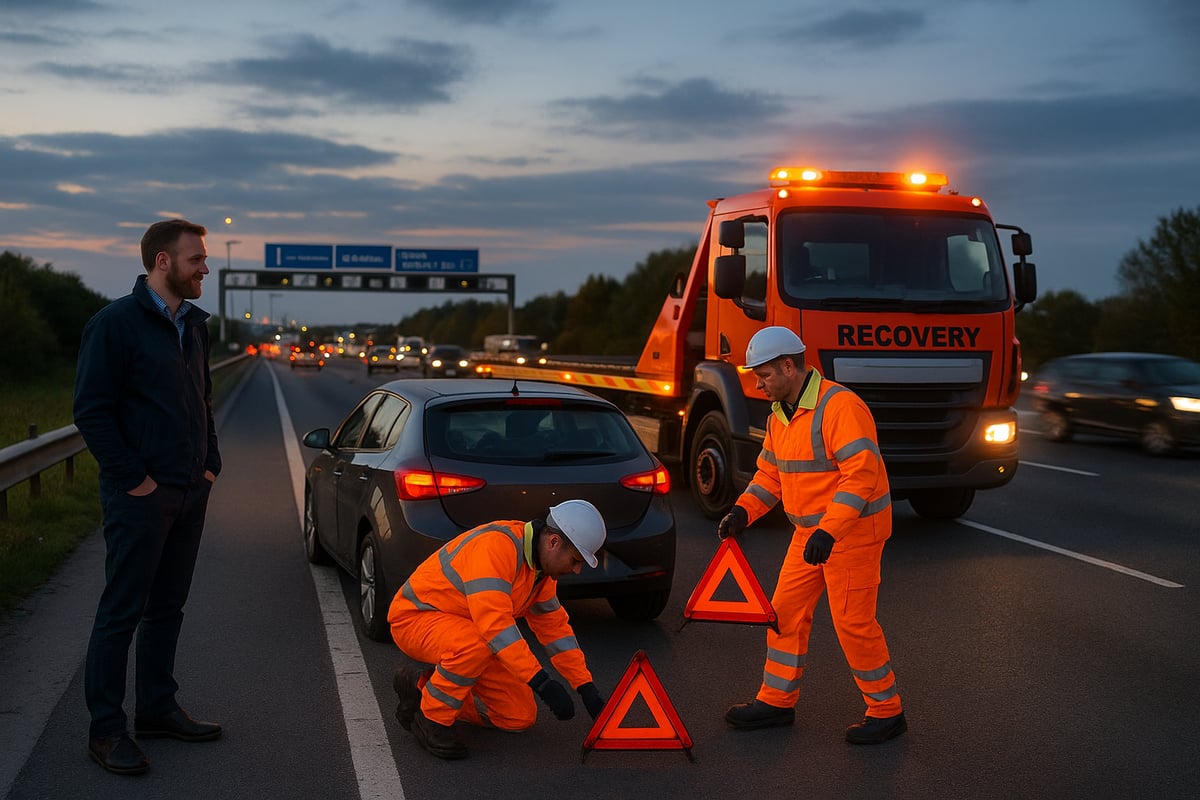
When your vehicle breaks down, the first priority is safety. Move your vehicle to a safe location, such as the hard shoulder or a lay-by, if possible. Switch on your hazard lights and remain inside the car if you are on a busy road.
Next, assess the situation calmly. Is it a mechanical issue, a flat tyre, or an accident? Collect details to share with recovery towing services, including your location (use motorway markers if available), vehicle make and model, and the nature of the problem. This information helps dispatch the right assistance quickly.
For a more comprehensive breakdown of what to do, consult this Breakdown and Recovery Guide, which offers step-by-step advice tailored to the recovery towing process.
Step 2: Preparing for Recovery
Before the recovery towing team arrives, make the scene as safe as possible. Place a warning triangle at least 45 metres behind your vehicle if it is safe to do so, and wear a high-visibility jacket. Keep all passengers away from traffic, especially on motorways.
Gather essential items, such as your mobile phone, identification, and insurance documents. Secure valuables and personal belongings, as you may not have access to your car during transport. If you have pets or children, prioritise their safety and comfort while waiting for recovery towing.
Step 3: Arrival of the Recovery Team
Once the recovery towing professionals arrive, verify their identification and company credentials. They will introduce themselves and explain the recovery plan clearly, so you know what will happen next.
The team will conduct a quick but thorough assessment of your vehicle, checking for fluid leaks, fire hazards, or other risks. They may ask you for additional information or request you move to a safer spot if conditions require. Trust their expertise and follow their instructions for a smooth recovery towing experience.
Step 4: Vehicle Recovery and Towing
At this stage, the recovery towing team selects the best method for your situation. They will determine whether flatbed, wheel-lift, or another technique is appropriate based on your vehicle type and damage.
All equipment is attached securely to avoid further damage. The team loads your vehicle onto the tow truck or trailer, checking all connections. You may receive real-time updates via SMS or app, keeping you informed throughout the recovery towing process.
Step 5: Transportation and Drop-Off
With your vehicle safely secured, the recovery towing team plans the optimal route to your chosen destination, such as your home, garage, or a secure storage facility. They will avoid congested or hazardous routes where possible.
Upon arrival, the team unloads your vehicle carefully and provides documentation, including receipts and inspection reports. Review these documents for accuracy, as they are important for any future insurance or repair claims related to recovery towing.
Step 6: Post-Recovery Actions
After your vehicle is dropped off, arrange for repairs or additional assistance as needed. Contact your insurer promptly and be prepared to provide documentation, photographs, or statements.
If your vehicle was involved in an accident, your insurer may require evidence and a detailed account of the incident. Keep all paperwork organised. Some recovery towing providers offer onward travel or courtesy vehicles, so inquire about your options if you need further support.
The recovery towing process may seem daunting, but with knowledge and preparation, you can navigate every step confidently and safely.
How to Choose a Recovery Towing Provider in 2026
Selecting the right recovery towing provider can make all the difference when you face an unexpected breakdown. With more vehicles experiencing issues on UK roads each year, it’s essential to know how to assess your options for quality, speed, and value. In this section, you’ll find a clear guide to help you evaluate providers and make confident choices for 2026.
Key Factors to Consider
When comparing recovery towing services, start with response time. Leading providers typically aim for an average arrival within 60 minutes, but some offer even quicker assistance. Fast response is crucial, especially as vehicle breakdowns increased by 12% in England in 2023, raising demand for timely recovery.
Consider the coverage area. National brands offer widespread support, while local firms may provide more personalised, rapid help within select regions. Check if your chosen recovery towing provider covers your most frequent routes, including remote or rural areas.
Assess the range of services. Some companies handle only breakdown recovery, while others offer accident recovery, police pound release, or EV support. Ensure your provider is equipped for your specific vehicle type and needs.
Licensing and insurance are non-negotiable. Ask for proof of operator credentials and valid insurance. Reliable recovery towing companies should also display strong customer reviews on platforms like Trustpilot or Google.
Transparent pricing is vital. Look for clear quotes that outline all possible charges. Avoid providers with vague terms or hidden fees.
To compare key features, use a table like this:
| Factor |
Provider A |
Provider B |
| Response Time |
40 mins |
55 mins |
| Coverage Area |
National |
Local |
| Services |
Full range |
Breakdown |
| Customer Rating |
4.8/5 |
4.2/5 |
| Pricing |
Fixed |
Variable |
Choosing the right recovery towing service means weighing these factors carefully before an emergency arises.
Membership vs. Pay-As-You-Go
Recovery towing is available through annual breakdown cover or pay-as-you-go options. Each approach has its merits, depending on your driving habits and risk tolerance.
Membership schemes require an annual fee, offering peace of mind with guaranteed support. These plans often include extras like onward travel, hotel stays, or courtesy cars. If you drive frequently or have an older vehicle, membership may save you money over time.
Pay-as-you-go services are growing in popularity. They suit drivers with newer vehicles or those who rarely experience breakdowns. You only pay when you need recovery towing, avoiding recurring costs. However, it’s essential to check for minimum charges, especially during nights or weekends.
Here’s a brief comparison:
| Option |
Pros |
Cons |
| Membership |
Predictable cost, extras |
Annual fee regardless of use |
| Pay-As-You-Go |
No ongoing cost, flexibility |
Potential higher per-use fees |
For example, a commuter with a five-year-old car may benefit from pay-as-you-go recovery towing, as their likelihood of breakdown is lower. In contrast, a tradesperson with an older van might prefer the security of annual cover.
Evaluate your usage patterns and vehicle age before deciding which method aligns best with your needs. Both options can deliver peace of mind if chosen wisely.
Questions to Ask Before Booking
Before you commit to a recovery towing provider, ask targeted questions to ensure you understand the full scope of service. This approach helps prevent surprises and guarantees you receive the support you expect.
Start by confirming what is included in the quoted price. Does it cover call-out, towing distance, and any out-of-hours fees? Clarify whether extra charges apply for nights, weekends, or motorway recoveries.
Ask about the process if your vehicle needs further repairs or secure storage. Some recovery towing companies offer free onward travel or courtesy vehicles, which can be invaluable if you’re far from home.
For instance, if you require police pound recovery or assistance for an electric vehicle, verify the provider’s experience and equipment. Request details about insurance coverage and what documents you need to supply in advance.
A checklist of smart questions includes:
- What is included in the quoted price?
- Are there any additional charges for specific times or locations?
- What happens if my vehicle cannot be repaired immediately?
- Are courtesy vehicles or onward travel included?
- How do I contact you in an emergency?
Taking time to clarify these points ensures your recovery towing experience is smooth, transparent, and stress-free. It also helps you avoid unexpected costs in a difficult situation.
Future Trends in Recovery Towing: Preparing for 2026 and Beyond
The recovery towing industry is entering a period of rapid transformation. As vehicle technology advances and road conditions evolve, providers and motorists alike must adapt to stay ahead. Understanding what lies on the horizon will help you navigate upcoming changes and make informed decisions about your safety and mobility.
Impact of Electric and Autonomous Vehicles
The rise of electric vehicles (EVs) and hybrids is reshaping the recovery towing landscape. More drivers are experiencing EV-specific breakdowns, such as depleted batteries or charging system failures. Recovery operators now require specialised training and equipment to safely handle high-voltage components and manage unique transport needs.
Autonomous vehicles introduce new complexities. Recovery towing teams must understand remote diagnostics, disengage self-driving systems, and follow strict protocols to ensure safe loading and transport. As EV and autonomous adoption grows, recovery towing services will need to keep pace with these technical demands.
Technological Innovations
Technology is revolutionising recovery towing operations. AI-driven dispatch systems are optimising routes, reducing response times, and improving fleet efficiency. Predictive analytics help providers anticipate maintenance needs, minimising downtime and ensuring reliable service.
Integration with smart city infrastructure allows recovery towing teams to respond faster in urban environments. Mobile apps offer real-time tracking and instant communication with customers. For a deeper look at how technology is shaping best practices, see Expert Auto Breakdown Recovery Tips. These innovations are setting new standards for recovery towing in the years ahead.
Environmental and Regulatory Changes
Environmental regulations are tightening, especially in major cities. Recovery towing fleets are facing stricter emissions standards, motivating operators to adopt electric or hybrid recovery vehicles. Incentives are available for companies that choose greener practices, helping to offset initial investment costs.
Zones like London’s Ultra Low Emission Zone (ULEZ) are directly impacting which recovery towing vehicles can operate in urban areas. Providers must stay informed about local and national requirements to avoid penalties and maintain compliance. These changes are pushing the industry towards a more sustainable future.
Evolving Customer Expectations
Customer expectations for recovery towing are higher than ever. Drivers now demand real-time tracking, instant quotes, and the convenience of digital payment options. Enhanced transparency, such as clear pricing and live status updates, is becoming the norm.
Providers are also investing in multi-lingual support and accessible communication channels to serve a diverse customer base. These improvements not only build trust but also make recovery towing services more user-friendly and inclusive for everyone on the road.
Preparing for the Unexpected
Preparing for unexpected breakdowns remains a top priority for motorists. Regular vehicle maintenance reduces the chance of needing recovery towing, but unforeseen incidents still occur. Emergency kits, including items like a portable battery pack for EVs, can make a significant difference while waiting for help.
The rise in pothole-related breakdowns, as highlighted by the RAC reports highest number of pothole-related breakdowns since 2018, underscores the importance of readiness. By staying proactive, drivers can ensure a smoother experience if recovery towing becomes necessary.
FAQs: Recovery Towing in 2026
Facing a vehicle breakdown can be stressful, especially with changing technology and regulations. Here are answers to the most common questions about recovery towing in 2026, designed to give you clarity and confidence on the road.
What should I do immediately after a breakdown?
If your vehicle breaks down, remain calm and try to move to a safe location, such as the hard shoulder or a layby. Activate your hazard lights, exit the vehicle from the passenger side if possible, and stand well away from traffic. Call your recovery towing provider for assistance.
How long does it typically take for recovery towing to arrive?
In most areas, the average response time for recovery towing is under 60 minutes. This can vary based on location, traffic, and demand. Many providers now offer real-time tracking via mobile apps, so you can monitor your technician’s arrival.
Can recovery towing services handle electric and hybrid vehicles?
Yes, most professional recovery towing providers are now equipped to deal with electric and hybrid vehicles. They have the right equipment for safe loading and transport, and many offer on-site charging or battery boost services specifically for EVs.
Are pets and passengers transported with the vehicle?
Most recovery towing companies allow passengers and pets to travel with the vehicle, depending on space and safety regulations. Always inform the provider when booking so they can send a suitable recovery vehicle with enough seating.
What documents do I need for police pound recovery?
For police pound recovery, you will usually need:
- Proof of identity (driving licence or passport)
- Proof of vehicle ownership (V5C logbook)
- Insurance certificate
Check with your provider for any additional requirements, as rules may differ between regions.
How much does emergency recovery towing cost in 2026?
Costs depend on distance, time of day, and the type of service needed. Standard call-outs start from around £60, but fees may increase for motorway recovery, night-time operations, or specialist vehicles. Always request a clear quote before confirming.
What if my car breaks down on a smart motorway?
If your car breaks down on a smart motorway, try to reach an emergency refuge area. If this is not possible, remain in your vehicle with seatbelts fastened and call 999 if you are in immediate danger. Recovery towing teams are trained to respond quickly and safely to incidents in these high-risk zones. For more on the role of recovery towing in keeping roads safe, see the latest UK collision and casualty statistics.
Example: Step-by-step instructions for arranging a tow on the M25
- Pull over to a safe area if possible.
- Switch on hazard lights and exit the vehicle safely.
- Contact your recovery towing provider with your exact location and vehicle details.
- Follow their instructions and remain in a safe place until help arrives.
Having reliable recovery towing knowledge ensures you are prepared for any roadside emergency.

