Imagine the scene: a driver stranded on the roadside, grateful as help arrives. With the right strategy, you can turn these urgent moments into a thriving roadside service business.
This guide will show you how to succeed in 2025, from understanding market trends to building a resilient operation.
Discover the latest industry insights, legal essentials, startup costs, and proven marketing tactics. Get inspired by real-world success stories, learn about the profit potential, and follow a clear roadmap to launch and grow your own business.
Understanding the Roadside Service Industry in 2025
The roadside service business landscape is rapidly evolving as we approach 2025. Entrepreneurs considering this sector are stepping into a market shaped by technological advances, shifting consumer expectations, and new vehicle trends. Understanding these changes is crucial for anyone aiming to build a successful roadside service business.

Market Trends and Growth Opportunities
The global roadside service business market is set for significant expansion, with experts projecting a compound annual growth rate (CAGR) exceeding 5 percent through 2025. This growth is fueled by rising vehicle ownership, especially in urban centers, and the increasing age of car fleets. Older vehicles are more prone to breakdowns, driving up demand for prompt assistance.
A notable trend is the surge in electric vehicle (EV) adoption. EVs require specialized roadside support, such as mobile charging and digital diagnostics. The roadside service business must adapt to these unique needs to capture new market segments.
Consumer preferences are also shifting. Many drivers now favor on-demand, app-based assistance over traditional membership models. Companies are responding with flexible, pay-as-you-go options and membership-free services. For a deeper look at these projections and trends, review the Roadside Assistance Market Growth Projections.
The table below summarizes key service models:
| Service Model |
Features |
Popularity Trend |
| Traditional |
Annual membership, fixed fees |
Declining |
| Pay-As-You-Go |
No membership, per-use fees |
Rising |
| App-Based On-Demand |
Instant access, flexible pay |
Rapidly growing |
Understanding these trends allows a roadside service business to position itself for long-term growth.
Key Services in Demand
Core services remain foundational for any roadside service business. These include:
- Towing for disabled or damaged vehicles
- Battery jump-starts for dead batteries
- Fuel delivery in case of running out
- Lockout assistance for lost or forgotten keys
- Tire changes for flats or blowouts
Emerging needs are reshaping the industry. Roadside service businesses are now offering:
- EV charging for electric vehicles stranded without power
- Digital diagnostics using advanced tools to identify issues on-site
- Mobile repairs that address minor mechanical problems without towing
Leading companies set themselves apart by providing a wide array of options. For example, some market leaders offer 24/7 service, rapid response times, and seamless app interfaces. Diversifying services helps a roadside service business attract more customers and meet evolving demands.
Industry Challenges and Opportunities
The roadside service business faces several challenges in 2025. Increased competition, both from established players and new entrants, puts pressure on pricing and service quality. Regulatory changes, especially in urban areas, can affect operations and require ongoing compliance.
Technology adoption is another hurdle. Businesses must invest in new dispatch systems, GPS tracking, and digital payment solutions to remain competitive. However, these investments also present opportunities for efficiency and enhanced customer satisfaction.
Niche targeting offers significant potential. By focusing on motorcycles, commercial fleets, or EV owners, a roadside service business can carve out a unique market position. Value-added services, such as preventative maintenance contracts or premium response packages, can boost revenue streams.
Recent statistics show that roadside incidents are on the rise, with average response times becoming a key differentiator. Companies that leverage technology and focus on customer experience are well-positioned to thrive in this dynamic market.
Step 1: Planning Your Roadside Service Business
Starting a roadside service business requires careful planning and strategic decisions from day one. Each foundational step you take will shape your growth, profitability, and long-term success. Let us break down what it takes to build a thriving operation in this competitive industry.
Defining Your Niche and Service Area
To stand out in the roadside service business, you need to define your niche and map your service area precisely. Analyze your local market by identifying private drivers, commercial fleets, rideshare operators, and electric vehicle owners.
Use demographic and vehicle registration data to pinpoint areas with high demand for roadside assistance. Research competitors to find underserved neighborhoods or vehicle types. For example, some regions may lack 24/7 EV support or specialized motorcycle assistance.
By targeting a specific audience and tailoring your services, you can build a strong reputation and maximize efficiency. This focus will set your roadside service business apart from generic providers in your region.
Business Model Selection and Revenue Streams
Choosing the right structure for your roadside service business is crucial. Decide whether to operate independently, join a franchise, or partner with established brands. Compare membership-based models with pay-as-you-go offerings.
Here’s a quick comparison:
| Model Type |
Pros |
Cons |
| Franchise |
Brand recognition, support |
Fees, less control |
| Independent |
Full control, flexibility |
More effort, build reputation |
| Membership |
Recurring revenue |
Commitment needed from clients |
| Pay-Per-Use |
Attracts casual users |
Less predictable income |
Revenue streams include emergency calls, contracts with insurance firms, and partnerships with fleet operators. Assess profit margins for each service line, such as towing, jump-starts, or fuel delivery. This will help you forecast income and set realistic growth targets for your roadside service business.
Legal, Licensing, and Insurance Requirements
Compliance is non-negotiable in the roadside service business. You must secure all required licenses and permits for your region. These may include business licenses, vehicle permits, and special operating permissions.
Insurance is another essential pillar. Secure general liability coverage, commercial vehicle insurance, and employee protection policies. Skipping these steps can lead to costly fines or legal trouble.
Study your local regulations closely and consult legal experts to stay updated. For a comprehensive breakdown, refer to guides like the Essential Licenses and Permits for Roadside Assistance to avoid common compliance pitfalls.
Creating a Business Plan and Budget
A detailed business plan is your roadmap to success in the roadside service business. Start by clarifying your vision, mission, and measurable goals. Project your expected revenue, expenses, and profitability over the first few years.
Estimate startup costs by listing vehicles, equipment, insurance, and marketing expenses. Use real-world data from industry sources to avoid underestimating capital needs. For example, a basic towing setup may cost significantly less than a full-service fleet with advanced diagnostic tools.
Break down your budget into clear categories, and include a buffer for surprises. This disciplined approach will help you secure funding and track your progress as your roadside service business grows.
Motors Recovery is a standout example of a modern roadside service business. Their model focuses on 24/7 availability, transparent pricing, and a no-membership requirement, making their services accessible to a broad customer base.
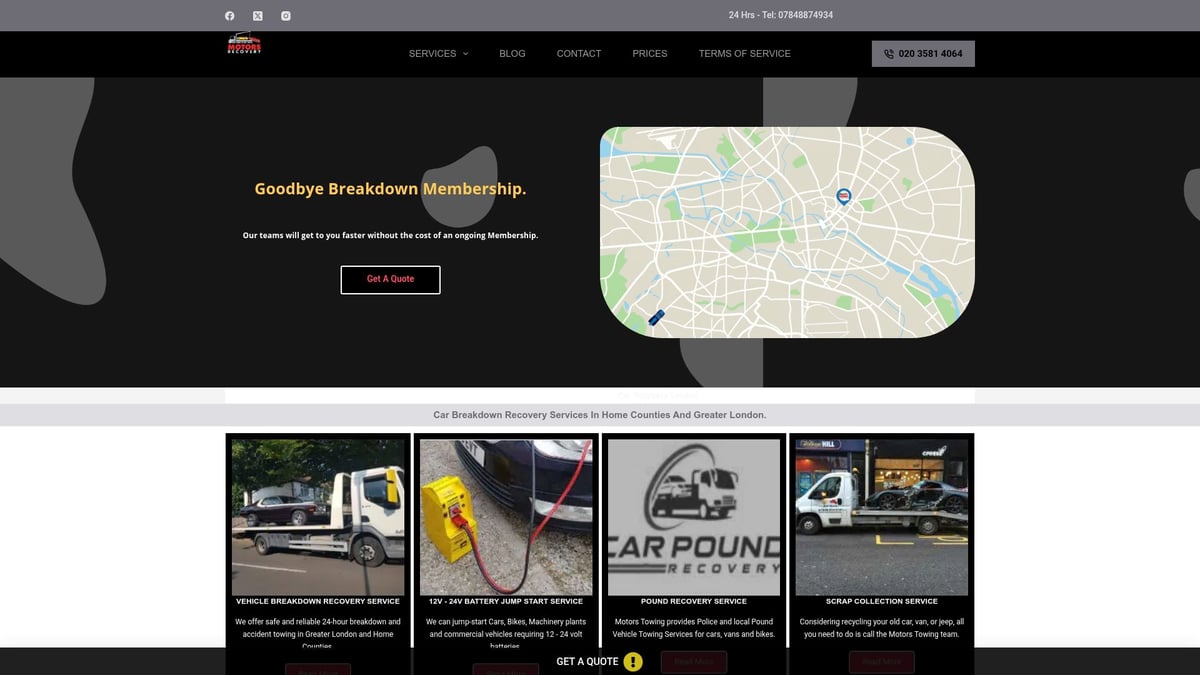
Motors Recovery offers a wide range of services, from emergency towing to on-the-spot repairs, tailored for private motorists and commercial clients alike. Their customer-first approach, local expertise, and rapid response times have helped them achieve high satisfaction and repeat business throughout Greater London and the Home Counties.
By studying the Motors Recovery business model, aspiring entrepreneurs can learn how a customer-centric strategy and operational efficiency drive long-term growth in the roadside service business.
Step 2: Setting Up Operations and Acquiring Equipment
Launching a successful roadside service business requires a robust operational foundation. From vehicles and equipment to staff and technology, every detail impacts your reliability and reputation. This section guides you through the essential steps to set up operations efficiently and professionally.

Sourcing and Outfitting Service Vehicles
Your vehicle fleet forms the backbone of your roadside service business. Start by evaluating which vehicles match your planned services. Common options include:
- Tow trucks (wheel-lift, hook and chain, flatbed)
- Service vans for jump-starts, lockouts, and minor repairs
- Specialized vehicles for motorcycle or EV support
Compare acquisition options to balance upfront investment and long-term value:
| Option |
Upfront Cost |
Maintenance |
Flexibility |
Typical Use Cases |
| New |
High |
Low |
High |
Long-term, heavy use |
| Used |
Medium |
Medium |
Medium |
Startups, budget-focused |
| Leased |
Low |
Included |
High |
Fleet expansion, scaling |
Outfitting your fleet is just as important. Equip each vehicle with:
- Winches and tow straps
- Jump starters and battery packs
- Tire changing tools
- Fuel cans and delivery kits
- Safety cones, vests, and first aid kits
A well-equipped fleet ensures your roadside service business can respond to a variety of emergencies with speed and professionalism.
Hiring and Training Staff
The people you hire represent your roadside service business on every call. Define your staffing needs based on your service range. Key roles include:
- Drivers with appropriate licenses
- Technicians skilled in diagnostics and repairs
- Dispatchers to coordinate calls and routes
Recruit with care, conducting thorough background checks and verifying driving records. Invest in continuous training for both technical skills and customer service. Well-trained staff not only resolve issues quickly but also build lasting trust with your clients.
Implementing Technology and Dispatch Systems
Modern technology streamlines operations for a roadside service business. Deploy dispatch software that integrates GPS tracking, route optimization, and job assignment. Leading solutions offer:
- Real-time vehicle tracking
- Digital work orders and status updates
- Mobile app access for field teams
A seamless dispatch system minimizes response times and boosts customer satisfaction. For efficient communication, set up dedicated lines or consider integrating online contact forms such as those used by professional providers. For example, Contacting a roadside service provider illustrates how to create clear channels for customer requests and updates.
Establishing Safety and Compliance Protocols
Safety is non-negotiable in any roadside service business. Develop clear protocols for roadside operations, including:
- Proper use of safety gear and warning devices
- Procedures for accident prevention and emergency response
- Documentation for incident reporting
Train your team on compliance with all local and national regulations. Regular safety drills and updates keep your staff prepared for any situation. Prioritizing safety not only protects your team but also enhances your business’s reputation for reliability and care.
Step 3: Launching Your Roadside Service Business
Bringing your roadside service business to market is a crucial milestone. This phase is where your planning transforms into action, setting the stage for strong brand recognition and customer trust. A well-executed launch ensures your services are visible, accessible, and positioned for rapid growth.
Branding, Naming, and Positioning
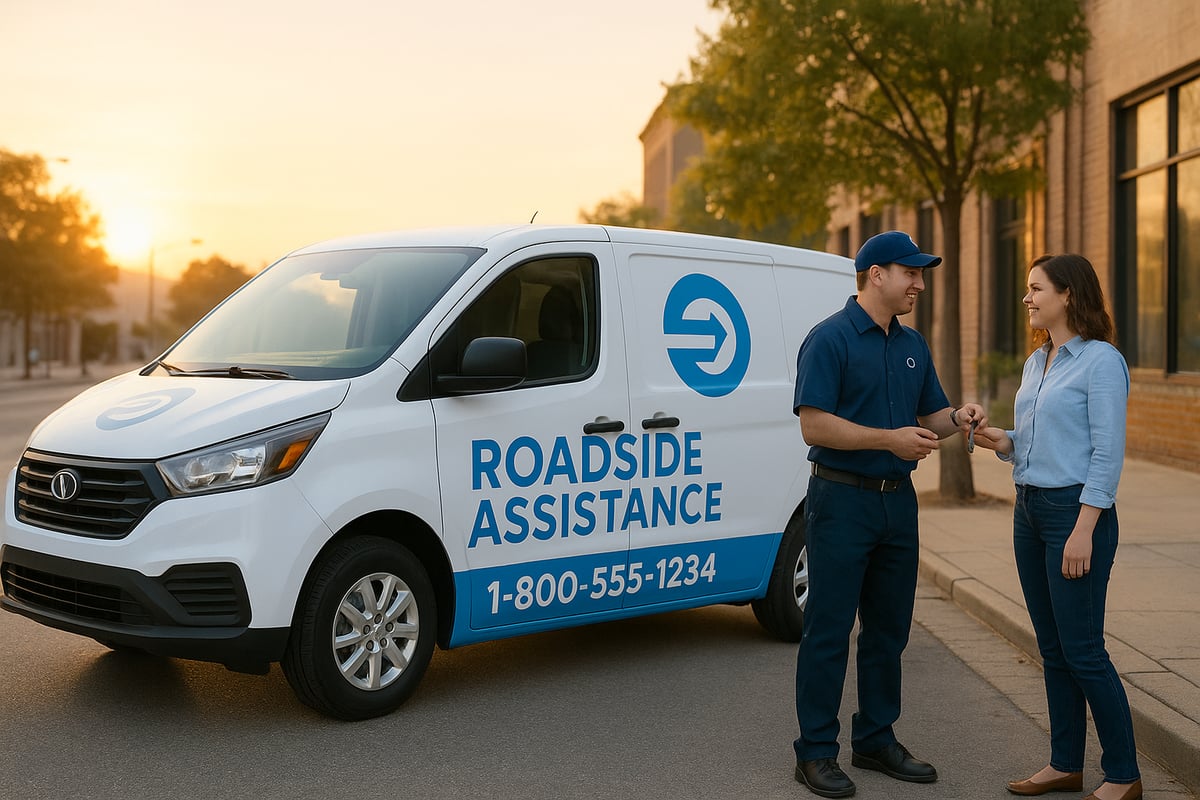
Establishing a strong identity is the first step for any roadside service business. Choose a memorable business name that stands out and reflects your values. Design a professional logo that is easily recognizable and communicates reliability.
Define your unique value proposition. Will your roadside service business be known for the fastest response, eco-friendly practices, or specialized EV support? Position your brand to highlight these strengths. Consistency in branding across vehicles, uniforms, and marketing materials builds credibility and trust with customers.
Building a Professional Online Presence
A visible and trustworthy online presence is essential for attracting clients. Start by developing a user-friendly website that clearly outlines your roadside service business offerings, service areas, and contact options. Optimize your site for local SEO, ensuring your business appears in search results when motorists need help.
Claim and verify your Google My Business profile. Regularly update service details and respond to reviews. Displaying testimonials on your website can further reinforce your reputation. Utilize social media platforms to engage with your local community and share updates or customer success stories.
Setting Service Pricing and Payment Systems
Determining the right pricing model is vital for your roadside service business. Research local competitors to understand market rates and set transparent, competitive prices. Being upfront about costs helps build customer trust and reduces disputes.
Consider offering multiple payment methods, including mobile, card, and cash, for convenience. For detailed strategies and examples of effective pricing structures, review this Roadside service pricing guide. Regularly review your rates to ensure they reflect service value and market changes.
Launch Marketing and Promotion
A successful launch of your roadside service business relies on strategic promotion. Plan a multi-channel campaign using local advertising, social media, and partnerships with auto shops or insurance providers. Host community events or provide introductory offers to generate buzz.
Distribute press releases to local media and share early customer success stories online. Encourage satisfied clients to leave reviews, which can boost your credibility. Consistent marketing efforts will help establish your presence and attract a loyal customer base.
Step 4: Growing and Scaling Your Roadside Service Business
Expanding your roadside service business requires strategic planning and a keen understanding of growth levers. Once your operations are running smoothly, the focus shifts to acquiring more customers, diversifying services, increasing efficiency, and staying adaptable in a changing industry. Let us explore the most effective strategies to help your roadside service business reach new heights in 2025.
Customer Acquisition and Retention Strategies
Growing your roadside service business depends on consistently attracting and keeping customers. Start by investing in robust digital marketing, including local SEO, pay-per-click campaigns, and active social media engagement. These channels boost visibility among drivers searching for immediate help.
Build strategic partnerships with auto shops, insurers, and local dealerships. These relationships often lead to steady contract work and cross-referrals. Launch a referral program to reward loyal clients who send new customers your way. Consider a loyalty program that offers discounts or priority service for repeat clients.
For a comprehensive overview of marketing and operational tactics, review the Comprehensive Guide to Starting a Roadside Assistance Business, which details proven customer acquisition strategies and retention techniques.
Expanding Service Offerings
To remain competitive, your roadside service business should regularly introduce new offerings. Listen to customer feedback to identify unmet needs, such as mobile tire repair, on-the-spot diagnostics, or EV charging for electric vehicles.
Analyze industry trends and consider value-added services like fleet maintenance or advanced digital diagnostics. Evaluate the profitability of each service before rollout to ensure sustainable growth. Adapting your portfolio keeps your roadside service business relevant and attracts a broader client base.
Managing Operations for Efficiency
Efficient management is critical as your roadside service business scales. Use data analytics to optimize dispatch routes, minimize travel time, and increase job completion rates. Implement GPS tracking and real-time job assignment software to keep your team coordinated and responsive.
Monitor key performance indicators, such as average response time and customer satisfaction scores, to identify areas for improvement. Invest in ongoing staff training and equipment upgrades, ensuring your team remains skilled and your fleet reliable. Operational excellence enhances your roadside service business reputation and drives repeat business.
Navigating Regulatory Changes and Industry Disruptions
As your roadside service business grows, staying compliant and adaptable is essential. Keep up with local regulations, licensing updates, and evolving industry standards, especially as vehicle technology advances. Monitor trends like autonomous vehicles and new environmental rules that may impact your operations.
Develop contingency plans to handle emergencies or economic fluctuations, such as diversifying your revenue streams or adjusting service offerings. By fostering a culture of continuous improvement, your roadside service business can weather disruptions and capitalize on new opportunities.
Step 5: Future-Proofing Your Roadside Service Business
Adapting to change is essential for any successful roadside service business. Future-proofing means preparing for emerging trends, sustainability demands, and industry disruptions. By focusing on innovation, environmental responsibility, and resilience, your roadside service business can remain competitive for years to come.
Embracing Technology and Innovation
Staying ahead in the roadside service business requires investing in the latest technology. Telematics solutions allow you to monitor vehicle locations, optimize routes, and reduce response times. AI-powered dispatch systems help match service requests with the nearest available technician, improving efficiency.
Mobile apps are essential for both staff and customers. They enable real-time job assignments, instant updates, and seamless communication. Predictive maintenance tools can reduce vehicle downtime by alerting you before issues arise. Real-time tracking and automated reporting provide transparency, building trust with your clients.
By integrating these innovations, your roadside service business not only boosts operational efficiency but also enhances customer satisfaction. Are you ready to harness the power of technology to drive your business forward?
Sustainability and Environmental Responsibility
Environmental concerns are shaping the future of every roadside service business. Transitioning to eco-friendly vehicles, such as electric or hybrid tow trucks, demonstrates your commitment to sustainability. Using energy-efficient equipment and adopting green practices reduces your carbon footprint.
Consider offering specialized services like mobile EV charging or tire recycling. These initiatives appeal to environmentally conscious customers and set your roadside service business apart from traditional competitors. Promoting your green efforts in marketing materials further enhances your brand reputation.
Implementing sustainable solutions is not just about compliance. It is a smart strategy for attracting new customers and ensuring long-term viability in a rapidly evolving market.
Building a Resilient Business Model
Resilience is the foundation of a thriving roadside service business. Diversifying revenue streams, such as adding fleet contracts or offering value-added services, helps reduce risk. Building a culture of adaptability and continuous improvement empowers your team to respond to industry changes.
Joining professional associations and networks provides access to resources, best practices, and regulatory updates. This proactive approach keeps your roadside service business informed and prepared for economic shifts or technological disruptions.
For a comprehensive approach to building resilience, consult resources such as the Roadside Assistance Business Startup Checklist, which offers actionable steps for long-term planning and operational agility.

