Imagine you are stranded by the roadside at night, unsure of your next move. Would you feel confident knowing how to get help quickly? As vehicles and travel habits evolve, understanding roadside vehicle assistance has never been more important.
This essential guide equips you with everything you need to navigate breakdowns and emergencies. You will discover the latest services, practical steps, and expert tips for handling unexpected issues with ease.
From common roadside problems to choosing the right provider, we will cover how to prepare for emergencies, explore new trends, and highlight must-have tools. You will gain the knowledge and confidence to stay safe and in control when it matters most.
Roadside vehicle assistance is more vital than ever for UK motorists. With vehicles becoming increasingly complex, having access to fast, professional help during a breakdown is essential. Whether you drive daily or occasionally, knowing how roadside vehicle assistance works can make the difference between a minor inconvenience and a major ordeal.
What Is Roadside Vehicle Assistance?
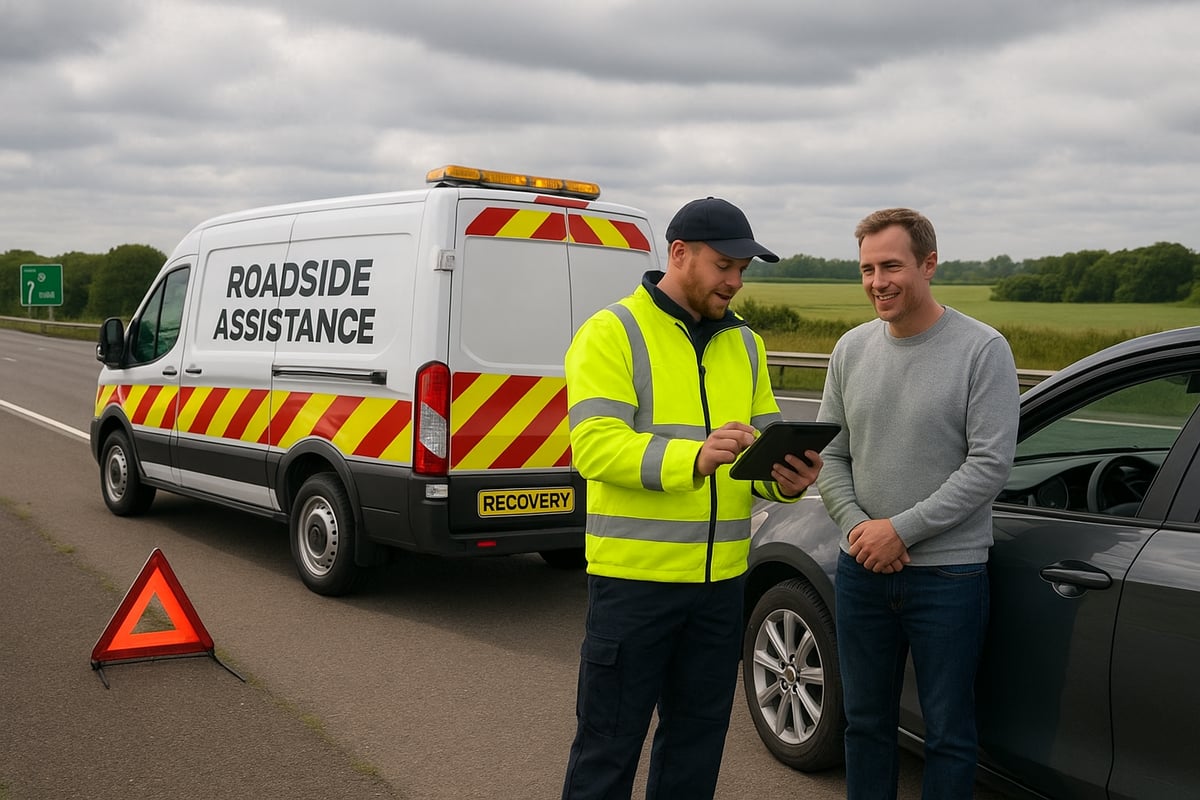
Roadside vehicle assistance is a professional service designed to help drivers when their vehicle breaks down unexpectedly. In 2026, these services cover a broad range of issues, from flat tyres and battery failures to lost keys and fuel problems. Unlike traditional breakdown cover, which often required annual membership, modern roadside vehicle assistance offers flexible, on-demand support for drivers of all types.
Motorists rely on roadside vehicle assistance for peace of mind, especially during long journeys or in unfamiliar areas. Common scenarios include a sudden puncture on a rural road or a dead battery in a busy city centre. Recent data shows that 68% of UK drivers experienced a breakdown in the past three years, highlighting just how widespread the need for these services has become.
How Roadside Assistance Has Evolved
The landscape of roadside vehicle assistance has transformed rapidly in recent years. Advancements in technology now allow technicians to use smart diagnostics and GPS tracking to pinpoint issues and reach stranded drivers faster. Services have expanded to include support for electric and hybrid vehicles, catering to the growing number of eco-friendly cars on UK roads.
Providers offer both on-demand and membership-based models, giving customers more flexibility than ever before. The focus has shifted toward rapid response and delivering a seamless customer experience, often through intuitive mobile apps. For instance, drivers can now track their assistance vehicle’s arrival in real time, reducing anxiety and increasing transparency.
Types of Roadside Assistance Services
Roadside vehicle assistance is comprehensive, covering a variety of emergencies. Key services include:
- Emergency towing and vehicle recovery
- Battery jump-starts and battery replacements
- Tyre changes and puncture repair
- Fuel delivery and misfuelling solutions
- Lockout and lost key services
- Minor mechanical repairs performed on the spot
Thanks to advancements in service delivery, 42% of breakdowns are now resolved roadside without the need for towing. For a detailed overview of what’s available, visit Comprehensive roadside assistance services.
Who Provides Roadside Assistance?
The providers of roadside vehicle assistance in the UK range from large national organisations to independent local operators. Well-known names like the AA, RAC, and Green Flag offer broad coverage and established reputations. Local businesses may deliver more personalised service and faster response in their areas.
Car manufacturers often include roadside vehicle assistance as part of new vehicle warranties, while some insurers and credit card companies offer it as an add-on. Each provider type has its pros and cons, such as differences in cost, coverage, and response times, so it’s important to compare options before choosing.
When and Why You Might Need It
Roadside vehicle assistance becomes crucial during common emergencies, which can vary by season and vehicle type. Winter months bring battery failures and slippery roads, while summer can see overheating and tyre blowouts. Travelling without cover exposes drivers to significant risks, especially on motorways or in remote locations.
Real-world examples include breakdowns on busy motorways or isolated country lanes, where help may not be easily accessible. Without roadside vehicle assistance, the average UK callout can cost £120, making cover a practical investment for most drivers.
Step-by-Step Guide: What to Do When Your Vehicle Breaks Down
Breaking down on the road can be stressful, but following a clear plan helps you stay safe and get back on track quickly. This step-by-step guide explains how to respond during a roadside vehicle assistance emergency, ensuring you protect yourself, your passengers, and your vehicle.
Step 1: Ensure Safety First
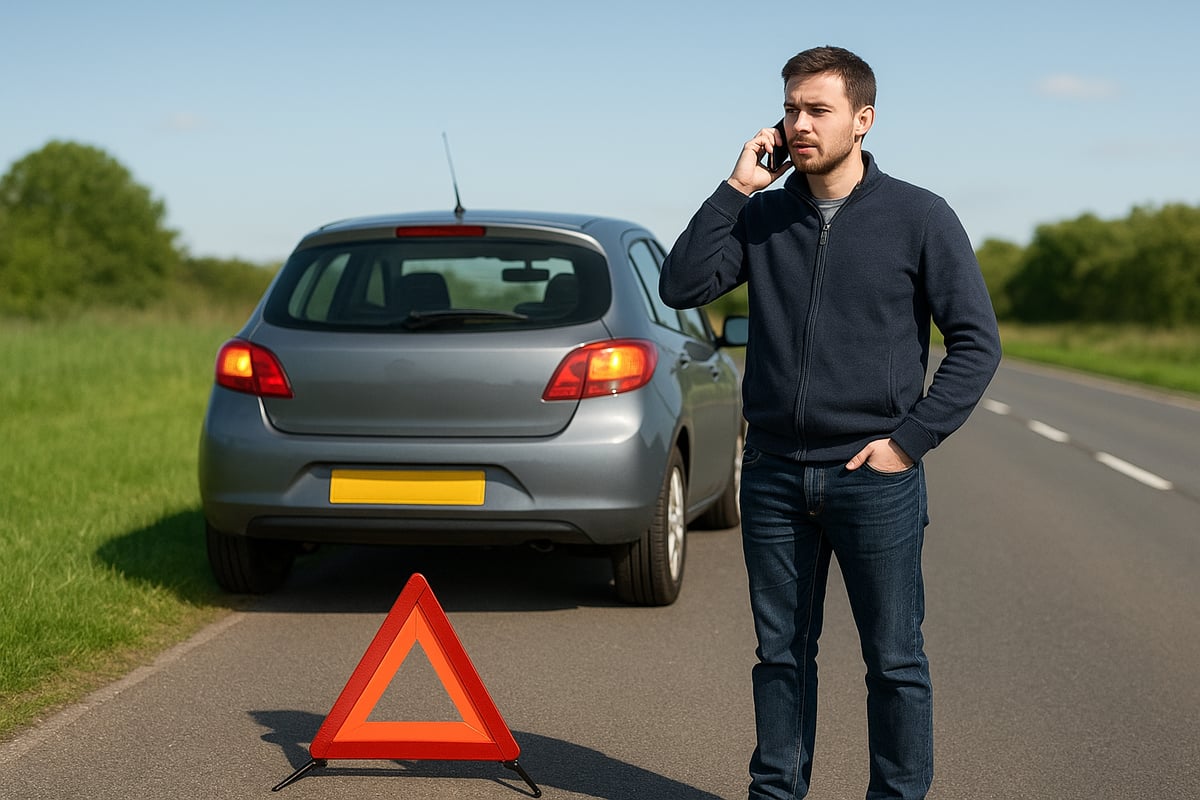
Your safety is the top priority during any roadside vehicle assistance situation. If possible, steer your vehicle to a safe spot, such as a lay-by or the hard shoulder. Switch on your hazard lights immediately to alert other drivers.
Exit the vehicle carefully using the passenger side if you are on a motorway. Ensure all passengers, including pets, leave the car and wait behind a safety barrier if available. Place a warning triangle at least 45 metres behind your car, but never use one on a motorway as per the UK Highway Code.
Check everyone is safe and stay well away from moving traffic. These actions help prevent further accidents and are essential for effective roadside vehicle assistance.
Step 2: Assess the Situation
Once everyone is safe, take a moment to evaluate what has happened. Look for obvious signs, such as a flat tyre, smoke, strange noises, or dashboard warning lights. Only approach your vehicle if it is safe to do so.
If the issue seems minor, like a blown fuse or a flat tyre, consider whether you can address it with your emergency kit. However, for more serious problems, avoid taking risks. Understanding the type of roadside vehicle assistance you need helps ensure the right help is dispatched.
Document any visible damage or signs for your records. This assessment will be important when you contact your provider for roadside vehicle assistance.
Step 3: Contact Roadside Assistance
After assessing the situation, reach out for professional roadside vehicle assistance. Call your provider using their emergency number or use their mobile app for faster service. Clearly state your location, vehicle make and model, and describe the problem you identified.
If you are unsure how to proceed, refer to this How to get roadside assistance guide for step-by-step instructions. Providing accurate information can speed up response times and ensure the right resources are sent.
Remember, the average response time for roadside vehicle assistance in the UK is about 45 minutes. Stay calm and follow your provider’s instructions while you wait.
Step 4: Wait Safely and Securely
While waiting for roadside vehicle assistance, keep yourself and your passengers away from traffic. Stand behind safety barriers if possible and make sure valuables are out of sight in your locked vehicle.
Remain visible to your recovery team by wearing a high-visibility vest, especially in low light. Stay in contact with your provider using your phone or app for updates.
If you feel threatened or unsafe at any point, do not hesitate to call the police. Prioritising your safety during roadside vehicle assistance is always the right choice.
Step 5: What to Expect When Help Arrives
When the roadside vehicle assistance technician arrives, ask to see their identification before allowing them to approach your vehicle. The technician will assess your car and attempt repairs on the spot for minor issues such as battery failures or tyre changes.
If repairs are not possible, your vehicle will be prepared for towing. The technician will explain the process and your rights as a customer, including where your vehicle will be taken.
Stay nearby and follow any instructions. Understanding what to expect ensures a smooth roadside vehicle assistance experience.
Step 6: Aftercare and Next Steps
Once your immediate roadside vehicle assistance is complete, arrange onward travel or accommodation if needed. Report the incident to your insurer if your policy requires it, and keep copies of any breakdown or repair records.
Follow up on necessary repairs promptly to prevent future issues. Maintain a personal log of the event, including the time, location, and services provided.
Being proactive about aftercare gives you peace of mind and prepares you for any future roadside vehicle assistance needs.
How to Choose the Right Roadside Assistance Provider
Selecting the best roadside vehicle assistance provider can mean the difference between a swift rescue and a stressful delay. With so many options in 2026, knowing how to assess your choices is essential for every driver.
Key Factors to Consider
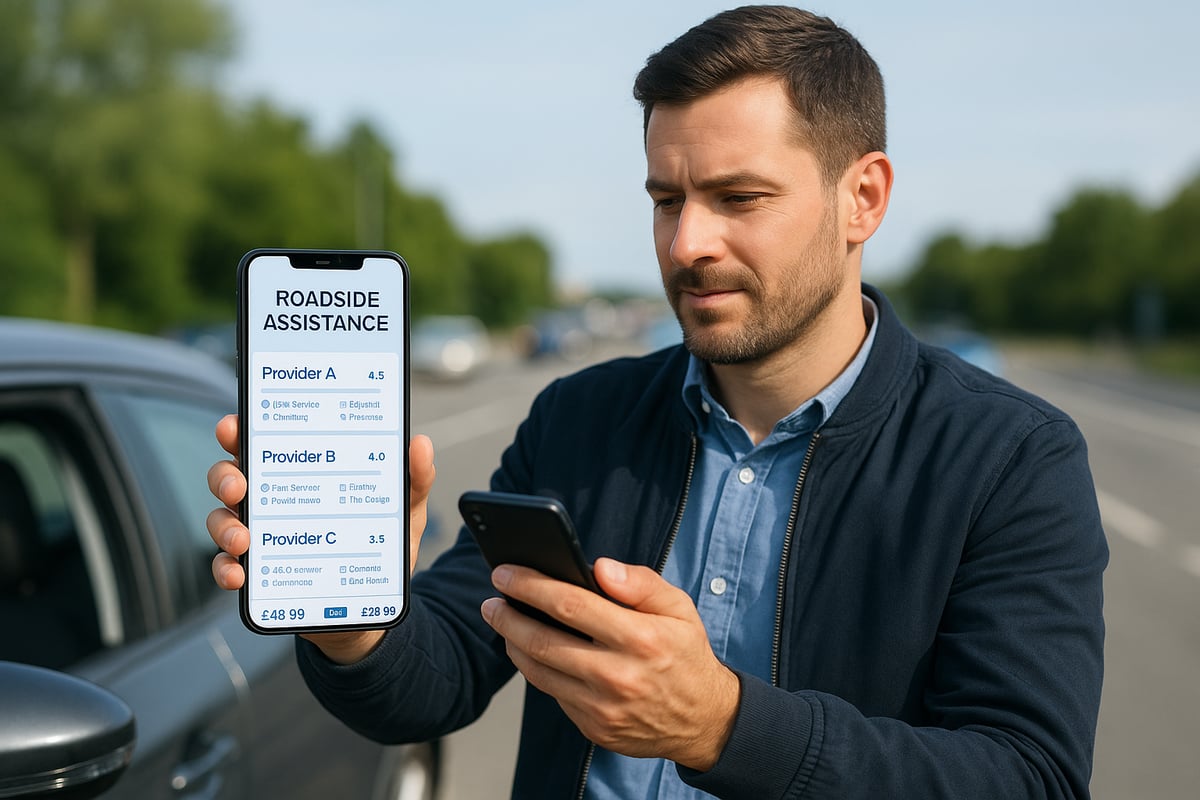
When evaluating roadside vehicle assistance, start by checking the provider’s coverage and response times. Consider these essential factors:
- Coverage: Does the provider operate in your area and along your usual routes?
- Response Time: What is their average time to reach stranded motorists?
- Vehicle and Incident Types: Ensure your car, van, or motorcycle is covered, including common breakdown scenarios.
- Availability: 24/7 support is crucial for peace of mind.
- Pricing Transparency: Look for clear details on costs and any additional fees.
A thorough review of these points will help you find roadside vehicle assistance that matches your needs and driving habits.
Comparing Membership vs. Pay-As-You-Go
Understanding the cost structure of roadside vehicle assistance is vital. Two main options are available: annual membership and pay-as-you-go services.
| Model |
Pros |
Cons |
Typical Cost |
| Membership |
Unlimited callouts, extra benefits |
Higher upfront cost, may go unused |
£60-£120/year |
| Pay-As-You-Go |
Pay only when needed, no contracts |
More expensive per callout |
£90-£150/call |
Membership is ideal for frequent drivers who want comprehensive roadside vehicle assistance. Pay-as-you-go suits those who drive less often or prefer flexibility.
Evaluating Service Quality and Reliability
Not all roadside vehicle assistance is created equal. Investigate a provider’s reputation through independent reviews and customer testimonials. Look for industry accreditations, such as PAS 43 or ISO certifications, which signal high standards.
Compare average response times and read real-world experiences from other motorists. For a detailed comparison of leading options, visit the Best UK roadside assistance providers. This research ensures you select a trustworthy service that will not let you down when it matters most.
Understanding Exclusions and Limitations
Carefully read the terms and conditions of any roadside vehicle assistance policy. Common exclusions include:
- Vehicles above a certain age or weight
- Pre-existing faults or non-roadworthy vehicles
- Callout limits per year
- Restrictions on distance or location (e.g. remote areas)
- Additional charges for specialist recovery or electric vehicles
Knowing these details helps you avoid unexpected costs and disappointment during an emergency.
The Role of Technology in Provider Selection
Modern roadside vehicle assistance now relies heavily on technology. Leading providers offer mobile apps with live tracking, digital communication, and online claims. These tools enhance transparency and speed up the recovery process.
Many UK drivers now prefer services that provide real-time updates, contactless payment, and secure digital documentation. When comparing options, prioritise those with advanced digital features to ensure the smoothest possible roadside vehicle assistance experience.
Motors Recovery: Fast, Flexible, and Affordable Roadside Assistance in Greater London
Motors Recovery delivers 24/7 roadside vehicle assistance and breakdown recovery for cars, vans, and motorcycles across Greater London and the Home Counties. No membership is required, making it ideal for those seeking on-demand help.
Their rapid response teams typically arrive within 60 minutes, offering services such as towing, battery jump-starts, and police pound recovery. With a modern fleet and experienced technicians, Motors Recovery ensures safe, professional support.
Transparent pricing and free quotes are available online or by phone. Whether you are a private motorist or business, this provider offers reliable, flexible roadside vehicle assistance when you need it most.
Essential Tools, Equipment, and Preparation for Roadside Emergencies
Being prepared for roadside vehicle assistance situations can make all the difference when emergencies strike. The right tools, equipment, and planning give you peace of mind and help you stay safe, no matter where or when you travel.
Must-Have Items for Every Vehicle
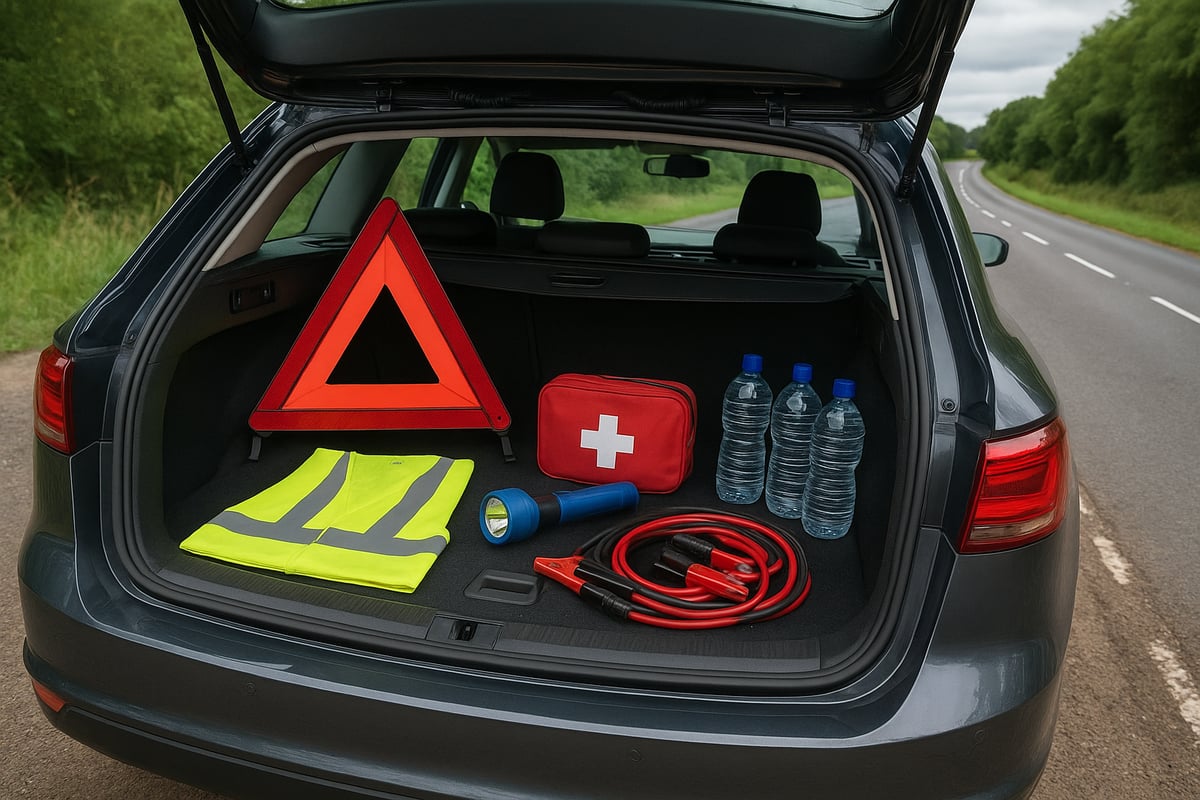
Every driver should keep essential equipment in their vehicle to ensure safety and quick response during roadside vehicle assistance events. The following items are recommended for all motorists:
- Warning triangle for alerting other drivers
- High-visibility vest to increase your visibility
- Torch with spare batteries for night-time incidents
- Spare tyre or tyre repair kit
- Jump leads or a portable battery pack
- First aid kit and fire extinguisher
- Basic toolkit for minor repairs
Carrying these essentials prepares you for the most common breakdown scenarios. For those seeking added peace of mind, explore Roadside assistance services near you to find local resources that complement your emergency kit.
Preparing for Seasonal and Regional Risks
Seasonal changes and your travel location can greatly influence what you need for roadside vehicle assistance. During winter months, pack blankets, de-icer spray, and snow chains for extra safety. In summer, stock up on water, sun protection, and engine coolant.
If you frequently drive in rural areas, consider a mobile signal booster and detailed paper maps in case of poor reception. Urban drivers may want to carry extra change for parking or tolls. Adapting your kit to your regular routes ensures you are always ready for unexpected situations.
Digital Tools and Apps for 2026
Modern roadside vehicle assistance relies heavily on digital innovation. In 2026, several apps and devices can help keep you connected and informed. Some top digital tools include:
| Tool/App |
Function |
Example Providers |
| Breakdown reporting |
Request help, track arrival |
RAC, AA |
| Vehicle monitoring |
Real-time diagnostics |
Manufacturer apps |
| Navigation |
Route planning, traffic alerts |
Google Maps, Waze |
| Emergency contacts |
Quick SOS, location sharing |
WhatsApp, iOS SOS |
Installing these tools on your phone and keeping devices charged ensures you can quickly access roadside vehicle assistance whenever you need it.
Vehicle Maintenance to Prevent Breakdowns
Regular vehicle maintenance is key to reducing your reliance on roadside vehicle assistance. Schedule services and MOTs on time, and check tyre pressure and tread depth monthly. Monitor your battery’s health, especially before long journeys or during cold weather.
Research shows that 35% of breakdowns result from poor maintenance. By staying proactive, you decrease the likelihood of becoming stranded and improve your vehicle’s overall reliability.
Emergency Preparedness for Families and Pets
If you travel with children or pets, tailor your roadside vehicle assistance preparations to their needs. Pack extra snacks, water, and any necessary medication. A favourite toy or blanket can help keep children calm.
Keep emergency contact cards in the glove box and add ICE (In Case of Emergency) information to your phone. For pets, bring a lead, portable water bowl, and a small supply of food. These steps ensure everyone stays comfortable and safe until help arrives.
Roadside Assistance Trends and Innovations
Roadside vehicle assistance is evolving rapidly, responding to changes in vehicle technology, customer expectations, and sustainability goals. As we move forward, drivers can expect a host of new trends that transform how breakdowns are managed and resolved. Let us explore the most significant innovations shaping the future of roadside vehicle assistance.
Electric and Hybrid Vehicle Support
The rise of electric and hybrid vehicles is reshaping roadside vehicle assistance in the UK. Modern assistance providers now offer specialised recovery options for electric cars, including on-the-spot charging solutions. These mobile charging vans can provide enough power to get stranded drivers to the nearest charging station, reducing delays and stress.
New training requirements ensure that technicians can safely handle high-voltage systems and unique EV components. Providers also invest in vehicles equipped to transport electric cars without damaging their batteries or drive systems.
This tailored approach to roadside vehicle assistance means drivers of electric and hybrid vehicles receive prompt, expert support, reflecting the growing importance of sustainable mobility.
AI and Smart Diagnostics
Artificial intelligence and smart diagnostics are revolutionising roadside vehicle assistance by making breakdown prevention and response more efficient. Predictive maintenance alerts, powered by telematics, notify drivers of potential issues before they escalate.
Remote diagnostics allow technicians to assess problems digitally, reducing unnecessary callouts and expediting repairs. According to the Impact of Connected Technologies on Roadside Assistance, these technologies are transforming emergency response, improving accuracy and reducing wait times.
As these smart solutions become standard, roadside vehicle assistance is increasingly proactive, helping motorists avoid breakdowns and receive faster, more effective support when issues arise.
Eco-Friendly and Sustainable Recovery Practices
Sustainability is now a core focus for roadside vehicle assistance providers in 2026. Many companies are transitioning to low-emission or electric recovery vehicles to reduce their environmental impact. These eco-friendly fleets help lower overall carbon emissions associated with breakdown recovery.
Providers also adopt recycling programmes and responsible disposal practices for batteries, tyres, and other vehicle parts. Digital receipts and paperless processes further minimise waste, streamlining communication for customers.
By embracing green initiatives, roadside vehicle assistance providers are not only protecting the environment but also aligning with the values of eco-conscious drivers across the UK.
Personalisation and On-Demand Services
Personalisation is redefining roadside vehicle assistance, offering drivers more choice and flexibility. In 2026, providers use advanced data analytics to tailor cover options, pricing, and response strategies based on individual needs and locations.
On-demand services are increasingly popular, letting motorists request help as needed without annual membership. Dynamic dispatch systems match the nearest available technician to the breakdown, ensuring rapid response and efficiency.
These innovations make roadside vehicle assistance more accessible and convenient, meeting the expectations of today’s digitally connected and mobile-savvy drivers.
The Future of Customer Experience
Customer experience is at the heart of modern roadside vehicle assistance. Providers now offer real-time communication throughout the breakdown process, with live status updates and estimated arrival times delivered via mobile apps.
Contactless payment options and digital documentation streamline the service, while enhanced safety features such as video call support offer reassurance, especially for lone travellers. These advancements ensure that every interaction is transparent, secure, and stress-free.
As technology continues to evolve, roadside vehicle assistance will keep adapting, delivering peace of mind and confidence to UK motorists wherever their journeys take them.
Frequently Asked Questions About Roadside Assistance
Picture yourself facing a sudden vehicle issue on a busy road. The right answers can make all the difference in your response. Below are expert responses to the most common questions about roadside vehicle assistance, designed to keep every driver informed and prepared.
What Should I Do If I Break Down on a Motorway?
If your car breaks down on a motorway, move it as far left as possible, ideally onto the hard shoulder or into an emergency refuge area. Turn on hazard lights and exit the vehicle from the side away from traffic. All passengers should stand behind the safety barrier, well away from the carriageway. Use the nearest emergency roadside phone for direct contact with Highways England. Following these steps ensures you remain visible and safe while waiting for roadside vehicle assistance to arrive.
Is Roadside Assistance Worth the Cost?
Roadside vehicle assistance is often worth the investment, especially when considering the average callout cost of £120 without cover. For many, peace of mind and the potential savings on a single breakdown outweigh the annual premium. According to UK Roadside Assistance Market Size and Growth, demand for these services continues to rise, reflecting their value among British motorists. For regular drivers, the cost-benefit ratio strongly favours having reliable cover in place.
Can I Get Help Without a Membership?
Yes, you can access roadside vehicle assistance even if you do not have a membership. Many providers now offer pay-as-you-go or on-demand services, allowing you to request help only when needed. This is ideal for infrequent drivers or those with multiple vehicles. However, costs per incident are generally higher than with annual membership. Always check the provider’s response times and coverage areas before relying solely on non-membership options.
What Information Do I Need When Calling for Assistance?
When contacting roadside vehicle assistance, have the following details ready: your precise location (using a motorway marker or GPS if possible), your vehicle’s make, model, and registration, and a brief description of the problem. Mention any urgent safety concerns, such as being in a dangerous spot or having young children or pets with you. Providing accurate information helps dispatchers send the right support quickly, ensuring a smoother and safer experience.
Are There Special Services for Electric Vehicles?
Yes, roadside vehicle assistance has evolved to support electric vehicles. Many providers now offer mobile charging units and technicians trained for EV-specific issues. You can expect help with flat batteries, charging faults, or recovery to the nearest charging station. As technology advances, more companies are integrating AI and Automation in Emergency Roadside Assistance to diagnose and resolve EV breakdowns efficiently. Always check your provider’s EV capabilities before travelling.
What Happens If My Vehicle Can’t Be Fixed Roadside?
If on-the-spot repairs are not possible, roadside vehicle assistance will arrange for your vehicle to be towed to a suitable garage or location of your choice within policy limits. Providers may also support onward travel, such as arranging taxis or overnight accommodation, depending on your cover. Make sure to keep all documentation, as you may need it for insurance claims. Understanding your rights under UK consumer law can help ensure you receive fair treatment throughout the process.

