Imagine being stuck on the roadside in 2025, unsure how to tow the car and worried about legal requirements. With roadside breakdowns on the rise, knowing the right way to tow the car is more important than ever.
This essential guide will walk you through every step, from understanding the latest laws to checking your equipment and choosing safe towing methods. You will also discover expert advice to help you avoid common mistakes.
Improper towing can lead to fines, insurance issues, and expensive vehicle damage. By following this up-to-date guide, you can achieve peace of mind, protect your vehicle, and stay compliant with 2025 regulations. Ready to tow the car safely and confidently? Let’s get started.
Understanding Legal and Safety Requirements for Towing
Staying compliant with the latest regulations is critical when you need to tow the car in 2025. The UK and EU have both updated their towing laws, introducing new licensing requirements, stricter speed limits, and additional mandatory equipment for all motorists. Before you tow the car, check whether your driving licence covers the weight and type of trailer or towed vehicle you plan to use. For a detailed overview, consult the UK and EU towing laws 2025 to ensure your documentation and methods are up to date.
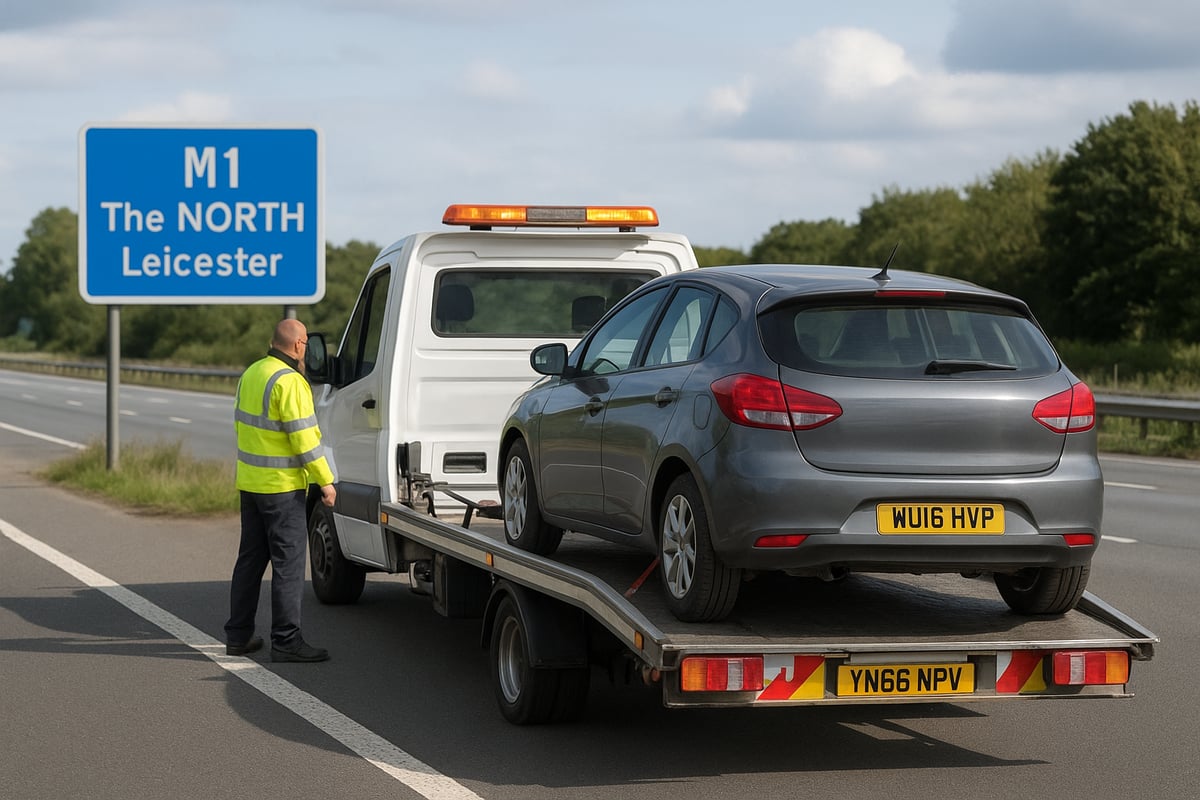
Understanding insurance requirements is equally important before you tow the car. Many policies exclude cover for damage during towing unless you follow the policy’s terms to the letter. Always confirm your insurance includes towing, and check for any specific restrictions or requirements. Legal weight limits must not be exceeded; this means matching your vehicle’s towing capacity to the combined weight of the car, trailer, and load. Exceeding these limits can not only result in fines but also invalidate your insurance if you tow the car outside the legal framework.
Visibility is a legal and safety necessity when you tow the car in 2025. Regulations require that the towed vehicle displays a clearly visible number plate matching the towing vehicle, fully operational lights, and reflective markers. These requirements help other drivers recognize and respond to your towing situation. Enforcement statistics from recent years show a marked increase in penalties for missing or defective lights and number plates. The consequences for non-compliance include on-the-spot fines, penalty points on your licence, and potential prosecution if you repeatedly fail to meet visibility standards while you tow the car.
It is illegal and unsafe to tow the car with passengers or pets inside the towed vehicle. This regulation is based on safety concerns, as the towed car cannot provide the same level of protection or emergency response as a powered vehicle. Authorities in 2025 have increased roadside checks, and recent enforcement data reveals that penalties for carrying people or animals in a towed car have doubled in the past year. Always ensure the towed vehicle is empty before you tow the car to avoid putting lives at risk and facing legal action.
Technological compliance is now a legal requirement for those who tow the car in 2025. Electronic stability aids and trailer anti-sway systems are mandatory for many setups, especially when towing larger vehicles or loads. These systems help prevent loss of control and reduce accident risk. Failing to use approved technology can lead to severe penalties, including hefty fines and immediate suspension of towing privileges. By following these updated safety and technology standards, you ensure that when you tow the car, you protect yourself, your vehicle, and others on the road.
Assessing Your Vehicle and Equipment Before Towing
Proper preparation is the foundation of any successful attempt to tow the car. Before you attach a single strap or start your engine, a systematic assessment of your vehicle and equipment is essential. This ensures not only compliance with 2025 regulations but also your safety and the protection of your vehicle.

Determining Vehicle Towing Capacity and Curb Weight
The first step before you tow the car is to confirm your vehicle’s towing capacity and curb weight. Start by consulting the owner’s manual or the manufacturer’s website for accurate figures. Pay close attention to differences by engine, trim, and model year. For example, the towing capacity of a Nissan Pathfinder SL in 2025 can differ from the Rock Creek variant due to suspension and drivetrain upgrades.
It’s critical to calculate the total combined weight, including your vehicle, trailer, and any load. Exceeding these limits can result in brake failure or transmission damage, leaving you liable for costly repairs. Here’s a quick reference table of typical weights for popular 2025 SUVs and cars:
| Model |
Curb Weight (kg) |
Max Towing Capacity (kg) |
| Ford Kuga Hybrid |
1,680 |
1,800 |
| Nissan Pathfinder SL |
2,050 |
2,700 |
| VW Golf Estate |
1,450 |
1,600 |
Always aim to stay 10–20% below the maximum rating when you tow the car. This buffer ensures stability and reduces the risk of mechanical failure. For more on updated towing procedures and regulations, consult this breakdown recovery guide for 2025.
Choosing the Right Towing Equipment
Selecting the appropriate equipment is vital whenever you tow the car. The main component is the hitch, which must match your vehicle’s weight class. Hitches are rated from Class I (light duty, up to 900 kg) to Class V (heavy duty, over 3,500 kg). Using manufacturer-approved tow bars, dollies, or trailers ensures compatibility and safety.
Always use safety chains as required by law. Attach them in a crisscross pattern beneath the hitch, providing extra security if the primary connection fails. Inspect all ropes, chains, and straps before each use. Damaged or mismatched gear can snap under pressure, causing loss of control or roadside incidents.
Recent cases have shown that improper equipment choice is a leading cause of accidents when motorists tow the car. Investing in quality gear and professional installation significantly lowers your risk.
Pre-Towing Vehicle Inspection Checklist
A thorough inspection is crucial every time you tow the car. Begin with these checks:
- Inspect tire pressure and tread on both vehicles and trailers.
- Test brakes for responsiveness.
- Confirm all lights and indicators work on both units.
- Ensure mirrors offer a clear rear and side view.
- Check steering for any stiffness or play.
Set the towed vehicle’s ignition to the accessory position to prevent the steering from locking. Verify all fluid levels, including brake and transmission fluids, and make sure the battery is charged. Remove or secure any loose items inside both vehicles to avoid hazards during transit.
Taking the time to inspect and prepare before you tow the car helps prevent breakdowns, accidents, and legal issues. This diligence is your best safeguard for a safe and compliant journey.
Step-by-Step Methods to Tow a Car Safely
Towing a vehicle is never a one-size-fits-all operation. The right approach depends on your equipment, the type of breakdown, and the car’s make. Here, we break down four proven methods to tow the car safely, ensuring you stay compliant and protect your vehicle at every step. For a thorough understanding of the latest legal requirements, refer to this UK towing laws 2025 guide.
Method 1: Towing with a Chain or Tow Rope
This classic method is suitable only for emergencies or very short distances. Before you tow the car using a chain or rope, confirm both vehicles are roadworthy and the equipment is rated for the combined weight.
Proper Attachment Points
- Always attach the rope or chain to manufacturer-designated tow hooks.
- Never connect to bumpers or suspension parts, as this can cause severe damage.
Equipment Strength and Length
- Use a rope or chain with a breaking strength at least twice the weight of the car.
- Recommended length is between 3 and 4.5 meters for safe distance and control.
Driving Restrictions
- Do not exceed 15 mph and avoid highways.
- Keep the rope taut at all times to reduce jerking.
Risks and Precautions
- The towed vehicle will have limited braking ability.
- Sudden stops can cause rear-end collisions.
- Many accidents occur when people tow the car without checking brakes or using frayed ropes.
Example A common mishap is when a chain snaps under load, leading to runaway vehicles or property damage. Always double-check equipment and connections before setting off.
Method 2: Using a Tow Dolly
A tow dolly lifts the front wheels of the towed car off the ground, making it ideal for front-wheel-drive vehicles. To tow the car this way, park both vehicles on level ground and secure the dolly to the towing vehicle.
Suitability
- Best for FWD vehicles.
- Not suitable for most AWD or rear-wheel-drive vehicles unless the driveshaft is disconnected.
Securing the Vehicle
- Drive the car onto the dolly until the tires rest against the stops.
- Use heavy-duty straps to secure both front wheels.
- Attach safety chains from the dolly to the frame of the car.
Reduced Wear
- Using a dolly reduces tire and driveline wear compared to flat towing.
Rental and Costs
- Tow dollies are widely available for hire, with average costs in 2025 ranging from £35 to £60 per day.
Example When you tow the car between cities using a dolly, you minimize the risk of transmission damage and comply with most insurance policies.
Method 3: Flat Towing with a Tow Bar
Flat towing means all four wheels of the car stay on the road. Before you tow the car this way, verify if the vehicle is designed for flat towing by checking the owner’s manual.
Vehicle Requirements
- Manual transmissions, transfer case neutral, or driveshaft disconnect needed.
- Some vehicles require aftermarket modifications for safe flat towing.
Connection Steps
- Attach the tow bar to the tow vehicle and the towed vehicle’s frame.
- Always use safety chains as a backup connection.
Risks and Legal Considerations
- Flat towing can cause the towed car to “push” during braking or turns.
- Insurance and legal compliance are critical; not all vehicles are approved for this method.
Popular Uses
- RV owners often tow the car flat for convenience.
- Always check manufacturer recommendations for 2025 models.
Example Some automakers specifically list which vehicles can be flat towed, preventing costly mistakes and potential warranty issues.
Method 4: Car Trailer Towing
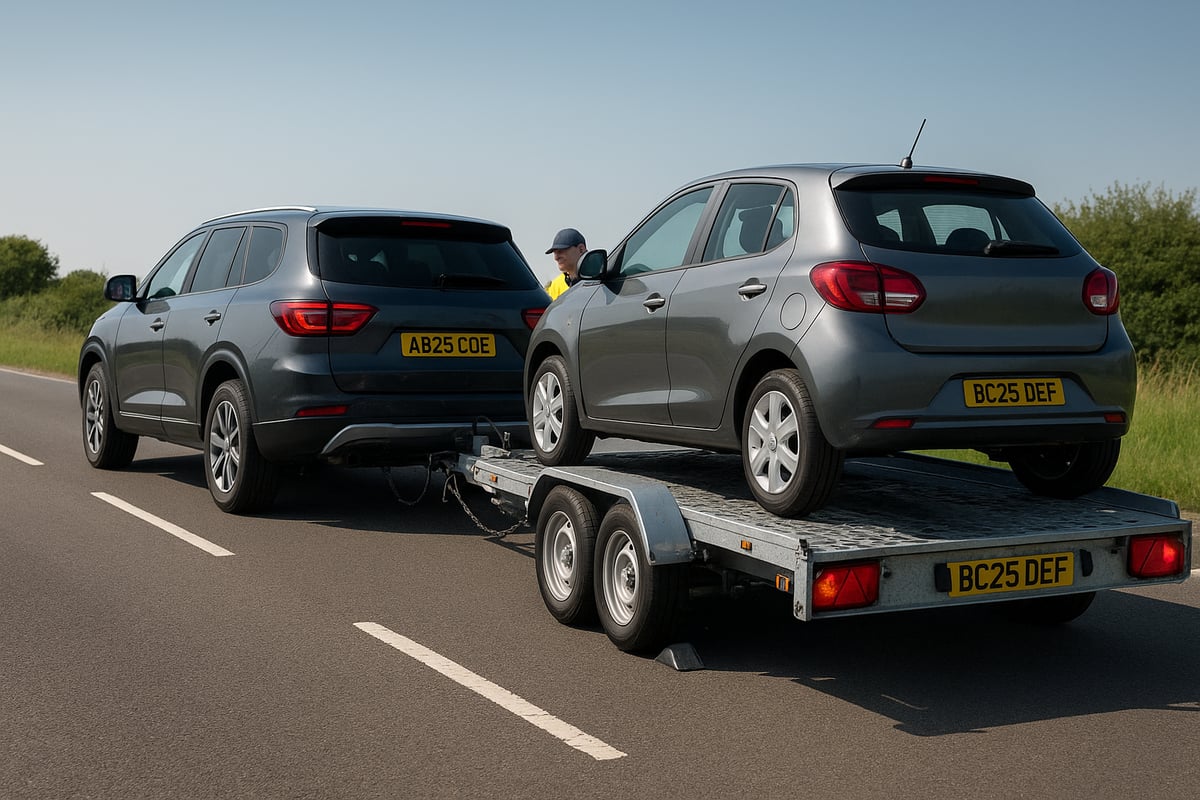
Car trailers provide the most secure and versatile way to tow the car, especially over long distances. This method lifts all wheels off the ground, eliminating wear and tear.
Advantages
- Ideal for vehicles with unknown or incompatible drivetrains.
- Reduces risk of mechanical failure during transport.
Tow Vehicle Requirements
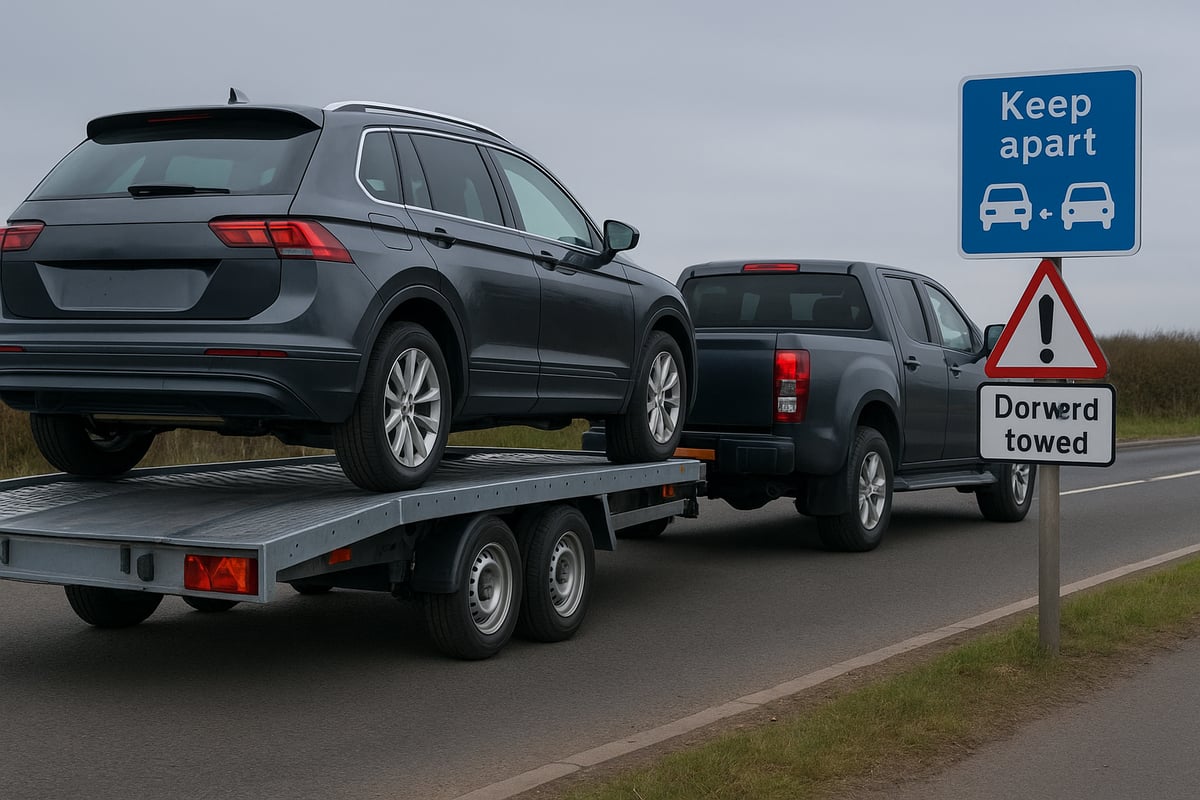
- Requires a powerful SUV or pickup with adequate towing capacity.
- Trailer brakes and lights are mandatory for legal compliance.
Loading and Securing
- Use wheel chocks and heavy-duty straps at all four corners.
- Distribute weight evenly for optimal handling.
Cost and Professional Use
- Trailer hire is more expensive but offers unmatched safety.
- Professional recovery services frequently tow the car with trailers for peace of mind.
Example When using a trailer, you ensure the vehicle arrives undamaged, no matter the distance or road conditions.
Special Considerations: Drivetrain Types and Transmission Safety
Understanding your vehicle’s drivetrain and transmission is crucial when you need to tow the car. Different systems react differently to towing, and using the wrong method can result in severe mechanical damage or costly repairs. Let’s explore how to tow the car safely with various drivetrains and why transmission protection is essential.
Towing 2WD vs. 4WD and AWD Vehicles
Before you tow the car, always identify if it is front-wheel drive (FWD), rear-wheel drive (RWD), four-wheel drive (4WD), or all-wheel drive (AWD). Each type has unique towing requirements. For FWD vehicles, the safest way to tow the car is by lifting the front wheels off the ground, typically with a tow dolly. If you tow the car with the drive wheels on the road, you risk damaging the transmission and differential due to lack of lubrication.
RWD vehicles often require disconnecting the driveshaft before towing. Failing to do so can overheat the transmission and lead to expensive repairs. With 4WD and AWD vehicles, the risk is even higher. Towing without proper preparation can cause internal transfer case and gearbox failures, sometimes within a few miles. In 2025, manufacturers increasingly specify strict guidelines, and many models now have electronic features to help protect components. Always consult the owner’s manual and, if in doubt, use a flatbed trailer to tow the car safely.
Recent data shows that improper towing of AWD vehicles can result in repairs costing thousands. For the latest legal and technical requirements, refer to the EU Directive 2025/2205 on towing, which sets out updated best practices and mandatory equipment for each drivetrain type.
Protecting Automatic and Manual Transmissions
Transmission safety is vital when you tow the car, as incorrect procedures can void warranties and cause irreversible damage. Automatic transmissions are particularly sensitive. Many cannot be towed with wheels on the ground because the transmission pump does not circulate fluid unless the engine runs. If you must tow the car with an automatic transmission, set it to neutral, but always check the manual for specific instructions. Some 2025 vehicles require the use of a transfer case neutral setting or complete driveshaft removal.
Manual transmissions offer more flexibility, allowing short-distance towing in neutral, but risks remain if the car is towed for long periods. For both types, aftermarket solutions like lube pumps or driveshaft couplers are available, but only use manufacturer-approved devices to avoid complications.
There have been numerous cases where drivers tow the car without following these precautions, leading to transmission failures and denied warranty claims. To avoid these costly mistakes, always double-check your vehicle’s towing instructions and never assume all cars can be towed the same way. A careful approach will protect your drivetrain, save money, and ensure compliance with evolving regulations.
Safe Driving Techniques and Roadside Etiquette While Towing
Towing is a skill that requires more than just attaching a vehicle and driving off. Knowing how to tow the car safely is essential for protecting yourself, your passengers, and everyone else on the road. Adopting the right driving habits and understanding roadside etiquette can make a significant difference in both safety and legal compliance.
Adjusting Your Driving for Towing Conditions
When you tow the car, your driving style must adapt to new dynamics. Towing increases your vehicle’s length, weight, and stopping distance, making it crucial to reduce speed and drive with heightened caution.
Lower your speed to comply with legal limits for towing, which are often lower than standard limits. Allow extra time for acceleration, as the added weight makes your vehicle less responsive. When you tow the car, smooth and gradual braking is vital to prevent jackknifing and rear-end collisions.
Extended mirrors are a must for visibility. Adjust them to eliminate blind spots, ensuring you can see the towed vehicle and surrounding traffic. Maintain a larger following distance than usual, giving yourself ample space to react to sudden stops or obstacles.
Avoid sudden lane changes or sharp turns. The extra length and weight can make your setup more prone to swaying or losing control. Always anticipate traffic flow and signal your intentions early.
Towing Accident Statistics (UK, 2025)
| Cause of Accident |
Percentage (%) |
| Excessive Speed |
32 |
| Insufficient Following Distance |
24 |
| Poor Visibility |
18 |
| Improper Lane Changes |
15 |
| Other |
11 |
These figures highlight how critical it is to tow the car with proper technique. Most incidents result from preventable driver errors.
Roadside Etiquette and Emergency Procedures
Proper etiquette and preparedness are essential when you tow the car, especially if you experience a breakdown or need to stop unexpectedly.
Always use hazard lights to alert other drivers when you are towing or if you need to pull over. Place warning triangles at the recommended distances behind your vehicle to increase visibility, and wear a reflective vest to enhance safety, particularly at night or in low-light conditions.
Communicate your intentions clearly. Use turn signals and, if needed, hand gestures to show your next move. When stopping, choose a safe location away from traffic lanes. On motorways, use the hard shoulder only in emergencies and follow legal requirements for stopping.
If equipment failure occurs, remain calm. Safely guide both vehicles off the roadway, activate hazard lights, and set up warning devices. Do not attempt to tow the car further if you suspect mechanical issues with the tow setup.
For more detailed advice on roadside safety and towing emergencies, explore these essential roadside assistance tips to ensure you are always prepared.
A case study from 2025 illustrates the importance of etiquette: A driver towing a car on the M25 experienced a flat tire. By following correct procedure—using hazard lights, warning triangles, and staying behind the barrier—the incident was managed without injury or further incident.
Mastering these techniques and etiquette rules ensures you tow the car confidently and legally. Prioritizing safety and communication not only protects your vehicle but also contributes to a safer road environment for everyone.
Common Mistakes and How to Avoid Them When Towing in 2025
Towing a vehicle can be more complicated than it appears. Even experienced drivers can make errors that lead to costly damage, legal trouble, or personal injury. If you ever need to tow the car, knowing what to avoid is just as important as knowing how to do it right.
Common Mistakes When You Tow the Car
Many drivers underestimate how easy it is to make a critical mistake when you tow the car. Here are the most frequent errors:
- Overloading the towing vehicle or trailer beyond its rated capacity
- Using the wrong method for the vehicle’s drivetrain (e.g., flat towing an automatic or AWD car)
- Failing to attach or correctly secure safety chains
- Ignoring legal requirements such as displaying the correct number plate or ensuring all lights work
- Attempting to tow the car long distances using only a rope or chain
- Forgetting to check if the steering is locked or the parking brake is engaged
- Not checking insurance coverage or the terms before you tow the car
Consequences of Towing Mistakes
| Mistake |
Possible Consequence |
| Overloading |
Brake failure, loss of control |
| Incorrect towing method |
Transmission or drivetrain damage |
| Missing safety chains |
Trailer separation, accidents |
| No number plate or faulty lights |
Fixed penalty fines, legal issues |
| Using rope/chain for long distances |
Increased risk of collision |
| Locked steering/engaged parking brake |
Tyre drag, steering system damage |
Financial penalties for improper towing have risen sharply in 2025, and insurance claims may be denied if you tow the car incorrectly. In many cases, drivers face both repair bills and legal costs. Recent statistics show a 30% increase in fines for missing safety equipment and unregistered trailers.
How to Avoid These Mistakes
- Know your limits: Always check your vehicle’s towing capacity and stay below the maximum. Use the owner’s manual or manufacturer’s website for reference.
- Choose the right method: Match your towing approach to your car’s drivetrain. For example, use a tow dolly for front-wheel drive or disconnect the driveshaft on rear-wheel drive.
- Double-check safety equipment: Inspect all chains, straps, and connections before setting off. Test lights and indicators on both vehicles.
- Stay legal: Ensure the towed car displays a visible number plate and all lighting functions properly. Confirm your insurance covers towing.
- Use proper equipment for distance: Ropes and chains are only for short, emergency moves. For longer trips, use a tow dolly or trailer.
- Release steering and brakes: Make sure the ignition is set to prevent steering lock and the parking brake is off.
- Prepare for breakdowns: If you suspect a mechanical issue, review the reasons a car breaks down to determine if it is safe to tow the car or if professional help is required.
- Get professional help when in doubt: For complex recoveries or if you lack proper equipment, learn how to get car recovery help to avoid making costly errors.
Taking the time to double-check each connection, review your equipment, and ensure legal compliance will help you tow the car safely and avoid common mistakes that can turn a simple job into a disaster.

