Imagine it is 2025 and your car suddenly grinds to a halt on a busy morning. You are not alone—unexpected breakdowns are disrupting daily routines more than ever as vehicles grow smarter and more complex.
The reliability of your vehicle is now a key part of modern life. With new technology, environmental shifts, and evolving maintenance demands, drivers face fresh challenges on the road.
Understanding the main reasons a car breaks down is essential to staying ahead of costly surprises. This guide reveals the 9 essential breakdown causes in 2025, covering everything from advanced tech failures to overlooked maintenance.
Curious how to avoid these risks and keep your car running smoothly? Read on to discover what every driver needs to know this year.
The Impact of Modern Technology on Car Reliability
The automotive landscape in 2025 is shaped by rapid technological advancement. Vehicles now feature sophisticated systems, from advanced driver assistance (ADAS) to electric powertrains and seamless connectivity. While these innovations offer drivers unprecedented convenience and safety, they also introduce new reasons a car breaks down, often in ways unseen in previous generations of vehicles.
Modern cars rely on a complex web of sensors, computers, and electronic modules that control everything from braking to climate management. This complexity means that even minor software glitches or sensor malfunctions can immobilize a vehicle or trigger warning lights. For example, a faulty ADAS sensor can disable adaptive cruise control or emergency braking, leaving drivers without essential safety features.
Convenience comes at a cost. The integration of over-the-air (OTA) updates allows manufacturers to fix bugs and improve features remotely. However, these updates can also fail, sometimes rendering vehicles inoperable until a fix is deployed. In some cases, drivers have reported being stranded after an OTA update interrupted core vehicle systems, highlighting how software has become one of the primary reasons a car breaks down in the digital age.
Industry data reveals a sharp rise in tech-driven breakdowns. According to recent automotive studies, sensor and software failures now account for a significant portion of roadside assistance callouts. The more features a car has, the more potential points of failure exist. This is especially true for electric vehicles, where battery management systems or charging software can malfunction, creating unique challenges compared to traditional engines.
Another growing concern is cybersecurity. As cars become increasingly connected, they are more vulnerable to hacking and cyber-attacks. Security breaches can disable key functions, lock drivers out, or even immobilize the vehicle entirely. Manufacturers are responding with patches and recalls, but the threat remains part of the evolving reasons a car breaks down in 2025.
Manufacturer recalls also play a role in reliability statistics. As new technologies are rolled out, unforeseen issues sometimes lead to mass recalls, temporarily affecting the reliability of entire model lines. Keeping software and firmware updated is now as important as routine mechanical maintenance.
Given the complexity of today’s vehicles, resolving tech-based breakdowns often requires specialized knowledge and equipment. For those seeking professional help, Expert breakdown recovery solutions provide valuable guidance and support for the most challenging scenarios.
Understanding these modern reasons a car breaks down empowers drivers to stay proactive. By staying informed, keeping systems updated, and seeking expert assistance when needed, owners can better navigate the challenges of high-tech vehicle ownership in 2025.

9 Essential Reasons a Car Breaks Down in 2025
Every driver dreads the sudden halt of a vehicle—especially in 2025, when cars are more advanced yet still susceptible to failure. Understanding the main reasons a car breaks down is crucial for anyone looking to prevent unexpected disruptions. With modern technology and evolving driving habits, these causes are shifting. By breaking down the most prevalent issues, you gain the power to address them before they leave you stranded.
Let’s explore the nine essential reasons a car breaks down in 2025, each with actionable tips to keep you on the road. For a deeper look at common causes and prevention, you may also find Common Car Breakdown Causes in 2024 a useful resource.
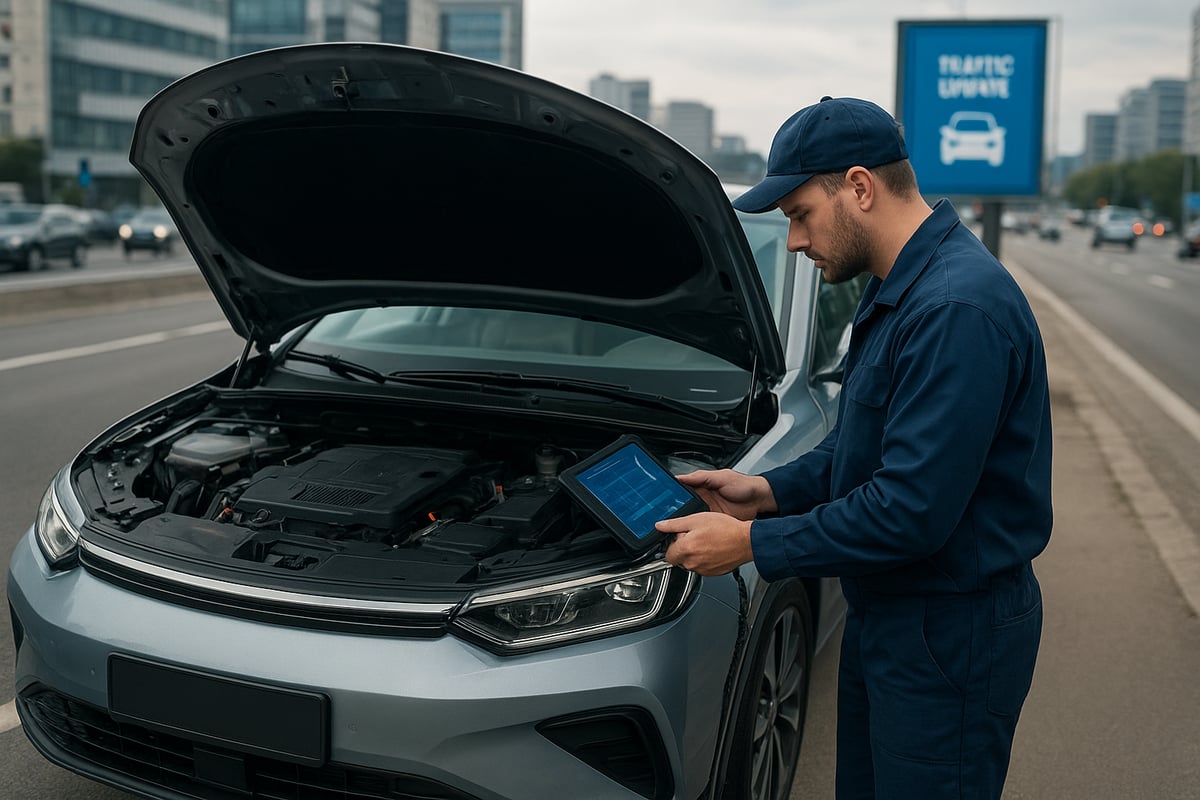
1. Battery Failure and Electrical Issues
Battery failure remains the top reason a car breaks down, even as vehicles grow smarter. In 2025, cars rely heavily on electronics, from infotainment to advanced driver assistance systems. This increased demand strains the battery, especially if you take frequent short trips or use stop-start technology.
Extreme temperatures further impact battery health. Hot summers and freezing winters both shorten battery life and can lead to sudden failure. EVs add another layer of complexity, as their battery management systems can malfunction, sometimes immobilizing the vehicle. Warning signs include slow engine cranking, dim lights, and dashboard alerts.
Modern batteries may fail with little warning, so regular voltage checks are vital. Smart chargers can help maintain optimal charge, especially if your journeys are mostly short. Staying proactive with battery care is one of the most effective reasons a car breaks down prevention strategies.
- Key signs of battery issues: slow start, electrical glitches
- Prevention: test voltage, keep terminals clean, use smart charging
2. Flat or Damaged Tires
Tire problems are a leading reason a car breaks down, and the numbers are rising. Urban roads in 2025 see more potholes and debris, which increase the risk of punctures, sidewall damage, and dangerous blowouts. Many modern cars use low-profile tires, which look sleek but are more vulnerable to damage.
Tire Pressure Monitoring Systems (TPMS) are standard, but false alarms or sensor failures can mislead drivers. Run-flat tires offer temporary mobility, yet they often lack the longevity of traditional spares. Regular inspection, proper inflation, and prompt attention to warning lights are essential.
Stay vigilant—inspect your tires for cuts, bulges, and tread wear. Keeping them at the correct pressure reduces the risk of sudden failure. Since tire damage remains a major reason a car breaks down, prevention is both simple and effective.
- Common causes: potholes, debris, underinflation
- Proactive steps: check pressures, rotate tires, inspect for wear
3. Engine Overheating
Engine overheating is a classic reason a car breaks down, and it remains a threat in 2025. Modern turbocharged engines run hotter and put more stress on cooling systems. Low coolant, failed water pumps, radiator leaks, or thermostat faults can all trigger overheating.
Neglecting coolant changes or system flushes increases risk. Hybrid and plug-in vehicles often have even more complex cooling systems, with separate circuits for batteries and power electronics. Signs of trouble include rising temperature gauges, steam from the hood, or dashboard warnings.
If you notice overheating, stop immediately and let the engine cool before checking coolant levels. Regular maintenance, timely coolant changes, and system inspections are vital. Since overheating is still a common reason a car breaks down, staying alert can save you from engine damage.
- Warning signs: high temp gauge, steam, coolant smell
- Prevention: regular coolant checks, replace worn components
4. Faulty Alternators and Charging Systems
Alternators are the unsung heroes in modern cars, powering electronics and keeping the battery charged. With more onboard tech in 2025, alternators face increased demand, making failures more common. A faulty alternator is a frequent reason a car breaks down, especially in vehicles loaded with features.
Symptoms include dimming headlights, flickering dashboard lights, or battery warning icons. In hybrids and EVs, alternator-like systems support auxiliary electronics, and faults here can disable critical systems. Ignoring early signs can lead to complete electrical shutdown.
Scheduled checks are essential. If you notice electrical quirks, seek diagnostics before a breakdown occurs. Since alternator failures are an increasingly common reason a car breaks down, prevention hinges on early detection.
- Key indicators: warning lights, electrical oddities
- Prevention: inspect charging system, heed dashboard alerts
5. Fuel System Problems
Fuel system issues are still a leading reason a car breaks down, despite advances in technology. Misfuelling—putting petrol in a diesel engine or vice versa—is surprisingly common, especially in rental or unfamiliar cars. Modern engines use complex high-pressure pumps and direct injection, making them sensitive to poor-quality or contaminated fuel.
Symptoms include difficulty starting, rough running, or stalling. Water or debris in the tank can cause persistent problems. To reduce risks, always check the fuel cap label and use reputable stations.
Fuel system failures can be costly, so prevention is key. Since fuel-related issues remain a significant reason a car breaks down, vigilance at the pump makes a difference.
- Common errors: misfuelling, bad fuel, water contamination
- Prevention: double-check pump, stick to quality brands
6. Transmission and Gearbox Failures
Automatic, CVT, and dual-clutch transmissions are now standard, but their complexity introduces new risks. Transmission failure is a top reason a car breaks down, often resulting in costly repairs. Causes include fluid leaks, worn components, or software faults.
Hybrids and electric cars add electronic controls that can suffer glitches, sometimes leading to a sudden loss of drive. Warning signs include delayed shifting, strange noises, or warning lights. Regular fluid changes and software updates are essential.
Transmission repairs are among the most expensive fixes. By addressing early symptoms, you can avoid one of the more severe reasons a car breaks down.
- Symptoms: gear slipping, delayed response, warning lights
- Prevention: fluid checks, software updates, early diagnostics
7. Starter Motor and Ignition System Issues
Starter motors and ignition systems have evolved, with push-button starts and keyless entry now the norm. These features, while convenient, introduce new failure points. Starter or ignition faults are a growing reason a car breaks down, even in vehicles under five years old.
Symptoms include clicking sounds, no crank, or intermittent starting. Sometimes, a dead key fob battery or immobilizer glitch is to blame. Regular diagnostic checks and prompt battery replacement for key fobs can help.
If your car struggles to start, investigate immediately. Since ignition failures are a notable reason a car breaks down, quick action can prevent being stranded.
- Typical signs: no response, clicking, dashboard errors
- Prevention: test starter, change key fob battery, periodic system check
8. Sensor and Computer Malfunctions
Modern cars depend on a network of sensors and computers. ABS, ADAS, emissions, and more—all rely on precise data. Sensor or computer faults are now a leading reason a car breaks down, often triggering limp mode or disabling safety features.
Common failures include wheel speed sensors, oxygen sensors, or ADAS cameras. Even minor collisions can misalign sensors, causing persistent warning lights. Software bugs may further complicate matters.
Prevention means regular calibration after repairs and timely software updates. Since sensor faults are a growing reason a car breaks down, staying up to date with diagnostics is critical.
- Frequent issues: warning lights, limp mode, loss of features
- Prevention: schedule calibrations, keep software current
9. Neglected Maintenance and Wear-and-Tear
Despite extended service intervals, skipped maintenance remains a major reason a car breaks down. Missed oil changes, overdue services, or ignored warning lights accelerate wear and increase failure risk.
Timing belt failure, for example, can ruin an engine if not replaced on schedule. Digital service records make it easier to track required maintenance, but many drivers still fall behind.
Following the manufacturer’s schedule and keeping digital records up to date is essential. Since neglect is a preventable reason a car breaks down, proactive care pays off.
- Key risks: missed services, old oil, ignored alerts
- Prevention: follow service intervals, check digital logs
Environmental and External Factors Affecting Breakdowns in 2025
Climate change is reshaping the landscape of vehicle reliability across the globe. In 2025, more frequent heatwaves, sudden storms, and widespread flooding are significant reasons a car breaks down, regardless of make or model. High temperatures accelerate battery wear, while flash floods damage electrical systems and immobilize even the most advanced vehicles. Data from recent years shows a clear spike in breakdowns during extreme weather, with heat-related failures and water ingress becoming common. As weather patterns grow more unpredictable, drivers must adapt their maintenance routines to mitigate these growing risks.
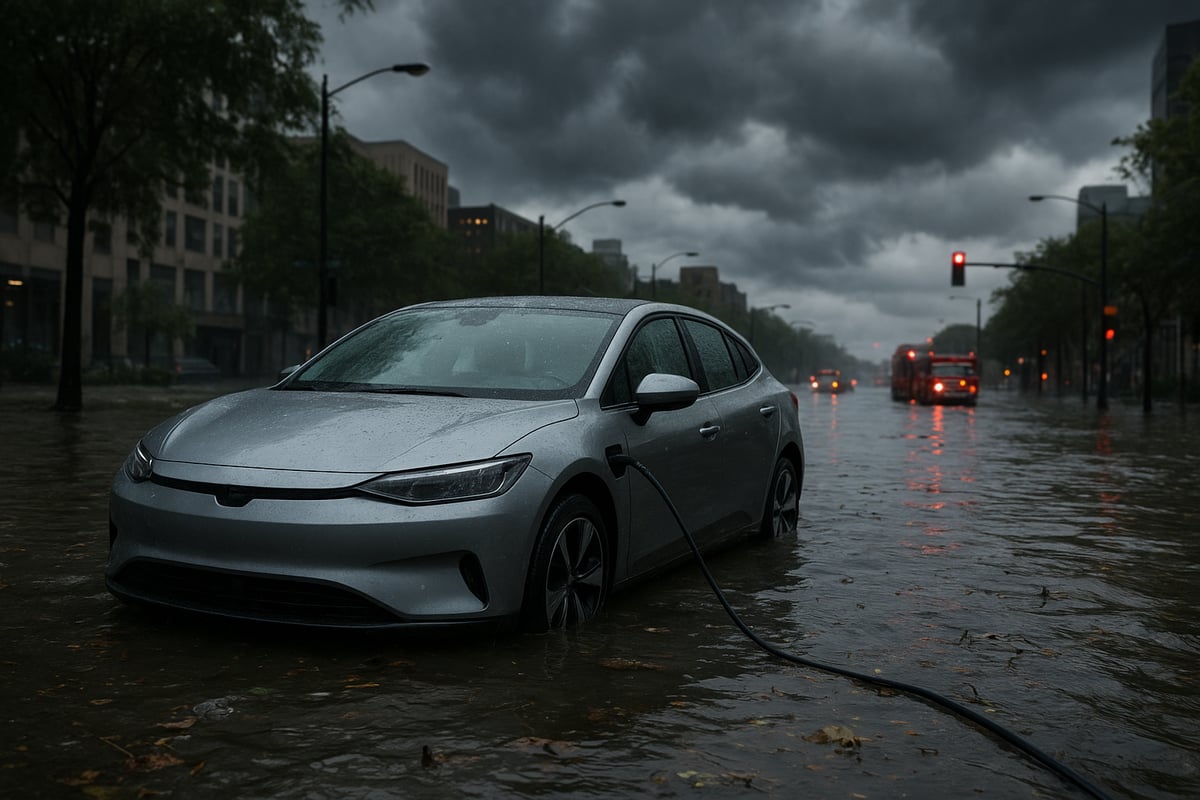
Urbanization introduces new challenges that add to the reasons a car breaks down in modern times. Cities are grappling with deteriorating road surfaces, potholes, and increasing debris, all of which contribute to a rise in tire and suspension damage. Urban areas also see higher rates of vandalism and vehicle theft, while rural drivers face isolation and limited access to fuel or charging stations. Additionally, the threat of cyber-attacks grows as cars become more connected. A single cyber incident can immobilize fleets, underscoring the importance of robust digital defenses. According to the Car breakdown advice blog, both urban and rural environments present unique risks that require tailored preventive strategies.
Smart infrastructure, such as connected traffic systems and adaptive road sensors, aims to reduce the reasons a car breaks down. However, these technologies are not foolproof. Power outages, software errors, or communication failures can leave vehicles stranded or misinformed about road hazards. For example, flooded EVs during storms and vehicles stranded in heatwaves highlight the limitations of even the most advanced systems. To minimize breakdown risks, drivers should stay informed about local conditions, invest in regular vehicle checks, and consider comprehensive roadside assistance plans that address evolving environmental threats. The ability to anticipate and prepare for these external factors remains essential for every driver in 2025.
The Importance of Preventive Maintenance and Roadside Assistance in 2025
Keeping vehicles on the road in 2025 requires more than just reacting to problems. Proactive care is essential, as it directly addresses the reasons a car breaks down. With modern vehicles relying on complex tech, skipping routine checks or ignoring digital alerts can quickly lead to unexpected failures and costly disruptions.
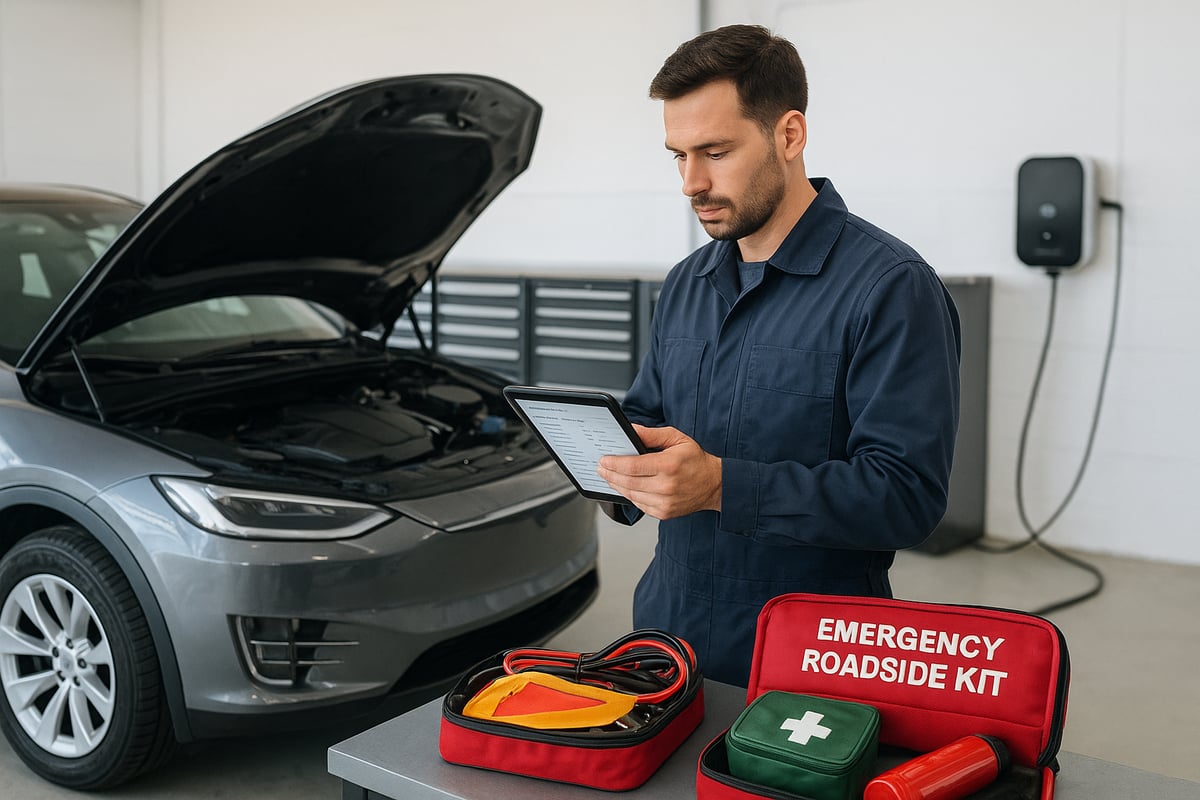
Digital service reminders and telematics now play a critical role in avoiding the top reasons a car breaks down. Many vehicles send maintenance alerts directly to your dashboard or smartphone, making it easier to manage oil changes, brake checks, and software updates. Predictive diagnostics can even identify wear-and-tear issues before they become critical. For example, a car may notify you of declining battery health or a failing sensor, providing time to act before breakdown occurs. Contact Motors Recovery today for reliable and trustworthy services in Car Recovery London!
Regular professional inspections are more important than ever. Technicians use advanced tools to scan for hidden faults in electrical systems, sensors, and software. This approach helps catch small issues early, reducing the risk of being stranded. Predictive maintenance alerts are becoming standard, allowing drivers to address the reasons a car breaks down before they escalate.
When prevention falls short, a robust roadside assistance plan is vital. Comprehensive coverage can resolve many of the reasons a car breaks down, from flat tires to software glitches. Comparing pay-as-you-go services with membership-based plans can help you choose the right fit. Memberships often include extras like trip interruption coverage, while pay-as-you-go options may suit occasional drivers. For more details on what to expect from modern services, see Roadside assistance for cars.
Preparedness does not end with a service plan. Carrying an emergency kit, keeping digital records, and reviewing seasonal maintenance tips all help reduce the reasons a car breaks down. Items like jumper cables, a portable charger, and a tire repair kit can make a difference during unexpected events. For practical guidance on prevention and emergency readiness, consult these Essential business roadside tips.

