Imagine being stranded on a dark roadside in 2026, your car silent and your phone in hand. Would you know who to contact or how to stay safe while waiting for help?
Breakdowns and roadside emergencies can happen to anyone, often when least expected. Many drivers feel unprepared, unsure of the right steps to take during these stressful moments.
This guide is designed to give you confidence and clarity when you need it most. You will discover everything essential about how to call the tow truck, what to expect from the process in 2026, and how to ensure your safety and peace of mind.
We will cover when to seek towing assistance, how modern recovery works, choosing the right service, understanding costs, and expert tips for a smooth recovery experience.
When Should You Call a Tow Truck?
Breaking down on the roadside can be stressful, especially if you are unsure when to call the tow truck for help. Recognising the right time to seek professional assistance can make all the difference to your safety and peace of mind.
Common Breakdown Scenarios
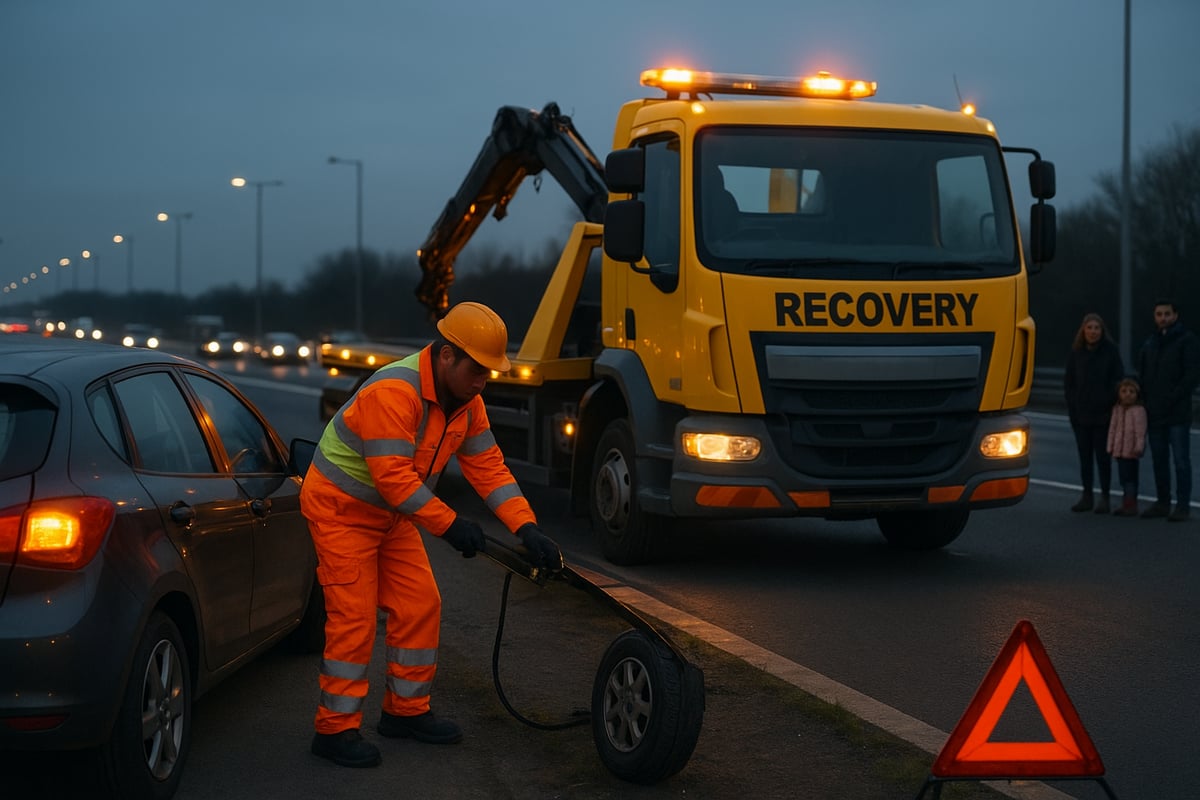
There are several situations on the road where you should not hesitate to call the tow truck. Mechanical failures such as engine overheating, transmission faults, or sudden electrical issues often leave vehicles immobilised. Flat tyres, dead batteries, and running out of fuel are also common reasons drivers find themselves stranded and in need of assistance.
Accidents or collisions can damage your vehicle, making it unsafe or illegal to drive. Severe weather, such as flooding, heavy snow, or icy roads, may leave your vehicle stuck. Being locked out or losing your keys is another scenario where you might need to call the tow truck for professional help.
If you notice smoke coming from under the bonnet or experience a sudden loss of power, it is safer to seek recovery rather than risk further damage. Legal issues, such as police orders or breakdowns on motorways, often require prompt towing as well.
Safety Considerations
Your safety should always come first when deciding whether to call the tow truck. Attempting DIY repairs on a busy road, especially at night or in poor weather, can put you and others at risk. If your vehicle is in a dangerous location, such as a blind bend or the hard shoulder of a motorway, leave the car and move to a safe spot before contacting help.
UK law requires you to exit your vehicle and wait behind a barrier if you break down on a motorway. Never remain in your car if it is unsafe. Using hazard lights, warning triangles, and reflective clothing helps alert other drivers while you wait for assistance.
Only try to fix minor issues if you are confident and it is safe to do so. Otherwise, always call the tow truck and let professionals handle the situation.
Examples and Data
Breakdowns are more common than many expect. According to the RAC, there are over 2.5 million breakdowns every year in the UK, and around 40 percent of these cases require towing. For instance, a family stranded on the M25 after a tyre blowout relied on a quick response to call the tow truck, which prevented a potentially hazardous situation from escalating.
Recent increases in pothole-related incidents and breakdowns on smart motorways further highlight the importance of knowing when to seek professional recovery. Statistics show that breakdowns requiring towing are not only frequent but can also happen to any driver, regardless of experience.
Key Arguments and Insights
Making the decision to call the tow truck early can reduce danger and stress for everyone involved. Not every car problem demands towing, but recognising the signs that you need expert help is vital. On UK motorways and dual carriageways, towing is often mandatory, and waiting for authorised recovery is required by law.
Being prepared and informed ensures you act quickly and confidently. Keep essential contacts handy and do not hesitate to call the tow truck when safety or legality is at stake.
The Tow Truck Process: Step-by-Step in 2026
Breaking down on the road can be daunting, but knowing how to call the tow truck efficiently makes all the difference. In 2026, the towing process is streamlined, tech-enabled, and focused on safety. Here is a clear step-by-step guide to follow when you need to call the tow truck, ensuring you stay safe, informed, and get back on the road as quickly as possible.
Step 1: Assess Your Situation
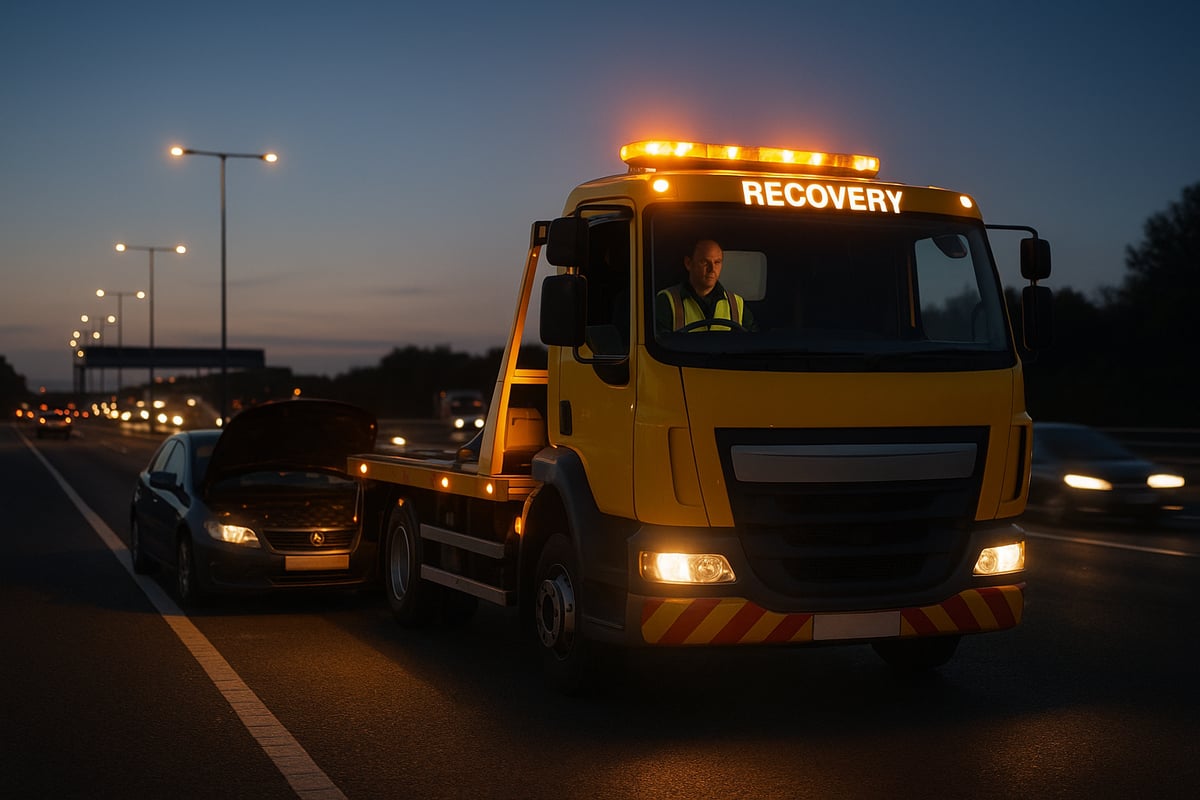
Your safety is always the first priority before you call the tow truck. Move your vehicle out of active traffic if possible, steering onto a hard shoulder, layby, or safe verge. Turn on your hazard lights immediately to warn other drivers.
Check for any immediate risks such as fire, smoke, or leaking fluids before you call the tow truck. If you detect any of these, exit the vehicle swiftly and move to a safe location away from the road. Never attempt to fix serious issues yourself, especially on busy motorways.
If your car is immobilised in a dangerous spot, do not stay inside the vehicle. Instead, find a safe place behind barriers or away from moving traffic. Once you have ensured your own safety, you are ready to call the tow truck for professional assistance.
Step 2: Contact a Reputable Recovery Service
When you need to call the tow truck, finding a reliable recovery provider is crucial. Use your smartphone, in-car system, or a trusted app to search for local towing services. Many drivers now rely on digital directories or dedicated breakdown apps that offer instant booking.
Be prepared to give precise details when you call the tow truck: your exact location (using GPS coordinates or What3Words), vehicle make and model, registration number, and a brief description of the problem. Providing accurate information helps the operator dispatch the correct type of tow truck and ensures a swift response.
If you are on a motorway, use the nearest emergency phone if your mobile has no signal. This connects you directly to Highways England, who can arrange a safe and secure recovery. Taking these steps ensures you receive the right help when you call the tow truck.
Step 3: Wait Safely
After you call the tow truck, focus on your safety while waiting for help to arrive. Remain outside the vehicle, especially if you are close to fast-moving traffic. Stand behind safety barriers if available, and keep all passengers together.
Use your hazard lights to make your vehicle visible, and place a warning triangle at least 45 metres behind your car (not on the motorway). Wear high-visibility clothing if you have it, as this makes you easier to spot for both recovery teams and other motorists.
Keep your phone at hand so you can receive updates when you call the tow truck. Many services now offer real-time tracking, allowing you to monitor the tow truck’s progress and estimated arrival time. This technology brings peace of mind while you wait.
Step 4: Towing Arrival and Assessment
When the tow truck arrives, the driver will identify themselves and carry out safety checks before any recovery begins. They may ask to see your ID or vehicle documents to confirm details. Professional operators follow strict safety protocols to protect you and your vehicle.
Modern tow trucks often come equipped with diagnostic tools, enabling the operator to attempt minor repairs such as battery jump-starts or tyre inflations on the spot. If the issue is more serious, they will prepare your car for transport. For a comprehensive overview of what happens when you call the tow truck, you can review the Step-by-step towing process provided by leading recovery services.
Trustworthy operators will always explain the next steps and answer your questions, ensuring you remain informed throughout the recovery process.
Once your vehicle is ready, the tow truck operator will select the appropriate recovery method. There are several types of tow trucks in use in 2026:
| Tow Truck Type |
Best For |
Key Features |
| Flatbed |
All vehicles, long distance |
Safe, secure transport |
| Wheel-lift |
Cars, short distances |
Fast loading, compact |
| Heavy-duty |
Vans, SUVs, large vehicles |
Extra capacity, robust |
The operator will carefully load and secure your vehicle, using wheel straps and stabilisers. You may be able to ride with the driver, or you can arrange alternative transport if needed. When you call the tow truck, always ask about passenger policies and any extra support they can provide.
Step 6: Delivery and Next Steps
Upon arrival at your chosen destination, the tow truck operator will unload your vehicle safely. You can have your car delivered to your home, a trusted garage, or a dealership, depending on the nature of the breakdown and your preference.
Payment is now typically handled via contactless methods, with digital receipts sent directly to your phone or email. The operator will provide you with a breakdown report and advise on any further steps, such as arranging repairs or contacting your insurer.
After you call the tow truck, follow up with your recovery provider for post-service support if needed. Many companies now offer digital documentation and customer care to ensure your experience is smooth from start to finish.
Choosing the Right Tow Truck Service in 2026
Selecting the best tow truck service in 2026 is crucial for a swift, stress-free recovery. The marketplace is evolving, so knowing what to prioritise when you need to call the tow truck can ensure you are well-prepared, protected, and confident during any roadside emergency.
Essential Qualities to Look For
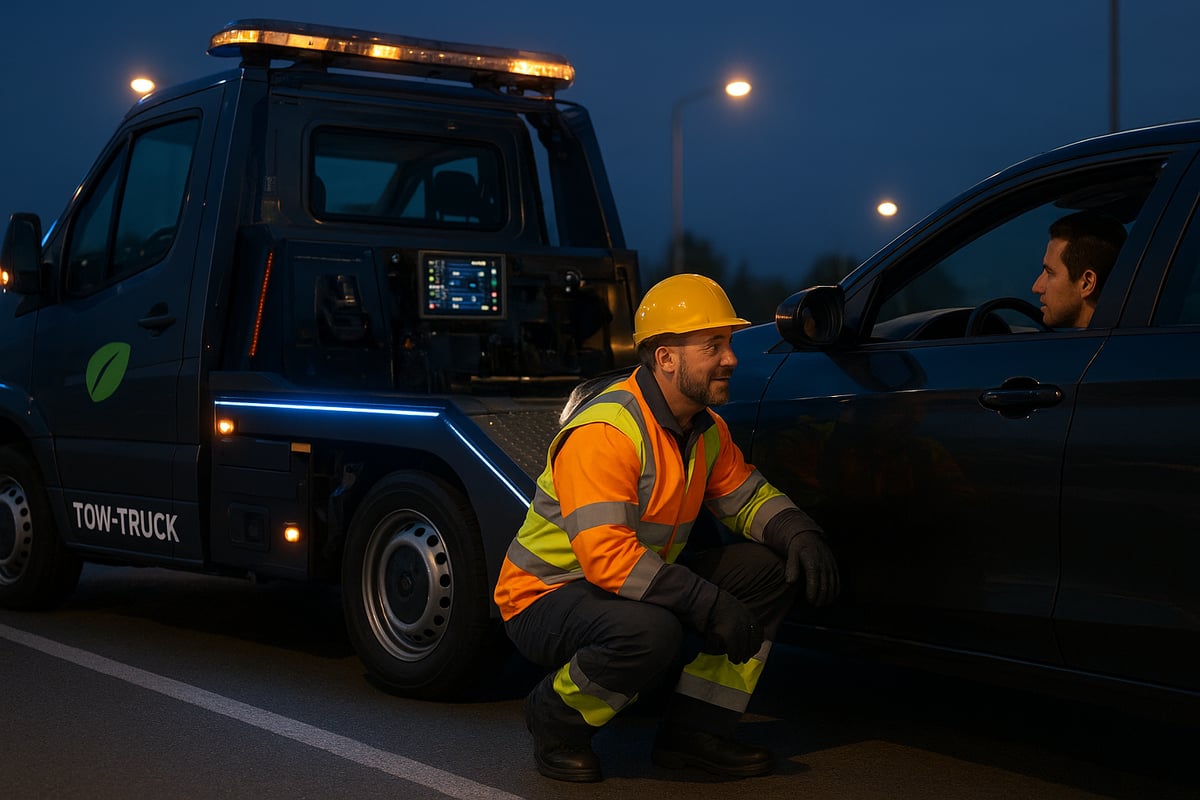
When you call the tow truck, prioritise services that offer round-the-clock availability and quick response times. Coverage area is vital—some companies specialise in local, national, or even motorway-specific recoveries. Always check for certified and insured operators, as this guarantees professionalism and accountability.
Look for these qualities:
- 24/7 emergency support
- Comprehensive area coverage
- Proper certification and insurance
- Experience with your vehicle type
A reliable provider ensures your safety and minimises disruption, especially during high-stress situations.
Technology and Innovation
Advancements in technology are reshaping how you call the tow truck. Many services now use real-time tracking, allowing you to monitor the tow truck’s location via GPS apps. Digital communication streamlines updates, while some companies invest in eco-friendly vehicles to reduce emissions.
Key innovations include:
- GPS-enabled tracking for transparent ETAs
- App-based booking and live support
- Electric and hybrid recovery vehicles
- Integration with digital payment systems
These improvements not only enhance convenience but also provide peace of mind during a breakdown.
Pricing Transparency
Understanding the costs before you call the tow truck is essential. Leading providers display upfront quotes and avoid hidden fees. Options like pay-as-you-go or membership plans let drivers choose the best fit for their needs.
| Pricing Model |
Features |
Ideal For |
| Pay-as-you-go |
No ongoing fees, flexible |
Occasional drivers |
| Membership |
Flat annual fee, added perks |
Frequent motorists |
Always request a clear quote before agreeing to a service. Transparent pricing helps you budget confidently and prevents surprises.
Customer Service and Support
When you call the tow truck, expect professionalism and clear communication. The best services offer multilingual support, accessible contact options, and dedicated aftercare. Friendly, knowledgeable staff can guide you through the recovery process and answer any questions.
What to look for:
- Prompt, courteous responses
- Clear explanations of procedures
- Accessible support channels
- After-service follow-up
Excellent customer service turns a stressful event into a manageable experience.
Example Providers
Consider a London-based recovery service known for 15 to 40 minute response times and a modern fleet. Such companies often cater to all vehicle types, from motorcycles to vans, and offer transparent, no-membership pricing.
A 2026 consumer survey found drivers value real-time tracking, digital communication, and quick arrival most when they call the tow truck. Choosing a provider that excels in these areas can make all the difference during an emergency.
Key Insights
The way you call the tow truck is changing rapidly. Selecting a provider tailored to your vehicle and needs is essential for peace of mind. Technology is transforming the industry, making breakdown recovery faster and more reliable.
For more expert advice on preparing for breakdowns and selecting the right service, visit these Breakdown and vehicle recovery tips.
Understanding Tow Truck Costs and Insurance in 2026
Understanding the financial side when you need to call the tow truck is crucial for every driver in 2026. Knowing what to expect in terms of costs and insurance coverage will help you avoid surprises and make informed decisions during a stressful situation.
Breakdown of Typical Costs
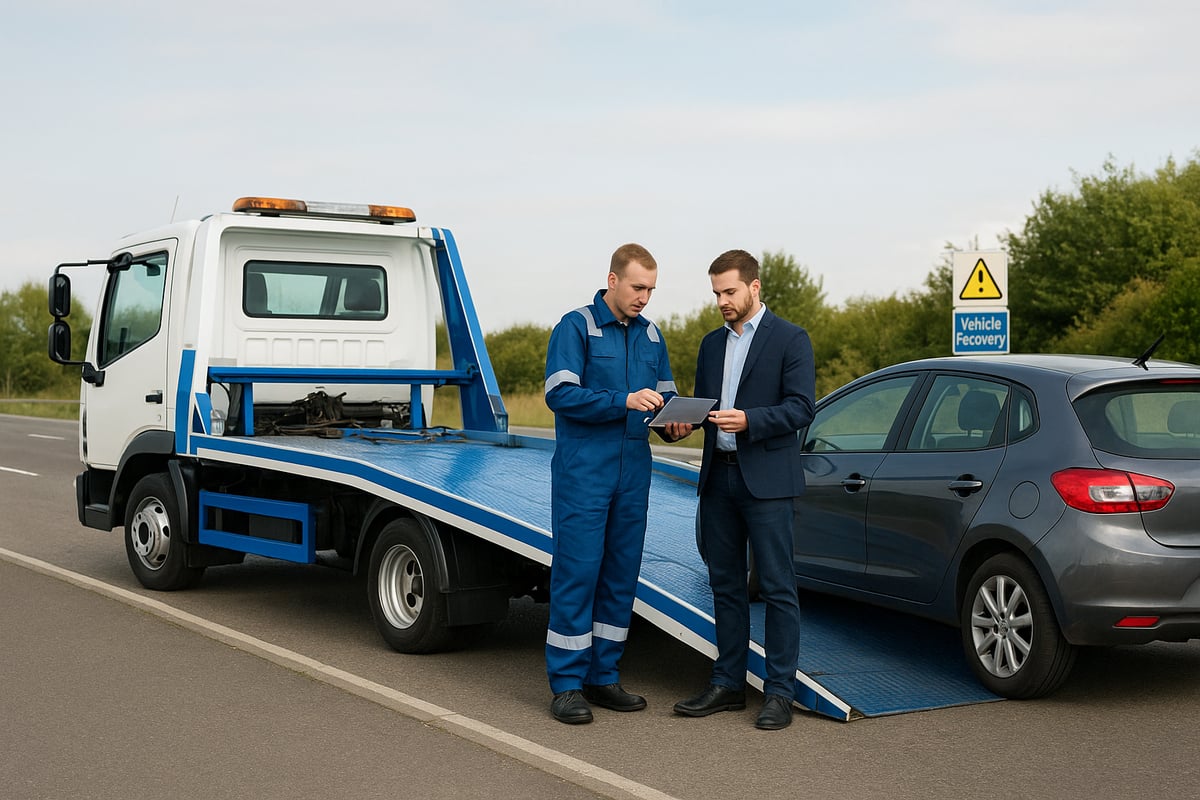
When you call the tow truck in 2026, you will encounter a range of charges. These usually include a call-out fee, mileage rates, and extra costs for services like jump-starts or tyre changes.
Average UK towing fees now range from £60 to £150 for standard recovery, depending on your location and the time of day. Factors such as vehicle size, distance to destination, and whether specialist equipment is needed can all impact the final bill.
Here’s a table summarising typical towing costs:
| Service Type |
Average Cost (£) |
Notes |
| Standard Recovery |
60-150 |
Short distances, cars |
| Long-Distance Tow |
150-300+ |
Over 25 miles |
| Jump-Start/Minor Fix |
40-80 |
May avoid full tow |
| Specialist Vehicle |
120-250+ |
Vans, 4x4s, motorcycles |
For a deeper look at current pricing, see Tow truck service costs explained. This transparency helps you prepare before you call the tow truck.
Insurance Considerations
Before you call the tow truck, check your insurance policy. Many standard car insurance plans cover some towing costs, but the level of cover varies greatly.
Comprehensive policies often include breakdown and roadside assistance, while third-party cover may not. Some policies require you to use specific recovery providers or have limits on distance and the number of call-outs per year.
If you need to claim, keep all receipts and document the breakdown. Contact your insurer as soon as possible, providing details of the incident and the recovery service used.
Understanding your cover before you call the tow truck can save both time and money in emergencies.
Reducing Your Expenses
To lower your costs when you call the tow truck, review your breakdown cover and compare pay-as-you-go options with annual memberships. Some flexible services offer no-membership recovery, which can be more economical if you rarely need assistance.
Before a breakdown occurs, check for hidden fees or restrictions in your policy. Always request a full quote from the provider, including extras like after-hours service or additional passengers.
Negotiating rates and confirming all details in advance helps you manage expenses and avoid unexpected charges when you have to call the tow truck.
Examples, Data, and Key Insights
A 2026 survey found that 45% of UK drivers are unclear about their towing cover limits. This lack of awareness often leads to unexpected expenses when they call the tow truck, especially if they use a non-network recovery service.
Consider this case: a driver without proper cover faced a £250 bill after a motorway breakdown because their policy only reimbursed up to £100 for towing. This highlights the importance of reading policy details and confirming coverage before you call the tow truck.
Transparent pricing and clear communication with providers are essential. Opting for flexible, no-membership services can often yield significant savings, especially for drivers who want more control over their recovery costs.
Essential Tips for a Smooth Towing Experience
A breakdown can happen to anyone, anywhere, and at any time. The difference between a stressful ordeal and a smooth recovery often comes down to preparation and making the right decisions when you call the tow truck. Here are essential tips to help you stay calm, safe, and in control during any roadside emergency.
Preparing for the Unexpected
No one expects to be stranded, but being prepared before you need to call the tow truck can make all the difference. Start by assembling a simple emergency kit. Include a reflective vest, warning triangle, torch, first-aid kit, bottled water, phone charger, and basic tools.
Keep a printed list of key contacts, including your insurance provider and preferred recovery services. Save the numbers in your phone for quick access. Download reputable breakdown apps, as these can speed up the process when you need to call the tow truck.
Recent RAC pothole-related breakdowns report shows a sharp increase in incidents caused by road damage, making preparation even more crucial. Take a few minutes to familiarise yourself with your vehicle’s manual, especially the section on breakdown procedures.
Communication and Documentation
Clear communication is vital when you call the tow truck. Share your precise location using GPS or services like What3Words. This ensures the recovery team can find you quickly and safely.
Before the tow truck arrives, take photos of your vehicle, the scene, and any visible damage. These images will help with any insurance claims and protect you from potential disputes.
Let your insurer and family know your situation. Provide all relevant details to the recovery service so they can send the right equipment when you call the tow truck. Keep all documentation, such as receipts and service reports, for your records.
Safety and Etiquette
Safety should be your top priority every time you call the tow truck. Move your vehicle to a safe location if possible, such as a verge or lay-by, and exit the car from the side away from traffic.
Switch on your hazard lights and place a warning triangle at least 45 metres behind your vehicle. Put on your reflective vest, especially at night or in poor visibility. Ensure all passengers are safely away from the road and keep children or pets under close supervision.
Remain polite and cooperative with recovery staff when you call the tow truck. Calm communication helps everyone work efficiently and reduces stress during a difficult situation.
After the Tow: Next Steps
Once you have called the tow truck and your vehicle is secured, consider your next move. Arrange repairs with a trusted garage or dealership. If your vehicle was impounded or seized, contact the relevant authorities promptly and gather the required paperwork.
Think ahead about alternative transport options, such as public transport or car hire, especially if your journey is essential. After the tow, check your insurance policy to confirm what costs are covered and how to make a claim.
Keep all receipts and paperwork from the tow truck service. This will help you resolve any disputes and ensure a smooth claims process if needed.
Common Mistakes to Avoid
Even when you call the tow truck, mistakes can happen. Avoid these common pitfalls to keep your recovery experience hassle-free:
- Accepting help from unlicensed or unauthorised operators
- Leaving valuables or important documents in your vehicle
- Not confirming the drop-off location or destination
- Failing to notify your insurer or breakdown provider
- Forgetting to collect all paperwork and receipts
Always double-check the credentials of the tow truck operator and do not be pressured into unnecessary services.
Data and Examples
Delays and complications during recovery are often due to avoidable issues. The 2026 AA report highlights that the most common causes of delay include unclear location details and unprepared drivers.
Breakdowns on smart motorways are particularly challenging, with smart motorways breakdown statistics showing a higher risk of extended waits compared to conventional roads. Following best practices, such as using reflective gear and clear signage, has led to faster, safer recoveries for many motorists.
Remember, the sooner you call the tow truck and provide accurate information, the smoother your experience will be.
Key Insights and Arguments
Preparation and knowledge are essential when you call the tow truck. The right emergency kit, up-to-date contacts, and a clear understanding of the process can help you minimise stress and costs.
Stay informed about the latest trends in roadside assistance and breakdown recovery. Technology, such as GPS tracking and digital communication, is transforming the way you call the tow truck and receive help.
Empower yourself by regularly reviewing your insurance cover, keeping emergency supplies in your vehicle, and knowing the safest steps to take in any roadside emergency. With these strategies, you will be ready for whatever 2026 brings.

